Is CE certification required for anti-reflective glass sold into Charlotte, North Carolina?
CE marking depends on the finished product and its regulatory scope. In many cases, glass is a component inside a machine, display, appliance or electrical assembly, so compliance is assessed at the equipment level. For Charlotte manufacturers exporting to Europe or building global platforms, it is still useful to source from a supplier that can provide batch traceability, coating performance records, material documentation and CE-related support. KELO works with your compliance team to supply the glass data needed for the final declaration. Buyers should confirm the legal requirement for the completed product.
Which coating is better for Charlotte’s bright sun: AR or AG?
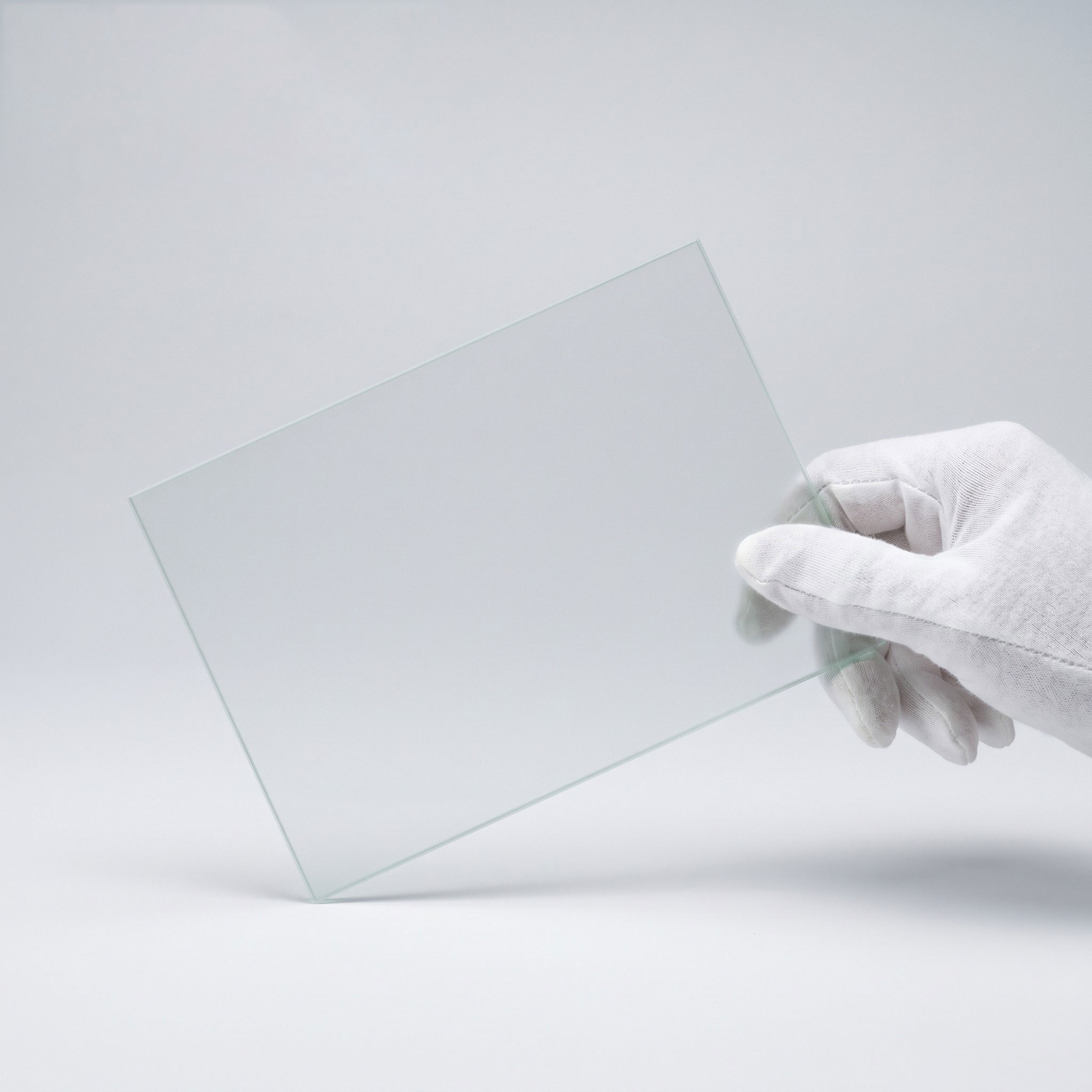
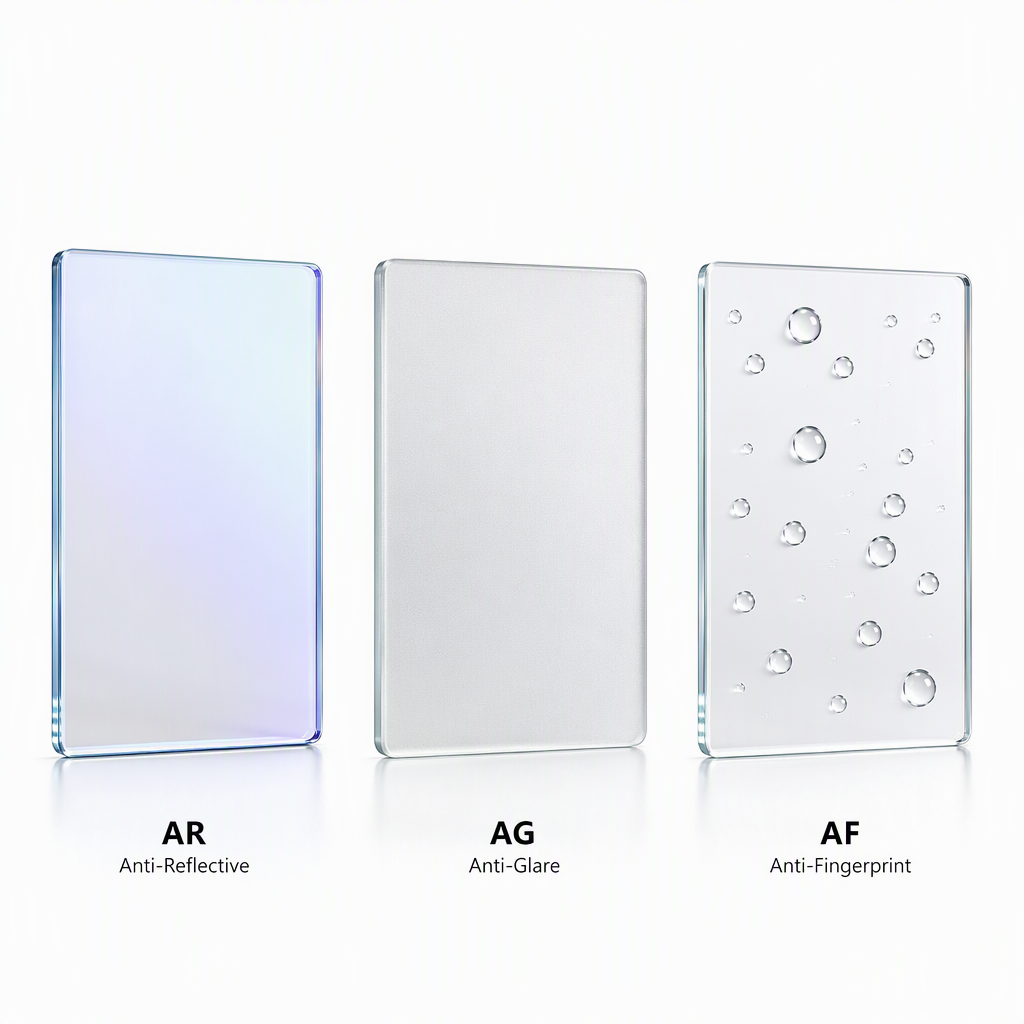
AR coating is usually specified when you want maximum transparency and reduced reflected glare, such as on showroom displays, medical monitors and optical windows. AG coating is better when the problem is a strong specular reflection from sunlight or overhead lighting, because it diffuses the reflection across the surface. Some projects use AR + AG together. The best choice depends on viewing distance, display brightness, ambient light and cosmetic requirements.
Can you supply a waterproof touch panel for outdoor gym or recreation equipment?
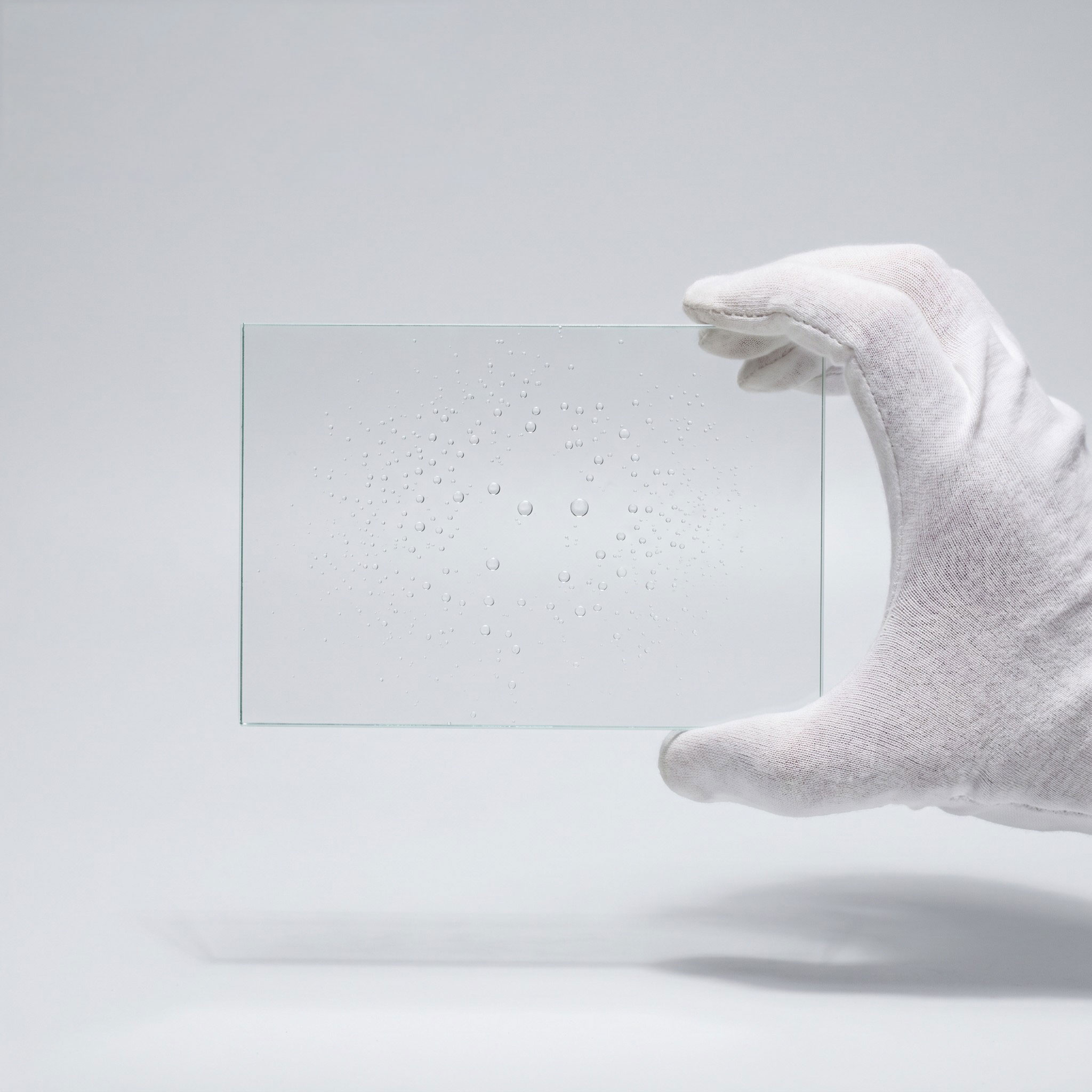
Yes. The waterproof outdoor touch screen glass family includes extra-clear tempered glass panels in the 0.2–5 mm range, with custom shapes and optional surface treatments. For outdoor fitness equipment, we recommend discussing the cleaning chemicals, expected UV exposure, mounting method and touch interface together so the glass, adhesive and coating can be specified as a system.
What is the minimum order quantity for custom anti-reflective glass?
Sample orders can start from 1–2 pieces so you can validate fit, optics and coating performance before committing to volume. Bulk quantities are quoted according to the drawing, glass type, coating stack, printing, forming and packaging requirements.
How long does production and delivery to Charlotte usually take?
After sample approval, bulk production is typically 21–31 days, depending on size, coating stack, 2.5D/3D forming and printing complexity. Shipping to Charlotte is then planned by air or sea depending on sample versus volume orders. The exact schedule should be confirmed during the RFQ because route, packing type and order size affect transit planning.
Which trade terms and payment methods do you accept?
We support FOB, CFR, CIF, EXW and DDP trade terms, with payment options including T/T, L/C, PayPal and Western Union. Orders placed through Alibaba.com can also be protected by Trade Assurance, which is useful for first-time international buyers.
How do you protect glass during export shipping?
We use custom honeycomb cartons, blister trays and partition packing to reduce transit damage. For coated glass, the packing method should also protect the surface from abrasion and contamination. If you have an existing packaging standard or require a specific label sequence, share it with the engineering team during quotation.
Can you match custom shapes, holes, printed borders, 2.5D or 3D forming and adhesive?
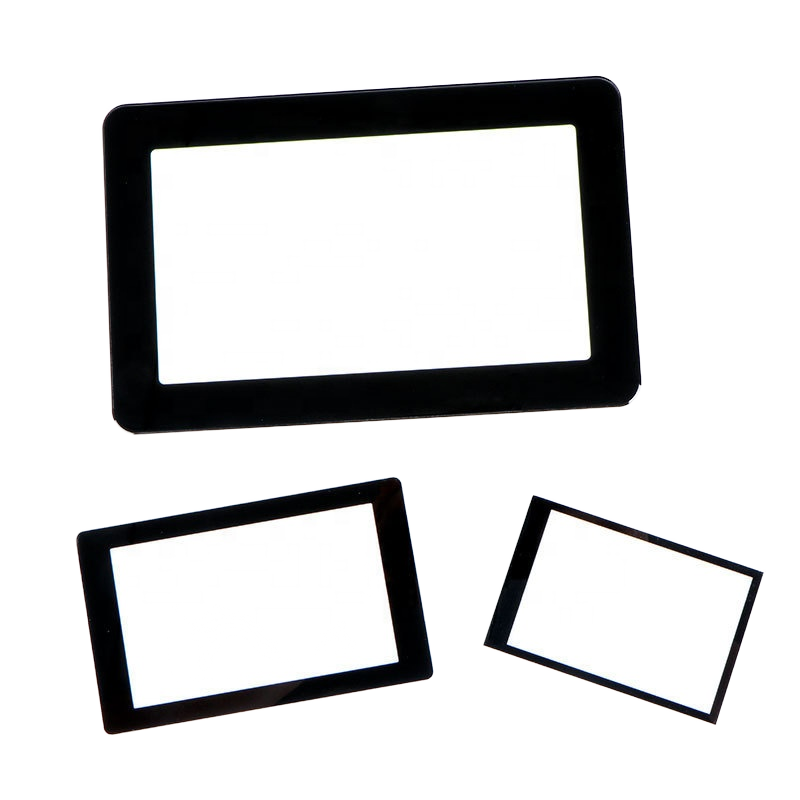
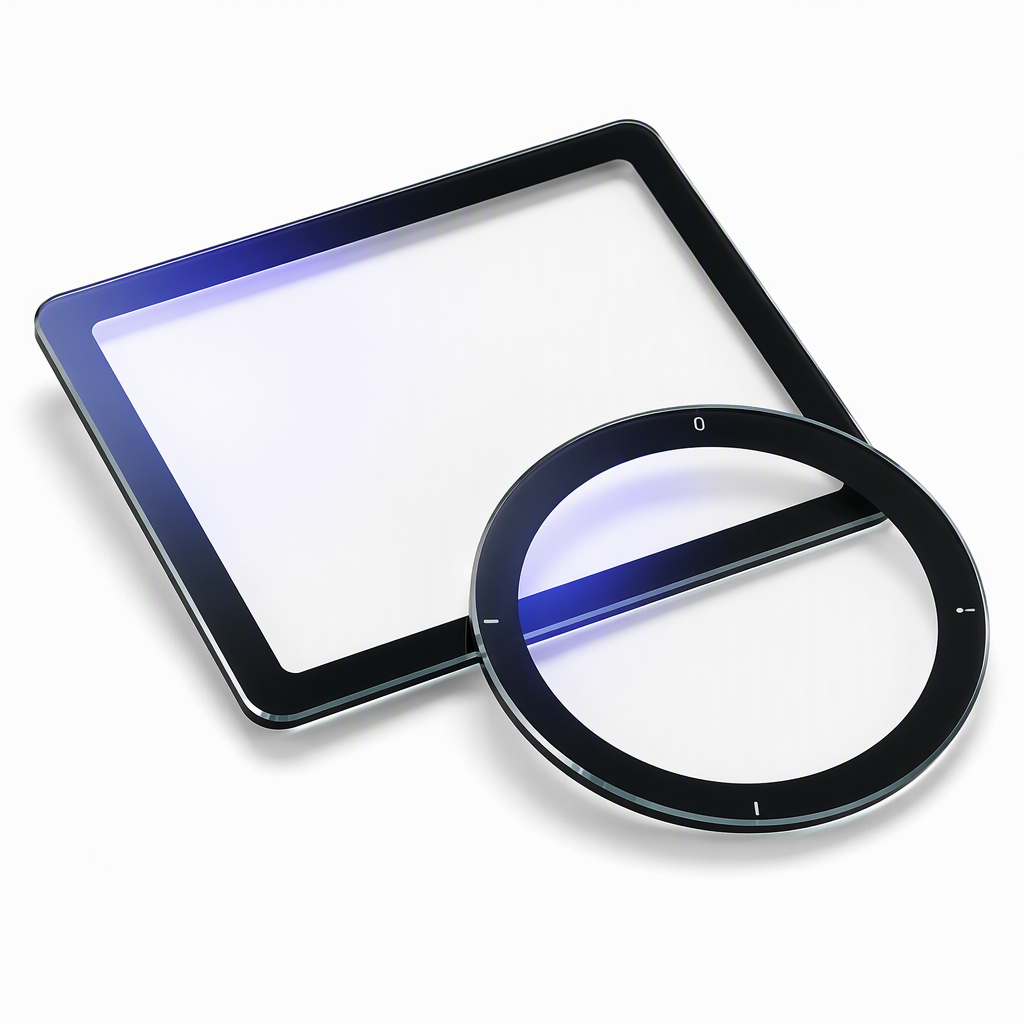
Yes. Custom size, shape, holes, color, logo printing, 2.5D/3D curved forming and 3M adhesive bonding can be customized to your drawing or sample. The earlier these features are reviewed, the more accurately we can advise on tolerance, tooling and cost drivers.
How is quality controlled before shipment?
Quality is controlled through incoming inspection, in-process inspection and final inspection, including 100% appearance checking. Depending on the product, we also perform tempering, adhesion, abrasion and salt-spray tests. Coating data and inspection records can be discussed as part of the approved quality plan.
What do you need to provide a fast quotation for a Charlotte project?
Send the glass drawing or sample photo, dimensions, thickness, glass type, coating requirement, printed graphics, expected annual volume, target delivery date and any compliance documents required by your customer. If you are still defining the specification, describe the operating environment and we can recommend AR, AG, AF, ITO, FTO or a combined coating stack.