CE Certified Glass Cover Plate Manufacturers & Factory in Tokyo
Factory-direct tempered glass cover plates, AR/AG/AF optical coatings, and ITO/FTO conductive glass for Tokyo OEMs, design houses, distributors, and procurement teams. Engineer-reviewed samples from 1–2 pcs, in-house surface treatment, and export documentation support from Huizhou, Guangdong.
Eight glass cover plate options for Tokyo projects
These production-ready lines cover the practical specification gap between a design concept and a repeatable order: tempered strength, optical coating performance, printed graphics, CNC geometry, and conductive functionality. Each product can be reviewed against your drawing, target application, and compliance file.
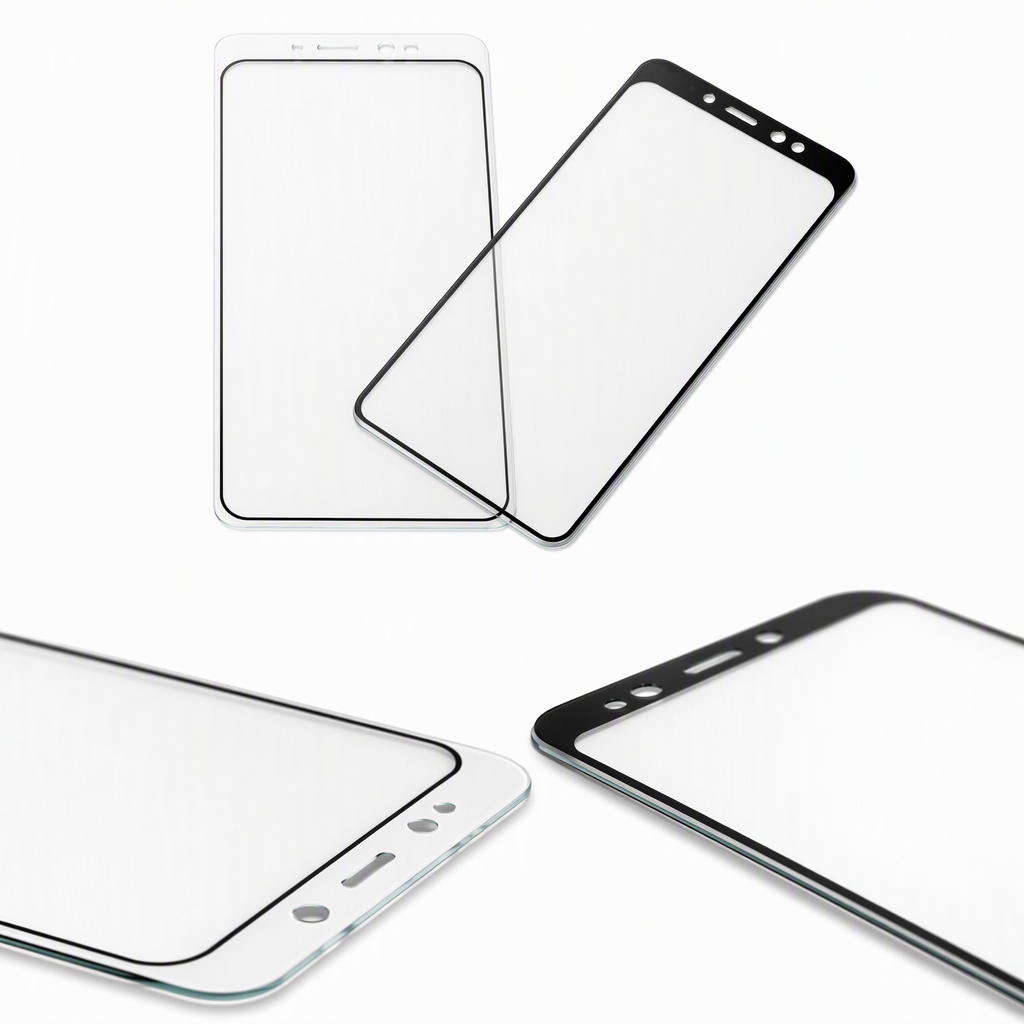
Toughened Glass Panel No Coating CNC Hole Drilling Irregular Shape Silk Screen Printed Custom Size Wholesale Supplier
A factory-direct tempered panel for projects that need CNC holes, irregular outlines, and printed graphics. It suits Tokyo building intercoms, compact vending interfaces, and custom equipment enclosures where fit and print registration are more important than a plain rectangular cover.
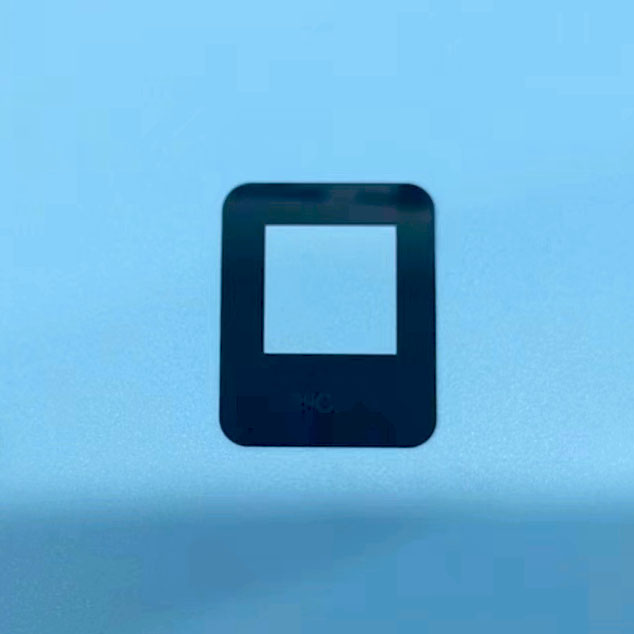
1mm Black Tempered Glass Switch Socket Panel Flat Solid Wall Cover with Print
A slim 1 mm black tempered glass wall cover for switch and socket plates. The flat, printed surface fits hotel refurbishments, serviced apartments, and smart-home control points where a clean black finish, easy cleaning, and stable print color matter.
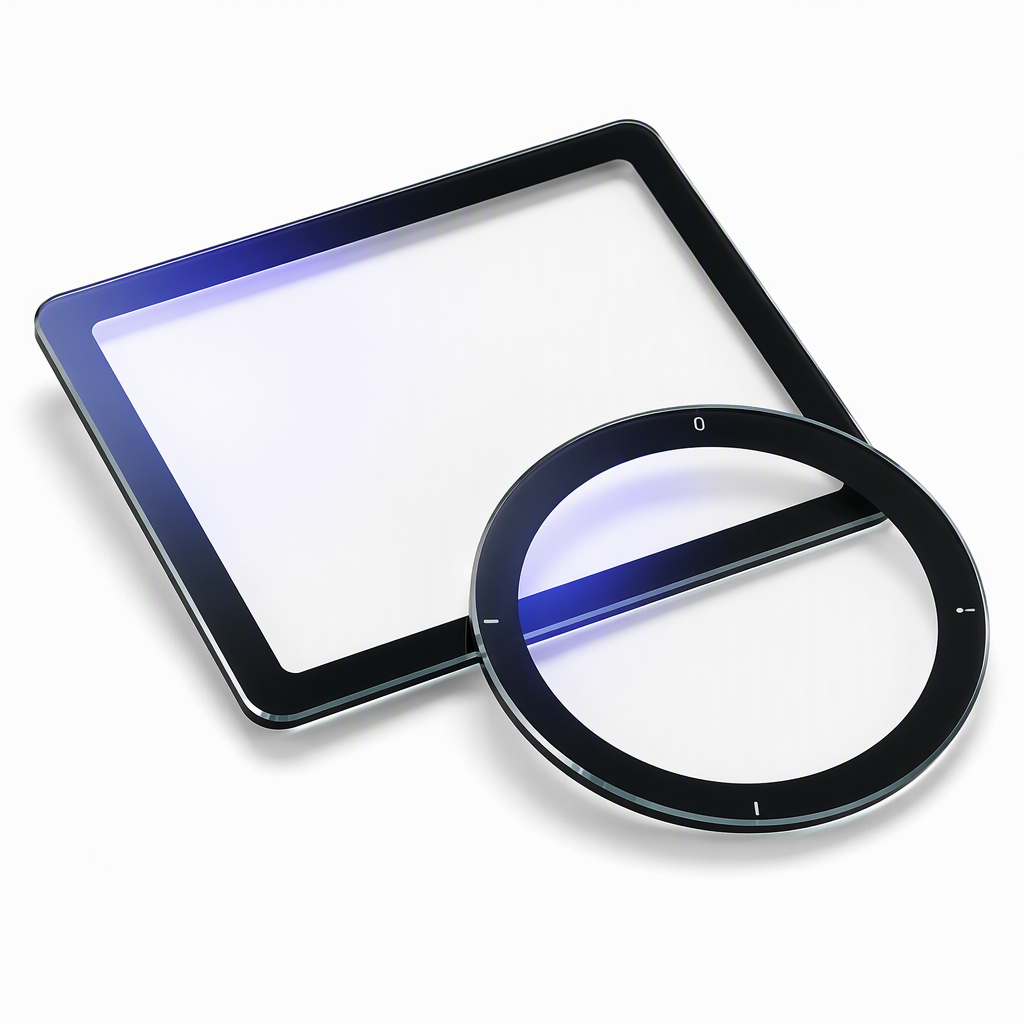
Custom Tempered Glass Toughened Glass Panels Low Iron Display Cover Glass AR Coating Factory Supply Customized Size
Low-iron display cover glass with AR coating for high-clarity viewing windows, control panels, and optical display assemblies. The low-iron substrate reduces green tint, while AR treatment helps preserve contrast in bright Tokyo showrooms, medical monitors, and premium equipment.
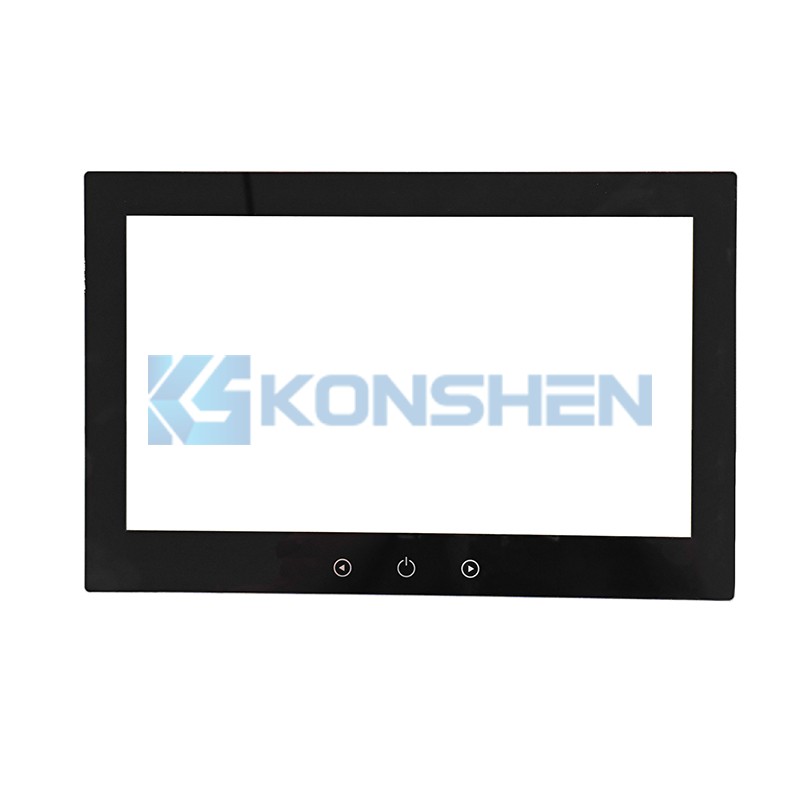
Electronic ITO Conductive Tempered Glass Custom Black Framed 1mm-4mm Thickness Display Cover for Industrial Monitor
ITO conductive tempered glass with a custom black frame for industrial monitors, touch sensors, and EMI-sensitive assemblies. Specify sheet resistance, frame width, and thickness so the panel can be integrated without compromising optical clarity or electrical performance.
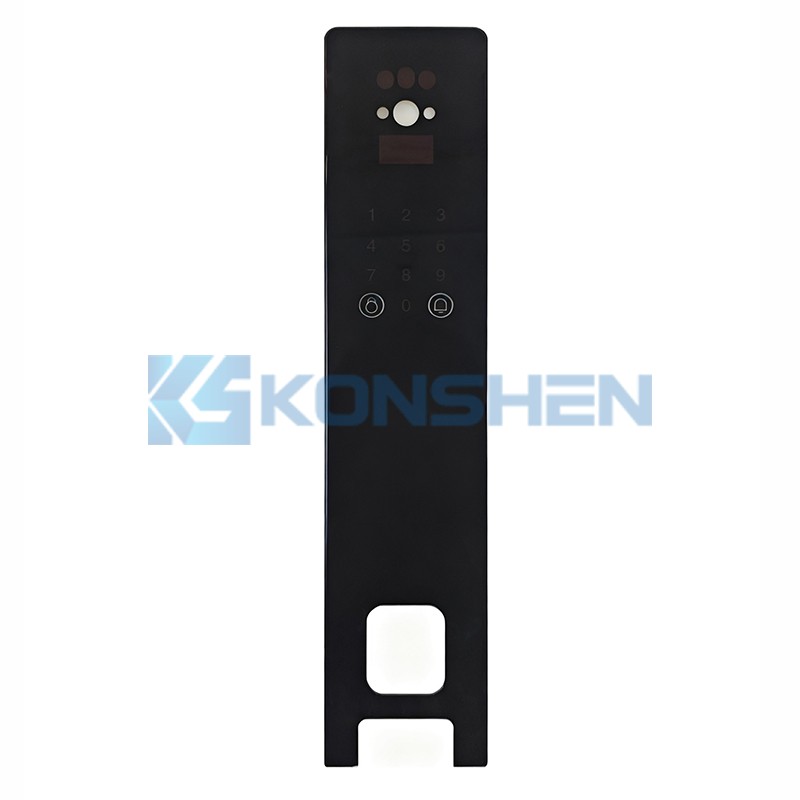
Electronic Tempered Glass Film Custom Printed Rectangular Panel Digital Keypad for Smart Door Lock
A printed rectangular glass panel for smart door locks, keypads, and access-control interfaces. The tempered surface resists daily touch wear, and the printing can be aligned to LED windows, icon legends, and sensor zones.
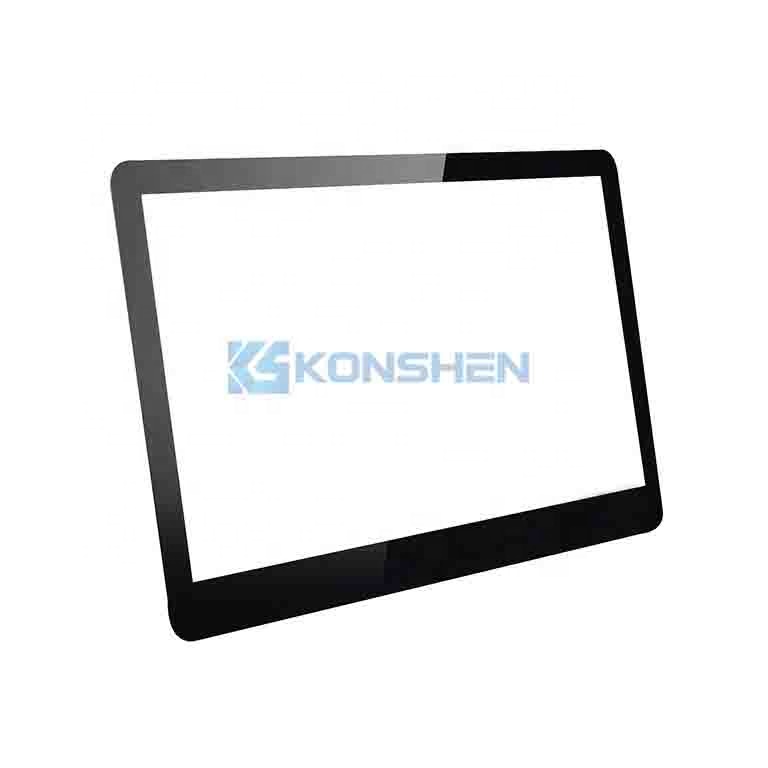
2mm 3mm Solid/Hollow Anti-Glare Chemical Tempered LCD Touch Screen Protection Cover Glass Silk Screen Printed European Style
Anti-glare chemically tempered glass for LCD touch screens and protective covers. The AG surface diffuses reflections in lobbies, stations, and bright retail spaces, while the print and solid/hollow shapes can follow the housing design.

Factory Customized Anti-fogging Anti Reflective Glass Ultra Thin Tempered Toughened Optical ITO FTO Conductive Glass for Lab
Ultra-thin optical glass with anti-reflective and anti-fogging options for laboratory and analytical equipment. It is useful for Tokyo R&D teams that need optical clarity, chemical durability, and a documented substrate specification for prototype builds.
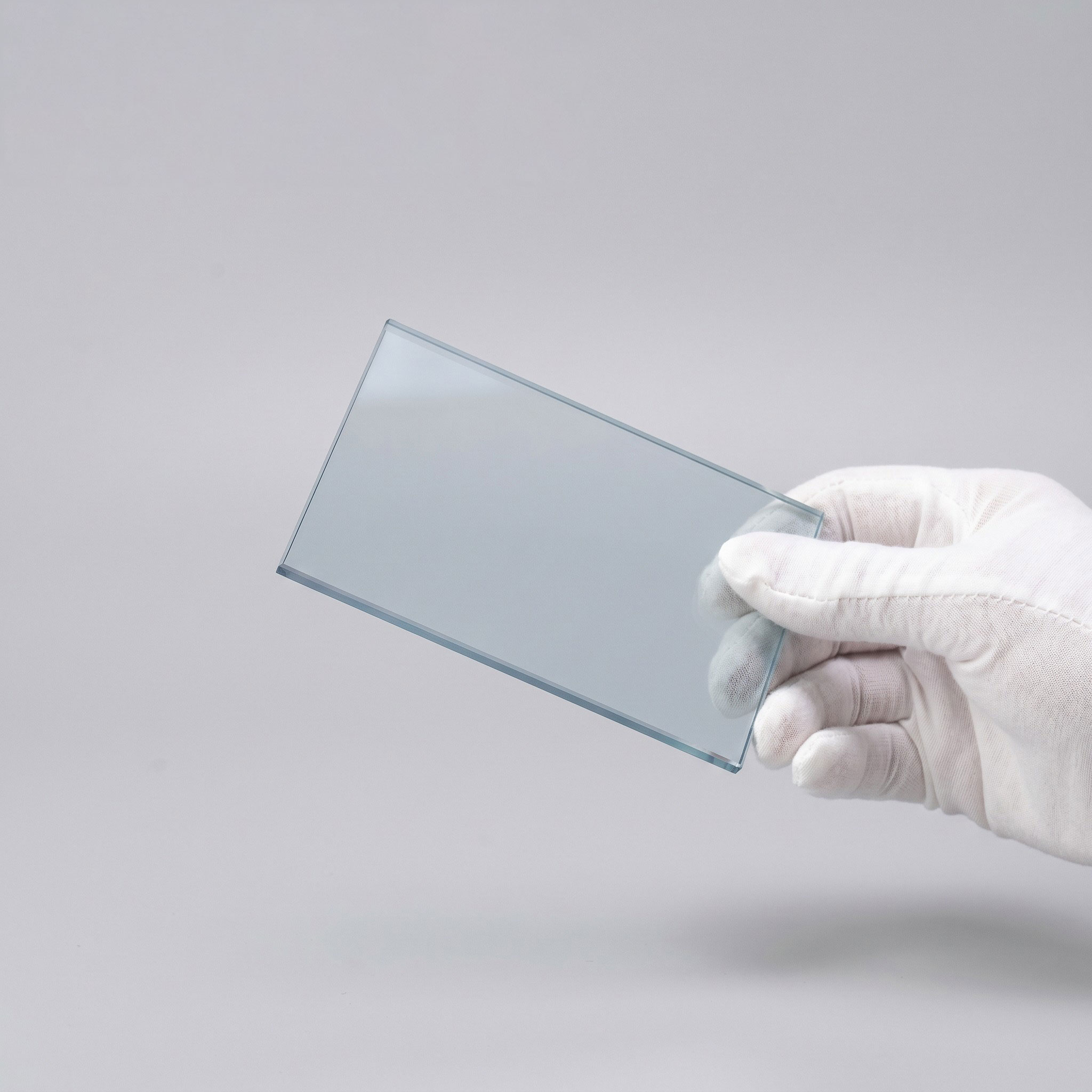
High Temperature Resistance Fluorine Doped Tin Oxide FTO Conductive Glass Solar Cell Substrate DSSC Perovskite Lab Research
FTO conductive glass for DSSC, perovskite, and thin-film solar research. Compared with ITO, FTO often offers better thermal and chemical stability for high-temperature processes, making it a practical substrate for laboratory-scale and pilot-line work.
What “CE certified” and “Tokyo factory” should mean in a real procurement decision
The phrase CE Certified Glass Cover Plate Manufacturers & Factory in Tokyo combines three buying intents: compliance confidence, manufacturing capability, and local availability. A credible supplier page should answer all three without hiding where production actually happens.
Huizhou KELO Glass Co., Ltd. is a factory-direct manufacturer based in Huizhou, Guangdong, China. It is not a Tokyo-based factory, and this distinction matters. Tokyo buyers usually compare a factory-direct overseas partner against local distributors and trading companies. The right question is not “who has a Tokyo address?” but “who controls cutting, CNC, printing, tempering, coating, inspection, and packing?” KELO keeps those critical processes under one roof, which reduces handling damage, shortens corrective loops, and makes the approved sample more likely to match the production batch.
CE marking is also frequently misunderstood. For glass cover plates, the final CE declaration usually belongs to the finished appliance, display, kiosk, or equipment manufacturer. A glass supplier can support conformity with material declarations, coating specifications, RoHS information where applicable, batch traceability, and consistent production records. Buyers should request the exact document scope, not just a certification logo on a homepage. KELO supports this documentation pathway and recommends that Tokyo OEMs define the substrate, coating stack, adhesive, appearance criteria, and final product standard before requesting samples.
The most useful information gain on this page is the connection between Tokyo application conditions and glass engineering choices. Humid summers, high-rise cleaning cycles, dense retail spaces, hospitality environments, and laboratory research all change the specification. A panel that looks correct in a catalogue may fail when fingerprints, cleaning agents, backlight reflection, irregular assembly tolerances, or electrical conductivity are introduced.
Qualify the supplier on evidence, not adjectives
- Ask for the CE support file scope, material declarations, coating data, and RoHS information where applicable.
- Verify which processes are in-house: CNC, tempering, silk-screen printing, AR/AG/AF coating, and final inspection.
- Match the glass to Tokyo use conditions: humidity, high-touch cleaning, compact housings, and optical clarity.
- Confirm MOQ, sample quantity, lead time, packing method, Incoterm, and payment route before tooling.
Compliance intent
Request the CE support file, not only a logo: substrate data, coating performance, material declarations, RoHS information where applicable, and clarification of the finished-product manufacturer’s declaration responsibility.
Factory intent
Check who performs tempering, CNC drilling, edge polishing, printing, coating, and final inspection. A factory-direct partner shortens corrective loops and makes repeat orders more predictable.
Tokyo intent
Match the glass to local conditions: humid summers, frequent cleaning, high-touch surfaces, transit vibration, bright retail lighting, and compact equipment envelopes. The best glass is the one that survives the use case.
Where glass cover plates are specified across Tokyo industries
Tokyo projects rarely buy glass as a generic material. They buy an interface surface that must satisfy design, durability, cleaning, optical, and compliance requirements at the same time.
Smart buildings and elevator control panels
High-rise offices, condominiums, and mixed-use towers need compact glass panels with precise CNC holes, scratch-resistant print, and AG or AF surfaces that remain readable under lobby lighting and frequent cleaning.
Hotels, serviced apartments, and bathrooms
Tokyo hospitality refurbishments favour black tempered switch and socket panels, printed bathroom controls, and easy-clean surfaces. AF coating helps keep high-touch glass presentable between cleaning cycles.
Retail, payment, and self-service kiosks
Convenience stores, ticket machines, POS terminals, and wayfinding kiosks require anti-glare readability, scratch resistance, and durable printed borders. Chemically strengthened AG glass is often a better fit than a plain cover lens.
Medical, beauty, and laboratory equipment
Tokyo clinics, research institutes, and analytical instrument makers need low-iron optical windows, AR-coated viewing glass, and conductive substrates. ITO and FTO glass support sensor, display, and thin-film research work.
Automotive, EV, and mobility displays
Automotive dashboards, EV charging interfaces, and mobility prototypes increasingly use 2.5D or 3D curved cover glass with AR, AG, or AG+AF stacks to reduce reflections while preserving a premium integrated appearance.
Transit signage and outdoor HMI
Stations, bus stops, public counters, and outdoor terminals need sunlight-readable AG glass, robust edges, and reliable printing. The specification should account for vibration, cleaning agents, and seasonal humidity.
Tokyo market trends shaping glass cover plate specifications
Procurement teams in Tokyo are not only comparing price per piece. They are comparing cleanability, optical consistency, documentation readiness, and the supplier’s ability to support a controlled change after the first sample.
Hygiene-first, easy-clean interfaces
High-touch panels in hotels, clinics, offices, and stores are specified with AF or AG+AF surfaces. A water contact angle above 110° and durable oleophobic performance help reduce visible smudging and simplify daily cleaning.
Slim, compact, design-led assemblies
Space-efficient Tokyo interiors push engineers toward thinner glass, narrow printed borders, and 2.5D or 3D edge treatment. The glass must look integrated while still meeting tolerance, strength, and adhesive-bonding requirements.
Accessibility and visual comfort
An aging society and public-space accessibility requirements increase demand for glare control, high contrast, and readable legends. AG glass with controlled haze is often more valuable than a mirror-like cosmetic finish.
Documentation and supply resilience
CE support files, RoHS information where applicable, batch consistency, and flexible Incoterms are becoming part of the buying decision. Buyers want a partner who can answer engineering questions quickly and repeat the approved specification.
Why KELO fits the brief for Tokyo OEM and distributor projects
Huizhou KELO Glass Co., Ltd. is a factory-direct manufacturer of touch screen cover glass, optical coated glass, and conductive glass. The production base is in Huizhou, Guangdong, inside the Greater Bay Area electronics supply chain, with advanced surface treatment as the core technology.
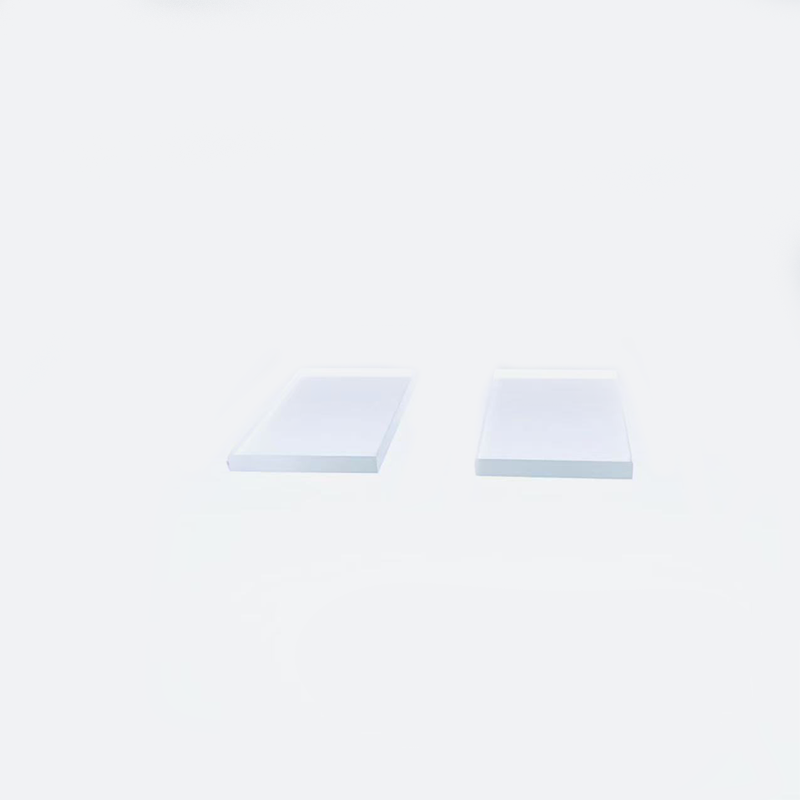
For Tokyo buyers, the advantage is not simply “low-cost manufacturing.” It is process control. Cutting, CNC machining, edge polishing, laser engraving, silk-screen printing, sandblasting, flat and curved tempering, AR/AG/AF/ITO/FTO coating, 2.5D/3D forming, and 3M adhesive bonding can be coordinated as one production flow. That reduces the finger-pointing that happens when a trader outsources each step to a different workshop.
- Factory floor area of 10,000–30,000 m², with 101–200 employees and 21–30 R&D engineers.
- Touch cover glass capacity of 20–25 million pcs per year and annual output value of US$50–100 million.
- AR reflectance below 1.0% per side, AG haze of 5–60%, AF contact angle above 110°, and ITO/FTO sheet resistance of 1–20 Ω/sq.
- Incoming, in-process, and final inspection with 100% appearance checking before shipment.
- 4.9/5 store rating, 98.18% reply rate, verified exporter status, and Trade Assurance support on eligible orders.
Factory-direct engineering review
Send a drawing, sample, or target specification. The team can review thickness, tolerance, coating stack, print layout, CNC geometry, adhesive area, and packing risk before quoting.
Optical coating data you can specify
AR, AG, AF, and combined stacks are measured against production targets. Reflectance, transmittance, haze, gloss, contact angle, and abrasion resistance can be reviewed against the finished device requirement.
ITO and FTO for sensors and laboratories
Conductive glass lines support touch sensors, displays, EMI shielding, solar cell substrates, DSSC, perovskite, and other laboratory research where sheet resistance and haze must be controlled.
Complex geometry and assembly
Thickness from 0.1 mm to 19 mm, custom holes, irregular outlines, 2.5D/3D forming, color printing, logo printing, and 3M adhesive bonding can be customized to a drawing or approved sample.
Quality gates and protective packing
Incoming inspection, in-process control, and final inspection are supported by tempering, adhesion, abrasion, and salt spray tests. Honeycomb cartons, blister trays, and partition packing help reduce transit damage.
Commercial flexibility for Tokyo buyers
FOB, CFR, CIF, EXW, and DDP terms can be discussed. Payment options include T/T, L/C, PayPal, and Western Union. Eligible orders can be protected through Alibaba Trade Assurance.
From drawing to repeat order: a practical glass cover plate process
A Tokyo buyer does not need a complicated process. It needs clear gates where the drawing, sample, coating, and packing can be approved before volume is committed.
Share the use case and drawing
Provide dimensions, thickness, substrate preference, coating target, printing artwork, hole positions, adhesive requirement, annual volume, and any CE or RoHS support document requested by your compliance team.
Review DFM and prototype
The factory reviews tolerance, breakage risk, print registration, coating feasibility, and packing. Prototype samples can start from 1–2 pcs so the design can be validated before a larger order.
Validate fit, optics, and durability
Check dimensions, appearance, light transmission, haze, adhesion, cleaning performance, and assembly fit. For conductive glass, confirm sheet resistance, haze, and transmittance against the device requirement.
Scale production and protect transit
After sample approval, mass production is typically 21–31 days depending on size, coating stack, curved forming, and print complexity. Final inspection and protective packing precede shipment.
Questions procurement teams in Tokyo commonly ask
These answers are written for buyers who need a straight technical and commercial picture before opening a sample request.
Is there a glass cover plate factory in Tokyo, or is this an overseas factory serving Tokyo?
The manufacturing base is in Huizhou, Guangdong, China. The Tokyo-focused service model covers English-language engineering review, sample validation, export documentation support, protective packing, and shipping options. This page is designed for Tokyo buyers who want a factory-direct partner rather than a local trading layer.
Can you provide CE certification documents for glass cover plates?
CE marking is generally applied at the finished-product level, so the final declaration responsibility usually sits with the appliance, display, or equipment manufacturer. KELO can support the supply chain with material declarations, coating specifications, RoHS information where applicable, batch records, and consistent production data. Buyers should confirm the exact document scope with their compliance team before mass production.
What is the minimum order quantity and sample policy?
Sample orders can start from 1–2 pieces so fit, optics, print, and coating performance can be checked before committing to volume. Bulk quantities are quoted according to the drawing, material, coating stack, printing complexity, and annual demand.
How long does delivery to Tokyo take?
Mass production is typically 21–31 days after sample approval, depending on size, coating, curved forming, and printing. International transit to Tokyo varies by shipping method and season. DDP, CIF, CFR, FOB, and EXW terms can be discussed so the landed-cost picture is clear before the order is placed.
Which coating is best for Tokyo’s humid summers and high-touch use?
For high-touch control panels, AF or AG+AF is often preferred because fingerprints and cleaning marks are easier to manage. For bright lobbies, stations, and outdoor-readable screens, AG or AR+AG helps control reflections. AR is used where maximum optical clarity matters, such as viewing windows and medical displays.
How do you protect glass during international shipping?
Protective packing can include custom honeycomb cartons, blister trays, partition packing, and interleaf protection. The packing method is selected according to panel size, thickness, edge condition, print side, and whether the glass has an adhesive backing or a fragile coated surface.
Can you support a small prototype order and then scale up?
Yes. The same factory can review the prototype, confirm the drawing, and then move to mass production after validation. This is useful for Tokyo design houses and start-ups that need to prove the interface, coating, or conductive performance before a larger purchase order.
What information should Tokyo buyers send for a fast quote?
Send the drawing or sample photo, dimensions, thickness, glass type, coating requirement, print artwork, hole positions, edge treatment, adhesive requirement, estimated annual quantity, target delivery date, and any CE or RoHS support document you need. Clear inputs reduce back-and-forth and shorten the sample review.
Send your drawing. Get a factory-reviewed glass cover plate recommendation.
Share the application, target optical performance, annual volume, and documentation requirement. The engineering team can review feasibility, suggest the most suitable substrate and coating stack, and outline sample timing for your Tokyo project.
Factory-direct · Sample from 1–2 pcs · English-language review · Export packing support