Eight production-ready glass platforms for Fort Worth industrial programs
Start with the optical or electrical function, then confirm thickness, shape, print, environmental tolerance and annual volume with our engineers. Each product URL below is preserved exactly as supplied.
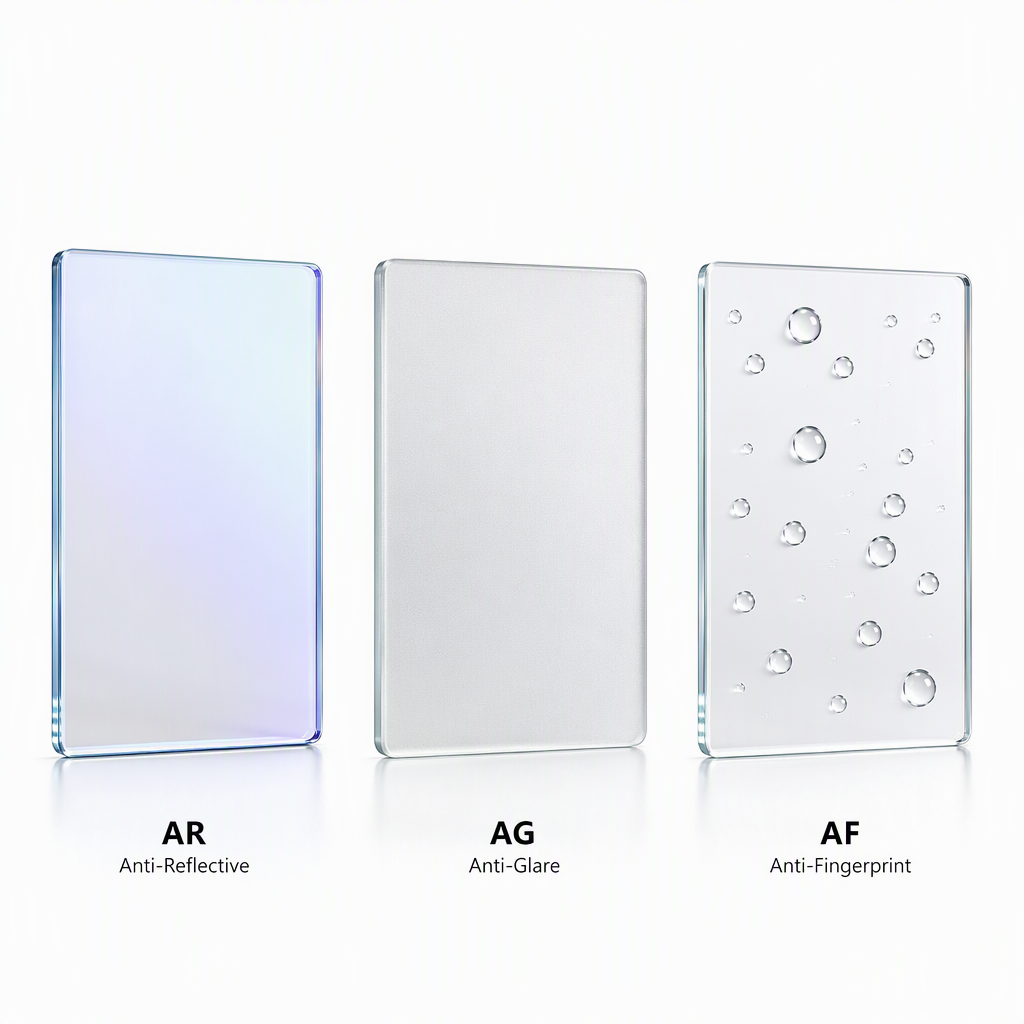
AR AG AF Coated Glass Anti Reflective Coating Service 92 Percent Transmission Anti Glare Custom Sheet Factory OEM
A single coated platform for anti-reflective, anti-glare and anti-fingerprint functions, with 92% transmission options and custom sheet sizes for display windows and bezel integration.
View specification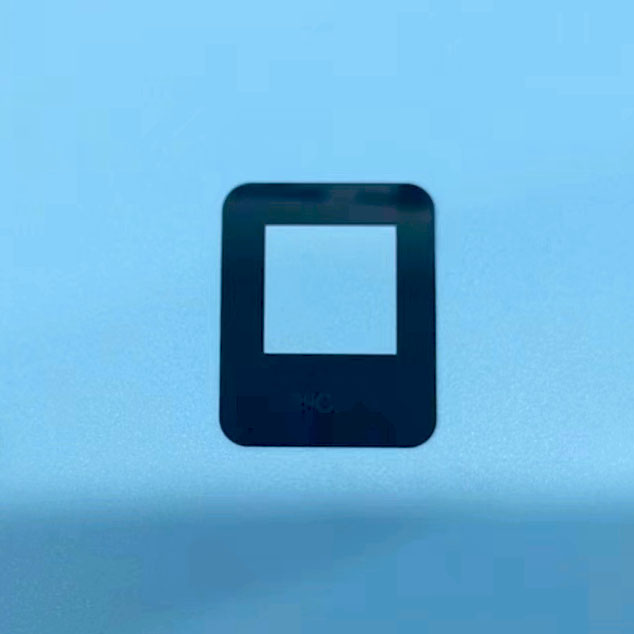
1mm Black Tempered Glass Switch Socket Panel Flat Solid Wall Cover with Print
A 1 mm black tempered glass switch and socket panel with a flat solid wall cover and print, suited to clean, durable building-control interfaces in residential and commercial interiors.
View specification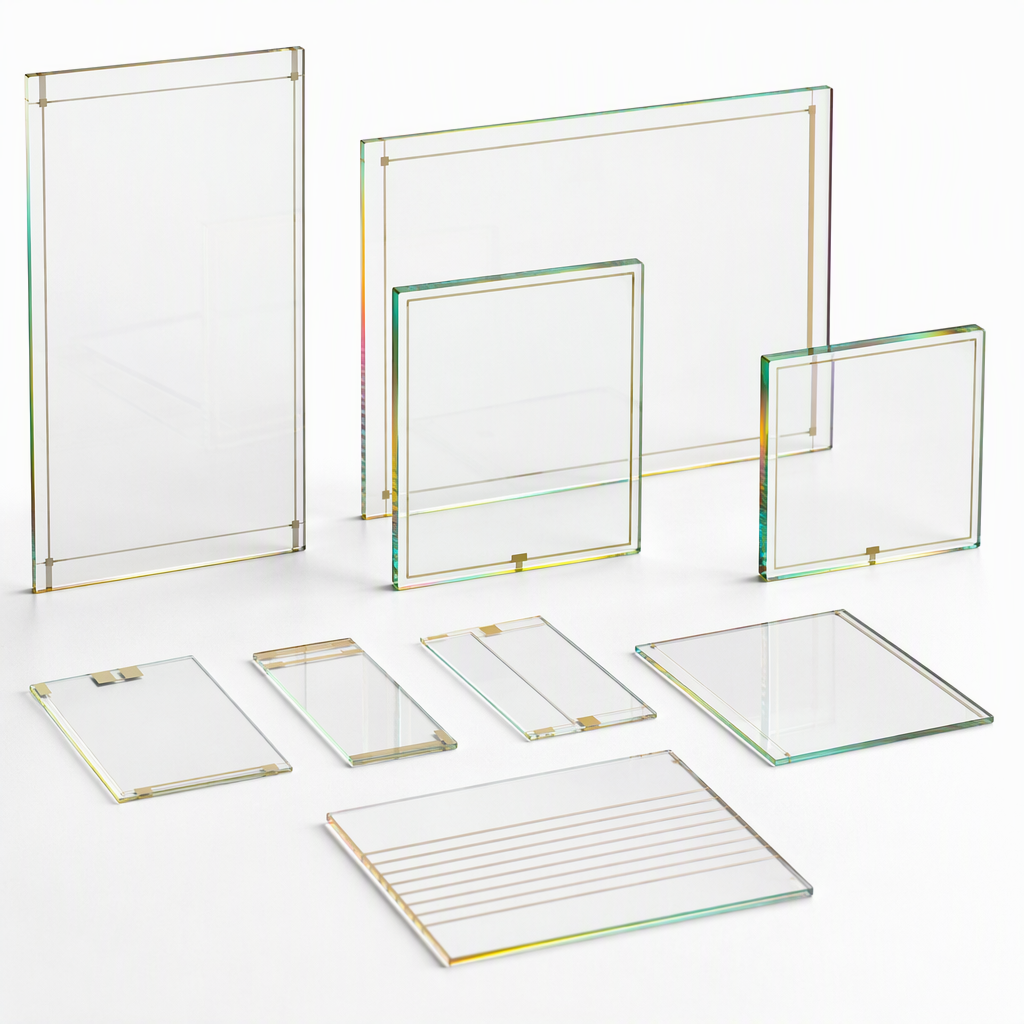
ITO Coated Glass Conductive Glass Sheet 6 To 8 Ohm Per Square Custom Size Touch Panel Heating Substrate Supplier
ITO conductive glass with a 6–8 Ω/sq target range for touch-panel heating substrates, custom sizes and stable transparent conductivity in controlled industrial assemblies.
View specification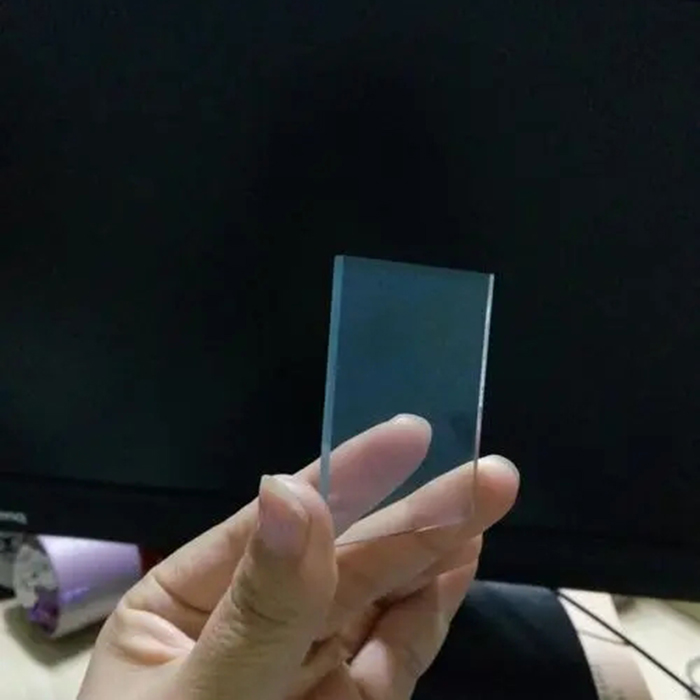
1.1 2.2mm Solid Flat Square Indium Tin Oxide (ITO) Coated Conductive Glass and FTO Conductive Glass for Lighting Applications
1.1 mm and 2.2 mm flat ITO and FTO conductive glass for lighting, sensor and thin-film energy work where optical clarity and uniform sheet resistance matter.
View specification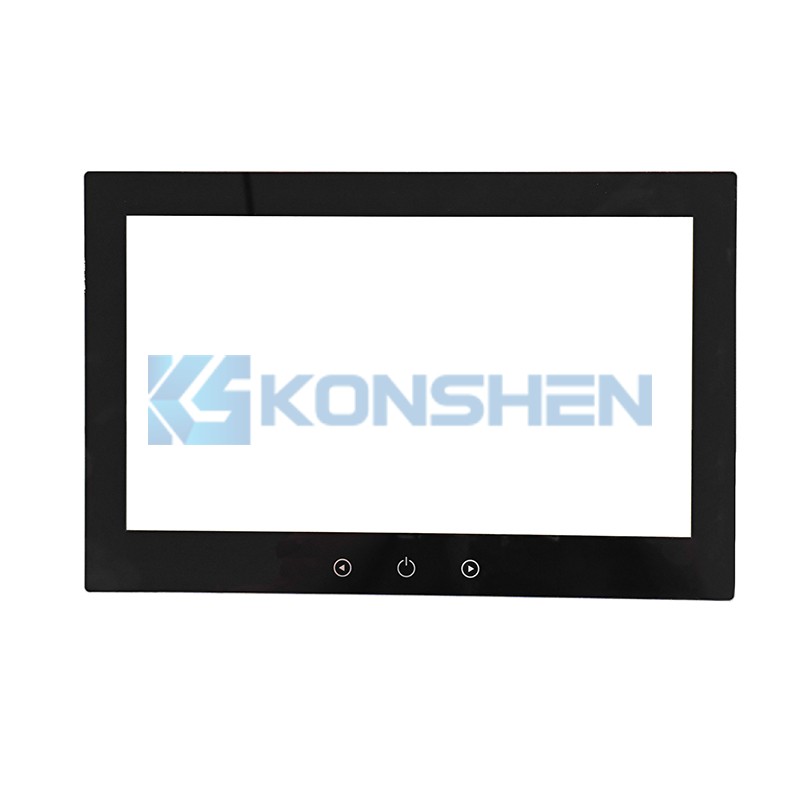
Electronic ITO Conductive Tempered Glass Custom Black Framed 1mm-4mm Thickness Display Cover for Industrial Monitor
A black-framed ITO conductive tempered display cover, 1–4 mm, designed for industrial monitors that need EMI control, print alignment and impact resistance.
View specification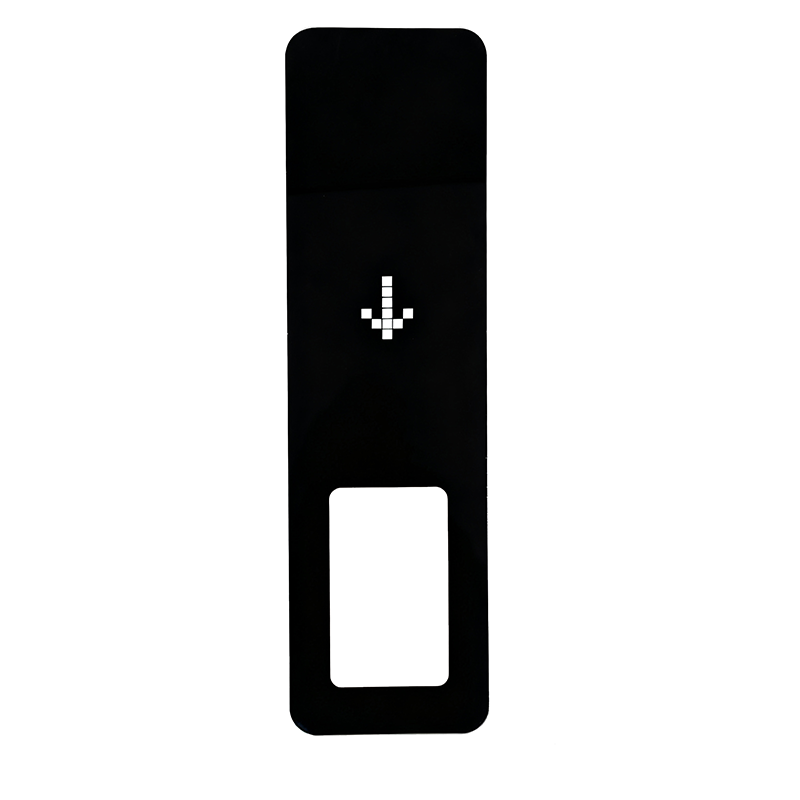
Customized Cutting Elevator Indicator Arrow Printing Touch Smart Control Elevator Panel Use Electronics Screen Glass Instrument
Custom-cut elevator indicator and touch panel glass with arrow printing for smart building control, public-space interfaces and high-use vertical transportation.
View specification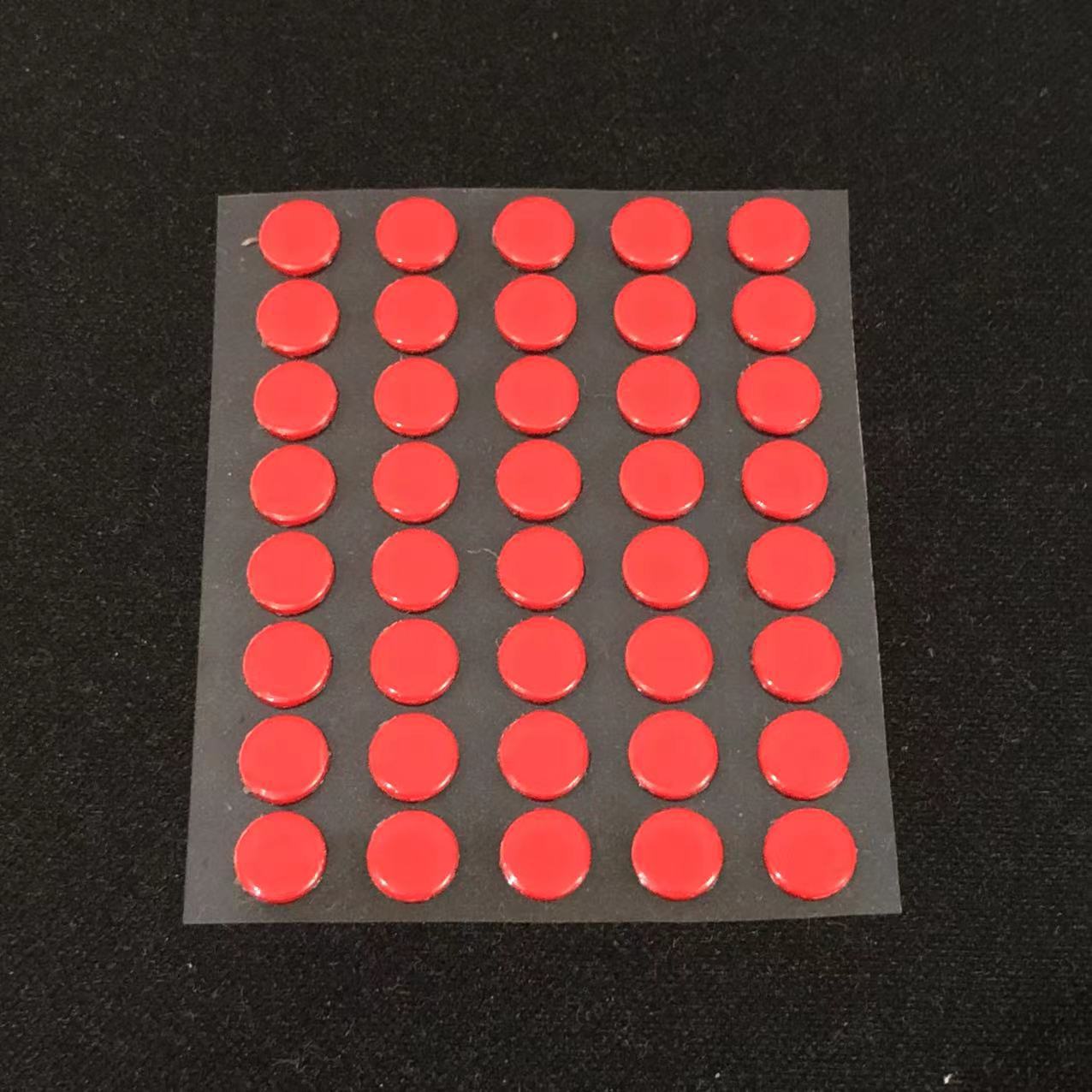
Factory Price Round Red Mouse Sticker Pads Universal Glass Mouse Skates with Small Dot PTFE Non-slip Mouse Feet
PTFE glass mouse skates with round red pads for low-friction glide and non-slip mouse feet, available as a factory-priced accessory program with custom packaging potential.
View specification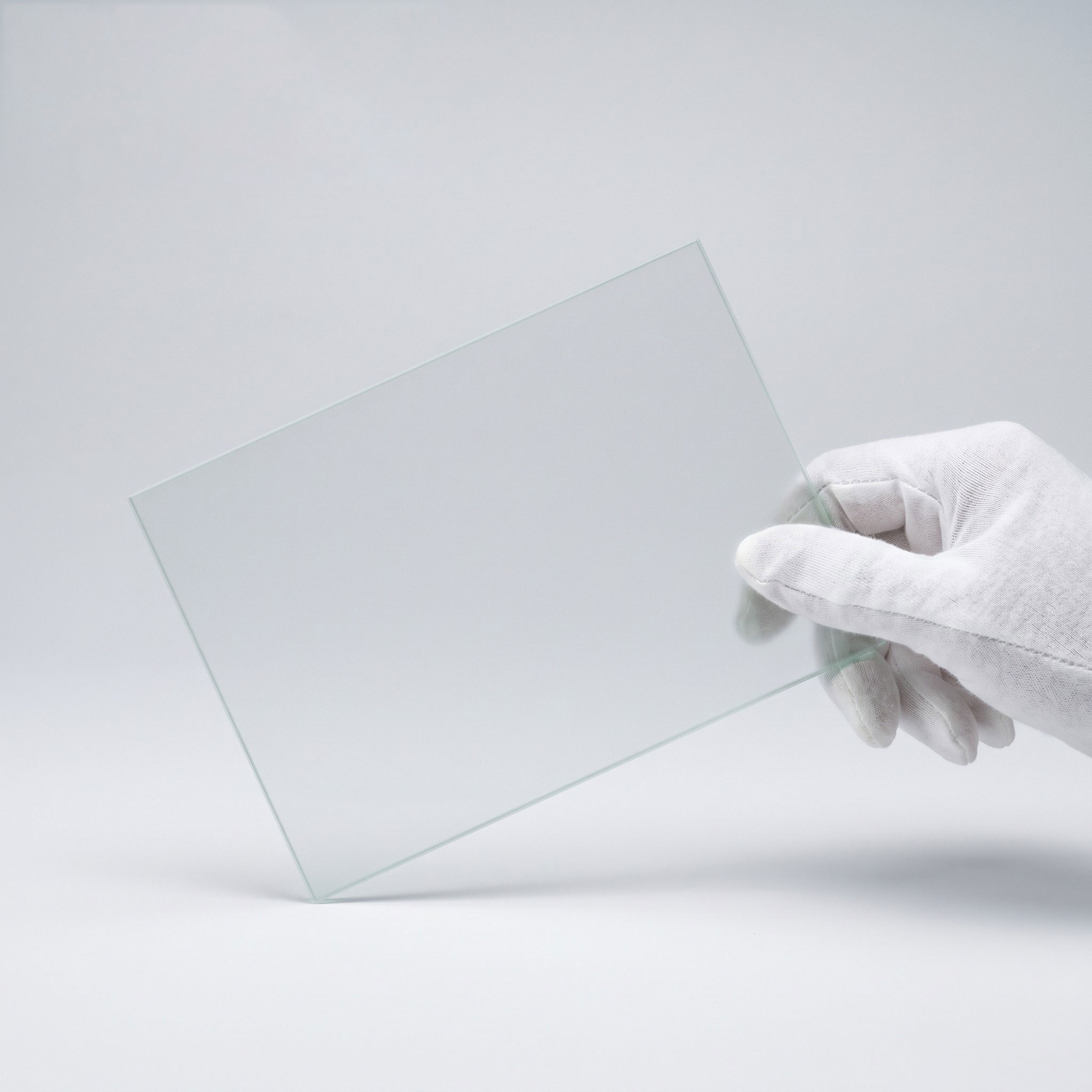
KS AG002 Custom Size AG Coating Anti-Glare Tempered Glass Panel High Transmittance Cover Sheet for Electronic Display Screen
AG-coated tempered display cover with high transmittance and controlled haze for electronic displays used in bright rooms, outdoor enclosures and industrial control areas.
View specificationIndustrial glass is a system component, not a commodity sheet
Fort Worth is not a single market. The city and surrounding Tarrant County combine aerospace and defense supply chains, energy equipment, advanced manufacturing, healthcare, logistics automation, HVAC and building controls, food processing, and automotive/EV programs. In that environment, an industrial glass specification has to survive more than a drawing review. It must tolerate high solar load, summer heat, windblown dust, storm-driven humidity, frequent cleaning agents and continuous touch.
For a display window, the visible failure is often not broken glass. It is glare that erases contrast, a fingerprint layer that wears through, an ITO sheet that drifts out of resistance, or a coating stack that delaminates after cleaning. Huizhou KELO Glass Co., Ltd. approaches those risks as a surface-engineering problem, not a commodity purchase.
We are a factory-direct manufacturer in Huizhou, Guangdong, inside the Greater Bay Area electronics supply chain. Our core technology is advanced surface treatment, and we keep cutting, CNC machining, edge polishing, silk-screen printing, laser engraving, flat and curved tempering, AR/AG/AF/ITO coating, 2.5D/3D forming and 3M adhesive bonding under one roof. For a Fort Worth buyer, that means one accountable supplier, tighter tolerance control, fewer handling handoffs and a faster path from drawing to validated sample.
Original company evidence includes a 10,000–30,000 m² factory, 20–25 million pieces of annual touch cover glass capacity, 101–200 employees, 21–30 R&D engineers, US$50–100 million annual output value, a 4.9/5 store rating, a 98.18% reply rate and six years of verified exporter activity. Those facts matter because industrial glass programs fail on communication and traceability as often as on optics.
One point of information gain for CE-marked equipment: CE marking generally applies to the finished machine or product under the relevant EU directive, not to a bare glass sheet. For Fort Worth OEMs building CE-marked equipment, KELO supports the technical file with drawing-controlled inspection records, material declarations, coating performance data, RoHS/REACH statements on request and batch traceability. That is the practical meaning of a CE-ready industrial glass supply chain.

Four Fort Worth trends that change the glass specification
Local product teams are not only buying a size and thickness. They are buying readability, cleanability, touch reliability and documented performance for the life of the equipment.
Heat-and-glare engineering for outdoor HMI
Long Texas sun exposure and high summer temperatures make AG, or AR+AG, a practical requirement for outdoor kiosks, digital signage, gate controls and vehicle displays. Tempered or chemically strengthened glass helps absorb thermal and impact stress.
Touch-first, low-maintenance interfaces
Warehouses, hospitals, food processing and building automation are replacing mechanical buttons with sealed glass panels. AF oleophobic top coats resist fingerprints and cleaning chemicals, while chemical strengthening supports thinner, lighter front glass.
Reshoring and high-mix automation
Fort Worth manufacturers are launching more custom SKUs and smaller production lots. The supply chain response is rapid prototyping from 1–2 pieces, drawing-based DFM feedback and flexible production that can scale from validation build to repeat releases.
Electrification and energy transition
EV, battery, energy equipment and thin-film solar programs need transparent conductive substrates with stable sheet resistance. ITO and FTO glass allow touch sensing, heating, EMI control and energy-device development on the same material platform.
Where Fort Worth teams use coated and conductive industrial glass
The same factory floor can serve a warehouse automation cell, a medical device enclosure and an outdoor energy control cabinet. The difference is the coating stack, glass strength, print design and inspection criteria.
Outdoor wayfinding and kiosks
AG tempered glass or AR+AG laminated cover for sunlight-readable screens. Haze and gloss should be selected against the display luminance, bezel color and enclosure angle.
Recommended: AG / AR+AG temperedIndustrial HMI and warehouse automation
AF or AG+AF cover glass for pick-to-light panels, robot cells and factory terminals. ITO conductive glass can be added when the front panel must carry a capacitive sensor or EMI layer.
Recommended: AF cover + ITO sensorHVAC and building automation
Black tempered printed panels with precise print windows, flush surfaces and easy cleaning for thermostats, room controllers and access-control keypads in commercial buildings.
Recommended: 1mm black tempered glassMedical device display windows
AR-coated chemically strengthened glass for diagnostic displays and instrument windows. Quartz and sapphire options are available where optical transmission, hardness or chemical resistance is critical.
Recommended: AR + strengthened glassEnergy and oilfield instrumentation
Outdoor control cabinets, pump monitors and field instruments face dust, vibration and temperature swings. Tempered AG glass and robust sealing design improve readability and service life.
Recommended: AG tempered + sealed gasketAutomotive, EV and transportation
Curved 2.5D/3D cover glass, AR/AG/AF stacks and ITO heating substrates for consoles, dashboards, charging equipment and fleet telematics displays.
Recommended: 2.5D/3D + AR/AGFood and beverage processing
Washdown HMI panels need smooth glass surfaces, durable print and easy-clean AF coatings. Chemical strengthening and sealed edges reduce chipping risk in high-traffic production areas.
Recommended: AF + tempered easy-clean glassElevator and smart-building controls
Custom-cut indicator glass, arrow printing, black framing and touch control panels for elevator cars, lobbies and access systems where appearance and durability are visible to the public.
Recommended: custom printed tempered panelMatch the glass to the Fort Worth use case
Use this matrix to frame the first engineering conversation. Final performance is confirmed against your drawing, cleaning agents, installation method and reliability test plan.
| Field condition | Recommended platform | Target evidence | Procurement note |
|---|---|---|---|
| Direct sun and outdoor kiosks | AG or AR+AG tempered glass | Haze 5–60%; gloss 0.5–8 GU | Request an outdoor readability sample under Texas sun. |
| Frequent touch and cleaning | AF or AG+AF coated glass | Contact angle >110°; >10,000 cycles | Test with the cleaning agents used by the Fort Worth facility. |
| Low reflectance and camera windows | AR anti-reflective glass | R <1.0% per side; T >99% | State the wavelength range and viewing angle in the RFQ. |
| Capacitive touch and EMI shielding | ITO conductive glass | 1–20 Ω/sq; T >85%; haze <2% | Match the sheet resistance to the sensor and controller design. |
| High-temperature and solar R&D | FTO conductive glass | 1–20 Ω/sq; thermal stability | Confirm process temperature and chemical exposure before quoting. |
| Printed appliance or elevator panel | 1 mm black tempered glass / custom print | Flatness and print tolerance | Provide artwork, color target and window tolerance. |
| Industrial monitor front cover | Black-framed ITO conductive tempered glass | 1–4 mm; custom black frame | Share display stack, gasket and grounding plan. |
| Gaming and consumer glide | PTFE glass mouse skates | Low friction; non-slip adhesive | Discuss packaging, retail logo and repeat-order quantities. |
Coating performance data Fort Worth engineers can put in an RFQ
A coating is not a cosmetic option. It is a measurable optical and electrical specification. Our coating lines are built around these production windows; use them as the starting point for your technical file.
| Coating | Key performance window | Typical Fort Worth use |
|---|---|---|
| AR anti-reflective | Reflectance <1.0% per side; transmittance >99% across 400–700 nm; single- or multi-layer | Medical monitors, automotive displays, camera windows, high-brightness industrial screens |
| AG anti-glare | Controllable haze 5–60%; gloss 0.5–8 GU | Outdoor kiosks, wayfinding, factory HMI, sunlight-readable enclosures |
| AF anti-fingerprint | Water contact angle >110°; pencil hardness >3H; transmittance >98%; durability >10,000 cycles | Touch control panels, smart appliances, elevator and building automation |
| ITO indium tin oxide | Sheet resistance 1–20 Ω/sq; transmittance >85%; haze <2% | Capacitive touch sensors, display covers, EMI shielding, heating substrates |
| FTO fluorine-doped tin oxide | Sheet resistance 1–20 Ω/sq; transmittance >85%; haze <2% | Thin-film solar cells, high-temperature processes, energy-device R&D |
| Combined AR+AG / AG+AF | Stacked optical functions on one substrate; cosmetic grade can be specified to 60/40 scratch-dig | Premium outdoor touch interfaces, in-vehicle displays, public-facing HMI |
Values describe typical production capability. Final targets are confirmed during engineering review against your drawing, application environment, cleaning process and acceptance criteria.
One factory, ten controlled process steps
Outsourcing individual steps adds handling damage, schedule risk and finger-pointing. Keeping the critical processes in-house is how KELO protects coating performance, print alignment and delivery timing from raw sheet to packed carton.
- 01Cutting and water-jet cutting
- 02CNC machining and drilling
- 03Edge polishing
- 04Laser engraving
- 05Silk-screen printing
- 06Sandblasting and frosting
- 07Flat and curved tempering
- 08AR / AG / AF / ITO coating
- 092.5D / 3D curved forming
- 103M adhesive bonding and packing
We also process Gorilla glass, borosilicate glass, quartz glass, sapphire glass, ceramic glass, lead shielding glass and laminated safety glass. For Fort Worth programs, this breadth reduces the need to coordinate multiple specialty suppliers when an assembly mixes optical, environmental and safety requirements.
Three inspection gates before anything ships to Fort Worth
Quality is built into the process, not inspected in at the end. Each gate has defined checks and release criteria so the sample you approve remains the baseline for volume production.
Incoming inspection
Raw glass and consumables are verified before production: thickness, flatness, surface-defect screening, ink and coating-material verification. This protects downstream coating yield and print consistency.
In-process control
Critical dimensions and coating results are checked at each station: CNC dimension and hole position, tempering and strength tests, coating adhesion and abrasion. Deviations are corrected before the batch moves forward.
Final inspection and packing
Every finished piece receives 100% appearance inspection, plus salt-spray reliability testing where specified. Custom honeycomb cartons, blister trays and partition packing minimize transit damage on the route to Tarrant County.
Why KELO is a practical Fort Worth supply partner
Factory-direct manufacturing is only useful when it is paired with engineering communication, third-party verification and export discipline. These are the advantages that shorten a Fort Worth project cycle.
Verified manufacturer, not a trader
Six years of verified exporter activity, a 4.9/5 store rating and a 98.18% reply rate. Buyers can review our verified assessment, factory video, ratings, credit profile and trade history before placing a first order.
Engineering review and DFM feedback
Our 21–30 R&D engineers review thickness, tolerance, coating stack, print alignment, curved forming and cost drivers before quoting. The goal is to catch assembly issues while the design is still easy to change.
Rapid prototyping from 1–2 pieces
Sample orders can start from 1–2 pieces so Fort Worth teams can validate fit, optics and coating performance before volume commitment. Bulk production is typically 21–31 days after sample approval.
In-house coating and inspection
AR, AG, AF and ITO/FTO coating are not outsourced. That control supports consistent optical values, adhesion, abrasion performance and batch traceability, with 100% appearance checking before packing.
Export discipline for North America
We support FOB, CFR, CIF, EXW and DDP terms, T/T, L/C, PayPal and Western Union payments, and Alibaba Trade Assurance. North America already represents 20% of our documented export mix.
CE-ready documentation support
For equipment built to CE-marked standards, we can supply drawing-controlled inspection records, material declarations, RoHS/REACH statements on request, coating data and batch traceability to support the OEM technical file.
From Huizhou to Tarrant County
Fort Worth buyers should compare landed cost, not only FOB price. For urgent validation builds, air freight into DFW International Airport or Alliance Airport can shorten the sample loop. For volume orders, ocean freight via Houston or West Coast ports, followed by truck or rail into Fort Worth, is a common route. We can quote DDP to a Fort Worth ZIP code when the program requires a landed-cost view.
Mass production is typically 21–31 days after sample approval, depending on size, coating stack, curved forming, printing complexity and order quantity. Custom honeycomb cartons, blister trays and partition packing are used to protect coated and printed glass during long-distance transport.
Questions local buyers ask before a first glass order
These answers are written for Fort Worth OEMs, contract manufacturers, integrators and distributors comparing a factory-direct source with local distribution.
Are you a CE-certified industrial glass manufacturer for Fort Worth projects?
Can we receive samples in Fort Worth before committing to a production order?
What is the typical lead time and shipping route to Fort Worth?
Which glass is best for Fort Worth heat, glare and outdoor dust?
Should our Fort Worth team specify ITO or FTO conductive glass?
Can you produce custom sizes, printed borders, holes and 2.5D or 3D curves?
How do you control quality and packing for long-distance shipment?
Which trade terms and payment methods do you accept?
Send a Fort Worth drawing. Get an engineering response.
Include your glass size, thickness, coating target, transmission or haze requirement, sheet resistance if applicable, print artwork, annual volume and delivery ZIP code. Our team will review feasibility and recommend a cost-effective glass specification for your Fort Worth program.