CE Certified NIR Coated Glass Manufacturers & Suppliers for the Washington DC Market
A procurement-ready guide for federal contractors, aerospace and defense teams, healthcare facilities, museums, data centers, transit projects and smart-building developers across Washington DC, Northern Virginia and suburban Maryland.
Eight Glass Products for NIR Coating, Optical Windows and Precision Industrial Programs
These product routes support Washington DC buyers who need coated glass, conductive glass, tempered cover glass or custom optical components. Each product URL is preserved from the original catalogue so engineers and procurement teams can review specifications directly.

Factory Customized Anti-fogging Anti Reflective Glass Ultra Thin Tempered Optical ITO FTO Conductive Glass for Lab
For laboratory instruments, sensor windows and optical assemblies where low reflectance, anti-fogging performance and conductive layers must be evaluated together.
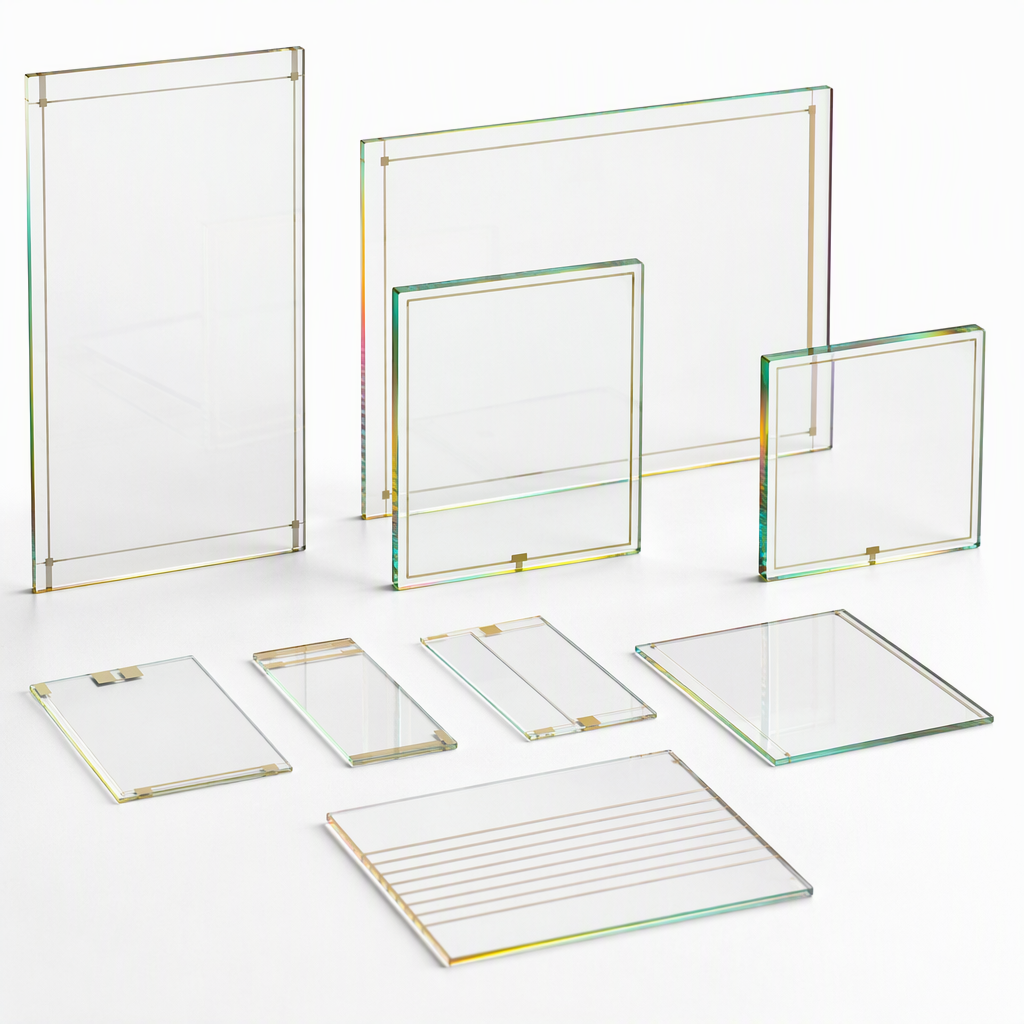
ITO Coated Glass Conductive Glass Sheet 6 To 8 Ohm Per Square Custom Size Touch Panel Heating Substrate Supplier
Transparent conductive glass for heated optical windows, touch sensors, display modules and EMI-control assemblies where sheet resistance is a defined specification.
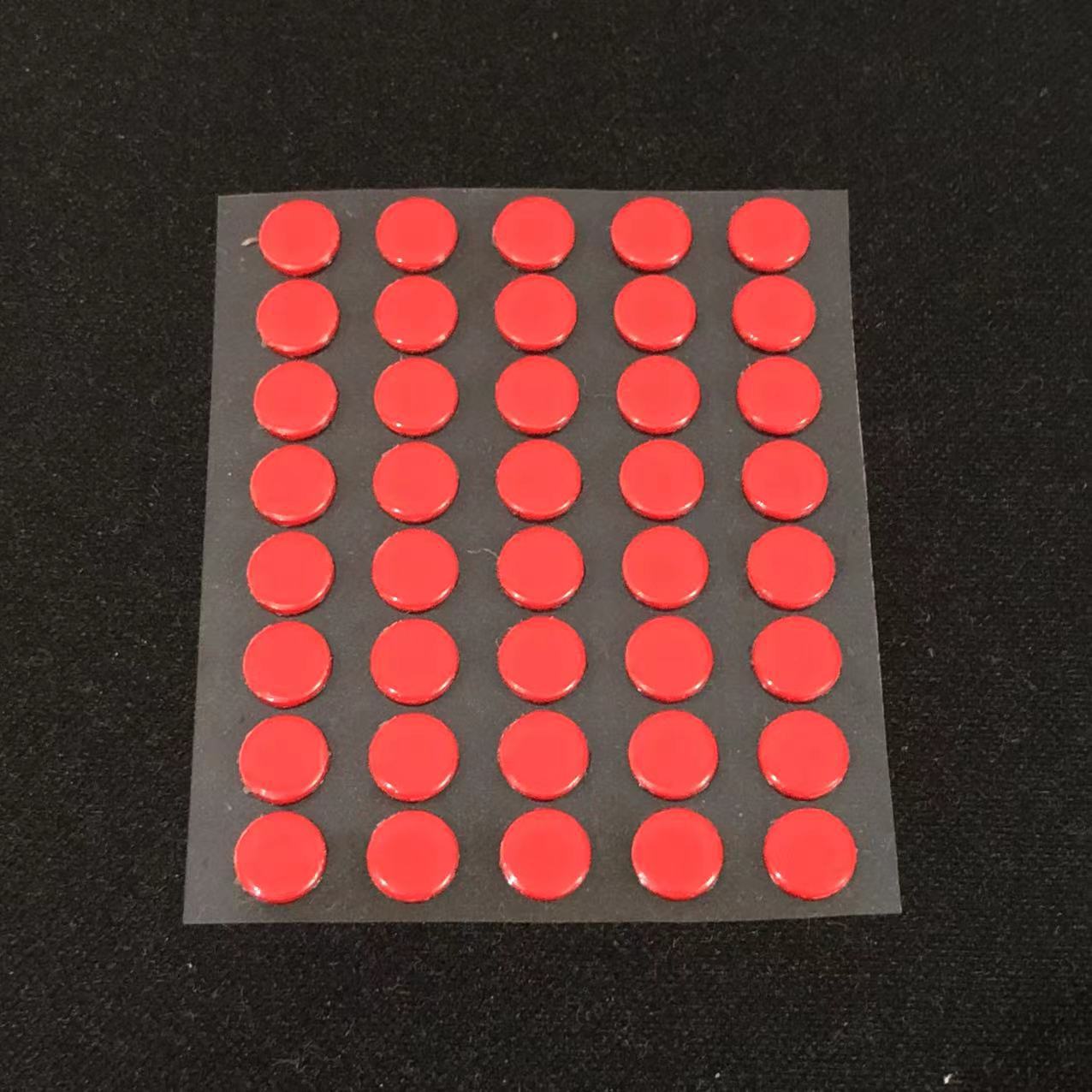
Factory Price Round Red Mouse Sticker Pads Universal Glass Mouse Skates with Small Dot PTFE Non-slip Mouse Feet
A high-precision peripheral component that demonstrates fine die-cutting, adhesive control and repeatable surface finishing for brand and OEM programs.

Curved Tempered Glass Panel with Anti-reflective Coating Waterproof for Bathroom and Instrument Display Decoration
Curved, strengthened and AR-coated glass for architectural displays, bathroom interfaces and instrument windows where moisture resistance and clarity matter.
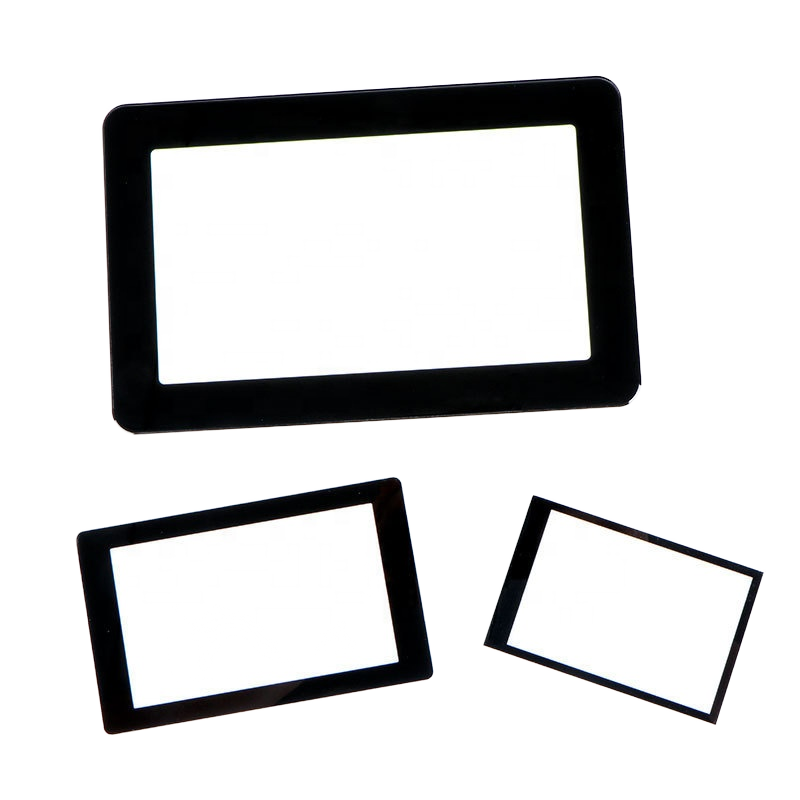
Wholesale Left Right Switching Control 0.2mm 5mm Soda Lime Extra Clear Tempered Glass Touch Screen Panel Outdoor Gym Waterproof
Outdoor-ready tempered touch glass for public kiosks, fitness equipment, transit interfaces and humid environments; coating stacks can be adapted for NIR or AR needs.
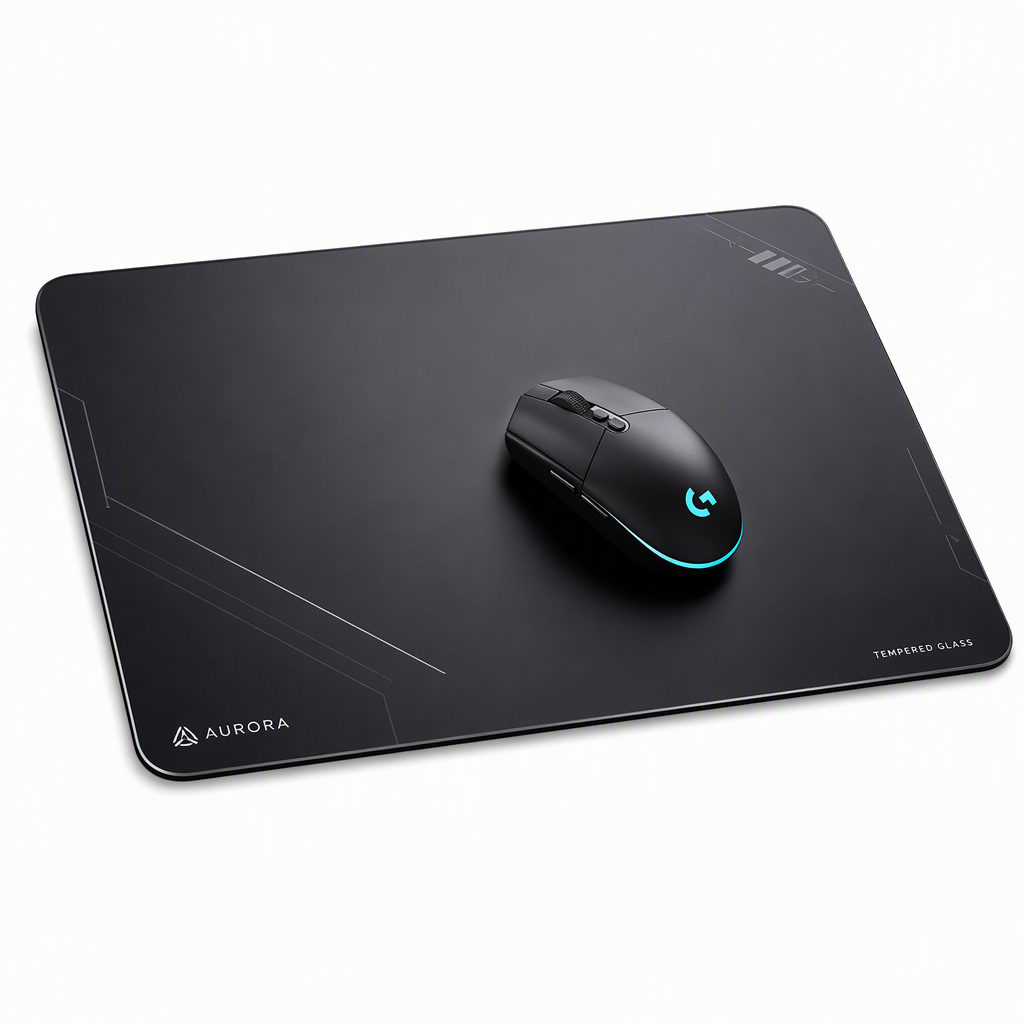
Tempered Glass Mouse Pad 2MM 3MM Hard Surface Glass Mousepad UV Printing Custom Logo Silicone Base OEM Factory
Precision flat glass with UV printing, edge finishing and silicone base assembly — a useful reference for custom glass surface treatment and branded OEM production.

Round Oval PTFE 3M Wear-resistant Smooth Mouse Feet Stickers Glass Pad Resin Pads
Adhesive-backed PTFE components with controlled geometry and wear performance for gaming peripheral brands, accessories and custom OEM packaging.
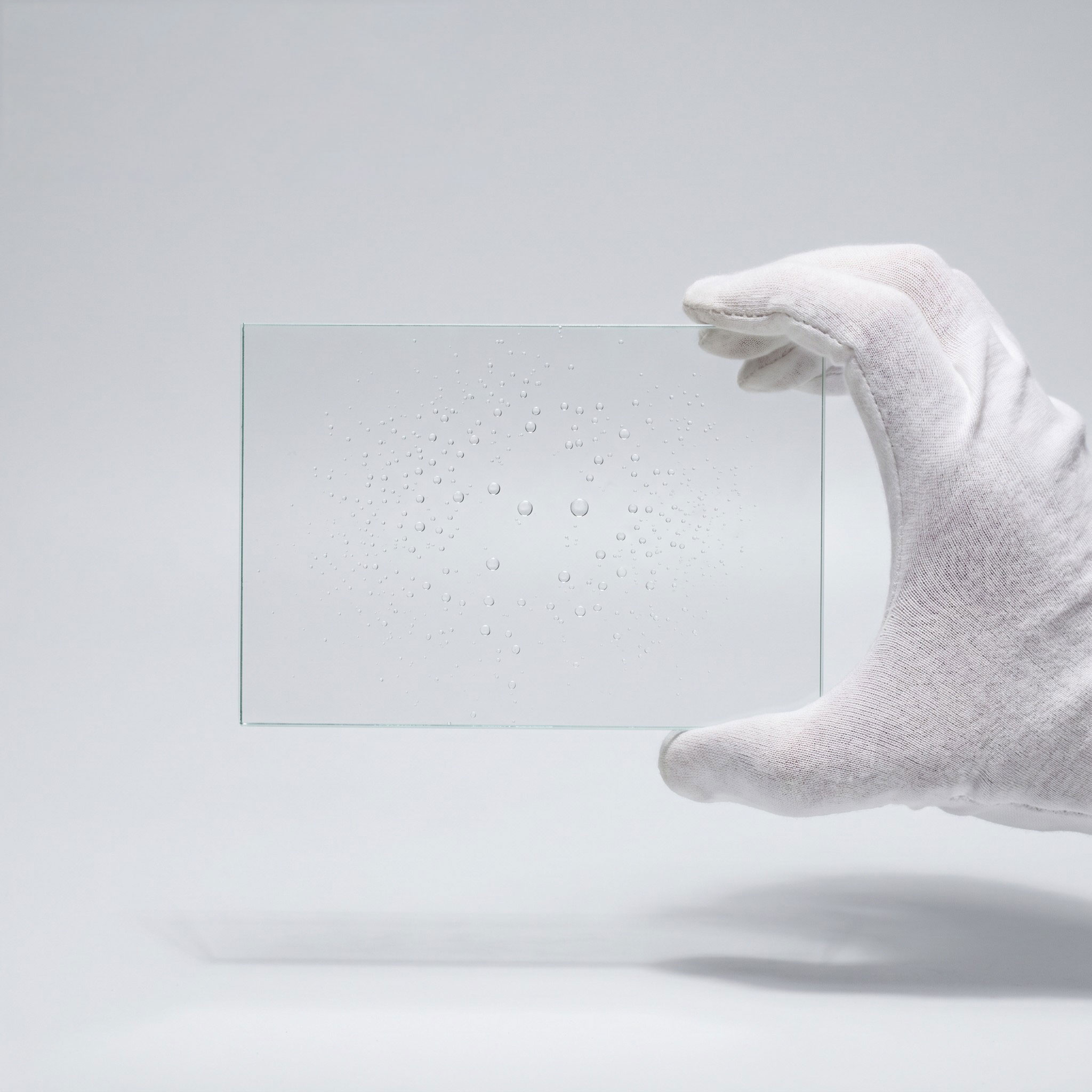
KS AF001 High Transmittance AF Coated 1.1mm/2mm CNC Cut Custom Shape Toughened Glass Panel for Kitchen Electronic Device Covers
Anti-fingerprint coated and toughened cover glass for high-touch appliance panels, smart-home controls and kitchen electronics; NIR-selective coating can be reviewed as a custom stack.
Factory-Direct Manufacturing Advantages Behind Every NIR Coated Glass Inquiry
KELO Glass is a Huizhou-based manufacturer with in-house cutting, CNC, printing, tempering, coating, bonding and inspection. For Washington DC buyers, the value is not simply lower pricing — it is documentable process control and a single accountable source from sample to shipment.
Why NIR-Coated Glass Is a Washington DC Procurement Topic, Not Just an Optical Component
Near-infrared (NIR) light sits just beyond visible red, commonly spanning roughly 780 nm to 2500 nm. In the Washington DC region, NIR-coated glass appears in sensor windows, secure surveillance systems, aerospace and defense assemblies, medical instruments, museum display glazing, energy-conscious building envelopes and outdoor digital infrastructure.
NIR-reflective “hot mirror” glass
Reflects selected infrared bands while transmitting visible light. Useful for display windows, projector optics, thermal management and building glazing where solar heat gain must be reduced without darkening the view.
NIR-cut and bandpass filters
Designed to separate visible imaging from near-infrared information. Common in machine vision, cameras, security lenses, medical diagnostics and research instruments where color fidelity or wavelength isolation matters.
NIR antireflective windows
AR coatings tuned for 850 nm, 905 nm, 940 nm, 1064 nm, 1550 nm or other LiDAR and sensing bands reduce ghost reflections and improve signal-to-noise ratio for autonomous systems and optical sensors.
Transparent conductive glass
ITO or FTO conductive glass can combine NIR transparency with touch sensing, transparent heating or EMI shielding. This is especially relevant for outdoor kiosks, heated camera windows and mixed optical-electronic assemblies.
Ruggedized coated cover glass
When NIR optics must also survive public use, coatings are applied to chemically strengthened or tempered glass with CNC edges, silk-screen borders, AF top coats and selective AR treatments.
CE documentation and US project reality
CE certification is primarily an EU conformity framework; for Washington DC projects it should be treated as one evidence layer, not a replacement for UL, ASTM, ANSI, federal procurement requirements or project-specific approvals. KELO can support material declarations, coating data, inspection records and drawings for the buyer’s compliance review.
NIR Coated Glass Applications Across Washington DC, Northern Virginia and Suburban Maryland
The Washington DC market is not a single buying center. Federal agencies, defense contractors, museums, hospitals, universities, data-center operators, transit authorities and commercial developers each evaluate coated glass through a different risk lens.
Federal and secure facilities
Coated windows for surveillance cameras, access-control sensors, secure conference displays and optical monitoring systems. Documentation, repeatability and supplier traceability matter as much as optical performance.
Aerospace and defense contractors
NIR windows, sensor covers, display glazing and EMI-control substrates for laboratories, prototypes and rugged equipment in the DC–Virginia–Maryland technology corridor.
Museums, galleries and archives
Display glazing that manages UV and NIR exposure while preserving visible clarity. Low-reflection and anti-glare coatings help visitors see artwork without glare from gallery lighting.
Healthcare and research labs
Optical windows for analyzers, imaging systems, laser equipment and diagnostic devices. Quartz, borosilicate and sapphire alternatives can be reviewed when thermal, chemical or scratch requirements exceed standard glass.
Data centers and telecom
Optical inspection windows, sensor covers and EMI-shielding glass for high-density infrastructure in Northern Virginia. Buyers often prioritize consistent sheet resistance, flatness and packaging protection.
Smart buildings and energy retrofits
NIR-reflective glazing and coated architectural glass can reduce solar heat gain, improve occupant comfort and support high-performance building goals in DC’s commercial and institutional portfolios.
Transit, EV and public infrastructure
Outdoor touch panels, charging-station displays, transit information screens and weather-exposed sensor windows require abrasion resistance, waterproofing, AR/AG treatment and dependable packing.
Universities and innovation labs
Prototype NIR filters, coated glass slides, custom sensor windows and low-volume samples for Georgetown, George Washington, Johns Hopkins-affiliated teams and private research groups.
Washington DC Market Trends and Procurement Signals for Coated Glass Buyers
Demand in the DC region is shaped less by consumer electronics cycles and more by public-sector modernization, secure sensing, energy performance and supply-chain documentation. The practical question is not only “What coating do I need?” but “How will the supplier prove that the coating is repeatable?”
Illustrative buyer evaluation weighting
This weighting reflects common priorities seen in complex Washington DC procurement conversations. It is not a market forecast; it is a decision framework for aligning engineering and purchasing teams.
Secure sensing and autonomy
LiDAR, robotics, perimeter security and machine-vision projects increasingly ask for wavelength-specific coatings, not generic AR glass. Expect more RFQs that specify 905 nm, 940 nm or 1550 nm performance.
Evidence-led procurement
Federal contractors and large institutions want drawings, coating stack descriptions, inspection plans and packing records. Suppliers that treat documentation as part of the product reduce approval risk.
Energy and glazing performance
NIR-reflective glass aligns with high-performance building objectives, tenant comfort and retrofit programs. Architectural buyers should confirm visible transmittance, solar heat gain and durability together.
Dual-source resilience
Program managers in DC and Northern Virginia are adding second-source qualification without giving up custom fabrication. In-house coating, CNC and tempering shorten the path from a new source to a validated part.
Touch plus optics convergence
Public kiosks and medical equipment increasingly combine AR/AG/AF with transparent conductive layers. A supplier that can process coating, printing and tempering under one roof lowers coordination risk.
Low-volume validation first
Research teams and system integrators often need 1–2 samples before a capital program is approved. Factory-direct prototypes help validate fit, readouts and environmental durability early.
NIR and Optical Coating Specifications to Include in a Washington DC RFQ
Use this matrix to structure a technical inquiry. A complete RFQ reduces quotation cycles because the manufacturer can immediately assess substrate, coating, forming, inspection and packaging feasibility.
| Specification Area | What to Define | Why It Matters |
|---|---|---|
| WavelengthNIR band | Target transmission or reflection at 850, 905, 940, 1064, 1550 nm or your custom band; include acceptable tolerance and angle of incidence. | Prevents a coated window from being optimized for the wrong sensor or imaging channel. |
| OpticalTransmission / reflection | Average transmission, maximum reflectance, haze, color shift, blocking optical density and any visible-light requirements. | Aligns sensor signal-to-noise ratio, display readability, color fidelity and visual aesthetics. |
| SubstrateGlass type | Soda-lime, borosilicate, quartz, sapphire, strengthened glass, thickness from 0.1–19 mm, flatness, edge quality and dimensions. | Material choice affects thermal expansion, scratch resistance, chemical durability, weight and cost. |
| Coating stackSingle or multi-layer | AR, NIR-reflective, NIR-cut, ITO, FTO, AG, AF, hydrophobic, oleophobic, hard coat or combined stack. | Defines the process route, inspection method and expected environmental durability. |
| EnvironmentalApplication conditions | Indoor or outdoor, humidity, salt fog, cleaning chemicals, abrasion cycles, temperature range, UV exposure and waterproofing. | Washington DC projects may involve public touch, rain, cleaning, archive environments or mission-critical facilities. |
| Compliance and packagingEvidence package | CE-related documentation, material declarations, RoHS/REACH support, drawing revision, inspection records, custom honeycomb cartons, blister trays and partition packing. | Reduces approval delays and protects coated surfaces during international transit to the DC region. |
Typical production capability includes AR reflectance below 1.0% per side and transmittance above 99% across 400–700 nm; AG haze of 5–60%; AF contact angle above 110° with more than 10,000 cycles; and ITO/FTO sheet resistance of 1–20 Ω/sq with transmittance above 85% and haze below 2%. Final targets are confirmed against the approved drawing and sample.
Washington DC Buyer FAQ for CE Certified NIR Coated Glass
These are the questions procurement teams, engineers and program managers commonly ask before requesting samples or issuing a purchase order.
Can you supply NIR coated glass to Washington DC and surrounding states?+
Does CE certification automatically mean the glass complies with US project requirements?+
What NIR wavelengths can be specified for antireflective or filter coatings?+
What is the minimum order quantity for custom coated glass samples?+
How long does mass production take after sample approval?+
Should we choose ITO or FTO conductive glass for a NIR application?+
Can you combine NIR coating with tempered glass, printing, AF coating or curved forming?+
How do you control quality before shipping to the DC region?+

Why KELO Glass Fits NIR-Coated Glass Programs for the Washington DC Market
Huizhou KELO Glass Co., Ltd. is a factory-direct manufacturer located in Huizhou, Guangdong, within China’s Greater Bay Area electronics supply chain. Our core strength is advanced surface treatment: AR, AG, AF and ITO/FTO coating combined with cutting, CNC machining, edge polishing, silk-screen printing, flat and curved tempering, 2.5D/3D forming and adhesive bonding.
For Washington DC buyers, that means a single accountable supplier can review the optical requirement, substrate, forming, coating stack, inspection method and export packaging together. Instead of coordinating several vendors, your team receives engineering feedback from one source of truth.
- Verified manufacturer, not a trading company
- Engineering drawing review and DFM feedback
- Rapid prototyping from 1–2 pieces
- In-house coating, CNC, tempering and QC
- 100% appearance inspection before packing
- Export packing for coated and fragile glass
How to Start a Custom NIR Coated Glass Project from Washington DC
A concise RFQ helps our engineers return a useful response quickly. You do not need a complete specification on the first message — a drawing, application description and target performance range are enough to begin.
Describe the application
Tell us whether the glass is for a sensor window, display cover, LiDAR window, laboratory slide, architectural panel or security camera.
Share the optical target
Include wavelength, angle of incidence, transmission/reflection, haze, color and environmental exposure. A reference curve is ideal.
Send drawing or sample
Dimension, thickness, edge, holes, printing, curved shape and adhesive requirements should be shown on the drawing where possible.
Confirm compliance evidence
List CE-related documents, material declarations, inspection records or project approvals your Washington DC team needs to review.
Validate samples
Test fit, optical readout and durability from 1–2 sample pieces before committing to a production quantity and lead-time plan.
Approve packing and terms
Select FOB, CFR, CIF, EXW or DDP, payment method, protective packaging and shipping documentation for the DC destination.
Have a NIR Window, Conductive Glass or Coated Cover Spec?
Send your drawing, target wavelength, transmission or reflection range, annual volume and destination. Whether you are a federal contractor, distributor, OEM brand, laboratory or architecture team in the Washington DC region, we will review the project through an engineering and export-readiness lens.