Eight Customizable Glass Products for Osaka Solar & Precision Applications
These products show how KELO supports solar EPCs, BIPV fabricators, energy-storage integrators, appliance brands and display makers. Specifications, printing, coating, size, holes, curved forming and adhesive options are customized to your drawing.
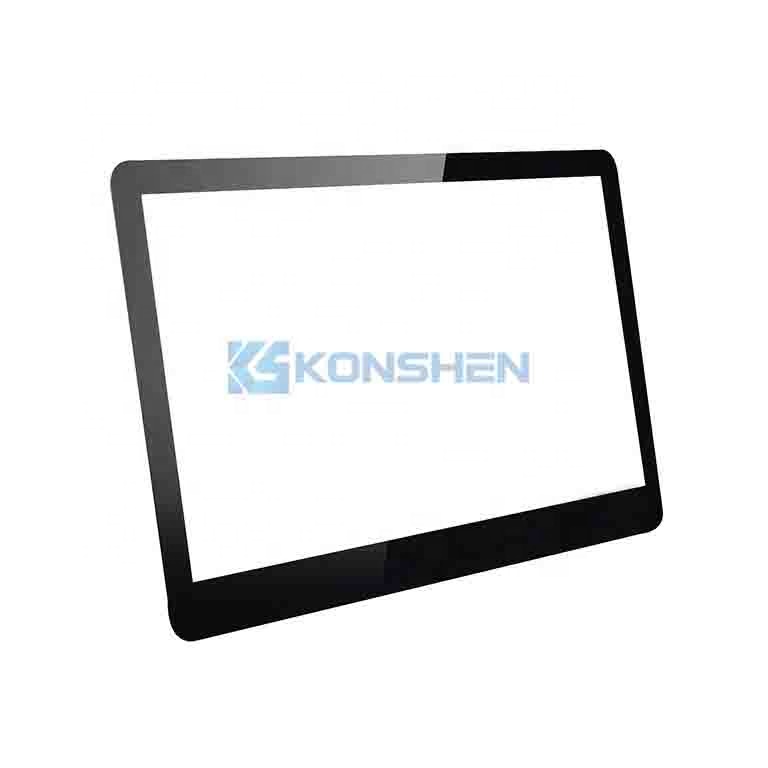
2mm 3mm Solid/Hollow Anti-Glare Chemical Tempered LCD Touch Screen Protection Cover Glass Silk Screen Printed European Style
For Osaka solar-inverter HMI, outdoor monitoring stations and public energy kiosks, this chemically tempered cover combines anti-glare etching with silk-screen printing. The 2–3 mm profile supports slim enclosures while reducing summer glare.

KS AG002 Custom Size AG Coating Anti-Glare Tempered Glass Panel High Transmittance Cover Sheet for Electronic Display Screen
A high-transmittance AG cover sheet for solar monitoring dashboards, outdoor digital signage and sunlight-readable inverter displays. Haze and gloss can be tuned so data remains crisp without mirror-like reflections.

Curved Tempered Glass Panel with Anti-reflective Coating Waterproof for Bathroom and Instrument Display Decoration
Curved, anti-reflective and waterproof tempered glass for architectural canopies, instrument windows and sealed display assemblies. For Osaka BIPV and waterfront projects, the AR coating improves clarity while curved forming supports wind-swept facades.
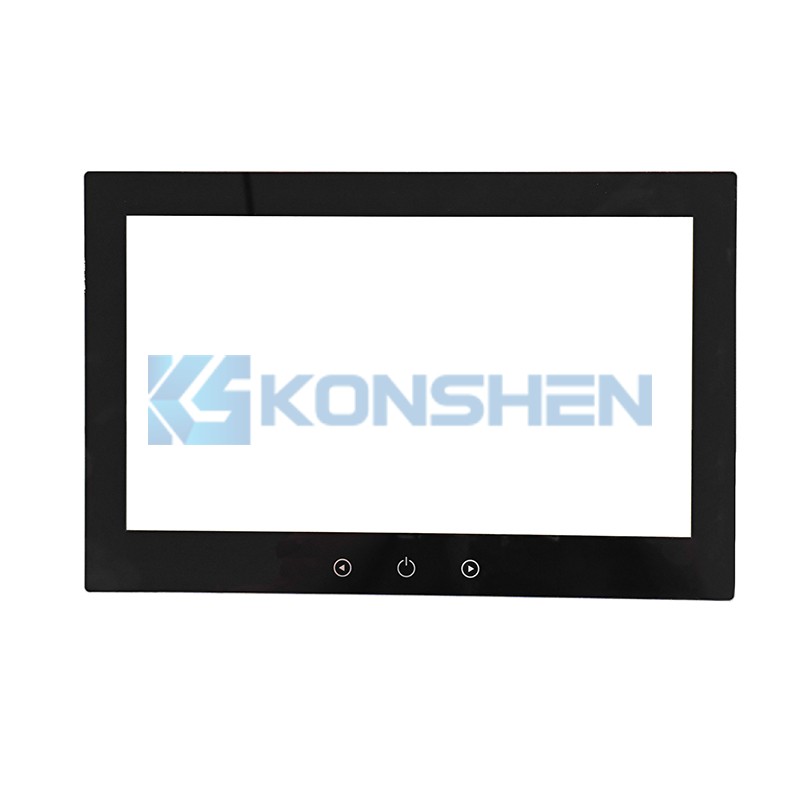
Electronic ITO Conductive Tempered Glass Custom Black Framed 1mm-4mm Thickness Display Cover for Industrial Monitor
Conductive ITO glass with a custom black frame for industrial monitors, touch sensors, smart-window controls and solar monitoring interfaces. Controlled sheet resistance and low haze help integrate capacitive touch or EMI shielding.
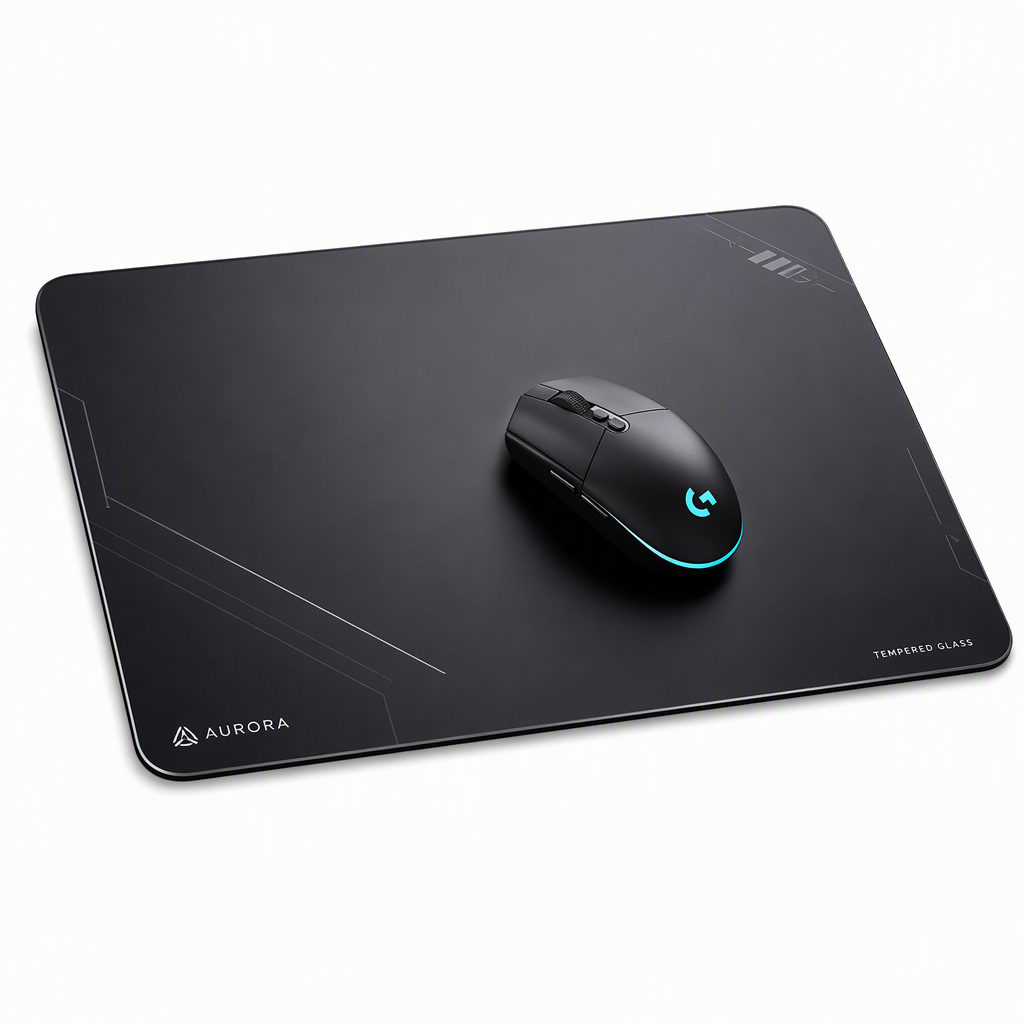
Tempered Glass Mouse Pad 2MM 3MM Hard Surface Glass Mousepad UV Printing Custom Logo Silicone Base OEM Factory
A precision 2 mm/3 mm tempered glass mouse pad with UV printing, custom logo and silicone base. While not a solar panel component, it demonstrates the low-iron glass, edge polishing and printing discipline used in premium consumer and smart-home products.
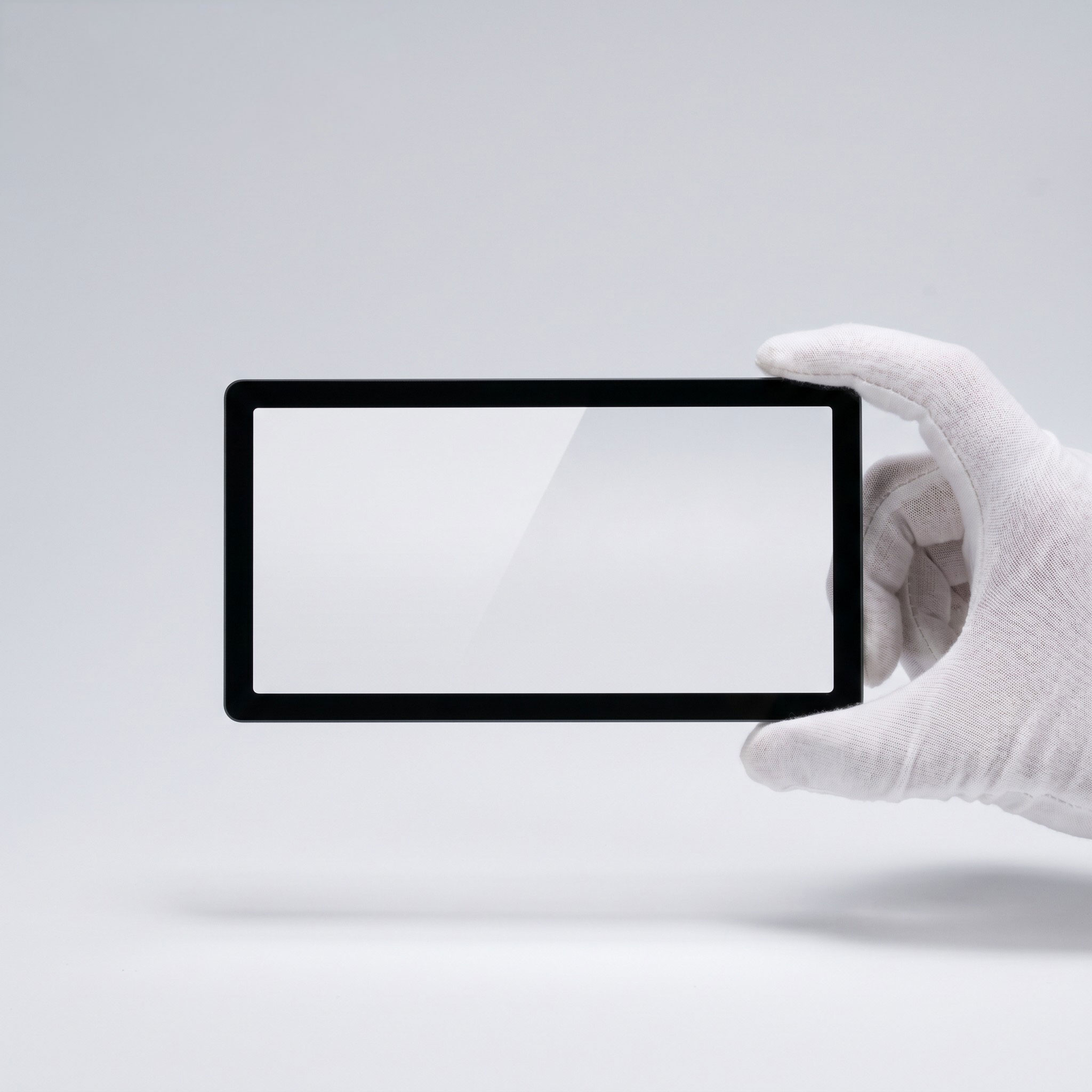
Custom Size Gorilla Glass Front Panel Panda Cover Sheet CNC Cut Silk Printed Tempered Glass Solar Display Screen Cover
CNC-cut Gorilla glass front panels with silk printing for solar display screens, weatherproof monitors and Panda-style cover sheets. The combination of strengthened glass and printed graphics gives Osaka equipment makers a durable, design-aligned front face.
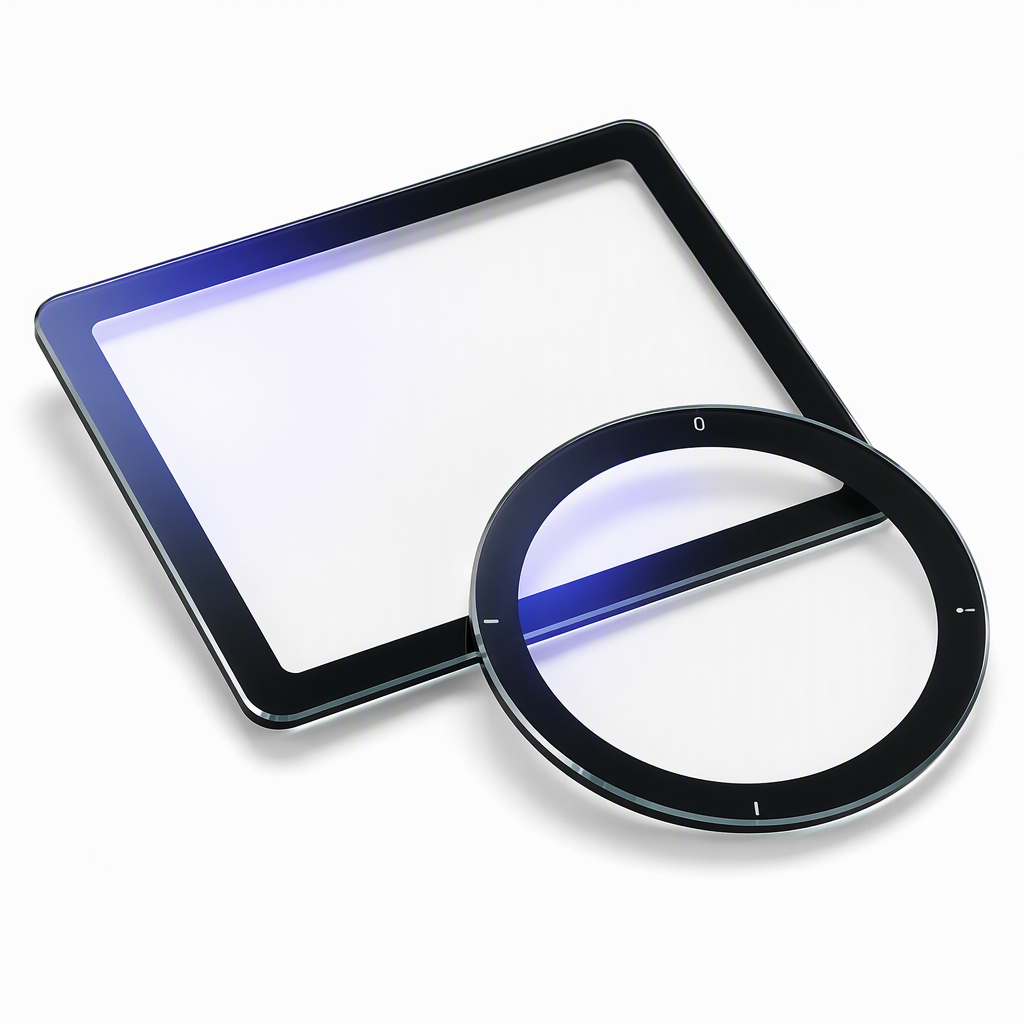
Custom Tempered Glass Toughened Glass Panels Low Iron Display Cover Glass AR Coating Factory Supply Customized Size
Low-iron tempered glass with AR coating for solar display covers, sensor windows and high-clarity protective glazing. Low iron content reduces green tint, while anti-reflective treatment raises visible transmittance for BIPV and monitoring equipment.

Custom Silk Screen Printed Tempered Glass Electronic Control Panel Cover for Smart Appliances
Custom silk-screen printed tempered glass control panels for solar inverters, storage cabinets, heat-pump controllers and smart appliances. Decorative and functional printing masks circuitry while creating durable icons and touch zones for Japanese product interfaces.
Information gain for buyers: choose by failure mode, not by thickness alone. For Osaka projects, verify edge quality, coating adhesion, salt-spray resistance, packaging protection and documentation before comparing piece price.
Factory-direct output supports recurring OEM schedules and project-based custom runs.
Typical bulk lead time after sample approval, depending on coating, printing and curved forming.
Thin cover glass through heavy specialty glass for display, solar and industrial assemblies.
Export-oriented response discipline, with a typical response time within one hour.
Integrated cutting, CNC, printing, tempering, coating, bonding and inspection capabilities.
Engineering support for DFM review, coating selection, samples and production validation.
Verified export activity, buyer feedback and Trade Assurance order protection on Alibaba.com.
A substantial manufacturing base for buyers comparing capability, continuity and risk.
Why Osaka Rewards a Specification-Led Solar Glass Supplier
Osaka’s energy transition is a land-constrained, infrastructure-heavy transition. The city and the wider Kansai region combine dense commercial districts, port and logistics assets, advanced manufacturing and a large stock of apartment buildings. A solar glass specification for Osaka therefore rarely fits a single catalogue page. A rooftop array on a factory in Sakai, a canopy over a commercial entrance in Umeda, a monitoring console in Suita and a waterfront energy installation near Osaka Bay can all demand different thicknesses, coatings, printing and packaging.
The local environment imposes a failure-mode-first approach. Osaka has strong summer sunlight, seasonal heavy rain, typhoon-season wind-driven rain, urban dust and salt-laden air near the bay. Glass that looks acceptable in a showroom can still suffer edge chipping, coating abrasion, delamination, haze or seal failure if the wrong substrate and process controls are selected. Procurement teams should therefore ask for evidence of edge polishing, tempering control, coating adhesion, abrasion resistance, salt-spray testing and damage-resistant packing.
Japanese buyers also expect documentation discipline. A credible quotation states glass type, thickness, tolerance, coating stack, reflectance or haze, sheet resistance where relevant, edge treatment, printing color, adhesive, packing method, inspection standard and trade term. KELO’s engineering team converts drawings into a DFM review and sample plan, so the buyer validates the same variables that will be controlled in mass production.
From a logistics perspective, Huizhou is practical for Osaka projects. Samples can move by air express to Kansai International Airport, while bulk orders typically move through Osaka Port or Kobe Port. KELO supports FOB, CFR, CIF, EXW and DDP terms and can arrange honeycomb cartons, blister trays and partition packing to reduce transit damage.

Where KELO Solar & Specialty Glass Fits Osaka Projects
Osaka buyers do not need a generic “glass panel.” They need a component that survives the installation environment and fits the assembly process.
Dense rooftop and residential solar
Low-iron tempered glass and AR-coated cover glass for compact rooftops, shared housing and factory arrays in Osaka’s dense wards and surrounding industrial cities.
BIPV facades, canopies and public realm
Curved tempered glass, low-iron AR glazing and silk-screen printing for building-integrated solar, entrance canopies and weather-exposed architectural features.
Solar monitoring, inverter HMI and ESS
AG and AF coated cover glass for sun-readable monitoring screens, inverter interfaces, battery-storage cabinets and heat-pump controllers.
Sensors and transparent electrodes
ITO and FTO conductive glass for solar sensors, smart windows, touch interfaces, thin-film research and EMI shielding in energy-management devices.
How to Specify Solar and Coated Glass for Osaka Conditions
Use this matrix as an RFQ checklist. Final performance targets are confirmed against your drawing and sample validation.
| Operating requirement | Recommended KELO glass | Why it matters in Osaka | Indicative specification |
|---|---|---|---|
| High clarity for solar display, BIPV vision panel or sensor window | Low-iron tempered glass with AR coating | Reduces green tint and surface reflection under strong summer light and low-angle afternoon sun. | Reflectance below 1.0% per side; transmittance above 99% for selected AR stacks; custom thickness and shape. |
| Sunlight-readable monitoring, inverter HMI or outdoor signage | AG or AR+AG tempered cover glass | Diffuses harsh reflections while preserving data contrast on outdoor energy equipment and public terminals. | Haze 5–60%; gloss 0.5–8 GU; 2–4 mm or custom; silk-screen and holes available. |
| Frequent touch, humidity and cleaning in smart-home or ESS interfaces | AF or AG+AF coated glass | Oleophobic surface resists fingerprints and wipes clean; supports durable control panels near kitchens, utility rooms and coastal air. | Water contact angle above 110°; pencil hardness above 3H; durability over 10,000 cycles; transmittance above 98%. |
| Transparent electrode, touch sensing or EMI shielding | ITO / FTO conductive glass | Combines electrical function with optical clarity for sensors, smart windows and energy-monitoring electronics. | Sheet resistance 1–20 Ω/sq; transmittance above 85%; haze below 2%; ITO for touch and displays, FTO for thermal stability. |
| Curved architectural glazing, sealed instruments or designer enclosures | 2.5D/3D curved tempered glass | Supports wind-swept facades, compact sensor housings and design-led Osaka commercial interiors. | Flat or curved forming; waterproof/AR options; 3M adhesive bonding; custom thickness up to 19 mm. |
Export market mix: evidence of international packing and documentation routine
KELO’s current export distribution covers Europe and the Americas. This routine is directly relevant to Osaka buyers who need stable export documentation, protective packing and predictable communication.
Why KELO Is a Lower-Risk China Glass Supplier for Osaka Buyers
The advantage is not only equipment. It is the ability to connect engineering review, surface treatment, sample validation, mass production, inspection and export packing under one accountable factory team.
Factory-direct manufacturing in Huizhou
Huizhou KELO Glass Co., Ltd. is a verified manufacturer rather than a trading layer. Located in Huizhou, Guangdong, inside China’s Greater Bay Area electronics supply chain, the company operates a 10,000–30,000 m² factory with 101–200 employees, 21–30 R&D engineers and annual output value of US$50–100 million. For Osaka buyers, this means one accountable supplier for engineering changes, production scheduling and quality records.
In-house surface engineering
AR, AG, AF, ITO and FTO coatings are core technologies, not outsourced afterthoughts. Single-layer and multi-layer AR designs, controllable haze AG, oleophobic AF top coats and transparent conductive layers can be matched to solar displays, BIPV glazing, monitoring interfaces and sensor components. Combined stacks such as AR+AG or AG+AF are available when one substrate must solve more than one optical problem.
Full-process control from raw sheet to packed carton
KELO’s process chain includes cutting, water-jet cutting, CNC machining, drilling, edge polishing, laser engraving, silk-screen printing, sandblasting, frosting, flat and curved tempering, optical coating, 2.5D/3D forming and 3M adhesive bonding. Keeping these steps in-house reduces handling damage, shortens problem-solving loops and protects tolerances across production batches.
Quality gates and export-ready service
IQC, IPQC and FQC/OQC gates cover incoming glass, in-process dimensions and final appearance. Checks include 100% appearance inspection, tempering performance, coating adhesion, abrasion and salt-spray testing. Export packing uses honeycomb cartons, blister trays and partition packing. KELO supports Trade Assurance, FOB/CFR/CIF/EXW/DDP terms, T/T, L/C, PayPal and Western Union, backed by a 4.9/5 store rating and 98.18% reply rate.
From Drawing to Osaka Delivery in Four Controlled Steps
A clear process keeps custom glass projects predictable, especially when coatings, printing and curved forming are combined.
Share requirements
Send a 2D/3D drawing, sample, target coating performance, annual volume and destination port in Japan.
Engineering review
KELO reviews DFM, glass type, thickness, tolerance, coating stack, printing, packing and cost drivers.
Sample validation
Sample orders can start from 1–2 pieces so fit, optics, touch feel and durability can be checked before volume.
Production and delivery
After approval, typical mass production is 21–31 days, followed by export packing and shipment to Osaka or Kobe.
Questions Local Procurement Teams Ask Before Ordering
Direct answers for solar EPCs, distributors, appliance brands and industrial buyers comparing a China glass manufacturer for the Osaka market.
What does “solar glass” include in KELO’s product range?
In this context, solar glass includes low-iron tempered cover glass, AR-coated high-transmittance glass, AG-coated sunlight-readable display glass, AF-coated touch panels and ITO/FTO conductive glass for sensors and transparent electrodes. KELO also supplies related precision glass such as Gorilla glass front panels, silk-screen printed control panels and curved tempered glass for BIPV and instrument assemblies.
Can KELO ship to Osaka and Kobe, and which Incoterms are supported?
Yes. KELO regularly serves international buyers and can quote FOB, CFR, CIF, EXW and DDP terms. Samples are usually shipped by air express to Kansai International Airport or door delivery. Bulk orders can be routed through Osaka Port or Kobe Port depending on your freight forwarder and delivery plan.
What is the minimum order quantity and typical lead time?
Sample orders can start from 1–2 pieces so you can validate fit, optics, coating performance and assembly before committing to volume. Bulk quantities are quoted per drawing. Typical mass production lead time is 21–31 days after sample approval, depending on size, coating stack, curved forming, printing complexity and order quantity.
How do you make glass suitable for Osaka humidity, salt air and typhoon season?
Start with the right substrate and edge finish, then validate the coating and packing. KELO controls edge polishing, tempering, coating adhesion, abrasion resistance and salt-spray testing where relevant. For waterfront or exposed installations, we can recommend tempered or laminated constructions, waterproof sealing considerations and AR/AG/AF coatings that match the cleaning and visibility requirements. Protective honeycomb cartons, blister trays and partitions reduce shipping damage before installation even begins.
Can you provide documentation for Japanese procurement and engineering teams?
KELO can supply drawing-based quotations, dimensional inspection reports, coating performance data, material declarations, RoHS/REACH statements where applicable, packing records and batch traceability information. If your Osaka team requires a specific inspection format or translated specification sheet, the engineering team can align the sample and production documentation during project review. We do not overstate certifications; final compliance requirements should be confirmed against your product and destination regulations.
Can you customize size, shape, printing, holes, adhesive and curved forming?
Yes. Glass thickness ranges from 0.1 mm to 19 mm. Size, shape, holes, color, logo printing, silk-screen graphics, 2.5D/3D curved forming and 3M adhesive bonding are customized to your drawing or sample. Available materials include Gorilla glass, borosilicate glass, quartz glass, sapphire glass, ceramic glass, lead shielding glass and laminated safety glass, depending on the application.
How should I choose between AR, AG, AF and ITO/FTO glass?
Choose AR when maximum clarity and low reflection matter, such as sensor windows, solar displays and BIPV vision panels. Choose AG when sunlight creates harsh glare on monitoring screens or outdoor kiosks. Choose AF when fingerprints, cleaning and touch feel are critical. Choose ITO for capacitive touch, displays and EMI shielding, and FTO when higher thermal and chemical stability is needed for thin-film solar or high-temperature processes. Combined stacks are possible when one component must meet several requirements.
Send a Drawing, Coating Target or Solar Glass Sample Requirement
Share your thickness, dimensions, coating specification, annual volume, printing file, destination port and target validation date. KELO’s engineering team will review feasibility, recommend the most cost-effective glass construction and prepare a sample plan for Osaka-market validation.
