Product Portfolio Behind Tempered Solar Glass & Precision Glass Programs
These eight representative lines preserve the live product URLs and original images. For solar projects, the most relevant starting points are tempered glass, AR/AG/AF optical coatings and ITO/FTO conductive substrates; the remaining lines demonstrate KELO’s cutting, printing, tempering, coating and bonding breadth.
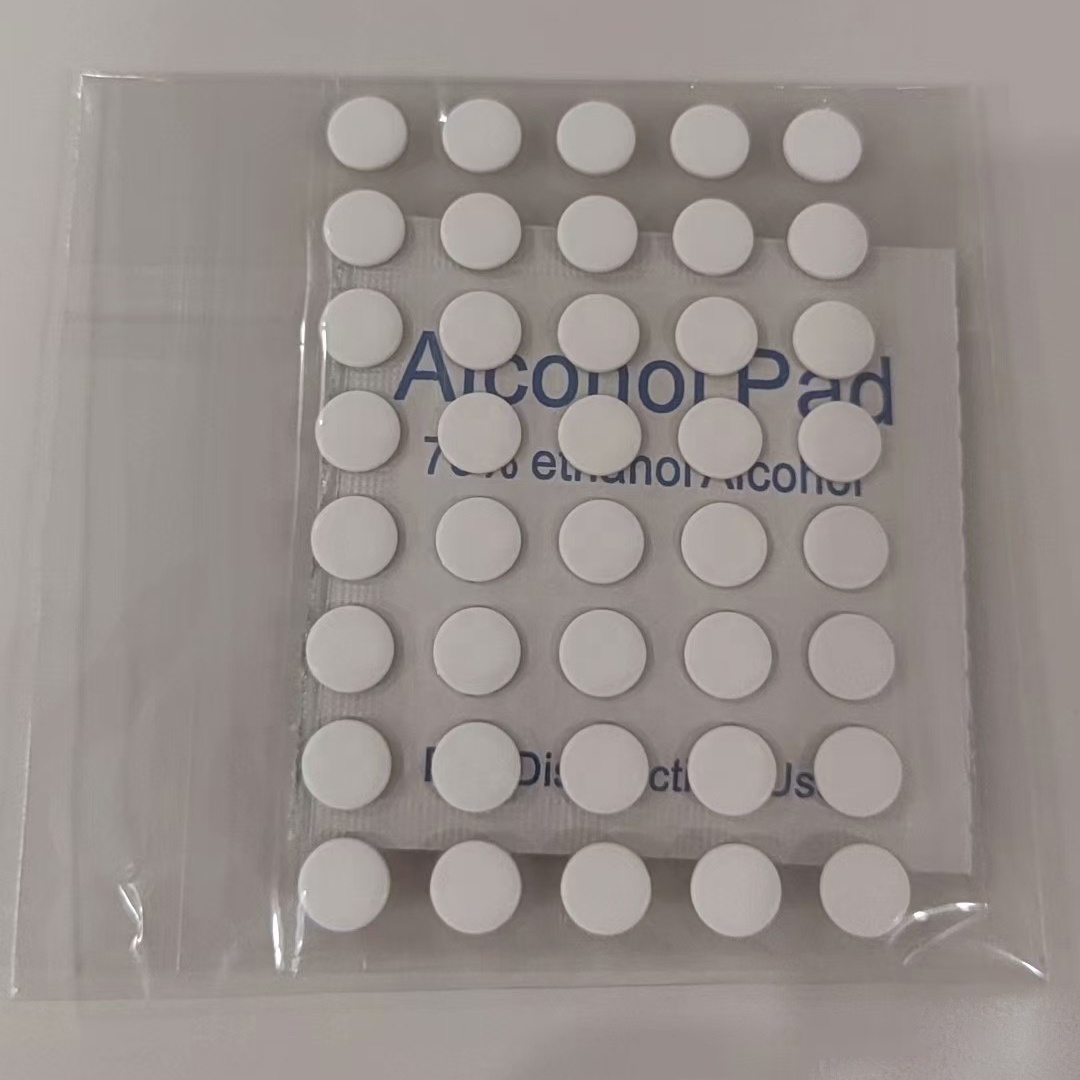
PTFE Round Gaming Mouse Glides Mouse Skate Dots
Precision low-friction PTFE glide components for gaming peripherals and smooth-motion assemblies, available with custom diameters and backing options.
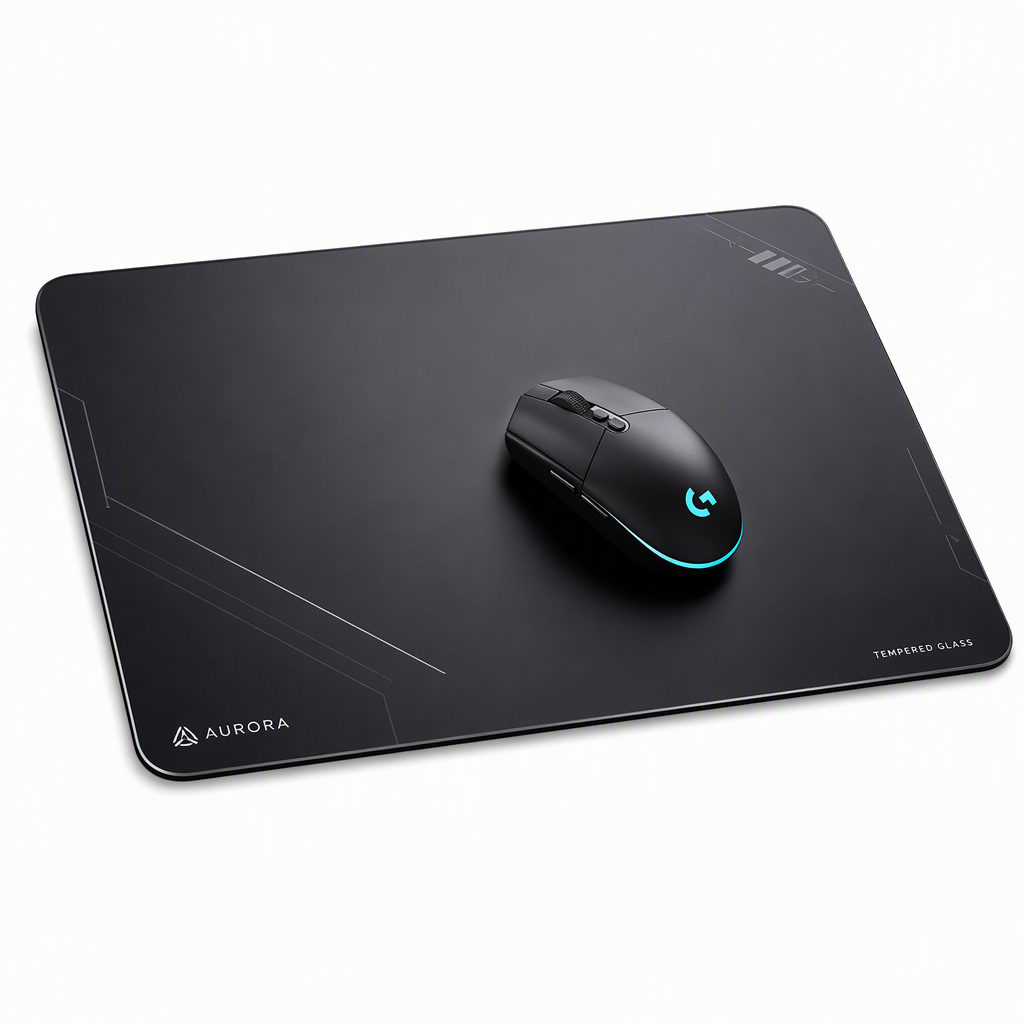
Tempered Glass Mouse Pad 2MM 3MM Hard Surface Glass Mousepad UV Printing Custom Logo Silicone Base OEM Factory
Tempered hard-surface glass with UV printing, custom logo and silicone base—showing the same glass processing discipline used in optical and solar-adjacent programs.
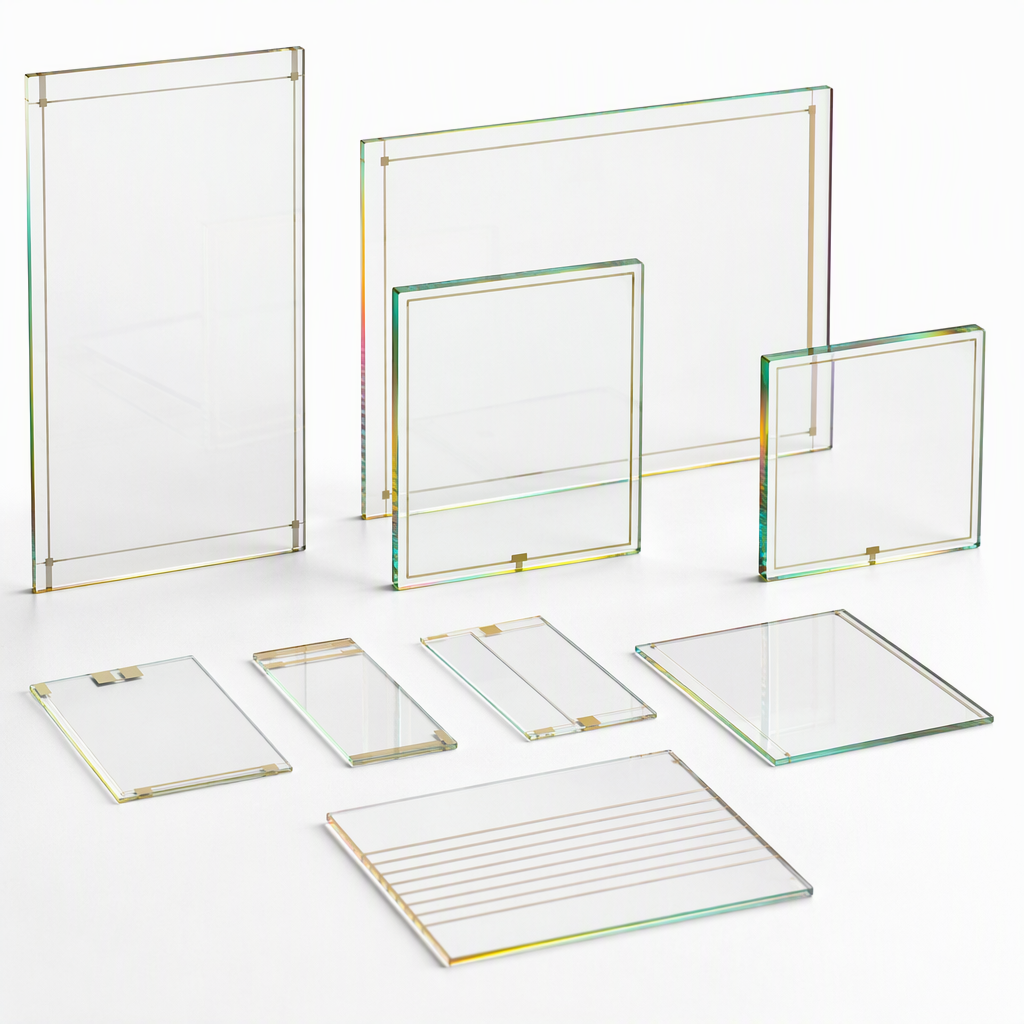
ITO Coated Glass Conductive Glass Sheet 6 To 8 Ohm Per Square Custom Size Touch Panel Heating Substrate Supplier
ITO-coated conductive glass for touch panels, heating substrates and transparent electrodes. Sheet resistance, size and coating patterns are configured to the drawing.

Round Oval PTFE 3M Wear-resistant Smooth Mouse Feet Stickers Glass Pad Resin Pads
Round and oval PTFE feet with 3M adhesive for wear-resistant gliding and clean removal—useful for precision equipment, peripherals and custom assemblies.
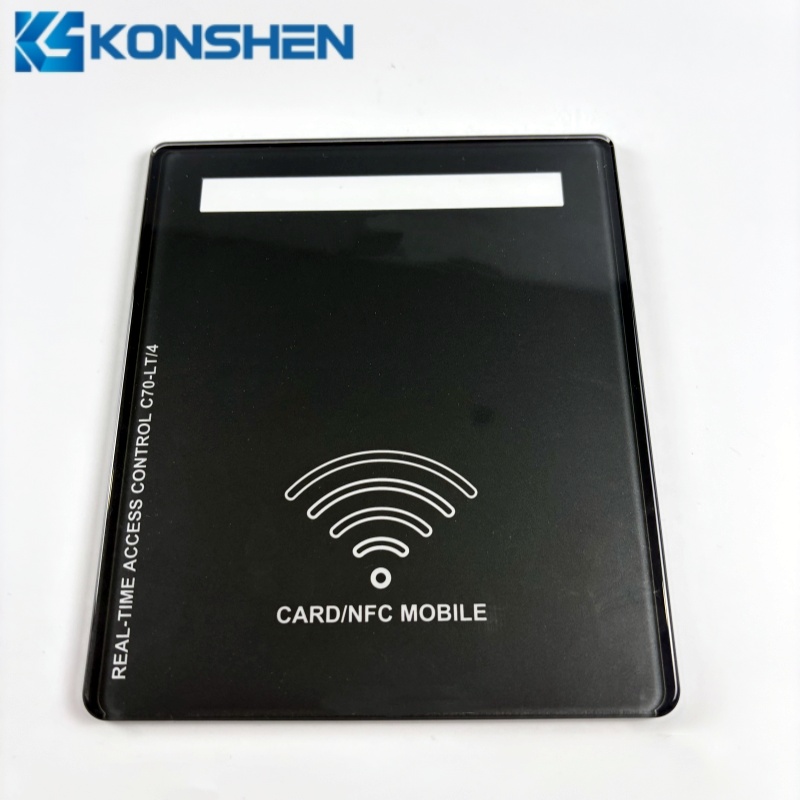
Custom 5mm NFC Access Card Silkscreen Printing Tempered Touch Screen Glass Switch Display Cover Glass
5 mm tempered glass switch and NFC access panel with silkscreen printing—an example of integrated glass interfaces for building, security and equipment controls.

Curved Tempered Glass Panel with Anti-reflective Coating Waterproof for Bathroom and Instrument Display Decoration
Curved tempered glass with anti-reflective coating and waterproof design for bathroom, instrument-display and decorative glazing applications.
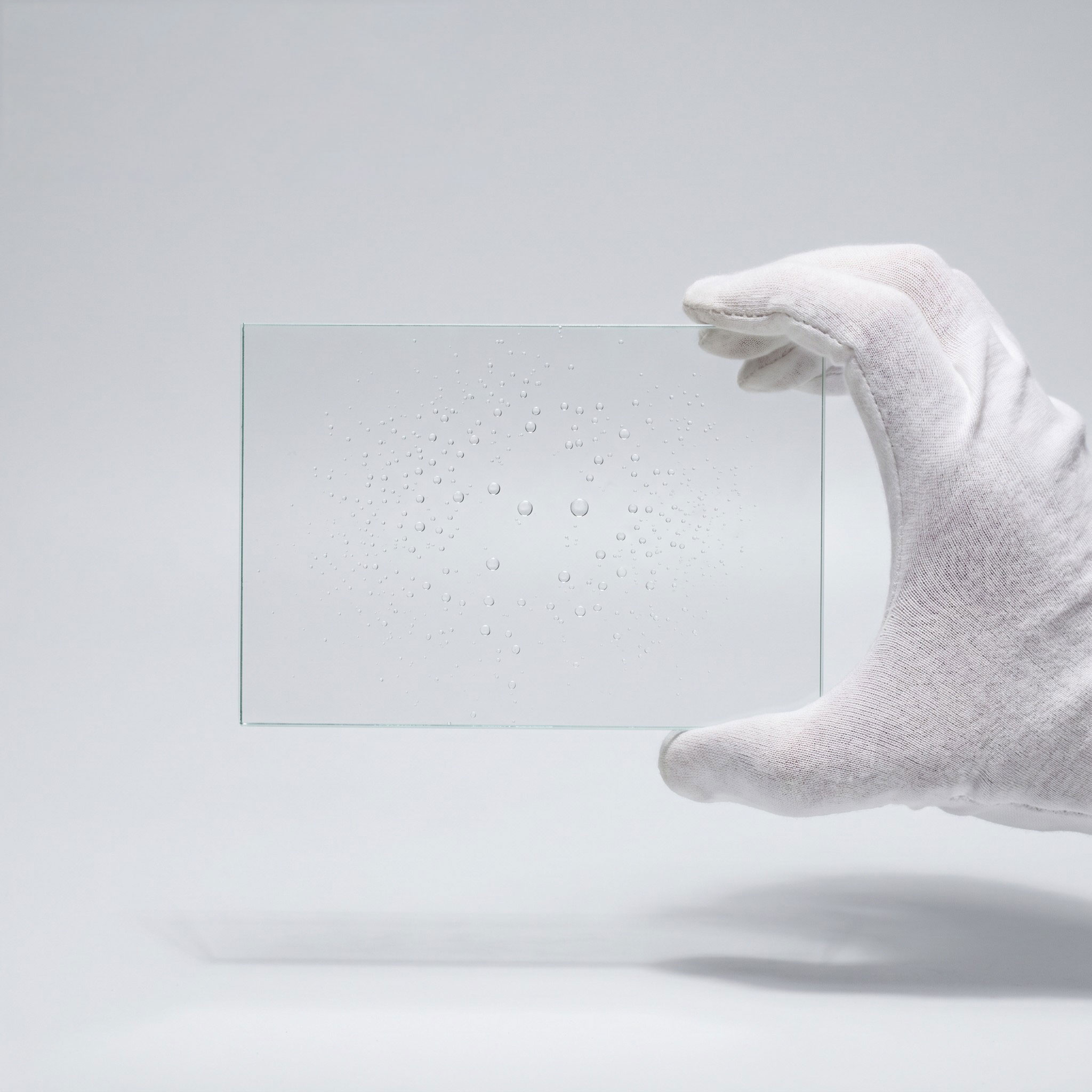
KS AF001 High Transmittance AF Coated 1.1mm/2mm CNC Cut Custom Shape Toughened Glass Panel for Kitchen Electronic Device Covers
AF-coated high-transmittance toughened glass for appliance and electronics covers, with CNC custom shapes and 1.1 mm/2 mm options.

High Transmittance 98% Anti-Reflective AR Glass for Museum Showcase Luxury Picture Frame Low Reflectance Coated 1mm-19mm
High-transmittance 98% AR glass for showcases, luxury frames and optical windows, with low-reflection coating and 1–19 mm thickness options.
What “Manufacturer in Oklahoma City” Means for a China Tempered Solar Glass RFQ
Buyers using this phrase usually face two different questions: which China-based manufacturer can deliver tempered solar glass or solar-adjacent optical and conductive glass with verified data, and what can be sourced locally in Oklahoma City for urgent service, warehousing or installation support. A reliable answer separates those intents instead of pretending a Chinese factory is an Oklahoma City warehouse.
Sourcing transparency: Huizhou KELO Glass Co., Ltd. is a factory-direct manufacturer in Huizhou, Guangdong, China, not an Oklahoma City glass plant. For Oklahoma City buyers, KELO acts as a China manufacturing partner with OEM/ODM engineering, export packing and FOB/CIF/CFR/EXW/DDP quotations. Local installation, permitting and site warranty requirements should be confirmed with your OKC EPC, installer or authority having jurisdiction.
Substrate and Optical Target
Start with low-iron or application-specific glass, the required thickness and the transmittance target. For tempered solar glass, the final optical result depends on glass composition, coating stack and module or device design—not on a single catalogue number.
Tempering and Edge Quality
Oklahoma City hail, wind and thermal swings make edge quality, flatness and tempering consistency worth specifying. Drawings should define edge finish, hole positions, chamfer requirements and the inspection standard before quoting.
Coating or Conductive Function
AR reduces reflection; AG controls glare; AF resists fingerprints; ITO and FTO add transparent conductivity. Each function changes the process flow, so confirm durability tests, sheet resistance, haze and contact angle in the RFQ.
Traceable Data and Packing
Ask for inspection records, coating measurements, sample photos and packing details. For long-distance delivery to Oklahoma, damage-proof cartons, blister trays and partition packing matter as much as the glass specification itself.
Recommended Glass Paths for Oklahoma City Solar & Equipment Projects
The right recommendation depends on the operating environment and the interface behind the glass. These four paths help narrow the RFQ before engineering review.
Utility-Scale PV / Module Cover Glass
Specify low-iron tempered solar glass with thickness, size and edge quality matched to the module design. Where reflection losses matter, evaluate an AR coating and validate final transmittance on the completed stack, not on uncoated glass alone.
Commercial Rooftops & Hail-Exposed Arrays
For OKC metro rooftops and carports, prioritize tempering consistency, edge finish, flatness and packing protection. Hail-impact and thermal-cycling expectations should be written into the sample validation plan and confirmed before mass production.
Thin-Film Solar & High-Temperature Processes
FTO conductive glass is often preferred where thermal and chemical stability are more important than the conventional display touch-sensor route. Typical targets include 1–20 Ω/sq, transmittance above 85% and haze below 2%, subject to process validation.
Solar Monitoring & Inverter HMI
Solar inverters, combiners, EV-charging canopies and monitoring panels benefit from AR, AG or AF coated cover glass and ITO touch substrates. Match the coating to sunlight exposure, cleaning frequency and display readability.
Tempered Solar Glass in Oklahoma City Application Scenarios
Oklahoma City sits in a market where solar is increasingly evaluated alongside wind, oil and gas, grid resilience and extreme-weather performance. That changes what buyers expect from glass.
Utility-Scale Solar Across Oklahoma
Large arrays around Oklahoma and the wider state need predictable transmittance, durable edges and packaging that survives rail and truck transport. Factory-direct sourcing can lower landed cost at volume, but only when inspection data and delivery terms are clear.
Commercial & Industrial Rooftops in OKC
Warehouses, logistics centers and manufacturing sites in the Oklahoma City metro use rooftop PV to manage energy costs. Tempered cover glass and AR-coated glass can support higher optical efficiency, while anti-glare and anti-fingerprint treatments help equipment interfaces.
Solar Canopies & EV Charging
Parking canopies and EV-charging hubs combine solar generation with public-facing displays and control panels. Curved tempered glass, AR/AG coatings and printed glass interfaces can be coordinated in one supplier review.
Agrivoltaics & Rural Co-op Projects
Rural solar projects need cleanable surfaces and resistance to dust, hail and seasonal temperature shifts. FTO substrates and tempered cover glass can be evaluated for thin-film or specialty solar designs.
Inverter, Combiner & Monitoring HMI
Solar equipment is often installed in high-glare outdoor or semi-outdoor locations. AG anti-glare glass, AR anti-reflective glass and AF anti-fingerprint coatings improve readability and maintenance in Oklahoma City conditions.
Building-Integrated PV & Architectural Glass
For BIPV facades, atrium glazing or solar canopies, silk-screen printing, curved forming and anti-reflective coatings can be combined. Early DFM review prevents cosmetic and assembly conflicts later.
What Oklahoma City Buyers Are Changing in 2025 Glass Specifications
Procurement teams are no longer comparing only price per square meter. They are comparing resilience, documentation, landed cost and schedule confidence.
Weather Resilience Is a Spec Item
Oklahoma hail, high wind and rapid temperature change push buyers to ask for stronger edge quality, validated tempering and packing protection. Weather resilience should be tested against the actual project profile, not assumed from a generic data sheet.
Solar-Plus-Wind and Grid Modernization
Oklahoma’s energy economy is broader than solar alone. Hybrid renewable projects and grid upgrades create demand for reliable specialty glass in monitoring, power electronics and outdoor interfaces.
Domestic Content and Mixed Sourcing
Some Oklahoma City buyers need U.S. assembly, local service or domestic-content documentation, while still sourcing custom glass from Asia. The practical answer is often a mixed supply chain with clear origin documents, traceability and buffer stock planning.
Landed Cost and DDP Transparency
FOB pricing alone is not enough. OKC procurement teams want DDP, CIF or delivered-cost comparisons that include freight, duties, port handling, rail/truck transfer and packaging. A factory quote should expose those variables clearly.
What to Put in a Tempered Solar Glass Drawing Before Asking for a Quote
Clear inputs shorten engineering review and reduce sample iterations. Use this specification guide as a checklist; final capability is confirmed against your drawing, volume and test plan.
How an Oklahoma City Buyer Might Score Suppliers
This is an illustrative weighting, not a universal rule. Use it to align engineering, procurement and project delivery before comparing China factory-direct supply with local distribution.
The weighting should change for BIPV cosmetics, thin-film FTO processes or emergency repair schedules.


A Factory Built Around Glass Surface Engineering
Huizhou KELO Glass Co., Ltd. is located in Huizhou, Guangdong, within China’s Greater Bay Area electronics supply chain. The company is a factory-direct manufacturer of touch screen cover glass, display cover glass and optical coated glass, with advanced surface treatment as its core technology.
For Oklahoma City buyers comparing China tempered solar glass manufacturers, the important difference is not a slogan. It is whether cutting, CNC machining, edge polishing, silk-screen printing, flat and curved tempering, coating and bonding are controlled under one roof. That integration reduces handling damage, shortens corrective loops and gives one accountable supplier for tolerances, lead time and packing.
- One factory for cutting, water-jet cutting, CNC, drilling, polishing, laser engraving, printing, frosting and tempering.
- In-house AR, AG, AF and ITO/FTO coating capability rather than outsourced surface treatment.
- Custom thickness, shape, holes, color, logo, 2.5D/3D curved forming and 3M adhesive bonding.
- Verified exporter profile: 6 years on Alibaba.com, 4.9/5 store rating and 98.18% reply rate.
- Trade Assurance support, FOB/CFR/CIF/EXW/DDP terms and T/T, L/C, PayPal or Western Union payment options.




Three Inspection Gates Before Tempered Solar Glass Ships
Quality is designed into each step. The inspection plan below is the baseline; project-specific solar, impact or coating tests are added during engineering review.
Incoming Inspection (IQC)
Raw glass and consumables are verified before production: thickness and flatness checks, surface-defect screening, and ink or coating material verification. Starting with traceable inputs protects downstream tempering and coating yield.
In-Process Control (IPQC)
Critical dimensions and coating results are checked at each station. CNC dimensions and hole positions, tempering and strength checks, coating adhesion and abrasion tests are reviewed before the next process step.
Final Inspection (FQC/OQC)
Finished pieces go through 100% appearance inspection, salt-spray reliability testing where specified, and protective packing. Honeycomb cartons, blister trays and partition packing are selected to reduce transit damage to Oklahoma.
From Drawing to Oklahoma City Delivery: Six Practical Steps
The fastest path is not an immediate mass-production quote. It is an engineering-led review that locks the sample, test plan and packing before volume begins.
Share Requirements
Send the drawing or sample, target glass type, coating or conductive requirement, annual volume and Oklahoma City delivery target.
Engineering Review
Receive DFM feedback on tolerance, edge finish, coating choice, curved forming and cost drivers before committing to tooling or samples.
Rapid Prototype
Sample orders can start from 1–2 pieces so fit, optics and coating performance are validated before a bulk purchase order.
Validation
Approve appearance, dimensions and agreed tests. For solar-related projects, confirm the transmittance or resistance target against the intended production stack.
Mass Production
Typical bulk lead time is 21–31 days after sample approval, depending on size, coating, curved forming and printing complexity.
Packing & Shipping
Custom export packing and worldwide delivery. Choose FOB, CFR, CIF, EXW or DDP based on risk, schedule and landed-cost visibility.
China Factory, Oklahoma City Distributor or Local Fabricator?
The best source depends on volume, customization, urgency and risk tolerance. For a first solar glass project, comparing all three openly prevents hidden cost or schedule surprises.
Best fit for custom sizes, coatings, conductive glass, printed glass and volume pricing. Engineering review, samples and QC are direct, while freight and import planning require a disciplined buyer or DDP quote.
Custom · Scale · CostFaster small-lot availability and local communication can reduce downtime. However, distributors may not control tempering, coating or a special ITO/FTO process, and customization depth is often limited.
Speed · Local Stock · MarginUseful for emergency replacement, site measurement and installation coordination. Complex optical coating, curved forming and solar-specific substrate validation may still need a specialty factory partner.
Service · Installation · RepairTempered Solar Glass Procurement Questions Local Buyers Ask
These answers reflect the way factory-direct China supply usually works for Oklahoma City buyers. Project-specific terms should always be confirmed in writing.
Are you a tempered solar glass manufacturer located in Oklahoma City?
No. KELO is a factory-direct manufacturer in Huizhou, Guangdong, China. We serve Oklahoma City buyers through export production, engineering support, protective packing and international shipping. Local installation, permitting and site warranty issues remain with the OKC project team.
How do you ship glass to Oklahoma City, and can you quote DDP?
Samples usually move by express or air; bulk orders typically ship by sea to a U.S. port and then by rail or truck to Oklahoma. DDP, CIF, CFR, FOB and EXW quotations can be discussed so the buyer can compare landed cost and customs responsibility.
What is the minimum order quantity and sample policy?
Sample orders can start from 1–2 pieces so you can validate fit, optics and coating performance before volume production. Bulk quantity is quoted per drawing, glass type, coating, size and annual demand.
What lead time should an Oklahoma City project plan for?
Bulk lead time is typically 21–31 days after sample approval, depending on size, coating stack, curved forming and printing complexity. Add international transit, port handling and inland delivery when building the Oklahoma City installation schedule.
Can your glass meet hail, wind and thermal-cycling requirements?
We can review thickness, tempering, edge quality and coating durability against your project requirements. Final performance should be validated through an agreed sample and test plan, because Oklahoma weather exposure varies by mounting height, angle, frame design and site location.
Which solar-related glass products do you offer?
Relevant options include tempered cover glass, AR anti-reflective glass, AG anti-glare glass, AF anti-fingerprint glass, ITO conductive glass and FTO conductive glass for thin-film solar or high-temperature processes. Custom sizes, printing and curved forming are reviewed per drawing.
What documents can be supplied for procurement?
Commercial invoice, packing list, shipping documents and product inspection records can be prepared according to the order. Required test reports, certificates of origin or special labeling should be specified before the quotation is finalized.
How do you reduce breakage during export packing?
Custom honeycomb cartons, blister trays and partition packing minimize transit damage. For fragile or large-format glass, the packing method, stack height and handling labels are reviewed with the buyer before shipment.
Can you support custom coatings, logos and building-integrated PV?
Yes. Custom size, shape, holes, color, logo printing, 2.5D/3D curved forming, AR/AG/AF coating, ITO/FTO conductive layers and 3M adhesive bonding can be reviewed. BIPV projects should share the architectural drawing, viewing angle and cosmetic standard early.
Send Your Tempered Solar Glass Specification & Oklahoma City Delivery Target
Share your drawing, glass thickness, transmittance or sheet-resistance target, coating requirement, annual volume and preferred Incoterm. Our engineering team will review feasibility and recommend a practical factory-direct path for your Oklahoma City project.