8 products for outdoor display windows and precision assembly
Below are eight product routes relevant to Kawasaki buyers sourcing AR/AG display glass, AF touch surfaces, anti-fog conductive glass, curved tempered glass and precision PTFE components. Product URLs are preserved from the original catalogue.
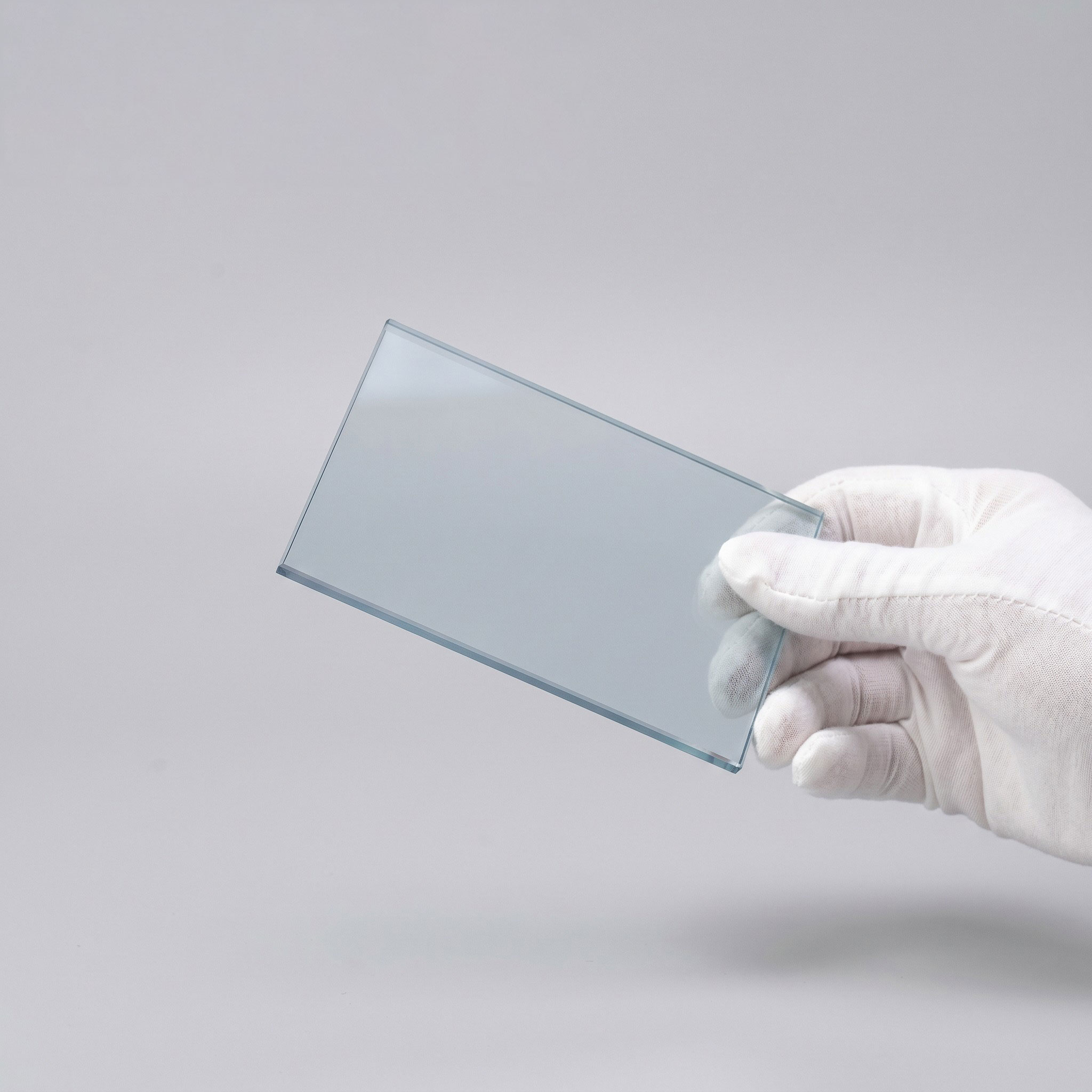
High Temperature Resistance Fluorine Doped Tin Oxide FTO Conductive Glass Solar Cell Substrate DSSC Perovskite Lab Research
For high-temperature solar, perovskite and lab research where thermal stability and transparent conductivity matter. A practical route for pilot lines that need repeatable FTO substrates.
View product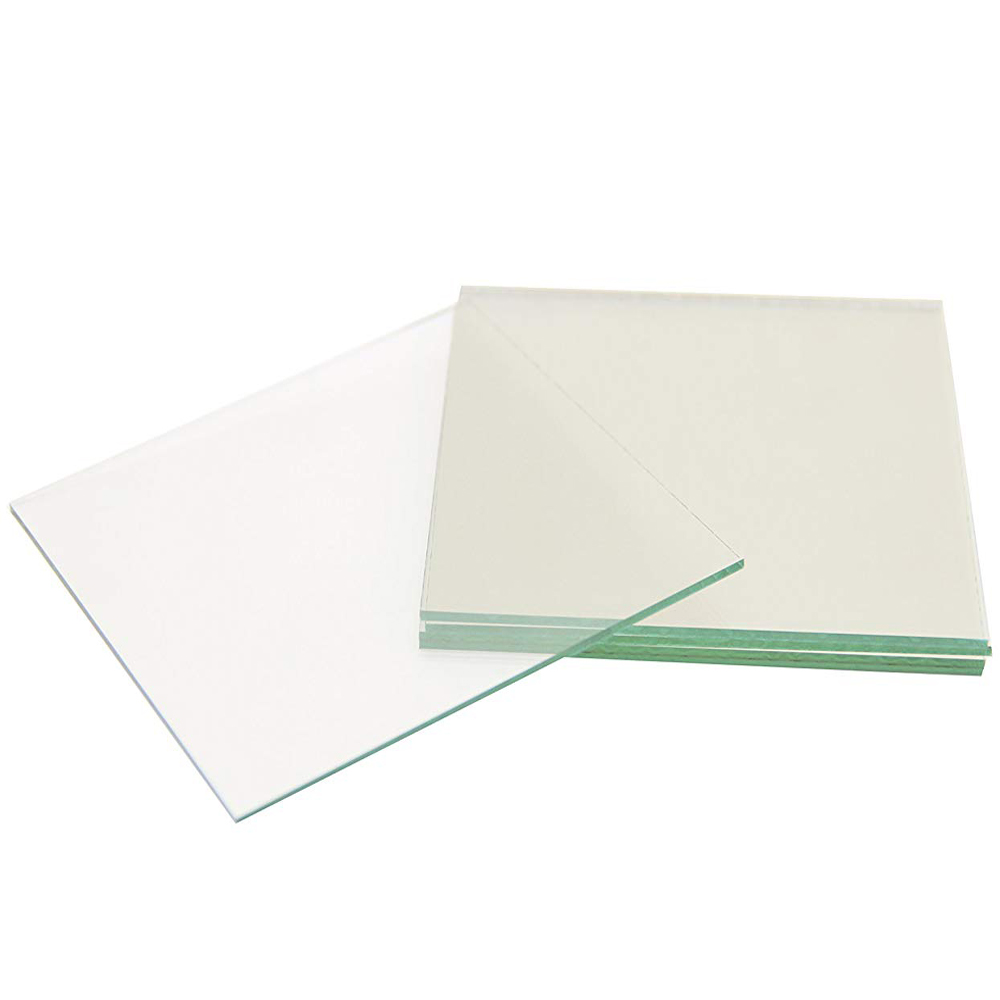
Custom 25x25x1.1mm ITO/FTO Coated Toughened Glass for LAB Display Anti-Fog Heating Conductive Glass Bathroom Solar Applications
For condensation-prone display windows, bathroom control panels and lab fixtures. Custom sizing and conductive coating options support prototype-to-production transfer.
View product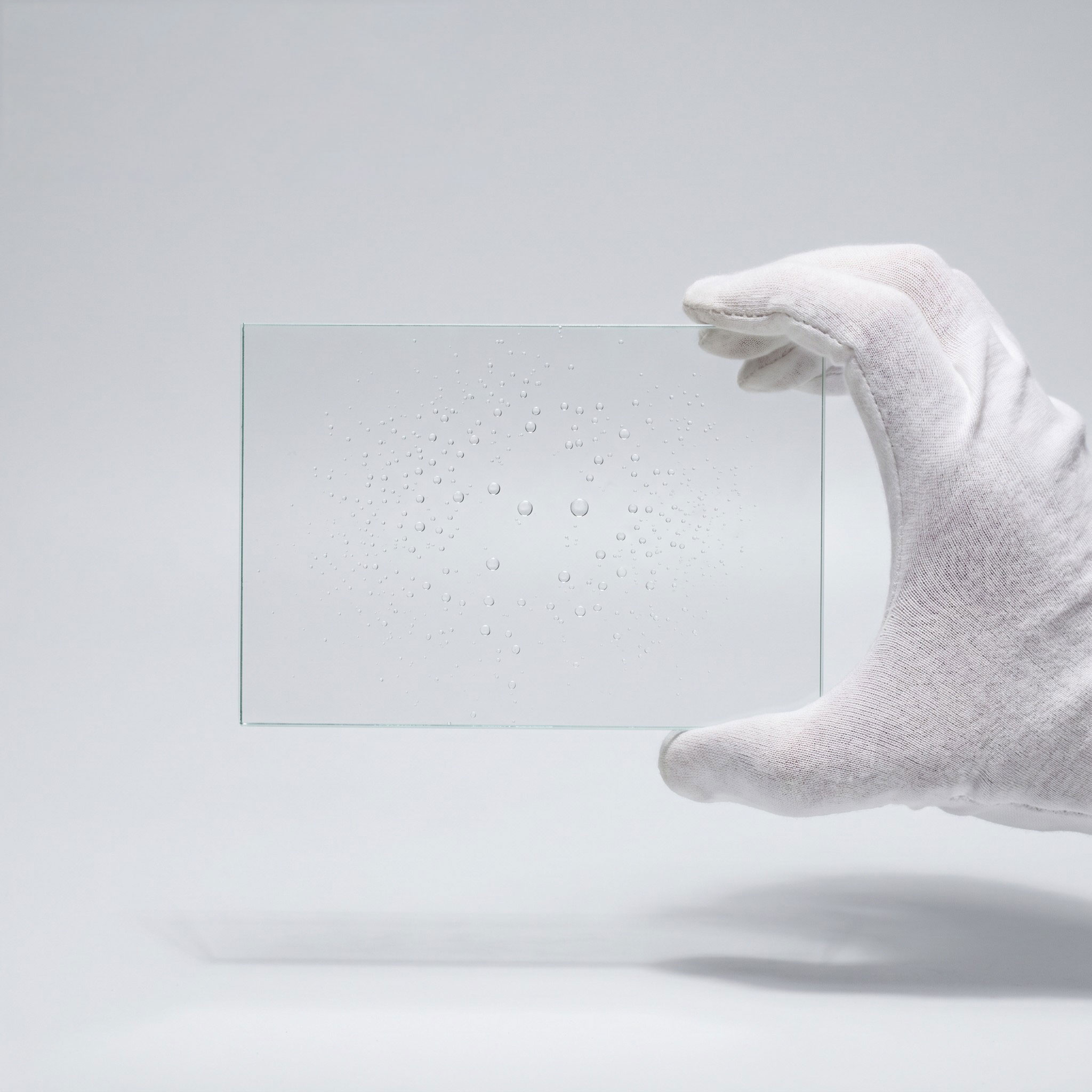
KS AF001 High Transmittance AF Coated 1.1mm/2mm CNC Cut Custom Shape Toughened Glass Panel for Kitchen Electronic Device Covers
AF-coated toughened glass for high-touch kitchen electronics and appliance covers. The oleophobic surface supports easier cleaning when oils and daily use are unavoidable.
View product
High Transmittance 98% Anti-Reflective AR Glass for Museum Showcase Luxury Picture Frame Low Reflectance Coated 1mm-19mm
For museum showcases, luxury frames and outdoor display windows where low reflectance protects contrast. Available in 1–19 mm with project-specific AR performance.
View product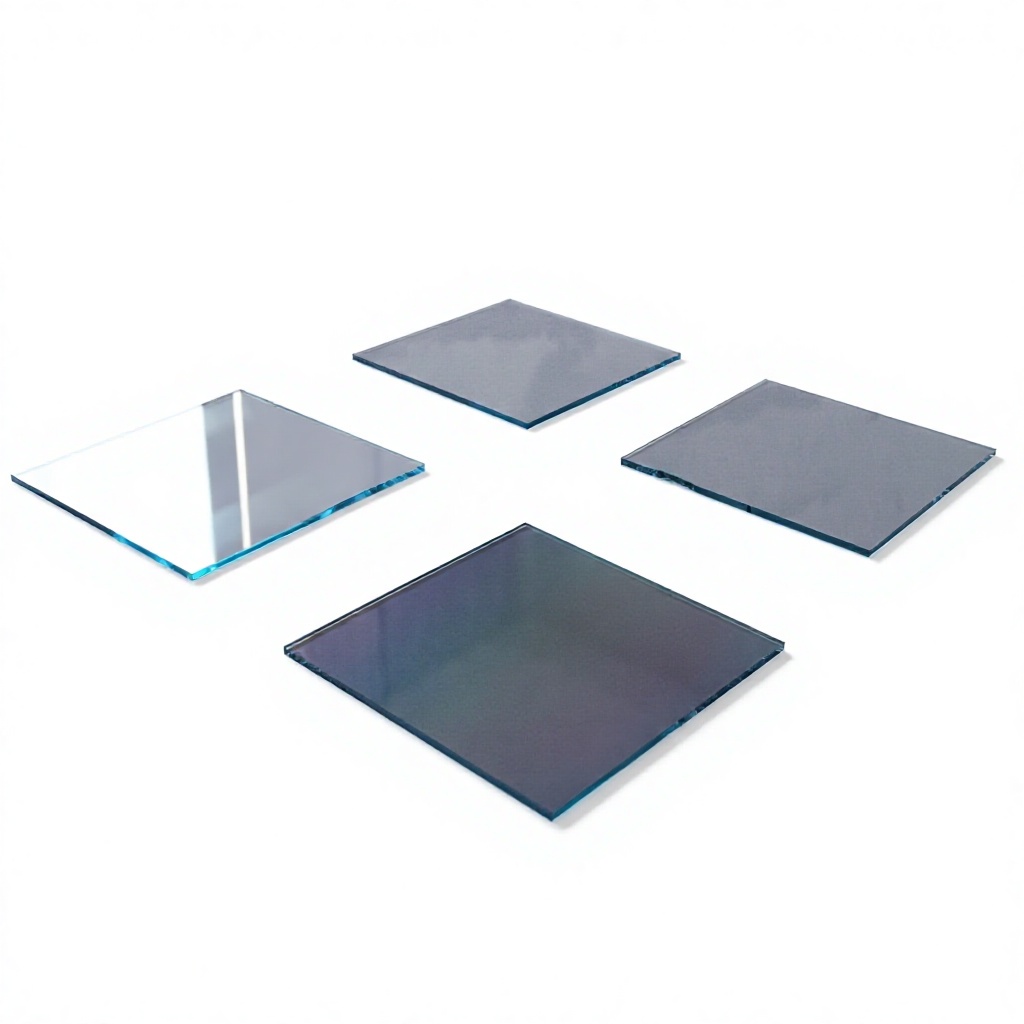
1.1mm ITO Coated Conductive Glass Panel Optical Electronic Glass Custom Shape Polished Edge for Industrial Use
ITO conductive glass with custom shape and polished edge for industrial touch, shielding and optical-electronic assemblies. Suitable for drawing-led OEM production.
View product
Curved Tempered Glass Panel with Anti-reflective Coating Waterproof for Bathroom and Instrument Display Decoration
Curved tempered glass with anti-reflective coating for bathroom, instrument and decorative display windows. Curved forming helps fit modern enclosures and edge-to-edge designs.
View product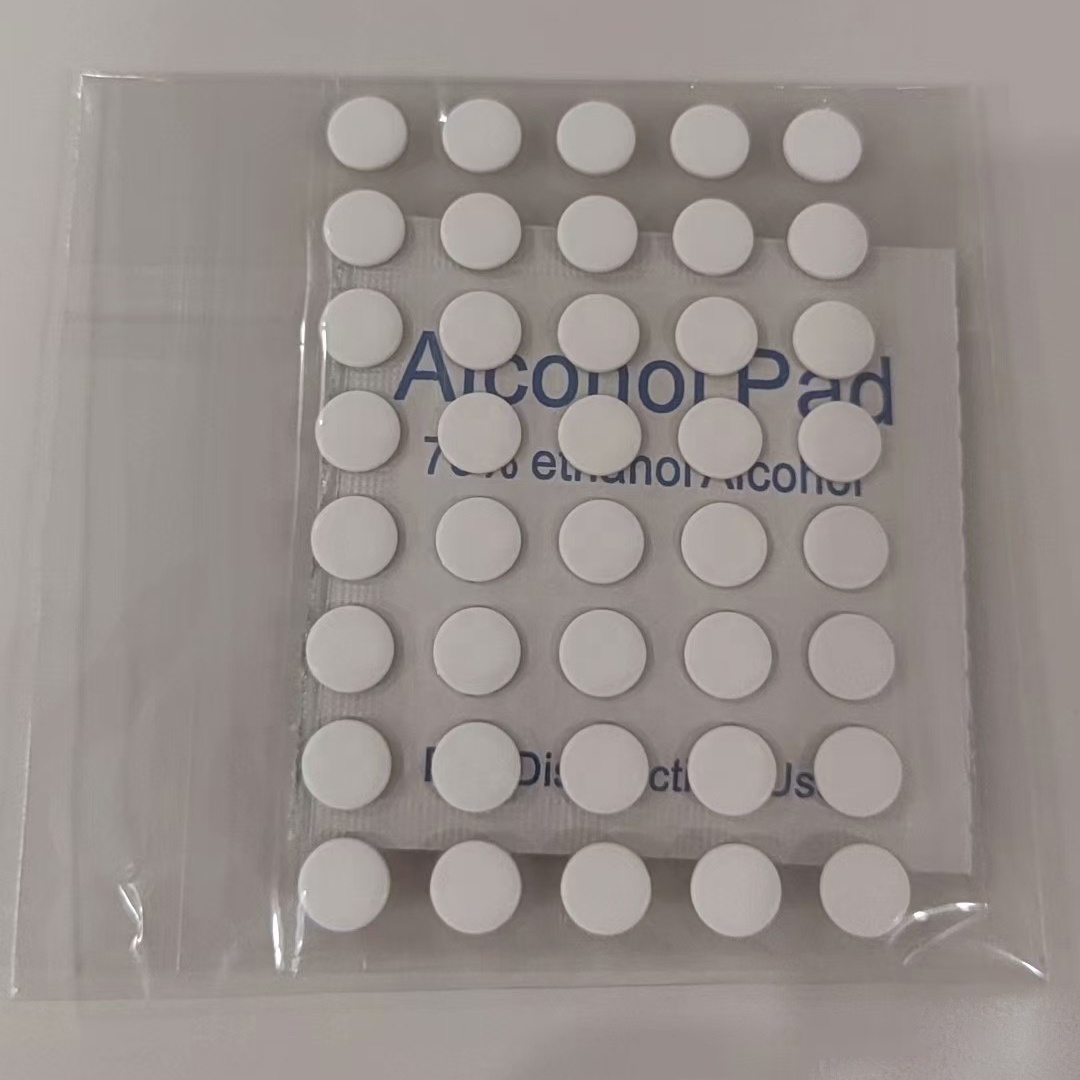
PTFE Round Gaming Mouse Glides Mouse Skate Dots
Precision PTFE glides for gaming mice and peripheral brands. A practical companion line for buyers sourcing display glass and low-friction accessory components.
View product
Round Oval PTFE 3M Wear-resistant Smooth Mouse Feet Stickers Glass Pad Resin Pads
Round and oval PTFE mouse feet with 3M adhesive for smooth movement on glass and resin pads. Useful for gaming peripheral brands requiring consistent low-friction parts.
View productWhy outdoor display windows in Kawasaki need more than “clear glass”
Kawasaki sits within a dense coastal and industrial urban region. Its outdoor displays face low-angle waterfront light, humid summers, rain events, cleaning cycles, salt-laden air and continuous public use. The glass must be engineered as an optical interface, not selected only by thickness.
The real specification problem: reflected light beats display brightness
A bright outdoor display can still look washed out when the glass reflects sky, paving, vehicle headlights or adjacent glazing. In Kawasaki, low-angle sunlight from the bay and glazed façades can create mirror-like reflections at certain hours. The buyer’s task is to balance transmittance, reflectance, haze, gloss, durability and cleanability in one laminated or sealed window stack.
AR anti-reflective glass reduces surface reflection and increases image transmission, making content appear deeper and more contrast-rich. AG anti-glare glass scatters reflected light into a soft veil instead of a sharp mirror image. In roadside and waterfront locations, AG is often more forgiving; in station concourses, museums and premium retail windows, AR is often preferred for optical clarity. For heavily used touch surfaces, an AF topcoat keeps fingerprints and oils from becoming a maintenance problem.
For Kawasaki procurement teams, the most reliable approach is to define the installation environment first, then select the coating stack. A station information board, a port-side kiosk, a factory HMI window and a luxury showcase do not need the same surface treatment even if they share similar dimensions.
- Define the viewing direction and the dominant reflection source before choosing AR or AG.
- Set a haze budget for AG: too little may leave glare; too much can soften text and images.
- Specify AF only where fingerprints, cleaning agents or hygiene requirements justify the added function.
- Confirm edge sealing, lamination and gasket design for humid and coastal service conditions.
Information gain for Kawasaki buyers
Use a three-target specification rather than a single “AR/AG glass” description:
- Optical target: AR reflectance, visible transmittance, AG haze and gloss.
- Environmental target: humidity, salt exposure, condensation, cleaning method and UV load.
- Mechanical target: thickness, tempering, curved geometry, edge finish and adhesive.
This approach reduces sample iterations and gives the factory a clearer route to the correct coating, glass substrate and inspection plan.
Where AR/AG coated glass creates value in Kawasaki
Kawasaki’s mix of rail, port, manufacturing, retail, hospitality and public infrastructure creates several distinct display-window requirements.
Station and transit wayfinding
High-contrast information windows for rail concourses and bus terminals benefit from AR or low-haze AG so departure data remains legible under layered lighting.
Suggested: AR 1–19 mm / low-haze AG / tempered glassWaterfront and port-side kiosks
Humidity, salt-laden air and rain-driven dust call for sealed window construction, edge protection and easy-clean AF surface options.
Suggested: AG + AF / sealed laminated stack / custom thicknessFactory and industrial HMI
Control windows in production environments need chemical strengthening, scratch resistance and optical clarity under mixed factory lighting.
Suggested: AR tempered glass / AF / custom shape and holesSmart-city information boards
Outdoor public displays need low reflectance, wide viewing comfort and reliable graphics in heat, rain and changing daylight.
Suggested: AG 15–30% haze / AR where image quality is criticalRetail, museum and hotel displays
Showcase windows, framed displays and luxury retail require maximum clarity with minimal mirror effect and premium cosmetic inspection.
Suggested: high-transmittance AR glass / 1–19 mm / low reflectanceCurved instrument and bathroom windows
Curved tempered glass with anti-reflective coating fits modern enclosures, bathroom panels and instrument windows where water and cleaning are routine.
Suggested: 2.5D/3D curved AR / waterproof edge designLocal trends shaping display-glass procurement
Demand is moving toward readable, resilient and maintainable display windows rather than one-off glass purchases.
Disaster-resilient public information
Multi-language emergency signage and outdoor public displays are being designed for high contrast and long service life in coastal cities.
Energy-saving optics
AR and AG coatings help displays maintain readability without increasing backlight power, supporting lower energy use and heat load.
Touchless and easy-clean surfaces
AF anti-fingerprint coatings and durable glass surfaces support hygiene-conscious public interfaces and reduce cleaning friction.
Accessibility for ageing society
Low-glare windows, high contrast and reduced reflection help elderly users and visitors read public and transit information comfortably.
Smart-city and IoT kiosks
Connected kiosks combine sensors, cameras, displays and touch interfaces, increasing demand for custom conductive and coated glass.
Rail, automotive and port integration
Displays are being integrated into rail, vehicle, industrial and port infrastructure, where curved, strengthened and coated glass must match system reliability.
AR, AG, AF and conductive glass compared for display windows
Use this guide as an RFQ starting point. Final targets must be confirmed against the drawing, installation environment and end-product validation plan.
| Function | Typical performance window | Best-fit Kawasaki use | Procurement note |
|---|---|---|---|
| AR anti-reflective | Reflectance <1.0% per side; transmittance >99% in 400–700 nm (typical) | Station information, museum showcases, premium retail and industrial HMI | Specify single-side or double-side AR and whether coating is on the exposed or protected face. |
| AG anti-glare | Haze 5–60%; gloss 0.5–8 GU; controllable diffusion | Waterfront kiosks, roadside boards, sunlight-readable public displays | Keep haze as low as possible while meeting glare comfort; high haze can reduce text sharpness. |
| AR + AG combined | Optimised transmittance plus controlled haze; cosmetic grade per drawing | Glazed façades, station concourses and premium outdoor windows | Requires optical trade-off review; AR and AG functions must be balanced rather than simply stacked. |
| AF anti-fingerprint | Contact angle >110°; pencil hardness >3H; durability >10,000 cycles (typical) | Touch panels, appliance covers, public kiosks and bathroom controls | Clarify cleaning agents and abrasion cycles; AF should be matched to the expected cleaning method. |
| ITO / FTO conductive | Sheet resistance 1–20 Ω/sq; transmittance >85%; haze <2% (typical) | Touch sensing, anti-fog heating, EMI shielding, thin-film solar research | Choose FTO where thermal and chemical stability matter; choose ITO for common touch and display functions. |
| Tempered / curved cover glass | 0.1–19 mm thickness; flat, 2.5D and 3D forming; silk-screen, holes and 3M adhesive | Harsh public environments, curved enclosures and instrument windows | Edge finish, hole position, print tolerance and curvature must be defined before sampling. |
Why KELO Glass is a practical supply partner for Kawasaki buyers
Huizhou KELO Glass Co., Ltd. is a factory-direct manufacturer in Huizhou, Guangdong, China, focused on touch cover glass, optical coated glass, ITO/FTO conductive glass and custom specialty glass. The following advantages are drawn from the company’s existing capability profile.
Factory-direct, not a trading layer
Located in Huizhou, Guangdong, inside the Greater Bay Area electronics supply chain. A verified manufacturer profile helps buyers reduce supplier uncertainty.
In-house surface engineering
Cutting, CNC, edge polishing, silk-screen printing, flat and curved tempering, coating, 2.5D/3D forming and 3M adhesive bonding are controlled under one roof.
Three inspection gates
IQC, IPQC and FQC/OQC cover incoming materials, in-process dimensions and 100% appearance inspection, with adhesion, abrasion and salt-spray checks for relevant projects.
Rapid samples from 1–2 pcs
Prototype quantities allow Kawasaki buyers to validate fit, optics, coating appearance and handling before committing to volume. Bulk lead time is typically 21–31 days.
Custom sizes, shapes and coatings
Thickness from 0.1–19 mm, custom holes, logos, colors, 2.5D/3D forming, silk-screen and adhesive backing are available. Specialty materials include borosilicate, quartz and sapphire.
Export support and verifiable data
Trade terms include FOB, CFR, CIF, EXW and DDP. Payment options include T/T, L/C, PayPal and Western Union. The company profile shows a 4.9/5 store rating, 98.18% reply rate and Trade Assurance support.
Common procurement questions from Kawasaki display-window buyers
These questions reflect the practical checks requested by overseas buyers before sampling and mass production.
Can you supply AR/AG coated glass to Kawasaki?
Yes. KELO Glass is a China-based manufacturer and exporter serving overseas buyers. We can quote against your drawing or sample and coordinate export packing and shipping for Kawasaki delivery through common Kanto logistics routes.
Which coating is better for Kawasaki’s coastal humidity?
Start with the window construction. AR or AG performance should be protected inside a well-sealed laminated or insulated stack where possible. AF can improve cleanability on exposed touch surfaces. Edge sealing, gasket design and desiccant use are as important as the coating itself.
What is the minimum order for custom samples?
Sample orders can start from 1–2 pieces so you can validate fit, optics and coating performance before bulk commitment. Bulk quantities are quoted according to drawing, size, coating stack and annual demand.
What is the typical production lead time?
Mass production is typically 21–31 days after sample approval. Lead time can vary with size, coating complexity, curved forming, printing, holes and packaging requirements.
Can you make curved, tempered or printed display glass?
Yes. We support flat, 2.5D and 3D curved forming, tempering, silk-screen printing, CNC holes, edge polishing and 3M adhesive bonding. Thickness range is 0.1–19 mm, with custom shapes available.
How is optical performance verified?
Typical capability includes AR reflectance <1.0% per side, transmittance >99%, AG haze 5–60%, AF contact angle >110°, and ITO/FTO sheet resistance 1–20 Ω/sq. Final targets are confirmed against the approved drawing and sample.
How do you pack glass for sea freight to Kawasaki?
Protective packing can include honeycomb cartons, blister trays, partitions and desiccant where required. The aim is to minimise edge chipping, surface scratches and transit damage during sea or air freight.
Which trade terms and payment methods are available?
We support FOB, CFR, CIF, EXW and DDP trade terms, and T/T, L/C, PayPal and Western Union payments. Orders placed through Alibaba.com can be protected by Trade Assurance.
Send your drawing, optical target and annual volume
For Kawasaki outdoor display windows, include the installation environment, target AR reflectance or AG haze, glass thickness, dimensions, quantity, edge finish, printing requirements and whether the coating will be exposed or laminated. Our engineering team will review feasibility and recommend a practical AR, AG, AF, ITO/FTO or tempered-glass route.
Contact Us