8 Curved Tempered and Coated Glass Products for Vancouver Buyers
Vancouver procurement teams rarely buy “glass” as a generic item. They buy optical clarity, bend accuracy, coating durability, edge quality, and landing consistency. The eight product families below cover the most requested factory-direct options for local distributors, OEM brands, display integrators, and industrial buyers.
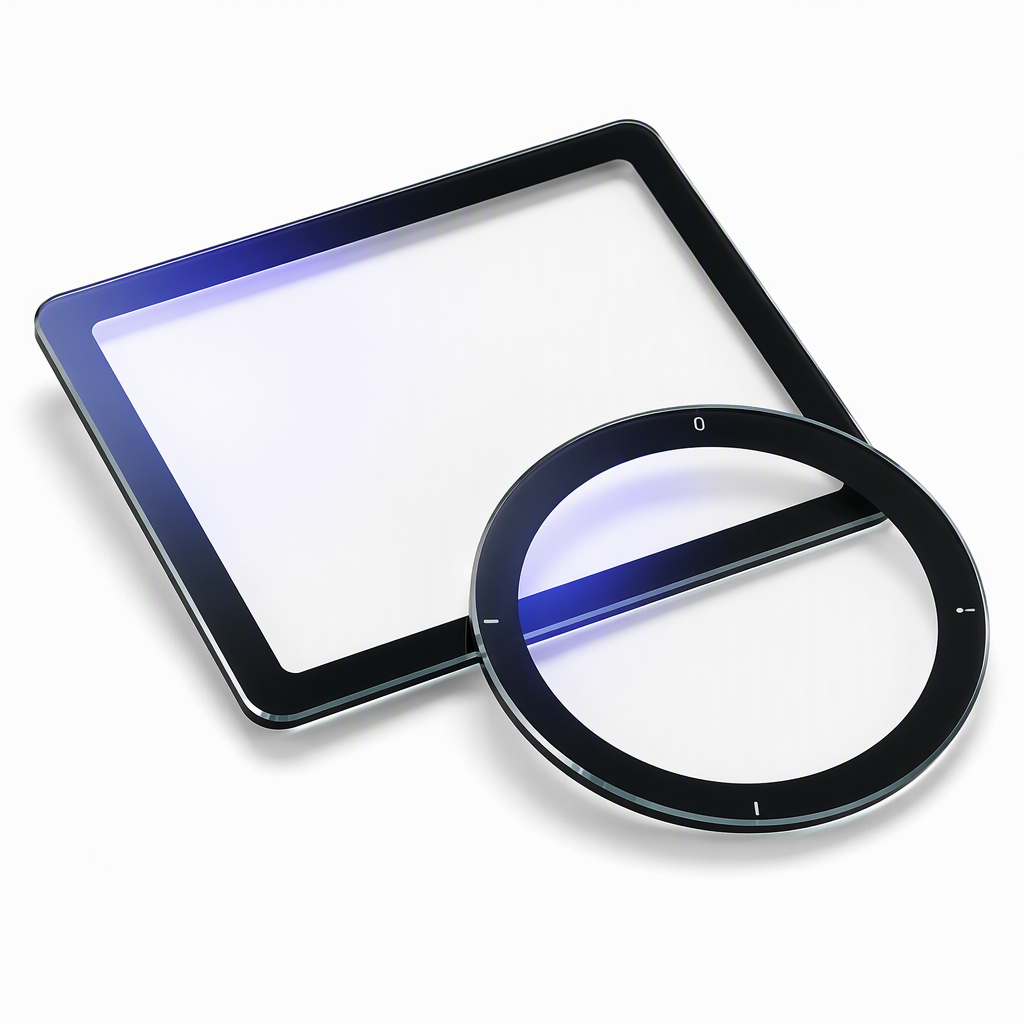
Custom Low-Iron AR Coated Tempered Display Cover Glass
Low-iron tempered cover glass with AR coating for high-clarity display windows, wayfinding panels, and control surfaces used in Vancouver retail, transit, and architectural electronics.
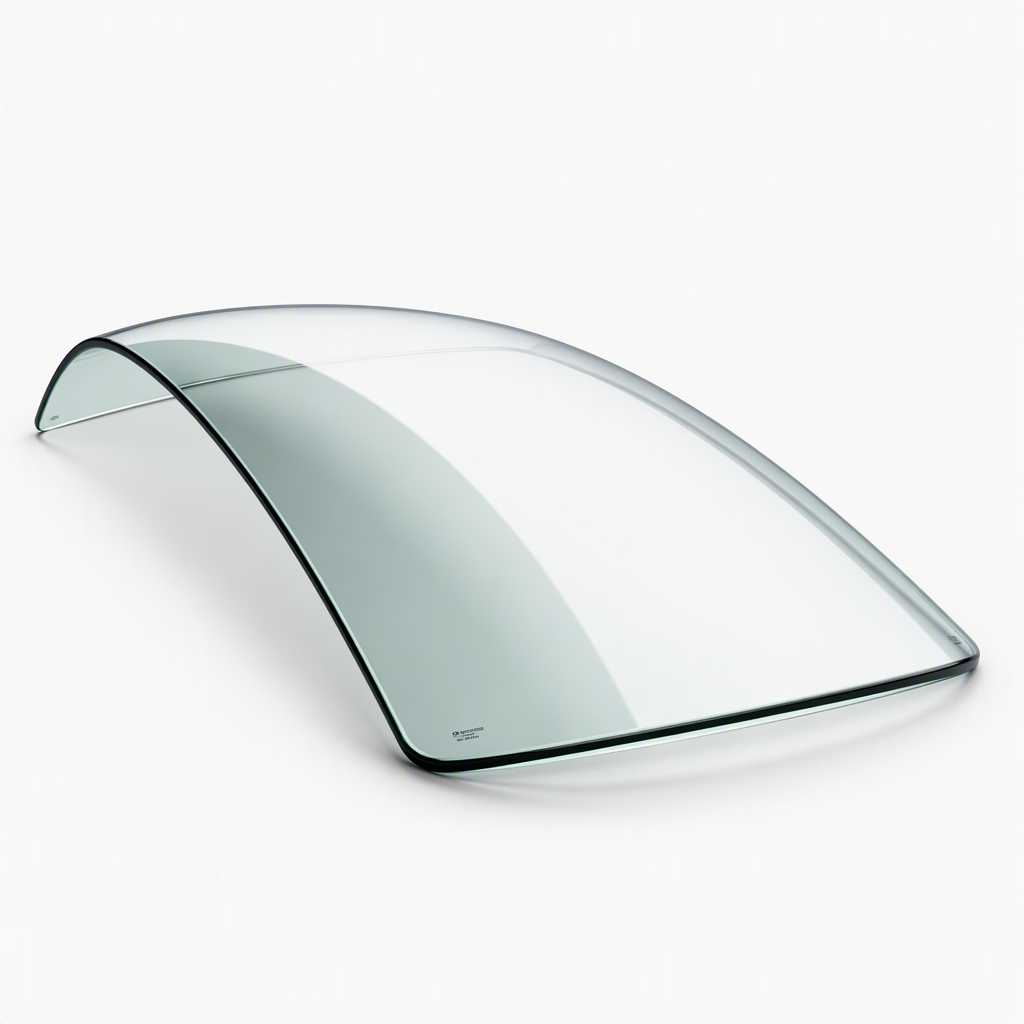
Hot-Bent Small-Radius Curved Tempered Automotive Display Glass
Hot-bent curved tempered glass for automotive displays, dashboards, and center consoles. Small-radius forming supports OEM/ODM designs that require edge precision and cabin-grade appearance.
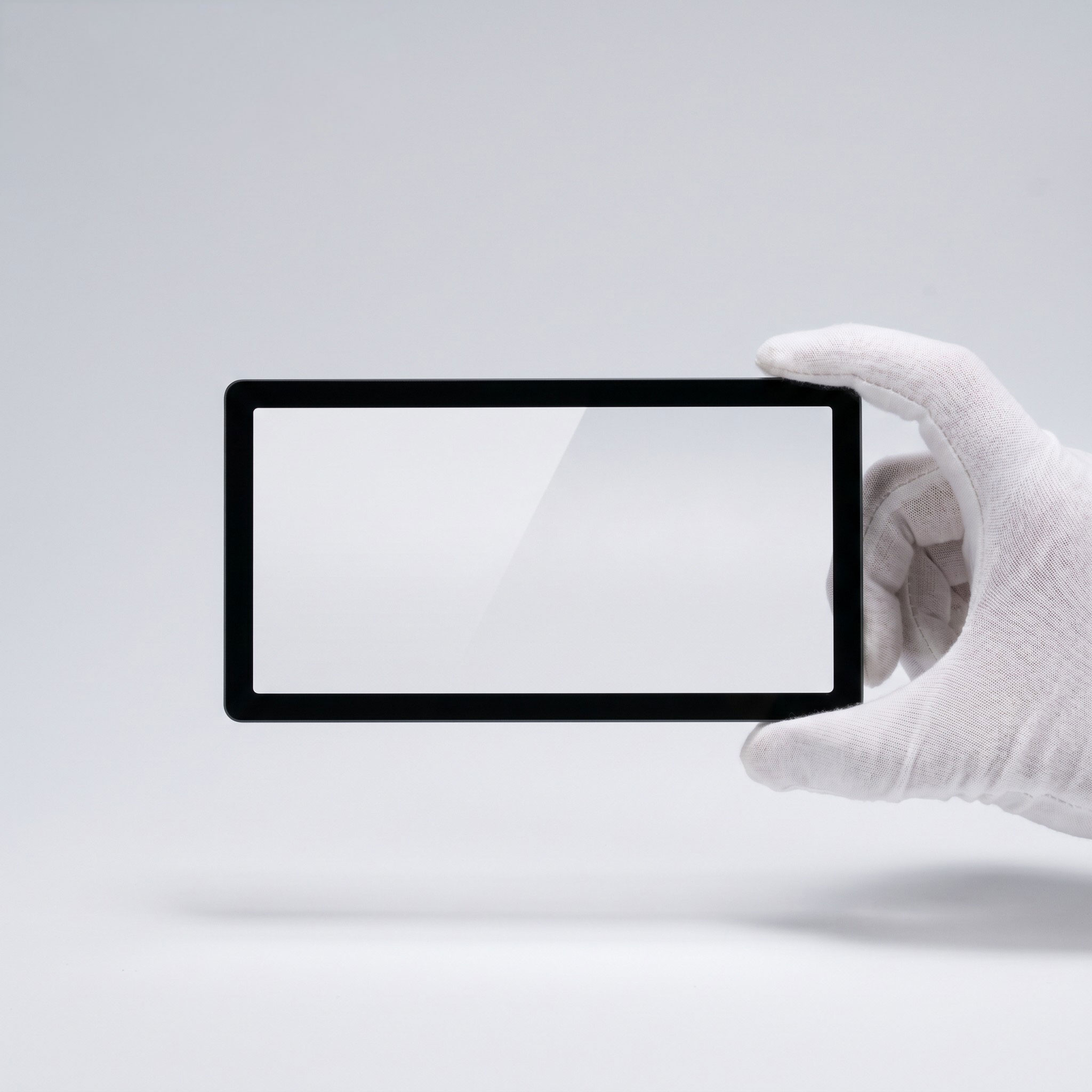
Custom Gorilla Glass Front Panel with CNC Cut and Silk Print
Gorilla glass front panels with CNC cutting, holes, and silk printing for solar display covers and premium electronic housings. A good fit for thin, durable front glass with clean cosmetic edges.
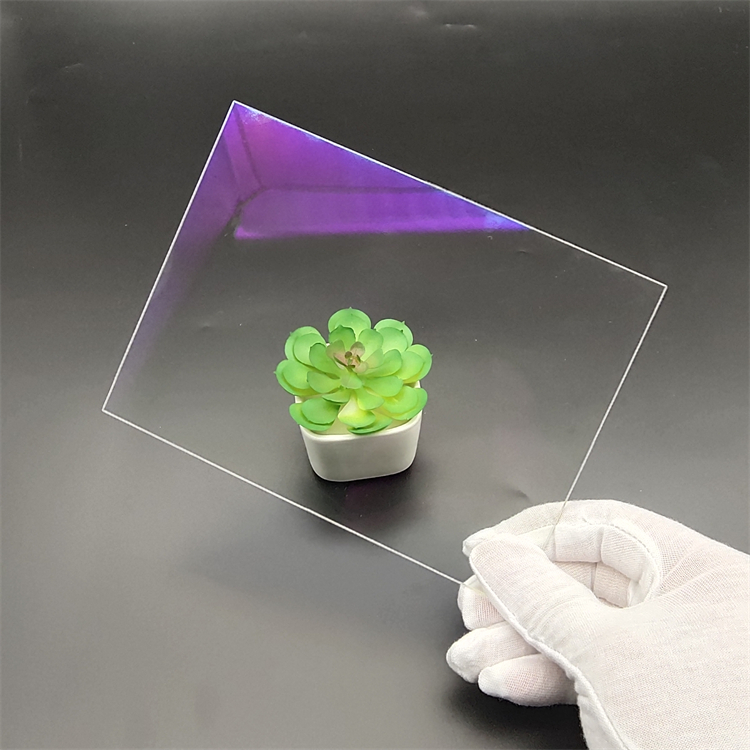
2 mm Ultra-Clear Double-Side AR Coated Tempered Glass
Two-side anti-reflective tempered glass for lighting, solar, and display covers where reflection control matters. A specification worth evaluating for bright Vancouver showrooms and high-transmission optical stacks.
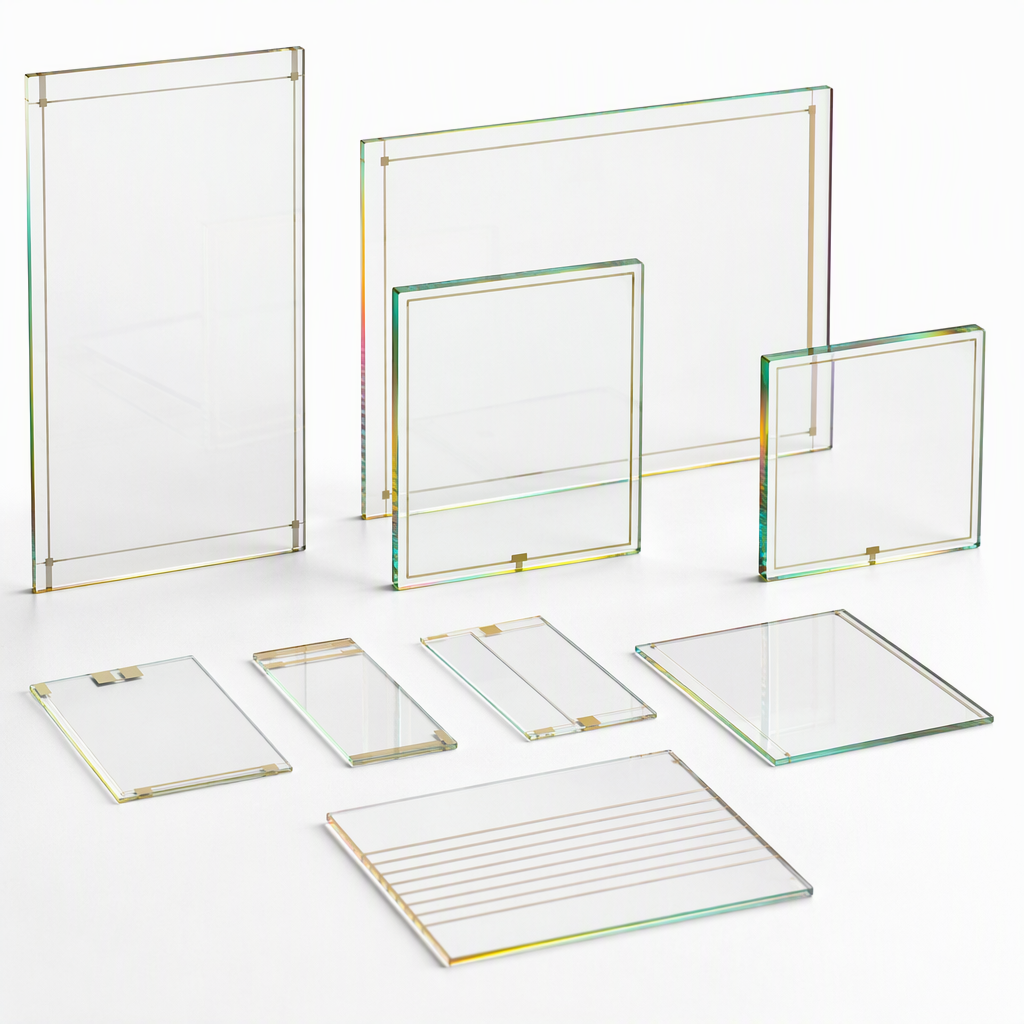
ITO Conductive Glass Sheet for Touch Panel and Heating Substrate
ITO-coated conductive glass with 6–8 ohm per square options for touch panels and heating substrates. Useful for industrial HMI and coastal installations where reliable electrical function is required.
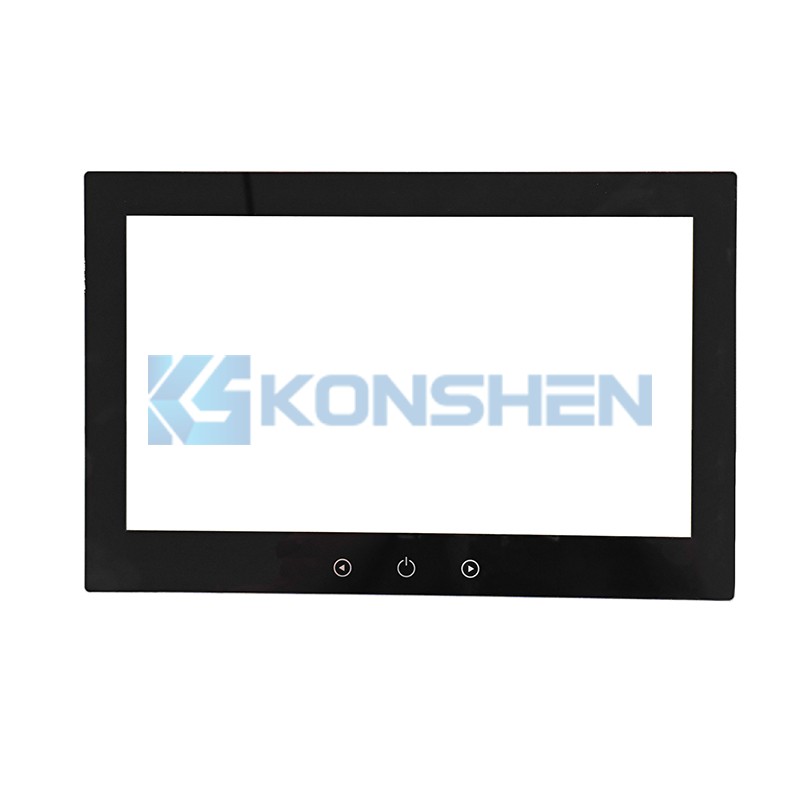
Black-Framed ITO Conductive Tempered Display Cover Glass
Electronic ITO conductive tempered glass with black frame, in 1 mm–4 mm thicknesses. Designed for industrial monitors, interface covers, and assemblies that combine display protection with conductive function.
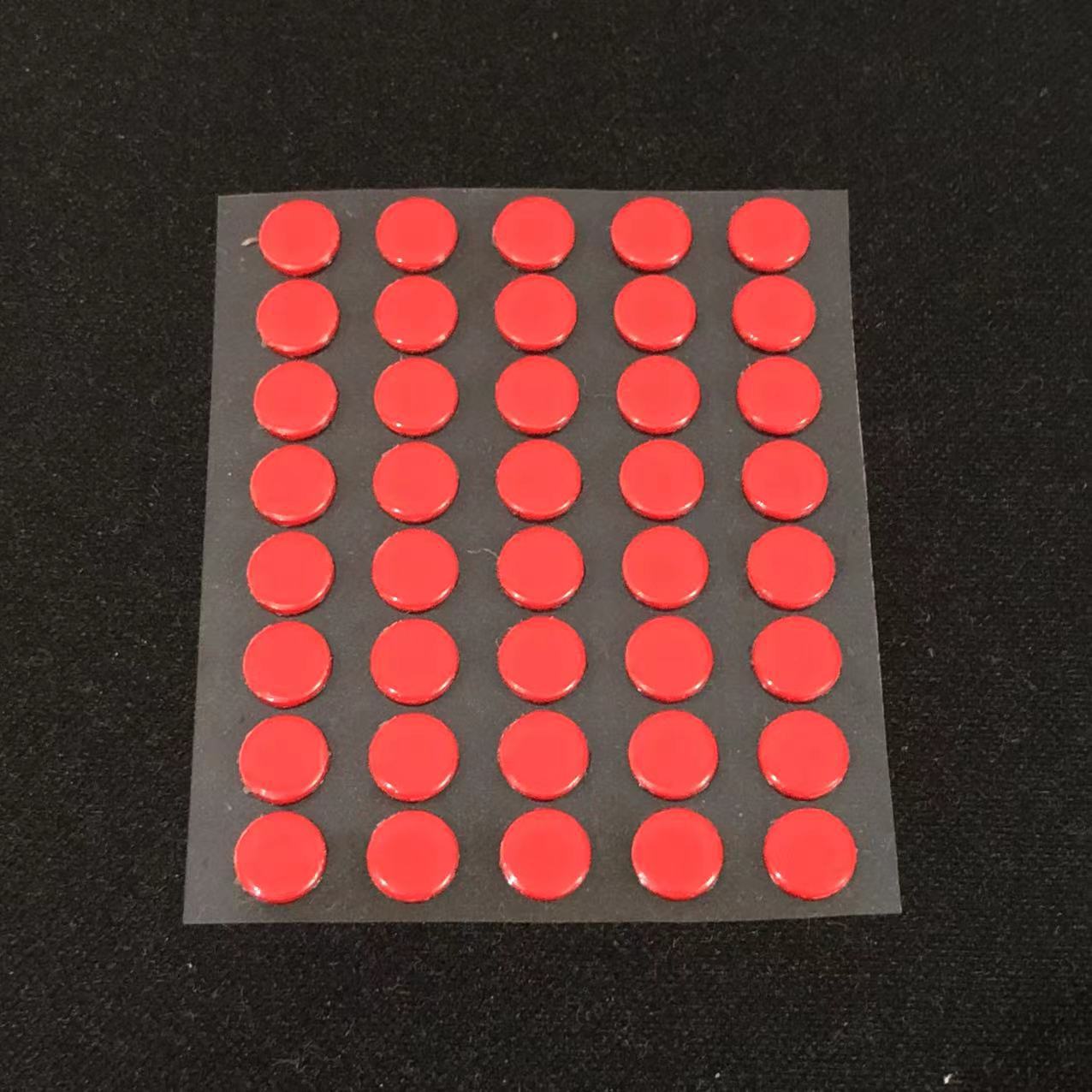
Round Red PTFE Mouse Skates for Gaming and Esports Accessories
Factory-price glass mouse skates and small-dot PTFE mouse feet for smooth glide. A relevant accessory line for Vancouver gaming brands, esports retailers, and peripheral distributors seeking custom packaging.
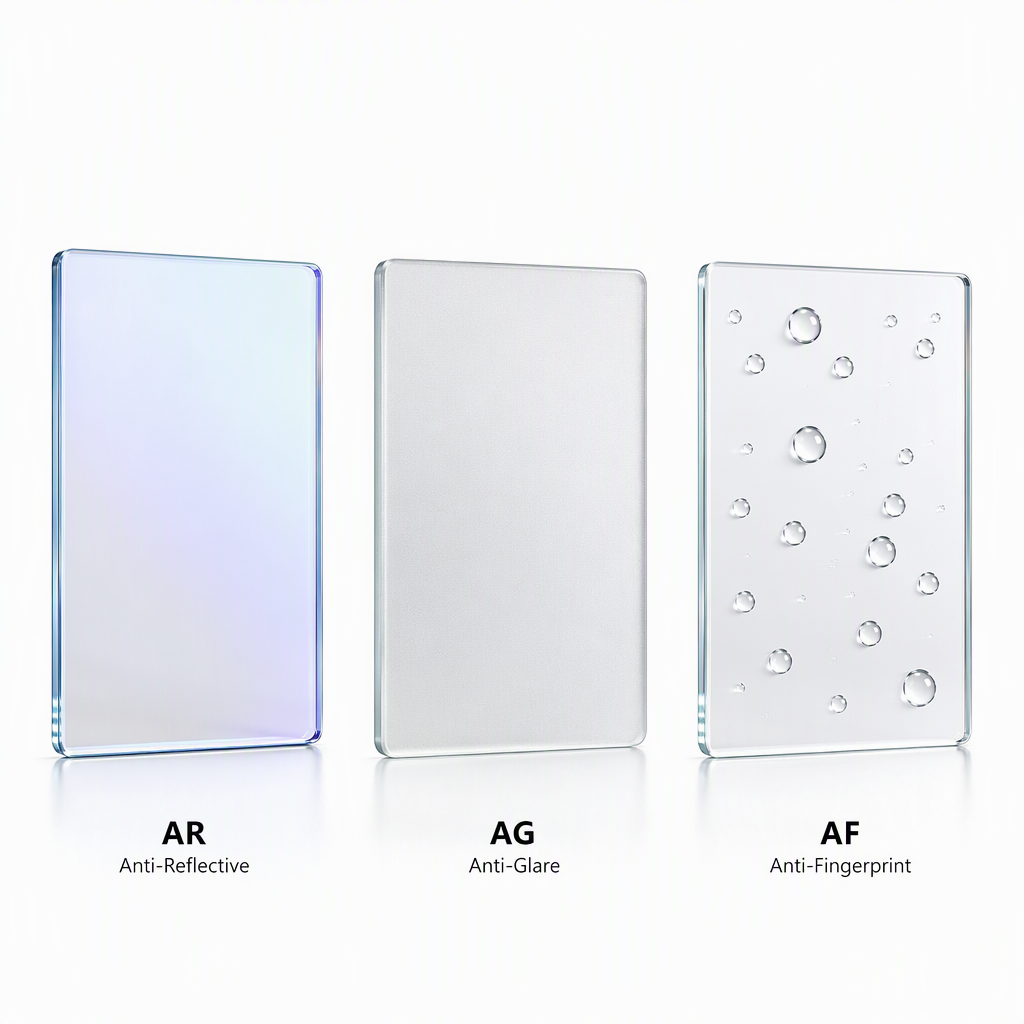
AR / AG / AF Coated Glass with 92 Percent Transmission
AR, AG, and AF coated glass service for OEM display stacks that need glare control, anti-reflective performance, and easy cleaning. Custom sheet sizes and combined coating stacks are available to drawing.
Have a curved radius, transmission target, or Vancouver delivery requirement that is not listed? Send the drawing, stack-up, and annual demand. The engineering team can recommend a glass substrate and coating combination before a tooling commitment is made.
Contact UsWhy a Vancouver Glass Specification Needs More Than a Low Unit Price
The Vancouver market combines coastal humidity, salt-laden air, long rainy periods, bright summer glare, and strong demand for electric vehicles, connected retail, and premium public spaces. For glass components, that means the lowest quotation is not always the lowest landed risk. A supplier must control bend accuracy, surface cosmetics, coating adhesion, and export packing, because replacements shipped across the Pacific cost far more than the piece price saved at the factory gate.
For Vancouver buyers, the most commercially useful supplier is not simply the one with the largest catalogue. It is the one that can convert a 2D drawing into a reproducible, inspectable, export-ready glass part — and provide the coating data, packing detail, and trade documentation that make local import and installation predictable. KELO Glass, based in Huizhou, Guangdong, operates as a factory-direct manufacturer of touch cover glass, AR/AG/AF optical coated glass, ITO/FTO conductive glass, and custom fabricated specialty glass.
Where Curved Tempered Glass Performs in Vancouver
Glass selection should begin with the operating environment. Vancouver projects often involve public touch, wet weather, vehicle interiors, coastal air, and premium architectural finishes. The following application scenarios are designed to help local buyers map a product family to a real installation.
Automotive and EV Interiors
Curved tempered glass for center stacks, instrument clusters, and dashboard covers should manage low-angle glare, cabin heat cycling, and frequent touch. AR coating improves contrast; AG coating reduces washout; 2.5D or 3D forming supports seamless interior design.
AR · 3D · TemperedPort, Transit, and Marine HMI
Port of Vancouver terminals, ferry areas, and coastal facilities expose control panels to salt air, rain, and public use. Chemically strengthened or tempered cover glass with robust edge polishing and salt-spray-tested coatings is more appropriate than an untreated cosmetic panel.
Salt spray · HMI · Public touchSmart Buildings and Hospitality
Condominium lobbies, hotels, restaurants, and smart-home control panels need glass that resists fingerprints and cleans easily. AF anti-fingerprint treatment, silk-printed borders, and tempered strength support high-touch surfaces that must remain visually premium.
AF · Silk print · InteriorOutdoor Retail and Wayfinding
Digital kiosks, pickup lockers, and wayfinding screens face rain, reflections, and public contact. AG anti-glare glass improves readability, while AR can raise transmission for high-brightness displays. Curved glass can also reduce exposed edges in public-facing enclosures.
AG + AR · Kiosk · WayfindingWhat Vancouver-Area Buyers Are Asking for in 2025
Semantic search intent in the Vancouver glass market is shifting from “cheap custom glass” toward questions about coating performance, low MOQ prototyping, supply traceability, and landed cost. The following trends reflect the technical and commercial language now appearing in real B2B enquiries.
Lower Reflectance for Bright Interiors
Showrooms, waterfront restaurants, and transit concourses can suffer from veiling glare. Buyers are specifying AR coatings with reflectance targets, not simply “clear glass,” and asking for measured transmittance across the visible range.
Wet-Weather Readability and Cleanability
Rain streaks and fingerprints are visible on public touch panels. Combined AG + AF stacks are increasingly requested for bus shelters, outdoor kiosks, and building entry panels that must stay readable and easy to maintain.
Curved Form Factors Beyond Consumer Electronics
2.5D and 3D glass is moving into EV interiors, smart appliances, and premium wall controls. Buyers want tighter bend radius, consistent optical distortion, and clean edges that assemble without visible gaps.
Pilot Runs and Verified Suppliers
Vancouver importers often need 1–2 sample pieces before a volume order. They also ask for trade assurance, factory verification, and clear incoterms. A supplier with reproducible sample control has an advantage over a trader quoting only bulk.
Matching the Glass Specification to Vancouver Conditions
Use this matrix as a starting point for an RFQ. Final performance should always be confirmed against the drawing, stack-up, installation angle, and required test standard.
| Vancouver Condition | Recommended Glass / Coating | Why It Matters | What to Confirm |
|---|---|---|---|
| Low winter sun and strong summer glareShowroom, transit, waterfront installations | AR anti-reflective glass or AR + AG combination | Reflections hide display content and increase perceived haze. AR raises transmission; AG diffuses harsh light. | Reflectance per side, transmission range, haze value, base glass color |
| Coastal air, rain, and public touchPort, ferry, outdoor kiosk, building entry | Chemically strengthened or tempered cover glass with AF top coat | Salt and moisture make maintenance harder. Edge quality and fingerprint resistance influence long-term appearance. | Salt-spray test, contact angle, abrasion cycles, edge polish, coating adhesion |
| Automotive cabin heat and curved designEV dashboards, center stacks, instrument clusters | Hot-bent 2.5D / 3D tempered glass with AR or AG | Curved glass must match the housing, survive thermal cycling, and avoid optical distortion in the driver’s field of view. | Bend radius, flatness, optical distortion, tempering stress, tooling and fixture plan |
| Industrial HMI and electrical functionFactory floors, logistics terminals, heating substrates | ITO conductive glass, black-framed ITO cover, or FTO for high-temperature processes | Touch and shielding require stable sheet resistance. FTO is often preferred where thermal and chemical stability is critical. | Sheet resistance, transmittance, haze, busbar design, connector layout, annealing compatibility |
| Packaging and landing damageOcean freight, rail transfer, local installation | Custom honeycomb carton, blister tray, partition pack, protective film | Glass can pass factory inspection yet fail after transit. Packaging is part of the quality system, not an afterthought. | Drop test, carton print, pallet plan, labeling, replacement policy |
The data above supports supplier comparison and semantic search clarity; it does not replace a project-specific engineering review.
A Practical RFQ Checklist for Vancouver Importers
A well-prepared RFQ reduces quotation cycles and prevents costly assumptions. For curved tempered glass, the most valuable information is usually geometry, optical target, environmental exposure, and packing expectation — not only target price.
Drawing and Tolerance Package
Provide 2D drawings, 3D STEP files, bend radius, flatness, edge profile, hole positions, silk-print artwork, and cosmetic acceptance level. For curved parts, identify the datum and assembly direction.
Landed Cost and Incoterms
Compare FOB, CIF, DDP, and EXW offers on the same basis. Ask for the HS code, packaging dimensions, gross weight, and expected route to the Port of Vancouver or a courier delivery to Greater Vancouver.
Coating Validation
Request reflectance, transmittance, haze, gloss, contact angle, adhesion, abrasion, and salt-spray data. Confirm whether the coating is applied in-house and how the inspection result is recorded.
Packaging and Reorder Discipline
Agree on protective film, tray type, partitions, carton strength, and pallet configuration. Confirm sample-to-production consistency, batch traceability, and the expected lead time after artwork approval.
Why Huizhou KELO Glass Fits a Vancouver Supplier Shortlist
Huizhou KELO Glass Co., Ltd. is a factory-direct manufacturer located in Huizhou, Guangdong, within the Greater Bay Area electronics supply chain. The company focuses on touch screen cover glass, display cover glass, and optical coated glass, with advanced surface treatment as a core technology. For buyers, the advantage is not one isolated machine — it is the ability to keep cutting, CNC, edge polishing, printing, tempering, coating, curved forming, bonding, and inspection under one accountable production system.
Factory-Direct Scale
10,000–30,000 m² factory floor area, 101–200 employees, and 20–25 million pieces per year of touch cover glass capacity. Annual output value is stated at US$50–100 million, supporting both repeat volume and custom pilot work.
In-House Surface Engineering
AR, AG, AF, ITO, and FTO coating are supported alongside CNC, laser engraving, silk-screen printing, sandblasting, flat and curved tempering, 2.5D/3D forming, and 3M adhesive bonding.
OEM / ODM Customization
21–30 R&D engineers support drawing review, DFM feedback, coating selection, and curved forming. Samples can start from 1–2 pieces, with thickness from 0.1 mm to 19 mm and custom size, shape, holes, color, logo, and printing.
Export Verification and Response
Verified exporter experience, a 4.9/5 store rating, and a 98.18% reply rate are useful trust signals. Orders can be protected by Alibaba Trade Assurance; trade terms include FOB, CFR, CIF, EXW, and DDP, with T/T, L/C, PayPal, and Western Union payments.
Production Capability Snapshot
Typical factory indicators. Confirm final values against your drawing, coating stack, and order quantity during RFQ.
From Drawing to Port: How a Custom Glass Project Runs
A transparent process reduces uncertainty for Vancouver buyers who cannot easily visit the factory during every production stage. The aim is to reach a validated sample quickly, then repeat the approved specification without drift.
Share the Requirement
Send the drawing, sample, target specification, annual volume, and destination. A clear requirement package reduces avoidable quotation assumptions and helps the factory flag high-risk dimensions early.
Engineering Review and Sample
The engineering team reviews feasibility for coating, tolerances, bend radius, printing, and packing. Prototype samples can start from 1–2 pieces so the buyer can validate fit, optics, and appearance before volume.
Integrated Production
Cutting, CNC machining, drilling, edge polishing, laser engraving, silk printing, sandblasting, tempering, coating, curved forming, and adhesive bonding are coordinated in-house to reduce handling and finger-pointing.
Inspection and Packing
IQC, IPQC, and FQC/OQC gates cover incoming materials, in-process dimensions and coating, and 100% appearance checking. Custom honeycomb cartons, blister trays, and partition packing are used to reduce transit damage.
IQC: Material Verification
Raw glass and consumables are checked before production. Typical checks include thickness, flatness, surface defects, and coating material verification. For specialty materials such as Gorilla glass, borosilicate, quartz, sapphire, ceramic glass, lead shielding glass, and laminated safety glass, the material route is confirmed against the order.
- Thickness and flatness check
- Surface defect screening
- Ink and coating material verification
IPQC: Process Control
Critical dimensions and coating results are checked at each station, not only at final inspection. This helps catch CNC hole position, bend radius, coating adhesion, and print misalignment before the part moves further down the line.
- CNC dimension and hole position
- Tempering and strength tests
- Coating adhesion and abrasion
FQC / OQC: Release Control
Every finished piece is checked before protective packing. Final inspection typically includes 100% appearance inspection, salt-spray reliability testing, and the agreed packing configuration so the product arrives in a condition the installer can accept.
- 100% appearance inspection
- Salt spray reliability testing
- Honeycomb, blister, and partition packing
Common Questions About Curved Tempered Glass and Local Import
These are the questions that usually appear in the first enquiry from Canadian buyers. Clear answers shorten the evaluation cycle and help procurement compare suppliers on a like-for-like basis.
01What is the minimum order for a Vancouver buyer?
Sample orders can start from 1–2 pieces so the buyer can validate fit, optics, and coating performance before committing to volume. Bulk quantities are quoted per drawing, thickness, coating stack, and packing requirement. This makes a pilot run practical for local brands and distributors.
02Which coating is better for Vancouver rain and glare?
There is no universal answer. AR lowers reflection and raises transmission; AG diffuses harsh light and improves readability; AF helps resist fingerprints and cleaning marks. Outdoor touch installations often benefit from AG + AF, while high-clarity interior displays may prioritise AR. Confirm with a sample under the actual lighting conditions.
03Can curved tempered glass handle temperature cycling?
Tempered and chemically strengthened glass are selected for strength, but the final suitability depends on thickness, bend radius, edge quality, mounting method, and thermal exposure. For automotive and outdoor projects, request project-specific test data and validate the design in the actual housing.
04Can you support DDP or delivery to the Port of Vancouver?
Trade terms include FOB, CFR, CIF, EXW, and DDP. Samples are usually shipped by courier, while production orders may move by air or ocean and then rail or truck. Ask for a landed-cost comparison and confirm the HS code, duties, and final delivery address before purchase order release.
05How can I verify quality before shipment?
Start with a sample approval that locks appearance, dimensions, coating, and packing. For production, request inspection records covering 100% appearance checking, tempering, adhesion, abrasion, and salt spray where applicable. Custom honeycomb cartons, blister trays, and partitions protect the parts during ocean and rail transit.
06Can AR, AG, AF, and ITO functions be combined?
Combined functions can be applied on one substrate depending on the optical target, electrical requirement, and cosmetic grade. Examples include AR + AG, AG + AF, and ITO conductive + black frame. Each stack must be reviewed with the drawing and end-use environment because some functions trade off against one another.
Send Your Drawing, Target Transmission, and Vancouver Destination
For curved tempered glass, AR/AG/AF coating, ITO/FTO conductive glass, or custom cover glass projects, include the drawing, thickness, bend radius, coating target, annual demand, and delivery region. The team can review feasibility and recommend the most cost-effective specification before tooling or mass production begins.