8 Optical Mirror & Precision Glass Products for Fukuoka Buyers
Fukuoka sourcing teams rarely buy a single glass part in isolation. A hotel bathroom mirror may need anti-fog heating and fingerprint resistance; an outdoor touch panel in Tenjin needs glare control; an automotive display in the Kyushu supply chain may need 3D curved forming and low reflectance. The eight product routes below preserve the original supplier product URLs and cover the most common RFQ paths.
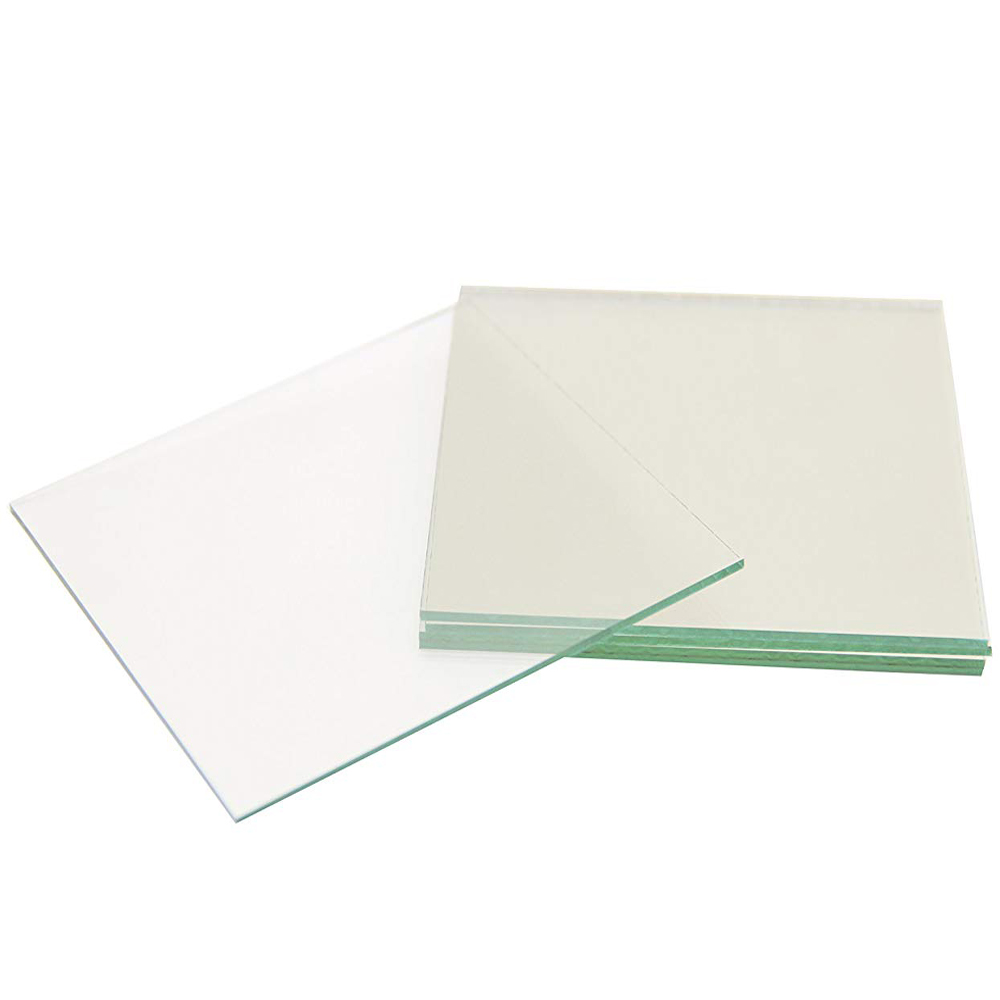
Custom 25x25x1.1mm ITO/FTO Coated Toughened Glass for LAB Display Anti-Fog Heating Conductive Glass Bathroom Solar Applications
Suitable for Fukuoka hotel bathrooms, care facilities, lab fixtures and compact heated mirror modules where moisture control and stable conductivity matter.
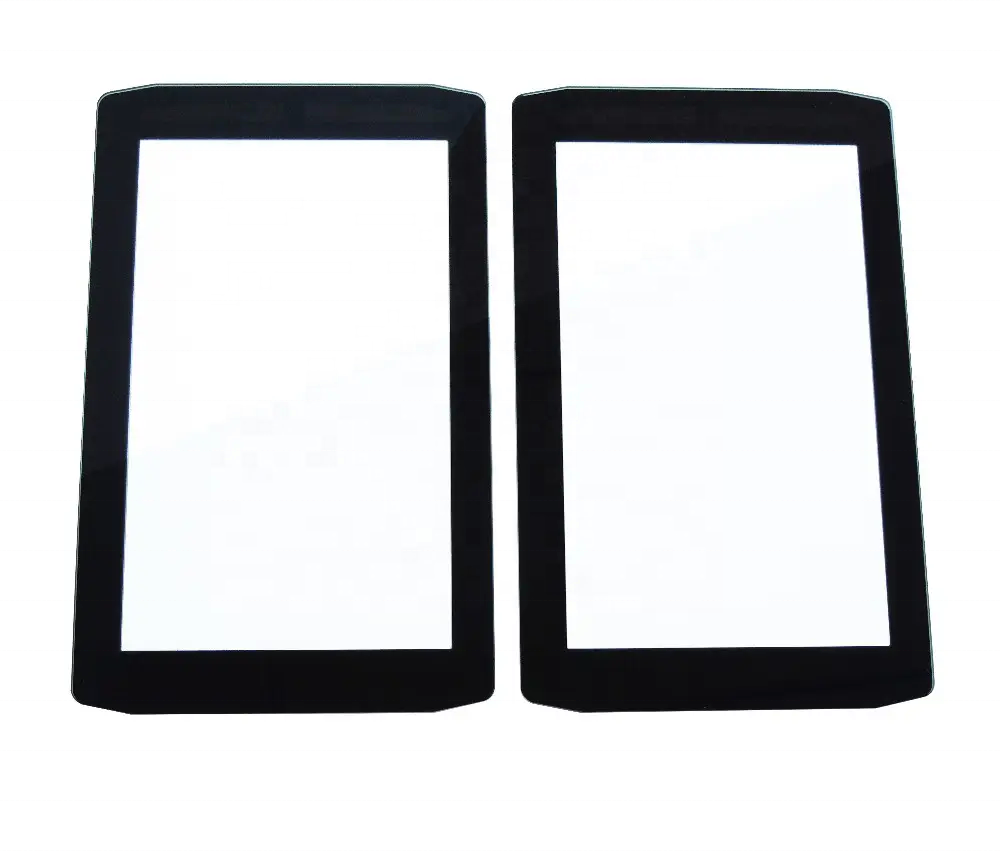
AG High Quality Solid Tempered Glass Anti-Glare Digital Screen Display Customizable Touch Screen Panel Factory Direct Outdoor
For Fukuoka station kiosks, outdoor retail displays and humid coastal installations that need controlled haze and scratch-resistant tempered glass.

Factory Customized Anti-fogging Anti Reflective Glass Ultra Thin Tempered Toughened Optical ITO FTO Conductive Glass for Lab
A practical route for Fukuoka medical, analytical and precision-instrument teams that need anti-reflective optics, anti-fog behavior and conductive options.
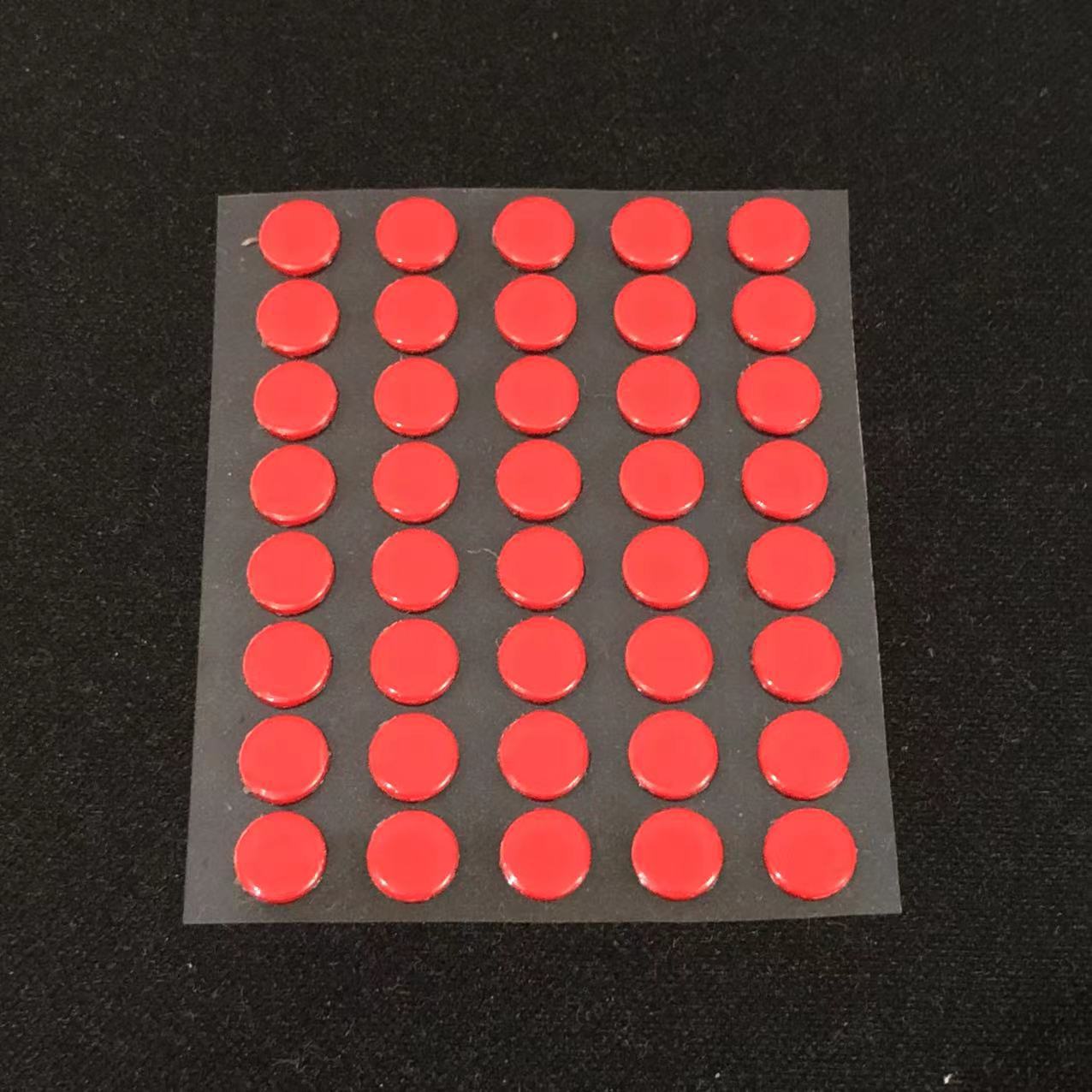
Factory Price Round Red Mouse Sticker Pads Universal Glass Mouse Skates with Small Dot PTFE Non-slip Mouse Feet
Relevant to Fukuoka gaming peripheral brands, e-commerce sellers and startup product teams testing small-batch glass skate accessories.
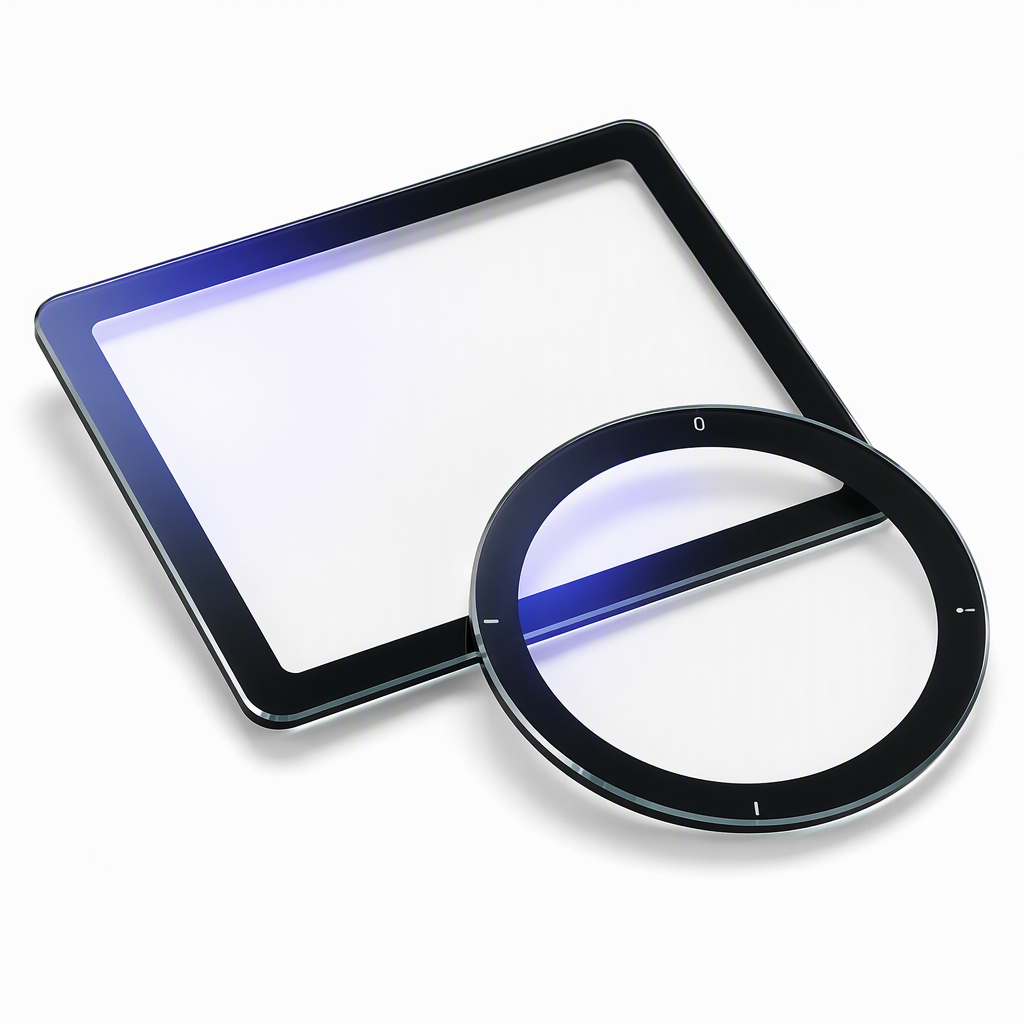
Custom Tempered Glass Toughened Glass Panels Low Iron Display Cover Glass AR Coating Factory Supply Customized Size
Low-iron display cover glass with AR coating is well suited to Fukuoka showroom screens, medical displays and premium retail interfaces.
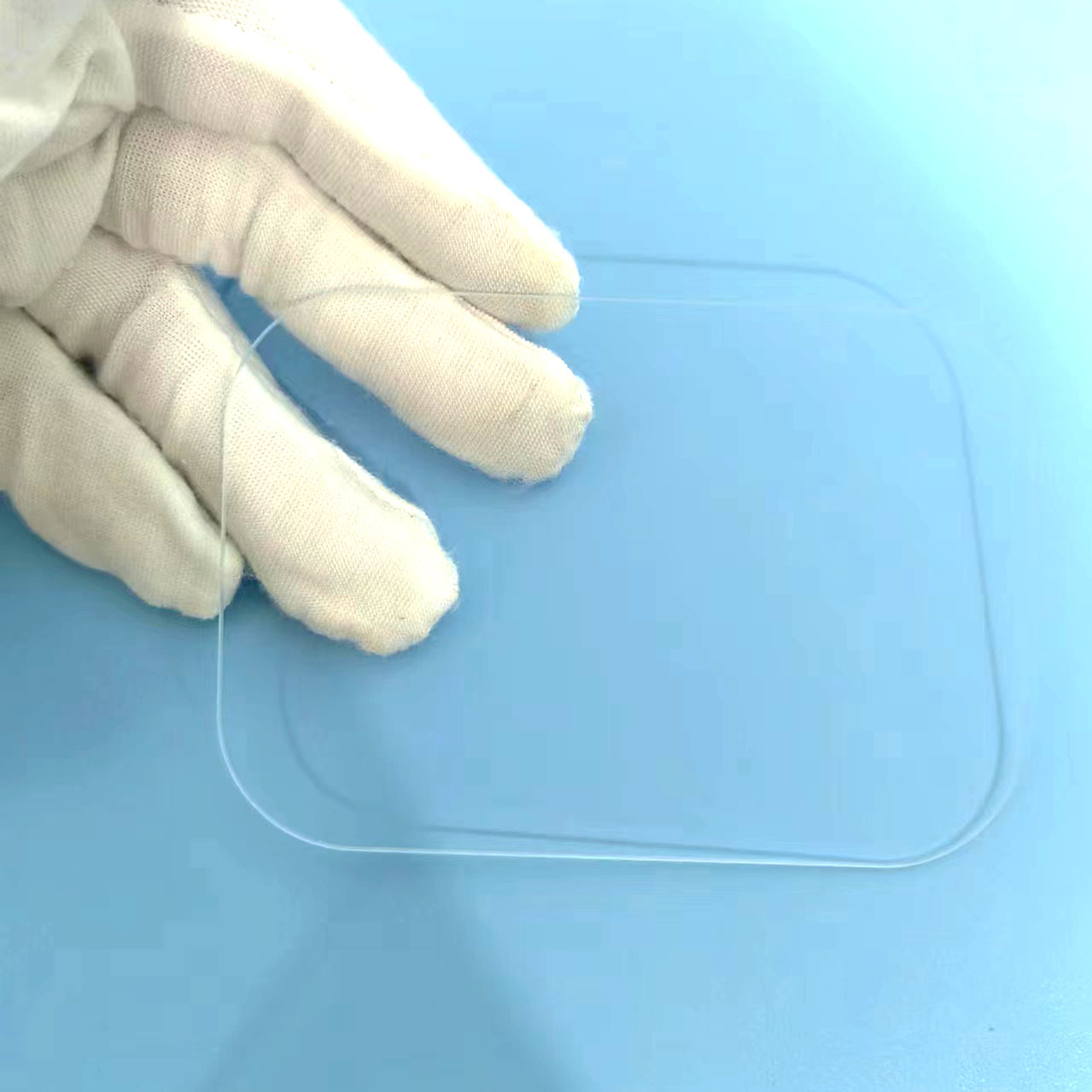
1.1mm ITO Coated Conductive Glass Panel High Transmittance CNC Custom Shape Polished Edge for Smart Home Touch Mirror
For Fukuoka smart-home control mirrors, bathroom interfaces and capacitive touch surfaces that require high transmittance and clean edge finishing.
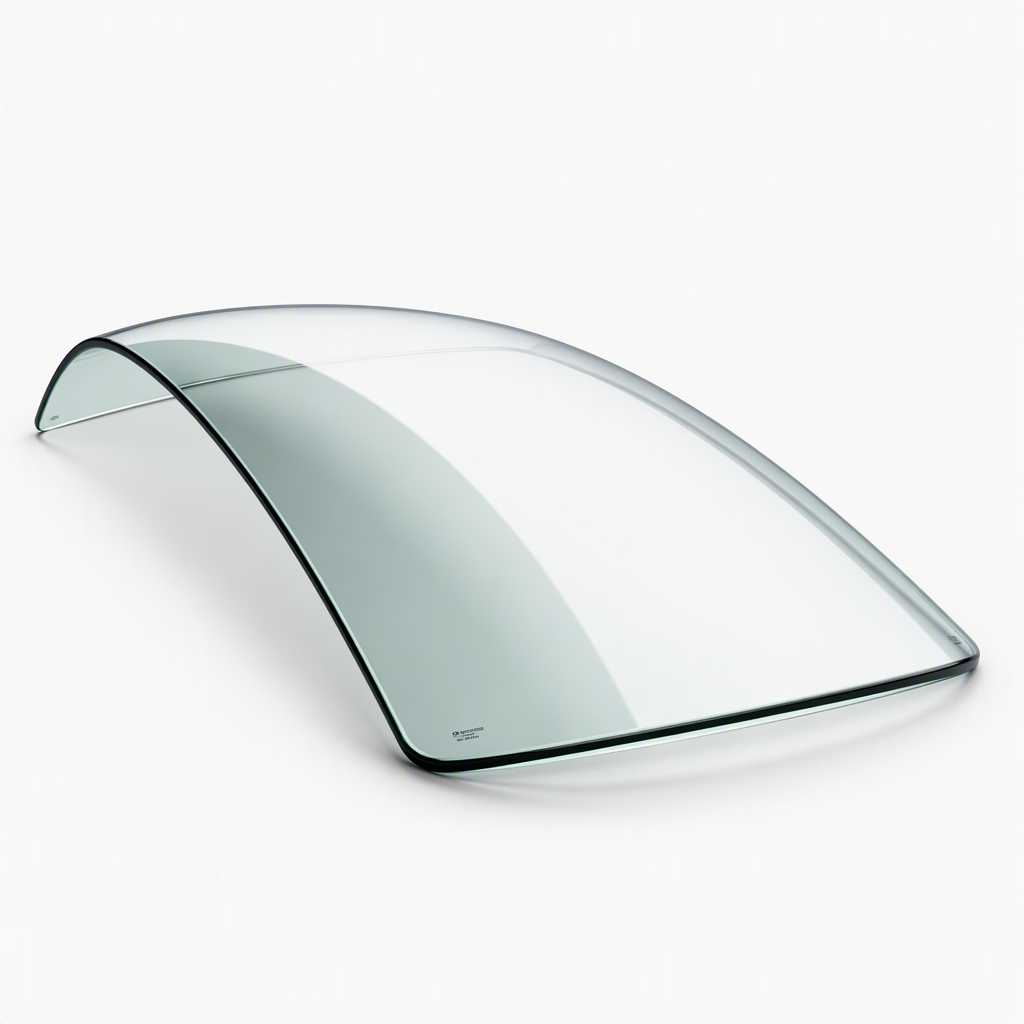
Hot Bent Glass Curved Tempered Glass Panel Small Radius Arc Shaped Custom Curved Glass For Automotive Display OEM ODM
An OEM/ODM route for Kyushu automotive and EV display projects needing small-radius curved glass, tempered strength and precise fit.
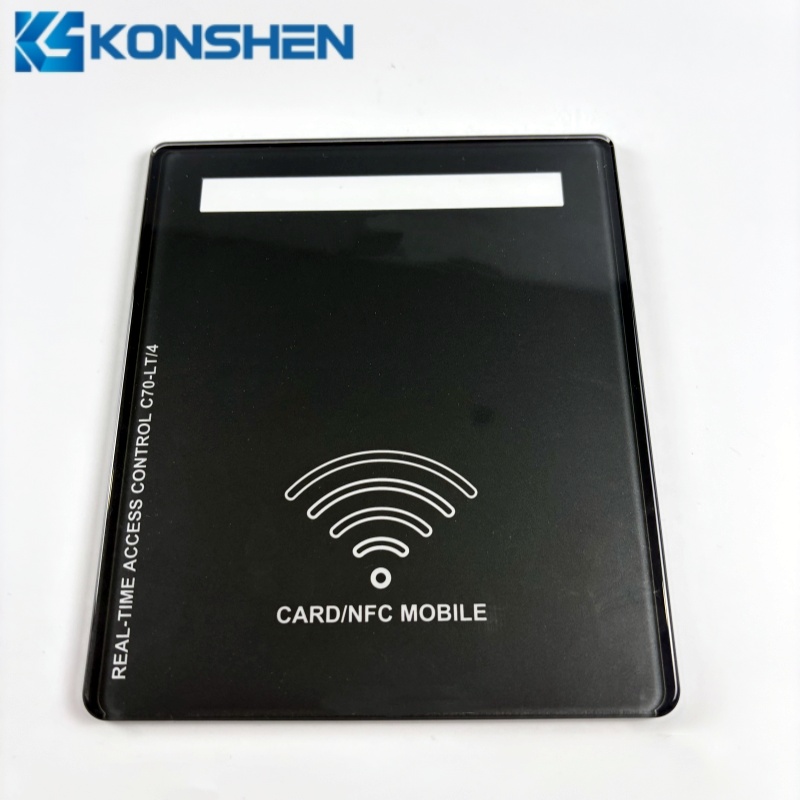
Custom 5mm NFC Access Card Silkscreen Printing Tempered Touch Screen Glass Switch Display Cover Glass
For Fukuoka building access panels, smart office switches and silkscreen-printed control glass requiring 5 mm thickness and durable surface treatment.
Need to compare these routes against a Japanese drawing, a target reflectance value or a Fukuoka delivery schedule? Send the drawing and application conditions for a factory review.
Inquire NowA China Factory Profile Built for Fukuoka Procurement Review
Fukuoka buyers usually need more than a price list. They need a supplier whose coating, tempering, CNC and quality-control steps are visible, documented and repeatable from sample to mass production. Huizhou KELO Glass Co., Ltd. is positioned around exactly that requirement.

Factory-direct optical glass, engineered in Huizhou
Huizhou KELO Glass Co., Ltd. is a factory-direct manufacturer located in Huizhou, Guangdong, inside China’s Greater Bay Area electronics supply chain. The company produces touch screen cover glass, display cover glass and optical coated glass, with advanced surface treatment as its core technology.
For Fukuoka projects, the practical advantage is single-source accountability: cutting, CNC machining, edge polishing, silk-screen printing, flat and curved tempering, AR/AG/AF/ITO/FTO coating and adhesive bonding can run under one roof. That reduces handling damage, shortens the feedback loop between drawing review and sample correction, and helps keep volume pricing free from unnecessary trading layers.
- Verified manufacturer, not a trading company
- Engineering drawing review and DFM feedback
- Rapid prototyping from 1–2 pieces before volume commitment
- 100% appearance inspection before packing
Where Optical Mirror and Coated Glass Fit the Fukuoka Market
Fukuoka’s business landscape combines a compact, service-intensive urban market with a broader Kyushu manufacturing base. That creates demand for optical glass that performs in humid bathrooms, bright outdoor retail zones, automotive interiors, care facilities and lab environments.
Smart hotel & onsen bathroom mirrors
Fukuoka’s hospitality sector and nearby onsen culture place a premium on fog-free mirror surfaces. ITO/FTO heating glass combined with AF anti-fingerprint treatment can support illuminated vanity mirrors, smart bathroom displays and easy-clean surfaces.
Tenjin & Hakata outdoor digital signage
Retail and transit environments face rain, humidity and bright daylight. AG anti-glare tempered glass, or AR+AG stacks, can improve readability while protecting the display behind a durable front surface.
Kyushu automotive & EV display glass
Automotive interiors increasingly use curved, edge-to-edge displays. Hot-bent 2.5D/3D glass with AR and AF treatment supports dashboard, center-console and HMI designs with reduced reflections and cleaner touch performance.
Fukuoka robotics, startup & HMI devices
Fukuoka’s startup ecosystem and robotics clusters often need quick prototypes and customized touch interfaces. ITO conductive glass, chemically strengthened cover glass and CNC-shaped panels are useful for early-stage product validation.
Medical, care and laboratory optics
Clinics, care facilities and analytical instrument makers need optical windows with reliable clarity and cleanability. Quartz and sapphire optical windows, AR-coated glass and high-temperature FTO substrates are relevant routes for these applications.
Solar, building energy & smart surfaces
Thin-film solar and energy-efficient building components can use FTO conductive glass and high-transmittance coated glass. These routes align with Kyushu’s interest in renewable energy, green buildings and resilient local supply chains.
Fukuoka Market Trends Reshaping Optical Mirror Procurement
Search intent around “China optical mirror factory for Fukuoka” is not only price-driven. It is increasingly driven by customization speed, documentation, small-batch sampling, Japanese cosmetic expectations and reliable delivery to Kyushu.
High-mix, low-volume sourcing
Fukuoka product teams often need several variants across a small number of units before scaling. A supplier that can quote 1–2 sample pieces and then scale to volume reduces the risk of tooling spend before design freeze.
Semiconductor and device ecosystem spillover
With Kyushu’s semiconductor and electronics base expanding, Fukuoka-adjacent buyers are paying closer attention to ITO/FTO sheet resistance, coating uniformity, haze control and batch traceability.
Aging society and care-focused interfaces
Care facilities and medical service providers value anti-fog, anti-fingerprint and easy-clean surfaces. Readability, low glare and simple touch interaction are practical requirements, not cosmetic extras.
Inbound tourism and experiential retail
Hotels, restaurants and retail spaces in Fukuoka continue to invest in attractive mirrors, digital displays and touch kiosks. Scratch resistance and anti-glare performance influence both guest experience and maintenance cost.
Sustainability and material documentation
Japanese buyers increasingly ask for RoHS/REACH-oriented material declarations, lower packaging waste and coatings that improve energy efficiency. Clear documentation shortens internal procurement review.
Japanese drawing and cosmetic expectations
Fukuoka buyers often expect tight dimensional interpretation, defined scratch-dig standards, edge quality and reliable packing. A supplier with DFM review and final appearance inspection is easier to onboard.
A Fukuoka Coating Selection Matrix for Faster RFQs
Use this matrix to turn a local application into a coating conversation. It is not a substitute for engineering validation, but it helps procurement and design teams align on the right first sample.
| Fukuoka application condition | Recommended optical route | Why it matters | RFQ detail to specify |
|---|---|---|---|
| Hotel / onsen bathroom mirror | ITO or FTO heating glass + AF | Reduces fogging and fingerprint buildup in humid, frequent-use environments. | Sheet resistance, busbar layout, glass thickness, mirror assembly method. |
| Outdoor touch signage in Fukuoka | AG or AR+AG tempered glass | Controls glare and preserves image contrast under daylight and wet weather. | Haze %, gloss value, tempered strength, edge finish, IK/impact requirement. |
| Automotive or EV display | 2.5D/3D curved glass + AR + AF | Supports interior design freedom while cutting reflections and fingerprints. | Curve radius, optical distortion limit, color/print area, adhesion method. |
| Smart-home touch mirror | ITO conductive glass + AF | Combines transparent conductivity with a cleanable touch surface. | Transmittance, sheet resistance, CNC shape, polished edge, sensor integration. |
| Medical / laboratory optic | AR-coated glass or quartz/sapphire window | Protects optical clarity in instruments and diagnostic equipment. | Wavelength range, reflectance target, surface quality, cleaning chemical exposure. |
| Thin-film solar or high-temperature process | FTO conductive glass | Offers thermal and chemical stability for demanding process steps. | Sheet resistance, haze, transmittance, thermal cycle, substrate size. |
The indicator bars are a qualitative RFQ-scoping checklist derived from common optical glass sourcing questions; they are not presented as a statistical survey.
Why a Factory-Direct China Supplier Can Be the Right Fit for Fukuoka
For Fukuoka buyers, the best supplier is not simply the lowest quote. It is the supplier that can interpret the drawing, control the coating, protect the glass in transit and answer engineering questions before mass production.
In-house surface engineering
AR, AG, AF, ITO and FTO coating are core capabilities rather than outsourced steps. That supports faster iteration when a Fukuoka project needs reflectance, haze or sheet resistance adjusted.
Engineering-led customization
Thickness from 0.1 mm to 19 mm, custom shape, holes, color, logo printing, 2.5D/3D forming and 3M adhesive bonding can be reviewed against the drawing.
Quality gates and traceability
IQC, IPQC and FQC/OQC checks cover appearance, dimensions, coating adhesion, abrasion, tempering and packing. 100% appearance inspection is part of the final release discipline.
Export-ready trade support
FOB, CFR, CIF, EXW and DDP terms are supported, with T/T, L/C, PayPal and Western Union payment routes. Trade Assurance can protect eligible orders placed through Alibaba.com.
Material flexibility is another advantage for mixed Fukuoka product portfolios. The factory processes Gorilla glass, borosilicate glass, quartz glass, sapphire glass, ceramic glass, lead shielding glass and laminated safety glass. That range helps when one buyer sources bathroom mirror glass, industrial HMI cover glass and lab optical windows under different programs.
Typical mass-production lead time is about 21–31 days after sample approval, depending on size, coating stack, curved forming and printing complexity. Samples can start from 1–2 pieces so that fit, optics and coating performance are validated before volume commitment. Custom honeycomb cartons, blister trays and partition packing are used to reduce transit damage for sea or air shipments to Japan.

From Fukuoka Drawing to Packed Optical Glass
A transparent process reduces the uncertainty that overseas buyers often feel when evaluating a China factory for the first time.
Drawing & DFM review
Review size, thickness, coating target, edge finish, print area and application environment.
Cutting & CNC
Cut the glass sheet, machine holes and shapes, and prepare the required outline.
Edge, print & finish
Polish edges, apply silk-screen printing, sandblasting or frosting as specified.
Tempering & curved forming
Flat or curved tempering, chemical strengthening and 2.5D/3D hot bending where needed.
Coating & bonding
Apply AR, AG, AF, ITO or FTO coating, inspect optics, and add adhesive bonding when required.
QC & export packing
Final appearance and performance checks, then honeycomb, blister or partition packing.
Three Inspection Gates Before Optical Glass Ships to Fukuoka
Quality is built into the process, not inspected in at the end. Each gate has defined checks and release criteria.
Incoming inspection
Raw glass and consumables are verified before production begins.
- Thickness and flatness check
- Surface defect screening
- Ink and coating material verification
In-process control
Critical dimensions and coating results are checked at each station.
- CNC dimension and hole position
- Tempering and strength tests
- Coating adhesion and abrasion
Final inspection
Every finished piece is checked before protective packing.
- 100% appearance inspection
- Salt spray reliability testing
- Honeycomb, blister and partition packing
Common Questions from Fukuoka Buyers
These are the practical questions that usually arise before a first sample order or a factory audit.
Can you supply optical mirror glass to Fukuoka with DDP terms?
What is the minimum order quantity and sample policy?
What lead time should a Fukuoka project plan for?
Which coating is best for humid Fukuoka bathrooms and onsen-style mirrors?
Should we choose ITO or FTO conductive glass?
Can you meet Japanese drawing tolerances and cosmetic expectations?
How are optical glass parts packed for sea or air shipment to Fukuoka?
What payment methods and buyer protections are available?
Send a Fukuoka-specific Optical Glass RFQ for Engineering Review
For an efficient review, include the drawing or sample photo, glass thickness, target coating performance, annual volume, cosmetic standard and preferred delivery point in Fukuoka. If the design is still open, describe the application environment — bathroom humidity, outdoor sunlight, automotive curvature, touch-sensor conductivity or high-temperature processing — and the factory can recommend a practical first sample route.
This is especially useful for high-mix, low-volume projects that need a fast prototype before a full production commitment.
What to send with your inquiry
- 2D/3D drawing or clear sample photos
- Glass thickness, size and required tolerance
- AR/AG/AF/ITO/FTO target values
- Estimated annual quantity and first-order quantity
- Destination in Fukuoka and preferred incoterm