China Wholesale Borosilicate Glass Exporters & Wholesalers for the San Jose Market
A practical, engineering-led guide for San Jose OEMs, distributors, laboratories, medical device teams and design-build buyers comparing Chinese borosilicate glass suppliers for coated, tempered and precision-fabricated glass components.
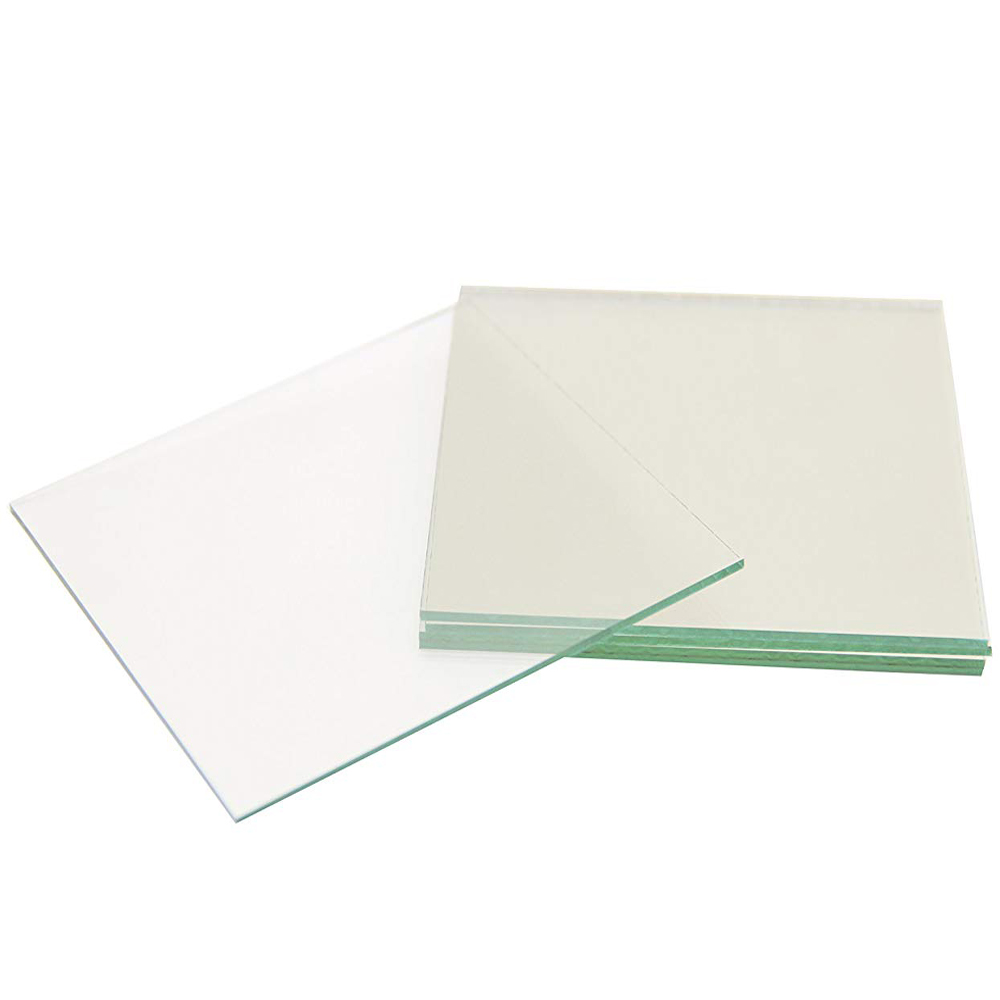
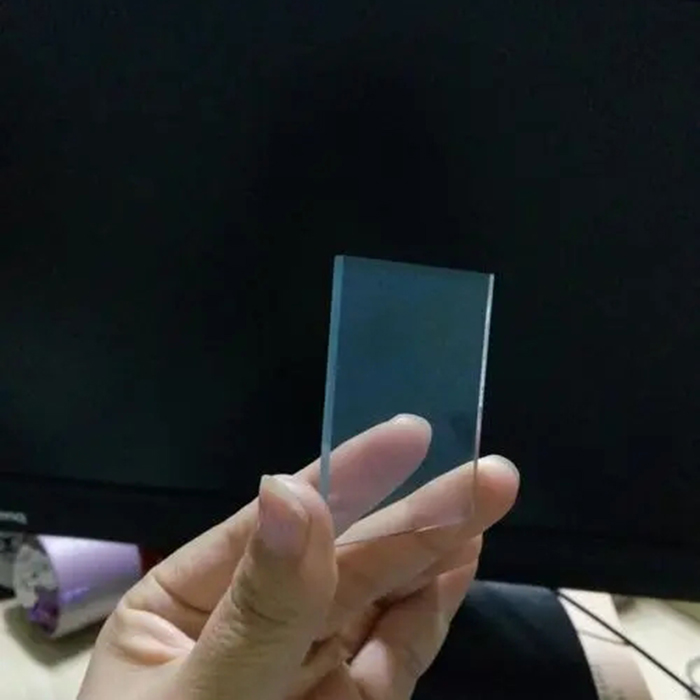
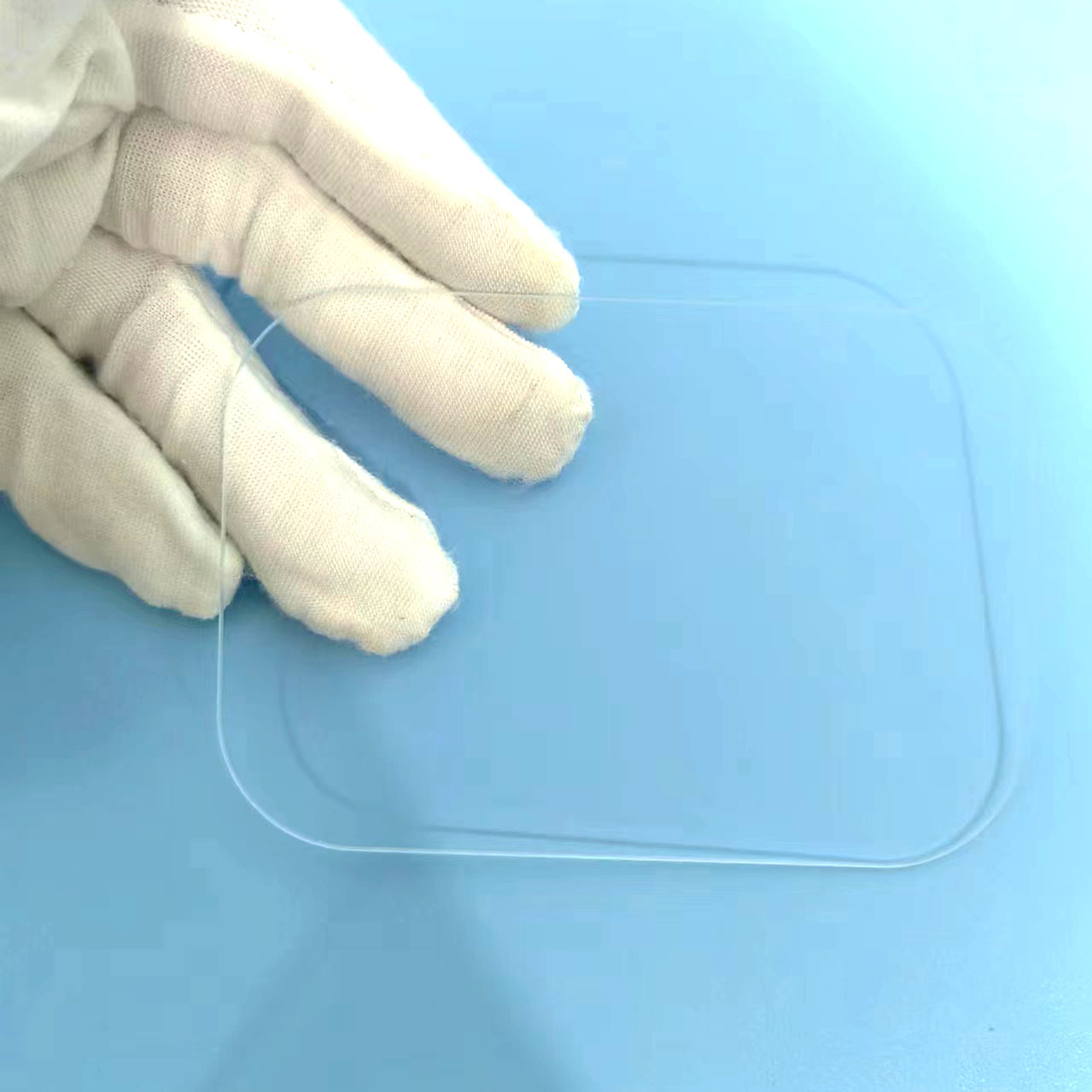
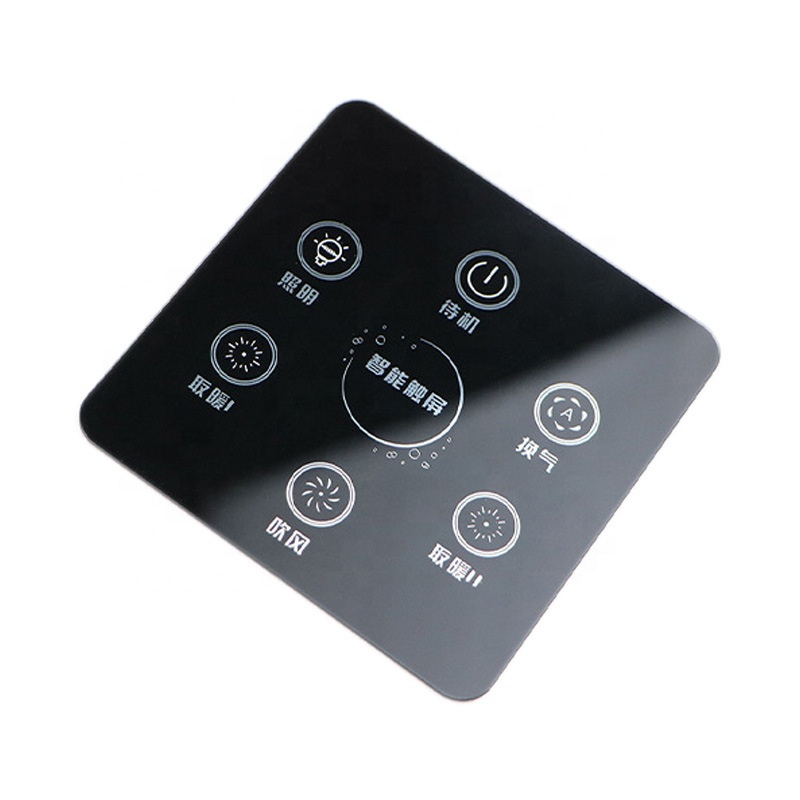
8 Factory-Direct Glass Products Recommended for San Jose Buyers
The product lines below are supplied by Huizhou KELO Glass Co., Ltd., a factory-direct manufacturer that processes borosilicate glass, quartz, sapphire, ceramic glass and other specialty substrates. For San Jose procurement teams, the value is not simply a low unit price: it is drawing review, sample validation, in-house coating, controlled packing and export documentation from one accountable supplier. Final substrate, coating and tolerance are confirmed against your drawing.



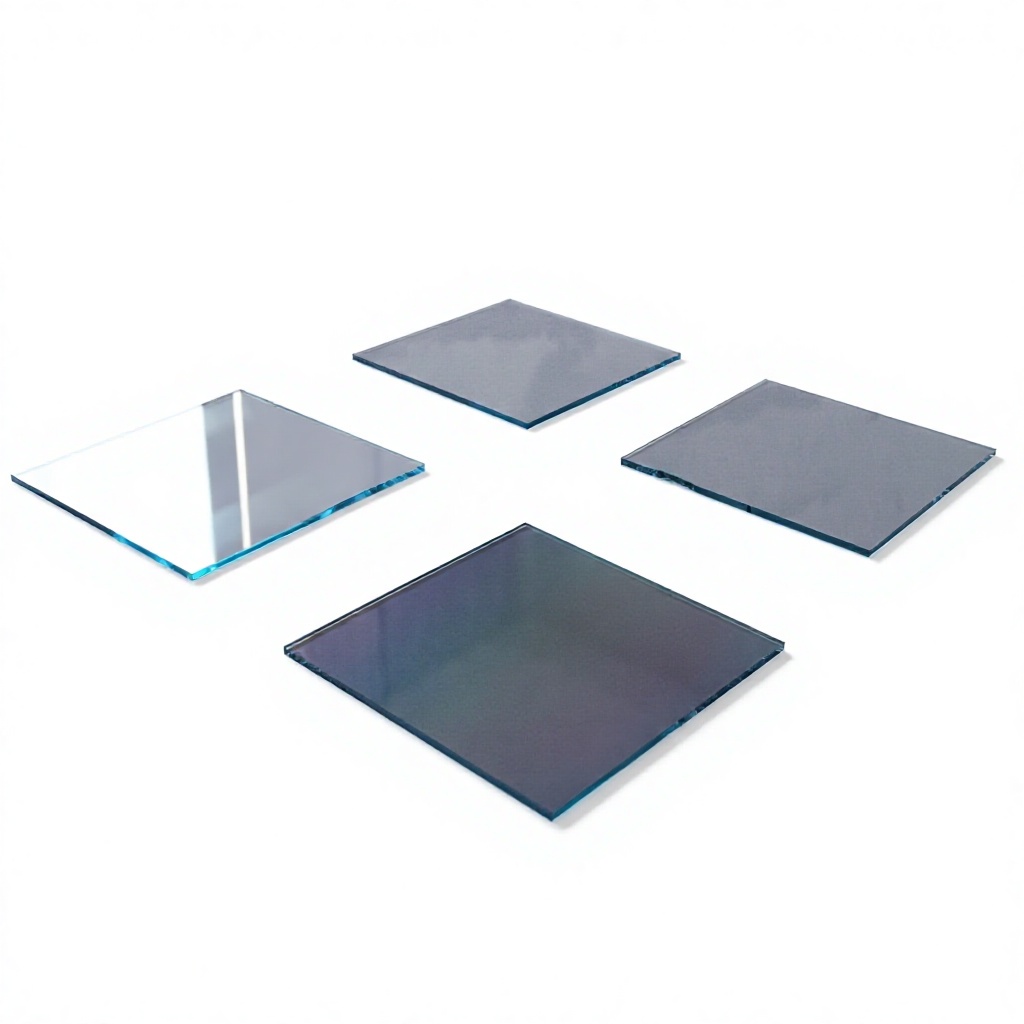
Why Borosilicate Glass Still Wins in High-Mix San Jose Projects
San Jose sourcing teams rarely buy “just glass.” They buy dimensional stability, optical clarity, chemical durability and a predictable path from prototype to production. Borosilicate glass is often specified because its low thermal expansion and strong chemical resistance reduce risk in demanding environments.
Thermal shock resistance
Borosilicate grades are valued for low thermal expansion and resistance to temperature gradients. That matters for heated anti-fog windows, laboratory instruments, lighting fixtures and equipment that cycles between warm cleaning and cooler operation. San Jose hardware teams can specify substrate grade, thickness and coating stack together rather than solving thermal and optical issues separately.
Coating compatibility
AR, AG, AF, anti-fog, ITO and FTO coatings must be matched to the substrate, cleaning chemistry and assembly method. KELO performs coating and glass processing in-house, which shortens the feedback loop when a San Jose design team needs a sample iteration. Optical targets such as low reflectance, controlled haze and high transmission are reviewed against the actual application environment.
Chemical durability & cleanliness
Laboratory, medical and semiconductor-adjacent applications demand surfaces that tolerate cleaning agents and resist unnecessary contamination. Borosilicate glass also supports stable optical inspection under repeated use. For procurement, the practical question is not just “Is it borosilicate?” but “Which grade, what surface quality, what edge finish and what packaging control will keep it clean through transit to California?”
Where San Jose Buyers Commonly Use Borosilicate Glass & Coated Glass
San Jose sits inside the wider Silicon Valley manufacturing and innovation ecosystem. The same glass panel may begin as a prototype for a lab instrument and later become a repeat-order component for a medical device, data center system or architectural lighting fixture.
Semiconductor & test equipment
Inspection windows, sensor covers and conductive glass components for metrology, test fixtures and cleanroom-adjacent equipment. Buyers prioritize flatness, edge quality, coating uniformity and packaging that reduces particle risk.
Biotech & clinical instruments
Optical windows, display covers and anti-fog glass for diagnostic equipment and laboratory automation. The local life-science cluster values repeatable optical performance and a supplier that can trace material, coating and inspection records.
AI infrastructure & data centers
Status panels, optical windows and equipment interface glass for high-density compute infrastructure. Anti-glare and anti-fingerprint surfaces help technicians read and maintain equipment in busy server rooms and networking labs.
EV charging & energy systems
Touch interfaces and protective glass for EV charging, battery storage and energy management products. Anti-glare and impact-resistant tempered options support outdoor readability and long service life in California installations.
Smart building & hospitality
Elevator indicators, bathroom control panels, smart mirrors and appliance interfaces for San Jose commercial projects and hospitality renovations. Silk-screen printing and custom sizing align the glass with interior design and brand requirements.
Contract manufacturing & design-build
San Jose contract manufacturers and design-build firms need a glass source that can quote from a drawing, produce 1–2 samples and then scale to repeat orders. KELO’s OEM/ODM workflow is designed around that prototype-to-volume transition.
Local Buying Shifts That Affect Glass Sourcing Decisions
The San Jose market rewards suppliers who can combine technical depth with responsive communication, export discipline and flexible order structures. These are the trends procurement teams are reflecting in their RFQs.
Dual sourcing, not single sourcing
Many San Jose buyers keep a North American fabricator for urgent needs while using a China factory-direct supplier for custom coating, borosilicate fabrication and cost-sensitive production. The winning supplier provides clear drawings, sample traceability and a realistic DDP option.
Export terms become a buying criterion
FOB and EXW still matter, but San Jose buyers increasingly ask for CFR, CIF and DDP support so landed cost is visible before purchase order release. Reliable suppliers provide packing dimensions, gross weight and port-of-entry assumptions early.
Documentation quality matters
Procurement teams need more than a price. They need drawing revisions, sample approval records, inspection notes, packing lists and commercial documents that match the purchase order. A factory with an export desk reduces the back-and-forth that delays California production schedules.
Wet-area & hygiene interfaces
Smart bathrooms, hospitality renovations and healthcare-adjacent spaces are increasing demand for anti-fingerprint, easy-clean and decorated glass panels. Buyers want the glass, printing and coating validated as one assembly, not as disconnected parts.
Faster prototype loops
San Jose product teams iterate quickly. Suppliers that can produce 1–2 sample pieces, review tolerances against a drawing and suggest DFM changes before tooling are more valuable than suppliers that only quote large volumes.
Compliance-aware purchasing
California buyers are careful about material declarations, restricted substances and consistency between the approved sample and mass production. A serious glass exporter welcomes specification review and documents what was actually produced, packed and shipped.
Factory-Direct Capability Behind Huizhou KELO Glass Co., Ltd.
KELO Glass is a manufacturer, not a trading intermediary. The company operates in Huizhou, Guangdong, inside the Greater Bay Area electronics supply chain, and serves buyers across Europe, North America and South America. For San Jose customers, the advantage is direct engineering communication plus in-house control over the processes that most affect glass quality.
Verified manufacturer status
The company is a verified exporter on Alibaba.com with a 6-year verification history, 4.9/5 store rating and 98.18% reply rate. Trade Assurance support gives first-time buyers an additional order protection layer when ordering through the platform.
Drawing review & DFM feedback
Send a CAD drawing, target specification or physical sample. The engineering team reviews thickness, tolerances, coating compatibility, edge finishing, printing and packing before quoting. This reduces avoidable revisions after the order is placed.
Prototype-friendly MOQ
Sample orders can start from 1–2 pieces so San Jose teams can validate fit, optics, coating and assembly before committing to volume. Bulk quantities are quoted per drawing, with lead time typically 21–31 days after sample approval.
In-house process depth
Cutting, water-jet cutting, CNC machining, drilling, edge polishing, laser engraving, silk-screen printing, sandblasting, flat and curved tempering, AR/AG/AF/ITO coating, 2.5D/3D forming and 3M adhesive bonding can be coordinated under one roof.

Materials & process coverage
KELO processes borosilicate glass, quartz glass, sapphire glass, ceramic glass, lead shielding glass, laminated safety glass and other specialty materials. This matters for San Jose buyers who need one supplier to handle a family of related parts rather than separate vendors for each material.
Export order discipline
Trade terms include FOB, CFR, CIF, EXW and DDP. Payment methods include T/T, L/C, PayPal and Western Union. Custom honeycomb cartons, blister trays and partition packing are used to reduce transit damage on the long route to California.
Three Inspection Gates Before Glass Ships to San Jose
Quality is built into the process, not inspected in only at the end. Each production stage has defined release checks so the approved sample and the repeating order stay aligned.
Incoming inspection
Raw glass and consumables are verified for thickness, flatness, surface condition and material consistency before entering production. Ink and coating materials are checked against the job specification.
In-process control
CNC dimensions, hole positions, edge quality, tempering condition and coating results are monitored at the relevant stations. Coating adhesion and abrasion checks help catch drift before final assembly.
Final inspection & packing
Finished parts receive 100% appearance inspection, with reliability checks such as salt spray where applicable. Custom cartons, blister trays and partitions protect corners, edges and coated surfaces during export.
Common Procurement Questions From San Jose Buyers
These are the practical questions that come up when a California buyer evaluates China wholesale borosilicate glass exporters and wholesalers for the first time.
Can you ship borosilicate glass directly to San Jose?
Yes. KELO supports FOB, CFR, CIF, EXW and DDP terms. For San Jose, DDP is often requested so the landed cost is clear; provide the delivery address and ZIP code for a freight estimate. Port of entry and final-mile assumptions are confirmed before the order.
What is the MOQ for custom glass panels?
Sample orders can start from 1–2 pieces so you can validate fit, coating and appearance. Bulk MOQ depends on size, substrate, printing, coating stack and packing method. Send a drawing and annual volume, and the engineering team will quote the most practical production quantity.
How do you protect glass during export to California?
Packing is designed around the part geometry. Options include custom honeycomb cartons, blister trays, partition dividers, protective film and reinforced outer cartons. Coated and printed surfaces receive particular attention because cosmetic damage can reject an otherwise functional panel.
Can I get a sample before mass production?
Yes. Rapid prototypes can be produced from 1–2 pieces depending on the process route. Sample approval is the normal gate before bulk production. Share the drawing, target optical or electrical performance and the intended assembly method so the sample reflects the real application.
What thickness and tolerances are available?
Glass thickness ranges from 0.1 mm to 19 mm across the broader capability set. Size, shape, holes, edge finish, printing, 2.5D/3D forming and coating are customized to drawing or sample. Tolerance feasibility is reviewed during DFM because thin glass, tight flatness and curved forms interact.
Which documents can you provide?
Typical export documents include commercial invoice, packing list, shipping documents and inspection records associated with the order. The company profile, verified assessment, trade capacity and transaction history are available through the official KELO Glass profile for buyers who need supplier due diligence.
How do I choose ITO or FTO conductive glass?
ITO is commonly used for capacitive touch sensors, displays and EMI shielding. FTO is often selected for thin-film solar and higher-temperature processes because of its thermal and chemical stability. Both are available with sheet resistance of 1–20 Ω/sq, transmittance above 85% and haze below 2% depending on configuration.
What lead time should San Jose buyers plan for?
Bulk production is typically 21–31 days after sample approval, depending on size, coating stack, curved forming and printing complexity. Ocean freight, customs clearance and final-mile delivery to San Jose are additional. Urgent projects should discuss air freight or partial shipment options during quotation.
Send Your Drawing, Coating Target and Annual Volume
Share the glass size, substrate preference, coating requirement, edge finish, printing artwork, estimated annual quantity and San Jose delivery ZIP code. KELO’s engineering team will review feasibility and recommend a practical borosilicate glass or coated glass configuration for your application.