Eight Custom Cover Glass Products for Manila Wholesale Buyers
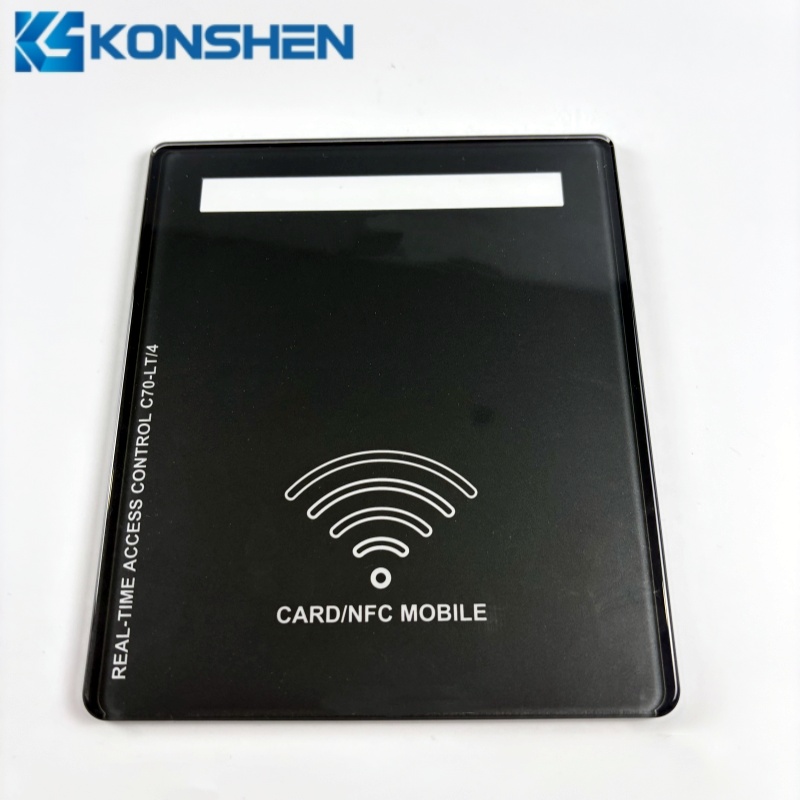
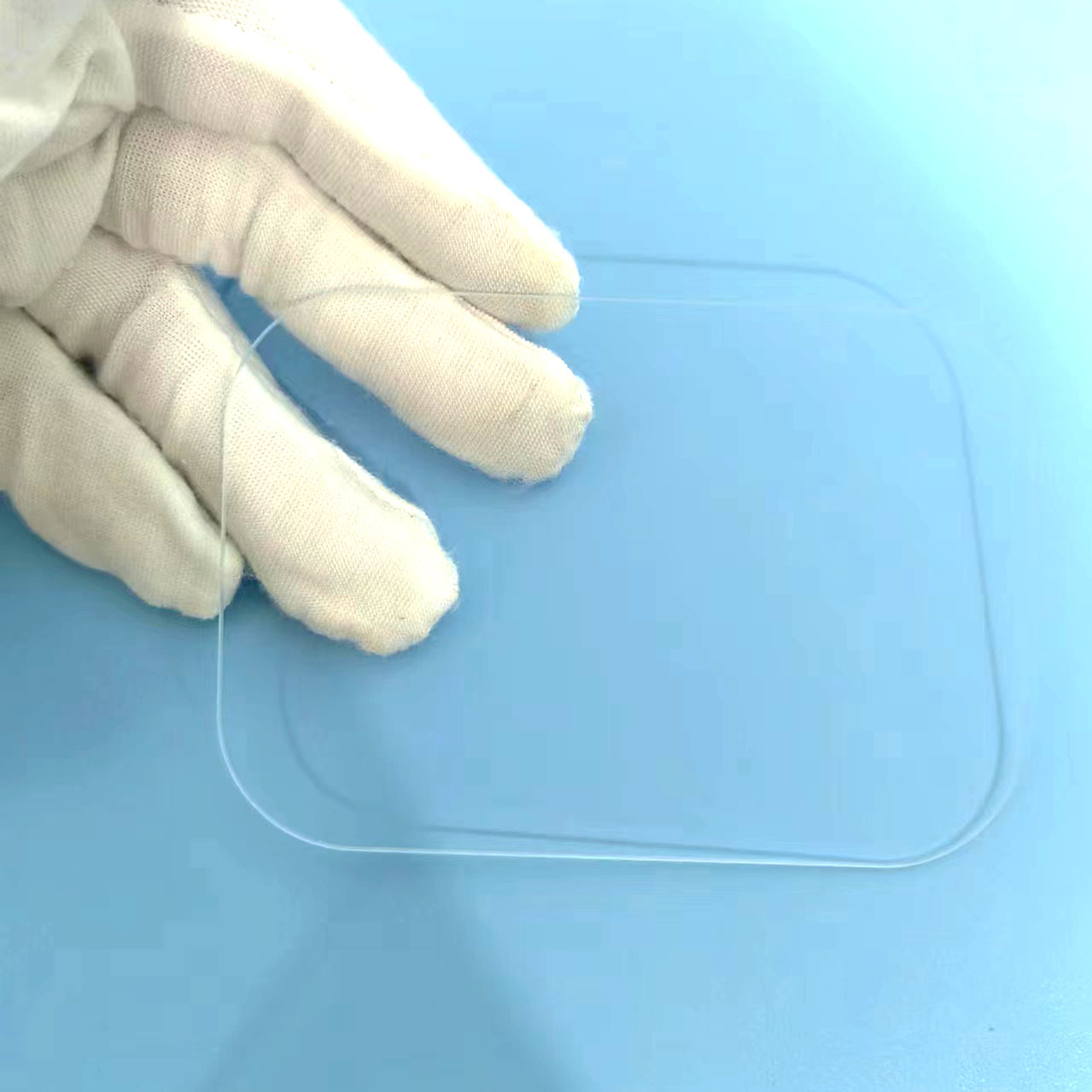
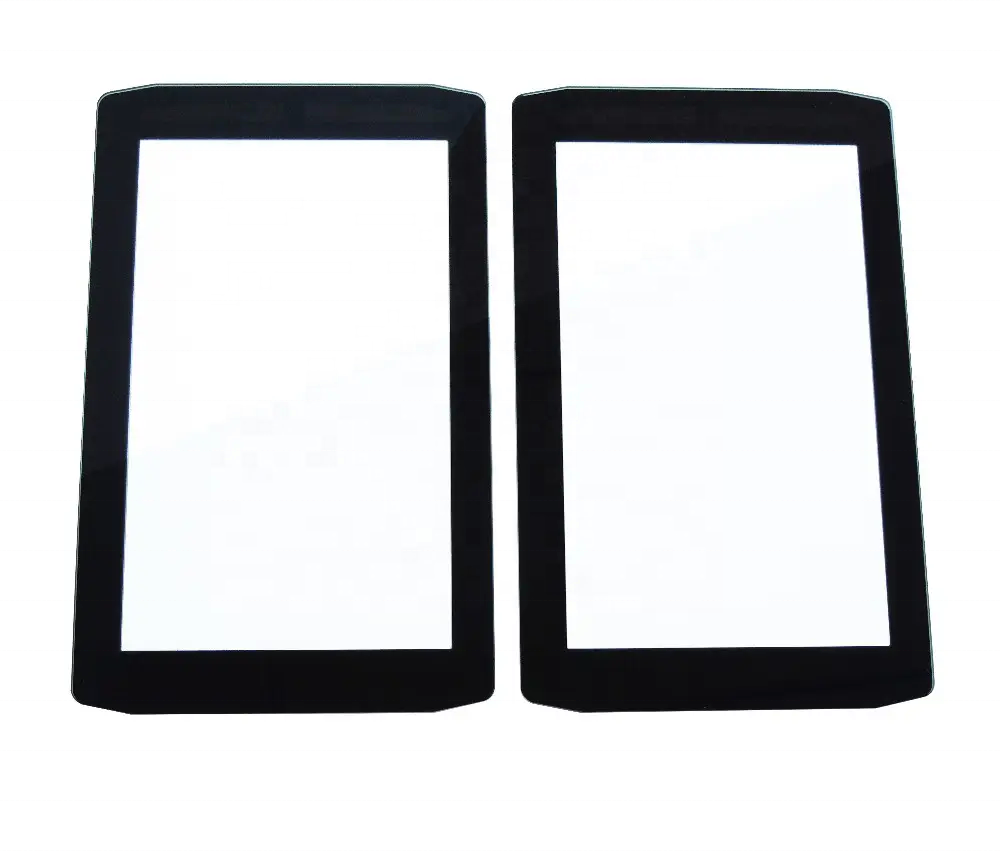
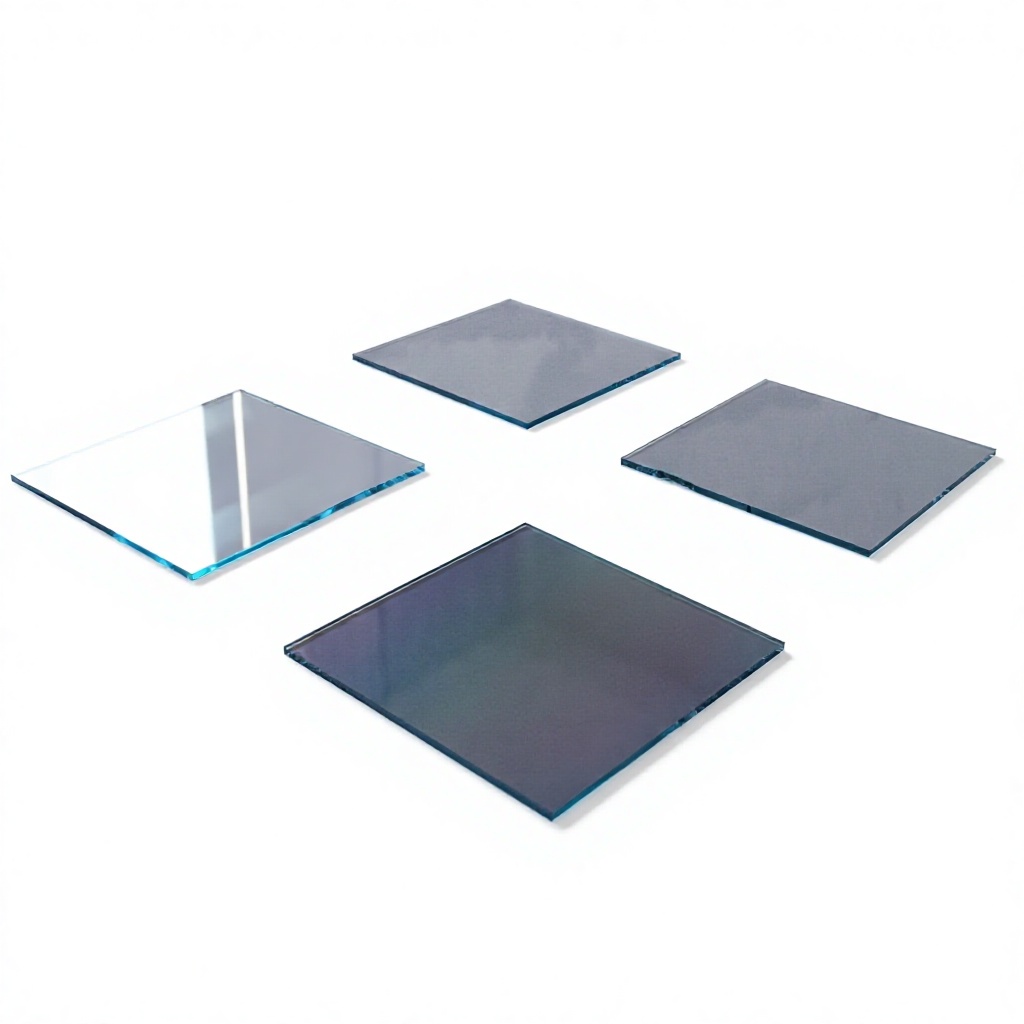
Compare the core product families below, then send your drawing, target coating performance and estimated annual volume. Each factory-direct item can be quoted as a sample, a pilot run or a repeat wholesale order.


Factory floor area
Touch cover glass capacity
Employees on site
R&D engineers
Annual output value
Typical response time
Why a Factory-Direct Cover Glass Supplier Is Different from a Manila Trading Company
For a Manila buyer, the phrase “China wholesale custom cover glass factories” should mean more than a low unit price. Cover glass is a specification-driven component: thickness, edge finish, coating reflectance, haze, printed ink, adhesive, curvature, tempering and packaging all affect the installed result. If one process drifts, the whole display can look inconsistent or fail in service.
Huizhou KELO Glass Co., Ltd. is a factory-direct manufacturer based in Huizhou, Guangdong, inside the Greater Bay Area electronics supply chain. The factory runs cutting, CNC machining, edge polishing, laser engraving, silk-screen printing, sandblasting, flat and curved tempering, AR/AG/AF/ITO coating, 2.5D/3D forming and 3M adhesive bonding under one roof. That vertical integration gives Manila distributors, contractors and brand owners one accountable partner for drawings, samples, batch validation and after-sales support.
Instead of buying from a trader that outsources coating and then blames another supplier when optics change, buyers can keep the coating, printing, tempering and final inspection inside the same quality system. For local projects that must survive humidity, cleaning chemicals and high foot traffic, that control is a commercial advantage, not just a factory claim.
- Verified manufacturer, not a trader
- Engineering drawing review & DFM feedback
- Rapid prototypes from 1–2 pieces
- 100% appearance inspection before packing
- In-house AR / AG / AF / ITO coating
- Trade Assurance and export documentation


Where Custom Cover Glass Is Used in Metro Manila
Manila’s mix of high-rise offices, condominium towers, hotels, malls, BPO facilities, automotive showrooms and gaming venues creates demand for different glass surfaces — even when buyers start from the same factory-direct product list.
BGC & Makati offices
Elevator panels, meeting-room controls and lobby directories need AF-coated tempered glass that resists fingerprints and daily cleaning.
Mall digital kiosks
AG anti-glare glass reduces ceiling-light reflections in Manila malls and keeps wayfinding screens readable under bright ambient light.
Condominium intercoms
Compact smart-home panels benefit from 1.1mm ITO conductive glass, printed borders and stable touch performance in humid lobbies.
Hotel bathrooms
Bathroom mirror displays and instrument windows need curved tempered glass, polished edges and moisture-resistant bonding.
BPO & call centers
Touchscreen consoles and training-room displays need low-fingerprint surfaces that wipe clean quickly between shifts.
Automotive showrooms
Dashboard displays, EV charging interfaces and showroom touch panels use AR/AG/AF coatings with 2.5D or 3D forming.
Industrial HMI in Cavite & Laguna
Factory-floor terminals and warehouse consoles need chemically strengthened cover glass with AG treatment and rugged edge finishing.
Gaming cafés & esports
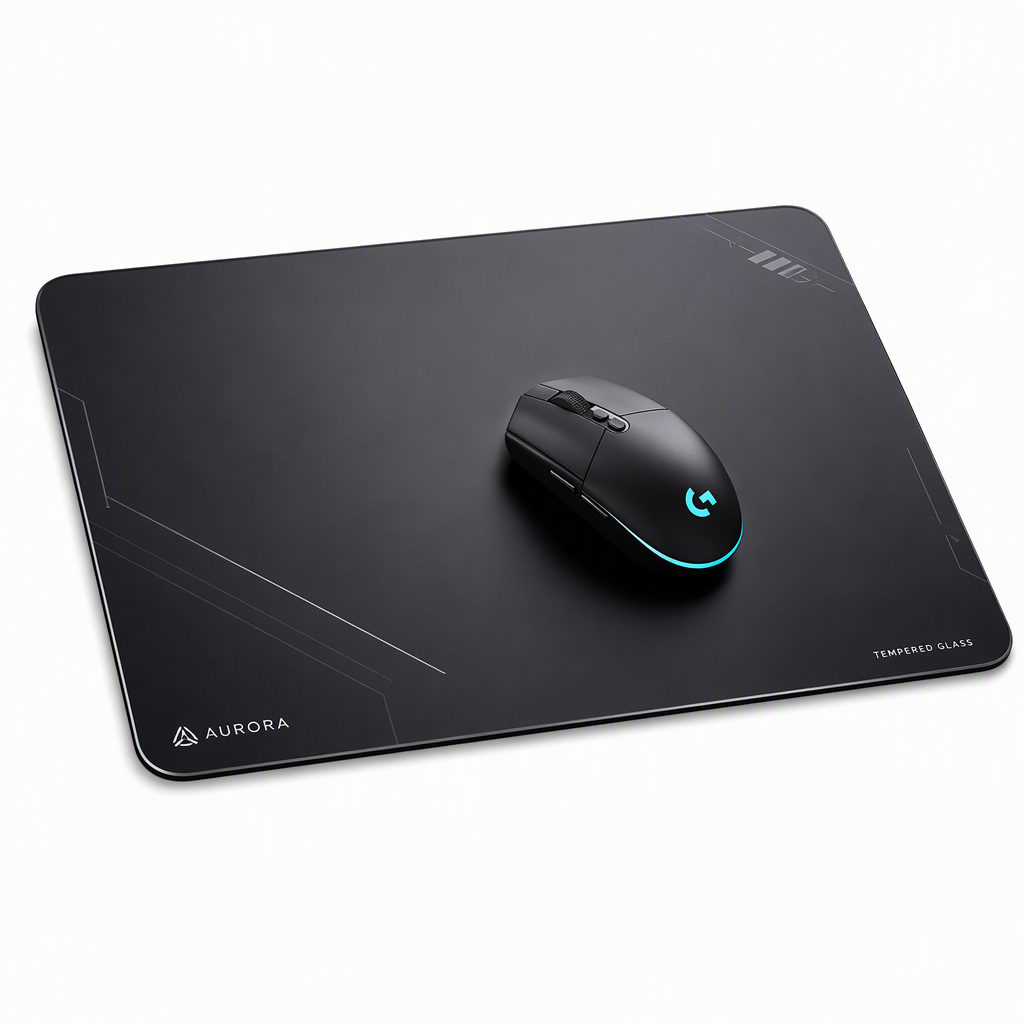
Glass mouse pads and skate feet can be customized with logos, textures and 2mm or 3mm tempered glass for local gaming brands.
Manila-Specific Engineering: Heat, Humidity, Salt Air and Glare
A cover glass specification that works in a dry, controlled showroom may not perform in an open Manila lobby. Use the matrix below to translate local operating conditions into a practical RFQ.
| Manila operating condition | Recommended glass / coating | What to specify in the RFQ |
|---|---|---|
| Outdoor mall façade, LED directory or transport kiosk | AG anti-glare tempered glass, or AR+AG combined coating | Target haze within 5–60%, gloss level, glass thickness, edge treatment and 2.5D/3D radius if the screen is curved. |
| High-touch elevator, office or condominium control panel | AF anti-fingerprint coating on chemically strengthened cover glass | Water contact angle above 110°, pencil hardness above 3H, cleaning-cycle durability and printed-graphic tolerance. |
| Hotel bathroom mirror display or humid instrument window | Curved tempered glass with anti-reflective coating and waterproof bonding | Polished edges, 3M adhesive option, edge-sealing method and adhesion/salt-spray test expectations for near-sea locations. |
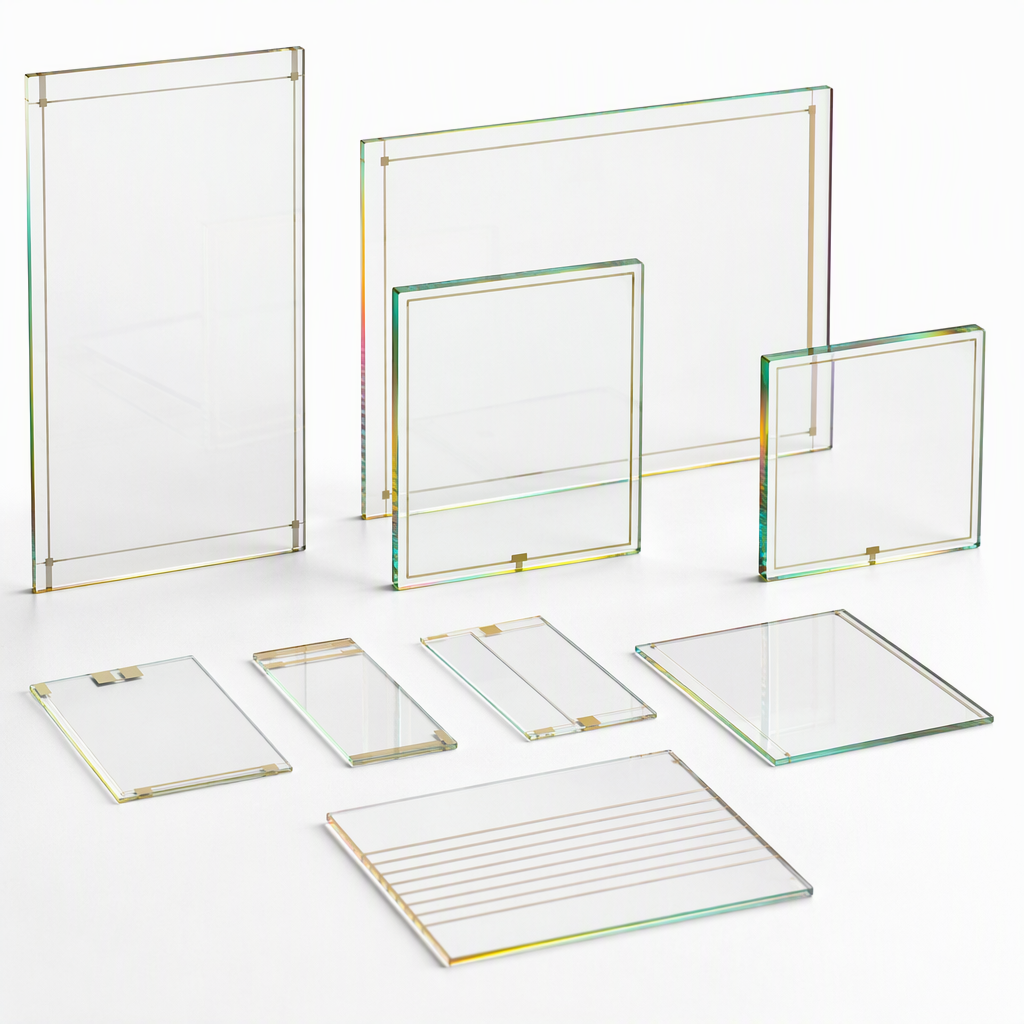
| Smart-home touch mirror or compact touch panel | 1.1mm ITO coated conductive glass with custom shape | Sheet resistance, transmittance, polished edge, CNC shape and whether the ITO layer is for touch sensing or heating. |
| Laboratory, thin-film solar or high-temperature process | ITO or FTO conductive glass substrate | Sheet resistance within 1–20 Ω/sq, transmittance above 85%, haze below 2%, thermal stability requirement and cleaning process. |
| Premium automotive or instrument-cluster display | 2.5D/3D cover glass with AR, AG or AF stack | AR reflectance below 1.0% per side where required, transmittance, curvature tolerance, impact resistance and printing alignment. |
Information gain for procurement teams: do not approve a coating by visual appearance alone. Ask for the measured reflectance, haze, contact angle, sheet resistance and the agreed inspection method. These values should be written into the sample approval record and repeated in the mass-production QC plan.
Manila Trends Shaping Custom Cover Glass Demand
Local demand is moving toward more touch points, brighter displays, smarter buildings and smaller custom batches. The winning supplier is the one that can support both engineering and mixed-SKU logistics.
Smart-building upgrades
Developers in BGC, Makati and Quezon City are upgrading elevator panels, access control, meeting-room booking and intercom interfaces. These projects favor tempered glass with printed graphics and AF coating.
Anti-glare digital signage
Bright tropical daylight and interior LED lighting make reflections obvious. AG glass with controllable haze is increasingly requested for mall directories, kiosks and outdoor displays.
Hospitality and condominium renovation
Hotel bathrooms, lobby mirrors and condominium amenity spaces are adding displays and touch controls, creating demand for curved, waterproof and low-reflectance cover glass.
Resilience in humid climates
Buyers are asking for tempered substrates, sealed edges, salt-spray testing and coating adhesion data because Manila’s humidity and coastal air can expose weak bonding.
Low-MOQ and mixed-SKU orders
Project buyers need samples from 1–2 pieces, then mixed models for condominium towers and fit-outs. Factory-direct suppliers that offer flexible packing reduce stock risk.
After-sales and spare-part planning
Manila importers increasingly value batch traceability, replaceable packed sets, custom honeycomb cartons and clear documentation for future service requirements.
Inside the KELO Glass Factory: The E-E-A-T Behind the Quotation
Trust in custom glass comes from process visibility. Huizhou KELO Glass Co., Ltd. combines manufacturing depth, engineering review and export documentation in one factory-direct relationship.
One Factory for Cutting, Coating, Tempering and Inspection
Keeping critical processes in-house protects tolerances from raw sheet to packed carton. The factory processes cutting and water-jet cutting, CNC machining and drilling, edge polishing, laser engraving, silk-screen printing, sandblasting, flat and curved tempering, AR/AG/AF/ITO coating, 2.5D/3D curved forming and 3M adhesive bonding. Specialty materials include Gorilla glass, borosilicate glass, quartz glass, sapphire glass, ceramic glass, lead shielding glass and laminated safety glass.
For Manila buyers, this means fewer handoffs, tighter communication and less finger-pointing when a drawing includes printing, holes, curved edges, adhesive and optical coating on the same part. The company also supports verified assessment, a factory video, buyer reviews, credit profile and Trade Assurance through its official Alibaba.com profile, so procurement teams can check evidence before placing a first order.
- Cutting & water-jet
- CNC & drilling
- Edge polishing
- Silk-screen printing
- Flat / curved tempering
- AR / AG / AF coating
- ITO / FTO conductive glass
- 2.5D / 3D forming
- 3M adhesive bonding
- 100% appearance inspection
Verified manufacturer
Factory-direct manufacturer with six years of verified export activity and a 4.9/5 store rating on its official profile.
Fast engineering response
Typical response time within one hour, with drawing review and DFM feedback before a sample is released.
Sample-first validation
Samples can start from 1–2 pieces so Manila buyers can confirm fit, printing, optics and touch performance.
Export-ready quality system
Incoming, in-process and final inspection with 100% appearance checking, plus tempering, adhesion, abrasion and salt-spray tests.
Three Inspection Gates Before Custom Cover Glass Ships to Manila
Quality is built into the process, not inspected in at the end. Each gate has defined checks and release criteria so the approved sample and the bulk order stay aligned.
Incoming Inspection
Raw glass and consumables are verified before production begins.
- Thickness and flatness checks
- Surface-defect screening
- Ink and coating material verification
In-Process Control
Critical dimensions and coating results are checked at each station.
- CNC dimensions and hole positions
- Tempering and strength tests
- Coating adhesion and abrasion
Final Inspection
Every finished piece is checked before protective packing.
- 100% appearance inspection
- Salt-spray reliability testing
- Honeycomb, blister and partition packing
Shipping Custom Cover Glass from Huizhou to Manila
Cover glass is fragile, specification-sensitive and often project-scheduled. Logistics planning should begin before the sample is approved, not after the cartons are ready. KELO Glass supports export packing, trade terms and documentation that international buyers expect, with production lead time typically 21–31 days after sample approval depending on size, coating stack, curved forming and printing complexity.
For Manila-bound orders, confirm the destination port, customs broker, HS code, duty and VAT treatment, and whether your company operates under PEZA or another incentive regime. The supplier can provide standard export documents, while the importer’s broker should confirm the final clearance requirements. For urgent fit-outs, split shipments, consolidated LCL cargo or courier samples can be discussed before production.
Protective packing matters as much as the glass itself. Custom honeycomb cartons, blister trays and partition packing are used to reduce transit damage. If the glass is bonded with 3M adhesive or printed with brand graphics, keep the packing method and storage instructions with the purchase order so the installer receives the part in the same condition it left the factory.


Trade terms
FOB, CFR, CIF, EXW and DDP can be discussed according to buyer preference and shipment plan.
Payment options
T/T, L/C, PayPal and Western Union are supported. Alibaba.com orders can use Trade Assurance.
Sample policy
Sample orders can start from 1–2 pieces; bulk quantities are quoted per drawing and annual volume.
Production window
Typical mass-production lead time is 21–31 days after sample approval, subject to coating and forming complexity.
Common Local Procurement Questions
These are the questions most frequently raised by Manila distributors, project contractors, brand owners and online sellers before a first order.
Can you ship custom cover glass directly to Manila?
What is the minimum order quantity for custom cover glass?
How long does production take before shipment to Manila?
How are duties, VAT and customs clearance handled?
Which coating is best for Manila’s heat and humidity?
Can you support mixed models for a condominium or mall project?
What performance can the AR and AG coatings achieve?
Should I choose ITO or FTO conductive glass for my Manila project?
How do I verify the factory before placing a wholesale order?
How can I request a quotation quickly?
Request a Manila-Ready Cover Glass Quotation
Send your drawing, target coating performance and estimated annual volume. The engineering team will review feasibility, recommend the most cost-effective glass and coating stack, and prepare a factory-direct quotation for samples or bulk production.