China Wholesale Laminated Glass Factories & Factory in the Caloocan Market
A procurement-oriented guide for Caloocan distributors, contractors, architects and fabricators sourcing laminated safety glass, tempered cover glass, AR/AG/AF optical coatings and ITO/FTO conductive substrates from a verified China glass factory.
Eight Factory-Direct Products for Caloocan Wholesale Buyers
For buyers comparing China wholesale laminated glass factories, the catalogue is only the starting point. The real audit is whether the factory can control thickness, edge quality, coating performance, printing registration, packing and lead time. These eight production-ready products show the breadth of the KELO Glass platform serving Metro Manila projects.
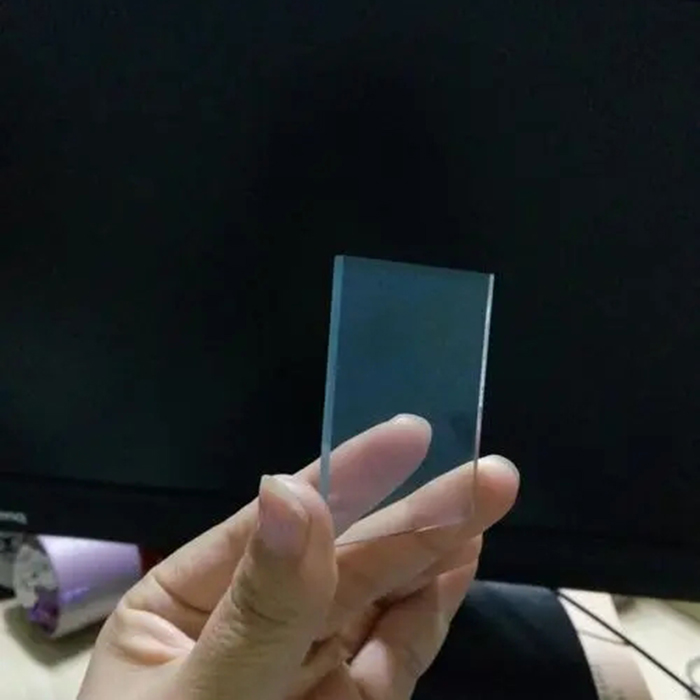
1.1 / 2.2 mm ITO & FTO Conductive Glass for Lighting
For lighting diffusers, capacitive light controls and low-voltage sensing panels. Uniform conductive coating and stable optical transmission help Caloocan lighting integrators move from prototype to repeat orders.
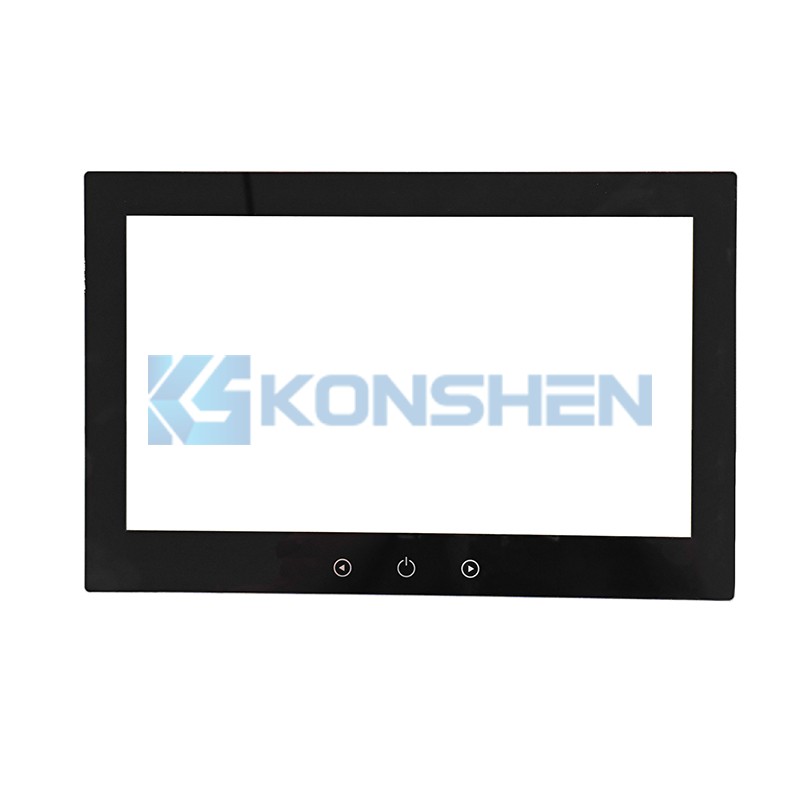
Black-Framed ITO Conductive Tempered Display Cover
A 1–4 mm custom display cover for industrial monitors, kiosks and equipment HMI. The black print border improves appearance while the ITO layer supports EMI and touch-related functions.
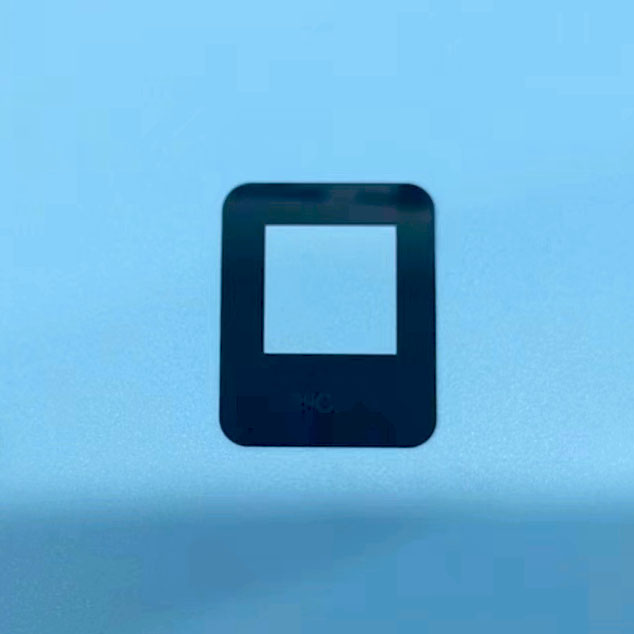
1 mm Black Tempered Glass Switch & Socket Panel
Flat, solid and print-ready wall cover glass for condominium, hotel and commercial fit-outs. A popular option for Caloocan project buyers updating switch and socket systems without changing wall boxes.
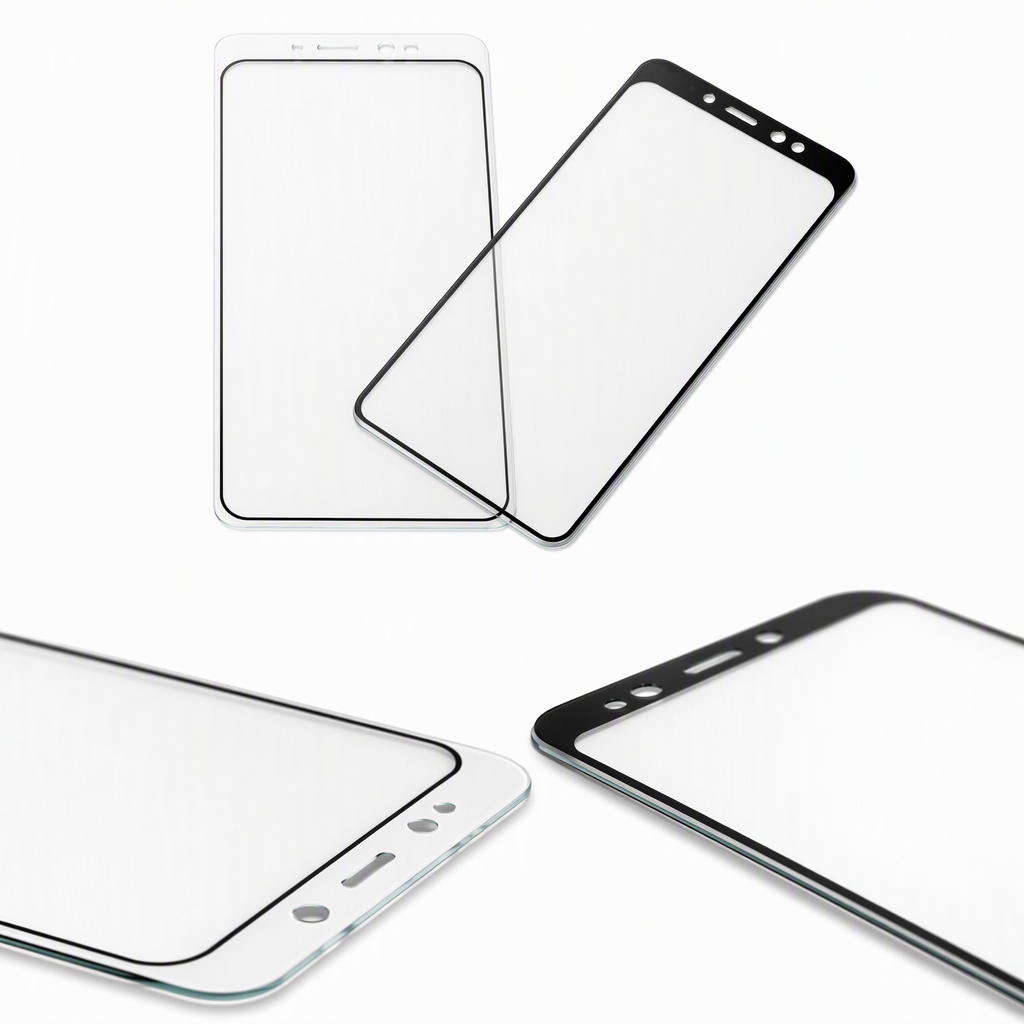
Custom Irregular Toughened Glass with CNC Holes
Toughened panels with CNC drilling, irregular shapes, no coating and custom silk-screen printing. Useful where standard rectangles create material waste or assembly gaps in display fixtures and architectural hardware.
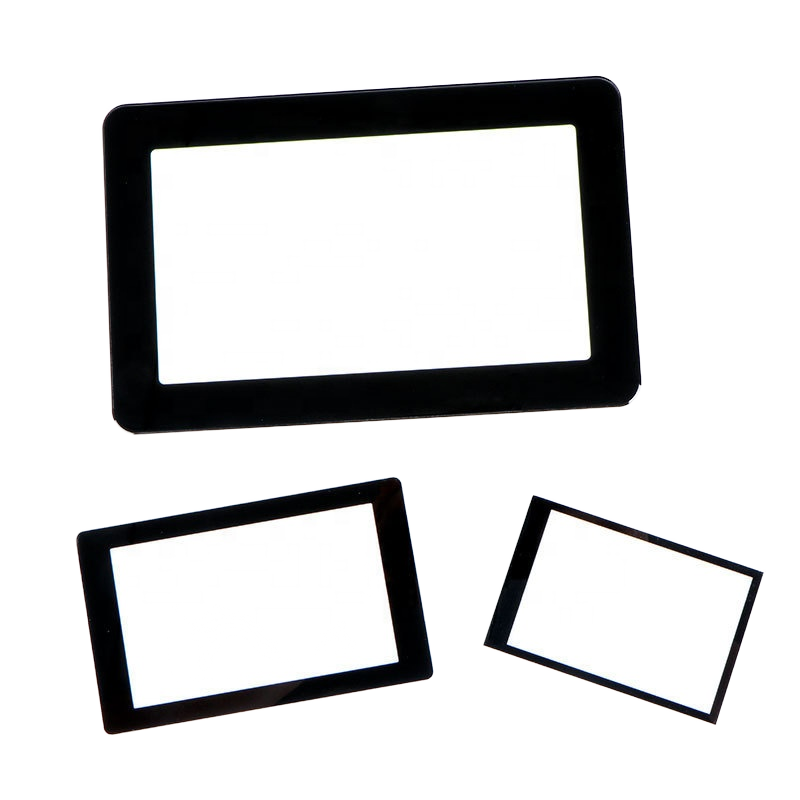
Outdoor Waterproof Tempered Glass Touch Panel
Extra-clear soda-lime tempered glass for outdoor gyms, covered walkways, service counters and humid control points. The 0.2–5 mm range and waterproof construction support rugged Caloocan installations.
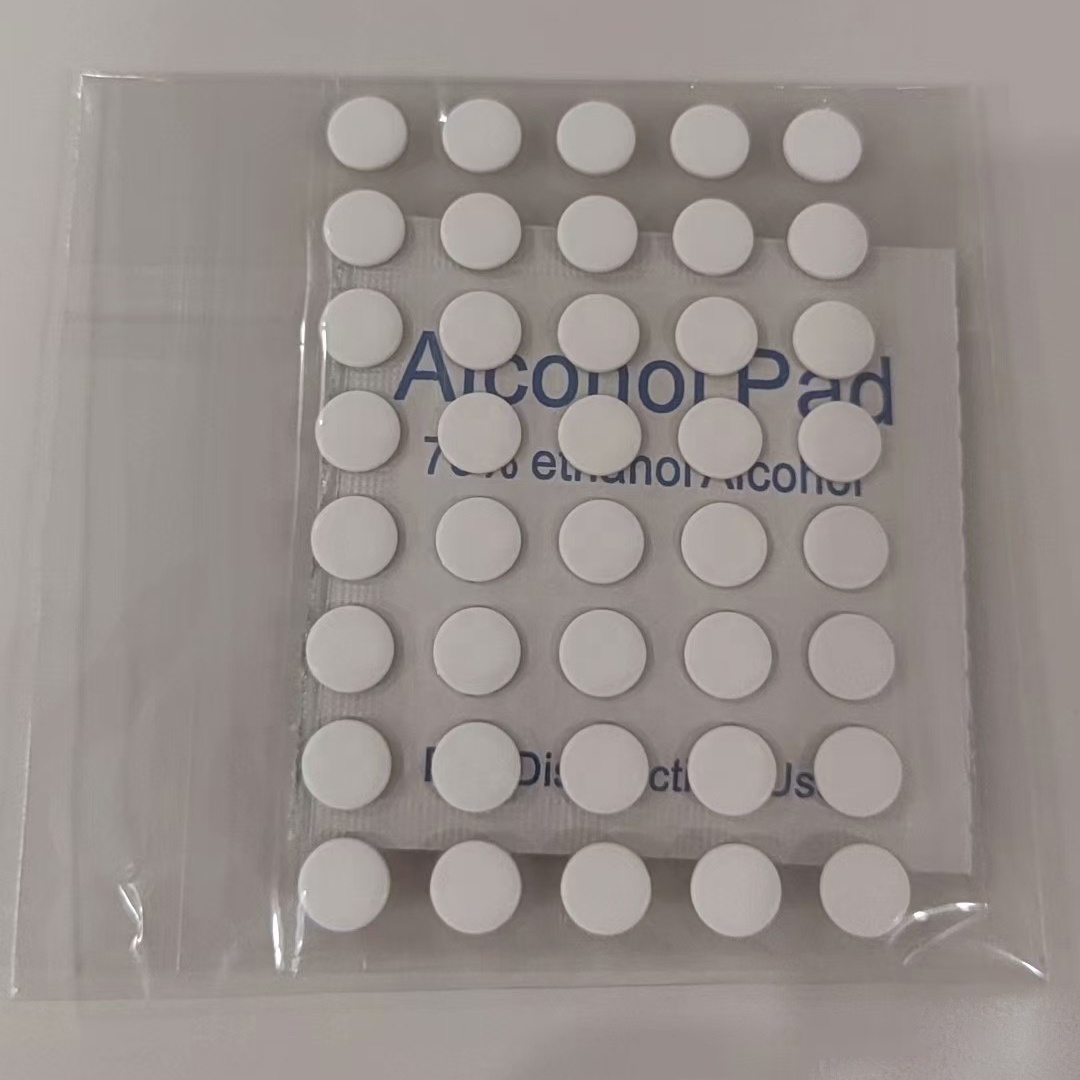
PTFE Round Gaming Mouse Glide Skate Dots
Small, light and consolidation-friendly components for gaming peripheral brands, e-commerce sellers and distributors. A practical add-on for Caloocan buyers already sourcing glass mouse pads or custom gaming glass.
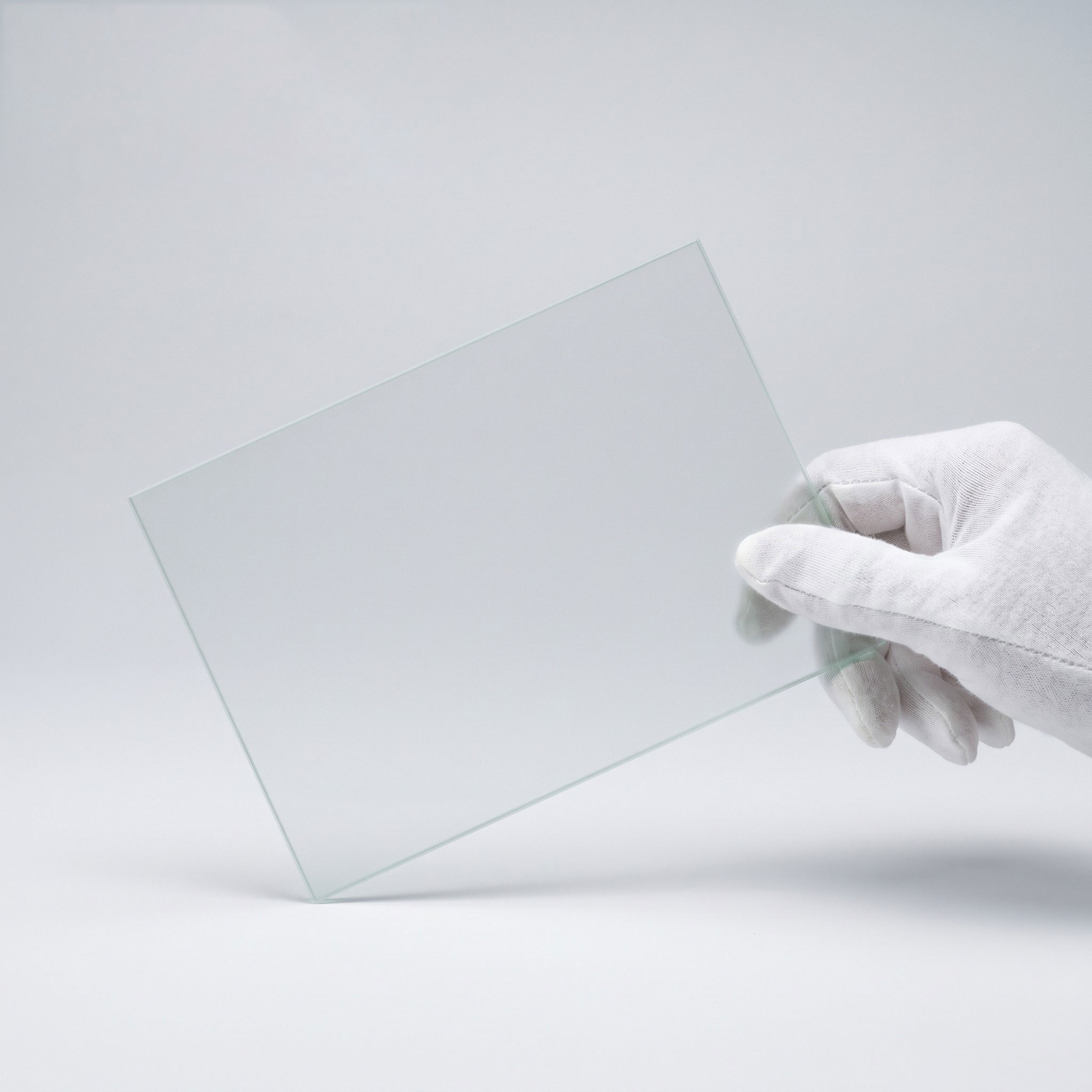
AG Anti-Glare Tempered Glass for Electronic Displays
Custom-size AG-coated cover glass with high transmittance and controlled haze. Ideal for brightly lit retail displays, transport information screens and outdoor kiosks where reflection control affects readability.
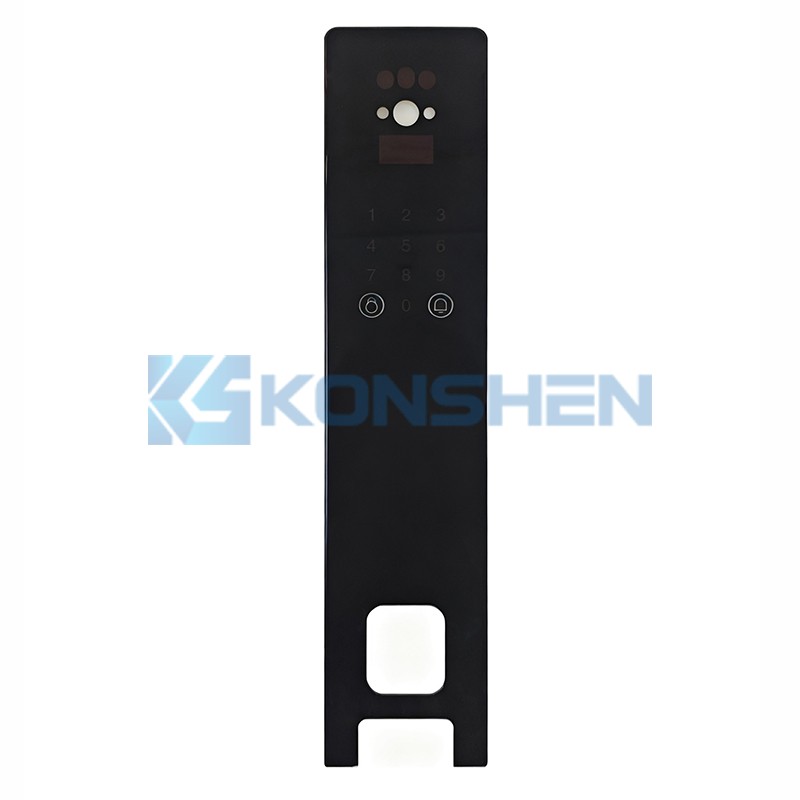
Custom Printed Glass Keypad for Smart Door Locks
Printed tempered glass keypad panels for smart locks, access control and digital entry systems. The smooth glass surface, durable print and custom cutouts suit residential and commercial security upgrades.
What a Caloocan Buyer Can Verify Before Placing a PO
International glass procurement works best when the factory can be checked through production data, process control and export records. These figures reflect the operating scale and service profile of Huizhou KELO Glass Co., Ltd.
China Wholesale Laminated Glass Factories & the Caloocan Market: What Actually Matters
The phrase “China wholesale laminated glass factories” hides very different supplier models: traders, fabricators, coating specialists and full-process manufacturers. For a factory in the Caloocan market, the winning supplier is the one that can make the specification measurable and repeatable.
Caloocan is not a generic “Metro Manila” specification
Caloocan combines dense residential streets, mixed-use commercial corridors, mall renovations, transport infrastructure, school and hospital projects, and a large base of local fabricators and installers. Buyers here often need a practical balance: safety glass performance, fast replacement cycles, manageable freight costs and a supplier who can answer technical questions before the project tender closes.
Compared with a pure trading quotation, a factory-direct quotation should separate glass substrate, interlayer, thickness, edge work, coating, print, packing and shipping terms. That separation is the first test of whether a China wholesale laminated glass factory is genuinely engineering-led or merely reselling from a price list.
Laminated glass: specify the build-up, not just the total thickness
Laminated safety glass is created when two or more glass panes are bonded with a plastic interlayer. For Caloocan projects, the RFQ should state the glass type, nominal pane thickness, interlayer type, total build-up, edge finish, hole and cutout requirements, and the applicable standard if the project requires one. PVB is common for architectural and interior safety glazing; SGP is often considered where higher stiffness, post-break integrity or demanding structural performance is required.
A frequent procurement error is to approve a sample by appearance only. In a humid, high-rainfall climate, edge quality and interlayer protection matter as much as visual clarity. Exposed interlayer, poor edge sealing, inadequate packing or prolonged site storage can create delamination risk long before the glass is installed. A serious factory should discuss handling, storage and installation conditions with the buyer—not just quote a peso-per-square-meter figure.
Information gain for buyers: ask for a line-by-line bill of materials
For a Caloocan distributor or contractor, the most useful quotation is not the lowest lump sum. It is the quotation that shows what is included: glass origin, thickness tolerance, interlayer brand or grade, coating performance target, print color reference, edge polish, chamfer, hole tolerance, protective film, crate type, container loading plan and Incoterm. When those details are visible, buyers can compare suppliers fairly and avoid “value engineering” after the order is placed.
Where KELO fits the laminated glass conversation
Huizhou KELO Glass Co., Ltd. is a factory-direct manufacturer in Huizhou, Guangdong, inside the Greater Bay Area electronics and glass supply chain. Its specialty materials list includes laminated safety glass alongside Gorilla glass, borosilicate glass, quartz glass, sapphire glass, ceramic glass and lead shielding glass. The factory’s core strength is surface engineering: AR anti-reflective, AG anti-glare, AF anti-fingerprint and ITO/FTO conductive coatings, supported by cutting, CNC machining, edge polishing, silk-screen printing, flat and curved tempering, 2.5D/3D forming and 3M adhesive bonding.
For Caloocan buyers, that means one accountable supplier can discuss a laminated safety glass build-up, a tempered display cover, an AG-coated outdoor panel and a printed switch panel in the same technical thread. When the project requires a standard, buyers should put the exact standard in the RFQ; the engineering team can then confirm what documentation and test reports are available for the drawing.
A Complete Caloocan RFQ Should Cover
| Glass Solution | Best Fit in the Caloocan Market | Specify in the RFQ | QC Checkpoint |
|---|---|---|---|
| Laminated safety glass | Shopfronts, office partitions, stair railings, security glazing, acoustic separation and residential windows. | Pane thickness, PVB or SGP interlayer, total build-up, edge finish, cutouts, standard and packing method. | Interlayer condition, bubbles, edge delamination, dimensional accuracy and crate protection. |
| Tempered / chemically strengthened cover glass | Touch panels, appliance control lenses, smart locks, industrial HMI and display covers. | Thickness, strength type, print color, surface finish, tolerance, radius and adhesive requirement. | Flatness, edge chips, print registration, tempering records and 100% appearance inspection. |
| AR / AG / AF coated glass | Bright retail displays, outdoor kiosks, automotive-style interfaces, medical monitors and high-touch panels. | Reflectance, transmittance, haze, gloss, contact angle, abrasion cycles and coating stack. | Spectrophotometer reading, haze check, adhesion, abrasion and visual inspection under controlled light. |
| ITO / FTO conductive glass | Capacitive touch sensors, EMI shielding, lighting controls, thin-film solar and high-temperature processes. | Sheet resistance, transmittance, haze, thickness, pattern, busbar and temperature exposure. | Four-point probe sheet resistance, transmittance and haze measurement, coating uniformity and edge condition. |
| Custom printed / CNC glass | Switch and socket panels, keypad covers, control plates, decorative fixtures and irregular equipment windows. | CAD drawing, print color, hole tolerance, chamfer, edge polish, protective film and packaging. | CNC dimension, hole position, print adhesion, color match and scratch inspection. |
| Gaming application glass | Glass mouse pads, glide feet and branded peripherals for online sellers and gaming distributors. | Thickness, size, edge profile, surface texture, logo print and retail packing. | Flatness, edge roughness, print durability and drop-test packing validation. |
Where Laminated and Technical Glass Creates Value in Caloocan
Caloocan projects often combine tight urban sites, mixed residential-commercial use and high pedestrian traffic. These application scenarios help buyers translate glass specifications into real project decisions.
Mall, Retail & Showroom Fit-Outs
Laminated safety glass for storefronts, display cases and partition screens; AG-coated glass for bright display windows; printed tempered glass for branded counters and signage panels.
Residential Windows, Railings & Partitions
Laminated glass supports safety, noise reduction and security goals in homes, townhouses and condominium renovations. Buyers should confirm interlayer type, edge finish and installer competence.
Office Partitions & Conference Rooms
Laminated glass improves acoustic separation and safety in co-working hubs, call centers and corporate renovations. Low-iron glass and AR coatings help maintain visual clarity.
Transport & Public Information Screens
AG anti-glare glass helps readability at transport stops, terminals and public service counters. Tamper resistance, print durability and edge quality matter in high-traffic areas.
Security & Access Control
Laminated safety glass, printed keypad glass and tempered cover plates support smart locks, intercoms and controlled-entry systems in gated communities and commercial buildings.
Medical, Laboratory & Industrial HMI
AR-coated glass, quartz and sapphire windows, and conductive ITO/FTO substrates serve equipment where optical clarity, chemical resistance or electrical function is critical.
Six Localized Trends Shaping Glass Procurement in Metro Manila
Buyers sourcing from China wholesale laminated glass factories are not only comparing price. They are responding to project timelines, climate realities, safety expectations and the digitization of commercial spaces.
Mixed-Use and Retrofit Activity
Older commercial buildings are being upgraded with new glazing, partitions, display fronts and touch interfaces. Buyers need smaller, precise batches rather than one standard container stock item.
Rain, Humidity and Heat Resilience
High rainfall and humidity put a premium on edge quality, interlayer protection, coating adhesion and moisture-resistant packing. Buyers increasingly ask for storage and installation guidance.
Glare Control for Bright Commercial Spaces
Retailers and transport operators want screens readable under strong ambient light. AG and AR+AG stacks are moving from premium options to practical specifications for outward-facing displays.
Touch and Smart-Control Interfaces
Smart locks, appliance panels, access control and self-service kiosks are increasing demand for printed tempered glass, AF coatings and ITO conductive cover glass.
Faster Sampling and Digital Approvals
Project teams increasingly approve colors, print, surface textures and coatings through photos, videos and courier samples before committing to production. Response speed becomes part of supplier risk.
Consolidated Imports and Landed-Cost Focus
Caloocan buyers often combine glass with other building materials to improve container utilization. Factories that provide accurate packing dimensions, weights and loading plans reduce landed-cost surprises.
Why KELO Glass Can Support a Caloocan Wholesale Program
For distributors, contractors and brand owners, a reliable China laminated glass factory should be more than a production line. It should be a technical partner that can review drawings, flag risks, protect the shipment and keep communication fast.
Factory-direct manufacturing in Huizhou, Guangdong
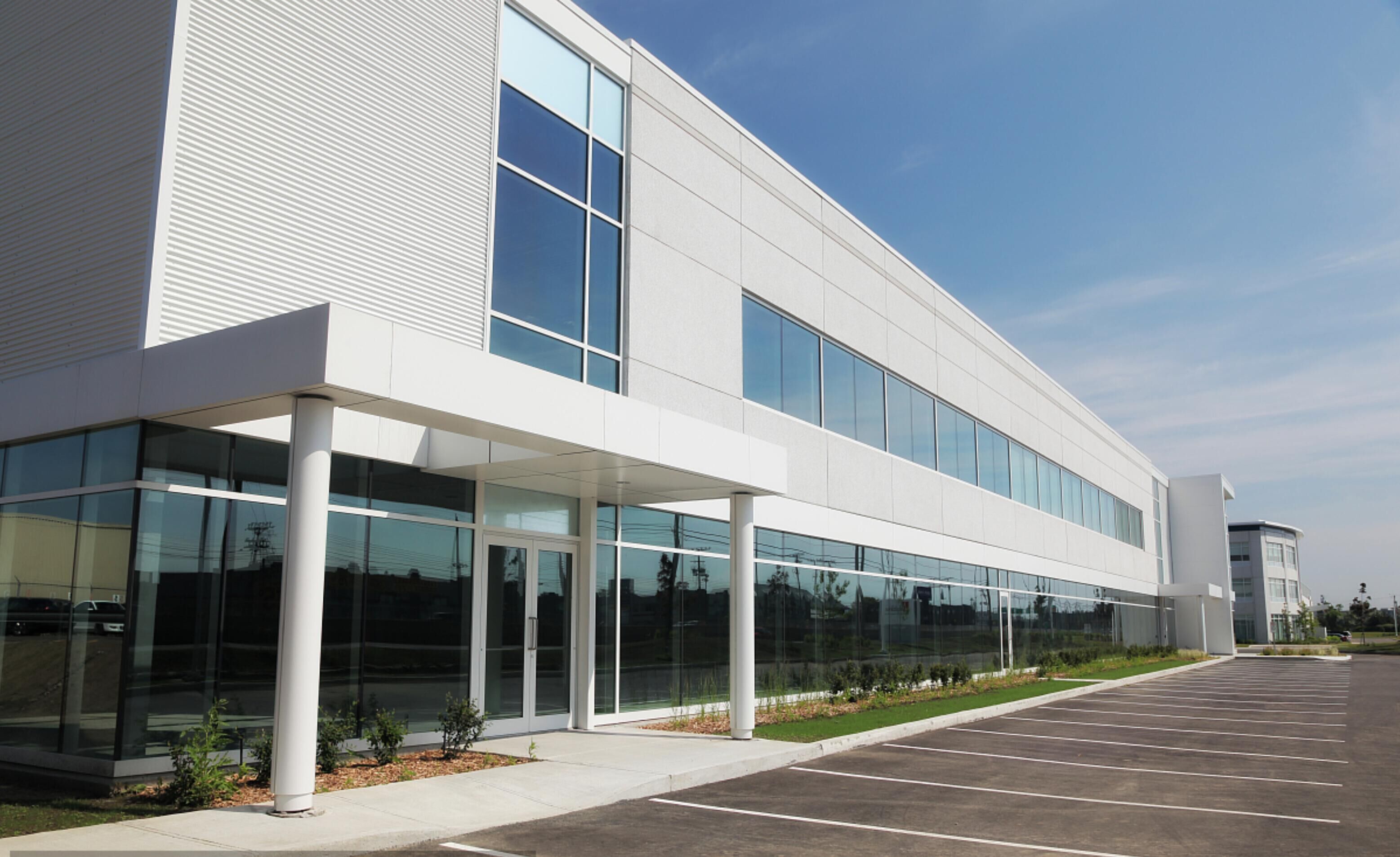
Huizhou KELO Glass Co., Ltd. operates as a verified manufacturer, not a trading intermediary. The factory is located at Gaotian Village, Zhenlong Town, Huiyang District, Huizhou, Guangdong, China, with 101–200 employees, 10k–30k m² of floor area and an annual output value of US$50–100M. Its production platform covers cutting, water-jet cutting, CNC machining, drilling, edge polishing, laser engraving, silk-screen printing, sandblasting, flat and curved tempering, AR/AG/AF/ITO coating, 2.5D/3D forming and 3M adhesive bonding.
The company has 6 years of verified exporter status on Alibaba.com, a 4.9/5 store rating, a 98.18% reply rate and Trade Assurance support. Samples can start from 1–2 pieces, and bulk lead time is typically 21–31 days after sample approval, depending on size, coating stack, curved forming and printing complexity.
- In-house production reduces handling damage and finger-pointing.
- Engineering review supports DFM, tolerance and coating selection.
- 100% appearance inspection and three inspection gates before shipment.
- Export packing with honeycomb cartons, blister trays and partitions.
- FOB, CFR, CIF, EXW and DDP terms available for international buyers.


Factory-Direct Cost Structure
One accountable supplier for glass cutting, processing, coating, printing and packing removes middleman margins and reduces handover delays.
Surface Engineering Depth
AR, AG, AF and ITO/FTO coatings are core capabilities, not outsourced add-ons. Buyers can specify optical and functional performance with engineering review.
OEM & ODM Support
Size, shape, color, logo, holes, 2.5D/3D curved forming and 3M adhesive bonding can be customized to drawings or samples.
Three Quality Gates
Incoming inspection, in-process control and final inspection cover 100% appearance checking, tempering, adhesion, abrasion and salt spray tests.
Fast Technical Response
Typical response time is under one hour. For Caloocan buyers working across time zones, written drawing feedback and sample planning reduce tender risk.
Export-Grade Packing
Custom honeycomb cartons, blister trays and partition packing help protect glass from Manila port handling through final delivery in Caloocan.
How a Custom Glass Project Moves from Drawing to Caloocan
A transparent process is especially important for first-time imports. The workflow below keeps the sample, specification and mass-production release aligned.
Share Requirements
Send drawing, sample or target specification, application, annual volume, destination and packaging expectations.
Engineering Review
DFM feedback on thickness, tolerance, coating stack, print, edge work, cost drivers and shipping risk.
Rapid Prototype
Samples can start from 1–2 pieces so fit, optics and surface performance can be validated.
Validation
Approve appearance, dimensions, coating readings, print color and packing method before mass production.
Mass Production
Typical bulk lead time is 21–31 days after approval, depending on complexity and volume.
Packing & Shipping
Export packing, carton marking, loading plan and shipping documents support delivery to Manila or Caloocan.
Caloocan Buyer FAQ: Laminated Glass & Factory-Direct Sourcing
These are the questions most often raised by contractors, distributors and project buyers evaluating a China wholesale laminated glass factory for Caloocan delivery.
Can you ship laminated glass and custom glass panels to Caloocan or Manila?
What is the minimum order quantity for custom laminated or coated glass?
What lead time should a Caloocan buyer plan for?
What should be included in an RFQ for laminated safety glass?
Should I choose ITO or FTO conductive glass?
How is quality controlled before shipment?
Which trade terms and payment methods are accepted?
Do you provide installation in Caloocan?
Who handles Philippine duties, taxes and customs clearance?
Request a Caloocan-Ready Laminated Glass Quote & Catalog
Send your drawing, target performance, estimated annual volume and delivery destination in Caloocan or Metro Manila. KELO’s engineering and export team will review the glass build-up, coating or print requirements, packing plan and shipping terms, then recommend the most practical factory-direct solution.