KELO Glass verified manufacturing capabilities
Why German buyers source LED cover glass differently
Germany’s electronics, automotive, medical and industrial supply chain rewards clarity. A cover glass that looks acceptable on a sample table can still fail at the assembly line if the coating stack is not repeatable, the edges are not controlled, or the documentation is incomplete.
A German OEM, Tier 1 supplier or specialist wholesaler usually evaluates an LED cover glass supplier on four dimensions: optical performance, mechanical reliability, process transparency and procurement continuity. A low unit price is only useful when all four are stable. For a distributor in Germany, the real cost of a poor cover glass decision is not the invoice value of the glass itself; it is line stoppage, rework, end-of-line rejection, delayed installation and the engineering time needed to prove that the non-conformance was not caused by the display module.
KELO Glass manufactures in Huizhou, Guangdong, inside China’s Greater Bay Area electronics cluster, and exports to Europe. The company is a verified manufacturer rather than a trading company. Core operations include cutting, CNC machining, edge polishing, laser engraving, silk-screen printing, sandblasting, flat and curved tempering, AR / AG / AF / ITO / FTO coating, 2.5D / 3D curved forming and 3M adhesive bonding. For German buyers, that integrated flow reduces handling damage and shortens the loop between drawing review and shipment.
The factory occupies 10,000–30,000 m², has a touch cover glass capacity of 20–25 million pieces per year, employs 101–200 people and maintains 21–30 R&D engineers. Annual output value is reported at US$50–100 million. The commercial profile is supported by a 4.9/5 store rating, a 98.18% reply rate, a typical response time of one hour or less and Trade Assurance support. Those facts matter when a German buyer needs a repeatable wholesale programme rather than a one-off marketplace purchase.
This is the practical meaning of a China wholesale LED cover glass supplier and wholesaler serving Germany: the supplier must combine factory-direct engineering with export documentation, protective packing, consistent optical measurement and a clear escalation path when the drawing changes.
German enquiry priority index
Qualitative ranking from custom cover-glass enquiries; not a statistical survey.
Use this index as a discussion tool for RFQ priorities, not as a market forecast.
8 LED cover glass and optical glass products for German projects
These eight product families cover the common needs of German wholesalers, industrial distributors, display integrators and optical laboratories: anti-reflective display glass, printed tempered keypads, anti-glare touch panels, conductive glass, protective covers and gaming glass components.
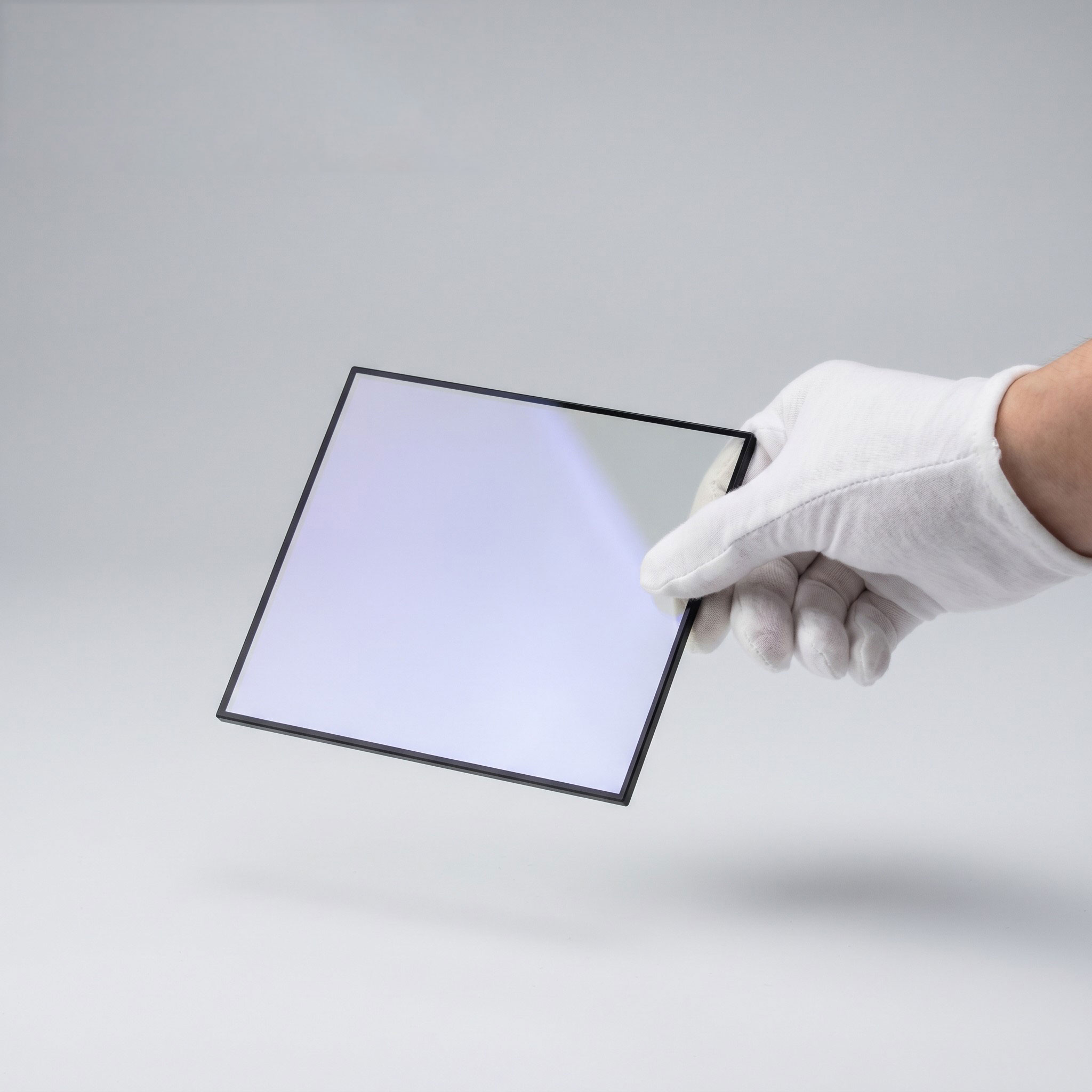
High Transmittance 98% Anti-Reflective AR Glass for Museum Showcase Luxury Picture Frame Low Reflectance Coated 1mm-19mm
For museum vitrines, gallery framing, luxury retail and premium displays where reflections hide colour and detail.
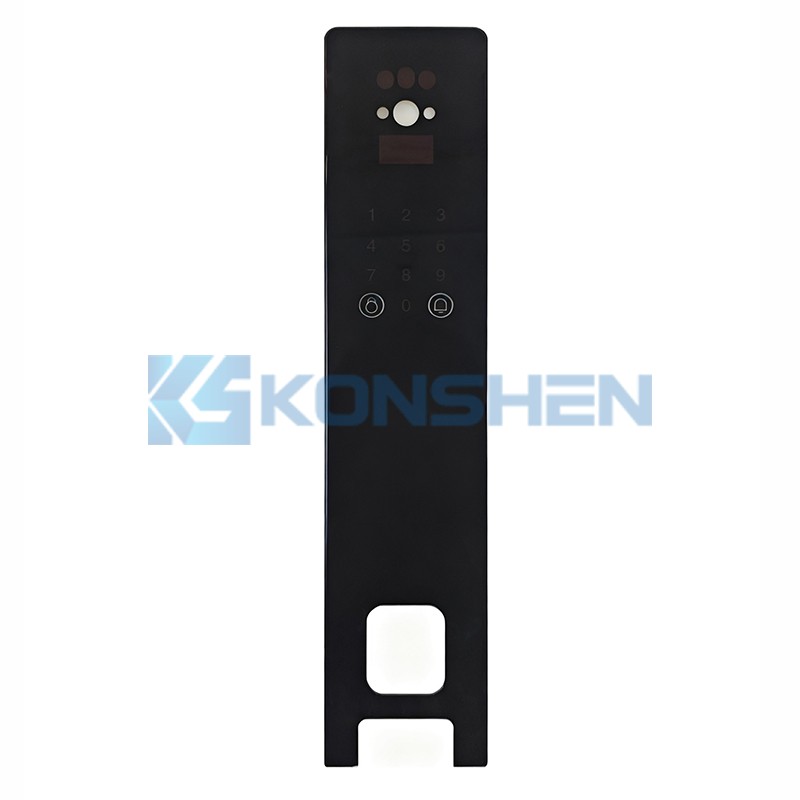
Electronic Tempered Glass Film Custom Printed Rectangular Panel Digital Keypad for Smart Door Lock
Printed tempered glass for keypads, access control, smart locks and building hardware with custom icons and apertures.
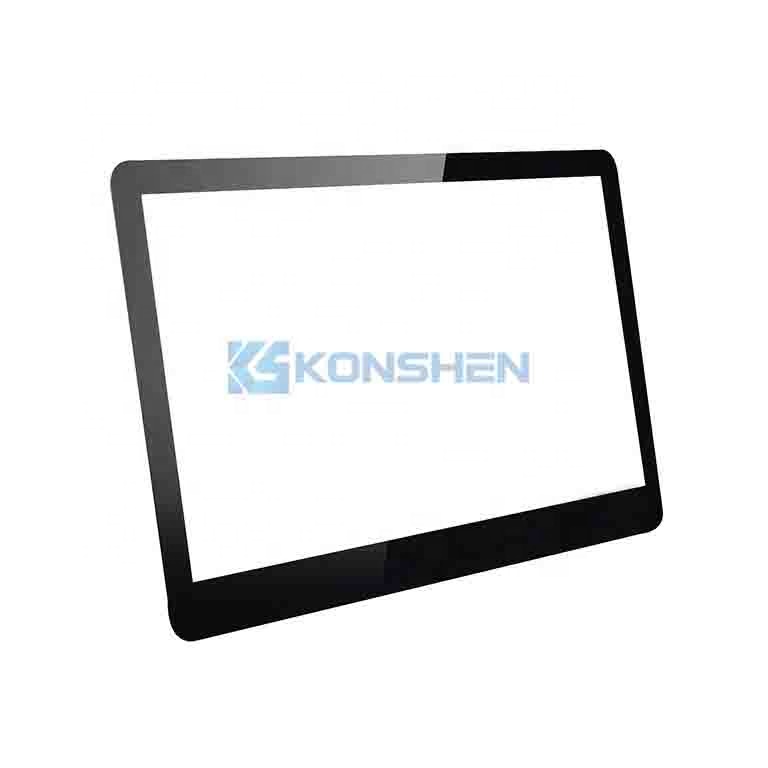
2mm 3mm Solid/Hollow Anti-Glare Chemical Tempered LCD Touch Screen Protection Cover Glass Silk Screen Printed European Style
Anti-glare, chemically tempered LCD protection with solid or hollow shapes and European-style silk printing.
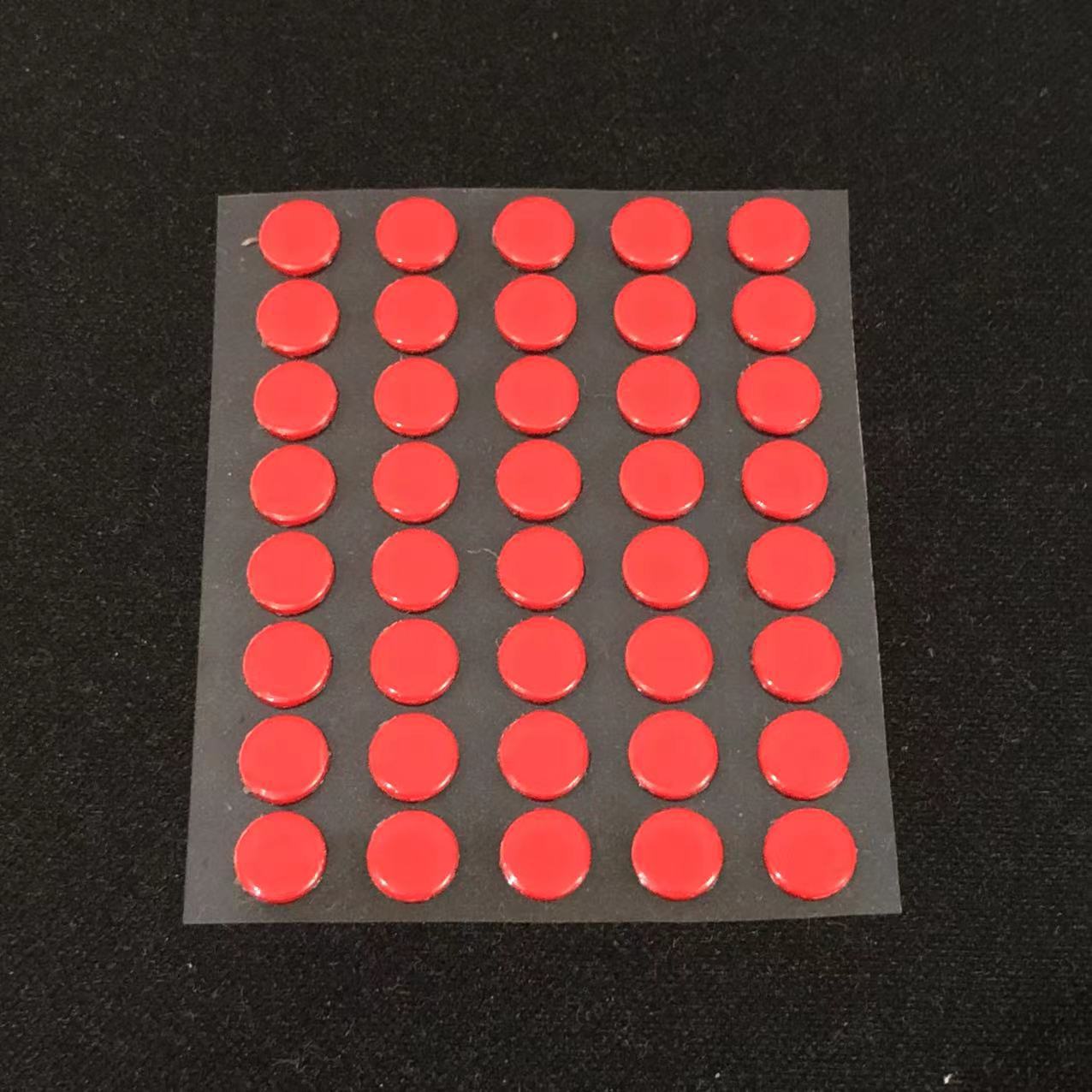
Factory Price Round Red Mouse Sticker Pads Universal Glass Mouse Skates with Small Dot PTFE Non-slip Mouse Feet
Wholesale gaming accessories with consistent glide, accurate fit and a practical retail-ready format.
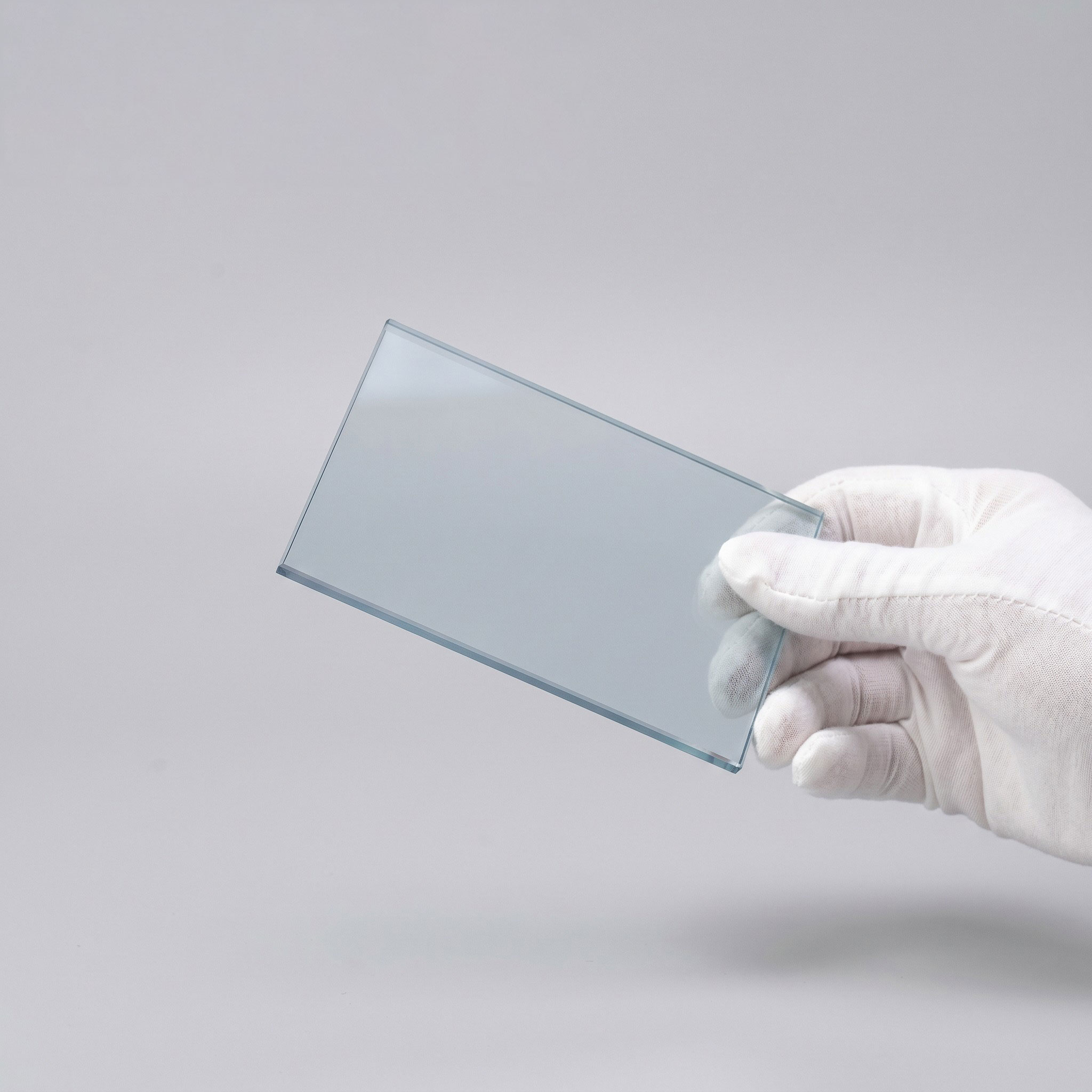
High Temperature Resistance Fluorine Doped Tin Oxide FTO Conductive Glass Solar Cell Substrate DSSC Perovskite Lab Research
FTO substrates for DSSC, perovskite and thin-film solar research where thermal and chemical stability matter.
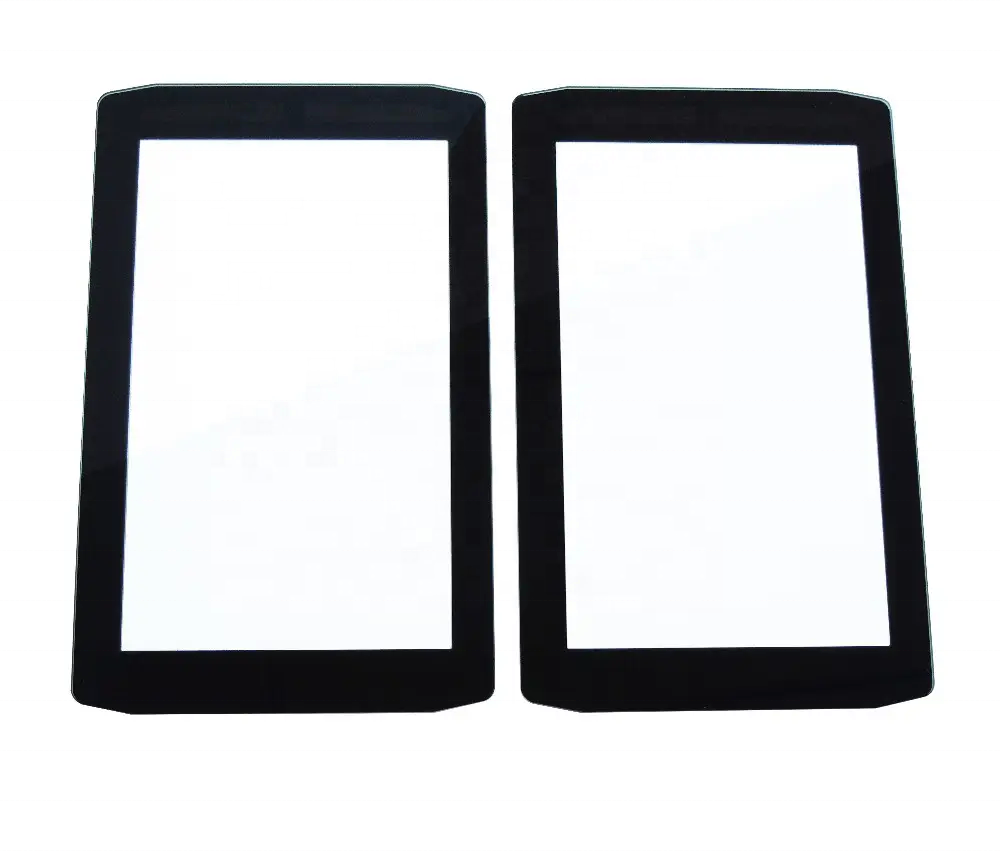
AG High Quality Solid Tempered Glass Anti-Glare Digital Screen Display Customizable Touch Screen Panel Factory Direct Outdoor
Outdoor AG tempered touch glass for kiosks, EV chargers and industrial displays exposed to strong daylight.
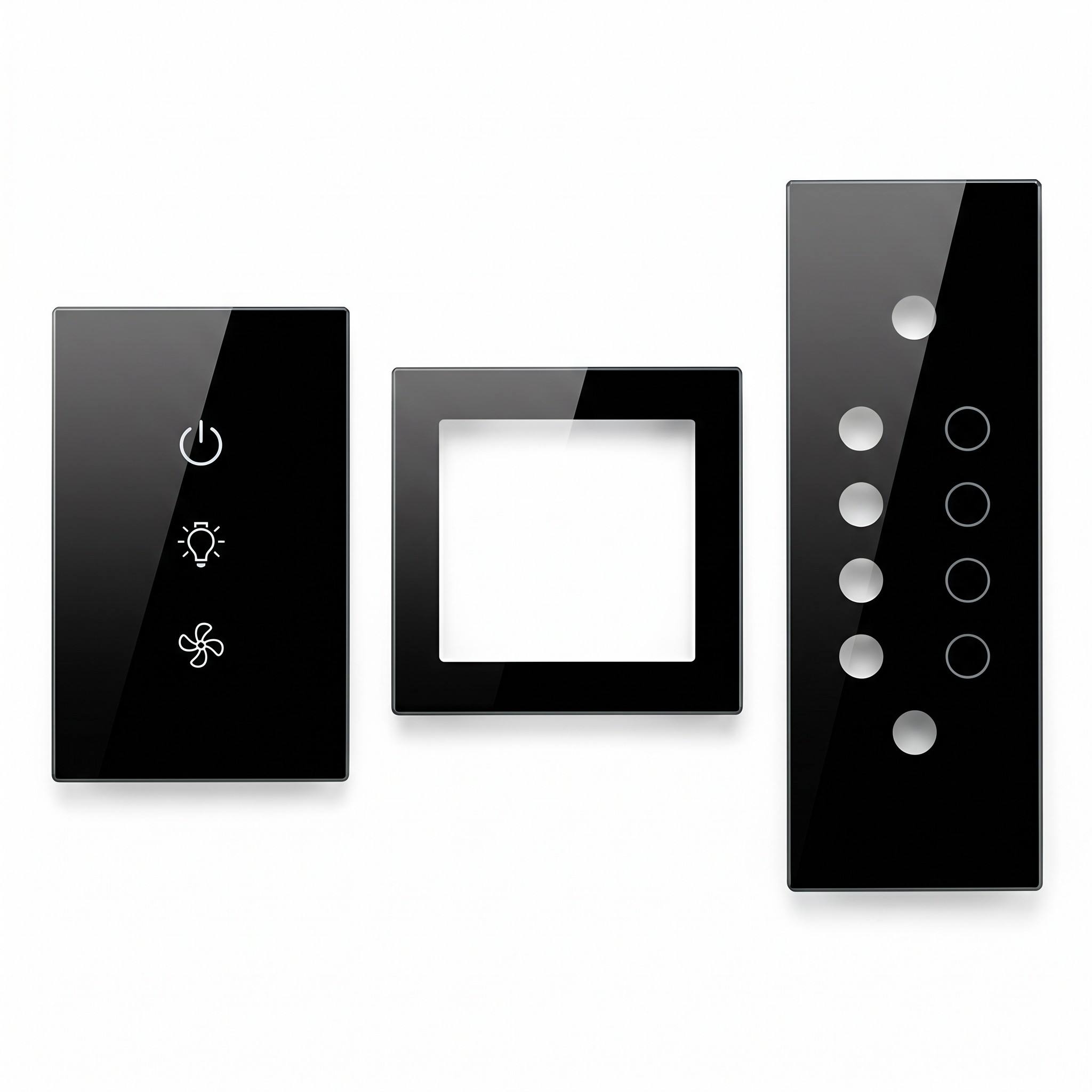
Tempered Glass Front Shield Cover Panel Custom Size Electronic Display Protection Sheet for Smart Device Konshen KS GB002
Custom display front shields for electronic enclosures, smart devices and control modules made to drawing.

Factory Customized Anti-fogging Anti Reflective Glass Ultra Thin Tempered Toughened Optical ITO FTO Conductive Glass for Lab
Ultra-thin optical glass with anti-fog, anti-reflective and conductive options for laboratory and sensor assemblies.
Where LED cover glass is specified across Germany
Germany is not a single market. A cover glass used in a Bavarian automotive display programme has different requirements from one used in a Berlin smart-building panel or a laboratory substrate in Baden-Württemberg.
Automotive & EV charging
German automotive and charging infrastructure programmes need low reflectance, scratch resistance and stable haze through temperature cycles. AR and AG tempered glass helps centre stacks, chargers and cluster displays remain legible without increasing brightness.
Industrial automation & HMI
Machine builders and automation suppliers need touch windows that survive coolants, cleaning agents and repetitive operation. Chemically strengthened AG glass with 100% appearance inspection reduces line-side rejects and field complaints.
Medical, laboratory & optical
Anti-reflective, anti-fogging and conductive glass supports diagnostic windows, lab enclosures, sensor covers and perovskite research. Traceability and sample consistency matter as much as the optical target when a German institution validates a new set-up.
Smart buildings & security
Printed tempered keypads, door-entry panels and appliance control glass combine decoration with protection. AF coating and accurate icon printing meet German expectations for cleanability, tactile separation and long service life.
Four shifts shaping German cover glass procurement
The strongest suppliers will not simply quote a glass size. They will help German buyers connect optical performance, compliance evidence and supply continuity into one approval package.
Documentation is part of the product
German procurement teams increasingly ask for material declarations, inspection records, coating measurement reports and clear packing lists. A supplier that treats documentation as an afterthought creates approval risk.
Daylight readability replaces brute brightness
AR and AG coatings allow LED and display systems to remain readable in daylight without simply increasing power. This supports energy-efficiency goals in kiosks, chargers, vehicles and smart-building interfaces.
Resilient sourcing with engineering depth
German buyers continue to value local assembly and service, but custom glass often comes from verified Asian factories. The winning model is not a broker chain; it is direct engineering contact, DFM feedback and repeatable export terms.
Premium surfaces are the new baseline
Edge-to-edge design, 2.5D and 3D shaping, anti-fingerprint performance, hidden printing and protective packaging are moving from premium options to expected features in German product briefs.
How to read an LED cover glass quotation beyond unit price
A quotation is only comparable when it states measurement conditions. The following performance windows reflect KELO production capability and should be used to start a technical discussion, not as a substitute for drawing approval.
| Coating / glass | Key performance window | Typical German application |
|---|---|---|
| ARAnti-reflective | Reflectance <1.0% per side · Transmittance >99% at 400–700 nm · single or multi-layer | Automotive touch displays, medical monitors, museum showcases, optical windows |
| AGAnti-glare | Controllable haze 5–60% · gloss 0.5–8 GU | Outdoor kiosks, EV chargers, industrial HMI, sunlight-readable screens |
| AFAnti-fingerprint | Water contact angle >110° · pencil hardness >3H · transmittance >98% · durability >10,000 cycles | Touch control panels, smart home glass, appliance interfaces |
| ITOIndium tin oxide | Sheet resistance 1–20 Ω/sq · transmittance >85% · haze <2% | Capacitive touch sensors, displays, EMI shielding |
| FTOFluorine-doped tin oxide | Sheet resistance 1–20 Ω/sq · transmittance >85% · haze <2% | Thin-film solar cells, high-temperature laboratory processes |
| CombinedAR+AG / AG+AF | Stacked functions on one substrate · cosmetic grade per 60/40 scratch-dig | Premium in-vehicle interfaces, outdoor touch terminals, premium appliances |
What to include in a German RFQ
Send these details with your drawing so engineering can review feasibility before quoting.
- Substrate, thickness and overall tolerance
- 2D drawing, 3D step file or approved sample
- AR / AG / AF / ITO / FTO target and test method
- Haze, gloss, sheet resistance and operating temperature
- Print colours, icon apertures and edge treatment
- Adhesive, protective film and packing requirement
- Annual volume, first order quantity and target Incoterm
- Compliance checklist for RoHS, REACH or customer PPAP requests
One factory, every critical process
Outsourcing steps adds handling damage, delays and finger-pointing. Keeping cutting, CNC, printing, tempering, coating and bonding under one roof lets KELO control tolerances from raw sheet to packed carton. For a German wholesale programme, that means fewer hand-offs and a clearer owner for corrective action.
The company processes Gorilla glass, borosilicate glass, quartz glass, sapphire glass, ceramic glass, lead shielding glass and laminated safety glass. Specialty materials can be combined with optical coating, silk-screen printing, 2.5D or 3D forming and 3M adhesive bonding to match the assembly method used by the customer.
Cutting
Water-jet and precision cutting.
CNC & drilling
Holes, slots and edge geometry.
Edge polishing
Controlled chamfer and surface finish.
Printing
Silk-screen, laser and sandblasting.
Tempering
Flat and curved strengthening.
Coating
AR, AG, AF, ITO and FTO.

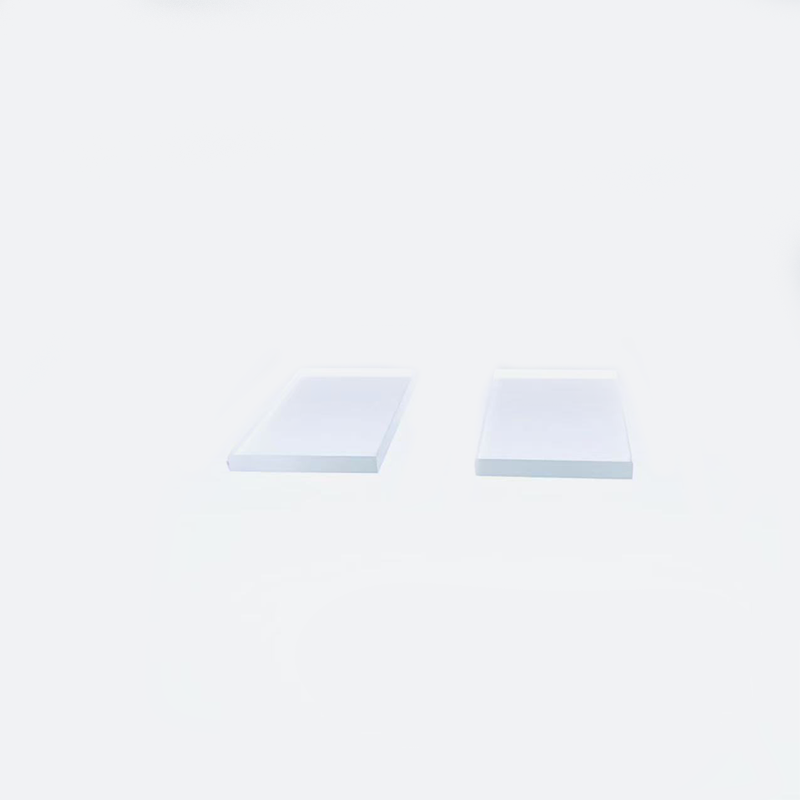
Quality is controlled at incoming, in-process and final gates: thickness and flatness checks, surface defect screening, CNC dimension verification, tempering and strength tests, coating adhesion and abrasion testing, salt spray reliability testing and 100% appearance inspection. Custom honeycomb cartons, blister trays and partition packing are used to minimize transit damage to Germany.
From German drawing to validated glass shipment
A transparent process reduces the risk that sample performance does not match mass production. KELO reviews the drawing for design-for-manufacture issues before quoting and confirms the measurement method before sample approval.
1. Share requirements
Send drawing, sample or target spec, annual volume and destination in Germany.
2. Engineering review
DFM feedback on tolerance, coating stack, printing and cost drivers.
3. Rapid prototype
Samples from 1–2 pieces so the design can be checked before volume commitment.
4. Validation & mass production
Fit, optics and reliability approved; bulk lead time is typically 21–31 days after sample approval. Trade terms include FOB, CFR, CIF, EXW and DDP.
Common procurement questions from Germany
Straight answers for wholesalers, OEMs, Tier 1 suppliers and technical distributors evaluating a China-based LED cover glass manufacturer.
Are you a manufacturer or a trading company?
Can I get a sample to Germany before bulk production?
What is the MOQ for custom LED cover glass?
Which documents can you provide for German procurement?
Do you ship DDP to Germany?
How do you control optical and cosmetic quality?
Can you customize size, printing, holes, curves and adhesive?
What packing standard is used for export to Germany?
Have a drawing, a stack-up or a target specification?
Send it to our engineering team. We will review feasibility, recommend the most cost-effective glass and coating route, and confirm sample lead time before you commit to volume. For German wholesale programmes, please include annual demand, target Incoterm and the compliance checklist you need for internal approval.