Commercial Display Glass Manufacturers & Exporter for Seattle
Factory-direct AR, AG, AF, ITO/FTO and tempered cover glass for Seattle retail, transit, waterfront, healthcare, aerospace and smart-building displays. Engineered in Huizhou, exported to North America with drawing review, 1–2 pc samples and 21–31 day mass production.
Eight Display Glass Products for Seattle Buyers
These export-ready products map directly to common Seattle and Puget Sound commercial display requirements: outdoor readability, rain and humidity, cleanable public touch, curved automotive and HMI form factors, printed control panels and gaming peripheral glass. Each product link is preserved from the original catalogue.
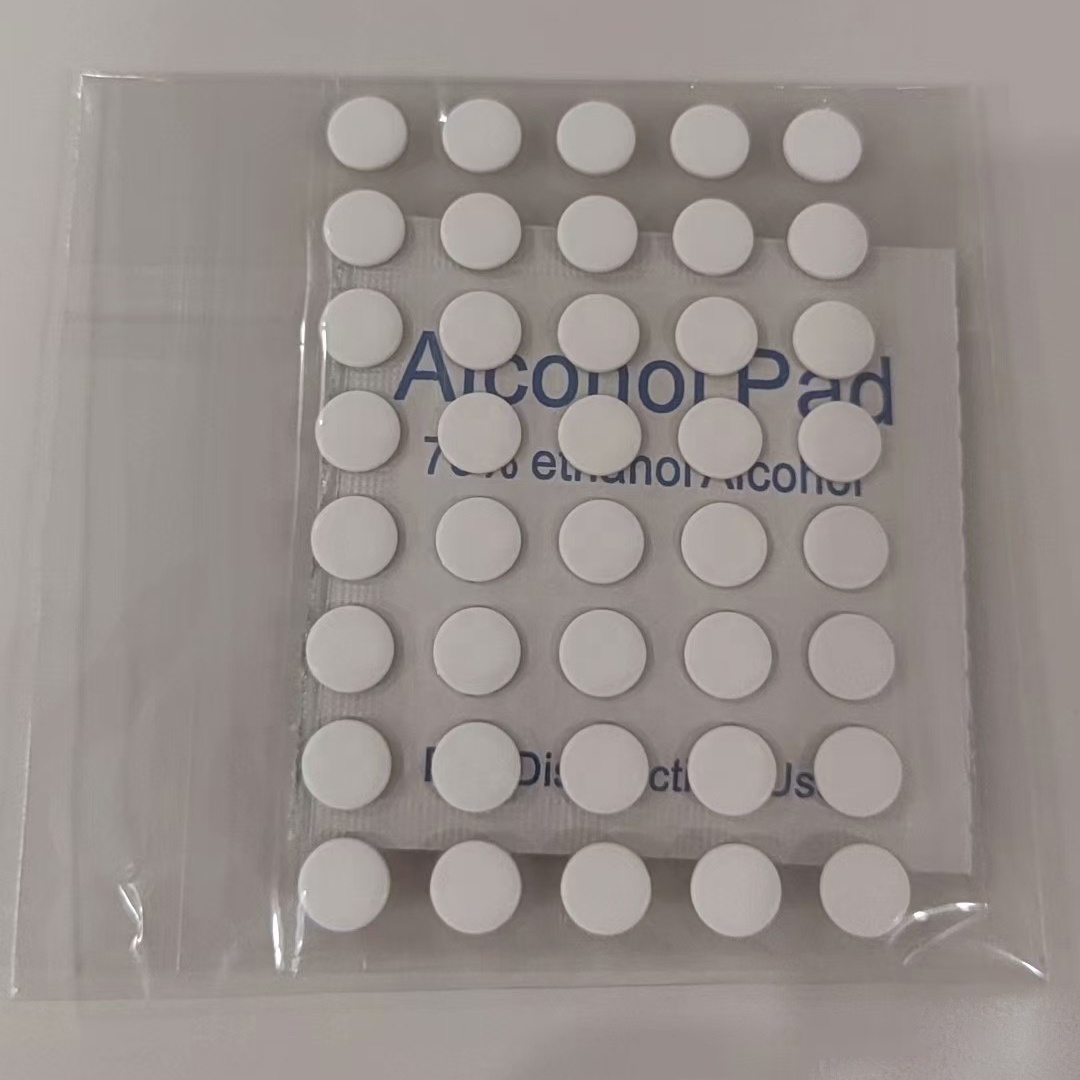
PTFE Round Gaming Mouse Glides Mouse Skate Dots
Small-dot PTFE skates for glass mouse pads and gaming peripherals, engineered for low-friction glide, quiet movement and OEM packaging.
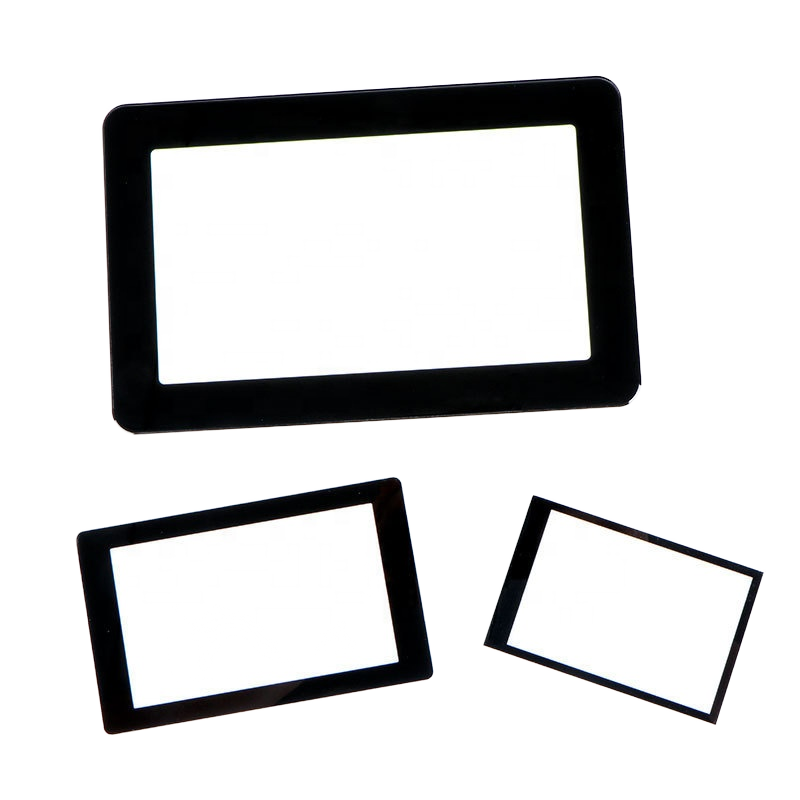
Wholesale Left Right Switching Control 0.2mm 5mm Soda Lime Extra Clear Tempered Glass Touch Screen Panel Outdoor Gym Waterproof
Extra-clear soda-lime touch panel glass for wet outdoor gyms, public kiosks and controlled-environment interfaces, with left/right switching control configuration.
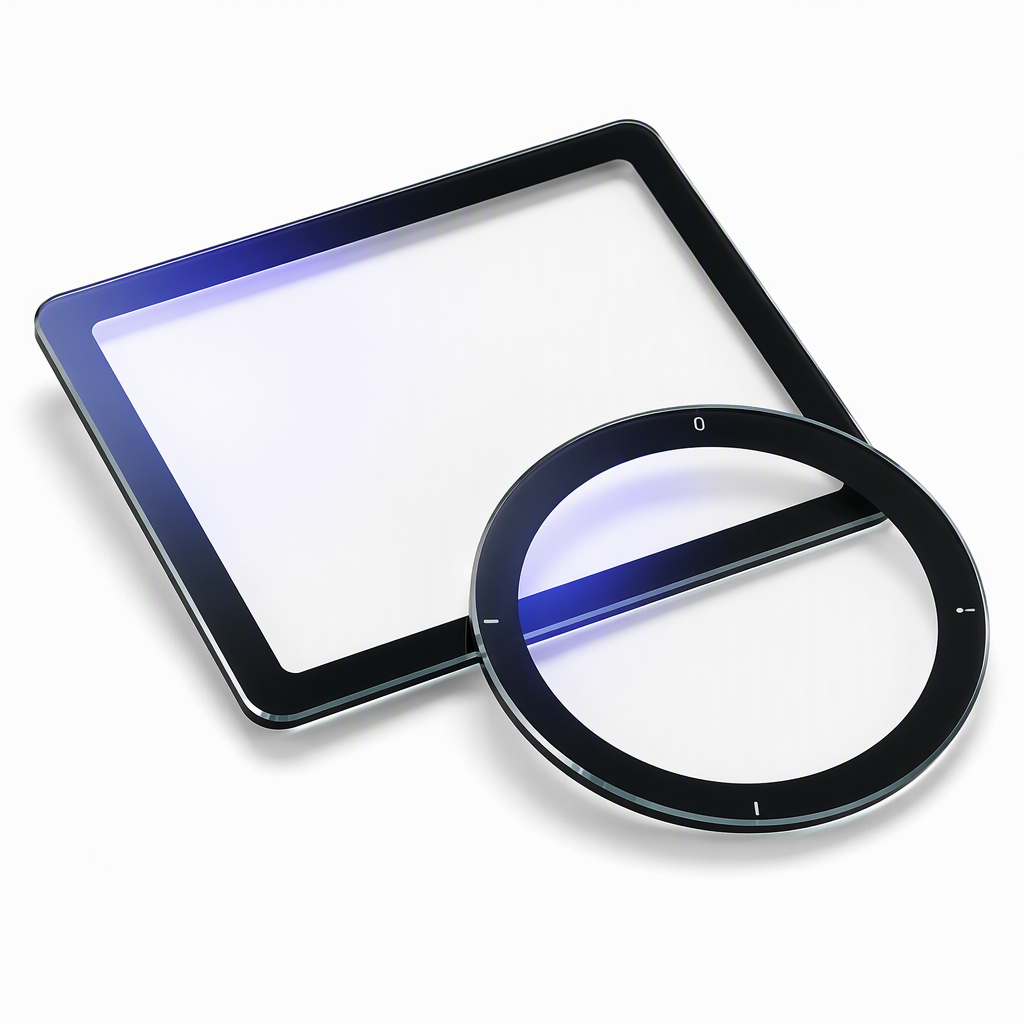
Custom Tempered Glass Toughened Glass Panels Low Iron Display Cover Glass AR Coating Factory Supply Customized Size
Low-iron display cover glass with AR coating for high-clarity signage, medical monitors and premium retail displays where colour neutrality matters.
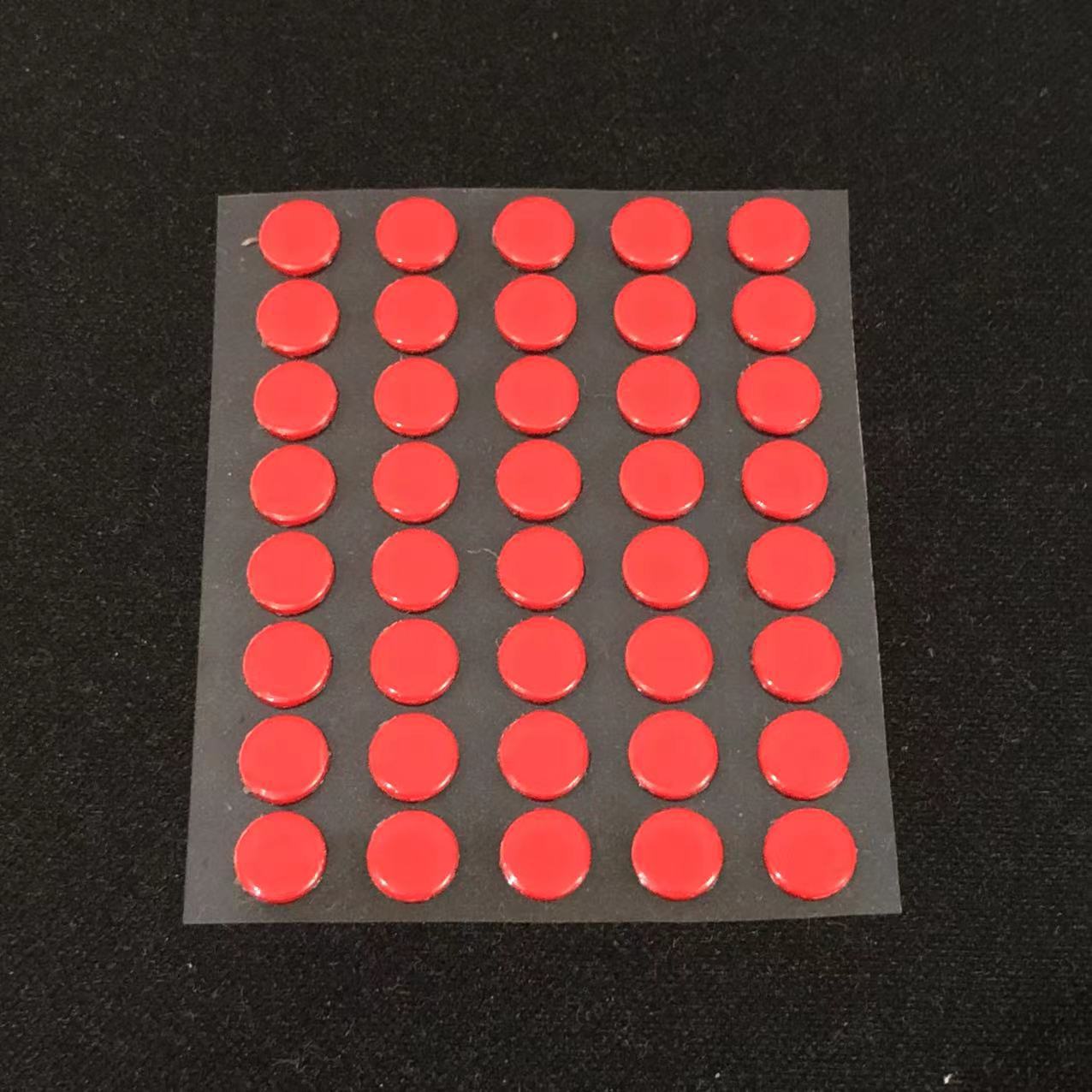
Factory Price Round Red Mouse Sticker Pads Universal Glass Mouse Skates with Small Dot PTFE Non-slip Mouse Feet
Red dot mouse skates and non-slip adhesive feet for gaming peripherals, suitable for brands that need consistent glide and custom packaging.
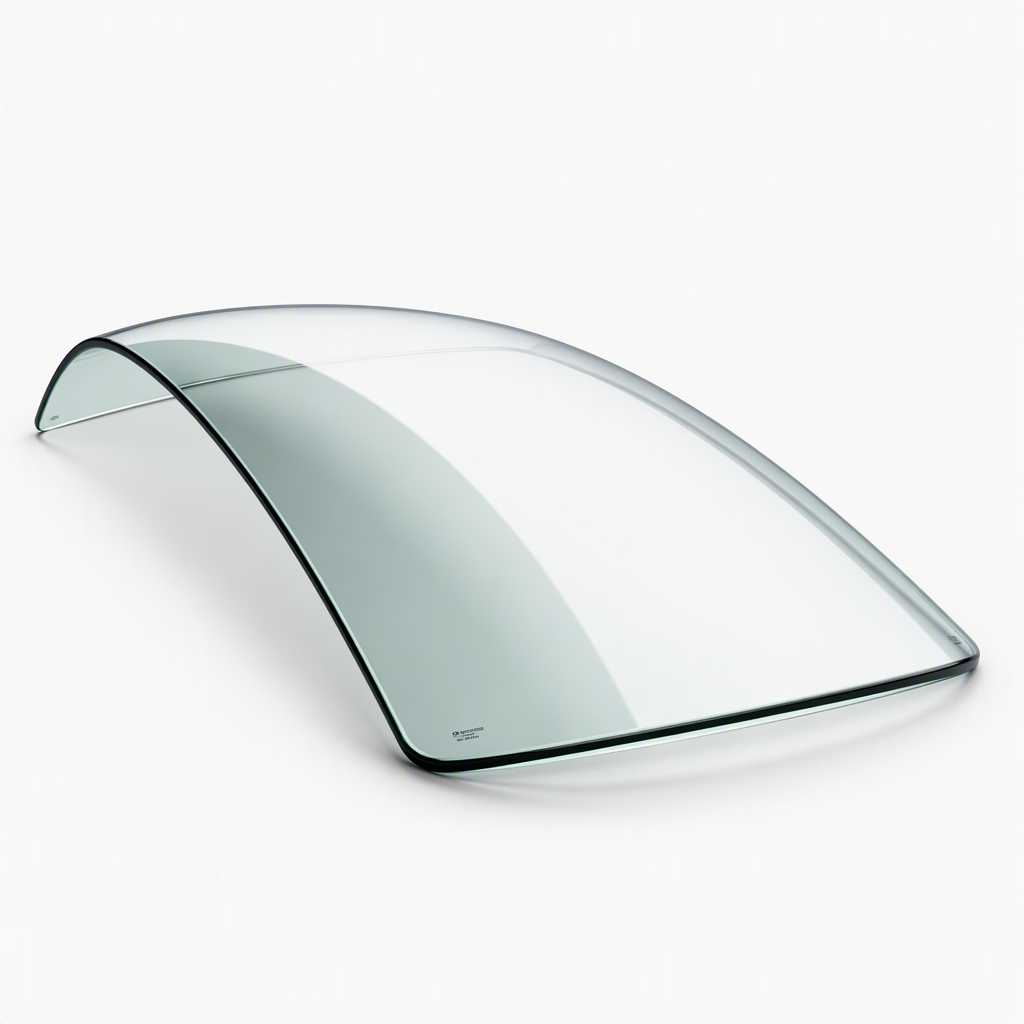
Hot Bent Glass Curved Tempered Glass Panel Small Radius Arc Shaped Custom Curved Glass For Automotive Display OEM ODM
Small-radius curved tempered glass for automotive displays and industrial HMI, supporting OEM/ODM forming, edge finishing and printed graphics.
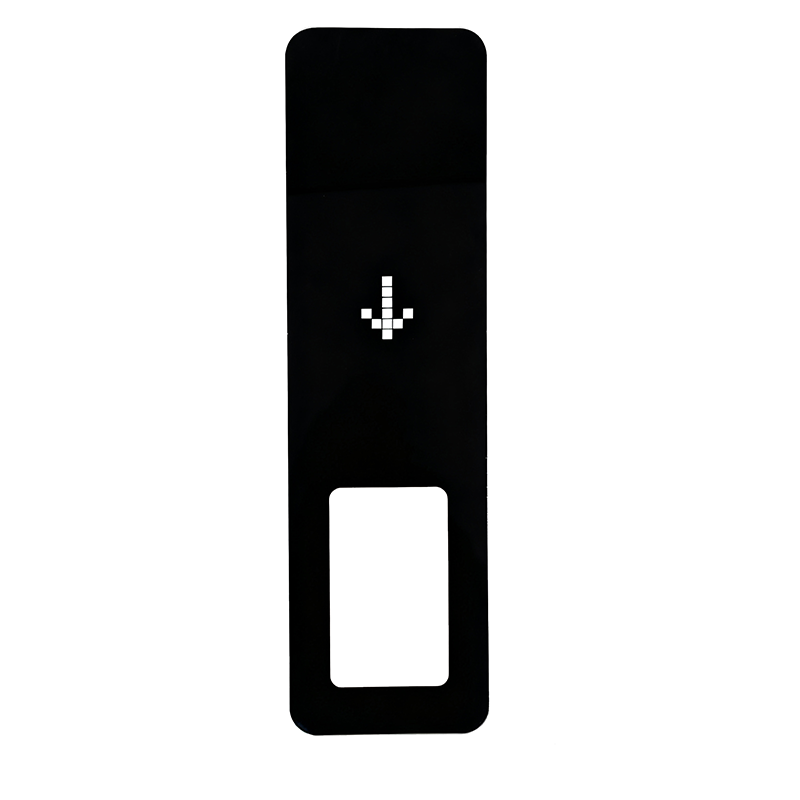
Customized Cutting Elevator Indicator Arrow Printing Touch Smart Control Elevator Panel Use Electronics Screen Glass Instrument
Printed elevator indicator and smart-control touch panel glass with arrow graphics, CNC cutouts and integration-ready silk-screen printing.

Factory Customized Anti-fogging Anti Reflective Glass Ultra Thin Tempered Toughened Optical ITO FTO Conductive Glass for Lab
Anti-fog and AR ultra-thin conductive glass for laboratory, medical and sensor applications, available with ITO or FTO coatings.
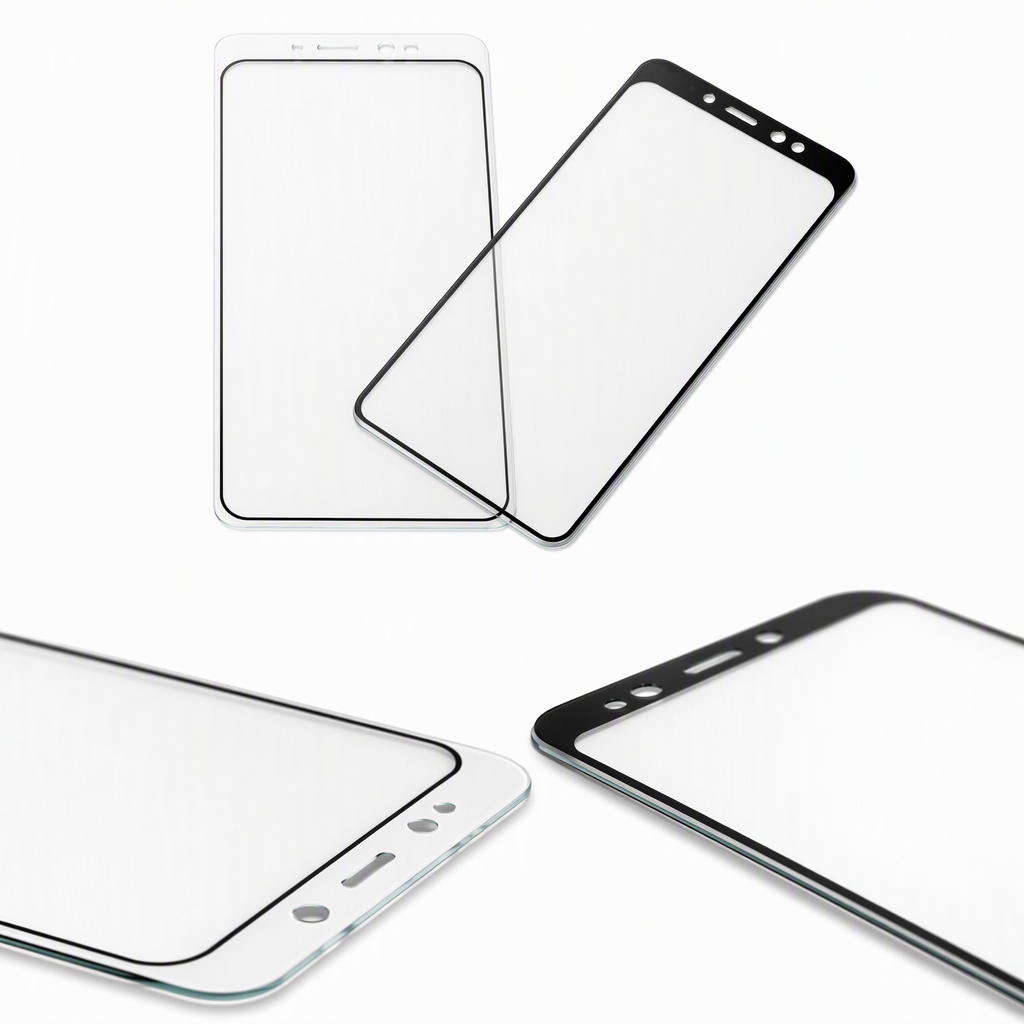
Toughened Glass Panel No Coating CNC Hole Drilling Irregular Shape Silk Screen Printed Custom Size Wholesale Supplier
Uncoated toughened panels with CNC holes, irregular outlines and silk-screen graphics for commercial fixtures, control interfaces and display housings.
Commercial Display Glass for Seattle: What the Local Market Actually Needs
Seattle is not a single lighting environment. A display facing east in South Lake Union at 8 a.m. sees a different glare profile from a waterfront kiosk at Pier 62 or a hospital corridor in First Hill. The Puget Sound region combines a low winter sun, long overcast periods, rain-driven humidity and salt-laden air near the water. That is why a commercial display glass specification for Seattle should be written around the installation, not only the screen size.
For a Seattle display integrator, architect or OEM, glass is the interface between the product and the public. A façade screen that looks brilliant on a dry day can turn into a mirror at 3 p.m. in December. A waterfront kiosk can fog internally after a cold night. A hospital touch panel can lose clarity after repeated cleaning. A transit information panel can collect fingerprints and rain spots until the content becomes harder to read than the hardware specification suggests.
AR, AG, AF and tempered glass solve different problems. AR anti-reflective coating helps when the viewer must see through the glass to a display, lens or sensor. AG anti-glare treatment helps when the glass itself is reflecting bright sky or interior lighting into the viewer’s eyes. AF anti-fingerprint coating helps when the public touches the panel and the surface must stay cleanable. Tempered or chemically strengthened glass helps when the panel is in a public, transit or industrial environment where impact and vandal resistance matter.
Seattle buyers should ask suppliers to state measurable values: reflectance per side, transmission across 400–700 nm, haze percentage, gloss level, water contact angle, sheet resistance, haze of conductive glass, tempering standard and the inspection method used. A generic “anti-glare” or “anti-fingerprint” label is not a specification. This is where a factory-direct exporter with in-house coating, CNC, printing and tempering capability provides more useful engineering feedback than a catalogue-only intermediary.
Port logistics also matter. Shipments to Seattle and Tacoma should be packed for ocean, air or LTL handling, with edge protection, partition packing and moisture-aware packaging where condensation is a risk. KELO supports FOB, CFR, CIF, EXW and DDP terms, plus T/T, L/C, PayPal and Western Union payment, so Seattle buyers can match the glass shipment to their existing customs and logistics workflow.
Information gain for Seattle RFQs
- Specify reflectance per side and transmission, not only “clear glass”.
- Define AG haze and gloss for outdoor readability and image sharpness.
- Request AF contact angle and abrasion cycles for public touch panels.
- Ask for edge sealing, anti-fog and salt-spray discussion for waterfront sites.
- Confirm packing method and delivery terms before comparing unit price.
Where Seattle-Area Commercial Display Glass Is Specified
From downtown retail to ferry terminals and aerospace suppliers, the same glass category can require very different coatings, strength and packaging. These application scenarios help procurement teams brief engineering teams more precisely.
Downtown Seattle & Bellevue Retail Signage
Storefront digital signage and premium retail displays need low-iron glass, AR clarity and AG options that control reflections from glass façades and bright interiors without dulling brand colour.
Waterfront, Ferry & Outdoor Kiosks
Pier, ferry-terminal and park kiosks face rain, marine humidity and low-angle glare. Tempered waterproof touch panels with AG diffusion, anti-fog treatment and sealed edge design are more relevant than raw brightness alone.
Healthcare & Life Science Displays
South Lake Union, First Hill and UW-area medical environments need AR optical clarity, anti-fog behaviour and cleanable AF surfaces. ITO conductive glass can support sensor and shielding functions.
Transit & Smart Mobility
Link light rail, bus stops and mobility hubs need impact-resistant tempered glass, printable graphics and CNC cutouts that fit robust enclosures and accessible touch heights.
Aerospace & Industrial HMI
Everett, Renton and Kent-area industrial suppliers often need custom curved glass, ITO/FTO conductive layers, CNC holes and printed HMI panels with repeatable tolerances.
Gaming, Hospitality & Coffee Retail
Seattle’s gaming and café culture creates demand for glass mouse pads, PTFE skates, scratch-resistant coated glass and AF touch surfaces that stay presentable in high-use settings.
Puget Sound Display Trends That Affect Glass Selection
Seattle-area projects are increasingly evaluated on total visual performance and maintenance cost, not just the initial screen specification. These trends are shaping how architects, integrators and OEM procurement teams write glass requirements.
Low-angle glare & daylight harvesting
Long winter sun angles and bright overcast skies make specular reflection a year-round issue. AG diffusion and AR transmission should be selected with the installation orientation in mind.
Rain, marine humidity & condensation
Waterfront and ferry deployments need anti-fog options, sealed edge discussion, salt-spray awareness and packaging that protects glass through damp transport and storage.
Touch hygiene & cleanability
Public touch panels are expected to resist fingerprints and repeated cleaning. AF contact angle, abrasion resistance and chemical compatibility matter in healthcare and hospitality.
Smaller batches & Seattle/Tacoma logistics
Renovation cycles and custom enclosures favour rapid samples, flexible sizes and DDP or FOB options that align with local installers and customs brokers.
Use Measured Coating and Substrate Windows in Your RFQ
Surface treatment is the core strength behind KELO’s commercial display glass. These performance windows can be used directly in a drawing note or RFQ discussion. Final targets are confirmed against the drawing during engineering review.
| Glass / Coating | Typical Performance Window | Seattle-Relevant Use |
|---|---|---|
| ARAnti-reflective | Reflectance <1.0% per side; transmittance >99% across 400–700 nm; single or multi-layer designs. | Medical monitors, premium retail displays, automotive touch screens and display windows. |
| AGAnti-glare | Controllable haze 5–60%; gloss 0.5–8 GU. | Waterfront kiosks, outdoor gym interfaces, transit signage and daylight-readable screens. |
| AFAnti-fingerprint | Water contact angle >110°; pencil hardness >3H; transmittance >98%; durability >10,000 cycles. | Public touch panels, hospital control surfaces, appliance glass and hospitality displays. |
| ITOIndium tin oxide | Sheet resistance 1–20 Ω/sq; transmittance >85%; haze <2%. | Capacitive touch sensors, EMI shielding and transparent conductive display layers. |
| FTOFluorine-doped tin oxide | Sheet resistance 1–20 Ω/sq; transmittance >85%; haze <2%. | Thin-film solar, laboratory glass and high-temperature processes requiring conductive stability. |
| Tempered / CurvedCustom fabrication | Thickness 0.1–19 mm; flat, 2.5D and 3D forming; CNC holes, printing, polishing and 3M adhesive bonding. | Custom transit enclosures, automotive displays, elevator panels and irregular commercial fixtures. |
Why KELO Glass Is a Practical Exporter for Seattle Buyers
Huizhou KELO Glass Co., Ltd. is a factory-direct manufacturer in Huizhou, Guangdong, inside China’s Greater Bay Area electronics supply chain. We produce touch screen cover glass, display cover glass and optical coated glass. Cutting, CNC machining, edge polishing, silk-screen printing, flat and curved tempering, coating and bonding run under one roof — one accountable supplier for glass, coating, printing, forming and packing.
Factory-direct, not a trading company
Verified manufacturer with a 6-year verified exporter profile, 4.9/5 store rating and 98.18% reply rate. Buyers deal with the production team, not an unknown middleman.
In-house surface engineering
AR, AG, AF, ITO and FTO coating are processed and inspected in-house. Combined stacks such as AR+AG and AG+AF are discussed against the actual viewing and cleaning conditions.
Engineering review before quotation
Drawings are reviewed for tolerance, edge profile, holes, screen printing, coating, curvature and packaging. This reduces late-stage changes after the sample is approved.
Rapid prototyping from 1–2 pcs
Samples let Seattle teams validate fit, optics, touch feel and coating performance before committing to volume. Bulk quantities are quoted per drawing.
Inspection gates and 100% appearance check
Incoming, in-process and final inspection are combined with tempering, adhesion, abrasion and salt-spray checks. Custom honeycomb cartons and blister trays reduce transit damage.
North America export terms and packing
FOB, CFR, CIF, EXW and DDP terms are supported, with T/T, L/C, PayPal or Western Union payment. Alibaba Trade Assurance is available for protected orders.
From Drawing to Seattle Delivery: Controlled Steps
A transparent, engineer-led process is designed to reach a validated sample quickly and scale without surprises. For Seattle buyers, the workflow should also clarify how the glass will be packed for damp climates and delivered through the Port of Seattle, Port of Tacoma or an air freight route.
Share requirements
Drawing, sample, target coating, annual volume, installation environment and destination.
Engineering review
DFM feedback on size, thickness, curvature, printing, coating and cost drivers.
Prototype & validation
Samples from 1–2 pcs; fit, optics, adhesion, abrasion and packing are checked.
Production & export
Typical 21–31 days after sample approval, followed by final inspection and shipping.
IQC
Raw glass and coating materials are checked for thickness, flatness, surface defects and material verification before production.
IPQC
CNC dimensions, hole positions, tempering, printing and coating adhesion/abrasion are checked at each production station.
FQC / OQC
100% appearance inspection, salt-spray reliability checks and final release before protective packing.
Packing validation
Honeycomb cartons, blister trays, partitions and desiccant options are selected according to size, edge exposure and route.
Questions Seattle Buyers Ask Before Ordering Display Glass
These answers are written for procurement teams, display integrators, OEMs and distributors comparing a factory-direct exporter with local distribution. They focus on the issues that most often affect sample approval, landed cost and installation risk.
Are you a manufacturer or a trading company?
KELO is a factory-direct manufacturer, not a trading company. Huizhou KELO Glass Co., Ltd. operates cutting, CNC, polishing, silk-screen printing, tempering, coating and bonding processes in Huizhou, Guangdong. This allows one accountable supplier for glass, coating, printing, forming, inspection and packing.
Can you send samples to Seattle before a volume order?
Yes. Sample orders can start from 1–2 pieces so your team can validate fit, optics, touch feel, coating performance and packing. Bulk quantities are quoted per drawing. For Seattle projects, we recommend testing the sample under the actual lighting, cleaning and humidity conditions where possible.
What is the typical lead time and shipping route to Seattle or Tacoma?
Mass production is typically 21–31 days after sample approval, depending on size, coating stack, curved forming and printing complexity. Shipments can be arranged by ocean or air freight, with FOB, CFR, CIF, EXW or DDP terms. Seattle and Tacoma port routing should include customs and inland delivery buffer in the project schedule.
Which glass is best for Seattle outdoor kiosks with rain and glare?
For many outdoor kiosks, tempered glass with AG anti-glare treatment is the starting point, because it diffuses reflections from bright sky and wet surfaces. If the display must be viewed through the glass, AR+AG can be considered. For public touch, add AF anti-fingerprint. Waterfront sites may also need anti-fog, sealed edge design and a waterproof touch assembly.
How should we plan for condensation and marine humidity?
Discuss anti-fog coating, enclosure sealing, desiccant strategy and packaging with your engineering team. Salt-spray testing and humidity testing can be requested for coastal installations. The glass alone cannot solve every enclosure issue, so the display housing, gasket and air exchange design must be reviewed together.
What custom options do you support?
Thickness from 0.1 mm to 19 mm is available. Customization includes size, shape, holes, colour, logo printing, 2.5D/3D curved forming, 3M adhesive bonding, AR/AG/AF coating, ITO/FTO conductive coating, low-iron glass, borosilicate, quartz, sapphire, ceramic and other specialty materials. Irregular CNC shapes and silk-screen graphics are also supported.
What quality documents and test reports can be provided?
Inspection records can cover incoming, in-process and final checks, including appearance, dimensions, tempering, coating adhesion, abrasion and salt-spray tests. Coating performance values such as reflectance, transmission, haze, gloss and contact angle can be discussed against the drawing. Final documentation should be confirmed during engineering review.
What are the MOQ, trade terms and payment methods?
Sample quantities can start from 1–2 pieces; bulk MOQ is quoted according to the drawing and production setup. Trade terms include FOB, CFR, CIF, EXW and DDP. Payment can be made by T/T, L/C, PayPal or Western Union. Orders placed through Alibaba.com can be protected by Trade Assurance.
Request a Seattle-Ready Commercial Display Glass Quote
Send your drawing, target AR/AG/AF performance, glass thickness, annual volume, installation environment and destination. Our engineering team will review feasibility, recommend the most cost-effective coating and substrate, and outline sample timing for Seattle, Bellevue, Tacoma, Everett or the wider Puget Sound region.
Get Catalog Factory-direct · OEM/ODM · 1–2 pc samples · AR/AG/AF/ITO/FTO · 21–31 day production