8 Recommended Products for Toronto Conductive Glass and Coated Glass Projects
Toronto buyers rarely need a generic catalogue sheet. They need a substrate, coating stack and finished part that can survive real installation conditions. The products below cover touch control, smart-home, outdoor display, AR/AG/AF optical coating and gaming peripheral applications.

High Transmittance 98% Anti-Reflective AR Glass for Museum Showcase Luxury Picture Frame Low Reflectance Coated 1mm-19mm
Recommended for Toronto galleries, retail displays, museum showcases and premium frames where reflection control protects color fidelity and viewing comfort.
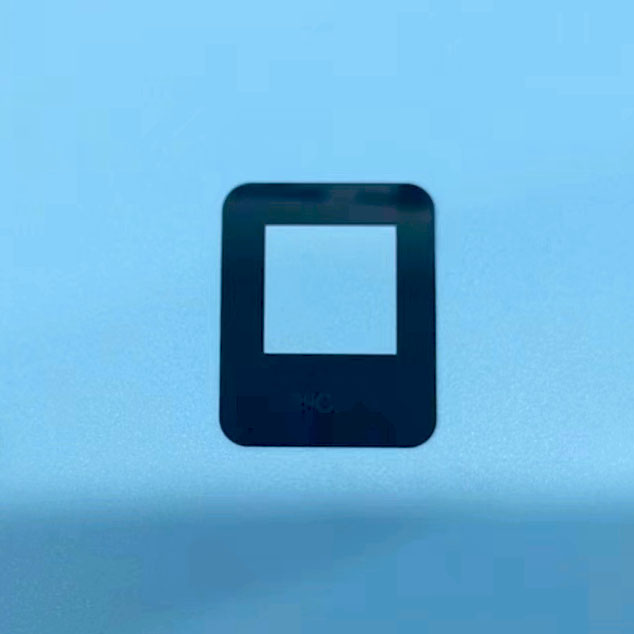
1mm Black Tempered Glass Switch Socket Panel Flat Solid Wall Cover with Print
Suits Toronto condo interiors, hospitality rooms and commercial wall controls where a flat, printed and easy-clean glass face is preferred.
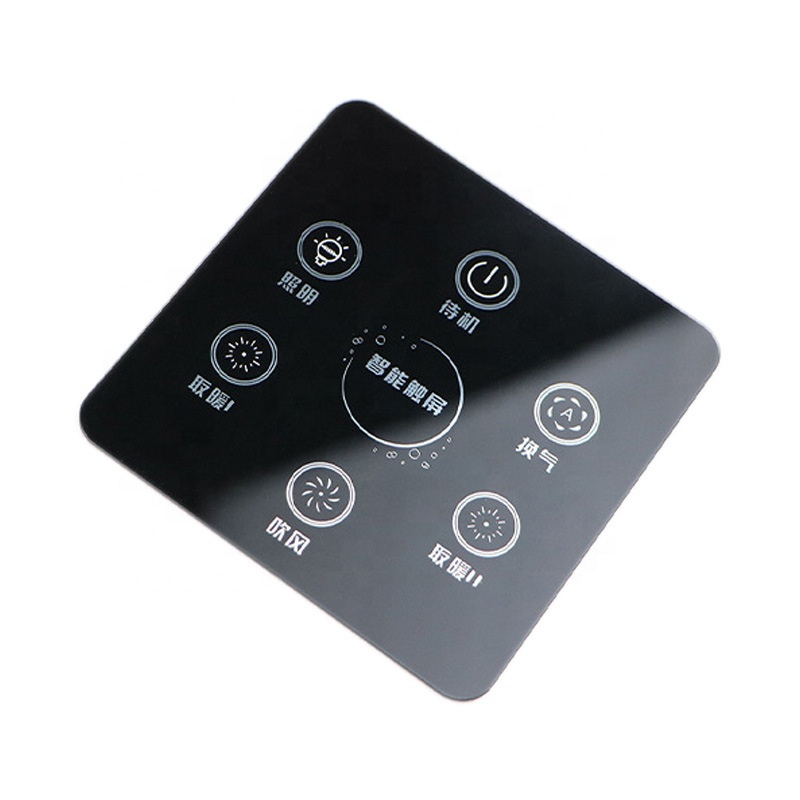
Bathroom Solid & Hollow Tempered Glass Intelligent Touch Shower Control Switch Panel Silk Screen Printed with 4-Year Warranty
Designed for Toronto condo upgrades, hotels and smart bathrooms that need a printed glass interface with reliable touch response and clean design.
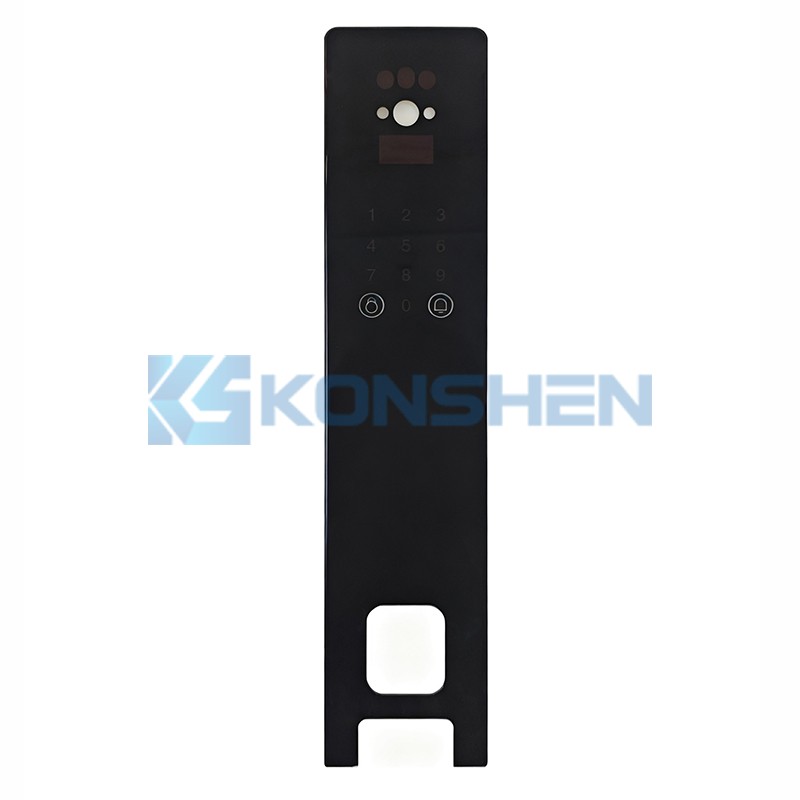
Electronic Tempered Glass Film Custom Printed Rectangular Panel Digital Keypad for Smart Door Lock
For Toronto residential and commercial access-control products that require custom print, durable glass and a precise keypad window.
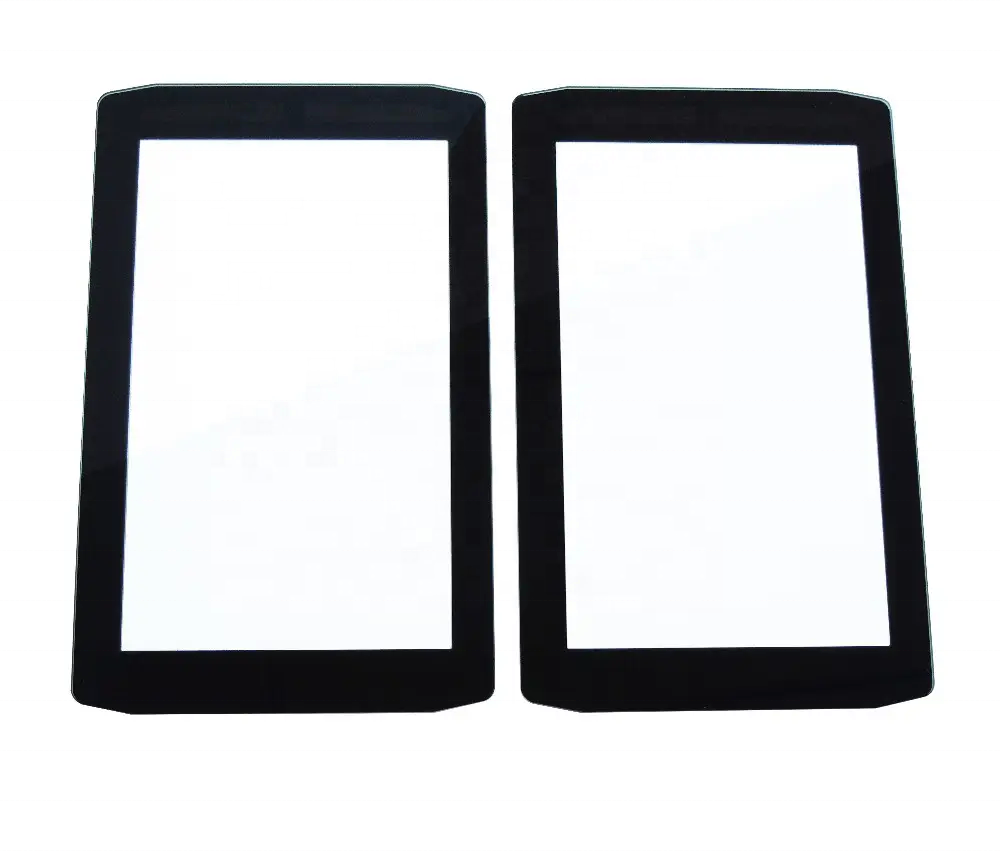
AG High Quality Solid Tempered Glass Anti-Glare Digital Screen Display Customizable Touch Screen Panel Factory Direct Outdoor
Well matched to Toronto transit kiosks, outdoor signage and industrial terminals exposed to sun, rain, snow and varying light conditions.
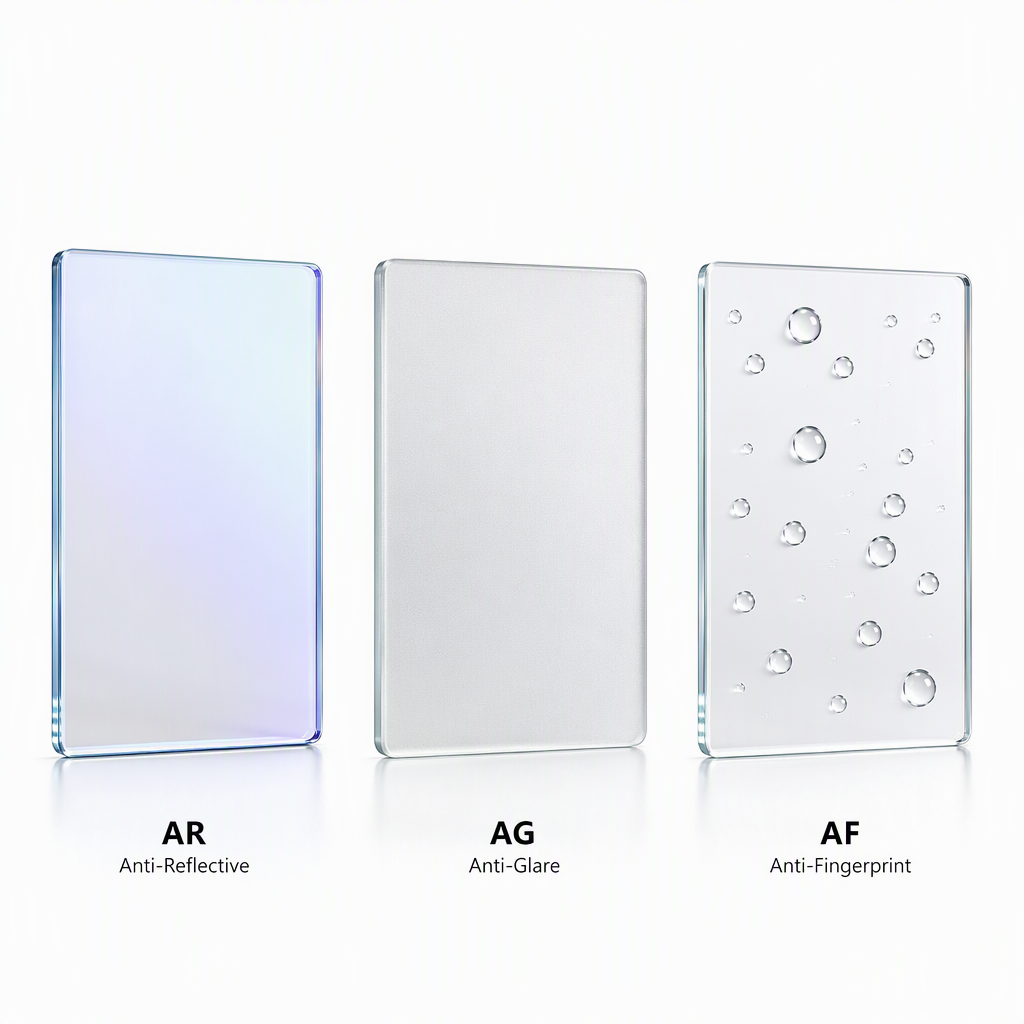
AR AG AF Coated Glass Anti Reflective Coating Service 92 Percent Transmission Anti Glare Custom Sheet Factory OEM
For GTA product teams that need more than one optical function on a single glass sheet: reflection control, glare diffusion and fingerprint resistance.

KS AG002 Custom Size AG Coating Anti-Glare Tempered Glass Panel High Transmittance Cover Sheet for Electronic Display Screen
Useful for Toronto display integrators that require custom dimensions, high transmittance and dependable anti-glare performance.

Round Oval PTFE 3M Wear-resistant Smooth Mouse Feet Stickers Glass Pad Resin Pads
Supports Toronto gaming brands and peripheral suppliers assembling glass mouse pads and smooth, wear-resistant glide components.
Why Toronto Buyers Work With KELO Glass
Huizhou KELO Glass Co., Ltd. is a factory-direct manufacturer of touch screen cover glass, AR/AG/AF optical coated glass and ITO/FTO conductive glass. For Toronto buyers, the practical value is not simply a lower unit price. It is a shorter chain between engineering questions, sample approval, coating control, quality inspection and export packing.
That matters because conductive glass substrate manufacturers and suppliers serving Toronto must support both optical performance and electrical function. A display window may need AR coating, an outdoor terminal may need AG treatment, a touch sensor may need ITO, and a thin-film solar project may need FTO. When those requirements sit with one accountable factory team, the buyer spends less time coordinating separate coating, cutting, printing and tempering suppliers.
Every key step is handled under one roof: cutting, water-jet cutting, CNC machining, drilling, edge polishing, laser engraving, silk-screen printing, sandblasting, flat and curved tempering, AR/AG/AF/ITO coating, 2.5D/3D forming and 3M adhesive bonding. Coatings are not outsourced, which helps protect batch consistency and traceability.

Verified manufacturer, not a trader
Toronto procurement teams can review factory video, verified assessment, trade capacity, ratings and transaction records before placing a custom order.
In-house coating and surface engineering
AR, AG, AF and conductive coating development stays inside the factory, so optical targets and adhesion checks are controlled at the source.
Rapid samples from 1–2 pcs
GTA startups and established OEMs can validate fit, optics, printing and coating performance before committing to volume.
Engineering drawing review and DFM
Tolerance, coating stack, printable area, edge treatment, curved forming and adhesive choice are reviewed before production begins.
North American export experience
Current market distribution includes North America, with FOB, CFR, CIF, EXW and DDP terms available on request for Toronto shipments.
Trade Assurance and responsive support
98.18% reply rate, 4.9/5 store rating and Trade Assurance support give Toronto buyers a clearer path for first orders and repeat programs.
ITO vs FTO Conductive Glass Substrates: A Toronto Engineering Guide
A conductive glass substrate is not a commodity if the finished device depends on sheet resistance, transmittance, haze, thermal stability and coating adhesion. For Toronto product teams, the right choice starts with the process environment and the sensing or energy function.
| Selection factor | ITO conductive glass | FTO conductive glass | Toronto project note |
|---|---|---|---|
| Typical function | Transparent electrode for capacitive touch sensors, displays and EMI shielding | Transparent conductive layer for thin-film solar cells and higher-temperature processes | Choose ITO for interactive display and touch interfaces; choose FTO when thermal and chemical stability are primary. |
| Sheet resistance | 1–20 Ω/sq available | 1–20 Ω/sq available | Confirm the target after patterning, busbar design and cover glass bonding — not only on the raw sheet. |
| Optical performance | Transmittance >85%, haze <2% | Transmittance >85%, haze <2% | For outdoor Toronto kiosks, combine conductive function with AG or AR/AG coating where readable contrast matters. |
| Thermal and chemical stability | Good for mainstream touch and display processes | Preferred where stronger thermal and chemical resistance is needed | High-temperature annealing, thin-film solar research or aggressive cleaning cycles may favor FTO. |
| Format and customization | Custom sheet size, thickness, holes, printing and bonding available | Custom sheet size, thickness and process-matched substrate available | Glass thickness range is 0.1–19 mm; final size, shape and coating stack follow the drawing. |
| Best-fit Toronto applications | Touch panels, HMI, medical displays, smart building controls | Solar R&D, energy devices, high-temperature lab work | Toronto’s mix of medtech, smart-building, automotive and energy research creates demand for both families. |
Typical production values are shown for preliminary selection. Final AR/AG/AF and ITO/FTO targets are confirmed against the drawing, application environment and reliability test plan. Technical review by the KELO Glass engineering team.
Where Toronto Product Teams Use Conductive and Coated Glass
Toronto is not a single market. It combines automotive and EV supply chains, medical technology, high-rise building systems, transit infrastructure, digital signage, consumer electronics, gaming and energy research. Each environment places a different demand on glass.
Automotive HMI and EV interfaces
Ontario’s automotive corridor needs display cover glass, touch panels and coated glass for center consoles, charging interfaces, dashboards and in-vehicle controls.
Medical diagnostics and lab instruments
Toronto’s medtech and research ecosystem uses optical windows, display covers and conductive substrates where repeatable transmittance and cleanability matter.
Smart buildings and condo controls
High-rise residential and commercial buildings in Toronto favor glass touch panels for lighting, HVAC, entry and bathroom controls with durable printed surfaces.
Transit kiosks and wayfinding
Outdoor and semi-outdoor Toronto terminals need AG anti-glare glass, AF easy-clean surfaces and robust touch cover glass through winter salt, slush and glare.
Digital signage and retail displays
Toronto retail, gallery and event spaces use AR glass for high-clarity presentation and AG glass for bright environments where reflections reduce legibility.
Solar, battery and energy research
FTO conductive glass is a practical substrate for thin-film solar and high-temperature lab work, while ITO supports sensor and display prototyping.
Industrial HMI and IoT devices
GTA integrators and machine builders require rugged cover glass, custom printing and reliable touch performance for factory and building automation panels.
Gaming and consumer electronics
Toronto creator and gaming brands can source glass mouse pads, PTFE feet and custom printed glass components for premium peripheral lines.
Toronto Market Trends Shaping Glass Substrate Procurement
Toronto buyers are becoming more specific. They ask for verified factory data, faster samples, clearer logistics and coating performance tied to the actual installation environment.
Supply-chain diversification with verification
Buyers compare factory-direct manufacturers and trading companies by looking at verified assessment, trade history, ratings and engineering response quality — not catalogue photos alone.
Cold-weather and outdoor readability
Toronto’s winter conditions, salt exposure and bright summer light push projects toward AG, AF, tempered glass and robust packing rather than uncoated standard glass.
Combined AR/AG/AF coating stacks
Single-function coatings are often not enough. Premium automotive, kiosk and smart-building interfaces increasingly combine anti-reflection, anti-glare and anti-fingerprint performance.
Small-batch customization
GTA startups and product teams want samples from 1–2 pieces, DFM feedback and custom print or holes before investing in tooling and volume production.
Smart-building and touch-control growth
Condo, commercial and hospitality projects continue to replace mechanical controls with glass touch panels that need clean printing, reliable adhesion and long-term cleanability.
Logistics and documentation clarity
Toronto procurement teams expect clear Incoterms, Trade Assurance options, export packing specifications and a realistic production window of 21–31 days after sample approval.
Where KELO Glass Ships
Current market distribution reflects active export experience across Europe, North America and South America. North American buyers benefit from established documentation, packaging and trade-term routines.
Custom Manufacturing Workflow for Toronto Projects
A clean project path reduces risk for Toronto buyers sourcing custom glass from overseas. The process below is built for engineering review first, then prototype validation, then stable mass production.
Share requirements
Send a drawing, sample or target specification plus annual volume, application environment and coating expectations.
Engineering review
Receive DFM feedback on tolerance, edge work, printing, 2.5D/3D forming, coating stack and cost drivers.
Rapid prototype
Samples can start from 1–2 pieces so Toronto engineering teams can test fit, optics and electrical function.
Validation
Approve appearance, transmittance, sheet resistance, adhesion, print alignment and reliability criteria.
Mass production
Typical bulk lead time is 21–31 days after sample approval, depending on size, coating and forming complexity.
Packing and shipping
Export-ready packing, carton protection and shipping documentation support delivery to Toronto and the GTA.
Quality Control, Packing and Toronto Delivery
Custom glass can fail in ways that are not visible in a catalogue: coating adhesion, edge chips, print misalignment, haze variation, packing damage or dimensional drift. Quality is therefore controlled at defined gates.
Incoming inspection
Raw glass and consumables are checked for thickness, flatness, surface defects and material consistency before production. This protects downstream coating and tempering results.
In-process control
CNC dimensions, hole positions, printing, tempering, coating adhesion and abrasion resistance are monitored at each critical station rather than inspected only at the end.
Final inspection and packing
Finished parts receive 100% appearance inspection, plus relevant tempering, adhesion, abrasion and salt spray checks. Custom honeycomb cartons, blister trays and partition packing reduce transit damage.

Designed for the Toronto Buyer’s Real Risk Points
Toronto buyers often combine air freight for urgent prototypes with sea freight for volume production. The glass must therefore survive multiple handling points, changing temperatures and final installation. Packaging is treated as part of the specification, not an afterthought.
For coated and conductive glass, the release criteria include optical appearance, coating uniformity, sheet resistance where applicable, print alignment, edge quality and adhesives. When a project requires AR/AG/AF combined performance or ITO/FTO conductive layers, the engineering team confirms the measurement method before the first batch is released.
Frequently Asked Questions From Toronto Buyers
These are the questions most often raised by Toronto OEMs, distributors, integrators and product teams before a first sample order.
Are you a conductive glass substrate manufacturer or a Toronto distributor?
KELO Glass is a factory-direct manufacturer based in Huizhou, Guangdong, China. We serve Toronto and GTA buyers directly from the factory and support export packing, documentation and shipping terms. We do not present ourselves as a local Toronto stockist; the advantage is direct engineering and production control.
Can Toronto buyers order small prototype quantities?
Yes. Sample orders can start from 1–2 pieces so your team can validate dimensions, coating appearance and basic optical or electrical performance before committing to volume. Bulk quantities are quoted according to the drawing and annual demand.
What is the typical lead time for a Toronto order?
Bulk production is typically 21–31 days after sample approval, depending on size, coating stack, curved forming, printing complexity and order quantity. Shipping time to Toronto depends on air or sea freight and the selected Incoterm; confirm the schedule with the sales team before planning installation.
Should I choose ITO or FTO conductive glass for my Toronto project?
ITO is usually the practical choice for capacitive touch sensors, displays and EMI shielding. FTO is often preferred for thin-film solar, high-temperature processing and applications needing stronger thermal and chemical stability. Both can be supplied with sheet resistance of 1–20 Ω/sq, transmittance above 85% and haze below 2%, subject to final specification.
How do you verify optical and electrical specifications?
The project starts with a drawing and measurement method. Coating performance, transmittance, haze, sheet resistance, print alignment and appearance are checked against agreed criteria during incoming, in-process and final inspection. If a Toronto buyer has an incoming QC format, we can align the inspection report with the agreed specification.
Can you produce custom sizes, holes, printing, 2.5D/3D forming and adhesive bonding?
Yes. Glass thickness ranges from 0.1 mm to 19 mm. Size, shape, holes, color, logo printing, curved forming and 3M adhesive bonding can be customized to your drawing or sample. The engineering team reviews the design before quoting to reduce avoidable tooling or tolerance issues.
Which trade terms and payment methods do you accept for Toronto shipments?
We support FOB, CFR, CIF, EXW and DDP on request, and accept T/T, L/C, PayPal and Western Union. Orders placed through Alibaba.com can be protected by Trade Assurance. For Toronto deliveries, confirm the preferred Incoterm, customs documentation and delivery address with the sales team.
How is glass packed for Toronto delivery and winter handling?
Custom honeycomb cartons, blister trays and partition packing are used to reduce movement, edge impact and surface abrasion. Each batch is packed according to size and fragility. For urgent Toronto prototypes or high-value coated parts, discuss extra protection and labeling requirements during quotation.
Request a Toronto Project Quote or Sample
Send your drawing, target coating performance, conductive glass specification and annual volume. The KELO engineering team will review feasibility, recommend the most suitable ITO/FTO or AR/AG/AF coated glass route, and explain the sample and production path for Toronto buyers.