Eight Factory-Direct Products That Reveal the Processes Behind a Cooktop Glass Panel
These catalogue examples are not a limited product list. They show the cutting, printing, tempering, coating, conductive-layer, adhesive and precision-finishing capabilities used in Yokohama cooktop glass programmes.
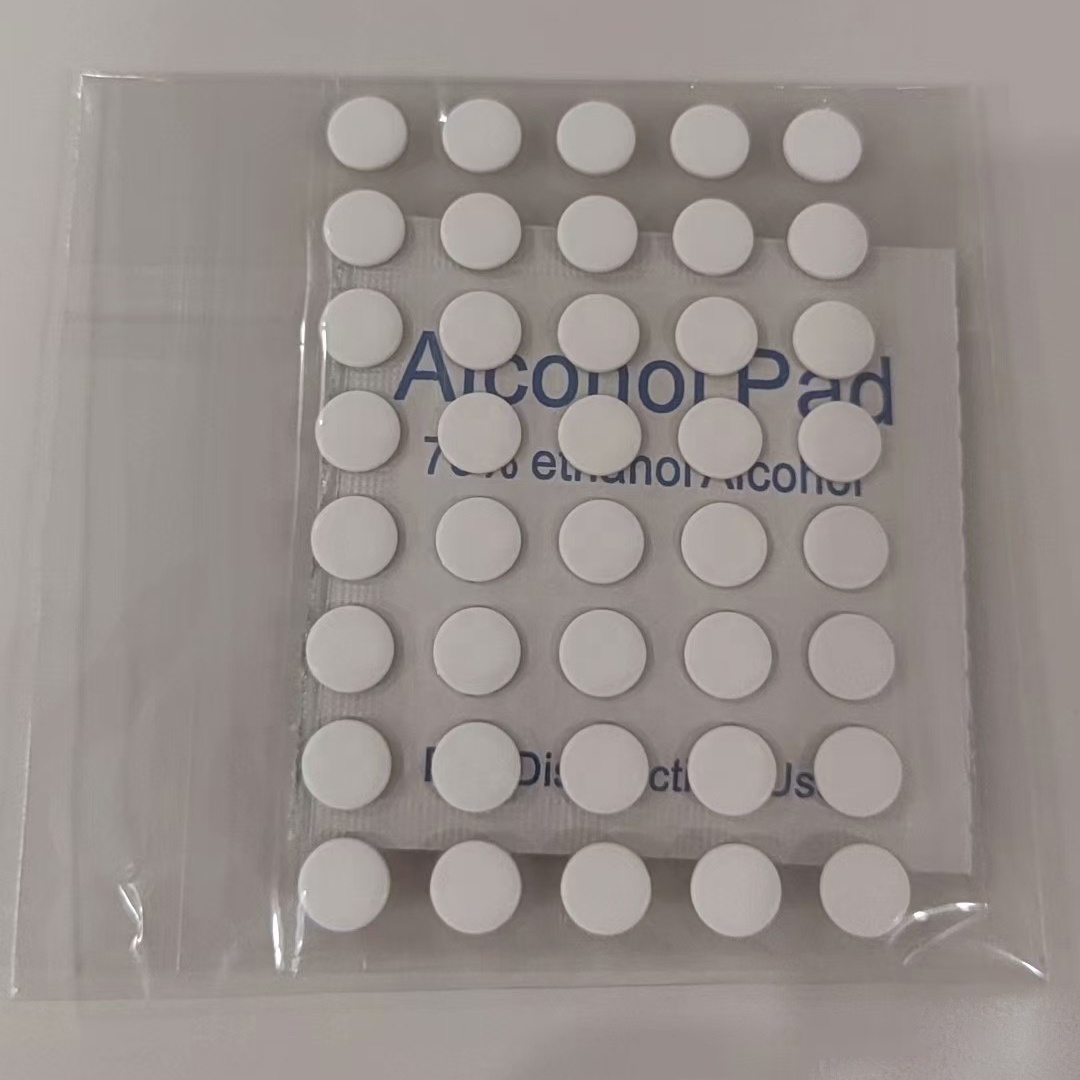
PTFE Round Gaming Mouse Glides Mouse Skate Dots
A precision die-cut PTFE glide component that demonstrates tight tolerances, low-friction finishing and clean packing discipline — useful reference for smooth-moving cooktop control hardware.
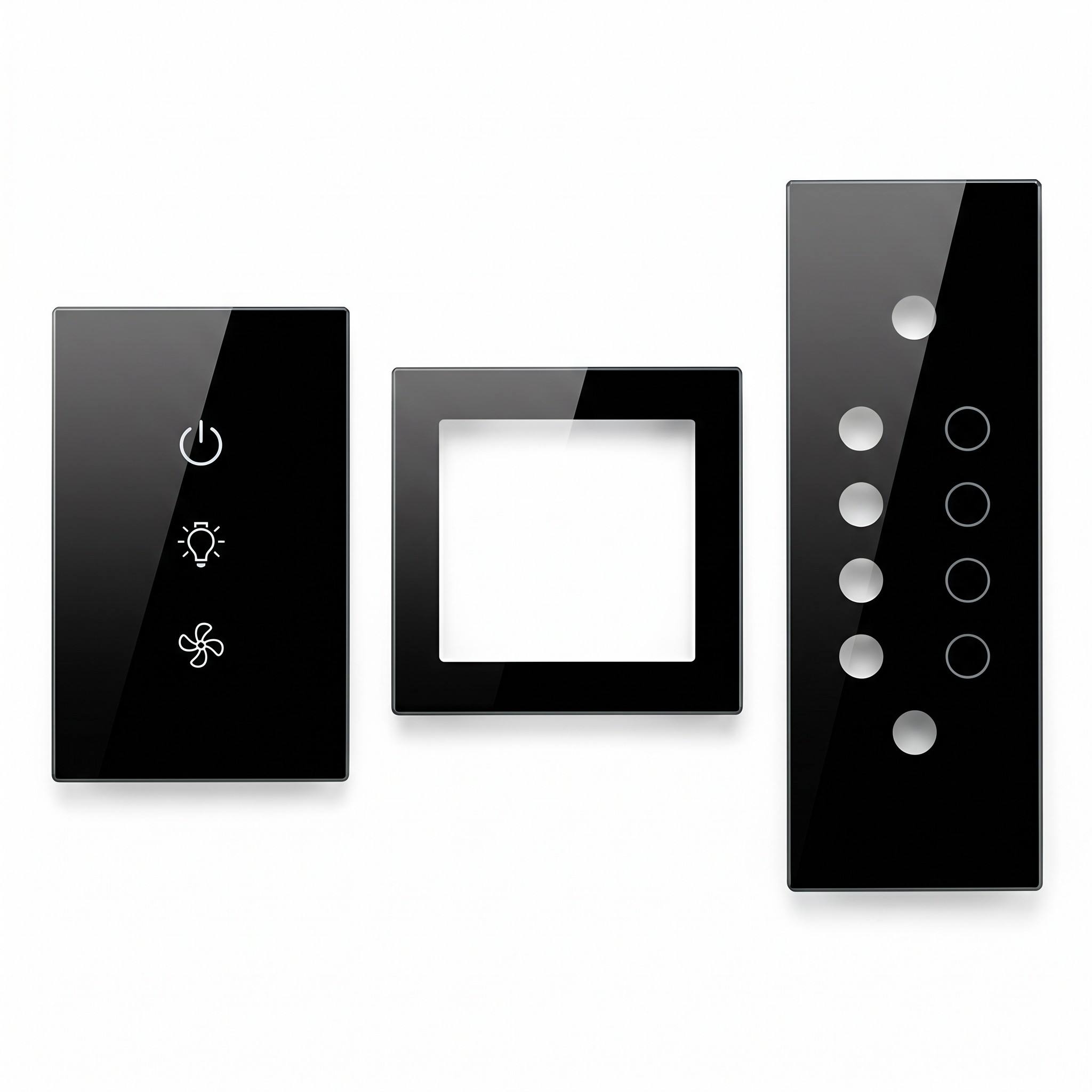
Tempered Glass Front Shield Cover Panel Custom Size Electronic Display Protection Sheet for Smart Device Konshen KS GB002
Custom tempered display cover with front-shield geometry. For Yokohama cooktops, the same process supports printed window glass, touch-lens covers and appliance display protection.
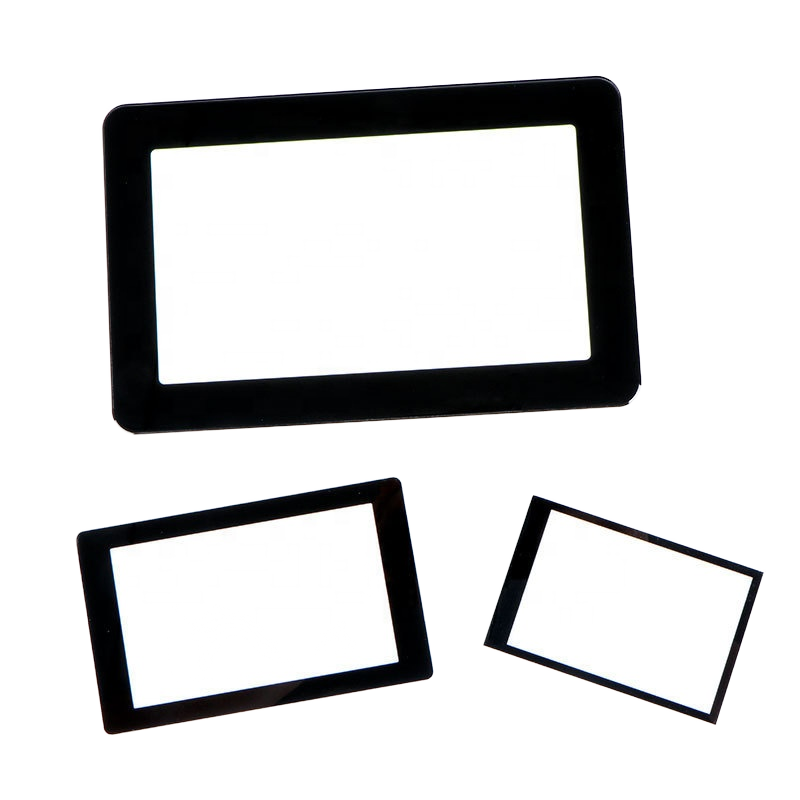
Wholesale Left Right Switching Control 0.2mm 5mm Soda Lime Extra Clear Tempered Glass Touch Screen Panel Outdoor Gym Waterproof
Waterproof touch-screen glass with left/right switching control. Its sealing, lamination and touch-stack know-how transfer directly to kitchen interfaces exposed to steam, cleaning agents and daily use.

Round Oval PTFE 3M Wear-resistant Smooth Mouse Feet Stickers Glass Pad Resin Pads
Round and oval PTFE feet with 3M adhesive and a wear-resistant finish. Highlights adhesive bonding, low-friction surface control and repeatable die-cutting for interface hardware.

Custom Silk Screen Printed Tempered Glass Electronic Control Panel Cover for Smart Appliances
A direct reference for printed cooktop glass, icon windows and touch-control overlays. Custom printing, tempered strength and edge finishing are combined in one appliance-facing panel.
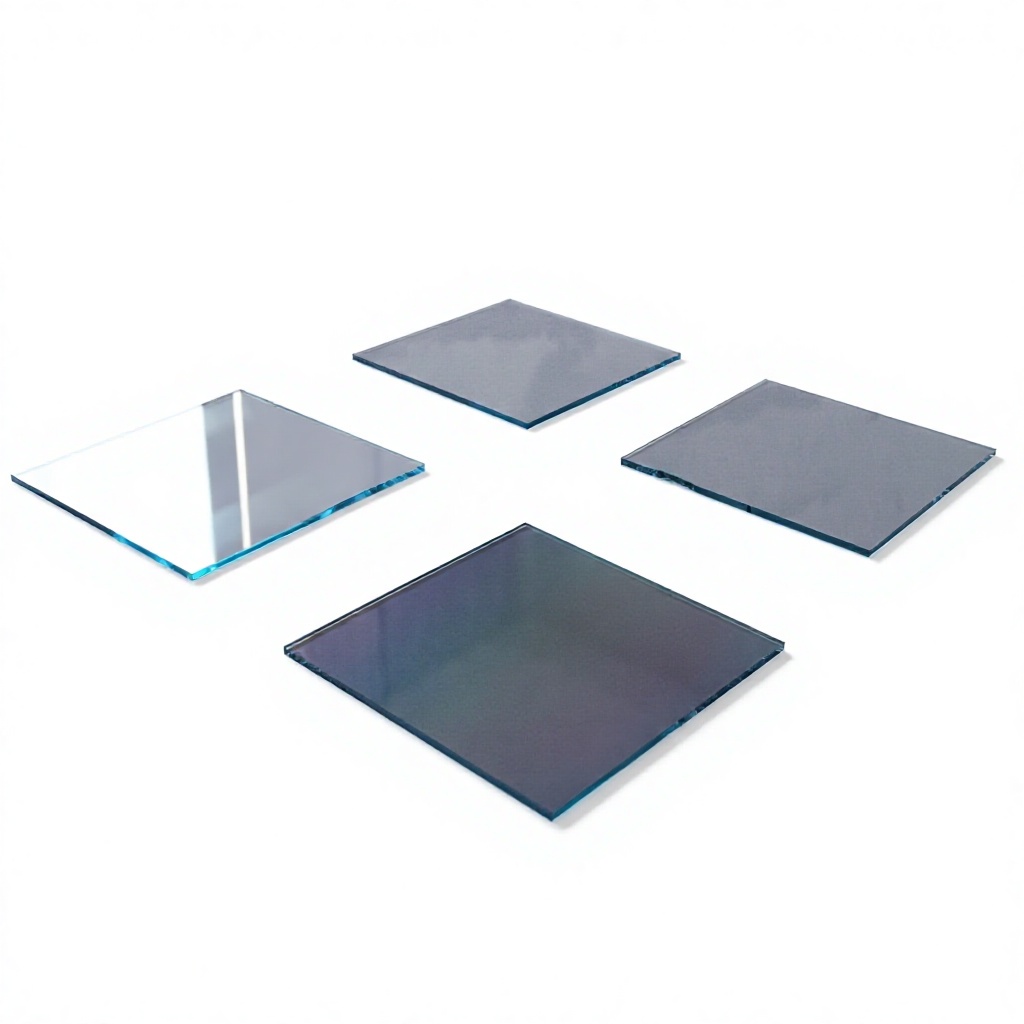
1.1mm ITO Coated Conductive Glass Panel Optical Electronic Glass Custom Shape Polished Edge for Industrial Use
ITO-coated conductive glass for optical and electronic applications. Relevant to capacitive touch sensing, display integration and EMI shielding in smart cooktops and appliance interfaces.

Customized Cutting Elevator Indicator Arrow Printing Touch Smart Control Elevator Panel Use Electronics Screen Glass Instrument
Custom cutting, arrow printing and touch glass for elevator panels. Demonstrates precise icon printing, durable surface finishing and tactile interface integration for built-in controls.
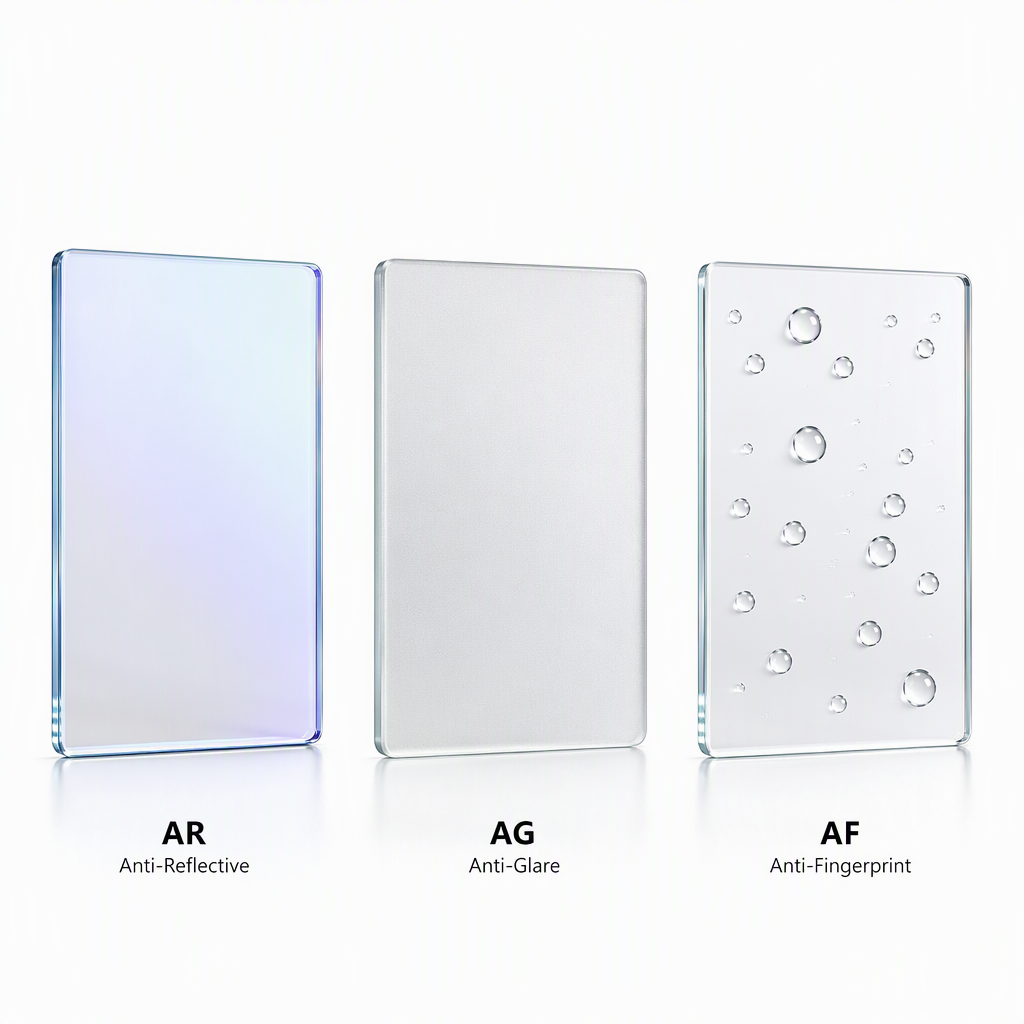
AR AG AF Coated Glass Anti Reflective Coating Service 92 Percent Transmission Anti Glare Custom Sheet Factory OEM
AR/AG/AF coating for high-transmission, low-reflection and easy-clean surfaces. For cooktops, these optical coatings reduce glare and fingerprints across glass control zones.
The Yokohama Cooktop Glass Question: What Are You Really Buying?
Yokohama buyers searching for cooktop glass manufacturers and factory in Yokohama usually have a practical decision ahead: choose a local fabricator for small assembly work, a trading company for catalogue items, or a specialist glass factory for a print-to-spec cooktop panel. The difference is not only price. It is the control of substrate, tempering, printing registration, coating, edge quality, inspection and export packing.
A cooktop glass panel is a safety-relevant, heat-exposed and often touch-enabled component. It may carry printed icon windows, hidden display areas, sensor patterns, anti-glare surfaces and an anti-fingerprint top layer. In Yokohama’s compact apartments and high-spec kitchen renovations, the panel must also satisfy practical daily needs: easy wiping after oil splashes, clear visibility under bright kitchen lighting, stable colour consistency across batches and packaging that survives ocean transport to Yokohama Port.
Huizhou KELO Glass Co., Ltd. is a factory-direct manufacturer based in Huizhou, Guangdong. We serve Yokohama customers through engineering review, rapid sampling and volume production in one glass-processing system. That means the specification you approve in a Yokohama showroom or design office can be translated into a controlled drawing, an inspected sample and a repeatable production lot.
- Drawing review before quotation
- Samples from 1–2 pieces
- In-house printing and coating
- 100% appearance inspection
Where Cooktop Glass Performance Matters in Yokohama
Yokohama kitchens range from compact apartment cooking zones in Kannai and Nishi-ku to family homes in Kohoku and premium waterfront residences around Minato Mirai. Each setting puts different demands on glass, printing and touch integration.
Built-in IH and induction cooktop panels
High-transmission glass with accurate printed heating-zone rings, touch keys and warning icons. Printing must remain crisp under warm lighting and easy to clean after daily cooking.
Premium kitchen renovation overlays
Renovation teams in Yokohama often need replacement glass panels and custom control faces for premium kitchens. Silk-screen printed tempered glass supports small-batch design changes and colour matching.
Touch-enabled smart cooktops
ITO conductive glass and touch-panel laminates support capacitive sensing, hidden displays and sealed interfaces that resist steam and routine kitchen cleaning.
Hotel and serviced-apartment kitchens
Projects around Minato Mirai and Yokohama Station need visual consistency across many units. Repeatable printing, batch traceability and protective packing reduce rework during handover.
Commercial kitchen control surfaces
Restaurants and food-service facilities near Tsurumi and the port need robust glass with low-fingerprint surfaces, durable printed legends and edge finishing that supports frequent cleaning.
Appliance brand after-sales panels
Distributors and service partners can source low-volume replacement glass panels, sample-approved coatings and custom-size front covers without committing to a large single mould.
What Is Changing in Yokohama Kitchen and Appliance Design
Procurement decisions in Yokohama are influenced by compact housing, ageing residents, energy efficiency and a strong expectation of clean, quiet and reliable appliance surfaces. These trends are shaping the next generation of cooktop glass specifications.
IH cooking and cleaner surfaces
As more Yokohama homes and renovations adopt induction heating, glass panels need clear heating-zone print, heat resistance and easy-clean surfaces. AF anti-fingerprint coating helps maintain a showroom look.
Low-reflection interfaces
Open-plan kitchens and bright counters can wash out dark glass panels. AR anti-reflective and AG anti-glare coatings improve control visibility while preserving the premium black-glass appearance.
Small-batch customisation
Renovation brands and appliance distributors increasingly ask for smaller batches with custom logos, icon sets and panel sizes. Factory-direct sampling from 1–2 pieces reduces the risk of a costly design lock-in.
Safety, traceability and packing
Japanese procurement teams expect consistent documentation, stable tolerances and damage-resistant packing. Honeycomb cartons, blister trays and partition packing are important for the long sea route to Yokohama.
| Cooktop Glass Decision | Recommended Specification Direction | Why It Matters in Yokohama |
|---|---|---|
| Panel thickness | 0.1–19 mm range; 3–6 mm commonly reviewed for appliance control glass depending on design | Balances safety, weight, heat exposure and touch sensitivity for built-in kitchen units. |
| Tempering / strengthening | Flat or curved tempering; chemically strengthened options | Supports daily impact, cleaning and edge handling in compact kitchens. |
| Printed graphics | Silk-screen printed icons, window zones and logos with sample-approved colour | Matches brand design, Japanese-language control markings and multi-unit consistency. |
| Optical coating | AR, AG, AF or combined AR+AG / AG+AF | Improves readability, reduces glare under kitchen lighting and resists fingerprints. |
| Touch integration | ITO conductive glass, 1–20 Ω/sq, T>85%, haze <2% | Enables capacitive sensing and EMI shielding for smart cooktops. |
| Quality release | IQC, IPQC, 100% appearance check, adhesion and abrasion tests | Reduces rework during installation and supports predictable after-sales quality. |
Which KELO Glass Product Process Should a Yokohama Cooktop Project Start With?
Start from the function of the panel, not the catalogue name. Most cooktop glass projects combine at least two of the processes below: printed tempered glass, optical coating, touch sensing and protective display covering.
Printed tempered control panel
Best starting point for induction cooktop faces, icon windows and control zones. Combine tempered glass with silk-screen printing and edge polishing.
View printed panelAR / AG / AF coated glass
Recommended when glare, reflections or fingerprints are the main complaint. Specify haze, transmission and contact angle targets before sampling.
View coating serviceITO conductive touch glass
For capacitive touch keys, sealed interfaces and EMI considerations. Review sheet resistance, transmittance and sensor layout with our engineering team.
View ITO glassTempered display cover
For cooktops with a small display window or appliance-grade front shield. Custom size, printed borders and protective cover glass can be reviewed together.
View cover glassWhy Huizhou KELO Glass Co., Ltd. Fits a Yokohama Sourcing Programme
KELO is built around surface engineering and in-house glass processing. For buyers comparing cooktop glass manufacturers, the value is not one machine or one coating, but the ability to keep critical steps under one roof.
Our factory covers cutting, CNC machining, edge polishing, laser engraving, silk-screen printing, sandblasting, flat and curved tempering, AR/AG/AF/ITO coating, 2.5D/3D curved forming and 3M adhesive bonding. Each step affects the final cooktop panel: a small printing misalignment, an unstable coating bath or a rough edge can become a visible defect after installation.
For Yokohama customers, factory-direct communication shortens the loop between design intent and production feasibility. Samples can start from 1–2 pieces, allowing appliance brands, renovation firms and distributors to validate fit, optics, colour and touch performance before committing to volume.
- Factory-direct, not a trading company
- Engineering drawing review and DFM feedback
- In-house tempering and coating
- Custom packing for sea freight
- Small sample orders from 1–2 pcs
- Bulk lead time typically 21–31 days

Additional capability notes: 6 years as a verified exporter, 4.9/5 store rating, 98.18% reply rate, Trade Assurance support, and export experience across Europe, North America and South America.
From Raw Glass Sheet to a Cooktop-Ready Printed Panel
A cooktop glass panel is produced through a chain of controlled operations. The more steps handled in-house, the fewer the hand-offs, the lower the damage risk and the clearer the accountability.

The practical sequence for a printed cooktop glass project usually begins with drawing review, material selection and a prototype. Production then moves through cutting, CNC machining, edge polishing, printing, tempering, optional coating and final inspection. For touch-enabled designs, ITO conductive glass or touch-panel lamination is reviewed alongside the printed graphic so the appearance and electrical function do not conflict.
Yokohama buyers often ask for black printed borders, hidden display windows, precise icon registration and a surface that hides fingerprints. Because we control printing, coating and tempering internally, the sample can be adjusted as a system rather than as isolated parts. If the glass needs a 2.5D or 3D curve for a premium appliance design, curved forming can be considered together with the flat printing and coating plan.
IQC
Incoming glass and materials are checked for thickness, flatness, surface defects and coating consumables.
- Thickness and flatness
- Surface defect screening
- Ink and coating material verification
IPQC
Critical dimensions and functional results are checked during processing, not only after finishing.
- CNC dimensions and hole positions
- Tempering and strength checks
- Coating adhesion and abrasion
FQC
Finished cooktop panels are inspected before protective packing and export shipment.
- 100% appearance inspection
- Salt spray and reliability review
- Honeycomb, blister and partition packing
Designed for the Sea Route to Yokohama Port
Glass quality can be lost in the last 100 metres if packing is weak. For Yokohama deliveries, we plan packing around panel size, printed surface protection, edge exposure and unloading conditions.
Custom honeycomb cartons, blister trays and partition packing are used to reduce transit damage. Printed surfaces can be protected with suitable interleaving, and small accessory parts can be packed separately to avoid edge contact. For distributors and appliance service networks, carton labels and batch identification can help receiving teams match panels to projects.
We support FOB, CFR, CIF, EXW and DDP terms, with T/T, L/C, PayPal and Western Union payment options. Orders placed through Alibaba.com can be protected by Trade Assurance. For Yokohama buyers comparing local stock against factory-direct supply, the key is to compare landed cost, documentation, tolerance control and replacement risk — not simply the unit price.

Cooktop Glass Procurement Questions from Yokohama Teams
These are the practical questions that come up when an appliance brand, renovation contractor or distributor starts comparing cooktop glass manufacturers and factories for a Yokohama project.
Are you a cooktop glass manufacturer or a trading company?
Can you produce printed tempered glass for induction cooktops and built-in hobs?
What is the minimum order quantity and sample lead time?
How do you reduce breakage when shipping cooktop glass to Yokohama?
Can you support documentation for Japanese compliance and internal quality reviews?
What information should we send for a fast cooktop glass quotation?
Request a Cooktop Glass Feasibility Review for Your Yokohama Project
Send your drawing, cooktop panel size, coating target, printed icon requirements and expected annual volume. Our engineering team will review the glass thickness, tempering route, printing plan and coating options, then recommend a practical factory-direct solution for sampling and mass production.
Email: info@keloglass.com · Factory: Huizhou, Guangdong, China · Serving Yokohama buyers with custom glass, coating and touch-panel solutions.