Eight Custom Glass Products for Ottawa OEM Programs
These are not catalogue placeholders. Each product below is a route to a manufacturable specification: choose a starting product, send your drawing and application conditions, and KELO engineers will review print registration, glass thickness, coating, forming and packaging.
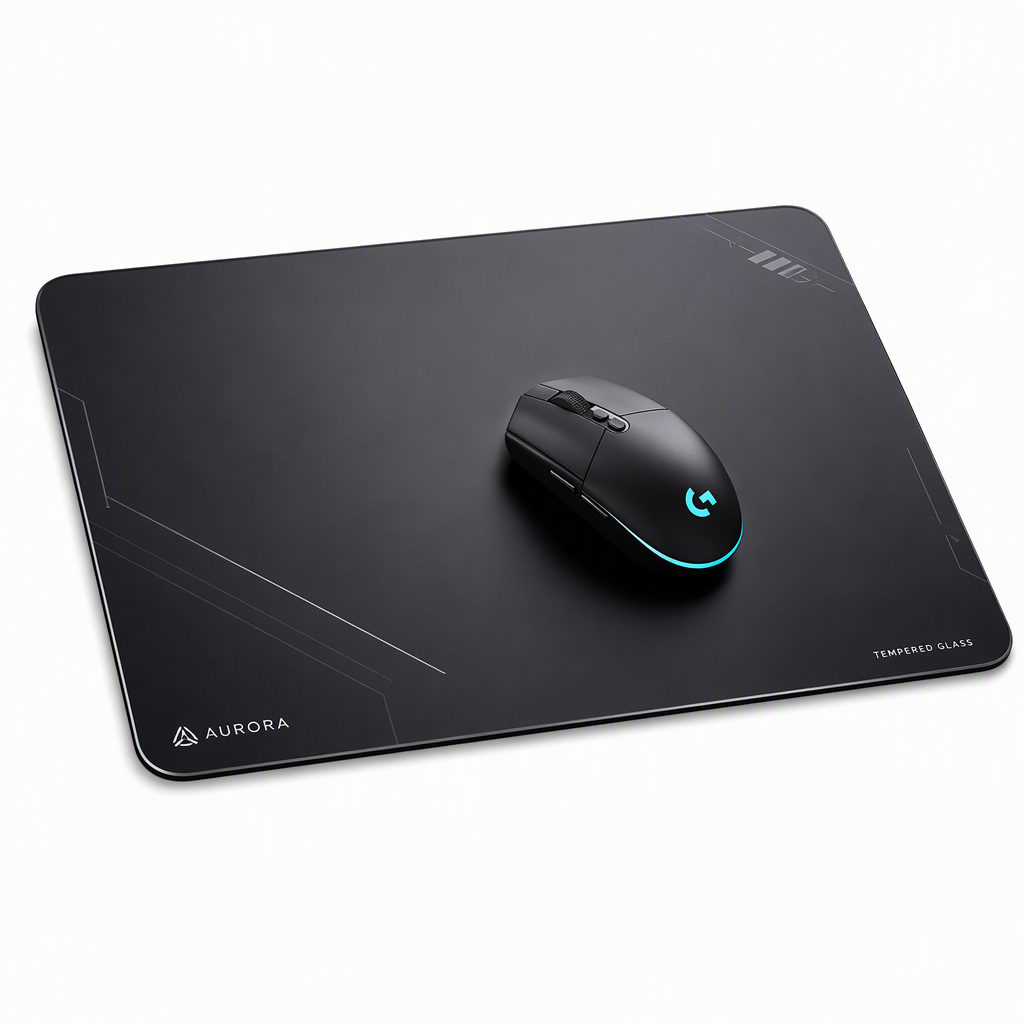
Tempered Glass Mouse Pad 2MM 3MM Hard Surface Glass Mousepad UV Printing Custom Logo Silicone Base OEM Factory
A premium hard-surface glass mouse pad with UV-printed branding and silicone base. Recommended for Ottawa gaming brands, corporate gift programs and e-commerce sellers that need a factory-direct desk product with custom packaging potential.
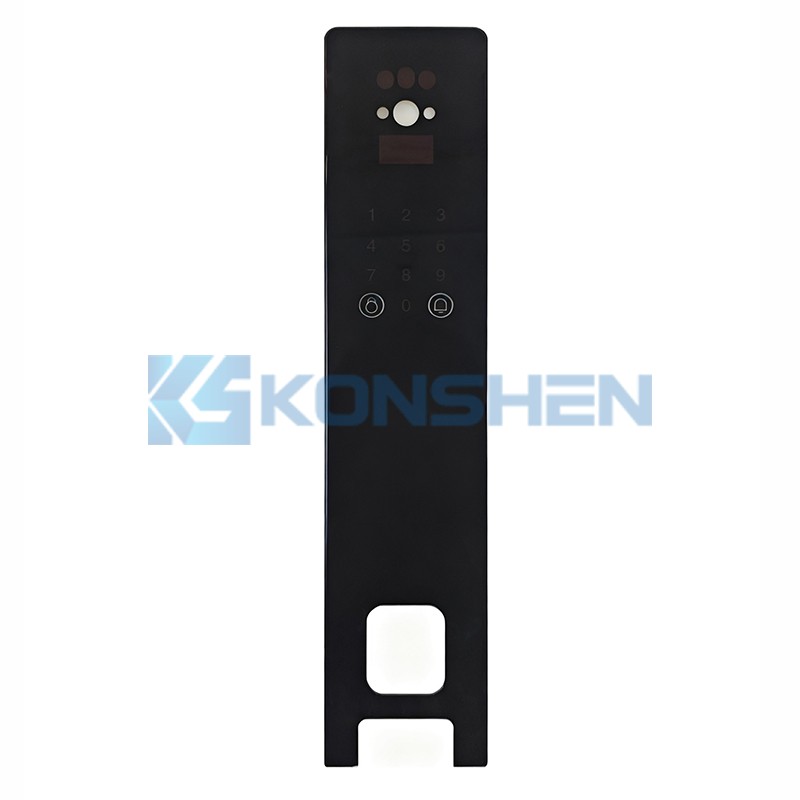
Electronic Tempered Glass Film Custom Printed Rectangular Panel Digital Keypad for Smart Door Lock
A custom-printed rectangular glass panel for smart-lock keypads and access-control interfaces. A fit for Ottawa property managers, multifamily developers and smart-building integrators that need legible, abrasion-resistant labels across tenant touchpoints.
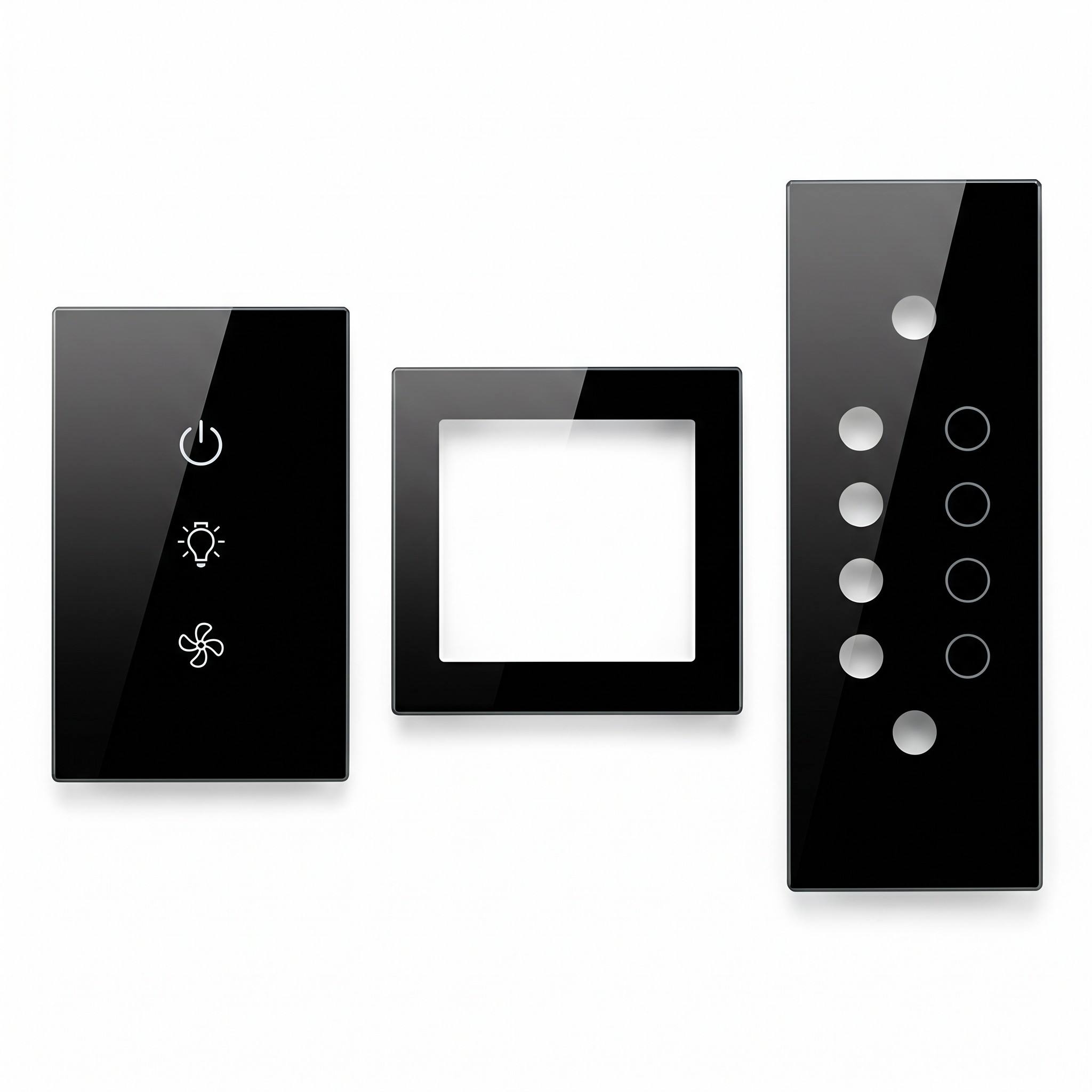
Tempered Glass Front Shield Cover Panel Custom Size Electronic Display Protection Sheet for Smart Device Konshen KS GB002
A custom-size front shield for electronic display protection. Suitable for laboratory instruments, medical carts, kiosks and equipment enclosures where impact resistance, optical clarity and a clean printed border are all reviewed together.
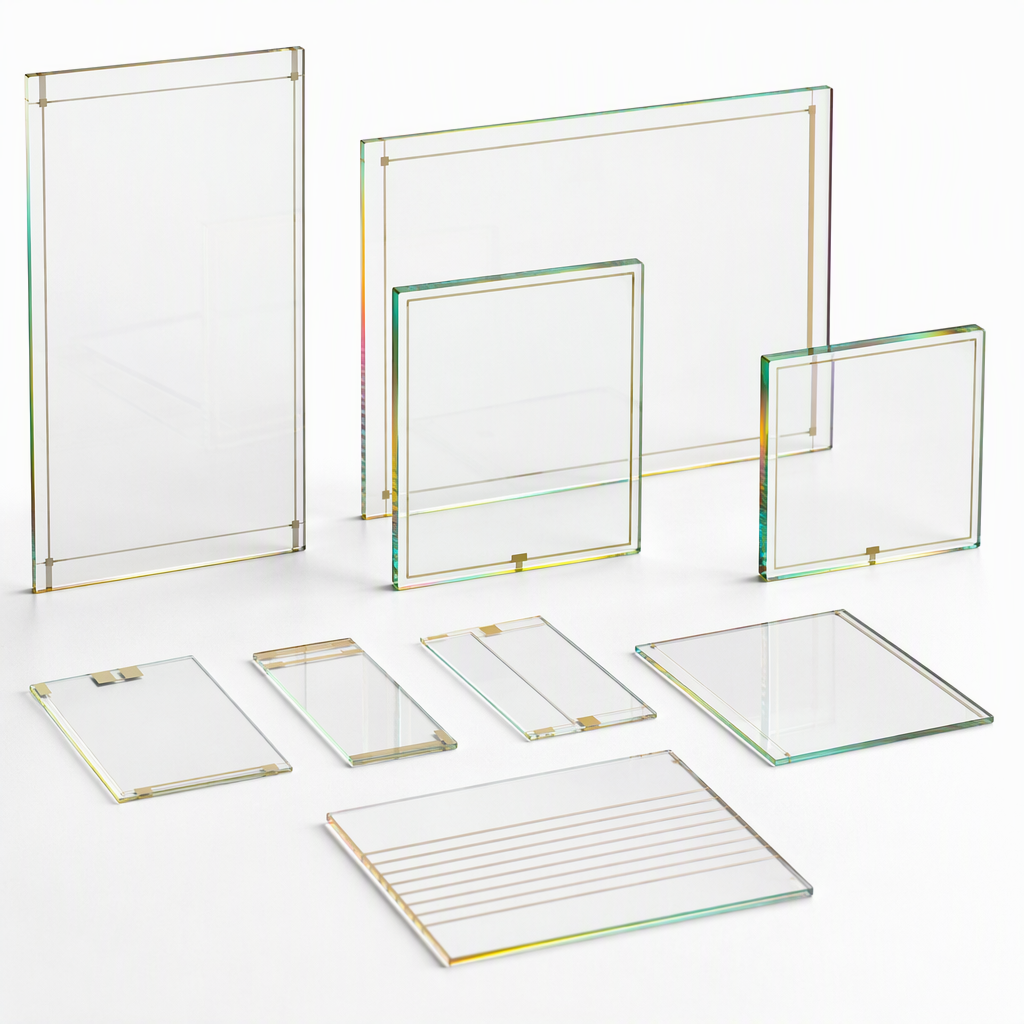
ITO Coated Glass Conductive Glass Sheet 6 To 8 Ohm Per Square Custom Size Touch Panel Heating Substrate Supplier
ITO-coated conductive glass with 6–8 Ω/sq sheet resistance for touch-panel, sensor and heating-substrate designs. Useful for Ottawa equipment where condensation control or transparent electrical function must be evaluated during engineering review.
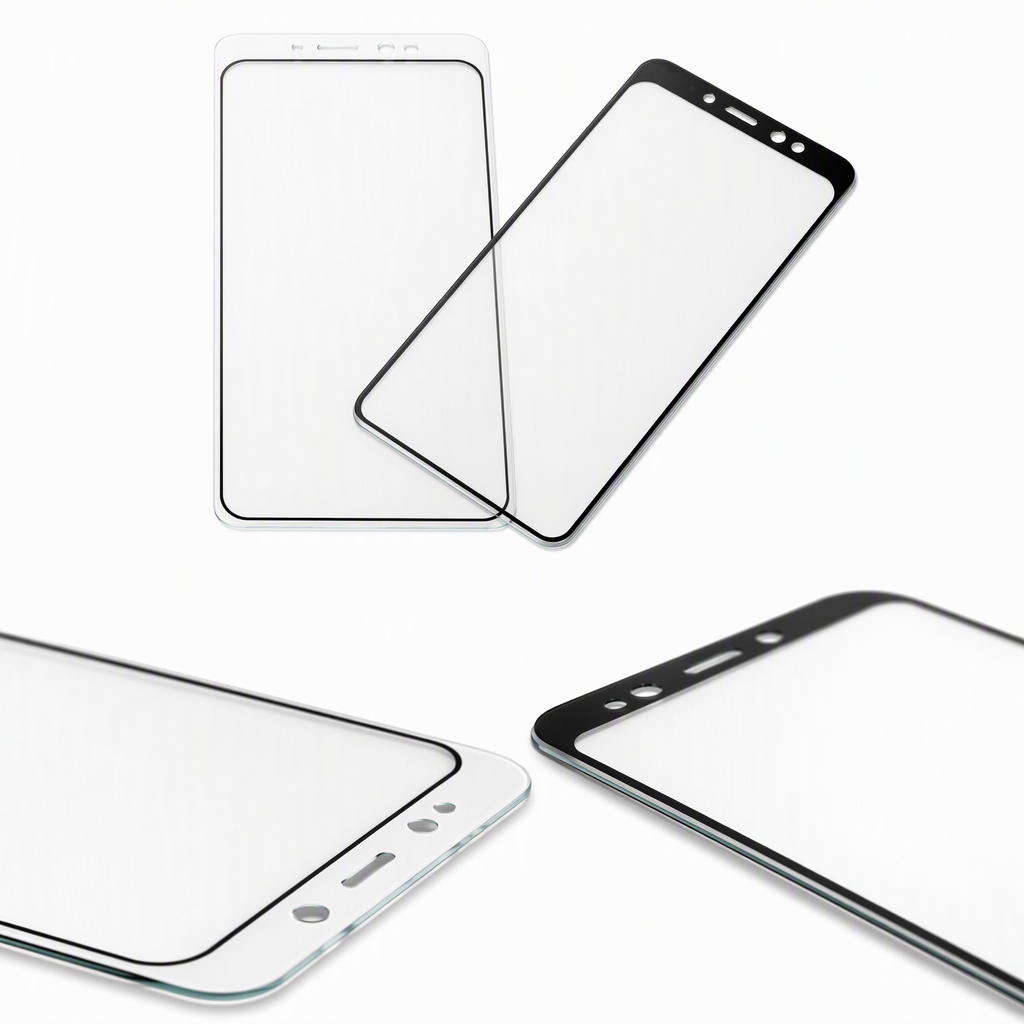
Toughened Glass Panel No Coating CNC Hole Drilling Irregular Shape Silk Screen Printed Custom Size Wholesale Supplier
An irregular-shaped toughened glass panel with CNC holes and silk-screen printing. A practical route for industrial HMI, elevator interfaces, wall controls and custom electronic housings that require precise cutouts and long-life printed graphics.
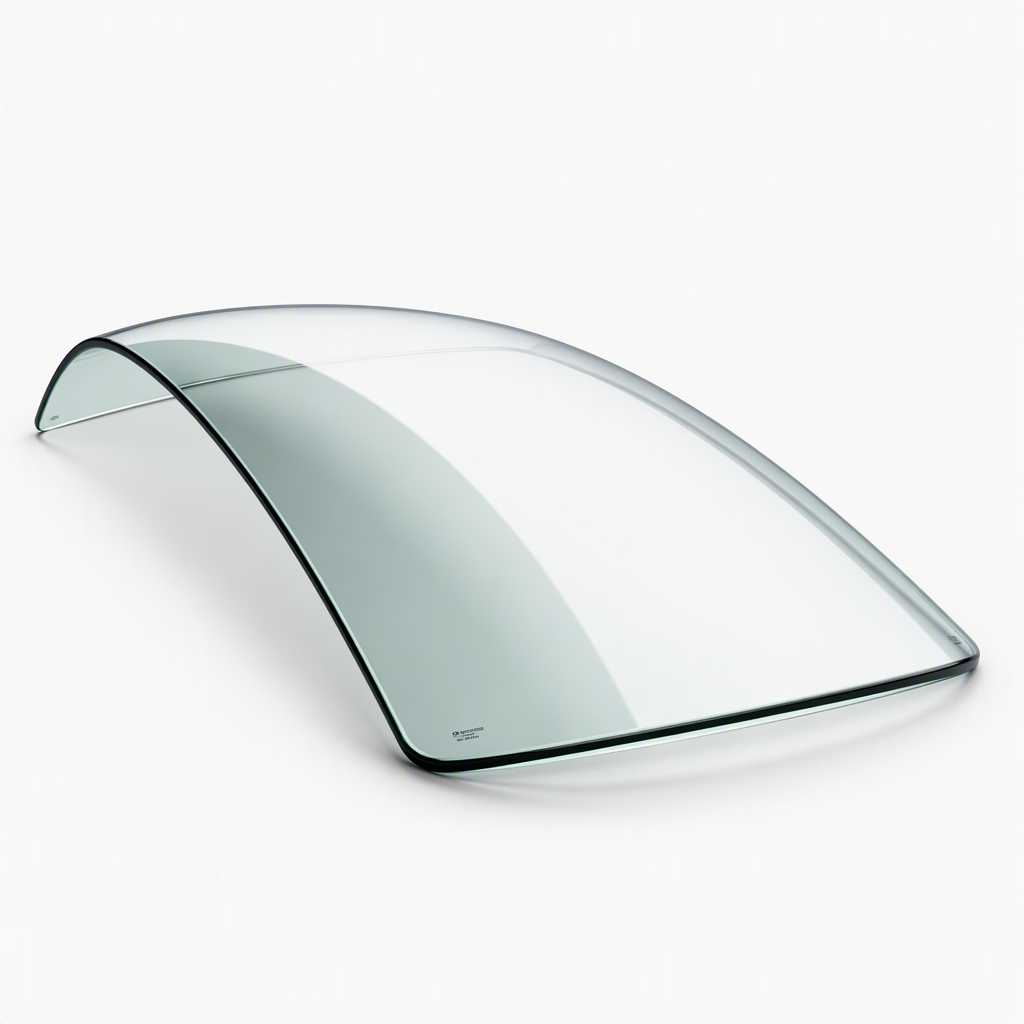
Hot Bent Glass Curved Tempered Glass Panel Small Radius Arc Shaped Custom Curved Glass For Automotive Display OEM ODM
A hot-bent curved tempered glass panel for automotive and EV display interfaces. Small-radius forming supports console, dashboard and charging-equipment design concepts where reflection control and visual integration matter.

Custom Silk Screen Printed Tempered Glass Electronic Control Panel Cover for Smart Appliances
A printed tempered-glass cover for smart appliances and electronic controls. Recommended for Ottawa appliance brands, property-tech teams and multifamily developers that need scratch-resistant, easy-clean interfaces with consistent brand colour and icon alignment.
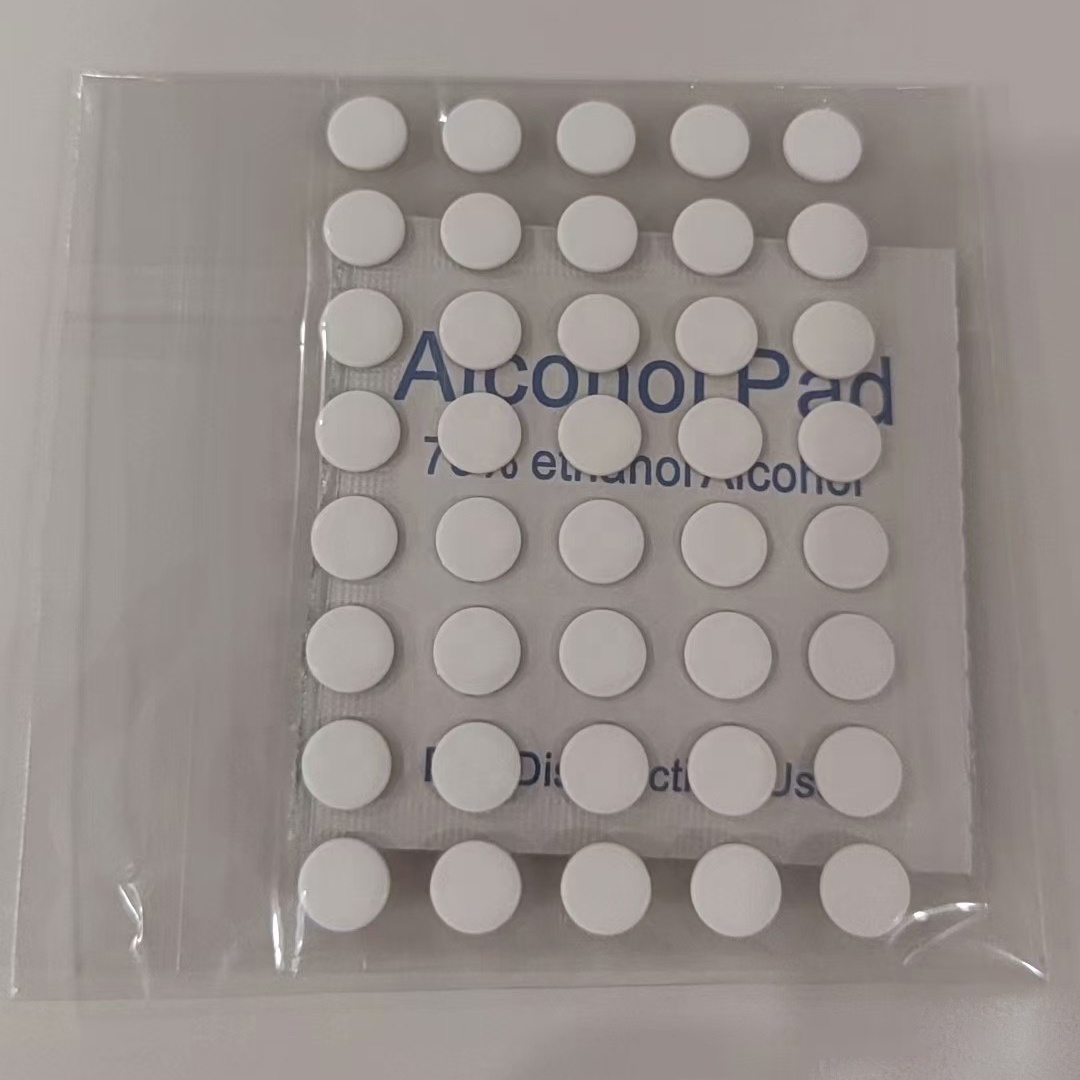
PTFE Round Gaming Mouse Glides Mouse Skate Dots
Smooth PTFE glide dots for gaming mouse upgrades and branded accessory kits. A complementary product for Ottawa gaming brands and distributors that want to combine glass mouse pads, glide accessories and custom retail packaging.
Why KELO Can Be Evaluated Like an Engineering Supplier
Ottawa buyers need more than a price. They need evidence of process control, response speed and export readiness. These verified operating numbers are the starting point for due diligence.
Why Custom Printed Glass Is an Interface Decision for Ottawa OEMs
For Ottawa OEMs, screen-printed glass often sits at the point where user experience, bilingual branding, public-facing durability and optical clarity meet. A control panel is touched by hundreds of users; a smart-lock keypad must remain legible through winter dry air and summer humidity; a transit or wayfinding display must handle snow glare; a laboratory instrument must survive repeated cleaning. The printed glass is not a cosmetic overlay. It carries the brand, the language, the icons, the alignment and the optical function of the entire interface.
KELO Glass approaches the Ottawa market from a factory-direct export position. We are not a local Ottawa glazier or a trading agent. Our production is in Huizhou, Guangdong, and our role is to manufacture custom glass to drawing, validate samples, control coating performance and ship with packaging that survives international transit. That distinction matters: buyers get direct access to a factory engineering team instead of a reseller layering margin and delay onto every change.
The right question is not only “who sells printed glass in Ottawa?” but “who can prove the print, coating, forming and inspection remain stable after the sample is approved?” That is why E-E-A-T matters in this category. Experience with real assemblies, expertise in glass and coatings, authority demonstrated through verified trade profiles, and trust built through measured data and transparent terms are all part of the purchase decision.
Information gain for Ottawa buyers comes from translating a design file into a production stack: glass material and thickness, print method, edge treatment, tempering route, coating choice, adhesive, packaging and inspection criteria. A supplier that cannot explain these steps is not ready for a public-facing or long-life product.
What to send with your first inquiry
Send enough detail for an engineering review, not just a picture.
- 2D or 3D drawing with size, tolerance and edge finish
- Glass thickness, material preference and annual volume
- Print artwork, colour target and English/French text layers
- Coating request: AR, AG, AF, ITO/FTO or combined stack
- Application conditions: indoor, outdoor, cleaning, condensation
- Prototype quantity and Ottawa delivery target
- Packaging, labelling and export documentation needs
Ottawa Application Scenarios Where Printed Glass Pays Back
Ottawa’s technology, institutional, multifamily, medical, automotive and gaming supply chains each put different pressure on the same piece of glass. Start with the operating condition, then choose the product route.
Smart buildings & access control
Printed glass keypads, smart-lock panels, elevator interfaces and intercom covers. Ottawa multifamily and institutional buildings need durable labels, cleanable surfaces and consistent presentation across tenant touchpoints.
Recommended: smart-lock keypad glassTelecom, networking & lab equipment
Display shields and ITO-coated substrates for sensor, antenna or heating designs. Kanata North and the wider Ottawa technology cluster support equipment where optical clarity, electrical function and documentation are reviewed together.
Recommended: ITO conductive glassMedical & laboratory instruments
Cover glass with cleanable surfaces, precise print and optional AF treatment. Suitable for diagnostic displays, analytical instruments and medical carts where the interface must stay readable after repeated cleaning.
Recommended: display cover panelAutomotive, EV & fleet interfaces
Curved, hot-bent tempered glass for console and dashboard displays. Small-radius forming and AR/AG options help manage reflection while preserving the design intent of modern vehicle interiors.
Recommended: curved automotive glassTransit, wayfinding & winter-facing kiosks
AG anti-glare glass and protective cover panels help manage low winter sun and snow glare. For condensation-prone designs, discuss ITO heating substrates during engineering review so the optical and electrical requirements are validated together.
Recommended: display protection glassGaming, esports & branded consumer products
UV-printed glass mouse pads, custom packaging and PTFE glide dots for Ottawa gaming brands, distributors and promotional programs. These products benefit from factory-controlled printing, flatness and accessory bundling.
Recommended: custom glass mouse padLocalized Trends Shaping Ottawa Demand for Printed Glass
The Ottawa market is not simply “Canada with a smaller population.” Its climate, bilingual expectations, technology ecosystem and public-facing installations create specific requirements for custom glass printing.
Snow-glare optics and outdoor readability
Winter sun reflected from snow can wash out outdoor displays and kiosk screens. Buyers increasingly ask for AG anti-glare glass, AR anti-reflective coating or a combined stack, with the final choice validated against the actual viewing distance and light conditions.
Bilingual artwork and brand control
English and French interface versions require disciplined artwork management. A printed glass supplier should support layered artwork files, first-article proofs and clear separation between translated text, icons, safety marks and brand colour.
Verified factories over anonymous listings
Procurement teams are reducing supplier risk by checking factory profiles, ratings, trade history and assessment reports before releasing drawings. KELO’s profile links are included below so Ottawa buyers can verify capability without relying on a sales claim.
Low-volume customization, then scale
Prototype programs often start with one or two pieces. Ottawa hardware teams need a supplier that can validate fit, print and coating in sample form before committing to bulk production, with a clear path to 21–31 day mass-production lead times after approval.
Cold-climate logistics and packaging
Printed glass travels through multiple handling points before reaching Ottawa. Custom honeycomb cartons, blister trays, partitions and protective films reduce transit damage, while export documents and agreed incoterms keep responsibilities clear.
Touch, heating and print integrated
More Ottawa equipment concepts combine a printed cover glass with capacitive touch, ITO heating or optical coating. Early engineering review prevents a cosmetic print decision from compromising electrical function, adhesive compatibility or assembly tolerances.
A Practical RFQ Scorecard for Ottawa Procurement Teams
Use this weighting as a starting point when comparing custom glass printing exporters. It is an editorial procurement guide, not a market survey, and should be adjusted to your device risk level.
The visible quality of control panels is decided here. Ask for first-article proofing, Pantone or colour targets, and a clear process for English/French artwork layers.
Thickness, tempering route, CNC accuracy, hole positions and edge polishing influence assembly yield and field durability.
AR, AG, AF, ITO and FTO requirements should be written with measurable values such as reflectance, haze, contact angle or sheet resistance.
Confirm what will be frozen after sample approval: material, print file, coating stack, fixture, packing method and inspection standard.
Custom cartons, partitions, blister trays and surface protection should be specified before the first bulk shipment to Canada.
Factory profile, ratings, trade history, inspection records and agreed trade terms help procurement defend the decision internally.
Recommended Construction Matrix for Ottawa Use Cases
Use this table to move from a local application scenario to a specific product route and engineering conversation.
| Ottawa use case | Why it matters locally | Recommended route |
|---|---|---|
| Multifamily smart-lock and access keypad | High-touch interfaces, bilingual labels, abrasion and cleaning | Custom printed smart-lock keypad glass; discuss AF anti-fingerprint treatment if the surface is frequently touched. |
| Exterior or semi-exterior display protection | Snow glare, low winter sun, cleaning and condensation cycles | Custom tempered display cover with AG or AR coating; discuss ITO heating substrate where condensation control is required. |
| Medical, laboratory or diagnostic instrument | Repeated cleaning, legible print, traceability and optical clarity | Tempered display cover panel with optional AF treatment and custom serialized printing. |
| Smart appliance and kitchen control panel | Fingerprints, colour consistency, scratch resistance and easy cleaning | Silk-screen printed tempered glass control panel with AF coating if smudge resistance is a priority. |
| Automotive, EV console or charging interface | Curved design, reflection management and interior integration | Hot-bent curved tempered glass with AR or AG coating, validated against the display viewing angle. |
| Gaming, office and branded consumer product | Custom logo, low-friction surface and retail-ready presentation | UV-printed glass mouse pad plus PTFE glide dots for bundle programs. |
From Ottawa Drawing to Factory Release: The KELO OEM Workflow
A transparent process reduces the risk of discovering a print, coating or forming problem after the first bulk order.
Requirements and drawing review
Share the drawing, application, annual volume, target market and Ottawa delivery expectation. We review material, thickness, print and coating feasibility.
DFM and material recommendation
Engineering feedback covers tolerance, edge finish, CNC holes, curved forming, coating stack and the cost drivers that matter for volume production.
Artwork proofing and prototype
Printed artwork is reviewed for colour, icon clarity and language layers. Samples can start from 1–2 pieces for fit and appearance validation.
Optical and functional validation
The approved sample freezes the glass material, print, coating, adhesive and packaging route. Any change after this point should be managed through a revision conversation.
Mass production and inspection
Typical bulk lead time is 21–31 days after sample approval. Incoming, in-process and final inspection cover dimensions, appearance and coating performance.
Packing and export release
Custom honeycomb cartons, blister trays and partition packing minimize transit damage. Trade terms can be quoted as FOB, CFR, CIF, EXW or DDP.

Specialty materials and in-house processes help match the glass route to the Ottawa application rather than forcing every project into one substrate.
How KELO Reduces Risk for International Buyers
Quality is built into the process, not inspected in at the end. KELO controls key steps under one roof: cutting, CNC machining, edge polishing, silk-screen printing, flat and curved tempering, coating and bonding.
- IQC: incoming glass and consumables are checked for thickness, flatness, surface defects and material consistency.
- IPQC: CNC dimensions, hole positions, tempering results, coating adhesion and abrasion are reviewed during production.
- FQC/OQC: finished parts receive 100% appearance inspection, with packing checks before export release.
This structure is especially important for Ottawa buyers who cannot easily visit the factory before ordering. The purchase decision depends on verifiable process data, sample approval and clear documentation.
KELO Glass Advantages for Ottawa Buyers
Ottawa procurement teams can evaluate KELO as a custom glass manufacturer and exporter with the process depth, documentation and communication expected for international OEM programs.
Factory-direct, not a trading layer
KELO is a Huizhou-based manufacturer with in-house cutting, printing, tempering, coating and inspection. Ottawa buyers communicate with the factory engineering team on drawings and samples.
Surface engineering depth
AR anti-reflective, AG anti-glare, AF anti-fingerprint, ITO and FTO conductive glass can be specified with measurable performance targets rather than vague descriptions.
Custom geometry and forming
Glass thickness from 0.1 mm to 19 mm, CNC holes, irregular shapes, silk-screen printing, 2.5D/3D curved forming and 3M adhesive bonding are customized to drawing or sample.
Fast samples and practical lead times
Sample orders can start from 1–2 pieces. Bulk lead time is typically 21–31 days after sample approval, depending on size, coating, curved forming and print complexity.
Export terms and payment options
FOB, CFR, CIF, EXW and DDP trade terms are supported, with T/T, L/C, PayPal and Western Union payment options. Alibaba Trade Assurance can protect eligible orders.
Verifiable supplier profile
Review the company overview, verification report, ratings, factory video and trade capacity before releasing a drawing. View company profile
Questions Ottawa Buyers Ask Before Sending a Drawing
Straight answers for procurement, engineering and product teams evaluating a custom glass printing exporter for the Ottawa market.
Are you a local Ottawa manufacturer or an overseas exporter?
KELO is a factory-direct manufacturer based in Huizhou, Guangdong, China, serving Ottawa buyers as an exporter. We are transparent about this distinction: buyers get factory engineering and production support, not a local Ottawa fabrication shop. This can be an advantage for custom tooling, coating choices and direct communication on drawings.
What is the minimum order quantity for custom printed glass?
Sample orders can start from 1–2 pieces so you can validate fit, optics, print and coating performance before committing to volume. Bulk quantities are quoted per drawing, material, coating stack and packaging requirement. For Ottawa prototype teams, this makes early technical validation more practical.
How long do samples and mass production take?
Sample timing depends on the glass route, printing requirement and coating. For mass production, the typical lead time is 21–31 days after sample approval, subject to size, coating stack, curved forming and print complexity. We confirm the schedule in the quotation so your Ottawa launch plan has a documented assumption.
Can you print English and French artwork on the same glass program?
Yes. We can print artwork supplied by your team, including English and French interface versions. Translation accuracy and final language approval remain with the buyer. For better colour and alignment control, provide separate artwork layers for text, icons, brand marks, serialization and safety symbols.
Which products are best suited to Ottawa winter and snow-glare conditions?
For exterior or semi-exterior displays, AG anti-glare glass or an AR/AG combination is often discussed to reduce reflections. For condensation-prone designs, ITO heating substrates can be evaluated during engineering review. The final choice should be based on viewing angle, enclosure design, power budget and cleaning method, not on a generic recommendation.
Do you supply AR, AG, AF, ITO and FTO coated glass?
Yes. KELO supplies AR anti-reflective glass, AG anti-glare glass, AF anti-fingerprint glass and ITO/FTO conductive glass. Typical specification windows include AR reflectance below 1.0% per side, AG haze from 5–60%, AF contact angle above 110°, and ITO/FTO sheet resistance from 1–20 Ω/sq. Final targets are confirmed against your drawing and test method.
How do you protect custom glass during shipping to Canada?
We use custom honeycomb cartons, blister trays, partitions and surface-protection methods according to the part shape and finish. For Ottawa shipments, packaging should be agreed before mass production, especially for large display covers, curved glass and high-gloss printed surfaces. Export documents follow the agreed trade terms.
What trade terms and payment methods do you accept?
We support FOB, CFR, CIF, EXW and DDP trade terms, and T/T, L/C, PayPal and Western Union payment methods. Orders placed through Alibaba.com can be protected by Trade Assurance where eligible. Canadian importers should confirm HS classification, applicable taxes and customs brokerage requirements with their own trade advisor.
Can you produce custom shapes, holes, curves and adhesive bonding?
Yes. Glass can be customized by size, shape, holes, colour, logo printing, 2.5D/3D curved forming and 3M adhesive bonding. Thickness ranges from 0.1 mm to 19 mm. For irregular shapes and curved parts, provide a DXF, STEP or PDF drawing with tolerances and critical dimensions so the factory can review feasibility before quoting.
How can I verify KELO before sending a drawing?
Review the company overview, verified assessment, ratings and reviews, factory video, trade capacity, transaction level and credit profile on the official profile pages. You can also request a sample and ask for the inspection criteria that will be used for your specific glass part. This is the most reliable way to compare custom glass printing exporters for the Ottawa market.
Have an Ottawa Project Drawing? Let KELO Engineer the Printed Glass.
Send your glass size, thickness, artwork, coating target, annual volume and application conditions. Our engineering team will review feasibility, recommend the most practical construction and quote a sample route for your Ottawa product program.