Eight OEM Glass Products for Lamp Cover & Optical Lighting Projects
Lamp cover glass rarely travels alone. These eight product families demonstrate the substrate, coating, tempering, printing, curved forming and adhesive capabilities available to Mérida lighting brands, architects and distributors. Product URLs are preserved so your engineering team can review the exact build.

Round Oval PTFE 3M Wear-resistant Smooth Mouse Feet Stickers Glass Pad Resin Pads
Low-friction PTFE and 3M adhesive components for sliding trims, adjustable shutters and moving fixture assemblies where smooth motion and wear resistance matter.

Curved Tempered Glass Panel with Anti-reflective Coating Waterproof for Bathroom and Instrument Display Decoration
Waterproof curved tempered glass with AR coating — a strong reference for bathroom vanity luminaires, mirror lights and humid Mérida interiors.
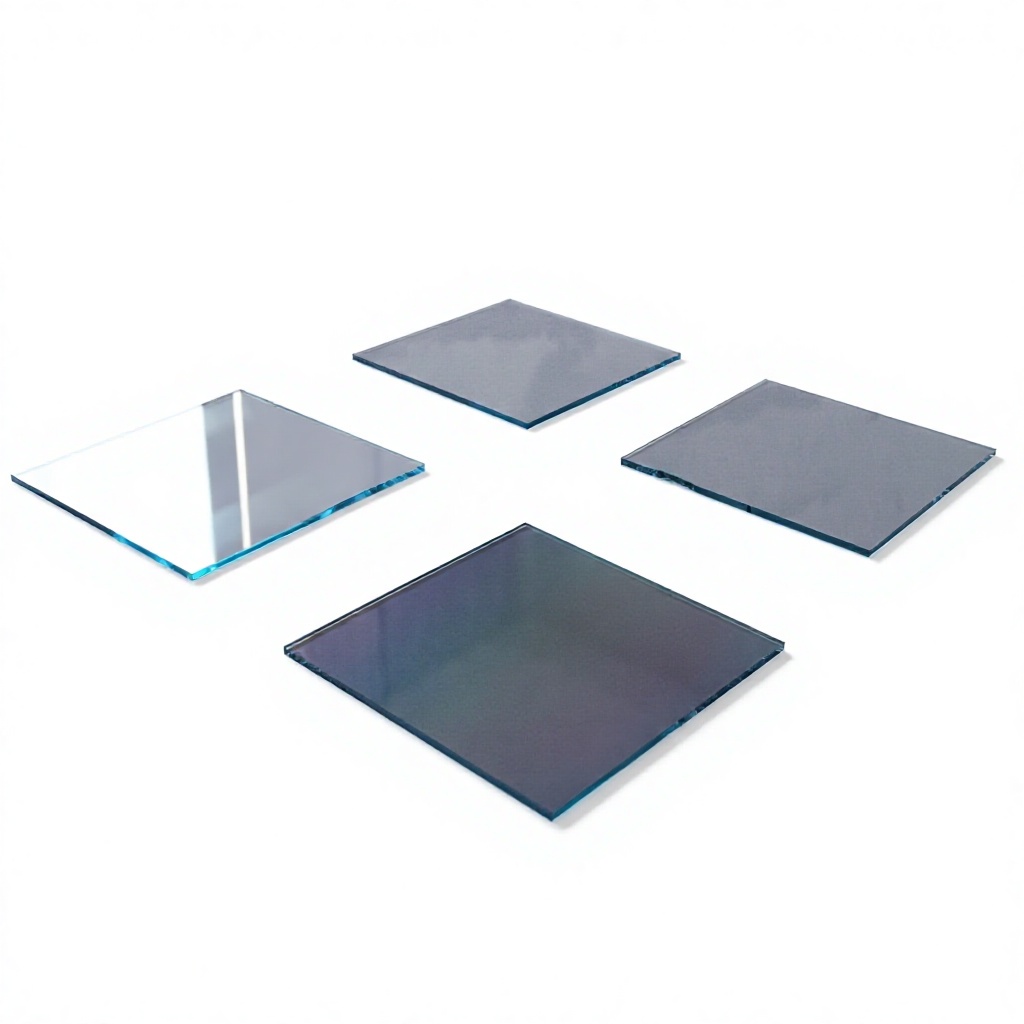
1.1mm ITO Coated Conductive Glass Panel Optical Electronic Glass Custom Shape Polished Edge for Industrial Use
Transparent conductive glass for touch switching, EMI control and anti-condensation heater concepts in intelligent luminaires and control plates.
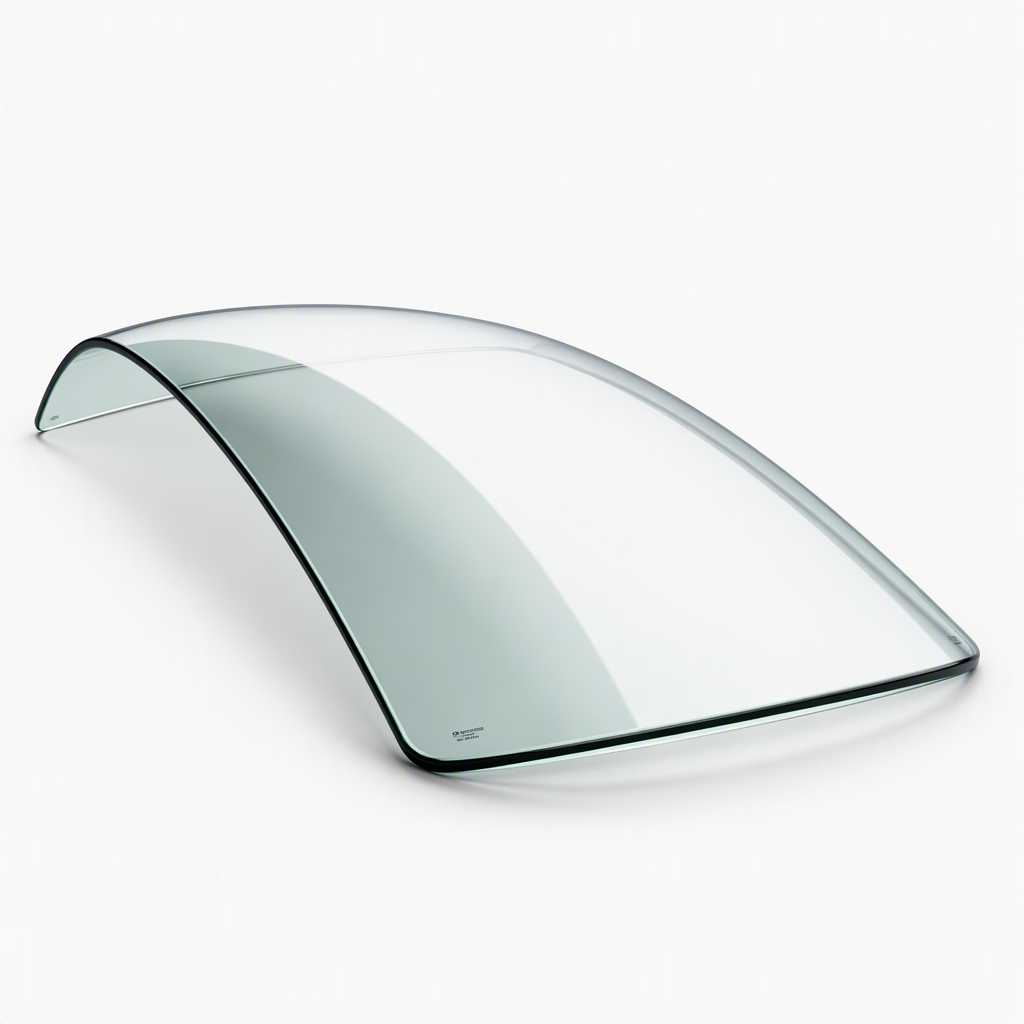
Hot Bent Glass Curved Tempered Glass Panel Small Radius Arc Shaped Custom Curved Glass For Automotive Display OEM ODM
Small-radius hot-bent tempered glass for curved luminaire covers, decorative sconces and display trims requiring precise 3D geometry.
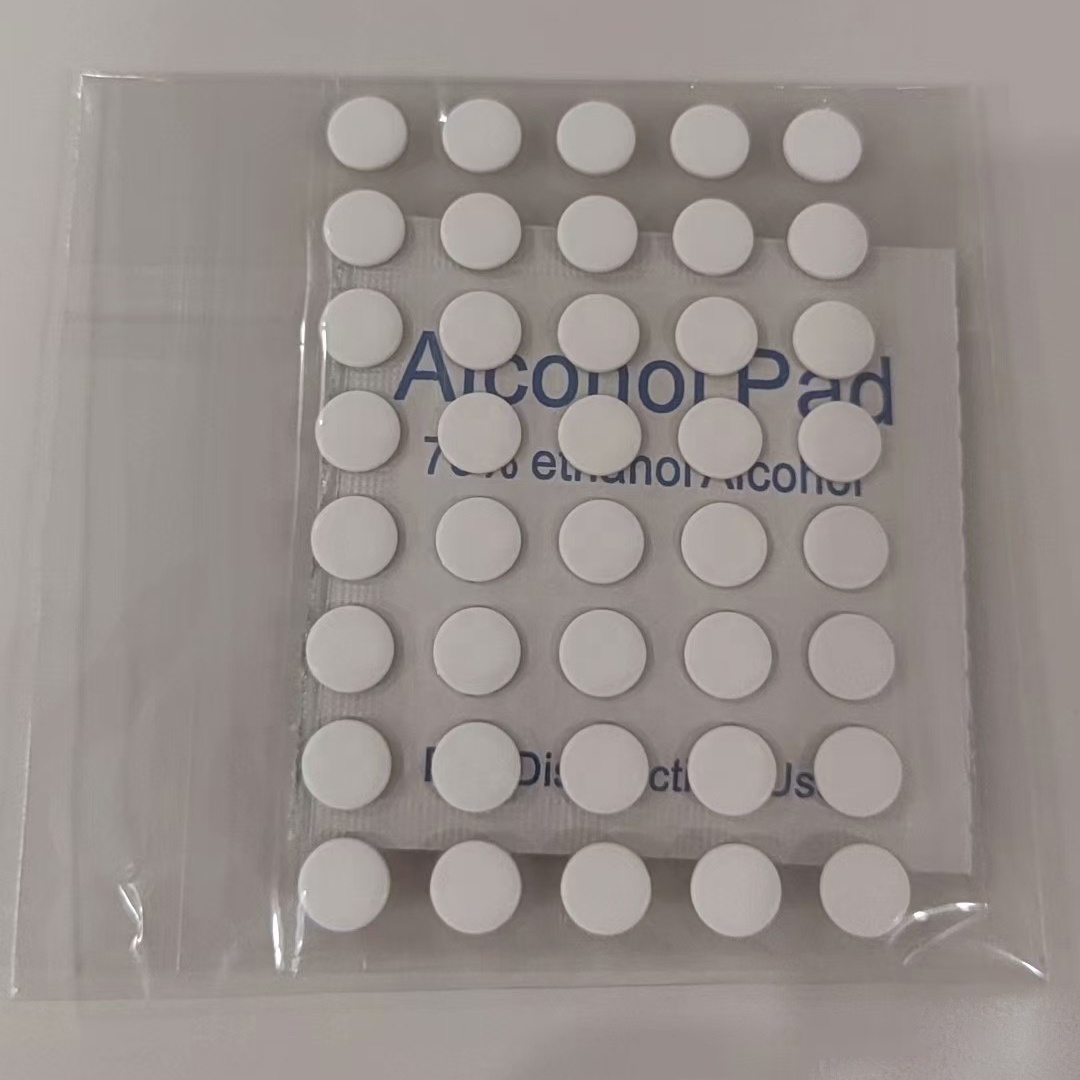
PTFE Round Gaming Mouse Glides Mouse Skate Dots
Factory-ready low-friction glides showing our PTFE finishing discipline for smooth adjustment mechanisms and sliding elements near glass fixtures.

High Transmittance 98% Anti-Reflective AR Glass for Museum Showcase Luxury Picture Frame Low Reflectance Coated 1mm-19mm
Low-reflectance AR glass for museum showcases, luxury frames and display lighting — the same optical logic protects artwork and merchandise from glare.
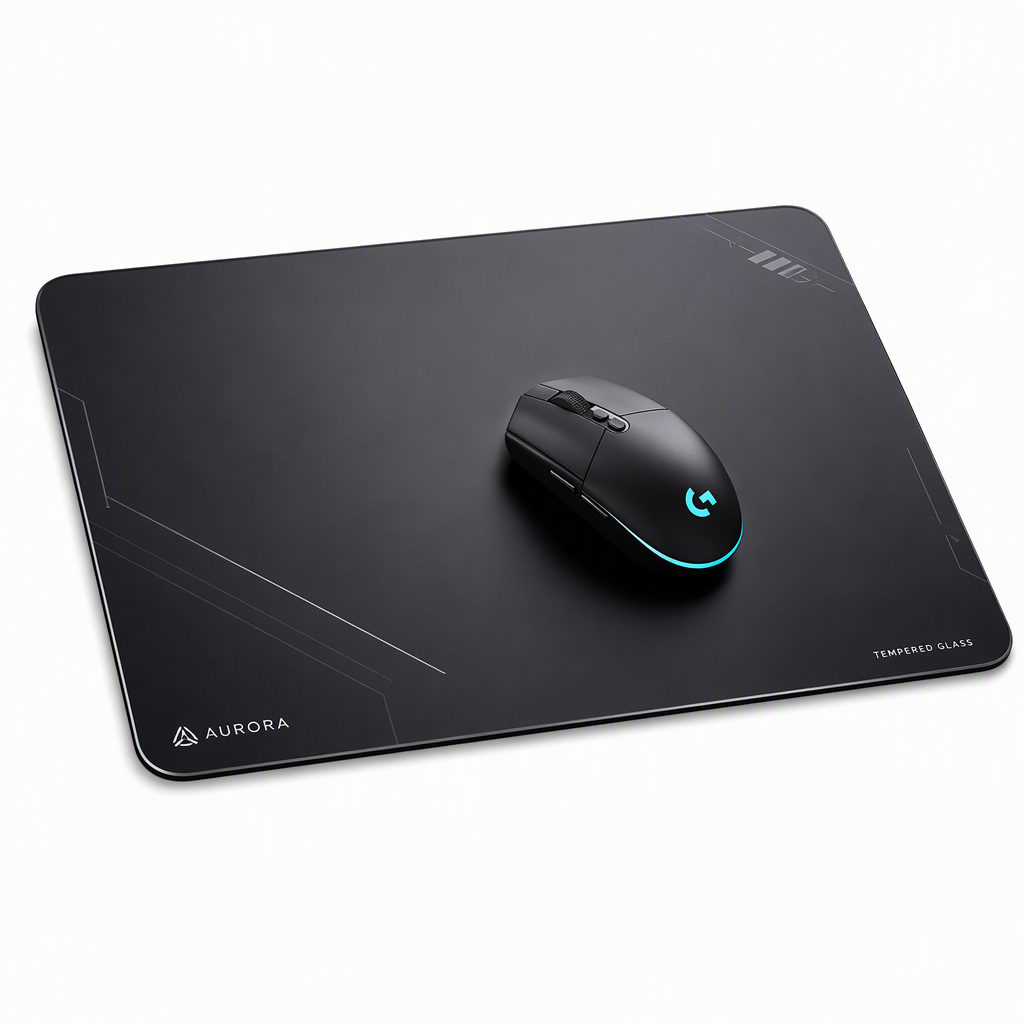
Tempered Glass Mouse Pad 2MM 3MM Hard Surface Glass Mousepad UV Printing Custom Logo Silicone Base OEM Factory
Hard-surface tempered glass with UV printing, custom logo and silicone base — demonstrating flat glass, print and assembly capability for branded glass products.
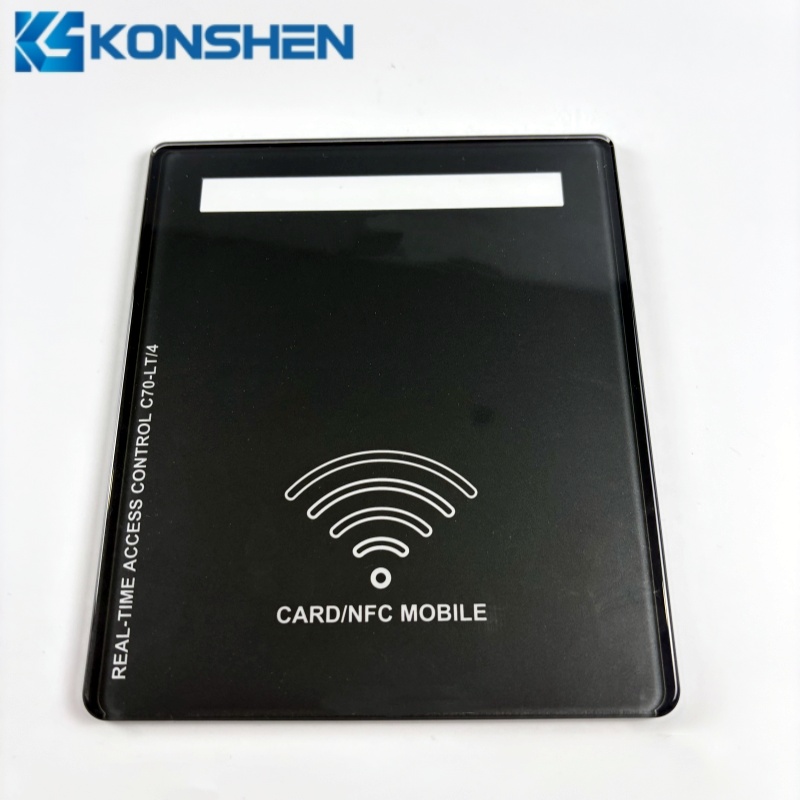
Custom 5mm NFC Access Card Silkscreen Printing Tempered Touch Screen Glass Switch Display Cover Glass
Custom 5 mm tempered touch glass with silk-screen printing and NFC access card format — relevant to smart switch panels and hotel room controls.
What Mérida Buyers Should Know Before Specifying Lamp Cover Glass
Mérida, Yucatán, is not a generic lighting market. The city combines a tropical climate, high solar exposure, salt-laden air from the Gulf coast, heritage-sensitive architecture and a fast-growing hospitality and smart-building sector. For lighting brands, architects and importers, a lamp cover is no longer a decorative accessory; it is a weather-facing optical component that must control glare, protect LEDs, survive cleaning and preserve design intent.
Huizhou KELO Glass Co., Ltd. serves these programs as a factory-direct OEM manufacturer from Huizhou, Guangdong — not a Mérida storefront. Every key step runs under one roof: cutting, CNC machining, edge polishing, silk-screen printing, flat and curved tempering, AR/AG/AF/ITO/FTO coating, 2.5D/3D forming and 3M adhesive bonding. That structure gives Mérida buyers one accountable partner and tighter control from drawing to packed export carton.
The strongest specification rarely begins with thickness alone. It starts with the operating condition: Is the luminaire under a palapa, beside a pool, inside a restaurant, or in a heritage corridor? Does the glass need to diffuse light, maximize transmission, suppress fingerprints, hide edge graphics, or support a touch/NFC interface? Once the function is clear, our engineers can select substrate, tempering, coating and printing route. This guide is written to help procurement teams in Mérida ask better RFQ questions and compare supplier responses with evidence, not adjectives.
Lamp Cover Glass Applications Across Mérida
From the Centro Histórico to the northern hotel corridor, glass specification should follow the installation environment. These are the scenarios where a considered cover glass program adds measurable value.
Boutique hotels and haciendas
Warm-dim sconces, bathroom vanity lights and courtyard lanterns need low-glare glass that hides fingerprints and keeps a premium feel. AF coating and edge-polished tempered glass are frequent choices.
Centro Histórico façades
Heritage facades and protected streetscapes reward subtle lighting. Anti-reflective or low-iron glass reduces window-like reflections, while silk-screen printing can conceal edges and reproduce period motifs.
Terraces and pool decks
Yucatán humidity, chlorine and salt-laden air punish exposed luminaires. Specify sealed, corrosion-resistant coatings, salt-spray validation, polished edges and packing that prevents edge chipping.
Retail, galleries and museums
Display lighting needs high transmission and controlled reflectance. AR glass with transmittance above 99% and low reflectance protects contrast, colors and fine detail in showcases and branded environments.
Smart homes and hotel controls
Backlit switch panels, NFC room access and touch dimming require printed tempered glass with AF topcoat. Where sensing is integrated, ITO conductive glass can support a seamless glass interface.
Clinics and laboratories
Optical windows and lamp covers for medical, dental and laboratory equipment need easy-clean surfaces and stable optical performance. Quartz and sapphire options are available for demanding instrument windows.
Lamp Cover Glass Performance Data You Can Specify
Use this matrix to align optical, mechanical and environmental requirements before requesting samples. Values are typical production windows; final acceptance criteria must be confirmed against your drawing during engineering review.
| Technology | What it solves in Mérida | Typical performance window |
|---|---|---|
| Tempered / strengthened | Impact resistance, thermal cycling and edge integrity for exposed luminaires. | 0.1–19 mm; flat or curved; 2.5D/3D; strength tests per drawing |
| AR anti-reflective | Reduces back reflections in hotel, museum and display lighting. | R <1.0% per side; T >99% at 400–700 nm |
| AG anti-glare | Softens sun and poolside glare while keeping the light visually comfortable. | Haze 5–60%; gloss 0.5–8 GU |
| AF anti-fingerprint | Easier cleaning in touch, hospitality and humid areas. | Contact angle >110°; >10,000 cycles; pencil hardness >3H |
| ITO / FTO conductive | Touch switching, EMI shielding or anti-condensation heater concepts. | 1–20 Ω/sq; T >85%; haze <2% |
| Printed / silk-screen | Brand marks, icons, light diffusion and concealed edges. | Custom artwork; cosmetic grade per 60/40 scratch-dig available |
Mérida Lighting Trends Reshaping Glass Specification
Procurement trends in Yucatán are moving toward climate resilience, heritage sensitivity and digital control. Each trend creates a different glass requirement.
Climate-resilient luminaires
Hot, humid conditions and coastal salt air are pushing buyers toward tempered glass, sealed edges, salt-spray validation and anti-fingerprint surfaces that clean easily after dust and rain exposure.
Heritage-sensitive low glare
Restoration and hospitality projects in Mérida want warm, soft light without reflective glare. AG coating, controlled haze and printed diffusion are replacing cheaper clear covers on high-visibility facades.
Glass as a smart interface
Hotel rooms, residences and commercial spaces increasingly use glass switch plates, NFC access and backlit touch controls. The cover becomes part of the electronic design, not only the enclosure.
Import-ready procurement
Mérida buyers are asking for sample-first validation, documented QC, DDP quotations and Trade Assurance protection. Suppliers who can prove process control are winning over lowest-price offers.
How a Custom Lamp Cover Glass Project Runs
A disciplined, engineer-led path from drawing review to packed export carton — designed to reduce rework before tooling and mass production.
Share requirements
Provide a drawing, sample or target specification, annual volume and installation environment.
Engineering review
DFM feedback on thickness, tolerance, coating stack, printing, edge quality and cost drivers.
Rapid prototype
Validation samples from 1–2 pieces so fit, optics, color and touch feel can be checked before volume.
Validate performance
Optical data, adhesion, abrasion, tempering and salt-spray checks are aligned with the approved sample.
Mass production
Typical lead time is 21–31 days after sample approval, depending on coating and curved forming.
Packing and shipping
Honeycomb cartons, blister trays and partition packing; FOB, CFR, CIF, EXW or DDP support.
Why KELO Glass Is a Lower-Risk OEM Partner for Mérida Buyers
Experienced, verifiable and vertically integrated — the practical difference between a trading response and an engineering-led glass manufacturing partner.
Factory-direct structure
Huizhou KELO Glass Co., Ltd. operates a 10,000–30,000 m² factory with 101–200 employees and 21–30 R&D engineers. You deal with the manufacturer, not an unknown intermediary.
In-house surface engineering
AR, AG, AF, ITO and FTO coating are treated as core capabilities. Coating performance can be matched to Mérida’s light, humidity and cleaning conditions.
Curved and tempered glass capability
Flat and curved tempering, edge polishing, CNC holes, silk-screen printing and 2.5D/3D forming allow designers to move beyond rectangular flat covers.
One accountable supplier
Cutting, machining, printing, tempering, coating and 3M adhesive bonding remain under one roof, reducing handling damage and multi-vendor finger-pointing.
Documented quality control
IQC, IPQC and FQC/OQC gates include 100% appearance inspection, tempering checks, adhesion, abrasion and salt-spray testing, plus customized protective packing.
Export-ready commercial support
Samples from 1–2 pieces, 21–31 day production windows, FOB/CFR/CIF/EXW/DDP terms and T/T, L/C, PayPal or Western Union payment options.



Independent Proof of Manufacturing Capability
Mérida buyers can review third-party verified data, buyer feedback, factory video and trade records before committing to a sample or deposit.
Verified assessment
On-site verification report covering factory profile, capabilities and assessment status.
View reportRatings and reviews
Buyer feedback behind the 4.9/5 store rating and 98.18% reply rate shown on the official store profile.
Read reviewsFactory video
Walk through production, coating, tempering and inspection areas before discussing your lamp cover drawing.
Watch videoTrade history
Recorded transactions, export markets, trade capacity and credit profile available for procurement review.
View historyLamp Cover Glass Procurement Questions We Hear from Mérida
Direct answers for lighting brands, architects, importers and distributors evaluating a custom glass supplier.
Are you a lamp cover glass manufacturer in Mérida or a supplier serving Mérida?
Can you customize lamp cover glass for Yucatán humidity, sun and salt air?
Which glass and coating should I choose for outdoor luminaires in Mérida?
What shapes, thicknesses, sizes and printing options are possible?
What is the minimum order quantity and typical lead time?
How do you control quality for a coated lamp cover?
Which shipping terms and payment methods do you support for Mexico?
How can I verify KELO Glass before paying a deposit?
Request a Mérida-Specific Lamp Cover Glass Quote
Send your drawing, target coating performance, installation environment and annual volume. Our engineering team will review feasibility, recommend the most cost-effective glass route and clarify sample timing before you commit.
Get a Quote