8 Product Lines That Support Custom Laser Mirror & Optical OEM Programs
The product cards below preserve live production URLs and cover conductive glass, anti-glare cover glass, AF-coated panels, tempered touch glass and precision glass finishing. For a Memphis laser mirror RFQ, these in-house capabilities become building blocks: substrate selection, reflective or protective coating review, CNC shaping, edge polishing and 100% appearance inspection before export.
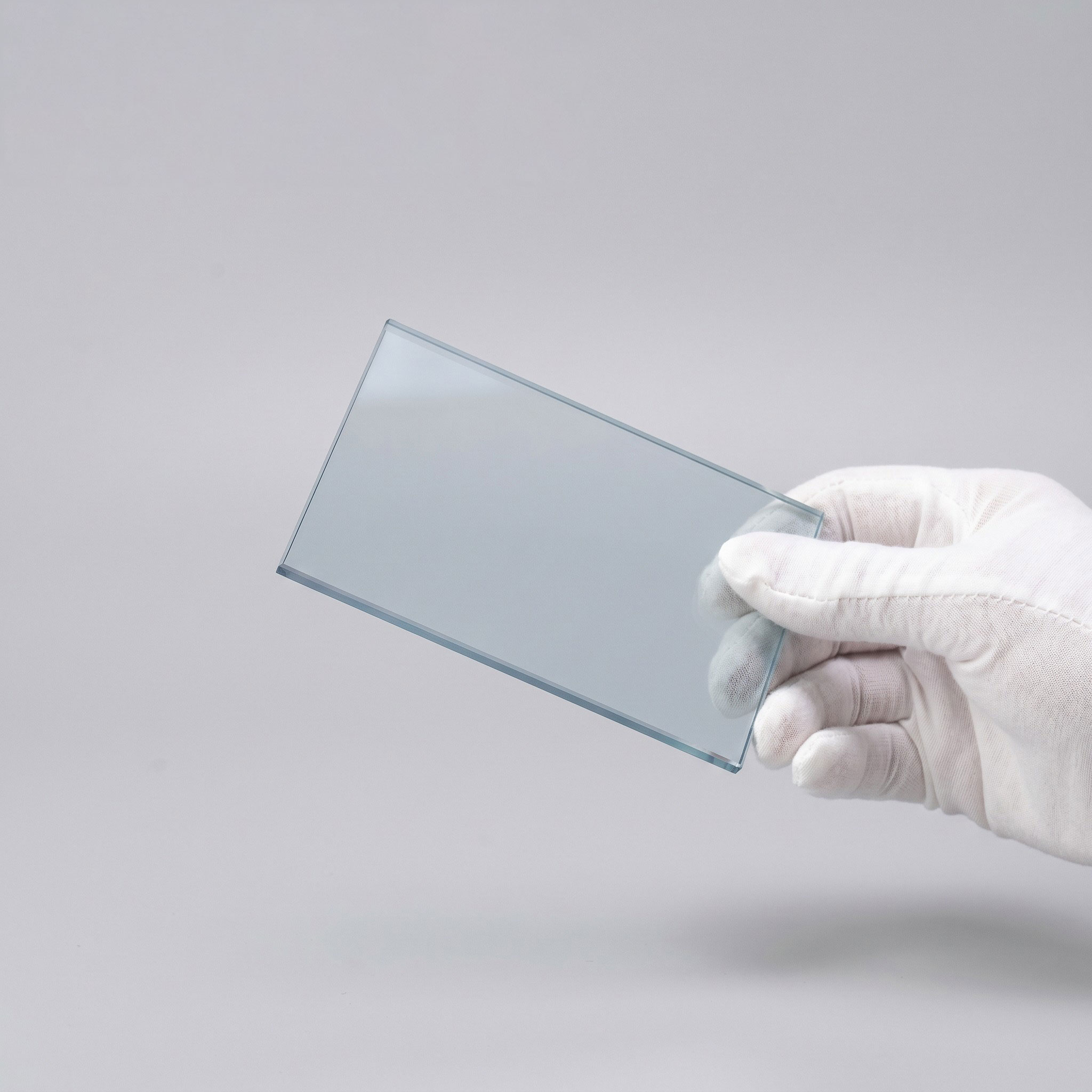
FTO Conductive Glass for Solar & High-Temperature Labs
Fluorine-doped tin oxide glass for DSSC, perovskite, thin-film solar and high-temperature research. Stable conductive performance with sheet resistance 1–20 Ω/sq, transmittance above 85% and haze below 2%.
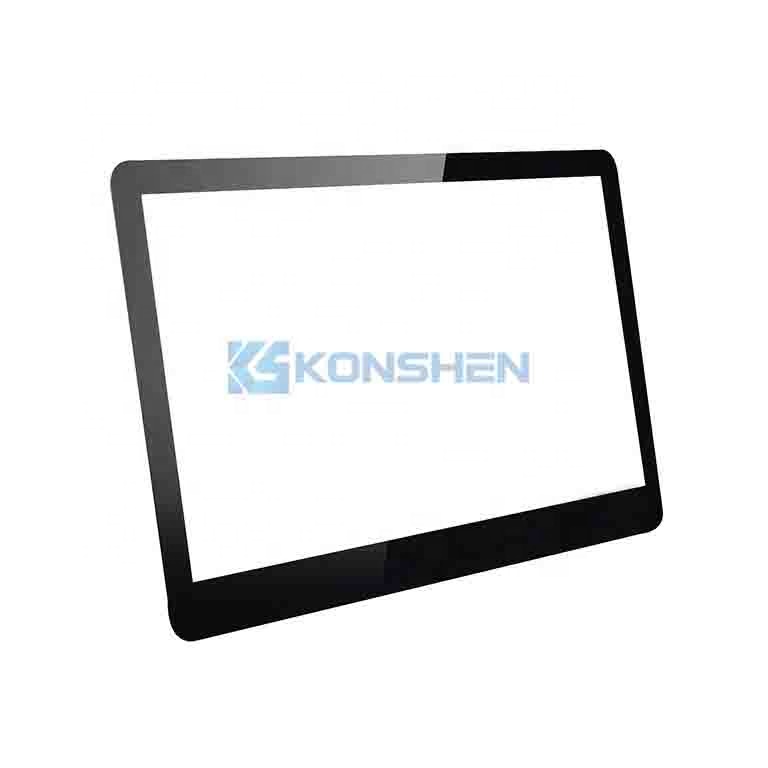
Anti-Glare Tempered LCD Protection Glass
2 mm and 3 mm solid or hollow anti-glare cover glass with chemical tempering and silk-screen printing. Designed to reduce glare on touch screens, kiosks, outdoor displays and appliance interfaces.

PTFE 3M Wear-Resistant Mouse Feet & Glass Pad Pads
Precision die-cut PTFE glide feet with 3M adhesive for gaming mice and glass mouse pads. Smooth, wear-resistant and customizable in round or oval shapes for peripheral brands.
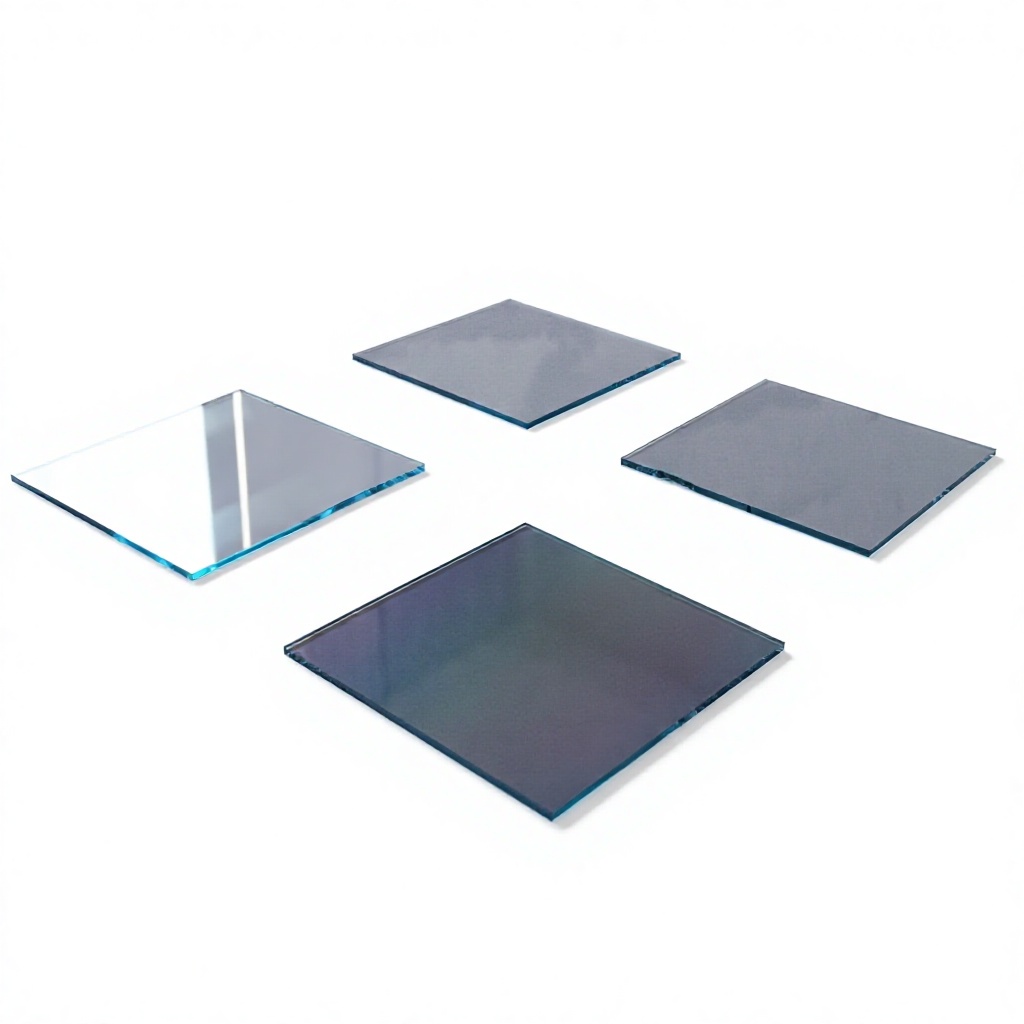
1.1 mm ITO Coated Conductive Glass Panel
Custom-shape ITO glass with polished edges for industrial touch sensors, displays, EMI shielding and optical electronic assemblies. Sheet resistance, size and edge finish are confirmed to drawing.
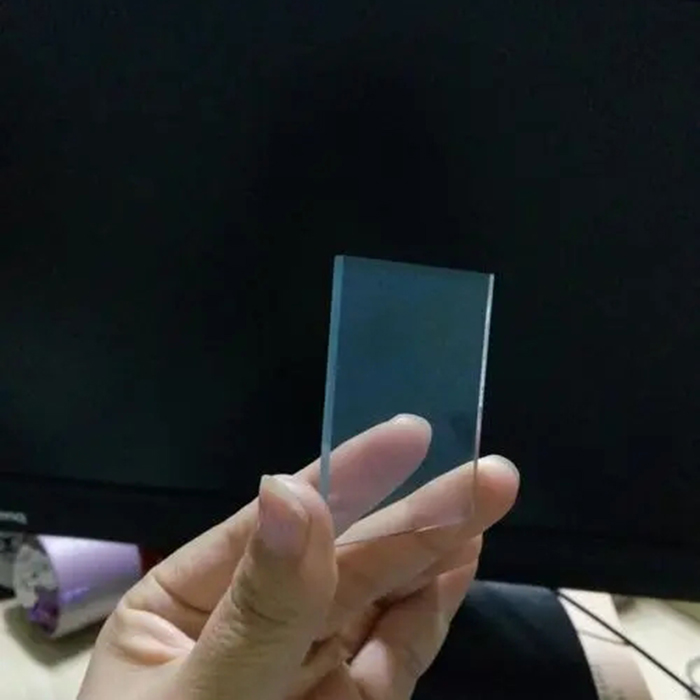
ITO & FTO Conductive Glass for Lighting
Solid flat square conductive glass in 1.1 mm and 2.2 mm for lighting applications, transparent heaters and electrode research. Available in ITO and FTO variants for different process conditions.
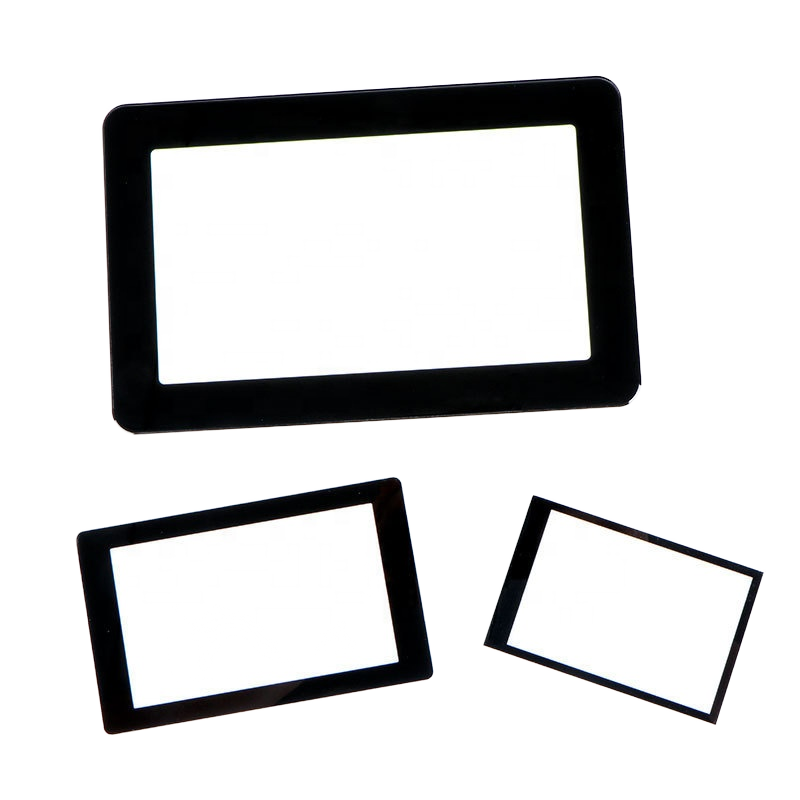
Extra-Clear Tempered Outdoor Touch Panel
0.2–5 mm soda-lime extra-clear tempered touch screen panel with left-right switching control, waterproof design and outdoor gym or kiosk durability. Custom printing and shape are available.
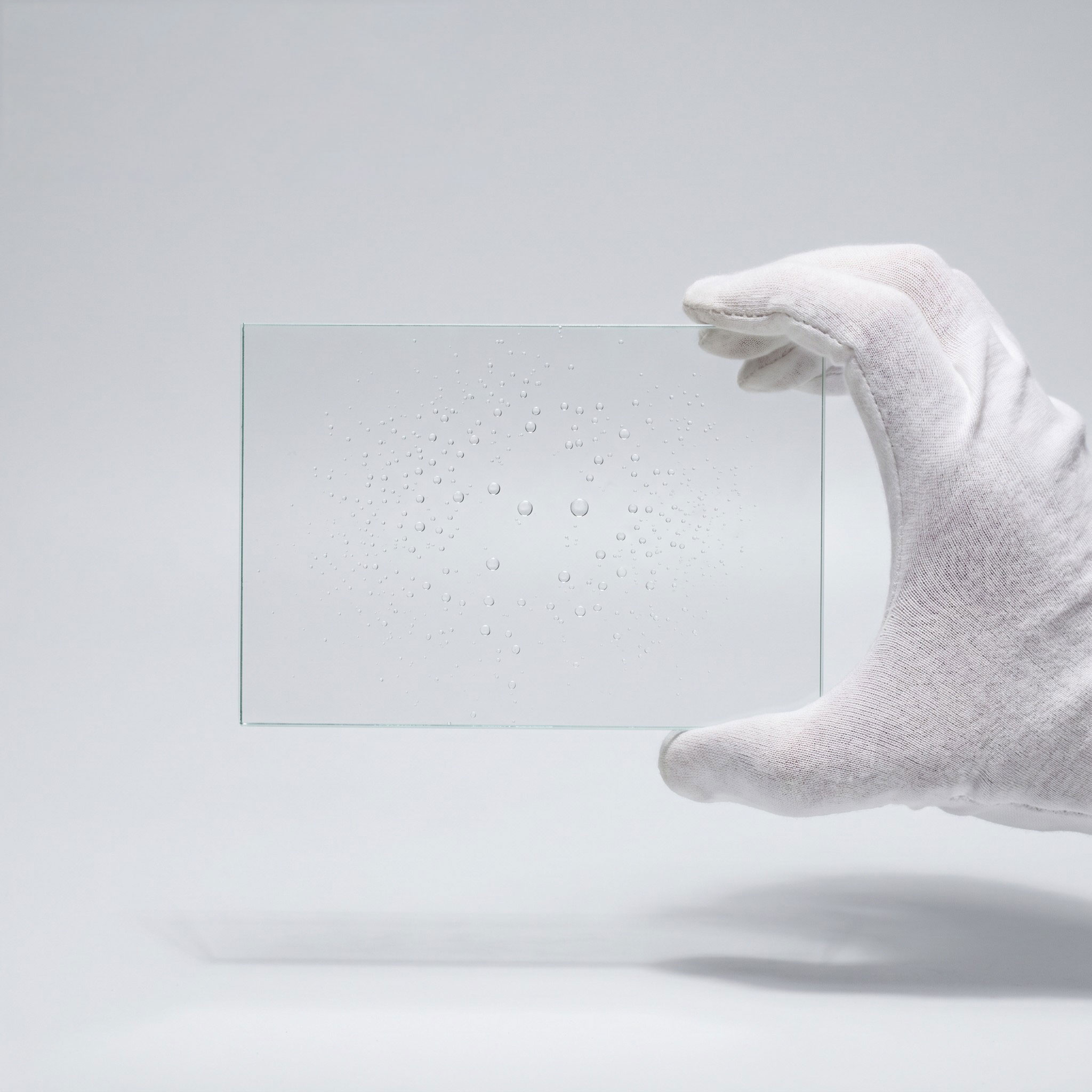
AF-Coated Toughened Glass for Appliance Controls
KS AF001 high-transmittance AF coating on 1.1 mm and 2 mm CNC-cut toughened glass for kitchen electronics and appliance covers. Easy-clean surface with contact angle above 110°.
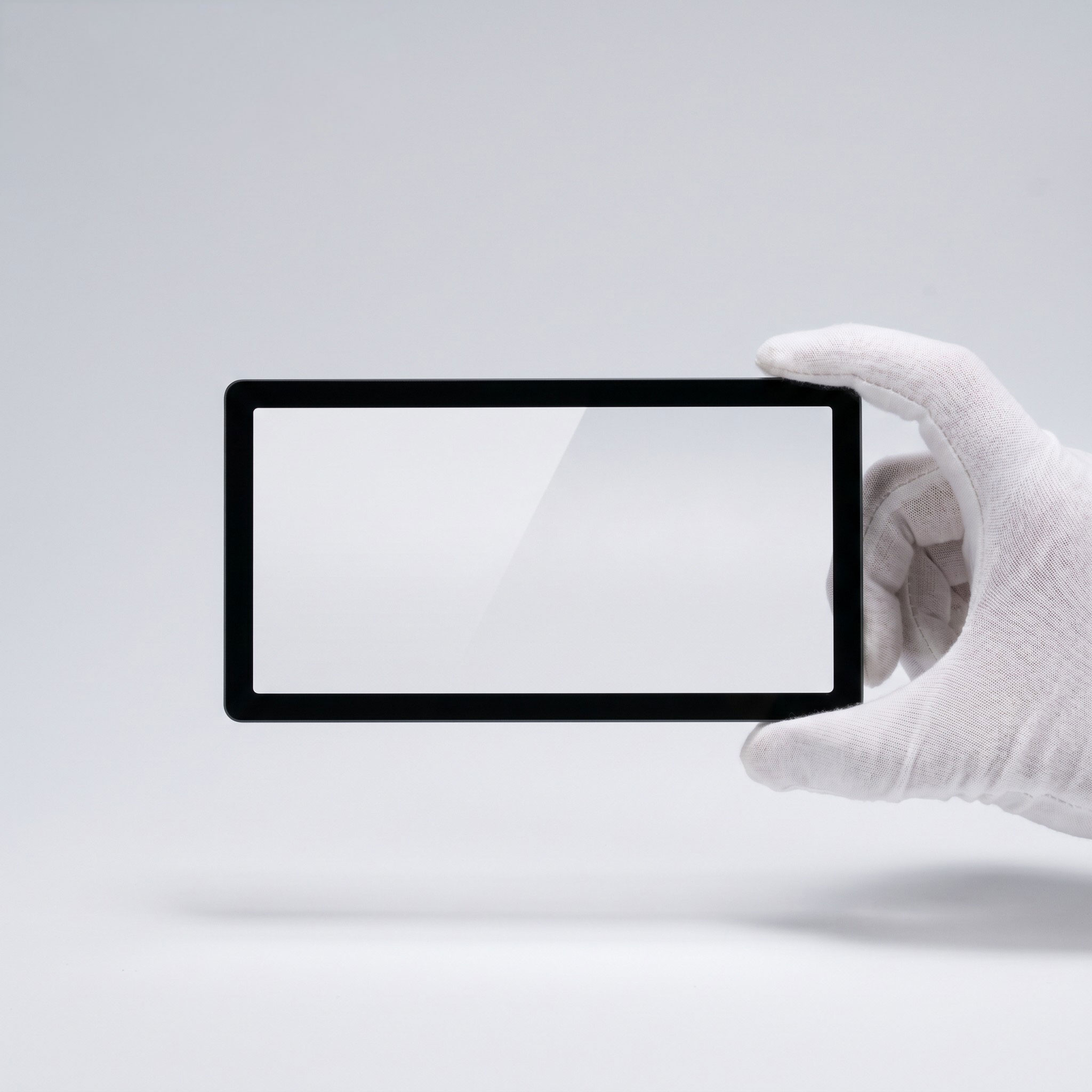
Custom Gorilla Glass Front Panel for Solar Displays
CNC-cut and silk-printed Gorilla glass cover sheets for solar display screens and protected front panels. Custom size, logo, holes and edge treatment are quoted from drawing or sample.


A Memphis-Ready Supplier for Custom Laser Mirrors & Precision Optical Glass
KELO Glass is a factory-direct manufacturer located in Huizhou, Guangdong, inside China’s Greater Bay Area electronics supply chain. We produce touch cover glass, display cover glass and optical coated glass, with advanced surface treatment as the core technology. For Memphis buyers, this means one accountable supplier for substrate, coating, CNC finishing, inspection and export packing.
Laser mirror projects rarely fail because a factory cannot cut a flat sheet. They fail when wavelength, angle of incidence, reflectance, substrate, edge quality, cleaning method and packaging are not aligned. Our engineering team reviews your drawing, flags DFM risk and recommends a qualified sample route before volume production. The goal is not to sell a catalogue mirror, but to match the right optical and mechanical route to your application.
What Memphis OEM Buyers Should Specify Before Requesting a Laser Mirror Quote
A laser mirror is an optical system decision, not just a glass purchase. The more precisely you define these inputs, the faster our engineers can confirm substrate, coating, finishing and price.
Wavelength & AOI
State the operating wavelength and angle of incidence. 355 nm, 532 nm, 1064 nm, CO₂ and broadband requirements can lead to different coating designs and substrate choices.
Reflectance Target
Define average or per-wavelength reflectance, polarization and measurement method. Ask for witness sample data rather than a generic catalogue value.
Substrate Route
Borosilicate, quartz, sapphire, soda-lime, chemically strengthened glass or Gorilla glass may be considered. Match coefficient of thermal expansion and thermal load to the process.
Geometry & Thickness
Share length, width, thickness from 0.1–19 mm, holes, notches, chamfers and 2.5D/3D forming requirements. Edge quality is critical for handling and coating uniformity.
Surface Quality & Flatness
Specify scratch-dig, surface roughness, flatness, edge chips and cosmetic criteria. For imaging, beam delivery or interferometry, surface quality affects far more than appearance.
Coating Stack
High-reflectance dielectric, metal, protective, AR, AG, AF or ITO/FTO conductive functions can be reviewed. Combined functions must be confirmed against durability and optical targets.
Laser Damage Threshold
Provide power density, pulse energy, duty cycle and cooling conditions. We agree the LIDT test route and sample validation plan before mass production so expectations are documented.
Environment & Cleaning
Humidity, salt spray, cleaning chemicals, wipes and handling affect coating choice. For touch or outdoor use, AG and AF functions may be required in addition to optical performance.
Recommended Starting Points for Common Memphis Applications
Use this table to prepare an internal technical brief. Final substrate and coating routes are confirmed after drawing review, sample validation and application testing.
| Application | Typical Substrate Route | Coating / Finishing Focus | What to Send |
|---|---|---|---|
| Medical laser & diagnostic optics | Quartz, fused silica or sapphire | High-reflectance dielectric or protective coating; cleanliness, flatness and edge quality | Wavelength, LIDT target, surface quality, cleaning method |
| Industrial laser processing | Quartz or borosilicate | HR coating, edge polish, thermal management and protective window options | Power, duty cycle, cooling, mounting and annual volume |
| University & photonics labs | Borosilicate or quartz | Custom AOI, AR/HR review, small-batch samples and quick iteration | Drawing, wavelength, quantity and measurement method |
| Automotive & aerospace inspection | Chemically strengthened glass or Gorilla glass | AR, AG, AF, silk print and impact-resistant cover glass | Environment, vibration, cosmetics, display size and adhesive |
| Solar & perovskite R&D | FTO or ITO conductive glass | Sheet resistance, haze, transmittance and high-temperature stability | Layer stack, temperature profile, sheet resistance and dimensions |
| Outdoor kiosk & touch HMI | Soda-lime tempered glass | AG/AF, waterproof design, silk print and anti-glare haze control | Sunlight conditions, touch frequency, cleaning and enclosure design |
Where Custom Laser Mirrors and Precision Glass Fit in the Local Economy
Memphis is not only a logistics hub. It supports medical and life-science research, advanced manufacturing, industrial automation, automotive suppliers, solar R&D and a growing base of precision engineering teams across the Mid-South.
Medical Devices & Life Sciences
Laser delivery optics, diagnostic windows and instrument covers need documented cleanliness, repeatable coating performance and packaging that protects finished surfaces.
Industrial Laser Processing & Automation
Area manufacturers use laser cutting, marking, welding and inspection. Mirror substrates and protective windows need consistent flatness, coating durability and practical lead times.
Research & Photonics Labs
University and independent labs often need small quantities, unusual wavelengths and fast iteration. Samples from 1–2 pieces reduce the cost of learning before a larger grant or pilot build.
Automotive, EV & Aerospace Suppliers
Mid-South suppliers require AR/AG cover glass, display windows and optical components that survive vibration, temperature cycling, cleaning and long service life.
Solar, Thin-Film & Energy R&D
FTO and ITO conductive glass is used in DSSC, perovskite and thin-film research. High-temperature stability, sheet resistance and haze are often more important than a low unit price.
Logistics & Distribution Teams
Memphis is a freight and express hub. Packing, labeling and documentation must support fast customs clearance, low damage rates and smooth replenishment to warehouses or 3PLs.
Memphis Laser Mirror Sourcing Trends to Watch
Procurement teams in Memphis and the Mid-South are not simply looking for the lowest quote. They are reducing supply risk, shortening validation cycles and asking suppliers to support documentation, packaging and repeatable quality.
Dual Sourcing & Reshoring
Buyers are qualifying a second factory for risk without moving all volume at once. OEM samples and engineer-led DFM make that transition faster and more defensible internally.
Automation & Laser Integration
More production cells use lasers for cutting, marking, welding and inspection. That increases demand for durable optics, protective windows and repeatable coating quality.
Medical Device Growth
Life-science clusters demand traceable cosmetic quality, cleaner packaging and repeatable optical performance. A low-cost sample that cannot scale is not a real saving.
Faster R&D Cycles
Small-batch custom glass and quick samples are becoming a procurement requirement. Teams need to test fit, coating and handling before committing to tooling or volume.
Digital Procurement
Buyers expect drawings, coating data, lead times and trade terms in a format they can forward internally. Clear RFQ feedback reduces back-and-forth and speeds approval.
Logistics-Driven Inventory
Memphis distribution advantages favor suppliers who can pack for damage resistance and support express replenishment, DDP delivery or consolidated shipments.
Export Support for Memphis and North American Programs
North America represents a meaningful share of our export mix. We are familiar with the documentation, packing and incoterms that Memphis buyers use. Samples can move by express air; volume orders can be quoted FOB, CFR, CIF, EXW or DDP. Payment terms include T/T, L/C, PayPal and Western Union, and Alibaba Trade Assurance is available for eligible orders.
- Custom honeycomb cartons, blister trays and partition packing for fragile optical surfaces.
- 100% appearance inspection before packing and release.
- Shipping terms and payment methods confirmed in writing before order release.
- Engineering response typically within one hour during working periods.
From Drawing to Packed Carton: In-House Control at Every Gate
Keeping processes in-house reduces handling damage, delays and finger-pointing. We control tolerances from raw sheet to packed carton, and we inspect at incoming, in-process and final stages.
Incoming Inspection (IQC)
Raw glass and consumables are verified before entering production.
- Thickness and flatness check
- Surface defect screening
- Ink and coating material verification
In-Process Control (IPQC)
Critical dimensions and coating results are checked at each station.
- CNC dimension and hole position
- Tempering and strength tests
- Coating adhesion and abrasion tests
Final Inspection (FQC/OQC)
Every finished piece is checked before protective packing.
- 100% appearance inspection
- Salt spray reliability testing
- Honeycomb, blister and partition packing
How a Custom Laser Mirror Project Runs with KELO
A transparent, engineer-led process designed to reach a validated sample quickly and scale without surprises.
Share Requirements
Send a drawing, sample or target specification, plus annual volume and application environment.
Engineering Review
Receive DFM feedback on tolerance, substrate, coating and cost drivers before quoting.
Rapid Prototype
Sample orders can start from 1–2 pieces so your Memphis team can test fit and optics.
Validation
Approve appearance, coating performance, reliability and packing before mass production.
Mass Production
Typical bulk lead time is 21–31 days after sample approval, depending on complexity.
Packing & Shipping
Damage-proof packing and worldwide delivery, with export documentation support.
Questions Memphis Buyers Ask Before a First Order
Straight answers for engineering, sourcing and operations teams comparing custom laser mirror and optical glass suppliers.
What is the minimum order quantity for custom laser mirrors or optical glass?
How fast can samples reach Memphis?
Which shipping terms and payment methods work for Memphis buyers?
What should a Memphis buyer include in a laser mirror RFQ?
How do you validate laser mirror coating performance?
Can you customize size, shape, holes, edges and printing?
Which substrates are available for optical and laser projects?
How is glass protected during shipment to Memphis?
Do you support small-batch validation for Memphis labs and startups?
How do you handle confidentiality for OEM drawings?
Send Your Drawing. Get an Engineer-Led Quote for Memphis.
Buyers, distributors, laboratories and brand owners are welcome. Send your drawing, target coating performance, substrate preference and annual volume. Our engineering team will review feasibility and recommend the most cost-effective custom laser mirror and optical glass route for your Memphis project.