Eight engineered glass products supporting oven-glass and appliance programs
These live product listings show the manufacturing range behind our OEM/ODM offer: conductive and anti-fog coatings, curved forming, precision silk-screen printing, AR optics, tempered black glass panels and high-volume small-part finishing. Every product link is preserved exactly for engineering review.
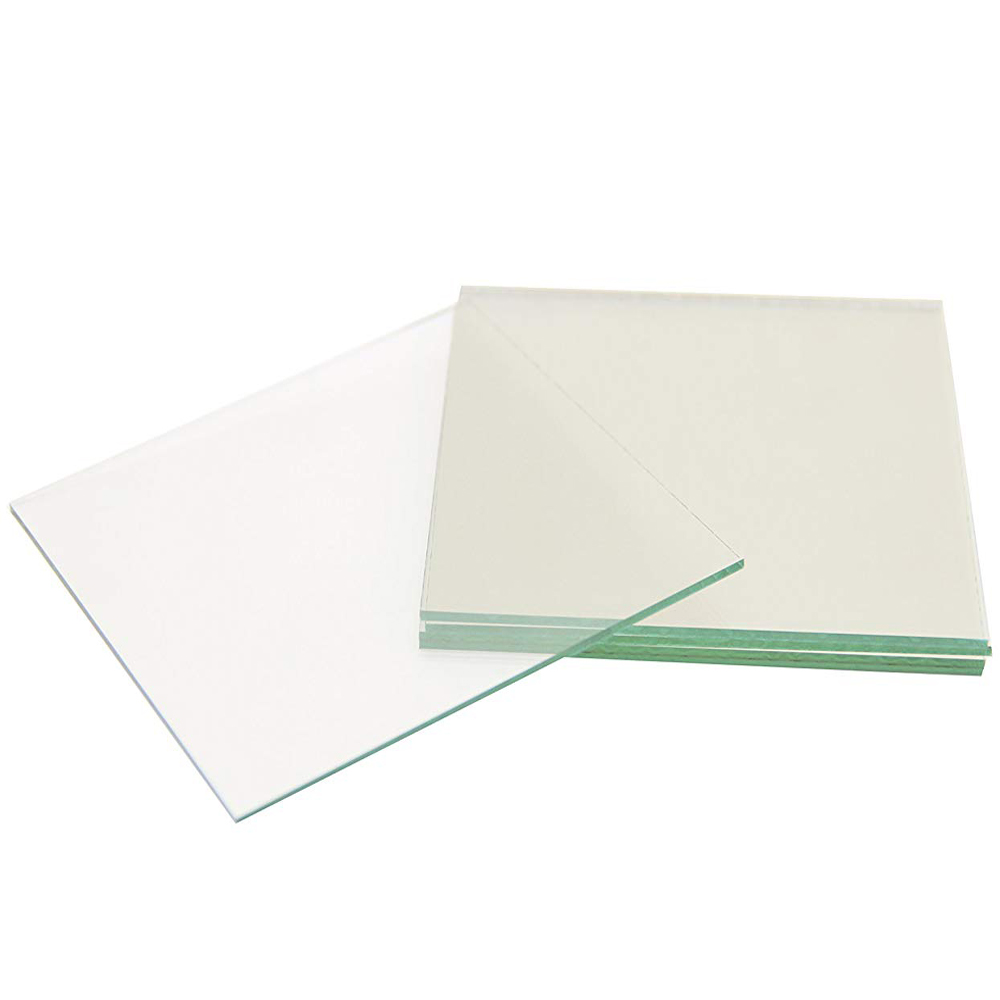
Custom 25x25x1.1mm ITO/FTO Coated Toughened Glass for LAB Display Anti-Fog Heating Conductive Glass Bathroom Solar Applications
Transparent conductive glass with ITO/FTO coating, toughened substrate and anti-fog heating options for lab displays, bathroom interfaces and solar-related assemblies.
View product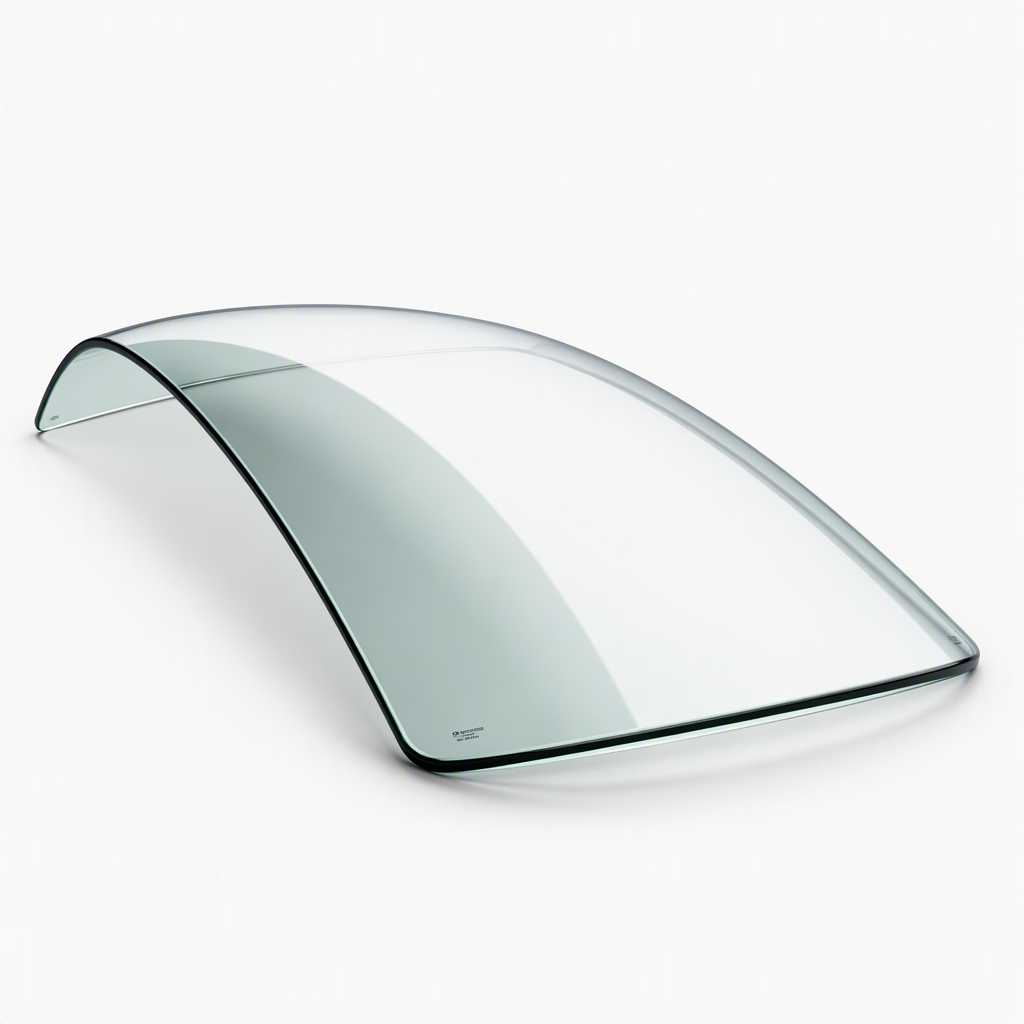
Hot Bent Glass Curved Tempered Glass Panel Small Radius Arc Shaped Custom Curved Glass For Automotive Display OEM ODM
Small-radius hot-bent tempered glass that demonstrates our 2.5D/3D forming capability for display covers, appliance HMI surfaces and curved control panels.
View product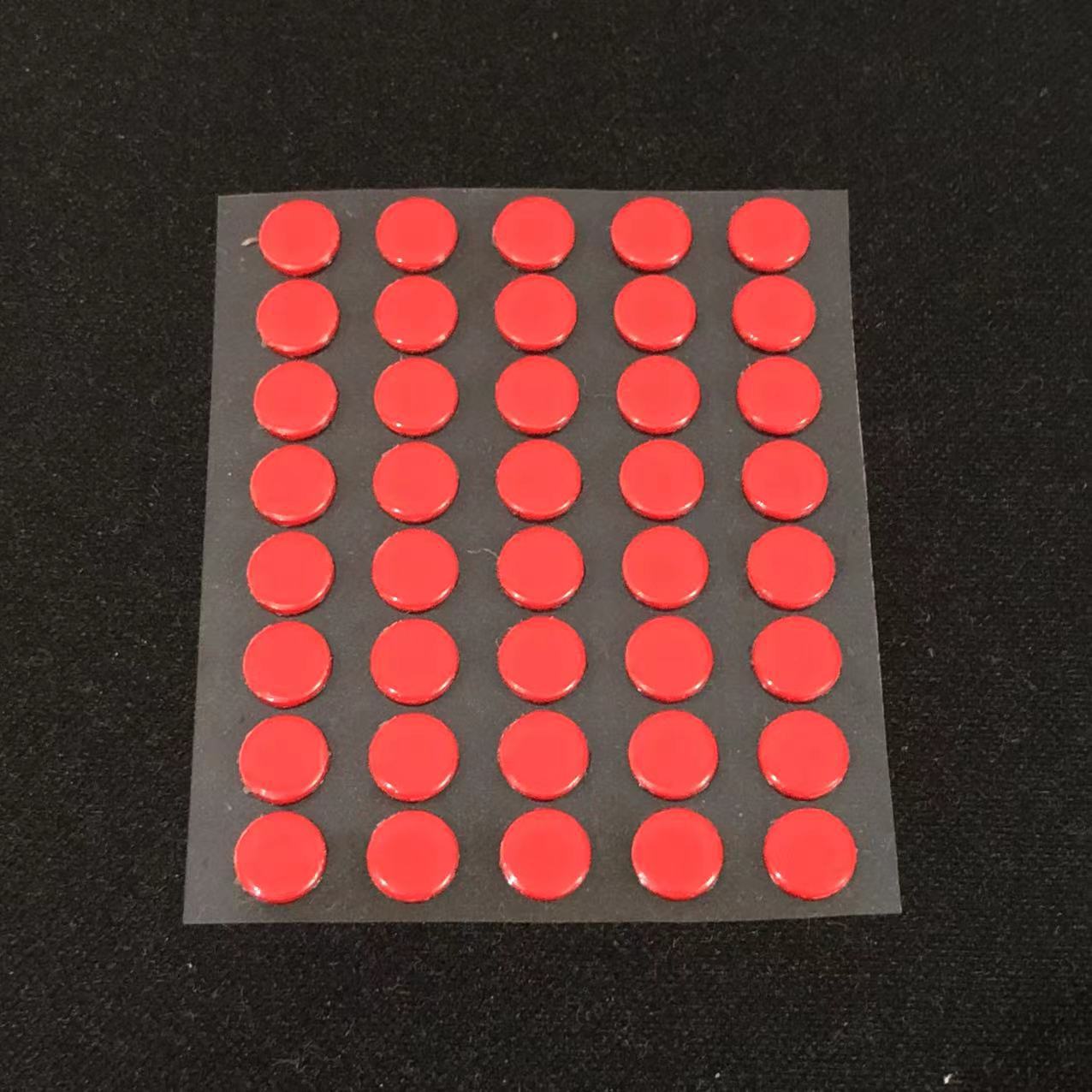
Factory Price Round Red Mouse Sticker Pads Universal Glass Mouse Skates with Small Dot PTFE Non-slip Mouse Feet
High-volume small-format accessory work with color matching, adhesive backing and retail-ready packing—useful for appliance accessory kits and wholesale bundles.
View product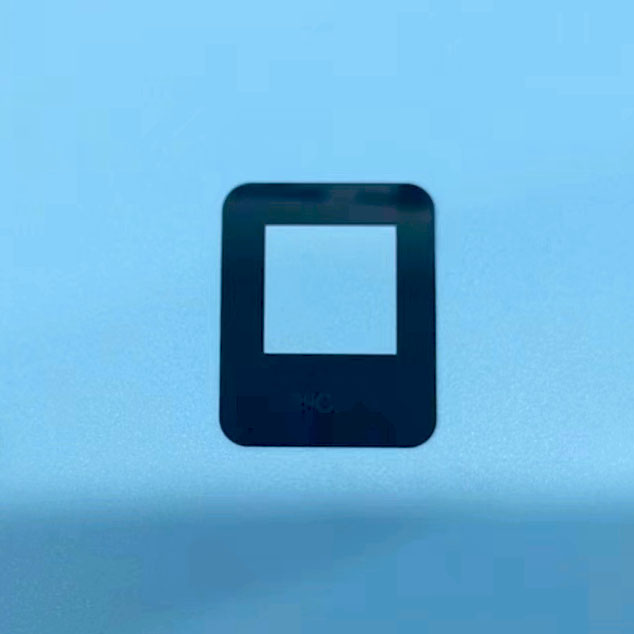
1mm Black Tempered Glass Switch Socket Panel Flat Solid Wall Cover with Print
Flat black tempered glass with print and a solid wall-cover format, illustrating the silk-screen, edge and durability controls used in oven fascia and control panels.
View product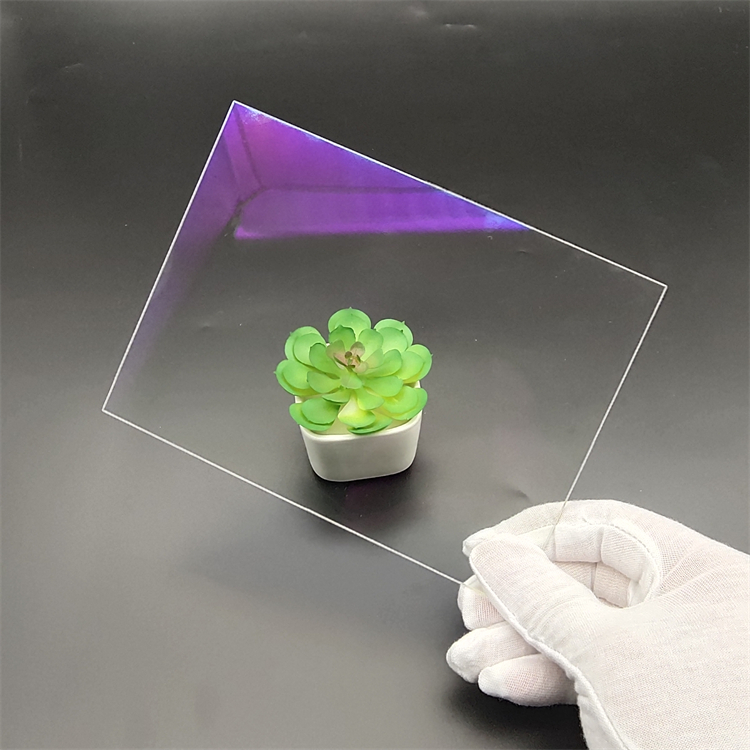
Custom 2mm Ultra-Clear Both Sides Anti-Reflective Coating Tempered Glass for Display Screen Solar & Lighting Use-Solid Structure
Ultra-clear AR-coated tempered glass for high-transmission windows, display screens and lighting covers where reflection control protects contrast.
View product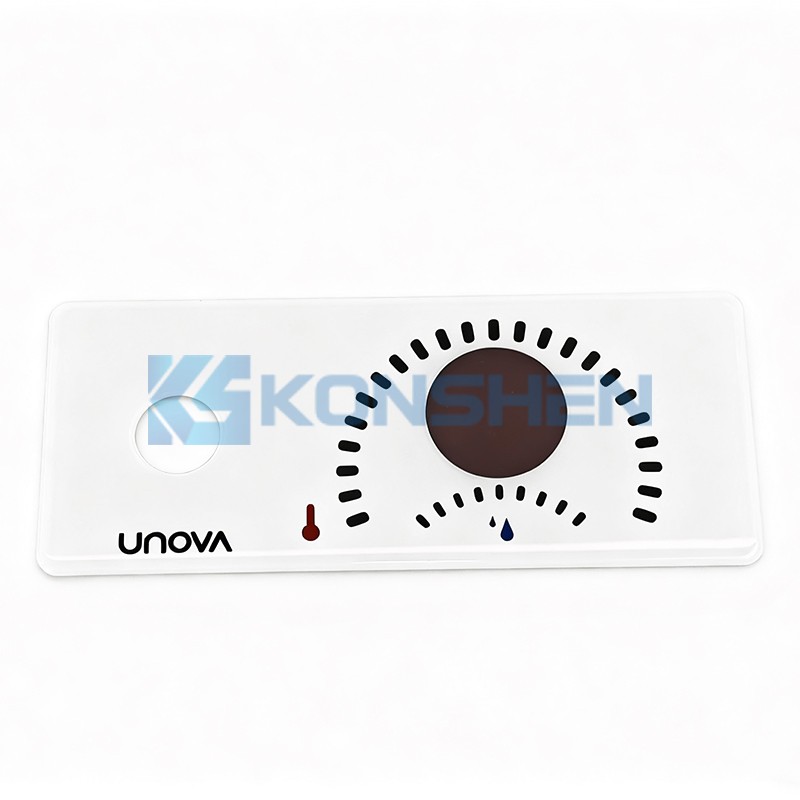
Custom Silk Screen Printed Tempered Glass Electronic Control Panel Cover for Smart Appliances
Directly relevant to oven and appliance HMI: tempered glass, ceramic-style print, symbol alignment, touch-window clarity and easy-clean surface options.
View product
Factory Customized Anti-fogging Anti Reflective Glass Ultra Thin Tempered Toughened Optical ITO FTO Conductive Glass for Lab
Combined anti-fog, anti-reflective and conductive functionality on ultra-thin tempered glass—showing how multiple optical functions can be stacked on one substrate.
View product
Round Oval PTFE 3M Wear-resistant Smooth Mouse Feet Stickers Glass Pad Resin Pads
Custom die-cut PTFE wear parts with 3M adhesive, showing our control of small-format tolerance, surface smoothness and distributor-friendly packaging.
View productWhere oven glass performance is tested in and around Dortmund
Dortmund buyers operate inside a dense Ruhr ecosystem of appliance brands, commercial kitchens, bakery equipment suppliers, property managers and wholesale distributors. The same pane may need to survive a consumer kitchen, a bakery deck oven or a distributor's multi-leg delivery.
Residential built-in ovens
Outer door glass, viewing windows and printed fascia panels must match appliance styling, survive daily cleaning and maintain print alignment through thermal cycling.
Pyrolytic and steam-combination ovens
High-temperature cleaning and moisture-rich steam cooking narrow the material choice. Borosilicate inner panes, tempered low-iron glass and durable ceramic print are often specified.
Commercial kitchens and bakeries
Dortmund's foodservice and bakery equipment buyers need robust replacement panes, safe edge finishing, easy-clean surfaces and predictable batch-to-batch quality.
Wholesale and replacement channels
Distributors serving property maintenance, repair shops and appliance installers need protective packing, clear labels, stable lead times and drawing-level traceability.
What is changing in Dortmund's oven and appliance glass demand
The Ruhr market is not only price-driven. Buyers increasingly ask for documentation, recyclable packaging, surface functions and supply continuity alongside competitive unit pricing.
Energy efficiency and multi-pane doors
Oven doors increasingly use multiple glass layers, low-E coatings and tighter flatness controls to keep heat inside while maintaining a clear viewing window.
Higher-temperature cleaning cycles
Pyrolytic self-cleaning programs push inner panes and printed layers toward high-temperature borosilicate and validated ceramic ink systems.
Touch-first, smart appliance interfaces
Printed capacitive symbols, hidden displays, AG anti-glare and AF anti-fingerprint coatings are becoming normal requirements on appliance control glass.
Compliance, traceability and recycling
European buyers ask for RoHS/REACH awareness, batch traceability and reduced plastic in transit packaging, especially for wholesale and private-label programs.
Engineering a Dortmund-ready oven glass specification
Oven glass is a safety-critical, customer-visible component. A specification should start with the cooking environment, door architecture and cleaning method—not with a generic glass thickness.
From Ruhr procurement corridor to factory floor
Dortmund sits on a practical procurement corridor linking the Rhine-Ruhr region with the Netherlands, Belgium and central Germany. The city's logistics infrastructure—motorway connections, rail freight and nearby air cargo—makes it a natural consolidation point for appliance OEMs, commercial kitchen brands and wholesale distributors. For those buyers, the real question is not simply “Can you supply oven glass?” but “Can you hold the same thermal, optical and print tolerances across repeat batches?”
KELO Glass approaches oven glass as a surface-engineering and process-control problem. The outer fascia, inner heat shield, viewing window and control panel each have a different job. The outer pane carries brand appearance and print. The inner pane handles heat and thermal shock. The viewing window balances transmission, reflection and easy cleaning. A useful specification therefore defines substrate, tempering method, edge treatment, ceramic print, coating stack, adhesive and packing as one system.
Thermal, mechanical and optical checks before approval
For Dortmund OEM and wholesale programs, we recommend validating the following points on the sample and in the drawing notes:
- Thermal shock resistance and fragmentation behavior for tempered soda-lime or borosilicate constructions.
- Print alignment, ink opacity, color consistency and resistance to cleaning chemicals.
- Edge quality, corner radii, hinge cut-outs, screw holes and flatness for door assembly.
- Transmission or low-E targets, AR reflection limits, AG haze and AF contact angle where relevant.
Recommended constructions by oven program
| Application | Suggested construction | Critical controls | Why it matters in Dortmund |
|---|---|---|---|
| Built-in oven outer door | 4 mm tempered glass, low-iron option, ceramic screen print, AF coating | Print registration, color match, flatness, edge polish, adhesion | Visible brand quality and daily cleanability for appliance showrooms and installers |
| Pyrolytic cleaning window | Borosilicate 3.3 inner pane, heat-resistant print, precision cut-outs | Thermal shock, dimensional stability, fragmentation, pin-hole inspection | High cleaning temperature and safety expectations in German appliance programs |
| Steam-combination oven glass | 3–4 mm tempered low-iron glass with AR or anti-fog option | Moisture exposure, optical clarity, coating durability, edge sealing | Growing steam-oven demand and smaller kitchens in urban Ruhr apartments |
| Commercial bakery or foodservice door | 5–6 mm tempered soda-lime glass with impact-safe edge treatment | Impact resistance, thermal cycles, print opacity, carton protection | Fast replacement needs for restaurants, bakeries and central kitchens |
What Dortmund buyers mean when they search for oven glass manufacturers
The same keyword can hide four different purchase journeys. Matching the quote to the real intent shortens approval and avoids a low-price sample that cannot scale.
“Replacement oven door glass”
Intent: a specific fit, fast sample, safe edge and low initial quantity. Confidence comes from drawing review, photos and packing protection.
“Custom OEM oven glass manufacturer”
Intent: DFM feedback, coating data, print tolerance, reliability testing and repeatable batch quality for an appliance program.
“Oven glass wholesaler Germany”
Intent: distributor pricing, carton protection, labels, stable lead times and documentation for resale or installation networks.
“Printed control panel glass”
Intent: symbol alignment, capacitive touch windows, AG/AF surface performance and color consistency across oven control panels.
Factory-direct advantages behind a Dortmund oven glass quotation
Huizhou KELO Glass Co., Ltd. is a factory-direct manufacturer in Huizhou, Guangdong, with in-house cutting, CNC, edge polishing, silk-screen printing, flat and curved tempering, coating and adhesive bonding.
Verified factory, not a trading layer
A 10k–30k m² production site with 101–200 employees and dedicated R&D engineers. Buyers deal directly with the team that controls process, inspection and packing.
In-house surface engineering
AR anti-reflective, AG anti-glare, AF anti-fingerprint, ITO and FTO conductive coatings are handled under one roof, supported by measured optical and electrical performance data.
OEM/ODM from drawing to delivery
Engineering review, DFM feedback, rapid samples from 1–2 pieces, custom size, shape, holes, print, 2.5D/3D forming and 3M adhesive bonding are available for oven door and control projects.
Three quality inspection gates
Incoming, in-process and final inspection include 100% appearance checking, tempering and adhesion tests, abrasion testing and salt-spray reliability checks.
Export-ready terms and packing
FOB, CFR, CIF, EXW and DDP terms are supported, with T/T, L/C, PayPal and Western Union payment. Custom honeycomb cartons, blister trays and partition packing reduce transit damage.
Verified responsiveness and trade record
KELO Glass maintains a 4.9/5 store rating and 98.18% reply rate, with verified assessment, ratings, factory video and trade history available for due diligence.
How quality is controlled before oven glass leaves the factory
Oven glass cannot be inspected only at the end. Coating, print and tempering defects need to be caught at the station where they are created.
IQC · Incoming inspection
Raw glass, inks, coatings and adhesives are checked for thickness, flatness, surface defects and material identity before production begins.
IPQC · In-process control
CNC dimensions, hole positions, print registration, tempering results, coating adhesion and abrasion performance are checked at defined stations.
FQC/OQC · Final release
Finished pieces receive 100% appearance inspection, safety-edge checks, salt-spray reliability testing where specified, and damage-resistant packing before shipment.
From Dortmund RFQ to packed oven glass in six controlled steps
A clear workflow keeps engineering, purchasing and logistics aligned from the first drawing to the delivery terms.
Share requirements
Send the drawing, sample, oven model, annual volume, print artwork, coating target and preferred delivery terms for Dortmund.
Engineering review
Our team gives DFM feedback on glass type, thickness, tolerance, tempering, coating, print and cost drivers before quoting.
Rapid prototype
Validate fit, optics, print and surface performance with samples starting from 1–2 pieces for suitable custom programs.
Sample approval
Approve the golden sample, inspection criteria, packing method and documentation. Changes are frozen before mass production.
Mass production
Typical bulk lead time is 21–31 days after sample approval, depending on size, coating, curved forming and print complexity.
Packing and shipping
Custom honeycomb cartons, blister trays, partitions and labels protect oven glass across sea, rail and final road delivery to Dortmund.
Questions procurement teams ask before ordering oven glass
Clear answers reduce sample cycles, freight surprises and approval delays for first-time and repeat buyers.
Can you produce oven door glass to a drawing or physical sample?
What glass is best for a pyrolytic self-cleaning oven window?
What is the minimum order quantity and sample policy?
What lead time should a Dortmund buyer plan for?
Can you print logos, symbols and touch-control graphics on oven glass?
Do you ship to Dortmund and support DDP or door-to-door terms?
Which documentation and compliance checks can you support?
How do you control quality and prevent transit damage?
Request a Dortmund-ready oven glass quotation
Send your drawing, oven type, annual volume, print artwork, coating target and preferred delivery terms. Our engineering team will review feasibility, recommend the most cost-effective glass construction and respond with a clear quotation for OEM or wholesale supply.
Email: info@keloglass.com · Factory-direct from Huizhou, Guangdong · OEM/ODM projects, distributors and brand owners welcome.