Nha Trang procurement FAQ
Questions local buyers commonly ask before ordering decorative glass panels
These answers are written for architects, hotel owners, contractors, importers and brand teams comparing factory-direct supply from China to the Khánh Hòa market.
Can KELO supply samples to Nha Trang before mass production?
Yes. Sample orders can start from 1–2 pieces so you can validate thickness, optical performance, print color, touch function and fit before committing to volume. For coastal projects, we recommend validating not only appearance but also coating durability targets, edge quality and packing. Send a drawing or physical sample and state the installation environment so our engineering team can recommend the most suitable glass substrate and coating stack.
Which glass is best for Nha Trang’s humid and salt-laden coastal air?
There is no single “coastal glass” for every use. For bathrooms and wet areas, specify tempered glass, polished edges, waterproof bonding and anti-fog or AR performance where needed. For exterior-facing displays, AG or AR+AG tempered glass often improves readability. For high-touch surfaces, AF anti-fingerprint coating helps cleaning. For marine-adjacent instruments, FTO or ITO conductive glass with appropriate thermal and chemical stability may be more suitable. The correct answer depends on exposure, cleaning chemicals and electrical function.
How do I choose between AR, AG, AF and ITO/FTO glass?
AR anti-reflective glass is for maximum see-through clarity and low reflectance, such as showcases, picture frames, medical displays and premium retail. AG anti-glare glass diffuses reflections for outdoor kiosks, lobby displays and industrial HMI. AF anti-fingerprint glass improves cleanability on touch panels and smart-home switches. ITO glass is commonly used for capacitive touch sensors, displays and EMI shielding, while FTO glass is often preferred for thin-film solar and higher-temperature processes. Combined stacks such as AR+AG or AG+AF are possible when one function is not enough.
What is the minimum order quantity and typical lead time?
Sample quantities can start from 1–2 pieces to validate the specification. Bulk quantities are quoted according to the drawing, glass thickness, coating type, printing, curved forming and packing requirement. Typical mass-production lead time is 21–31 days after sample approval. More complex curved glass, multi-layer coating or multi-color silk-screen printing may require additional review. Early engineering discussion is the best way to protect a Nha Trang hotel or retail opening schedule.
How are glass panels packed for shipment to Khánh Hòa and Nha Trang?
Export packing is planned around the fragility and cosmetic requirements of coated or printed glass. Depending on size and quantity, we use custom honeycomb cartons, blister trays, partition packing and surface protection. The aim is to reduce edge chipping, coating abrasion and transit breakage. For Nha Trang-bound orders, discuss the final delivery point and handling route early, especially if the goods will move by truck after arrival at Cam Ranh or the Ho Chi Minh City gateway.
Which trade terms and payment methods are available for Vietnamese buyers?
We support FOB, CFR, CIF, EXW and DDP trade terms, and T/T, L/C, PayPal and Western Union payments. Orders placed through Alibaba.com can be protected by Trade Assurance. The best term depends on whether your team has a forwarder in Vietnam, how the goods will clear customs and whether you prefer door delivery or port-to-port movement. Share your preferred Incoterm during inquiry so the quotation includes the correct logistics scope.
Can you customize thickness, curve, holes, logo, printing and NFC function?
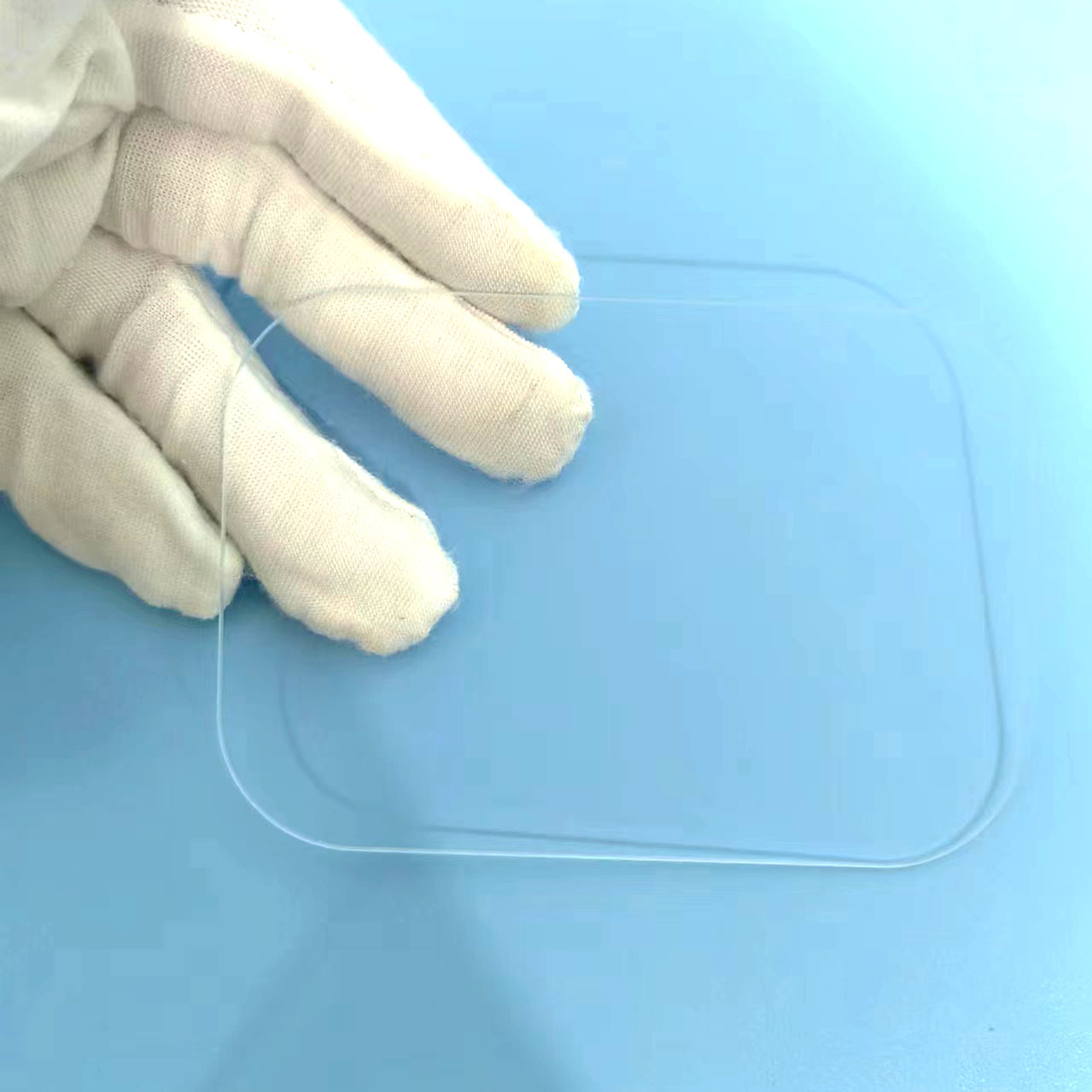
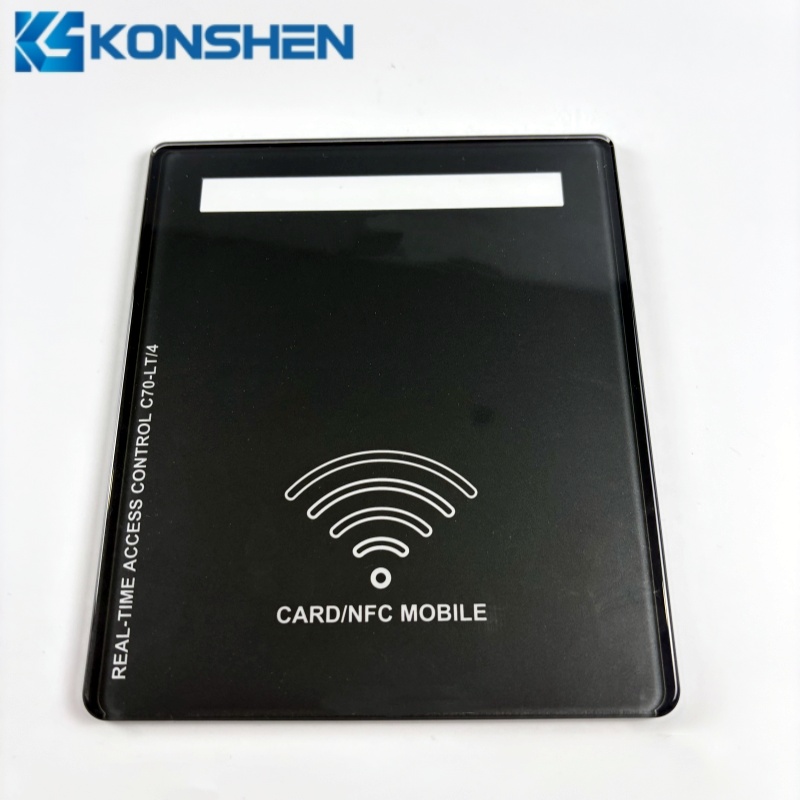
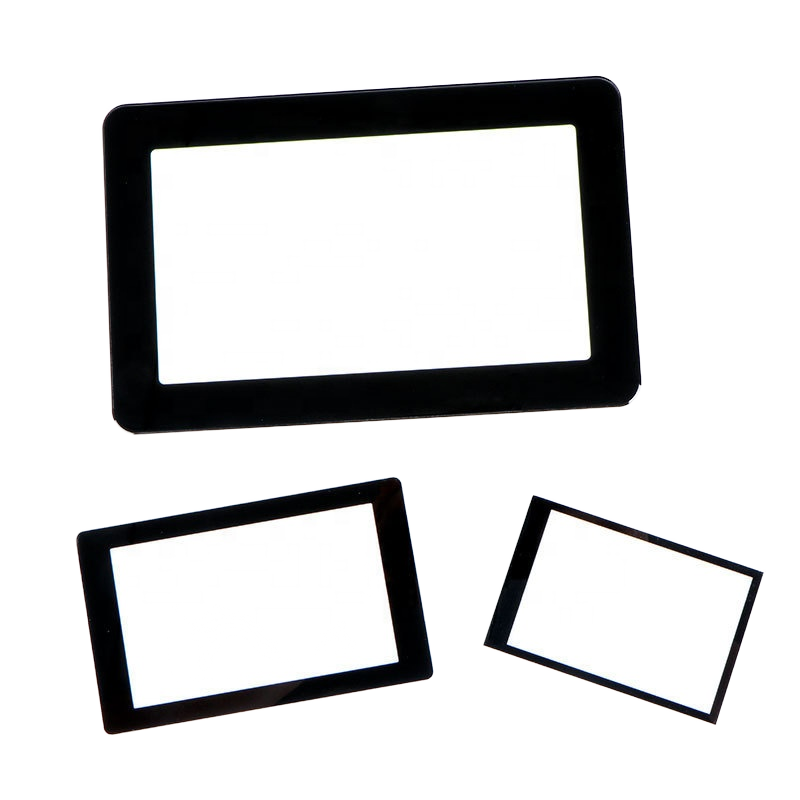
Yes. Glass thickness ranges from 0.1 mm to 19 mm. Size, shape, holes, color, logo printing, 2.5D/3D curved forming, edge polishing and 3M adhesive bonding can be customized to a drawing or sample. For switch panels and hotel access interfaces, NFC-related structures and silk-screen printing can be reviewed. Final feasibility depends on the glass type, thickness, print layout and coating requirements, so an engineering review is recommended before tooling or mass production.
How do you control quality, and what should a local buyer verify?
Quality control includes incoming inspection, in-process control and final inspection, with 100% appearance checking for finished pieces. Tests can include tempering verification, coating adhesion, abrasion and salt spray checks as applicable to the specification. Buyers should verify the approved sample, thickness tolerance, edge condition, coating performance, print color, packing method and replacement policy. For coated glass, ask for the target reflectance, haze or contact angle in writing rather than relying on “high quality” wording alone.