Eight Display Glass Products for Sapporo Display and Control Projects
Start with the application, not the catalogue. These eight product families cover the most common Sapporo inquiries for anti-glare display protection, AR optical clarity, AF touch surfaces, ITO/FTO transparent conductors, printed cover glass and custom elevator or HMI panels.

KS AG002 Custom Size AG Coating Anti-Glare Tempered Glass Panel High Transmittance Cover Sheet for Electronic Display Screen
A strong starting point for snow-glare-prone outdoor kiosks, wayfinding screens and shop-window displays in Sapporo. The AG surface diffuses reflections while tempered glass protects the display.
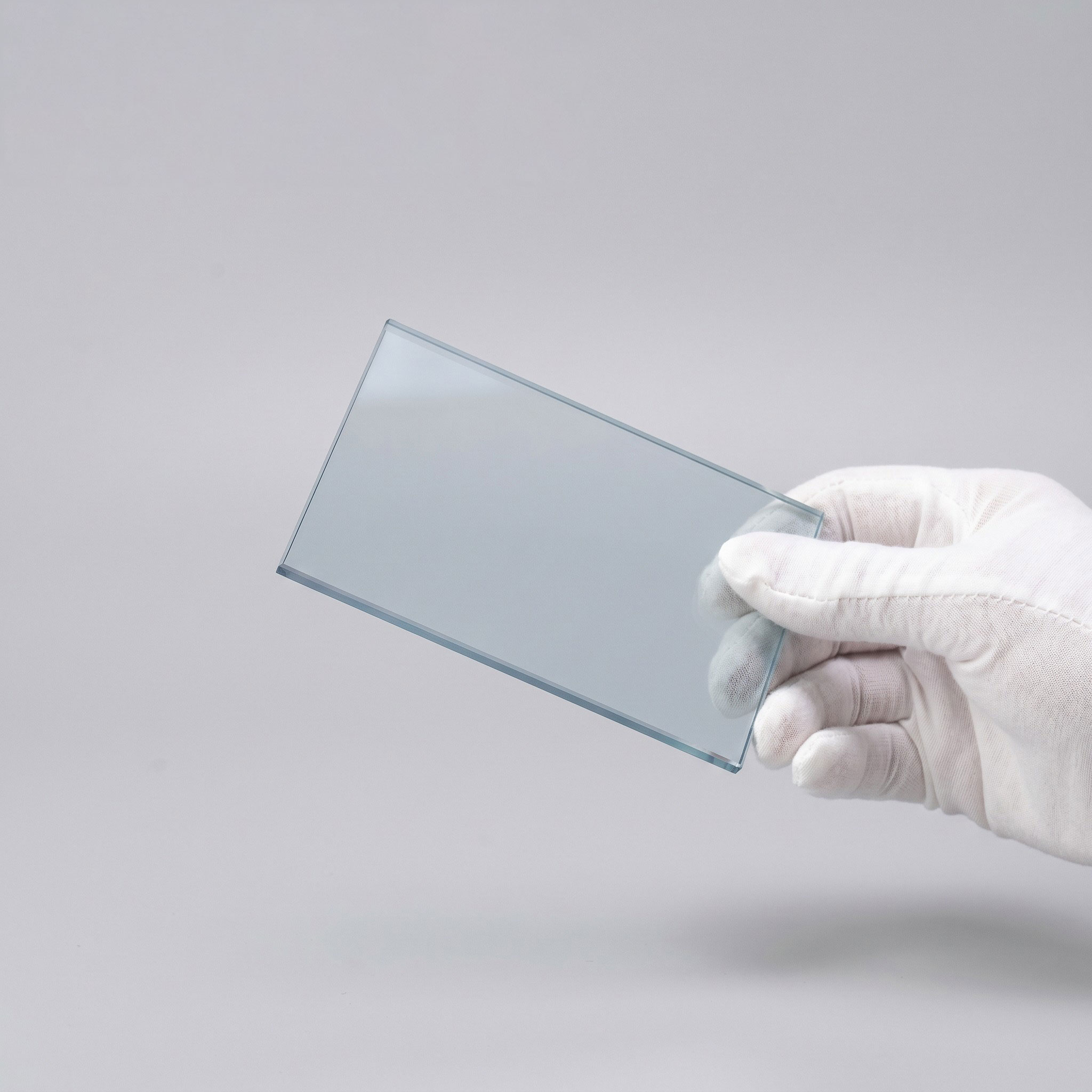
High Temperature Resistance Fluorine Doped Tin Oxide FTO Conductive Glass Solar Cell Substrate DSSC Perovskite Lab Research
For Hokkaido clean-energy research, perovskite or DSSC laboratories and high-temperature processes where thermal and chemical stability matter more than ordinary display glass.
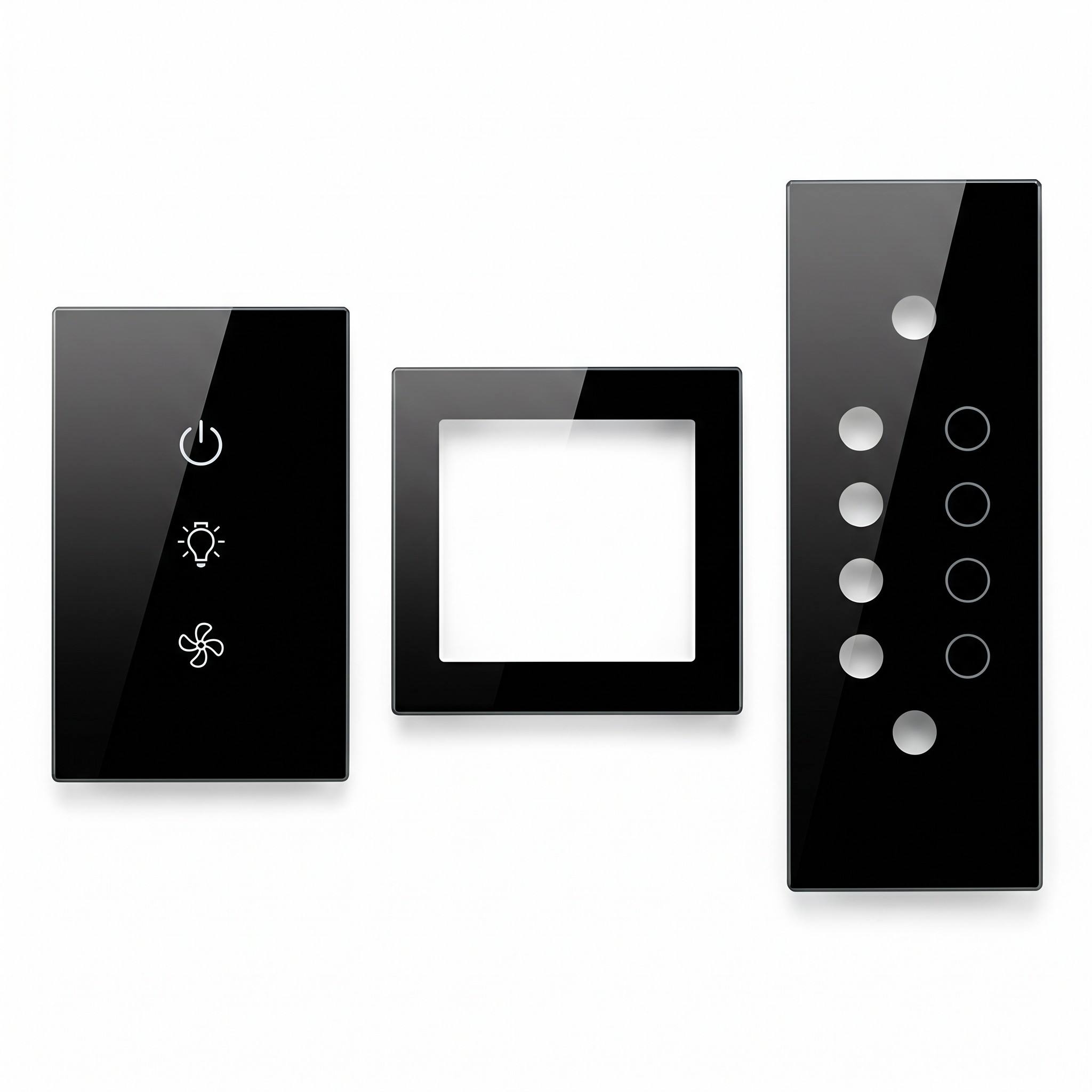
Tempered Glass Front Shield Cover Panel Custom Size Electronic Display Protection Sheet for Smart Device Konshen KS GB002
Custom front shield cover glass for smart devices, control panels and display protection. Suitable for Sapporo integrators who need printed borders, holes, polished edges and stable dimensional fit.
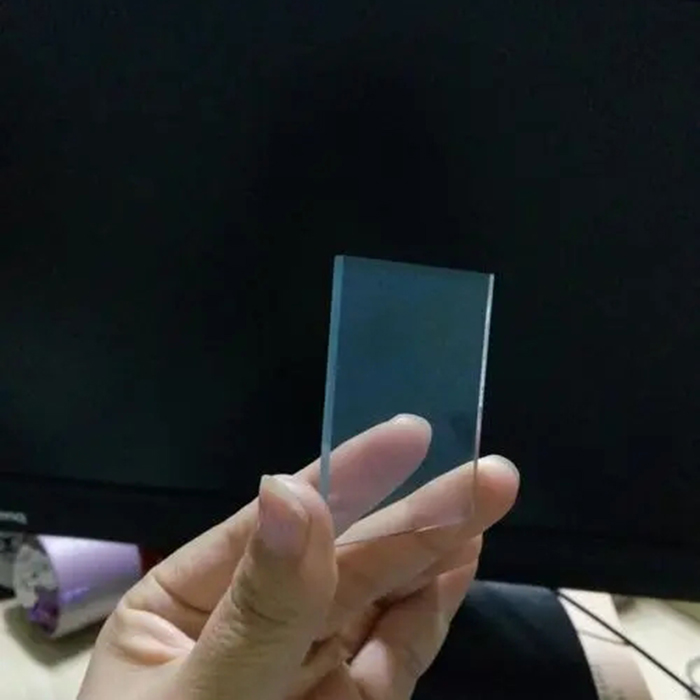
1.1 2.2mm Solid Flat Square Indium Tin Oxide (ITO) Coated Conductive Glass and FTO Conductive Glass for Lighting Applications
Transparent conductive glass for lighting, sensor and display-related applications. ITO and FTO options let buyers balance conductivity, optical transmission and process temperature.
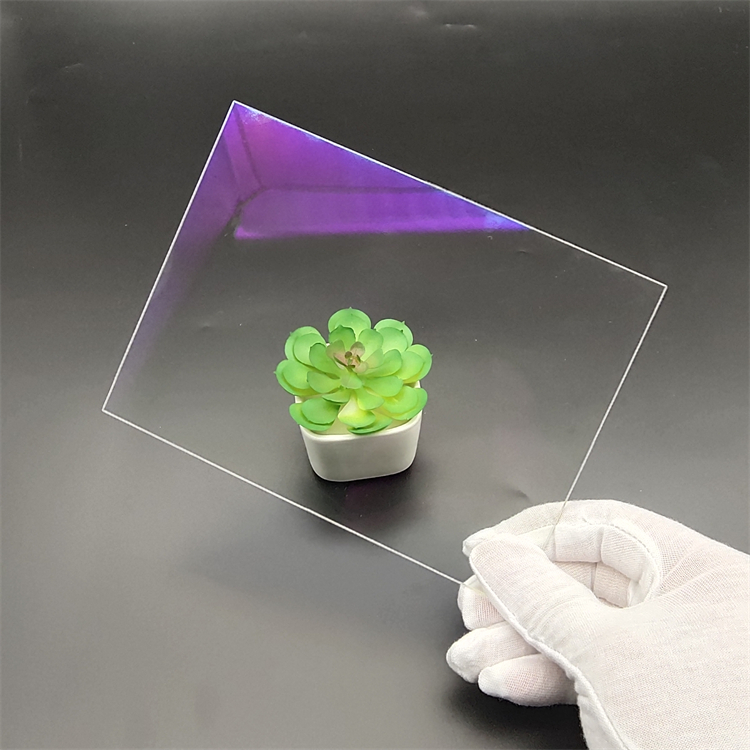
Custom 2mm Ultra-Clear Both Sides Anti-Reflective Coating Tempered Glass for Display Screen Solar & Lighting Use-Solid Structure
For hotel displays, medical monitors, showcase windows and low-light optical clarity. Double-sided AR reduces surface reflections without changing the display’s colour intent.
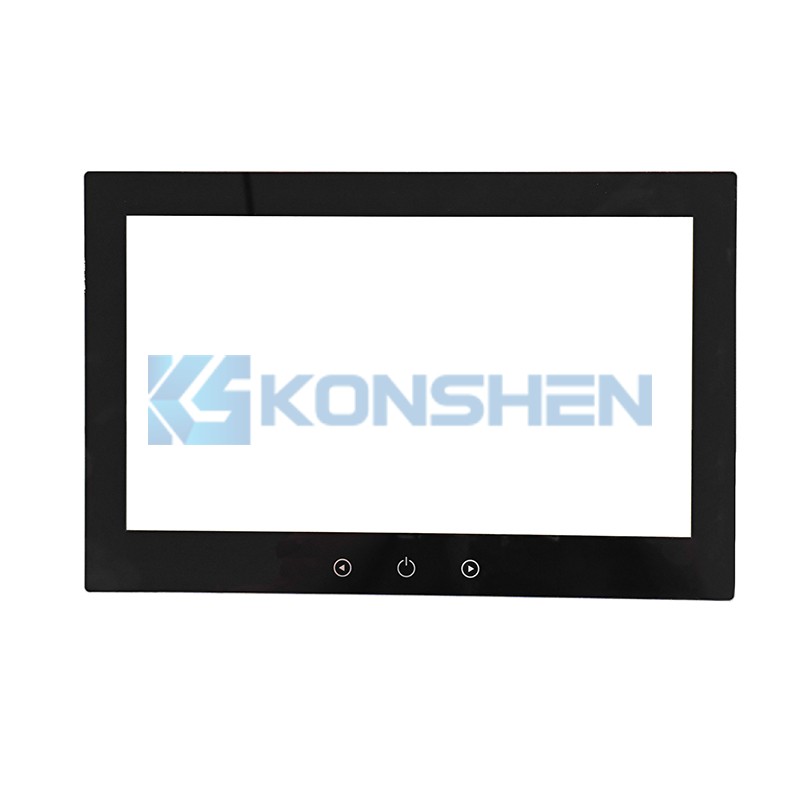
Electronic ITO Conductive Tempered Glass Custom Black Framed 1mm-4mm Thickness Display Cover for Industrial Monitor
Black-framed ITO conductive tempered cover glass for industrial monitors and touch assemblies. The printed frame can hide busbars and bonding areas while maintaining a clean front face.
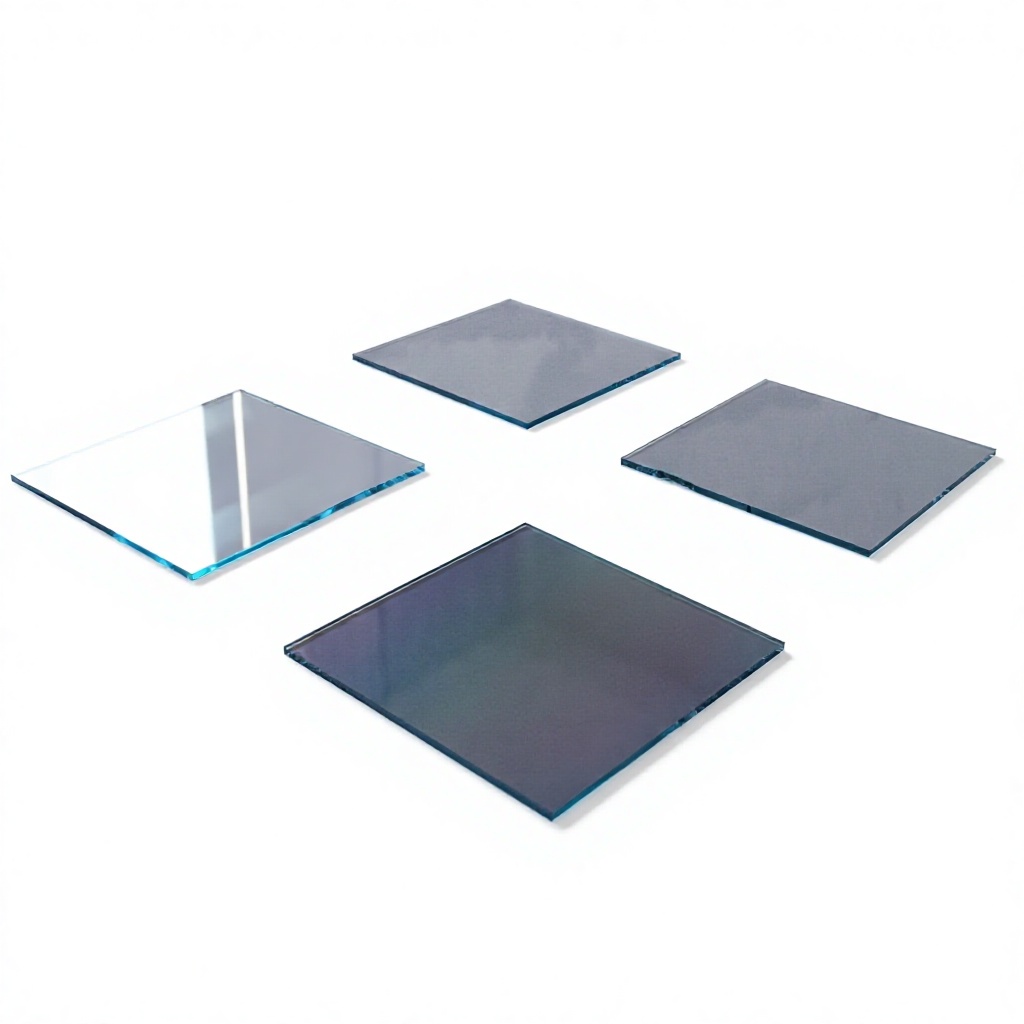
1.1mm ITO Coated Conductive Glass Panel Optical Electronic Glass Custom Shape Polished Edge for Industrial Use
Custom-shaped ITO glass for sensors, instrumentation and industrial optical electronics. Polished edges and tight dimensional control support reliable assembly in Hokkaido equipment builds.

Customized Cutting Elevator Indicator Arrow Printing Touch Smart Control Elevator Panel Use Electronics Screen Glass Instrument
Printed elevator indicator and touch control glass for Sapporo hotels, apartments and smart buildings. Combine silk-screen graphics, touch windows and anti-fingerprint treatment in one panel.
Need a sample before choosing the coating stack?
Send your drawing, target reflectance or haze, operating environment and annual volume. Sample orders can start from 1–2 pieces.
Sapporo Display Glass Sourcing: A Technical Guide for Hokkaido Conditions
Sapporo is a design, integration and application market rather than a mass flat-panel fabrication centre. Buyers here are typically system integrators, hotel and retail operators, transport teams, medical device engineers, industrial HMI designers, elevator suppliers and university or clean-energy researchers.
When teams search for display glass factories & supplier in Sapporo, the real requirement is a predictable route to custom cover glass, AR/AG/AF optical coatings, ITO/FTO conductive substrates and 2.5D/3D formed parts without unnecessary trading layers. KELO Glass is a factory-direct manufacturer in Huizhou, Guangdong. We do not claim a Sapporo warehouse; our advantage is controlled production, engineering review, sample validation and export packing to Hokkaido.
A Sapporo specification should not be copied from Tokyo, Osaka or Shenzhen. Winter air can be cold and dry outdoors, while heated interiors are warm and humid. A display may face low-angle snow glare in Odori or Susukino, then condensation and glove-touch in a hotel lobby, then high-brightness operation behind glazing. The glass and coating stack must match the actual optical, touch and environmental duty. That is where generic catalogue language fails and application-specific engineering creates value.
- Factory-direct OEM/ODM support instead of a local reseller margin stack.
- AR, AG, AF, ITO and FTO capability under one production system.
- Thickness range from 0.1 mm to 19 mm; flat, 2.5D and 3D options.
- Protective export packing designed for long-distance delivery to Japan.
Where Display Glass Is Used in Sapporo and Hokkaido
Sapporo projects mix public infrastructure, hospitality, winter tourism, healthcare and specialised industrial equipment. Each environment creates a different glass priority.
Outdoor wayfinding & snow-glare signage
Odori, Susukino, ski-resort ticketing and street-facing kiosks need AG tempered cover glass or AR+AG stacks. The aim is to diffuse snow and lamp glare while keeping graphics readable.
Transport & station information
Sapporo subway, JR connections, bus terminals and airport-transfer interfaces need clear, scratch-resistant touch surfaces. AR and AF can improve legibility and daily cleaning.
Hotels, retail & smart-building controls
Check-in kiosks, elevator indicators, appliance panels and room controls benefit from AF, AG+AF and black-framed ITO cover glass with custom printing and reliable touch windows.
Industrial, medical & cold-chain HMI
Clinics, laboratories, warehouses, winter test benches and factory automation panels may require AR clarity, ITO conductivity, chemically strengthened glass and precise CNC features.
Localized Trends Shaping Sapporo Display Glass Demand
Demand is moving away from “one glass fits all” toward stacks that solve the environment the display actually operates in.
Stacked coatings replace single functions
AR+AG and AG+AF combinations are increasingly requested because a Sapporo screen may need glare control, clarity and easy cleaning at the same time.
Cold-cycle reliability becomes a buying criterion
Buyers ask about thermal shock, condensation exposure, edge quality and packing because a display may travel from a heated lobby to a sub-zero street.
Conductive glass supports sensing concepts
ITO and FTO substrates are evaluated for capacitive touch, EMI shielding, lighting and research. Heating-related concepts require joint engineering validation.
Faster sampling for smaller Hokkaido projects
Integrators and brands increasingly want 1–2 piece samples to validate fit, printing and optical performance before committing to tooling or annual volume.
Specification Matrix: Matching Glass to Sapporo Operating Conditions
Use this table as an RFQ starting point. Final performance must be confirmed against your drawing, cleaning method, touch stack and assembly process.
| Sapporo Use Case | Recommended Glass | Why It Fits | Specification Note |
|---|---|---|---|
| Outdoor signage, ski-resort kiosks, snow glare | AG tempered glass or AR+AG | Diffuses harsh reflections from snow, lamps and low winter sun; tempered glass improves durability. | Specify haze 5–60% and gloss 0.5–8 GU; agree the visual target with samples. |
| Medical monitors, hotel displays, optical windows | AR anti-reflective glass | Maintains contrast and colour clarity where surface reflections reduce readability. | Typical target: reflectance below 1.0% per side and transmittance above 99% across 400–700 nm. |
| Public touch screens, appliance panels, elevator controls | AF or AG+AF | Reduces fingerprints and improves wipe-clean performance in high-touch indoor areas. | Water contact angle above 110°, pencil hardness above 3H, durability above 10,000 cycles. |
| Capacitive touch, EMI shielding, transparent sensing | ITO conductive glass | Combines transparency with controlled sheet resistance for sensor and shielding designs. | Sheet resistance 1–20 Ω/sq, transmittance above 85%, haze below 2% are typical targets. |
| Perovskite, DSSC, thin-film solar and high-temperature research | FTO conductive glass | Offers stronger thermal and chemical stability in processes where ITO may not be suitable. | Confirm thermal profile, sheet resistance and substrate size before sampling. |
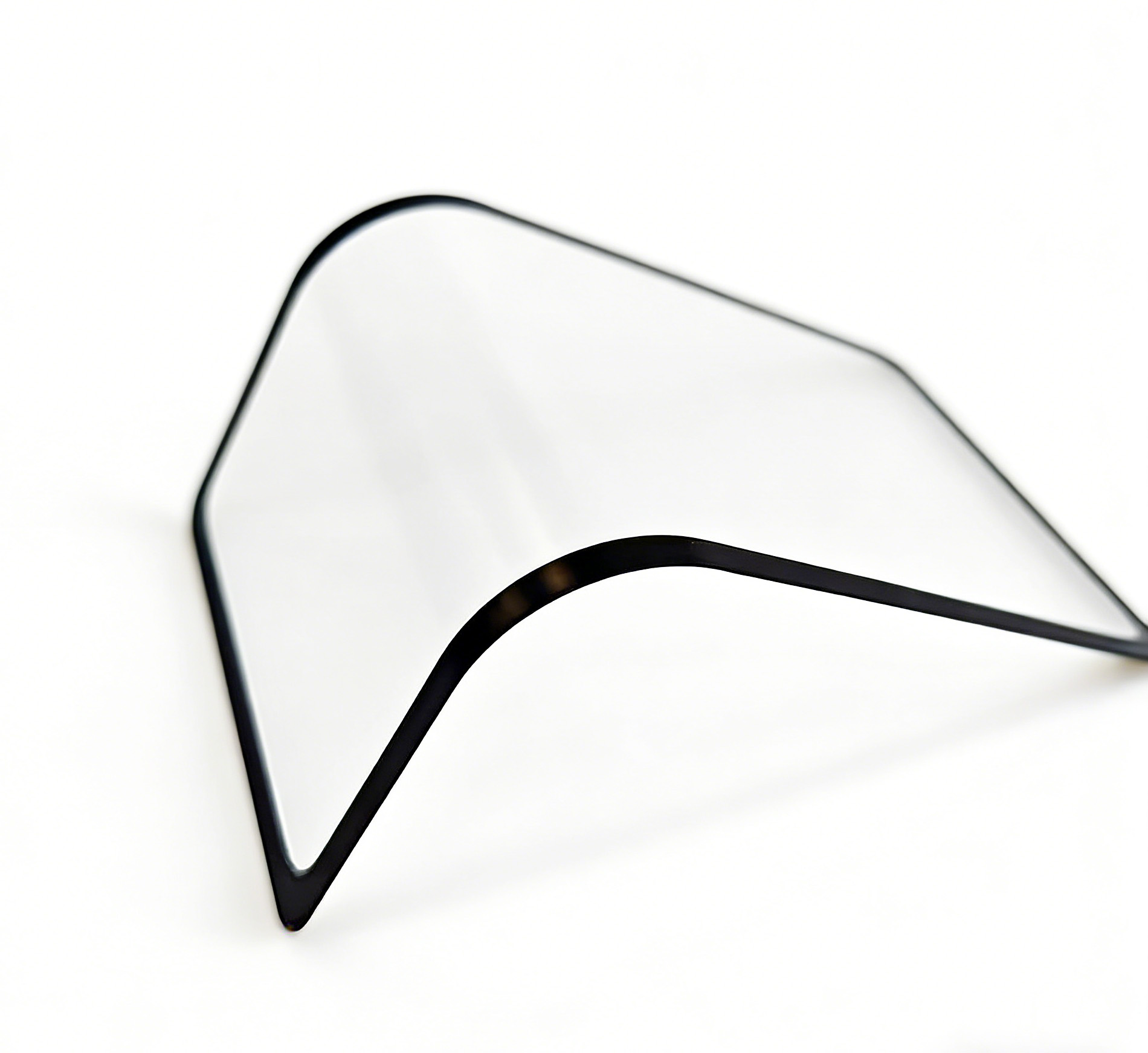
| Curved automotive, elevator, smart-home or control panels | 2.5D/3D chemically strengthened cover glass with printing | Creates a durable, edge-to-edge front panel with custom graphics and touch windows. | Glass thickness 0.1–19 mm; custom holes, logo, anti-fingerprint coating and 3M adhesive can be included. |
Factory Advantages That Reduce Risk for Sapporo Buyers
KELO Glass was built around surface engineering and custom glass processing, not simple glass trading. For Sapporo buyers, that means fewer hand-offs between cutting, printing, tempering, coating and bonding.
One-roof process control
Cutting, water-jet cutting, CNC machining, drilling, edge polishing, laser engraving, silk-screen printing, sandblasting, flat and curved tempering, AR/AG/AF/ITO coating, 2.5D/3D forming and 3M adhesive bonding are integrated in-house.
Specification-led coating capability
AR reflectance below 1.0% per side and transmittance above 99%; AG haze 5–60%; AF contact angle above 110°; ITO/FTO sheet resistance 1–20 Ω/sq, transmittance above 85% and haze below 2% are typical production windows.
Three inspection gates
IQC checks incoming glass and consumables; IPQC checks CNC dimensions, tempering and coating results; FQC/OQC includes 100% appearance inspection, adhesion, abrasion, salt spray and protective packing checks.
Capacity and engineering depth
Factory floor area of 10,000–30,000 m², touch cover glass capacity of 20–25 million pieces per year, 101–200 employees, 21–30 R&D engineers and annual output value of US$50–100 million support repeat OEM work.
Verification and buyer protection
Verified exporter with 6 years on Alibaba.com, 4.9/5 store rating and 98.18% reply rate. Orders can be supported by Trade Assurance, with typical response within one hour during working periods.
Export packing and trade terms
Custom honeycomb cartons, blister trays and partition packing reduce transit damage. FOB, CFR, CIF, EXW and DDP terms are supported, with T/T, L/C, PayPal and Western Union payment options.
From Sapporo RFQ to Validated Glass in Six Steps
A transparent, engineering-led path designed to reach a validated sample quickly and scale without surprises.
Share requirements
Send a drawing, sample or target specification, plus the operating environment, touch method, annual volume and delivery point in Japan.
Engineering review
KELO reviews DFM topics such as thickness, edge quality, coating stack, printing tolerance, holes, curved forming and bonding.
Rapid prototype
Sample orders can start from 1–2 pieces so your team can validate fit, optics, touch and assembly before volume commitment.
Validation plan
Agree the relevant reliability checks, such as adhesion, abrasion, tempering, salt spray, thermal exposure and packaging validation.
Mass production
Typical bulk lead time is 21–31 days after sample approval, depending on size, coating, curved forming and printing complexity.
Packing & shipping
Protective packaging and export documents support express sample delivery or bulk logistics to Hokkaido via air or sea freight.
Sapporo Procurement FAQ
Practical answers for buyers comparing display glass factories and suppliers for Sapporo and Hokkaido projects.
Are you a display glass factory in Sapporo or a supplier serving Sapporo?
What glass is best for Sapporo outdoor signage where snow glare is strong?
How do you ship samples and bulk orders to Sapporo?
What is the minimum order quantity and typical lead time?
Can you provide cold-weather or reliability test data?
What thickness, sizes and shapes can you produce?
Should I choose ITO or FTO conductive glass?
How do you control quality and protect the glass during shipping?
Request a Sapporo-Ready Display Glass Catalog
Send your drawing, target coating performance, operating temperature range and annual volume. KELO’s engineering team will recommend a glass stack for Sapporo conditions, confirm sample feasibility and quote production lead time.
Get Catalog