8 Precision Glass Products for Polishing, Coating and Integration
Baltimore searches for “glass polishing manufacturers & suppliers” usually begin with a function: anti-reflective clarity, anti-glare readability, anti-fingerprint cleanability, anti-fog performance, conductive touch, solar research or CNC-machined tempered glass. These eight products represent the most common technical starting points.
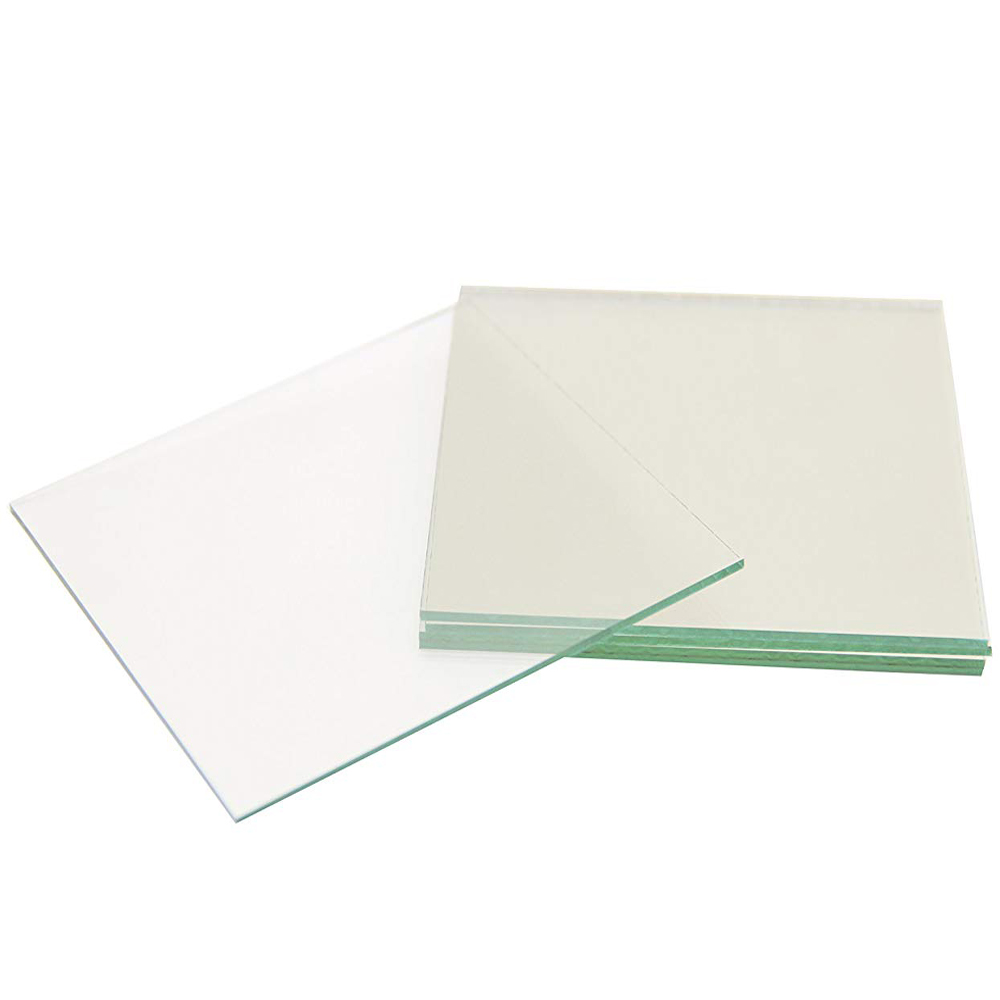
Custom 25x25x1.1mm ITO/FTO Coated Toughened Glass for LAB Display Anti-Fog Heating Conductive Glass Bathroom Solar Applications
A compact conductive glass format for lab displays, anti-fog heating, bathroom interfaces and solar research. Baltimore research teams can validate ITO/FTO performance before scaling to a custom drawing.
- 25×25×1.1 mm
- ITO/FTO
- Anti-fog
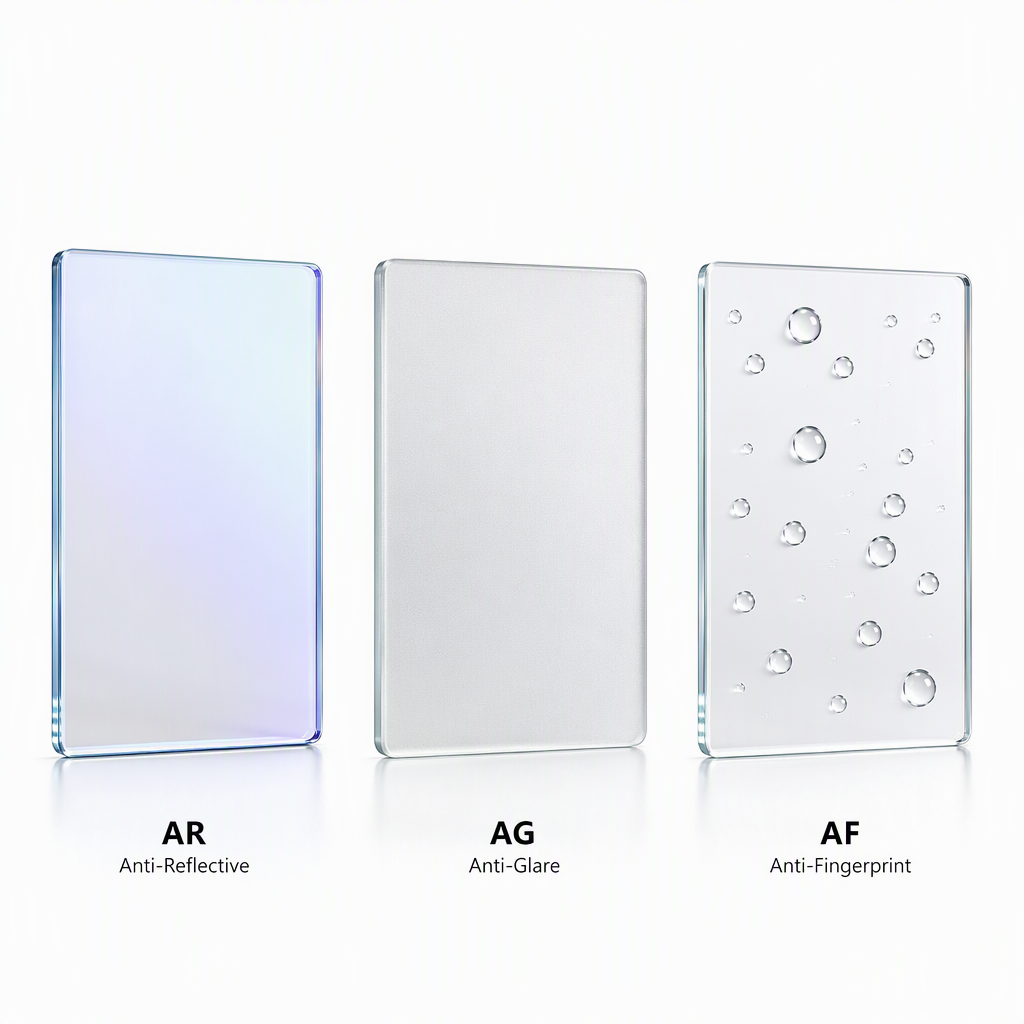
AR AG AF Coated Glass Anti Reflective Coating Service 92 Percent Transmission Anti Glare Custom Sheet Factory OEM
Custom AR, AG and AF coating service for display clarity, glare control and easy cleaning. Suitable for Baltimore medical monitors, outdoor kiosks, instrument windows and premium HMI panels.
- AR/AG/AF
- 92%+ T
- OEM sheet
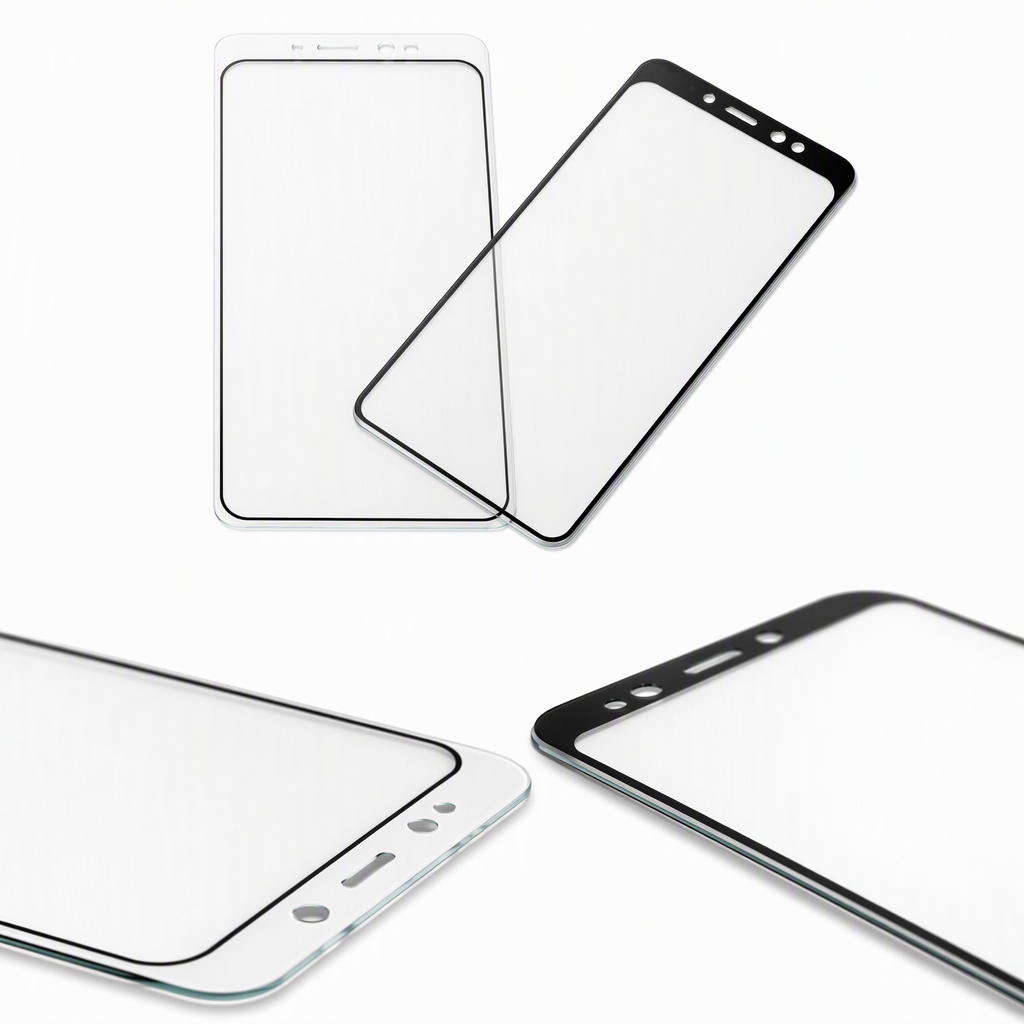
Toughened Glass Panel No Coating CNC Hole Drilling Irregular Shape Silk Screen Printed Custom Size Wholesale Supplier
For Baltimore fabricators needing polished, drilled, tempered and printed glass panels. CNC holes, irregular outlines and silk-screen graphics support industrial covers and enclosure windows.
- CNC holes
- Irregular shape
- Silk-screen
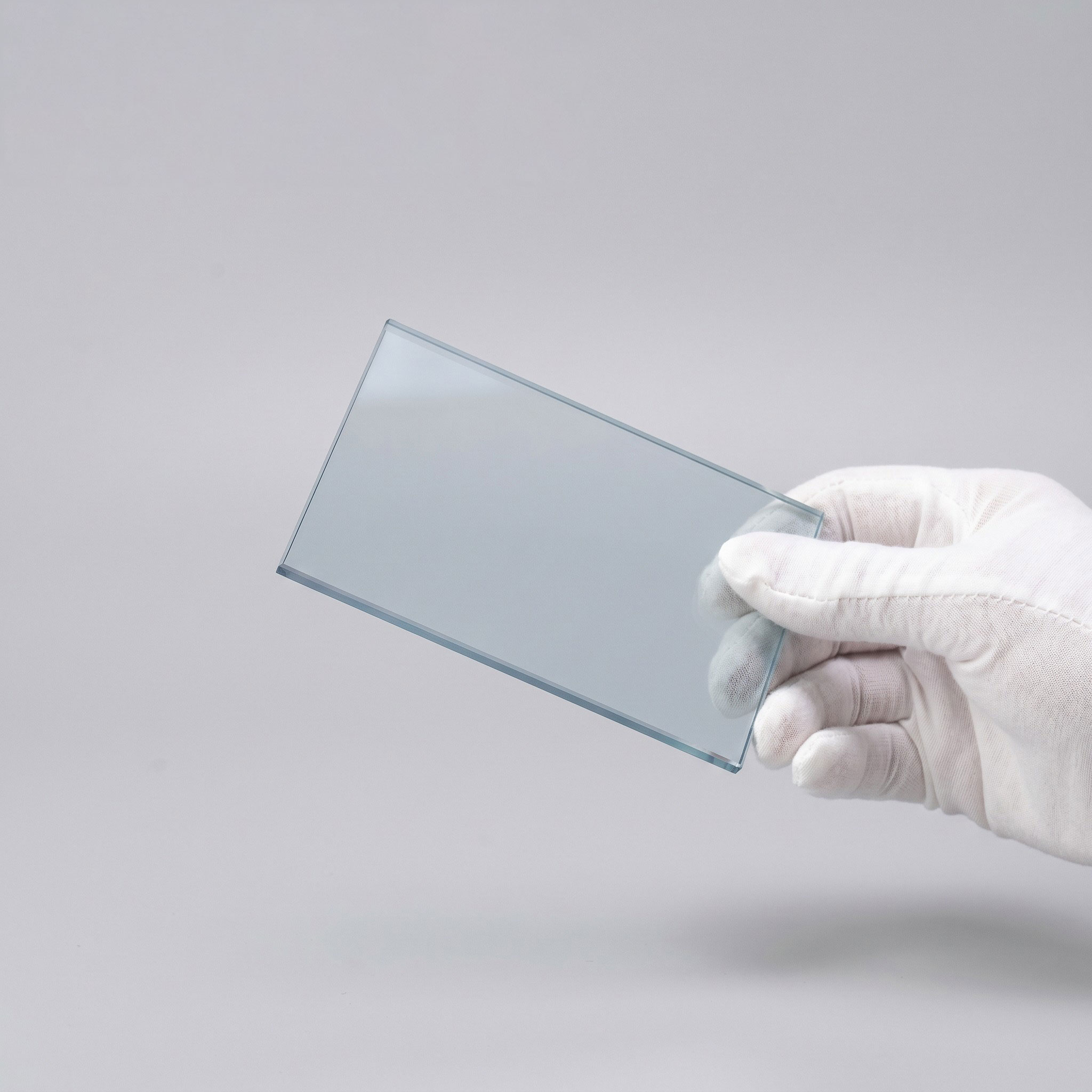
High Temperature Resistance Fluorine Doped Tin Oxide FTO Conductive Glass Solar Cell Substrate DSSC Perovskite Lab Research
FTO glass for thin-film solar, DSSC, perovskite and high-temperature lab processes. Its thermal and chemical stability makes it a frequent choice for Baltimore research and energy prototypes.
- FTO
- High temp
- Solar research

Curved Tempered Glass Panel with Anti-reflective Coating Waterproof for Bathroom and Instrument Display Decoration
Curved tempered glass with anti-reflective coating and waterproof treatment for bathroom, instrument and decorative display applications. Useful for Baltimore hospitality and waterfront interior projects.
- Curved
- AR coated
- Waterproof
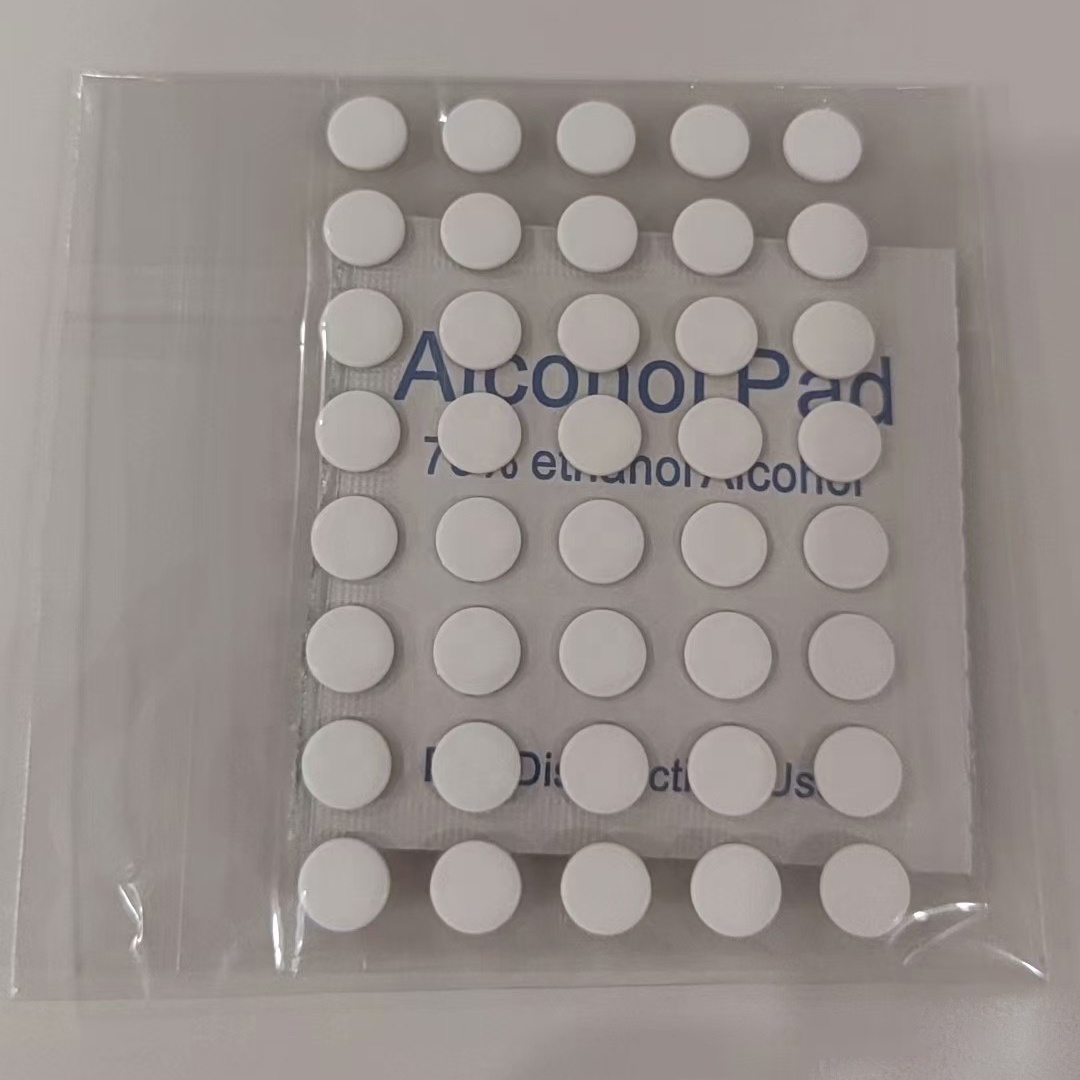
PTFE Round Gaming Mouse Glides Mouse Skate Dots
Low-friction PTFE glides for gaming mouse and peripheral designs. Baltimore esports brands, product-design studios and distributors can request custom dimensions, packaging and repeat orders.
- PTFE
- Low friction
- Custom size

Factory Customized Anti-fogging Anti Reflective Glass Ultra Thin Tempered Toughened Optical ITO FTO Conductive Glass for Lab
Ultra-thin optical glass combining anti-fogging and anti-reflective functions for lab and instrument use. A practical option for Baltimore laboratories managing condensation, glare and cleanability.
- Ultra-thin
- Anti-fog
- AR
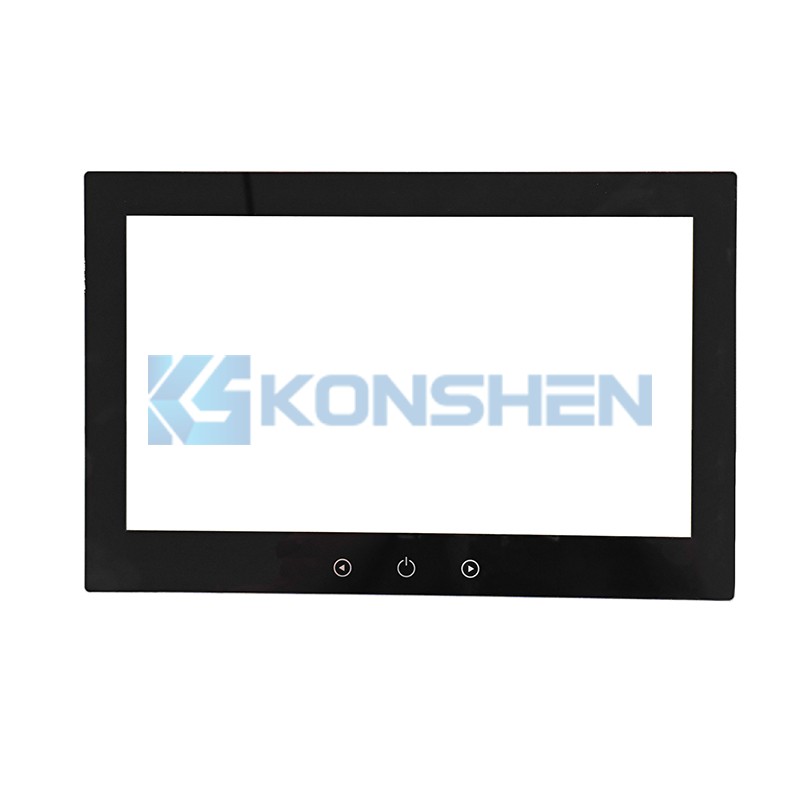
Electronic ITO Conductive Tempered Glass Custom Black Framed 1mm-4mm Thickness Display Cover for Industrial Monitor
ITO conductive tempered glass with custom black frame for industrial monitors and HMI covers. It combines conductive function, tempered strength and clean visual integration for Baltimore equipment builders.
- 1–4 mm
- Black frame
- ITO
What Baltimore Buyers Can Verify Before Sending a Drawing
Strong supplier evaluation is not based on adjectives. It is based on production range, coating performance, inspection discipline and a clear path from prototype to repeat order.
What Baltimore Buyers Really Mean by “Glass Polishing”
The phrase “glass polishing manufacturers & suppliers in Baltimore” can represent five different procurement projects. A medical device team may need an anti-reflective, anti-fog optical window in small quantities. A fabricator may need edge-polished tempered panels with CNC holes. A display integrator may need AG or AF treatment on a cover glass that must survive daily cleaning. A research lab may need ITO or FTO conductive glass for a prototype. A procurement manager may simply need a qualified factory that can pack fragile glass for shipment to Maryland and support a repeatable production release.
That is why the right supplier conversation starts with the surface function and assembly environment, not with a generic price per square meter. In Baltimore, the strongest sourcing strategy often combines local knowledge—field measurement, installation, freight handling and service response—with a factory-direct partner for coated glass, custom polishing and repeatable production. A Baltimore glazier can be ideal for urgent architectural replacement or on-site fit. A factory-direct glass manufacturer is usually better when the requirement includes optical coating stacks, ITO/FTO conductive layers, 2.5D or 3D forming, CNC holes, silk-screen printing and tolerances that must repeat from sample to mass production.
Most Common Buyer Interpretations
- Edge polishing and beveling for chip-free handling, safer edges and clean assembly.
- Surface polishing for optical clarity, cosmetic restoration or micro-scratch removal.
- Functional coating selection: anti-reflective, anti-glare, anti-fingerprint or anti-fog.
- Conductive glass sourcing: ITO for touch and EMI, FTO for solar and high-temperature processes.
- Custom fabrication: CNC holes, irregular shapes, silk-screen printing, 2.5D/3D forming and adhesive bonding.
Information Gain: Specify Measured Values
Do not accept “high quality” as a specification. A credible glass polishing and coating supplier should report the values that control the actual user experience:
- Reflectance per side, transmittance across the relevant wavelength band and haze range.
- Sheet resistance, coating uniformity, busbar design and thermal limits for conductive glass.
- Water contact angle, abrasion cycles and cleaner compatibility for anti-fingerprint surfaces.
- Edge quality, flatness, hole tolerance, chamfer requirements and printing registration.
- Inspection method, sampling plan, packing format and breakage protection for export transit.
Where Polished and Coated Glass Fits Baltimore’s Economy
Baltimore is not only a port city. It is a compact ecosystem of research medicine, advanced manufacturing, industrial logistics, waterfront hospitality and growing hardware product teams. Each environment places different demands on glass surfaces.
Medical & Research Corridor
Baltimore’s hospitals, universities, biotech labs and incubators need optical windows, anti-fog glass, conductive substrates and small-batch coated samples. ITO/FTO glass supports sensor, display and thin-film research, while AR and anti-fog coatings improve instrument visibility.
Port, Rail & Industrial Logistics
Port of Baltimore operations and nearby distribution facilities rely on rugged displays, scanners, control panels and outdoor kiosks. AG glass reduces glare in loading areas, AF glass improves touch panel cleanliness and tempered cover glass protects HMI electronics.
Advanced Manufacturing & Robotics
Baltimore-area machine builders, robotics integrators and electronics manufacturers need custom display covers with CNC holes, irregular shapes, silk-screen graphics and repeatable edge polishing. A drawing-led factory review prevents expensive fit issues later.
Hospitality, Waterfront & Smart Buildings
Bathroom control panels, mirror interfaces, decorative display glass and waterfront interiors face humidity and frequent cleaning. Anti-fog, anti-reflective and anti-fingerprint treatments improve appearance, safety and maintenance in high-touch public spaces.
Four Trends Shaping Glass Sourcing Around Baltimore
Procurement teams are moving away from commodity glass buying and toward function-led specifications, traceable inspection and supply chains that can survive freight disruption.
Port-Aware Supply Planning
Baltimore buyers increasingly plan glass production around ocean freight, East Coast distribution and packaging performance. Unit price alone is less useful than landed cost, breakage risk and delivery terms.
Medtech & Optics Convergence
Research institutions and device manufacturers are asking for optical clarity, anti-fog behavior and conductive surfaces in one project. Suppliers must discuss coating stack compatibility, not just one coating.
High-Mix, Low-Volume Prototyping
Hardware teams want samples from one or two pieces, then a controlled path to volume. Rapid prototype review reduces tooling risk for custom thickness, curved shapes and CNC features.
Durability & Cleanability
Public touch surfaces and industrial controls must tolerate cleaners, abrasion and daily use. AF contact angle, abrasion cycles and salt-spray performance are becoming standard RFQ questions.
Factory-Direct Support for Baltimore Projects
Huizhou KELO Glass Co., Ltd. is a factory-direct glass manufacturer based in Huizhou, Guangdong, China. For Baltimore buyers, the value is not a local storefront; it is an accountable production partner with in-house cutting, CNC machining, edge polishing, silk-screen printing, tempering, coating, curved forming and inspection. The factory covers roughly 10,000–30,000 m², employs 101–200 people, includes 21–30 R&D engineers and supports touch cover glass capacity of 20–25 million pieces per year. KELO has 6 years as a verified exporter on Alibaba.com, a 4.9/5 store rating, a 98.18% reply rate and Trade Assurance support.
One Accountable Production Chain
Keeping polishing, CNC, printing, tempering and coating under one roof reduces handling damage, lead-time gaps and finger-pointing between subcontractors. Buyers receive one specification conversation and one production release.
AR, AG, AF and Conductive Layers
Optical coating is treated as a measured function, not a cosmetic add-on. AR reflectance below 1.0% per side, AG haze from 5–60%, AF contact angle above 110° and ITO/FTO sheet resistance of 1–20 Ω/sq can be discussed against your drawing.
0.1–19 mm and Complex Shapes
Thickness from 0.1 mm to 19 mm, 2.5D/3D curved forming, CNC holes, irregular outlines, logo printing, 3M adhesive bonding and specialty materials such as borosilicate, quartz, sapphire and ceramic glass are available for review.
DFM Before Expensive Tooling
With 21–30 R&D engineers, KELO can review tolerances, coating side, edge quality and packing constraints before production. Sample orders can start from 1–2 pieces so Baltimore teams can validate fit and optics early.
Export Track Record Buyers Can Check
Verified assessment, ratings, transaction level, trade capacity and trade history are available through the company’s official profile. The 4.9/5 rating and 98.18% reply rate provide additional signals for first-time international buyers.
Fragile-Glass Packaging Discipline
Custom honeycomb cartons, blister trays and partition packing help protect polished and coated surfaces in transit. FOB, CFR, CIF, EXW and DDP terms are supported, with T/T, L/C, PayPal and Western Union payment options.
 Factory-direct production base in Huizhou, Guangdong.
 In-house processing reduces handling and coordination risk.
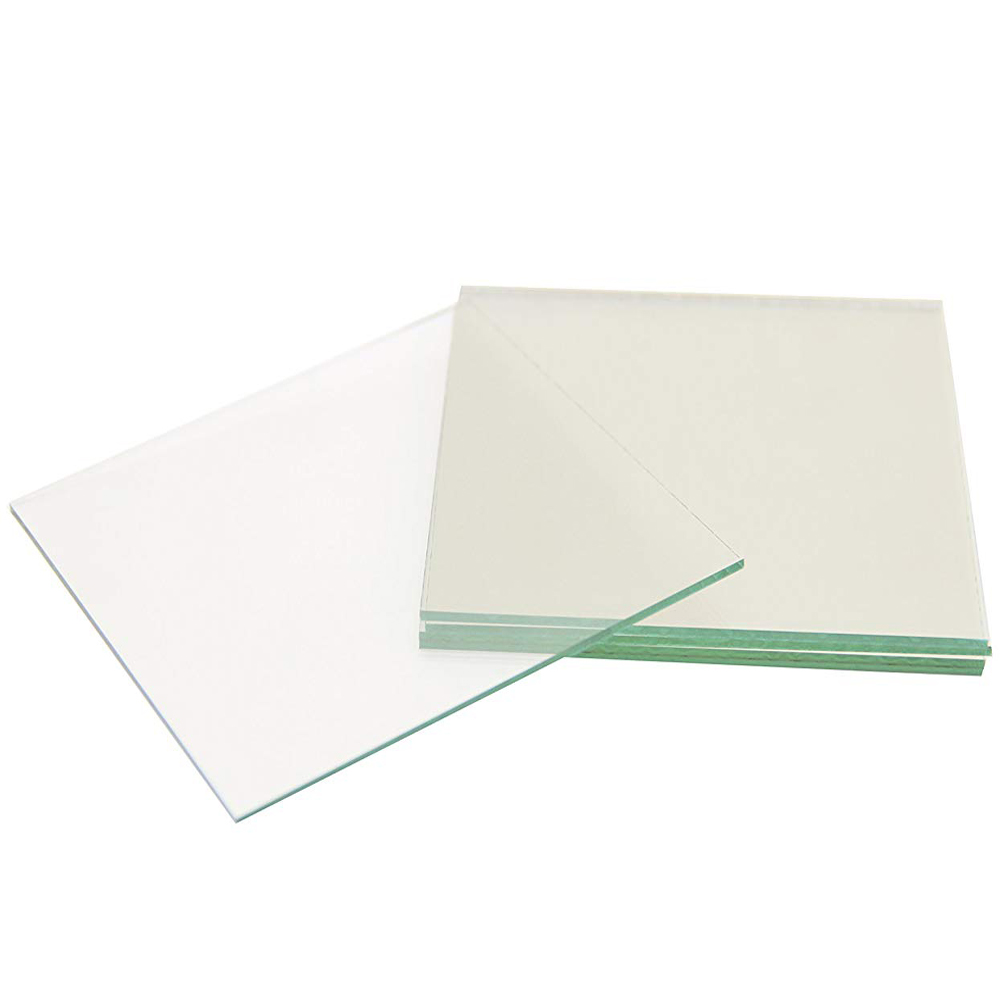 Export packing designed for fragile polished glass.
Coating and Polishing Specifications to Write Into a Baltimore RFQ
Use this table as a starting point for engineering review. Final capability is confirmed against your drawing, substrate, size, coating side and reliability requirements.
| Function | Typical Performance Window | Baltimore Application Notes | What to Specify in RFQ |
|---|---|---|---|
| AR Anti-Reflective | Reflectance <1.0% per side; transmittance >99% across 400–700 nm; single or multi-layer | Medical monitors, camera windows, showcase glass, instrument displays and automotive touch screens | Substrate, size, thickness, coating side, target reflectance, wavelength band and cosmetic grade |
| AG Anti-Glare | Controllable haze 5–60%; gloss 0.5–8 GU | Outdoor kiosks, port logistics terminals, factory HMI and sunlight-readable displays | Haze target, gloss target, anti-glare side, cleaning method and scratch resistance requirement |
| AF Anti-Fingerprint | Water contact angle >110°; pencil hardness >3H; durability >10,000 cycles | Touch control panels, smart appliances, hospital interfaces and public-facing screens | Contact angle target, abrasion cycles, cleaner compatibility and coating durability test |
| ITO Conductive | Sheet resistance 1–20 Ω/sq; transmittance >85%; haze <2% | Capacitive touch sensors, display glass, EMI shielding and industrial monitor covers | Sheet resistance, pattern, busbar, transmittance, temperature limit and edge clearance |
| FTO Conductive | Sheet resistance 1–20 Ω/sq; transmittance >85%; haze <2% | Thin-film solar cells, DSSC, perovskite research and high-temperature processes | Thermal process, chemical exposure, sheet resistance after firing and substrate size |
| Polished & Tempered | 0.1–19 mm thickness; flat or curved; CNC holes; silk-screen printing | Industrial covers, control panels, equipment windows and architectural display glass | Edge quality, flatness, hole tolerance, chamfer, printing registration and safety requirement |
| Anti-Fog Optical Glass | Anti-fogging surface combined with AR or conductive options | Bathroom control panels, lab optical windows and steam-exposed instrument displays | Test condition, temperature/humidity range, coating side and cleaning procedure |
The Polishing, Coating and Inspection Sequence That Reduces Rework
Glass failures usually begin before coating: poor edge quality, incorrect hole spacing, unstable printing, contaminated surfaces or unsuitable packing. A controlled sequence prevents those issues from reaching final inspection.
Drawing & DFM Review
Confirm size, thickness, edge quality, hole tolerance, coating side, printing design and packing constraints before production begins.
Cutting & CNC Machining
Cut sheets to size, then drill, mill or shape holes and outlines according to the approved drawing or sample.
Edge Polishing & Cleaning
Polish edges for safe handling, cosmetic quality and assembly fit; clean surfaces before printing, bonding or coating.
Printing, Tempering & Forming
Apply silk-screen graphics, flat or curved tempering and 2.5D/3D forming where strength and shape are required.
AR / AG / AF / ITO Coating
Apply the selected optical or conductive layer and verify the agreed performance values before final release.
QC & Export Packing
Run incoming, in-process and final inspection, then pack with honeycomb cartons, blister trays or partition protection.
Three Quality Gates
Quality is controlled through incoming inspection, in-process inspection and final inspection. Final checks include 100% appearance inspection, plus tempering, adhesion, abrasion and salt-spray tests where applicable. For coated glass, the release criteria should include reflectance, transmittance, haze or sheet resistance, not only visual appearance.
For Baltimore buyers, the practical benefit is fewer surprises during assembly. If the glass arrives with chipped edges, mismatched holes or inconsistent coating, the cost is not limited to replacement glass—it includes delayed production, rework and expedited freight.
Common Rework Causes to Prevent
- Unspecified edge quality or chamfer requirements.
- Coating applied to the wrong surface or with unclear reflectance target.
- Printing registration not aligned with CNC holes.
- Cleaner compatibility not considered for AF-coated surfaces.
- Packing insufficient for multi-leg freight to Maryland.
From Huizhou to Baltimore: What to Plan Before You Order
Because glass is heavy and fragile, freight decisions should be made before production, not after. The most common planning mistake is to compare bare unit price while ignoring packing, breakage allowance and delivery terms. KELO supports FOB, CFR, CIF, EXW and DDP trade terms, with T/T, L/C, PayPal and Western Union payment options. Orders placed through Alibaba.com can be protected by Trade Assurance.
For Baltimore, confirm whether your team prefers delivery to a local fabricator, a third-party warehouse, a project site or a port-based consolidator. Production lead time is typically 21–31 days after sample approval, depending on size, coating stack, curved forming and printing complexity. Transit time is then confirmed according to mode, carrier and final delivery address.
Practical rule: approve the sample, the inspection method and the packing format together. A technically correct glass that arrives damaged is still a failed shipment.
Original Export Market Distribution
North America is a core export region for KELO Glass, representing 20% of the original market distribution.
Questions Baltimore Procurement Teams Should Ask
These questions separate a capable custom glass producer from a trading intermediary or a general-purpose glass shop.
| Ask This Question | Why It Matters |
|---|---|
| Are you a factory or a trader? | Factory-direct control usually improves tolerance, lead-time clarity and accountability for multi-step processing. |
| Which processes are in-house? | Edge polishing, CNC, tempering, printing and coating under one roof reduce handling damage and transfer risk. |
| Can you provide measured coating data? | Reflectance, transmittance, haze, contact angle and sheet resistance define performance better than generic quality claims. |
| What is the sample process? | Samples from 1–2 pieces help validate fit, optics and reliability before committing to volume. |
| How is quality inspected? | Incoming, in-process and final inspection with 100% appearance checking reduces hidden defects. |
| How will the glass be packed? | Custom honeycomb cartons, blister trays and partition packing are critical for fragile export shipments. |
| What trade terms and payment methods are supported? | FOB, CFR, CIF, EXW and DDP terms, plus T/T, L/C, PayPal and Western Union, should be clarified before ordering. |
| Can you support future volume? | Production capacity, engineering staff and repeat-order discipline matter after the prototype stage. |
Questions Local Buyers Ask Before Sending an RFQ
Clear answers reduce project risk, especially when the supplier is international and the final assembly or installation is local to Baltimore.
Are you a glass polishing manufacturer in Baltimore?
KELO Glass is a factory-direct glass manufacturer based in Huizhou, Guangdong, China, serving Baltimore buyers. We do not claim a Baltimore storefront. For local field measurement, installation or urgent architectural replacement, we recommend a qualified Baltimore glazier; we can support that work with drawings, inspection data and production glass.
What does glass polishing include for a custom project?
Polishing may refer to edge polishing and beveling, surface clarity improvement, chamfer control or cosmetic refinement before coating and printing. For a technical RFQ, specify the edge quality, flatness, chip tolerance, surface cosmetic grade and whether the polishing is functional, safety-related or decorative.
Can you match a drawing or sample from a Baltimore engineer?
Yes. Send a 2D drawing, 3D model, sample photo or physical sample, together with thickness, size, coating requirement, annual volume and delivery destination. Our engineering review will flag tolerance, coating side, printing registration and packing considerations before quotation.
What is the minimum order quantity for samples?
Sample orders can start from 1–2 pieces so you can validate fit, optics and coating performance before committing to volume. Bulk quantities are quoted per drawing and depend on material, size, coating stack, curved forming and printing complexity.
What lead time should Baltimore buyers expect?
Bulk lead time is typically 21–31 days after sample approval, depending on size, coating stack, curved forming and printing complexity. Sample timing is confirmed after drawing review. Freight transit to Maryland is then quoted according to air or ocean mode, carrier and final delivery address.
Which coating is best for Baltimore outdoor displays?
AG anti-glare glass is usually the first choice when sunlight and ambient reflections reduce readability. If the display also needs maximum optical clarity, an AR+AG combination may be considered. If the screen is frequently touched or cleaned, an AF top coat can be added where the coating stack allows.
Do you offer anti-fog glass for bathroom or laboratory use?
Yes. Anti-fogging options can be combined with anti-reflective glass or conductive glass depending on the application. Define the humidity, temperature, cleaning method and optical target so the correct surface construction can be reviewed.
Should I choose ITO or FTO conductive glass?
ITO is commonly used for capacitive touch sensors, displays and EMI shielding. FTO offers better thermal and chemical stability, making it a frequent choice for thin-film solar cells, DSSC, perovskite research and high-temperature processes. Both can be discussed with sheet resistance of 1–20 Ω/sq, transmittance above 85% and haze below 2%.
How do you pack polished and coated glass for shipment to Baltimore?
Custom honeycomb cartons, blister trays and partition packing are used to minimize transit damage. The packing plan should match the glass size, edge condition, coating sensitivity and freight route. For high-value coated glass, confirm interleaving, corner protection and carton drop-test expectations before production.
Which trade terms and payment methods are available?
FOB, CFR, CIF, EXW and DDP trade terms are supported, with T/T, L/C, PayPal and Western Union payments. Orders placed through Alibaba.com can be protected by Trade Assurance. For Baltimore deliveries, confirm whether your team wants port-to-port service, door delivery or delivery to a local fabricator.
Have a Baltimore Drawing, Sample or Coating Target?
Send your glass drawing, required surface function, annual volume, target delivery date and destination in Maryland. Our engineering team will review feasibility and recommend the most practical glass construction for polishing, tempering, printing, AR/AG/AF coating, ITO/FTO conductive glass or anti-fog optical glass.