8 Glass Substrate Products for Düsseldorf Buyers
These are practical starting points for Düsseldorf procurement teams comparing local suppliers with a factory-direct manufacturing partner. Every product below can be customized by drawing, sample or target specification, with coating, cutting, printing, tempering and inspection controlled under one roof.
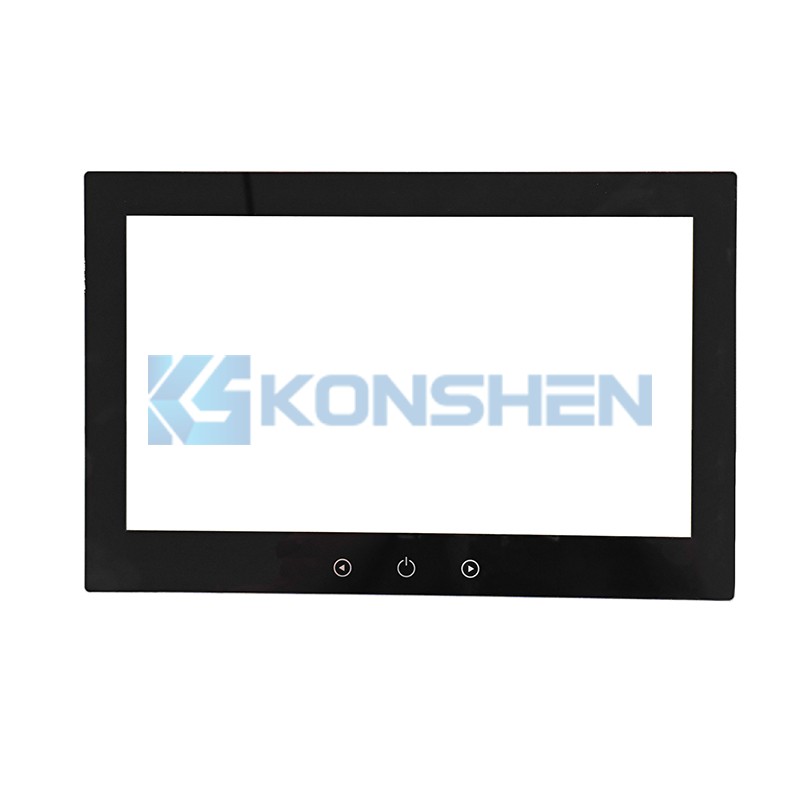
Electronic ITO Conductive Tempered Glass Custom Black Framed 1mm-4mm Thickness Display Cover for Industrial Monitor
Recommended for industrial monitors, EMI shielding windows, factory automation panels and touch interfaces used in the Rhine-Ruhr industrial network.
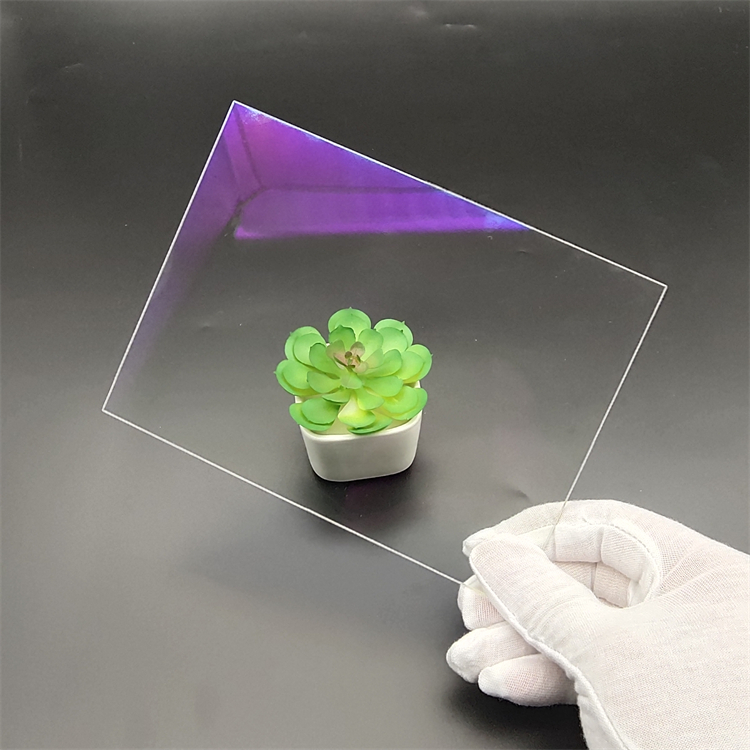
Custom 2mm Ultra-Clear Both Sides Anti-Reflective Coating Tempered Glass for Display Screen Solar & Lighting Use-Solid Structure
For Düsseldorf display, lighting and solar projects where reflectance must be suppressed without sacrificing transmission or impact resistance.
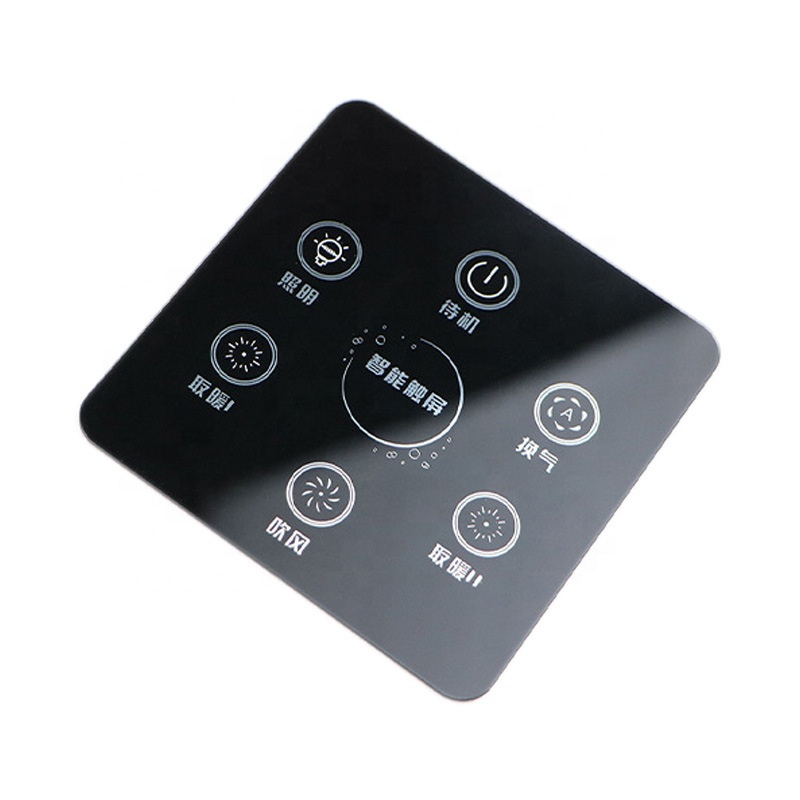
Bathroom Solid & Hollow Tempered Glass Intelligent Touch Shower Control Switch Panel Silk Screen Printed with 4-Year Warranty
Fits hotel, residential and smart-building projects common in Düsseldorf, especially where easy-clean touch glass and stable electrical integration are needed.

Customized Cutting Elevator Indicator Arrow Printing Touch Smart Control Elevator Panel Use Electronics Screen Glass Instrument
Supports elevator, access-control and building-automation projects where printed indicators, precise cutting and durable touch surfaces matter.
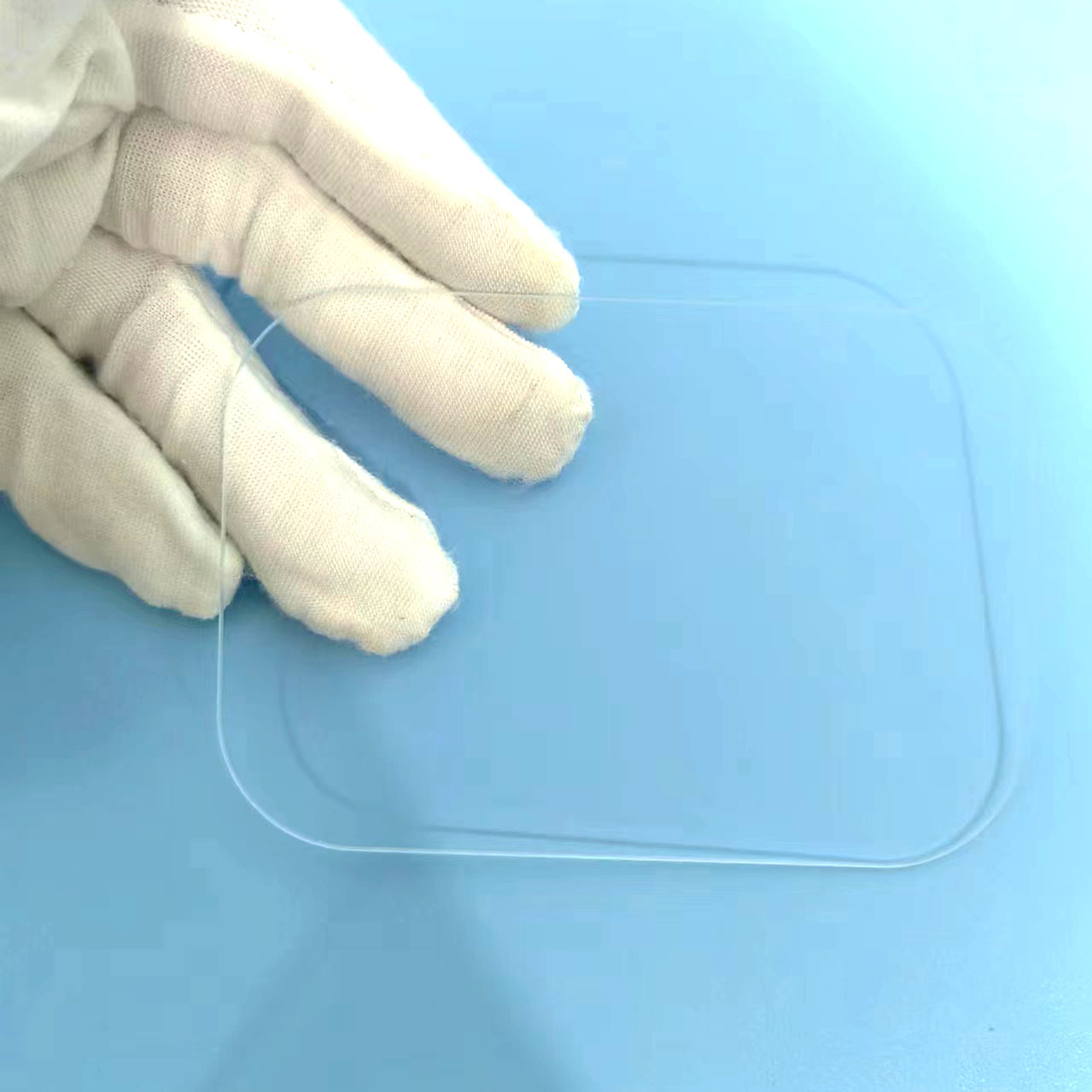
1.1mm ITO Coated Conductive Glass Panel High Transmittance CNC Custom Shape Polished Edge for Smart Home Touch Mirror
For capacitive touch mirrors, smart-home controls and sensor windows that need transparent conductivity with polished edges and custom outlines.
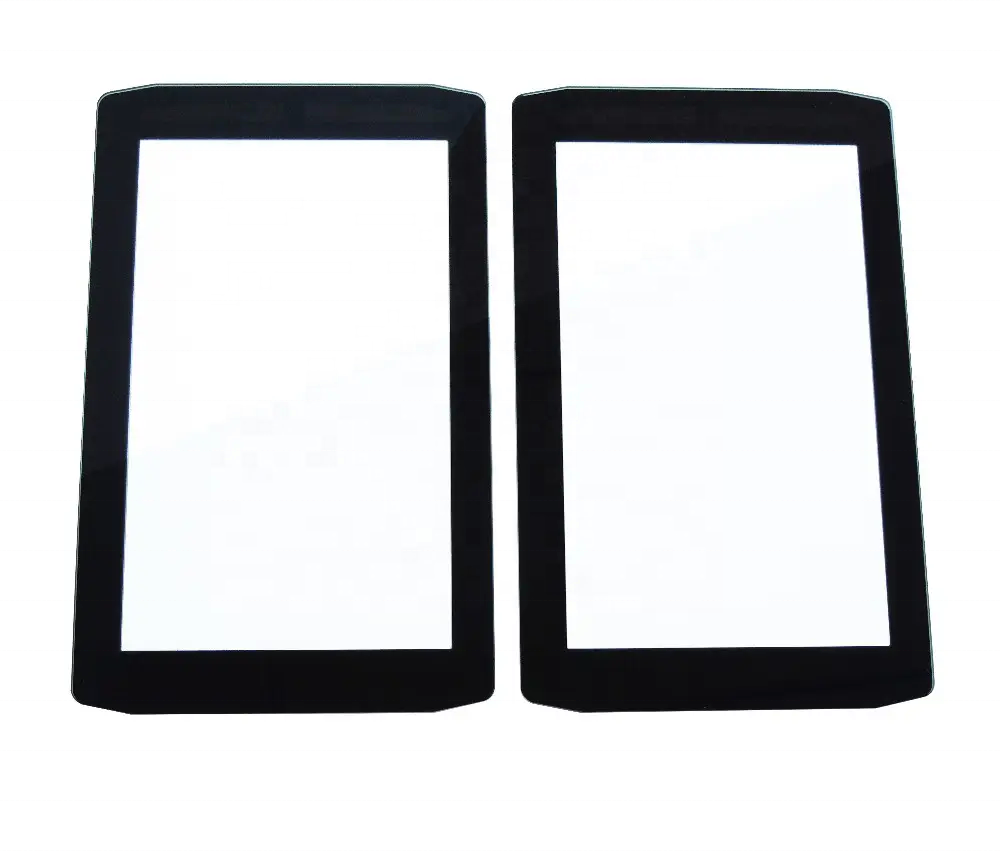
AG High Quality Solid Tempered Glass Anti-Glare Digital Screen Display Customizable Touch Screen Panel Factory Direct Outdoor
A strong option for outdoor kiosks, transport terminals and industrial HMI exposed to daylight, with controllable haze and anti-glare surface treatment.

High Transmittance 98% Anti-Reflective AR Glass for Museum Showcase Luxury Picture Frame Low Reflectance Coated 1mm-19mm
Well suited to Düsseldorf galleries, museum showcases, luxury retail displays and architectural presentation glass requiring low reflectance and clear viewing.
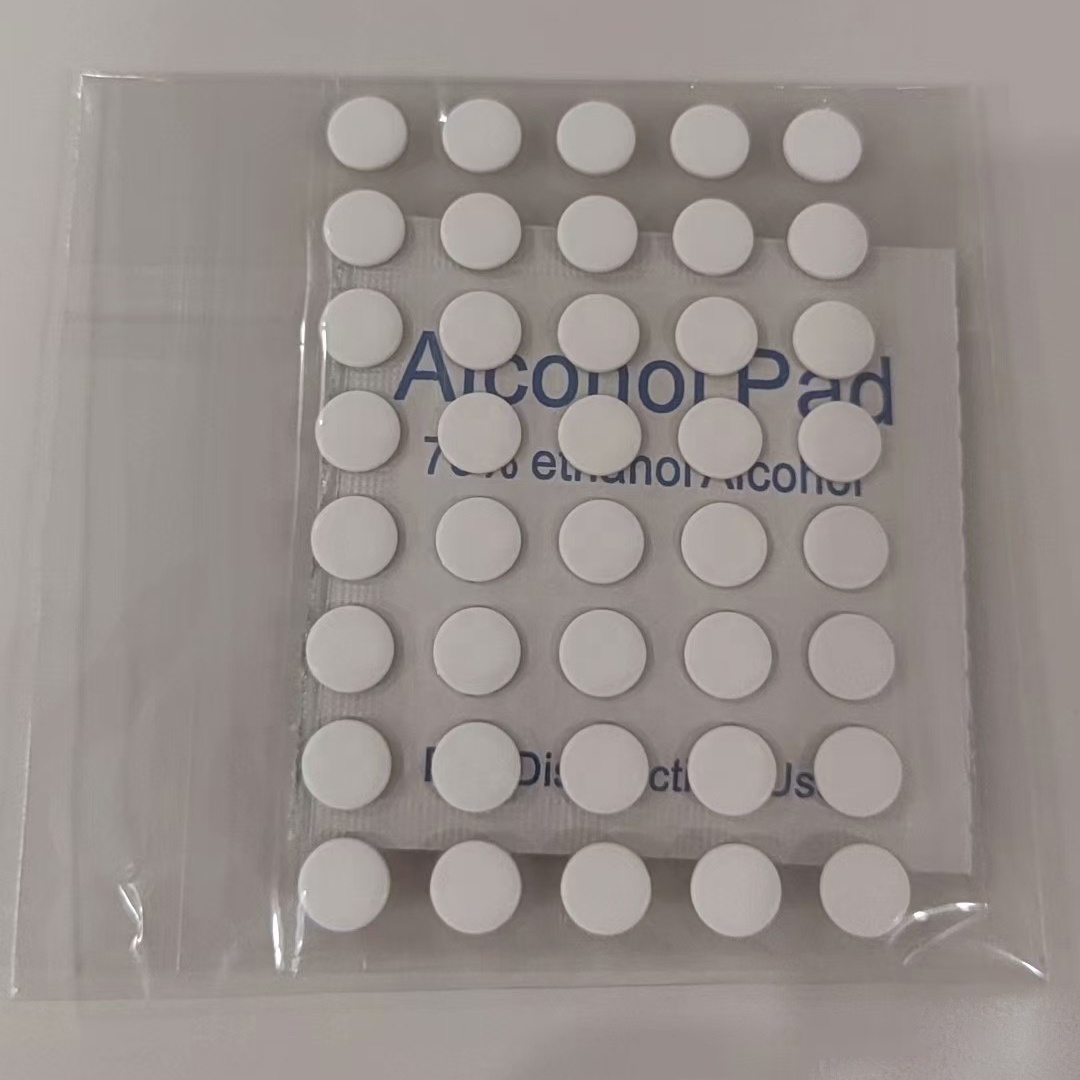
PTFE Round Gaming Mouse Glides Mouse Skate Dots
For consumer-electronics and gaming peripheral brands in Germany seeking smooth glide, consistent thickness and custom packaging or branding support.
Düsseldorf is a procurement, engineering and logistics gateway for North Rhine-Westphalia. It connects buyers to automotive suppliers, medical technology companies, retail groups, building-technology firms, industrial automation teams and trade-fair-driven product launches. For glass substrates, however, a Düsseldorf address is only one part of the sourcing question. The real differentiator is whether the supplier controls coating, cutting, tempering, printing and inspection — or subcontracts those steps.
Düsseldorf Glass Substrate Sourcing: What Buyers Should Compare
When a Düsseldorf buyer searches for a “glass substrate factory” or “glass substrate suppliers in Düsseldorf,” the intent is usually not limited to finding a warehouse nearby. The decision usually involves four commercial and technical questions: Can the supplier meet the optical target? Can it repeat the same result in volume? Can it support EU documentation and packaging? Can it respond quickly enough for a pilot build or trade-fair deadline?
Local Düsseldorf suppliers, distributors and processors can be valuable for stock, urgent prototyping, local language support and short-distance delivery. For specialty glass such as AR anti-reflective glass, AG anti-glare glass, AF anti-fingerprint glass, ITO conductive glass, FTO conductive glass and 2.5D/3D cover glass, the best route is often a mixed model: a local point of contact combined with a factory-direct manufacturing partner that owns the critical processes.
This guide is written for that exact comparison. It gives Düsseldorf procurement teams a practical view of product selection, localized applications, trends, supplier due diligence and RFQ preparation, using verified factory capability from Huizhou KELO Glass Co., Ltd. as the reference point.
A Factory-Direct Glass Substrate Partner for Düsseldorf Projects
KELO Glass is a manufacturer, not a trading intermediary. The company is based in Huizhou, Guangdong, within China’s Greater Bay Area electronics supply chain, and exports to Europe and North America. For Düsseldorf buyers, this means direct engineering communication with a factory that runs key processes in-house.
Why KELO Fits the Risk Profile of European OEM and Distributor Buyers
The most common sourcing failure in custom glass is not a missing catalogue item. It is a mismatch between the sample and mass production: the sample has the right coating, but the batch shows haze variation; the drawing is correct, but the printed border shifts; the glass is strong, but packaging causes edge chips during transit. KELO’s advantage is vertical integration across cutting, CNC machining, edge polishing, laser engraving, silk-screen printing, sandblasting, flat and curved tempering, AR/AG/AF/ITO coating, 2.5D/3D forming, 3M adhesive bonding and final inspection.
That integration matters for Düsseldorf projects because a buyer can place one technical conversation around glass thickness, optical performance, conductive layer, print appearance, edge quality and packing. Instead of coordinating multiple subcontractors, the buyer can review a single manufacturing flow. The factory also supports samples from 1–2 pieces, so a Düsseldorf engineering team can validate fit and optics before committing to volume. Bulk lead time is typically 21–31 days after sample approval, depending on size, coating stack, curved forming and printing complexity.
Procurement teams also frequently ask whether a Chinese factory can support European trade expectations. KELO supports FOB, CFR, CIF, EXW and DDP trade terms, plus T/T, L/C, PayPal and Western Union payments. Orders placed through Alibaba.com can be protected by Trade Assurance. The company has six years of verified exporter status, a 4.9/5 store rating, a 98.18% reply rate and a verified assessment profile — independent signals that help a Düsseldorf buyer build an initial shortlist.
- Factory-direct, not a trading company
- Engineering drawing review and DFM feedback
- Rapid prototyping from 1–2 pcs
- 100% appearance inspection before packing
- AR / AG / AF / ITO / FTO coating in-house
- 2.5D / 3D curved glass capability
- Custom honeycomb, blister and partition packing
- Export documentation support



Which Glass Substrate Should a Düsseldorf Project Specify?
Start from the operating environment and the failure mode you want to avoid. The table below maps common Düsseldorf application needs to the right glass substrate and coating route.
| Application Need | Recommended Glass Route | Key Performance to Confirm | Typical Düsseldorf Use Case |
|---|---|---|---|
| Glare in daylight | AG anti-glare tempered glass | Haze 5–60%; gloss 0.5–8 GU; tempered substrate | Outdoor kiosks, transport displays, building-entrance HMI, sunlight-readable industrial terminals |
| Maximum optical clarity | AR anti-reflective coated glass | Reflectance <1.0% per side; transmission >99% at 400–700 nm | Museum showcases, luxury retail, medical displays, camera windows, high-end lighting |
| Frequent touch and cleaning | AF anti-fingerprint glass | Water contact angle >110°; pencil hardness >3H; abrasion resistance | Bathroom control panels, appliance interfaces, smart-home switches, hotel amenities |
| Touch sensing and shielding | ITO conductive glass | Sheet resistance 1–20 Ω/sq; transmission >85%; haze <2% | Smart mirrors, capacitive touch sensors, EMI shielding windows, industrial monitors |
| Solar and high-temperature process | FTO conductive glass | Sheet resistance 1–20 Ω/sq; thermal and chemical stability | Thin-film solar research, energy glass, high-temperature coating processes |
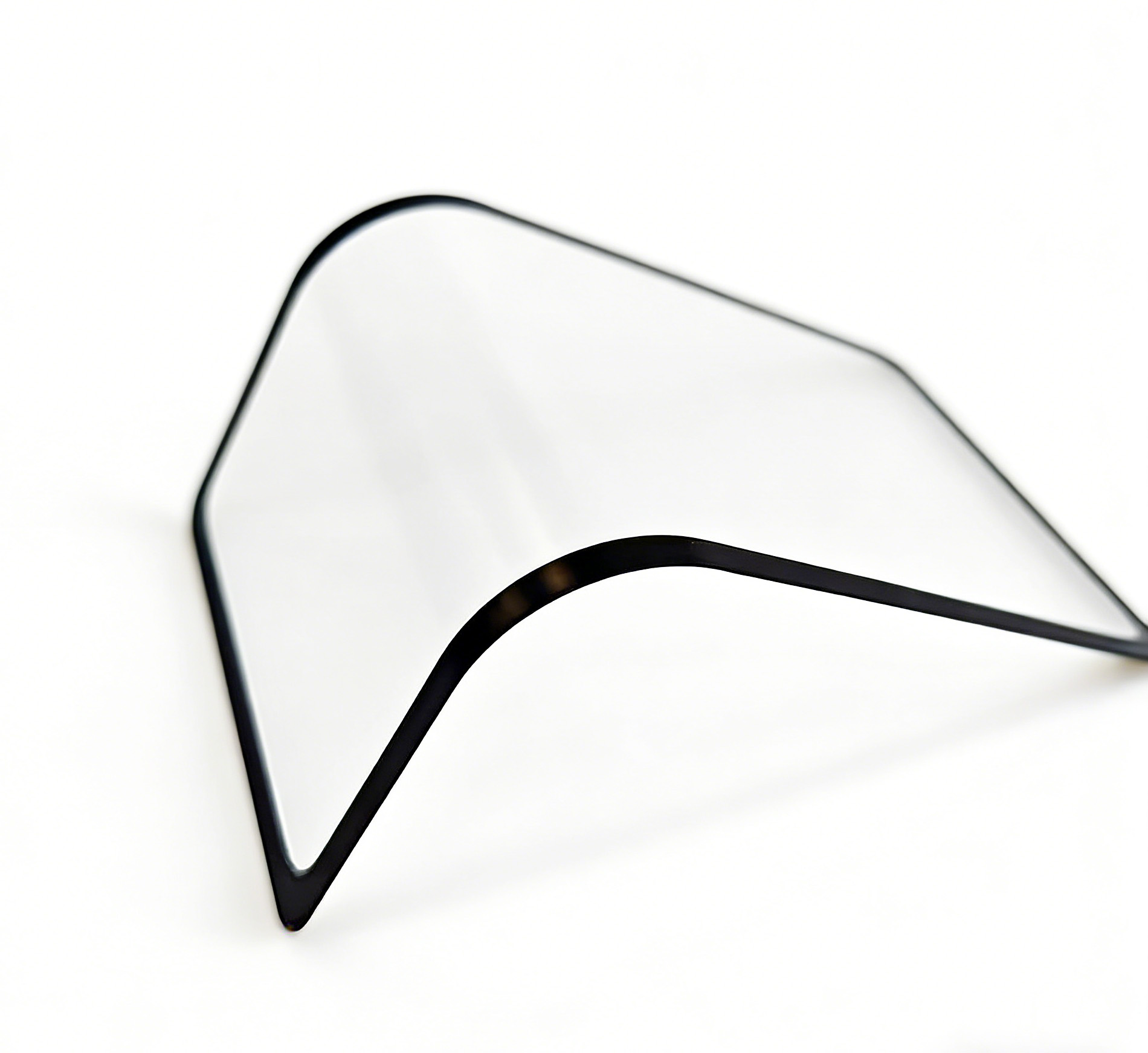
| Impact resistance and curved design | Chemically strengthened 2.5D/3D cover glass | Thickness 0.1–19 mm; edge quality; curvature tolerance; print alignment | Automotive dashboards, elevator panels, curved appliance covers, premium control interfaces |
Final specifications should be confirmed against your drawing, environmental tests and assembly method during engineering review.
Where Glass Substrates Fit Düsseldorf and North Rhine-Westphalia
Düsseldorf’s industrial base is diverse. That diversity changes the specification conversation: an automotive display supplier may prioritize curved forming and reliability, while a museum project may prioritize low reflectance and invisible edges.
Automotive and mobility interfaces
Düsseldorf sits within the wider Rhine-Ruhr automotive supplier network. AR/AG coated cover glass, chemically strengthened glass and 2.5D/3D curved panels support center consoles, dashboards, charging interfaces and in-vehicle HMI.
Medical technology and laboratories
The Düsseldorf and NRW medtech ecosystem, supported by trade fairs and hospital networks, requires optical windows, display covers and coatings with consistent transmission, cleanability and documentation.
Retail, museums and exhibitions
From Königsallee luxury retail to museum and gallery displays, high-transmission AR glass reduces reflections so products, artworks and labels remain visually dominant under demanding lighting.
Smart buildings and elevator panels
Düsseldorf property, hotel and building-automation projects use printed glass panels for elevators, access control, HVAC controls and bathroom systems where touch durability and clean aesthetics matter.
Industrial automation and HMI
Factory automation around Düsseldorf, Neuss, Duisburg and the wider Ruhr area needs robust operator panels that resist cleaning agents, glare, scratches and electrical interference.
Energy, lighting and solar innovation
European climate and energy goals continue to push solar, lighting and energy-efficient building products. FTO conductive glass, AR glass and tempered display glass support technical and architectural energy applications.
Glass Substrate Trends Shaping Düsseldorf Procurement
Düsseldorf buyers are influenced by European compliance expectations, German engineering standards, trade-fair product cycles and cross-border logistics. These trends affect how suppliers should be evaluated.
1. Higher optical expectations at every price point
AR glass is no longer limited to high-end optics. Retail displays, medical interfaces and lighting products increasingly expect low reflectance, neutral color and stable coating performance across production lots.
2. More touch surfaces in buildings
Elevator panels, bathroom controls, HVAC interfaces and access systems are becoming glass-based. AF anti-fingerprint and anti-glare surfaces help maintain appearance in public and semi-public spaces.
3. Compliance and traceability move earlier
European buyers increasingly ask for RoHS/REACH declarations, material identification, inspection records and packaging specifications before approving a supplier. Documentation should be part of the RFQ, not an afterthought.
4. High-mix, low-volume product launches
Trade fairs and fast product cycles reward suppliers that can produce small samples, adjust print artwork, review drawings quickly and then scale to mass production without changing the process route.
5. Dual sourcing becomes normal
Düsseldorf procurement teams often combine local distributors for urgent stock with factory-direct partners for custom coating and volume production. This reduces risk while preserving access to technical customization.
6. Logistics reliability is part of quality
Glass can pass final inspection and still fail commercially if edge chips appear in transit. Honeycomb cartons, blister trays, partitions and export-tested packing are now part of the supplier quality discussion.
Düsseldorf Supplier vs Factory-Direct: A Practical Comparison
The goal is not to replace local partners. The goal is to understand which supplier type controls the risks that matter for your product.
| Evaluation Factor | Typical Düsseldorf Distributor / Processor | Factory-Direct Partner Such as KELO | What to Ask Before Awarding |
|---|---|---|---|
| Coating control | May offer standard stock or subcontract specialty coating | AR / AG / AF / ITO / FTO coating handled in-house | Who measures reflectance, haze, contact angle and sheet resistance? |
| Customization | Strong for standard sizes and local urgent needs | Custom size, shape, holes, printing, 2.5D/3D, adhesive bonding | Can you share DFM feedback before quoting? |
| Sample quantity | Depends on stock and local service model | From 1–2 pcs for fit and optical validation | What is the sample lead time and approval checklist? |
| Mass-production lead time | Fast if stock is available; longer if reworked or imported | Typically 21–31 days after sample approval | What assumptions are included in the lead time? |
| Technical communication | Local language advantage; may relay questions to a third party | Direct access to engineering review and factory process team | Will the same technical contact follow sample and mass production? |
| Logistics and terms | Local delivery; import process may be handled upstream | FOB, CFR, CIF, EXW and DDP terms discussed per order | Which Incoterm and packing method protect your total cost? |
| Documentation | Depends on the distributor and original manufacturer | Manufacturing, inspection and material documentation reviewed per project | Which compliance declarations do you require for the EU? |
| Best-fit role | Urgent stock, local coordination, small replacements | Custom engineering, coating performance, volume production | Should you use both to create a resilient supply chain? |
Performance Data Düsseldorf Engineers Can Use in an RFQ
These values reflect typical production capability. Final targets should be confirmed against your drawing, assembly process and environmental test plan.
| Coating / Substrate | Typical Performance Window | Recommended When | Düsseldorf Application Examples |
|---|---|---|---|
| ARAnti-reflective | Reflectance <1.0% per side; transmittance >99% at 400–700 nm; single or multi-layer | Maximum clarity and low reflection are essential | Museum showcases, luxury retail, medical monitors, automotive displays |
| AGAnti-glare | Controllable haze 5–60%; gloss 0.5–8 GU | Ambient light or sunlight causes readability problems | Outdoor kiosks, industrial HMI, transport terminals, building interfaces |
| AFAnti-fingerprint | Water contact angle >110°; pencil hardness >3H; transmittance >98%; >10,000 cycles | Frequent touch and cleaning are expected | Bathroom panels, smart-home controls, appliance glass, hotel switches |
| ITOIndium tin oxide | Sheet resistance 1–20 Ω/sq; transmittance >85%; haze <2% | Transparent conductivity, touch sensing or EMI shielding is required | Smart mirrors, capacitive sensors, industrial monitors, display windows |
| FTOFluorine-doped tin oxide | Sheet resistance 1–20 Ω/sq; transmittance >85%; haze <2% | Thermal and chemical stability are critical | Thin-film solar cells, high-temperature processes, energy research |
| Cover glassTempered / chemically strengthened | Thickness 0.1–19 mm; flat, 2.5D or 3D; silk-screen and adhesive bonding available | Impact resistance, appearance and design integration matter | Elevator panels, appliance covers, automotive dashboards, building controls |
What to Send with a Düsseldorf Glass Substrate Inquiry
A complete RFQ reduces quotation cycles. The following 12 items help the factory assess feasibility, cost and risk without multiple clarification rounds.
2D/3D drawing or sample, including tolerance requirements.
Glass thickness, substrate preference and overall dimensions.
Edge treatment: polished, chamfered, stepped or as-cut.
Holes, slots, cutouts, CNC shape and critical positioning.
Printing details: color, logo, icon, arrow, black frame, silk-screen.
Coating target: AR, AG, AF, ITO or FTO and required performance.
Optical requirements: transmittance, reflectance, haze or gloss.
Electrical target if conductive: sheet resistance, haze and pattern.
Reliability tests: adhesion, abrasion, salt spray, impact or thermal.
Assembly method: 3M adhesive, frame, bonding or gasket.
Packaging requirement for export to Düsseldorf or Germany.
Annual volume, pilot quantity, target lead time and Incoterm.
Three Inspection Gates Before Glass Ships to Düsseldorf
Quality is built into the process, not inspected in at the end. For European buyers, inspection logic should be visible in the supplier’s workflow.
Incoming Inspection
Raw glass, ink and coating consumables are checked before production: thickness, flatness, surface defect screening and material verification.
In-Process Control
Critical dimensions, hole positions, tempering strength, coating adhesion and abrasion resistance are checked at each process stage.
Final Inspection & Packing
100% appearance inspection, reliability checks and export packing with honeycomb cartons, blister trays and partitions to reduce transit damage.
For Düsseldorf projects, specify the inspection standard, acceptable cosmetic limits and packing method in the purchase order rather than relying on general statements.
Questions Local Buyers Ask About Glass Substrate Suppliers
These answers address the practical questions that usually arise when a Düsseldorf buyer is comparing local suppliers with a factory-direct manufacturing route.
Are there glass substrate factories in Düsseldorf?
Düsseldorf and the surrounding Rhine-Ruhr region have distributors, processors, finishers, engineering firms and logistics providers serving the glass and electronics supply chain. However, specialty glass substrates with AR, AG, AF, ITO or FTO coatings are often sourced from factories outside the region. When comparing Düsseldorf suppliers, ask whether the coating and tempering are done in-house or subcontracted. The answer affects lead time, traceability and how quickly engineering changes can be made.
What should I compare when choosing a Düsseldorf supplier for AR, AG, AF or ITO glass?
Compare measured performance, not only catalogue descriptions. Request transmittance, reflectance, haze, gloss, contact angle, sheet resistance or adhesion test data as relevant. Confirm sample availability, production lead time, packing method and documentation. If the application is a premium display or museum showcase, ask for the expected cosmetic standard and inspection method. If the part is a touch sensor or EMI shielding window, confirm sheet resistance tolerance and pattern capability.
What is the minimum order for a custom glass substrate pilot?
For KELO factory-direct projects, sample orders can start from 1–2 pieces so the Düsseldorf engineering team can validate fit, optics, coating and assembly before committing to volume. Bulk quantities are quoted per drawing, coating stack and annual volume. This is particularly useful for trade-fair prototypes, medical device pilots, automotive interface mock-ups and smart-building control panels.
How long does production and delivery to Düsseldorf take?
Bulk lead time is typically 21–31 days after sample approval, depending on size, coating, curved forming, printing complexity and order quantity. Shipping to Düsseldorf can be arranged by air, rail or sea depending on urgency and volume, with routing through freight hubs, Düsseldorf Airport, or Rhine-Ruhr logistics nodes such as Neuss and Duisburg. The final transit time should always be confirmed for the specific Incoterm and packing method.
Which EU compliance and trade documents can be discussed?
Depending on the project, buyers may request material declarations, inspection reports, packing specifications and relevant RoHS or REACH documentation. Trade terms can include FOB, CFR, CIF, EXW and DDP, with payment methods such as T/T, L/C, PayPal and Western Union. Because compliance requirements vary by product and end-use, the exact documentation package should be agreed during the RFQ stage rather than assumed after ordering.
How should fragile glass be packed for shipment to Germany?
Packing should be specified as part of quality control. For Düsseldorf deliveries, custom honeycomb cartons, blister trays, partitions, protective film and edge protection can reduce transit damage. Confirm whether the supplier performs 100% appearance inspection before packing and whether packaging validation photos can be provided. Good packing is not an administrative detail; it protects coating surfaces, printed borders and polished edges after the glass leaves the factory.
Why the Best Supplier Decision Usually Combines Technical Depth and Commercial Flexibility
A Düsseldorf buyer does not need more generic product lists. The buyer needs a supplier that can explain how glass thickness, edge quality, coating, printing, assembly and shipping interact. A thicker glass may improve rigidity but affect weight and touch sensitivity. A stronger AG haze may improve sunlight readability but reduce perceived image sharpness. A multi-layer AR coating may improve clarity but increase cost and process complexity.
The presence of local stock can shorten an urgent replacement cycle, but custom glass projects are usually won or lost before the purchase order. They are won when engineering review catches an unsuitable edge profile, when the sample matches the production route, when the coating measurement method is agreed, and when packaging is designed for the route to Düsseldorf. That is why the strongest supply strategy is often a dual-source model: keep local partners for speed and proximity, and keep a factory-direct partner for customization, coating control and volume consistency.
Use this page as a practical RFQ baseline. Start with the eight product routes above, select the application scenario closest to your program, confirm the technical performance window, and send a drawing with your annual volume and delivery target. The more precise the input, the faster the factory can respond with a manufacturable, cost-aware glass substrate solution.
Send Your Drawing, Target Performance and Annual Volume
Planning a glass substrate project for Düsseldorf or the wider German market? Share your application, coating requirement, glass thickness, sample quantity and expected delivery schedule. The KELO engineering team will review feasibility and recommend a practical factory-direct route.