Infrared Filter Glass Factory & Exporters for Makati
Custom IR-cut, IR-pass, AR/AG/AF coated and ITO/FTO conductive filter glass for Makati’s security, medical, smart-building, display and hospitality supply chains — engineered in Huizhou, Guangdong, and exported with drawing-level traceability.
Eight Custom Glass Platforms for Makati Buyers
The fastest route from a Makati project requirement to a production-ready glass component is to start with a proven platform, then tune the substrate, coating, print, tolerance and packing to your drawing. Each product below is supported by KELO Glass’s factory-direct cutting, CNC, polishing, silk-screen printing, tempering, curved forming, coating and bonding processes.
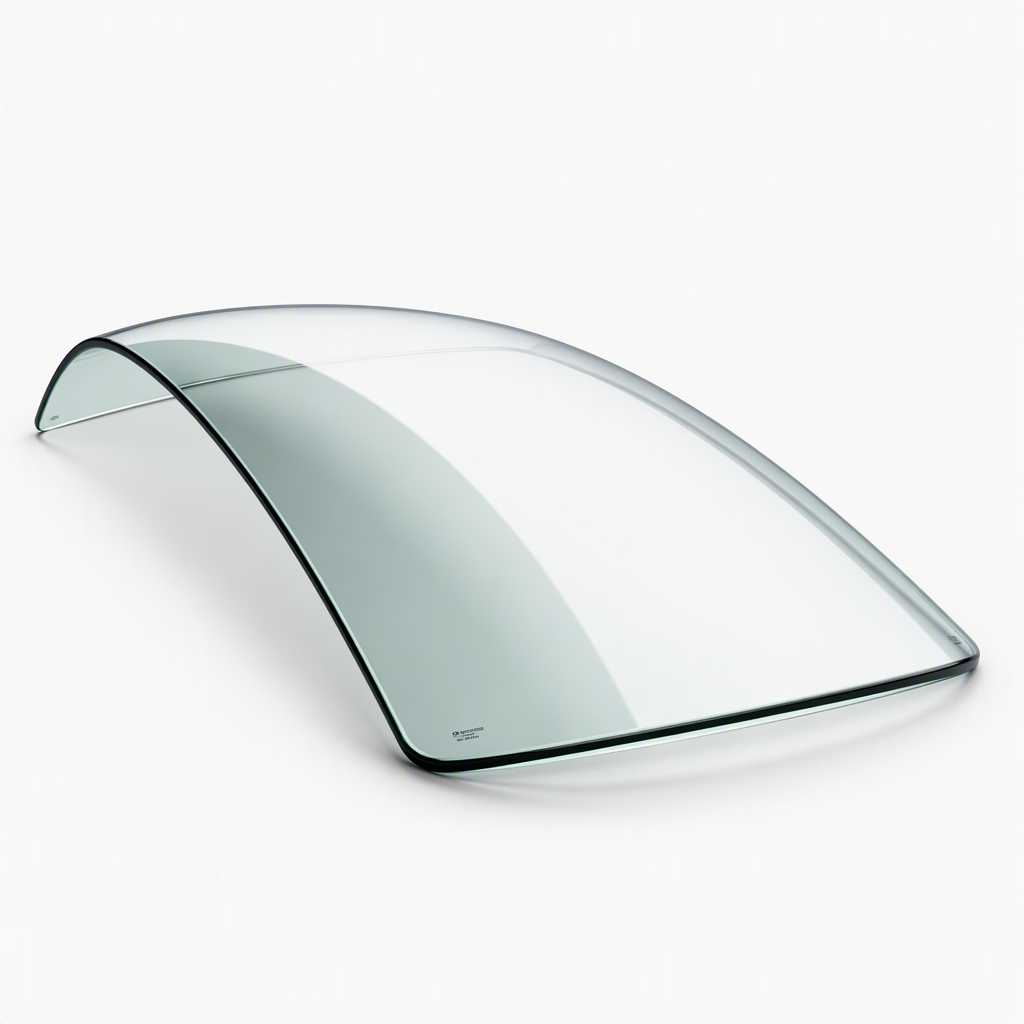
Hot Bent Glass Curved Tempered Glass Panel for Automotive Display
Small-radius, arc-shaped custom curved glass for automotive displays, instrument clusters and premium HMI interfaces. OEM/ODM forming and tempered strength support designs that need a seamless cockpit appearance.
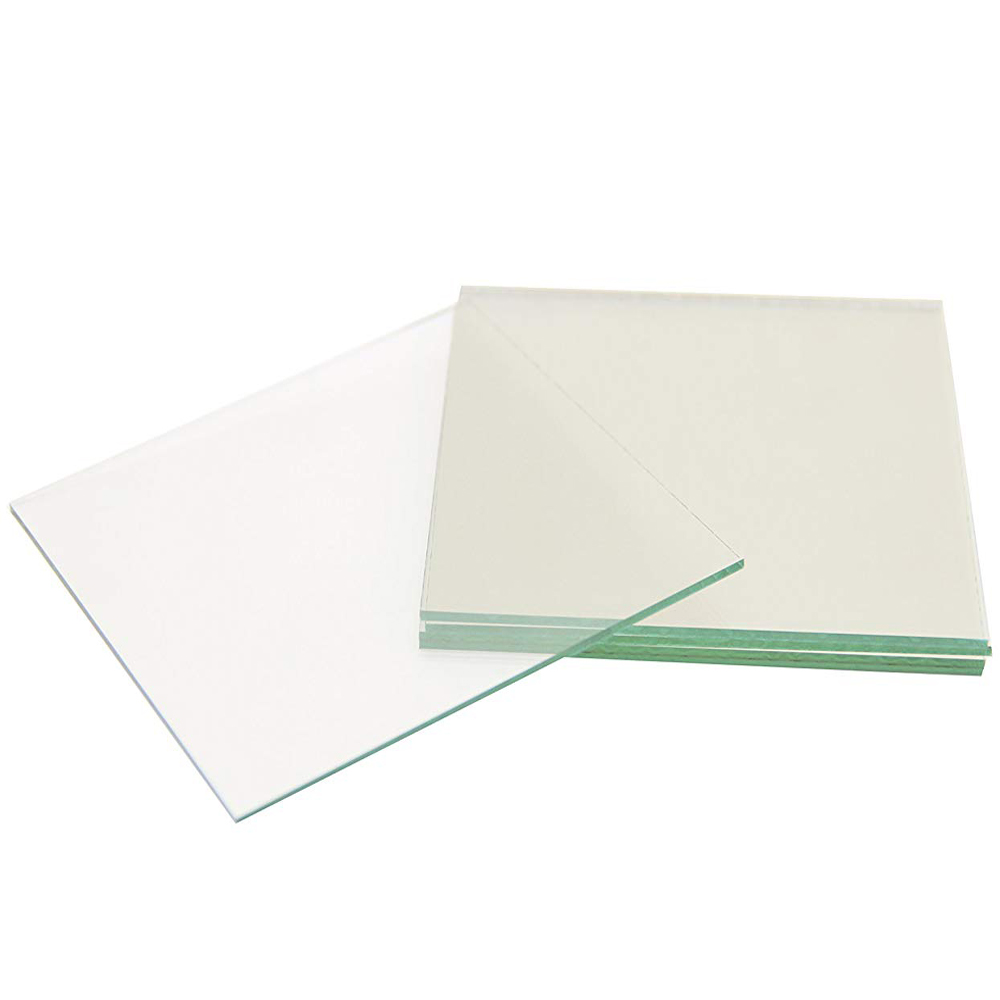
Custom 25x25x1.1 mm ITO/FTO Coated Toughened Glass for Lab, Display & Anti-Fog Heating
Transparent conductive glass for laboratory displays, bathroom anti-fog mirrors, solar research and heated optical windows. Select ITO for touch and EMI applications, or FTO for higher thermal and chemical stability.

Customized Cutting Elevator Indicator & Touch Panel Glass for Smart Control Systems
Printed, cut-to-shape glass for elevator indicators, destination control panels and smart-building interfaces. Ideal for Makati tower retrofits where visual clarity, scratch resistance and clean integration matter.
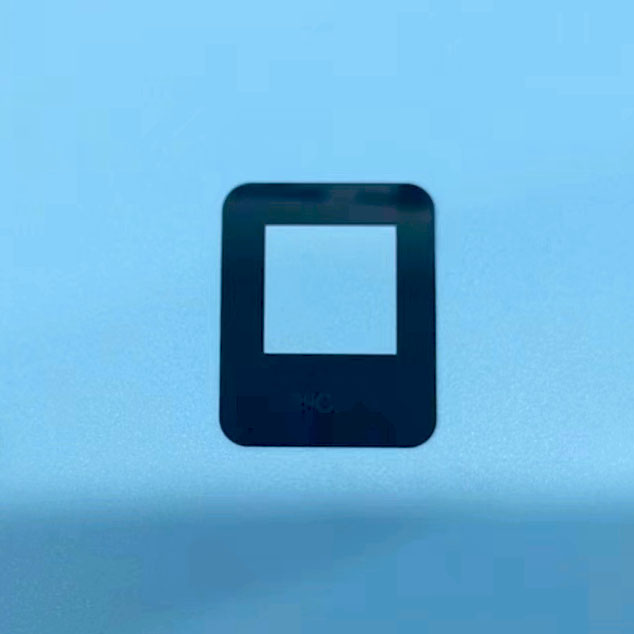
1 mm Black Tempered Glass Switch Socket Panel with Flat Solid Wall Cover
A premium black glass faceplate for switches, sockets and wall controls in offices, hotels and residences. Flat, solid and printable, with tempered glass durability for high-touch commercial interiors.
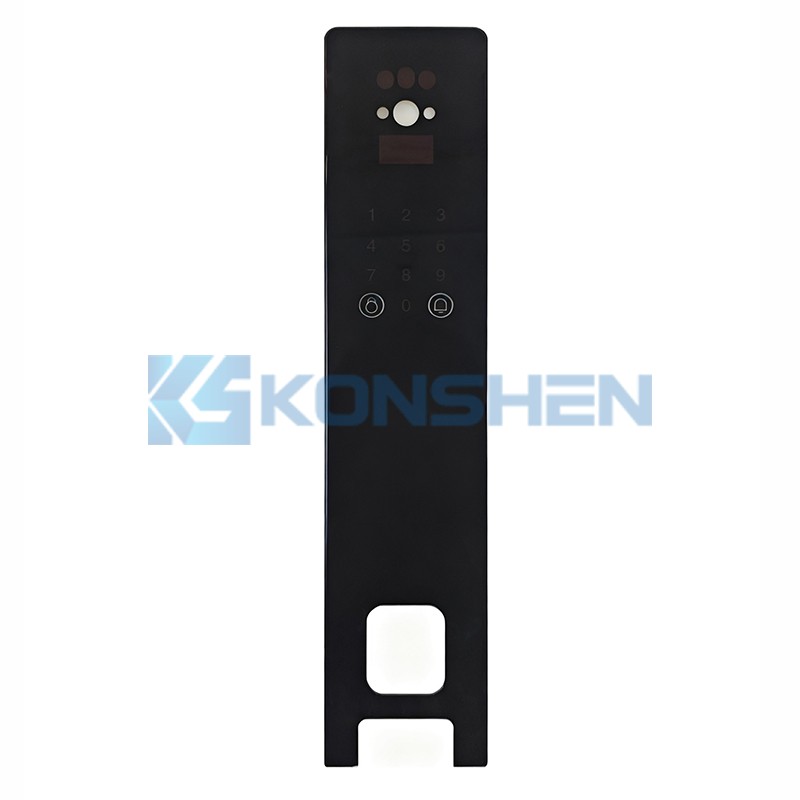
Electronic Tempered Glass Film Custom Printed Rectangular Keypad for Smart Door Lock
Printed tempered glass keypad panels for smart locks, access-control readers and digital entry systems. A clean, durable surface that supports branding, icon printing and anti-fingerprint treatment.
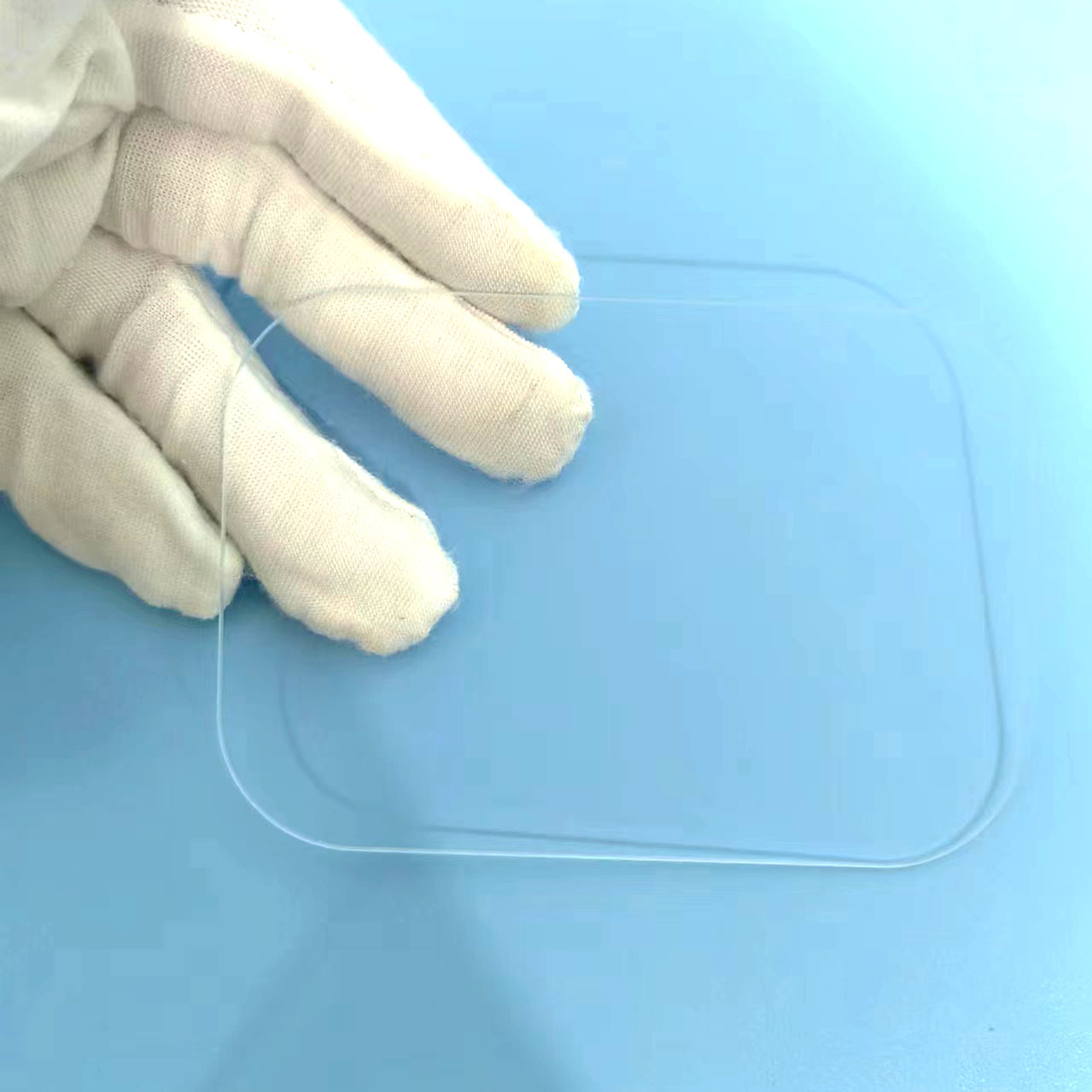
1.1 mm ITO Coated Conductive Glass Panel for Smart Home Touch Mirror
High-transmittance, CNC-custom-shaped conductive glass with polished edges for touch mirrors and smart-home control surfaces. Supports capacitive sensing while preserving a clean reflective appearance.
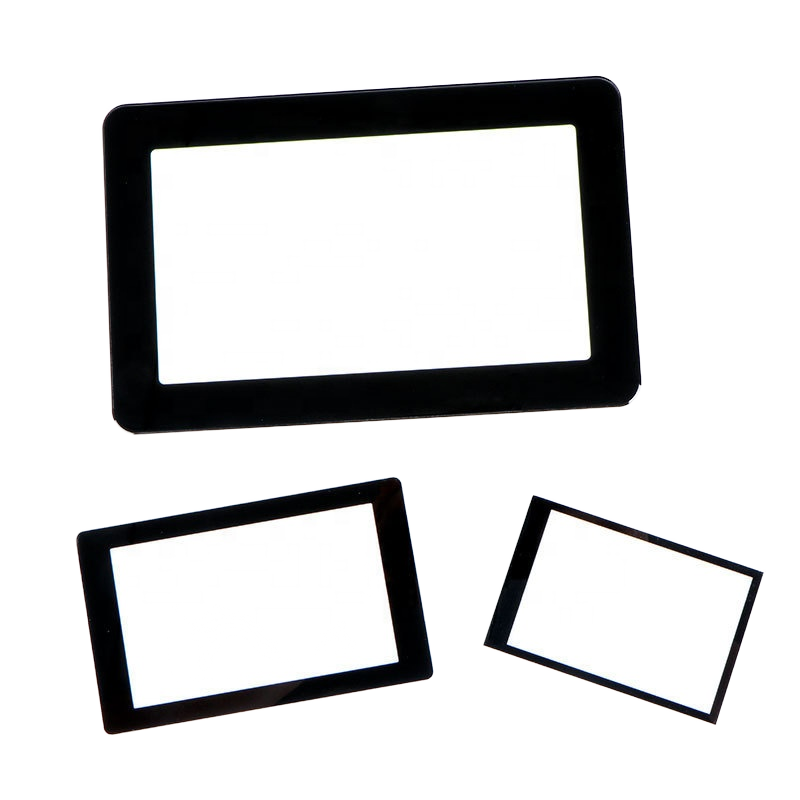
Wholesale Extra Clear Tempered Glass Touch Screen Panel for Outdoor & Waterproof Gym Use
0.2 mm to 5 mm soda-lime extra-clear tempered glass for outdoor control panels, gym equipment, kiosks and poolside interfaces exposed to humidity and frequent cleaning.

Custom Silk Screen Printed Tempered Glass Control Panel Cover for Smart Appliances
Decorative and functional glass control covers for appliances, HVAC controllers, kitchen equipment and smart-home devices. Combine printed graphics, touch zones and AF coating in one finished part.
Need a wavelength target, drawing review or sample before selecting a platform?
Get a QuoteInfrared Filter Glass Is an Optical System Decision, Not a Commodity Purchase
In Makati’s dense commercial environment, a filter glass component is exposed to bright daylight, high ambient heat, humidity, cleaning chemicals and constant human contact. The right specification protects image quality and reduces costly rework after installation.
Infrared filter glass is used to manage the near-infrared portion of the light spectrum while preserving visible-light performance. In security cameras, IR-cut filter glass helps maintain color fidelity in daylight and supports night-time sensitivity when the IR cut function is removed. In machine vision, medical imaging, automotive sensing and optical instruments, IR-pass or IR-blocking designs can improve signal contrast, reduce stray light and protect sensors from unwanted heat load. The glass itself is only one part of the system: substrate absorption, coating design, thickness, surface quality and edge finish all influence the final optical result.
For buyers in Makati, the procurement challenge is rarely “find any supplier.” It is finding a factory that can connect an optical requirement to a manufacturable glass part. A security integrator in Legazpi Village may need an IR-cut window for a camera module used in a high-rise lobby. A medical equipment distributor may need a low-reflection optical window for a clinic in Makati CBD. A fit-out contractor working on a hotel or BPO floor may need printed control glass, anti-fingerprint touch panels or anti-glare display covers that match the interior design. These are different specifications, but they share the same need: documented glass performance, stable tolerances and export-ready packing.
KELO Glass approaches infrared filter glass as part of a broader custom optical glass capability. Our factory in Huizhou, Guangdong, processes glass from 0.1 mm to 19 mm and supports cutting, CNC machining, edge polishing, laser engraving, silk-screen printing, sandblasting, flat and curved tempering, AR/AG/AF coating, ITO/FTO conductive coating, 2.5D/3D forming and 3M adhesive bonding under one roof. For a Makati buyer, this vertical integration reduces the risk of finger-pointing between a glass cutter, a coater, a printer and a packing supplier. The final specification is reviewed against your drawing, and the approved sample becomes the reference for mass production.
We do not treat optical performance as a marketing slogan. Where a project requires IR-cut or IR-pass behaviour, the transmission curve, cut-on or cut-off wavelength, blocking range and incidence angle should be defined in the RFQ. The surrounding coating stack may also need AR to reduce ghosting, AG to control glare, AF to resist fingerprints, or ITO/FTO to add a conductive function. Final values are confirmed during engineering review because every stack, substrate and size changes the result. That is the difference between a catalogue part and a production-ready filter glass component for a Makati project.
Optical clarity for commercial spaces
Makati towers, showrooms and clinics rely on displays and camera systems that must remain readable under strong daylight and artificial lighting. AR and IR filter combinations help control reflection and preserve contrast.
Humidity and cleaning resistance
Makati’s tropical climate and frequent facility cleaning make coating adhesion and edge quality critical. Tempering, adhesion checks, abrasion tests and salt-spray evaluation help reduce field failures.
Import-ready documentation
For Makati importers, a factory quote is only useful if it can become a landed order. We support FOB, CFR, CIF, EXW and DDP discussions, export packing and the documentation international buyers expect.
Makati Application Scenarios for Infrared Filter Glass and Custom Optical Glass
Makati is a high-density business and lifestyle district. Its buildings, clinics, hotels, retail floors and transport-facing facilities create practical use cases where optical glass must combine appearance, durability and function.
Security cameras and access control
IR-cut filter windows for CCTV, lobby cameras, parking entry systems and access-control readers. Combine with AG cover glass to reduce glare in sunlit lobbies and glass towers around Ayala Avenue.
Smart elevators and destination panels
Printed elevator indicator glass, touch control panels and switch faceplates for Makati office towers, serviced apartments and hotel retrofits. AF coating helps high-touch surfaces stay clean and presentable.
Medical, diagnostic and laboratory equipment
Optical windows, display covers and conductive glass for clinics, diagnostic centres and laboratory distributors. AR coating improves readability, while ITO/FTO glass supports heating, anti-fog or sensing functions.
BPO floors, meeting rooms and digital signage
Anti-glare cover glass for displays, conference-room touch panels and wayfinding screens. Makati BPO tenants often prioritize low-reflection surfaces and consistent touch response across long operating hours.
Hotel, retail and smart-home touch mirrors
ITO conductive glass for touch mirrors, anti-fog bathroom mirrors and appliance control panels. Extra-clear tempered glass and printed borders help match premium interiors while supporting capacitive touch.
Automotive showrooms and mobility displays
Curved tempered display glass for dashboard mock-ups, in-car HMI and showroom demo units. Small-radius bending, printed black borders and AR/AF treatments support premium brand presentation.
What Makati Buyers Are Asking for in 2025: Landed Cost, Lead Time and Proveable Quality
The strongest B2B search intent is not simply “infrared filter glass supplier.” Buyers want a factory that can interpret a drawing, suggest a manufacturable coating stack, quote a landed cost and ship a sample quickly. These are the four procurement patterns we see shaping custom glass inquiries.
Retrofit-ready smart building parts
Existing Makati towers are upgrading elevators, access control and lobby displays without full rebuilds. Buyers need custom-fit glass that matches legacy dimensions and finishes.
Shorter sample cycles
Project teams cannot wait 8–12 weeks to validate a filter window or touch panel. Samples from 1–2 pieces and engineering feedback during drawing review help shorten the qualification path.
Hygiene and touch resistance
Hotels, clinics and shared offices prefer AF-coated glass that resists fingerprints, cleaning marks and daily wear. Contact angle and abrasion performance are increasingly requested in RFQs.
Landed-cost visibility
Makati buyers compare FOB, CIF and DDP. Clear packing dimensions, carton weights, material declarations and shipping terms reduce surprises when the order reaches Manila.
Illustrative inquiry mix for custom optical glass projects
This planning guide reflects the application mix commonly discussed in Makati-oriented custom glass RFQs. It is not a market forecast; use it to benchmark which technical questions your own project should answer first.
Coating Stack
How to Specify Infrared Filter Glass for a Makati Project
A white-paper-level RFQ should separate optical intent from mechanical construction. Use the matrix below to identify the decisions that typically affect price, lead time and field reliability.
| Design decision | What to specify | Why it matters for Makati buyers |
|---|---|---|
| Substrate | Soda-lime, borosilicate, chemically strengthened glass, quartz or sapphire; thickness from 0.1 mm to 19 mm; flat, 2.5D or 3D shape. | Affects optical transmission, thermal stability, impact resistance and whether the part can be tempered or curved. Humid coastal conditions make edge quality and coating adhesion especially important. |
| Optical function | IR-cut, IR-pass, bandpass, neutral-density or AR-only; cut-on/cut-off wavelength; blocking range; incidence angle; target transmittance in visible and NIR bands. | Determines colour fidelity, sensor protection and night-time sensitivity. A filter window for a lobby camera is not the same as an optical window for a diagnostic instrument. |
| Surface treatment | AR for low reflection, AG for glare diffusion, AF for fingerprint resistance, or combined AR+AG / AG+AF stacks; gloss, haze and contact-angle targets. | Makati interiors and facades create strong reflections. The right treatment improves readability and reduces cleaning effort in high-touch commercial spaces. |
| Conductive layer | ITO or FTO; sheet resistance 1–20 Ω/sq; transmittance above 85%; haze below 2%; etched or masked pattern if required. | ITO suits capacitive touch, displays and EMI shielding. FTO is often preferred where higher thermal and chemical stability is needed, such as thin-film solar or high-temperature processing. |
| Mechanical features | CNC cut-outs, holes, countersinks, polished edges, chamfers, laser engraving, printed borders, logos and 3M adhesive bonding. | Custom mechanical features reduce assembly time for local integrators and fit-out contractors, but they must be reviewed early because small changes can affect tooling and yield. |
| Environmental validation | Tempering, adhesion, abrasion, salt-spray, humidity and thermal-cycling requirements; inspection criteria for scratches, bubbles, edge chips and print registration. | Quality must be defined before shipment, not discovered on site. We use incoming, in-process and final inspection with 100% appearance checking for qualified projects. |
| Packaging and trade | Honeycomb cartons, blister trays, partition packing, desiccant, carton dimensions, FOB/CIF/DDP terms and payment method. | Makati buyers need a damaged-free arrival and a predictable landed cost. KELO supports export packing and documentation for international orders and Alibaba Trade Assurance orders. |
Why KELO Glass Is a Credible Factory Partner for Makati Importers
E-E-A-T is not a badge; it is the ability to show how a glass part is engineered, measured, packed and supported. These are the verifiable strengths that matter when a Makati buyer compares suppliers.
Factory-direct in Huizhou
Huizhou KELO Glass Co., Ltd. is a verified manufacturer in Guangdong’s Greater Bay Area electronics supply chain, with a factory floor area of approximately 10,000–30,000 m² and 101–200 employees.
Surface engineering in-house
AR, AG, AF, ITO and FTO coating are core capabilities, not outsourced steps. That gives Makati buyers one accountable partner for optical performance, electrical function and cosmetic appearance.
Full-process control
Cutting, water-jet cutting, CNC machining, drilling, edge polishing, laser engraving, silk-screen printing, sandblasting, flat and curved tempering, 2.5D/3D forming and 3M adhesive bonding run under one roof.
Engineering review before quoting
Send a drawing, sample or target specification. Our team reviews tolerances, coating feasibility, curve radius, print detail and packing risk, then recommends a cost-effective route with samples from 1–2 pieces.
Capacity and R&D depth
Typical touch cover glass capacity is 20–25 million pieces per year, supported by 21–30 R&D engineers and an annual output value in the US$50–100 million range.
Three-gate quality control
Incoming inspection, in-process control and final inspection cover thickness, flatness, dimensions, tempering, adhesion, abrasion, salt spray and 100% appearance checking before packing.
Verified marketplace record
Public profile signals include a 4.9/5 store rating, 98.18% reply rate, 6 years as a verified exporter on Alibaba.com and Trade Assurance support for eligible orders.
Export experience
We serve buyers in Europe, North America and South America, support FOB, CFR, CIF, EXW and DDP discussions, and pack with honeycomb cartons, blister trays and partitions to reduce transit damage.

What a Makati buyer can verify before placing a volume order
Start with a drawing review and a physical sample. Confirm the optical target, edge finish, print registration, coating appearance and packing method. Review the company profile, ratings, trade capacity and transaction history rather than relying on a brochure claim. For custom infrared filter glass, the sample is the bridge between an optical concept and a repeatable production part.
- Drawing review and DFM feedback before quotation
- Sample validation from 1–2 pieces for qualified projects
- Measured optical, coating and appearance criteria
- Export packing and Incoterms discussion for Makati delivery
Common Procurement Questions from Makati Importers and Project Teams
These questions reflect the practical concerns that appear when a Makati buyer moves from an online search to an actual quotation and sample request.
Can you ship infrared filter glass and custom optical glass to Makati?
Yes. We export internationally and can support shipments through Manila forwarders, air freight or sea freight depending on order size and urgency. FOB, CFR, CIF, EXW and DDP options can be discussed before quotation.
What is the MOQ for a custom filter glass project?
Sample orders can start from 1–2 pieces for qualified custom projects so you can validate fit, optics, coating appearance and assembly. Bulk quantity and price are quoted per drawing, size, coating stack and annual volume.
How long does production take after sample approval?
Typical mass-production lead time is 21–31 days after sample approval. The exact schedule depends on thickness, coating complexity, curved forming, printing, CNC features and order quantity. Transit time to Makati is quoted separately.
Which glass should we choose for a humid Makati environment?
For high-humidity interiors, specify edge quality, coating adhesion and cleaning resistance early. Chemically strengthened or tempered glass with appropriate AR/AG/AF treatment may be suitable. If anti-fog heating is required, ITO or FTO conductive glass can be reviewed with the optical stack.
Can you match a drawing, sample or existing imported part?
Yes. Send a 2D/3D drawing, a physical sample, a photo with dimensions or a target optical curve. Our engineers review tolerances, material, coating, print, edge finish and packing, then recommend the most manufacturable route.
What documents can you provide for a Makati import order?
We can provide commercial invoice, packing list, bill of lading or airway bill, certificate of origin where applicable, and inspection or test records agreed in the order. Orders placed through Alibaba.com may be eligible for Trade Assurance protection.
How do you control optical and cosmetic quality?
Quality is controlled through incoming, in-process and final inspection. Depending on the product, checks cover dimension, flatness, transmittance, reflectance, sheet resistance, coating adhesion, abrasion, salt spray and 100% appearance inspection before packing.
What trade terms and payment methods do you accept?
We support FOB, CFR, CIF, EXW and DDP trade terms, with T/T, L/C, PayPal and Western Union payment options. Final terms depend on order value, destination and whether the order is processed through Alibaba Trade Assurance.
Send Your Drawing, Wavelength Target or Sample to Start
Share your infrared filter glass requirement, display cover glass drawing, touch panel specification or smart-building glass project with our engineering team. We will review feasibility, recommend a substrate and coating route, and advise on sample and production next steps for Makati delivery.