Eight product lines Boston buyers can source from one factory
These are the core coated, conductive, tempered, and custom glass lines used by display, sensor, appliance, laboratory, museum, and gaming customers. Product links are preserved for direct specification review.
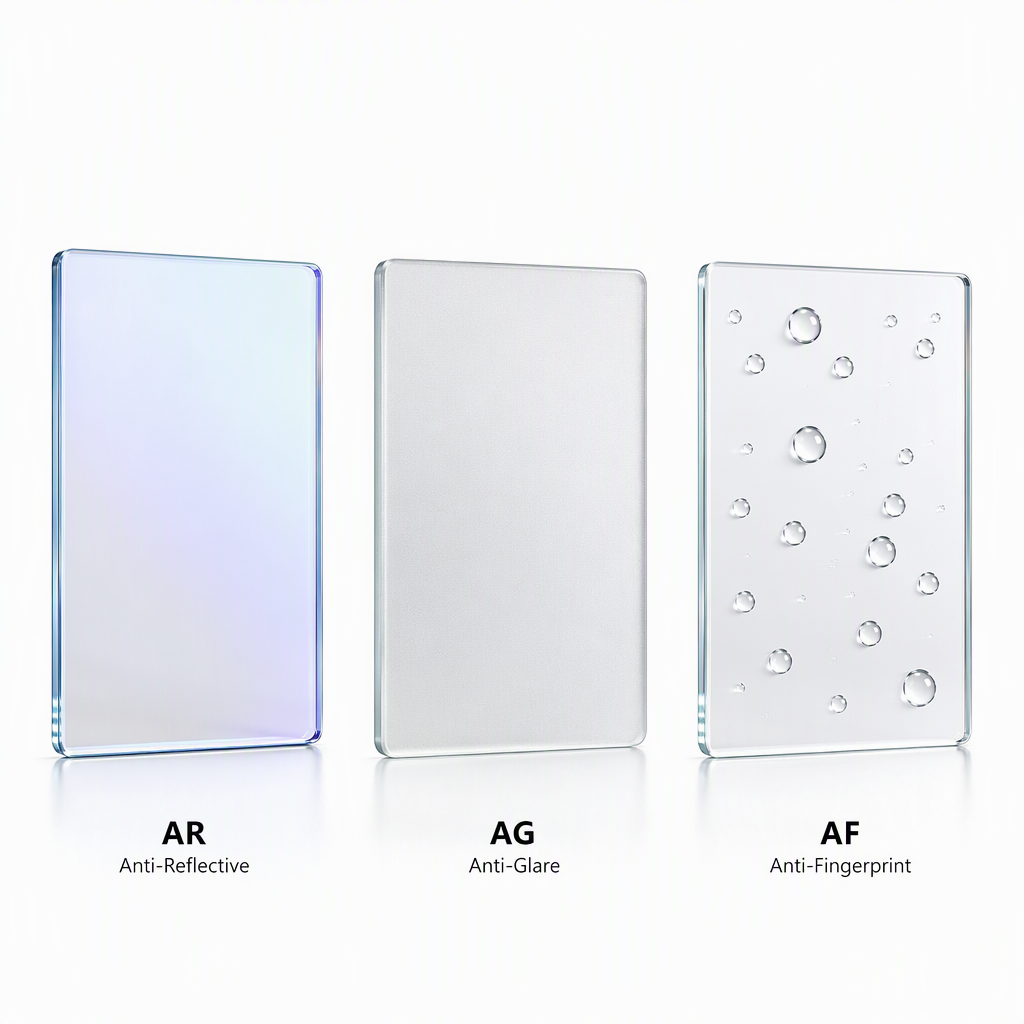
AR AG AF Coated Glass Anti Reflective Coating Service 92 Percent Transmission Anti Glare Custom Sheet Factory OEM
Combined optical coatings for reflection control, glare diffusion, and easy-clean touch surfaces. Custom sheets are reviewed against transmission, haze, gloss, and durability targets.
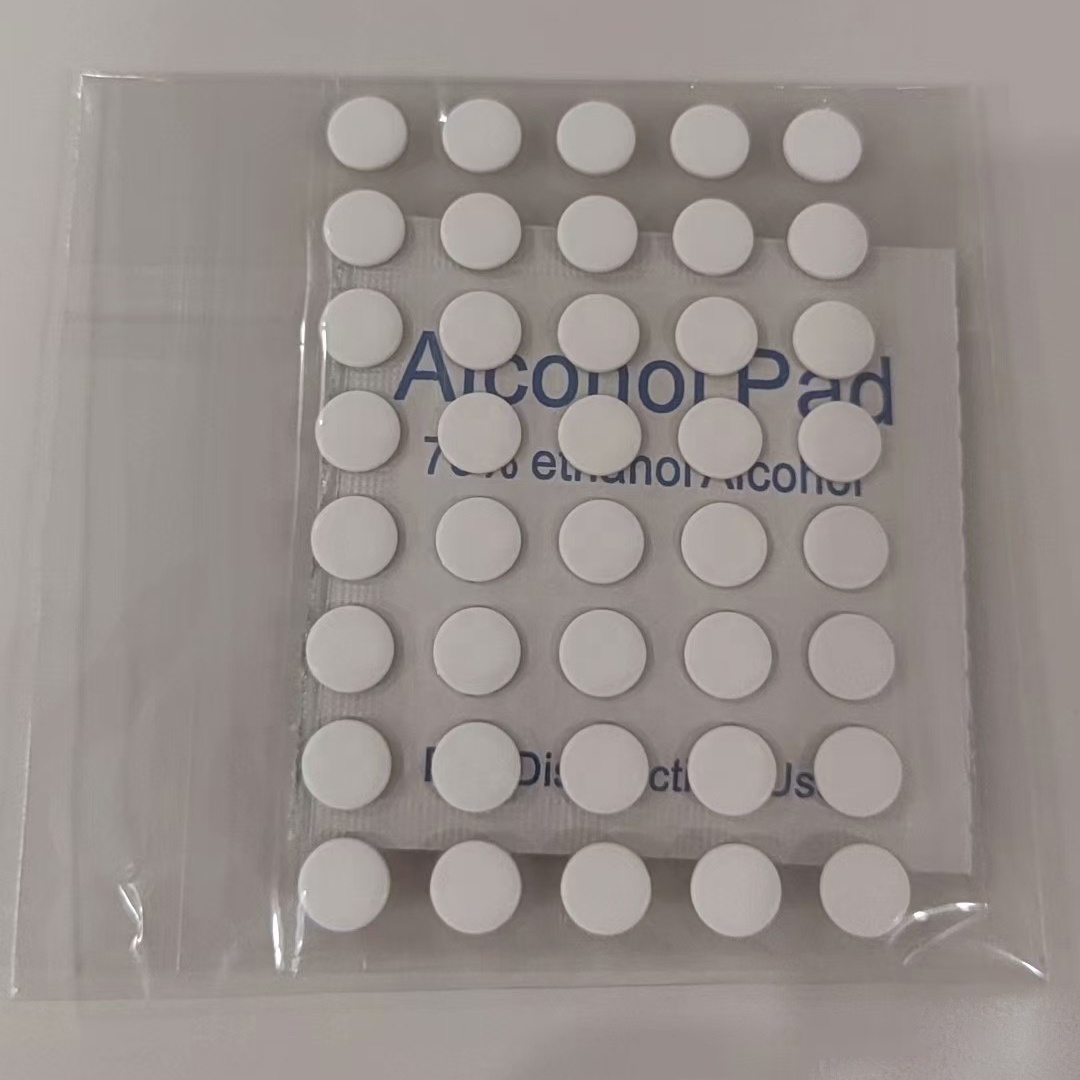
PTFE Round Gaming Mouse Glides Mouse Skate Dots
Low-friction PTFE glide dots for gaming mouse skate applications. A practical accessory line for peripheral brands that also source custom glass mouse pads.
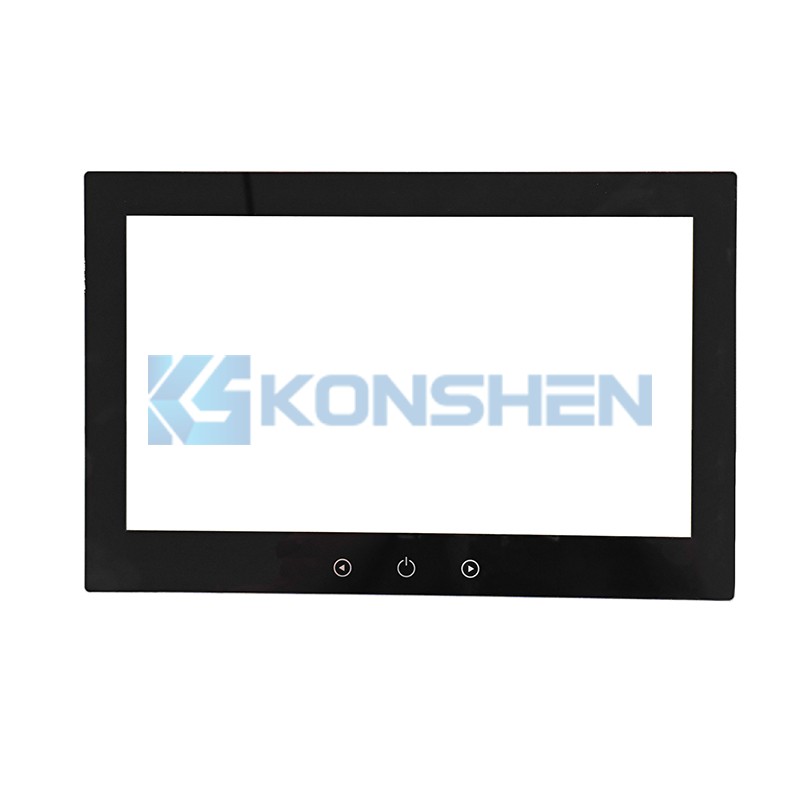
Electronic ITO Conductive Tempered Glass Custom Black Framed 1mm-4mm Thickness Display Cover for Industrial Monitor
A strong fit for capacitive touch display covers: conductive ITO-coated tempered glass, black-framed printing, and 1–4 mm thickness options for industrial monitors.
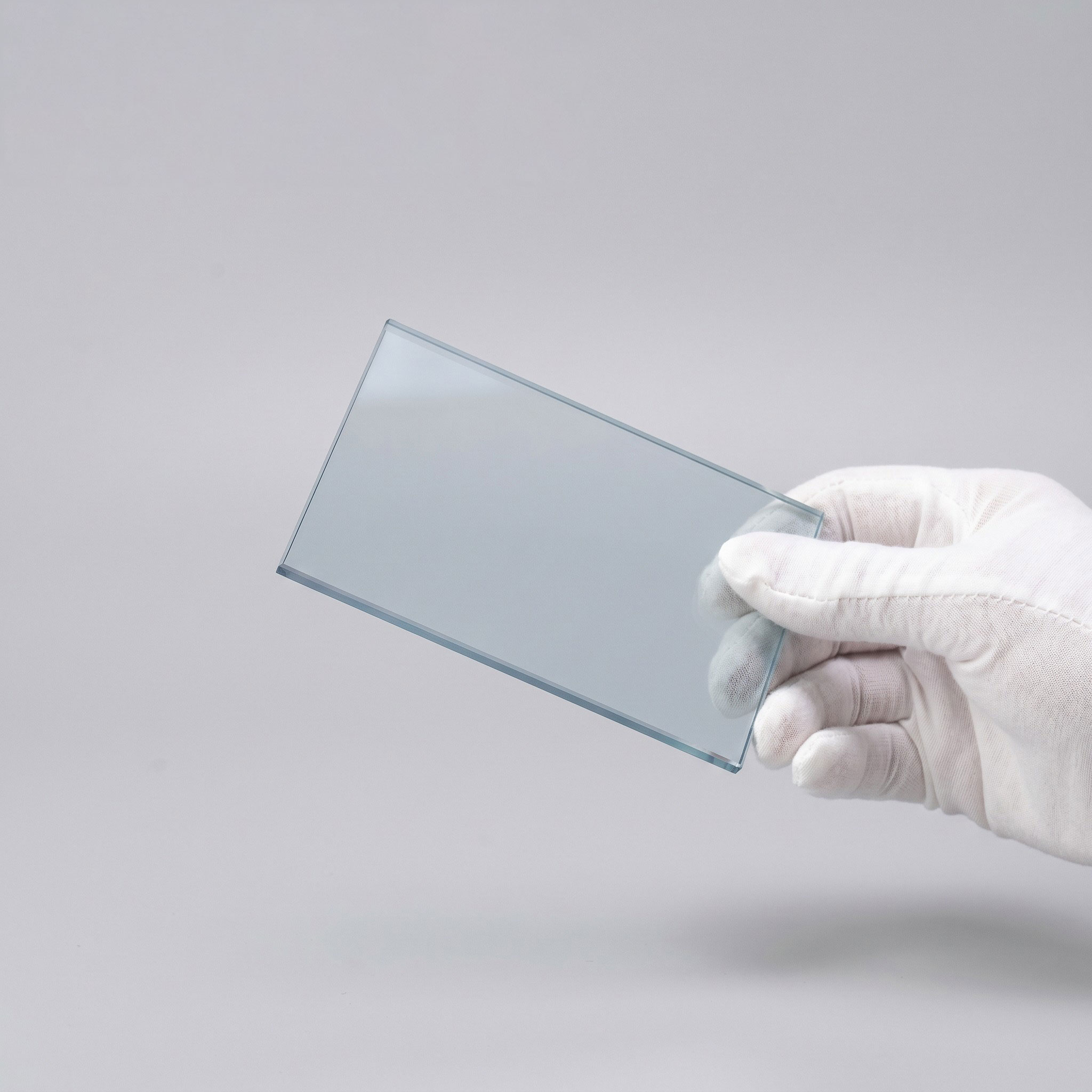
High Temperature Resistance Fluorine Doped Tin Oxide FTO Conductive Glass Solar Cell Substrate DSSC Perovskite Lab Research
FTO glass for thin-film solar, DSSC, perovskite research, and high-temperature processes where thermal and chemical stability matter more than room-temperature touch sensing.
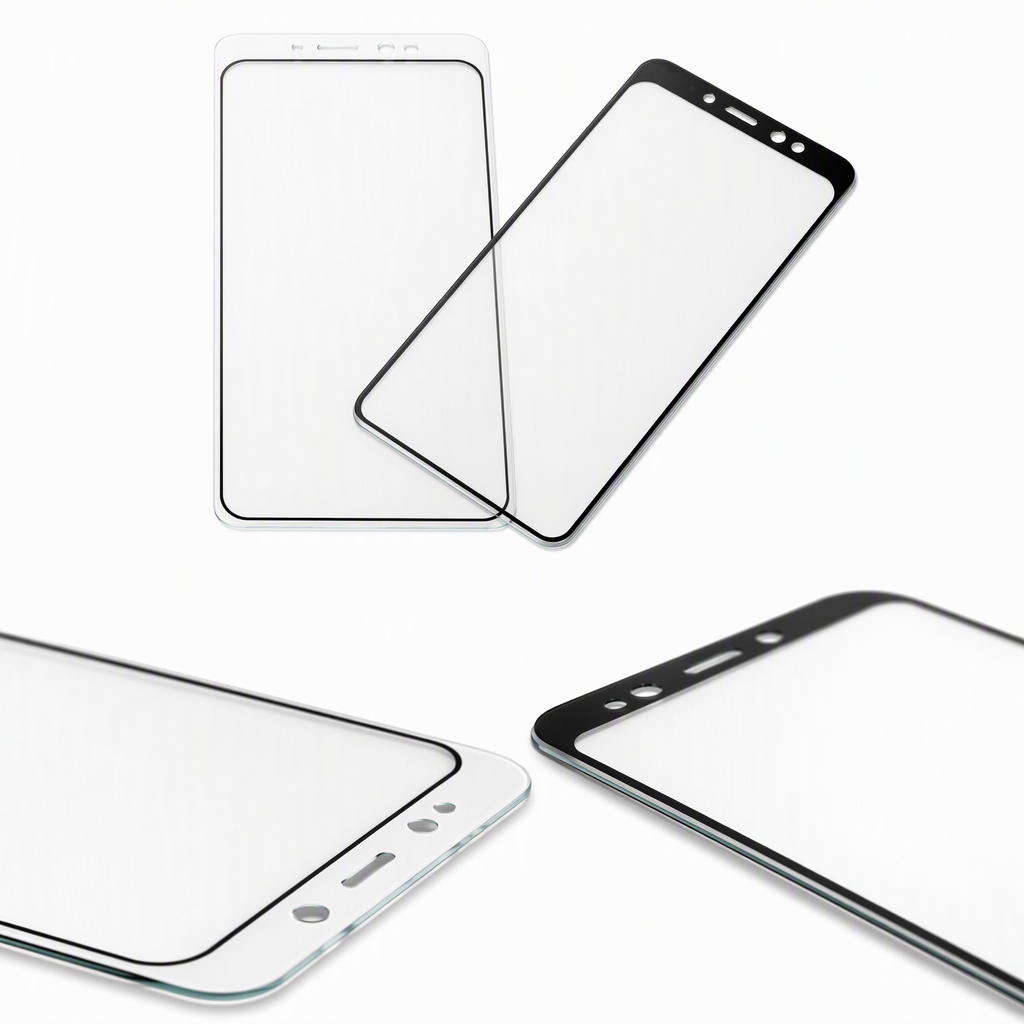
Toughened Glass Panel No Coating CNC Hole Drilling Irregular Shape Silk Screen Printed Custom Size Wholesale Supplier
Custom toughened glass with CNC holes, irregular outlines, and silk-screen printing. Useful for industrial covers, control panels, and designs that cannot use a standard rectangle.
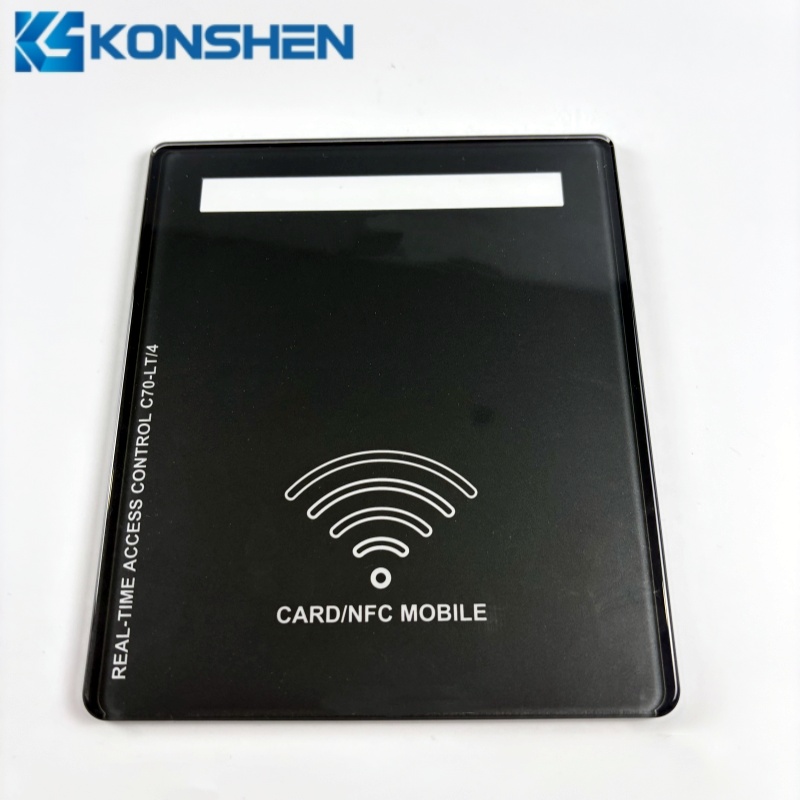
Custom 5mm NFC Access Card Silkscreen Printing Tempered Touch Screen Glass Switch Display Cover Glass
Tempered touch glass switch and display cover options with silkscreen printing, including NFC access-card formats for security, building, and control interfaces.

High Transmittance 98% Anti-Reflective AR Glass for Museum Showcase Luxury Picture Frame Low Reflectance Coated 1mm-19mm
Low-reflection AR glass for museum showcases, framed art, and premium display windows. Thickness options from 1 mm to 19 mm support both delicate and architectural formats.
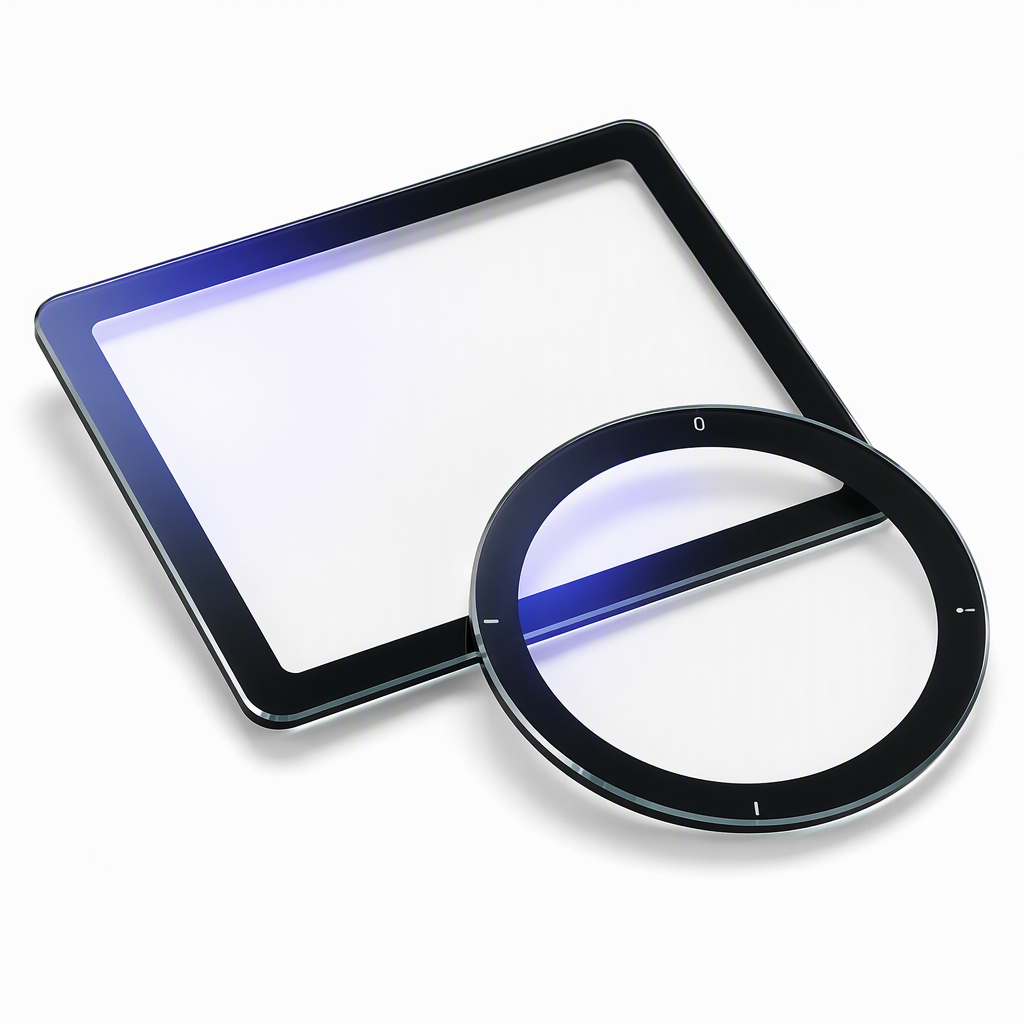
Custom Tempered Glass Toughened Glass Panels Low Iron Display Cover Glass AR Coating Factory Supply Customized Size
Low-iron tempered display glass with AR coating and customized sizing. A clean optical base for display covers that need strength, clarity, and factory-direct repeatability.
What Boston touch-sensor teams should specify for ITO conductive glass
ITO is not simply “clear glass.” For capacitive touch sensors, the buyer is specifying an electrical and optical stack that must survive lamination, edge grinding, cleaning, assembly, and end-product validation.
Boston projects often sit at the intersection of medical quality expectations, higher-education research, industrial reliability, and public-facing kiosks. A specification that works for a small indoor sensor may be wrong for a large industrial HMI with long traces, a sunlight-readable transit interface, or a laboratory process that reaches high temperature. That is why KELO reviews the full stack—substrate, sheet resistance, transmission, haze, coating durability, busbar layout, adhesive bonding, and packaging—before quoting.
A useful starting point for capacitive touch sensors is 1–20 Ω/sq sheet resistance, >85% visible transmittance, and <2% haze. These should be treated as a selection window, not a universal promise. Larger sensors, long traces, or electrically noisy equipment may justify lower sheet resistance. Battery-powered portable devices may benefit from a different balance. Boston buyers should share the controller type, cover-lens thickness, target display luminance, operating-temperature range, cleaning chemistry, and annual volume. With those inputs, our engineers can propose the right ITO or FTO route and the correct cover-glass coating stack.
Capacitive touch glass use cases in Boston and Greater Boston
Boston’s buying intent is not one market. The same ITO-coated substrate may support a life-science instrument in Kendall Square, a public kiosk near transit, or a robotics HMI along Route 128—with different priorities for optical clarity, cleanability, EMI behavior, and mechanical strength.
Kendall Square & Cambridge labs
Laboratory automation, analytical instruments, and research prototypes often need small-batch ITO glass with consistent sheet resistance and clean edges. Buyers may also source FTO for DSSC, perovskite, or thin-film work where thermal stability is critical.
Seaport & Boston medtech
Diagnostic displays, instrument touch panels, and medical device covers benefit from AR glass for optical clarity and AF coating for frequent cleaning. Documentation, sample validation, and repeatable coating performance matter more than a low unit price alone.
Route 128 robotics & HMI
Industrial robots, factory automation, and machine-control panels need cover glass that tolerates coolant, cleaning agents, vibration, and shop-floor handling. Tempered ITO glass, CNC holes, and custom printing can consolidate several parts into one assembly.
Transit, kiosks & public interfaces
Boston’s outdoor and semi-outdoor interfaces face rain, cold, salt exposure, and frequent public contact. AG coating reduces glare, AF coating improves cleanability, and robust edge treatment helps the glass survive handling and installation.
Museums, universities & venues
AR glass is a natural fit for museum showcases, framed works, and public displays where reflections compete with the object. Low-reflection coated glass helps preserve perceived contrast without changing the color story of the exhibit.
Gaming & consumer brands
Glass mouse pads, custom skate dots, and printed accessory glass appeal to gaming brands that need distinctive surfaces and repeatable OEM production. The PTFE glide line supports accessory bundles alongside custom glass pads.
Local trends that change the glass specification
Procurement teams in Boston are not only comparing unit prices. They are managing validation risk, supply-chain resilience, and total assembly cost.
Pilot-to-production cycles are getting shorter
Research groups and hardware start-ups around Cambridge and Boston increasingly want a prototype route that does not force a large first order. KELO supports samples from 1–2 pieces, then scales to volume after the drawing, coating stack, and inspection criteria are approved. This reduces the risk of discovering a fit or optical issue only after mass production begins.
Optical clarity and cleanability are buying criteria
AR, AG, and AF are no longer automatic “upgrades.” Public interfaces, medical displays, and premium showcases now specify reflection, haze, gloss, and contact angle as functional requirements. Buyers increasingly ask for combined stacks such as AR+AG or AG+AF, then validate them against cleaning agents and real handling conditions.
Supply-chain visibility favors factory-direct partners
Wholesalers serving Boston want fewer blind handoffs between cutting, coating, tempering, printing, and packing. Keeping those steps under one roof supports tighter corrective-action loops, clearer change control, and more predictable lead times. Trade Assurance, verified assessment, and export packing are part of the same risk conversation.
ITO or FTO? A practical selection table for touch sensors and research projects
For most capacitive touch sensor projects in Boston, ITO is the default transparent conductive route. FTO is not a drop-in substitute; it becomes attractive when process temperature or chemical stability is the limiting factor.
| Material / coating | Typical performance window | Best-fit use | Boston sourcing note |
|---|---|---|---|
| ITOIndium tin oxide | Sheet resistance 1–20 Ω/sq · transmittance >85% · haze <2% | Capacitive touch sensors, display covers, EMI shielding | Default route for most touch and HMI projects; confirm controller and trace length. |
| FTOFluorine-doped tin oxide | Sheet resistance 1–20 Ω/sq · transmittance >85% · haze <2% | Thin-film solar, DSSC, perovskite research, high-temperature processes | Useful for Cambridge/Boston lab pilot lines where thermal stability is the constraint. |
| ARAnti-reflective | Reflectance <1.0% per side · transmittance >99% | Medical displays, automotive touch, museum showcases | Specify display luminance target and whether single- or multi-layer AR is required. |
| AGAnti-glare | Haze 5–60% · gloss 0.5–8 GU | Outdoor kiosks, transit screens, industrial terminals | Higher haze can improve sunlight readability but may reduce perceived sharpness. |
| AFAnti-fingerprint | Contact angle >110° · durability >10,000 cycles | High-touch control panels, appliances, public interfaces | Match cleaning chemistry and abrasion expectation to the end-use environment. |
| CombinedAR+AG / AG+AF | Stacked functions on one glass substrate · cosmetic grade per drawing | Premium in-vehicle, outdoor, and public-facing touch interfaces | Combined stacks should be validated as a system, not as separate add-on features. |
Values are typical production capability and must be confirmed against the final drawing, substrate, coating design, and inspection criteria. For sensitive Boston projects, request a coated sample before volume release.
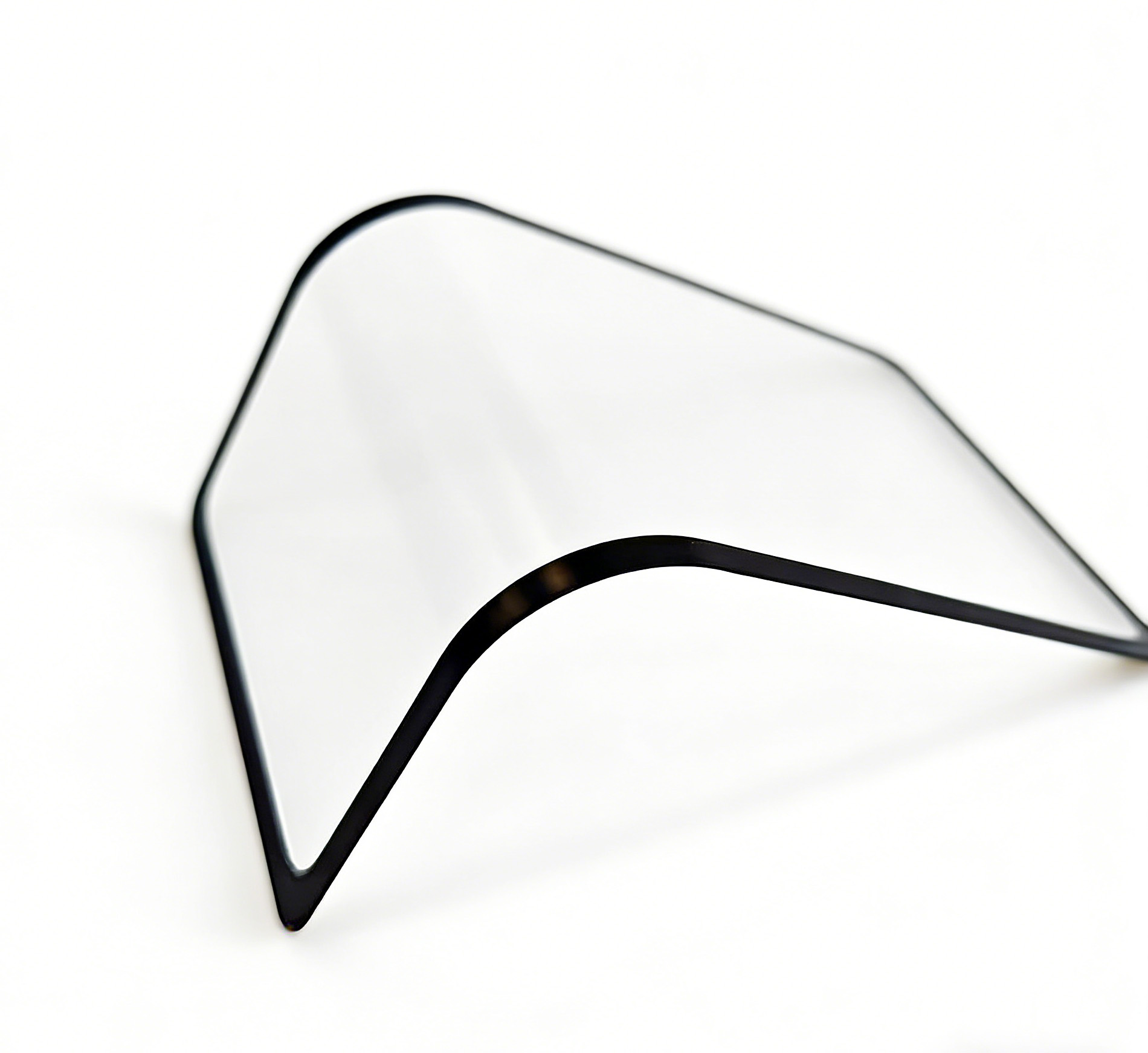
Information gain for buyers: the right question is not “What is your best price for ITO glass?” but “Which substrate, resistance, transmission, coating, edge treatment, and packing standard will still meet my drawing after assembly?”

Why Boston exporters and wholesalers use KELO Glass
Huizhou KELO Glass Co., Ltd. is a factory-direct manufacturer in Huizhou, Guangdong, inside China’s Greater Bay Area electronics supply chain. We produce touch screen cover glass, display cover glass, and optical coated glass, with surface treatment as our core technology. For Boston buyers, that means one accountable supplier from raw sheet to packed carton: cutting, CNC machining, edge polishing, silk-screen printing, flat and curved tempering, coating, curved forming, and 3M adhesive bonding.
We are not a trading company. Engineering drawing review, DFM feedback, rapid prototyping, and final inspection stay close to the production floor. That matters when a Massachusetts OEM or distributor needs to compare a sample, a drawing, and a volume quotation without losing time between multiple subcontractors. This page describes a factory-direct export relationship serving Boston buyers; it does not imply a local Boston warehouse.
In-house surface engineering
AR, AG, AF, ITO, and FTO coating are handled with the same production discipline as cutting, tempering, printing, and bonding. Coating is not outsourced.
One supplier, 0.1–19 mm
Custom size, shape, holes, color, logo printing, 2.5D/3D curved forming, and adhesive bonding support both sensor substrates and finished cover lenses.
Prototype to repeat volume
Samples from 1–2 pieces help Boston teams validate fit, optics, and coating performance. Bulk production is quoted per drawing and supported by 20–25M pcs/year capacity.
Export-ready commercial support
FOB, CFR, CIF, EXW, and DDP terms; T/T, L/C, PayPal, and Western Union payment options; Alibaba Trade Assurance for eligible orders.
Public profile indicators include a 6-year verified exporter history, a 4.9/5 store rating, a 98.18% reply rate, and a North America share of about 20% in export market distribution. These are useful signals for Boston wholesalers comparing factory visibility, responsiveness, and trade assurance.
Inspection gates that support Boston quality expectations
Quality is built into the process, not inspected in at the end. Each gate has defined checks and release criteria before glass moves forward.
Incoming inspection
Raw glass and consumables are verified before production enters the line.
- Thickness and flatness checks
- Surface defect screening
- Ink, coating, and adhesive material verification
In-process control
Critical dimensions and coating results are checked at each production station.
- CNC dimension and hole-position checks
- Tempering and strength verification
- Coating adhesion and abrasion checks
Final inspection & packing
Finished glass is checked before protective packing for export.
- 100% appearance inspection
- Salt-spray reliability testing where relevant
- Honeycomb cartons, blister trays, and partition packing
From drawing to Boston freight: a controlled project path
A transparent, engineering-led process designed to reach a validated sample quickly, then scale without unpleasant surprises.
Share requirements
Send a drawing, sample, target specification, coating requirement, and annual volume.
Engineering review
Receive DFM feedback on tolerance, coating stack, edge treatment, strength, and cost drivers.
Rapid prototype
Validate samples from as few as 1–2 pieces before committing to tooling or volume.
Validation
Confirm fit, optics, electrical performance, and reliability against your Boston end-use conditions.
Mass production
Typical lead time is 21–31 days after sample approval, depending on complexity.
Packing & shipping
Damage-resistant packing, export documentation, and worldwide delivery support.
Questions local buyers commonly ask before ordering
Practical answers for Boston-area OEMs, lab managers, integrators, and distributors comparing a factory-direct ITO glass supply route.
What ITO sheet resistance should I specify for a Boston capacitive touch sensor?
Can I order a small prototype before committing to mass production?
What is the typical lead time for delivery to the Boston area?
Do you support DDP shipping to Boston or Massachusetts?
How do you prevent glass breakage during long-distance freight?
Should Boston outdoor projects use ITO or FTO glass?
Can AR, AG, and AF coatings be combined on touch sensor glass?
What proof can Boston wholesalers review before placing a first order?
Send the drawing, target sheet resistance, coating stack, and annual volume.
KELO’s engineering team will review feasibility for ITO/FTO conductive glass, AR/AG/AF coated glass, tempered cover glass, and custom CNC glass. For Boston programs, include the operating environment, cleaning method, controller type, and required delivery terms so the quotation reflects the real application rather than a catalogue part number.