8 Light Switch & Control Panel Glass Products for San Francisco Projects
These product families cover the most requested surfaces for switch covers, control panels, keypads, display windows and touch interfaces. Every product below links to its original specification page so your team can compare thickness, coating and application data before requesting a custom quotation.
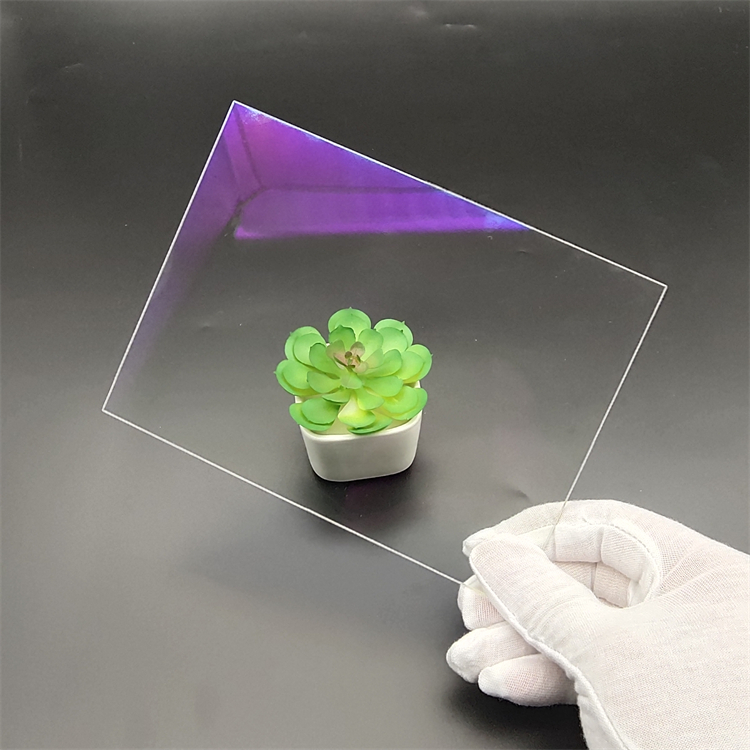
Custom 2mm Ultra-Clear Both Sides Anti-Reflective Coating Tempered Glass for Display Screen Solar & Lighting Use-Solid Structure
Ultra-clear AR-coated tempered glass for display windows, lighting diffusers and premium switch plate surfaces where reflection control improves readability.
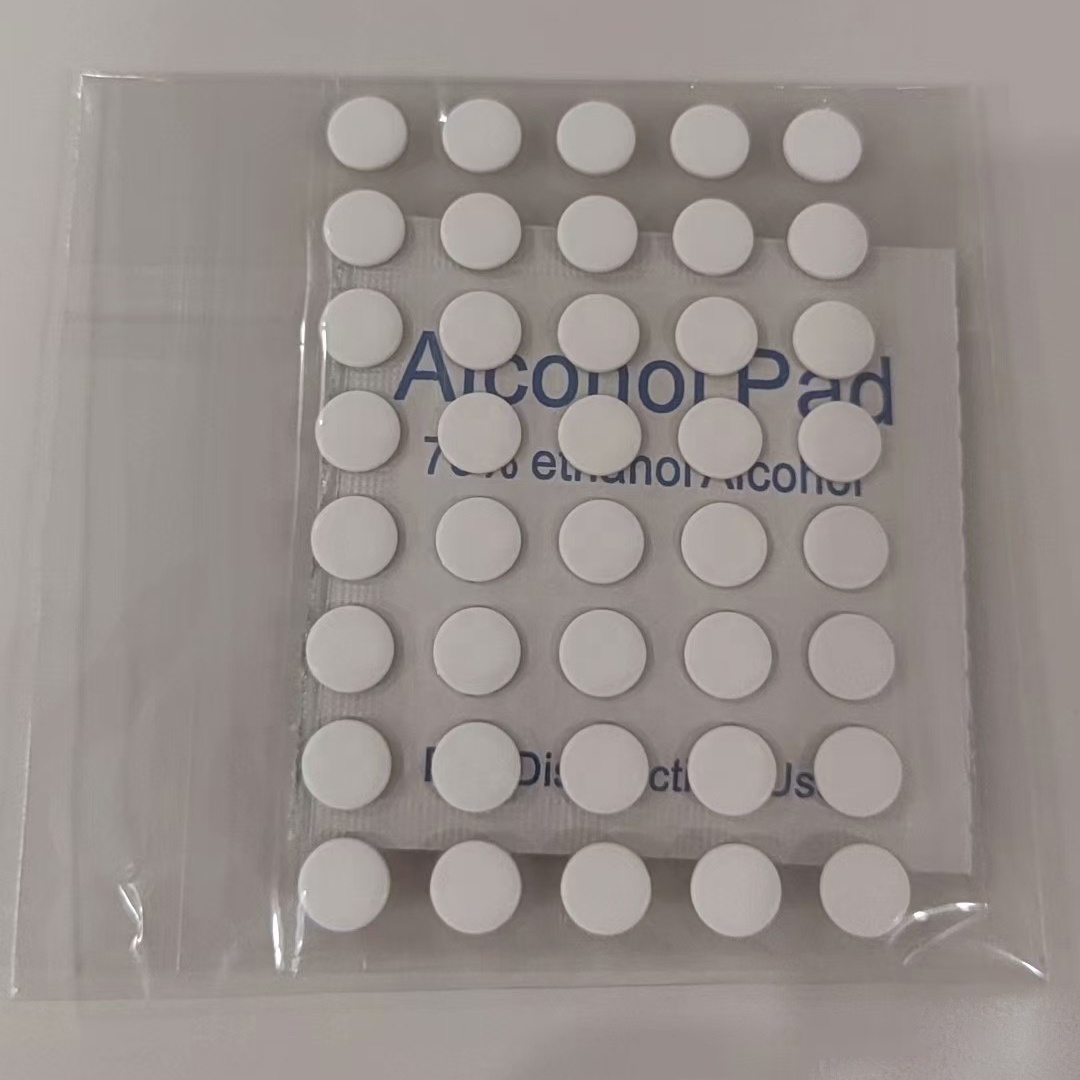
PTFE Round Gaming Mouse Glides Mouse Skate Dots
Low-friction PTFE glide dots for precision input accessories. For Bay Area hardware teams, this component family complements electromechanical control interfaces and prototypes.
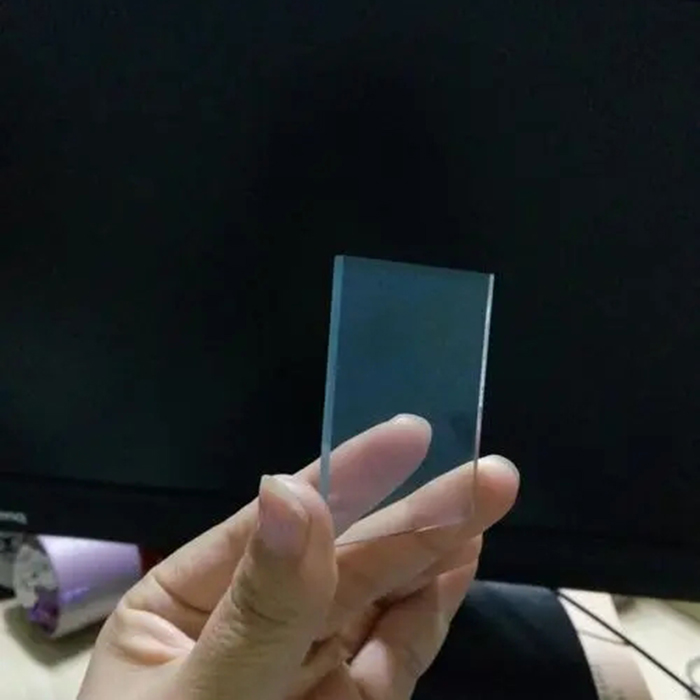
1.1 2.2mm Solid Flat Square Indium Tin Oxide (ITO) Coated Conductive Glass and FTO Conductive Glass for Lighting Applications
Transparent conductive glass for illuminated switch interfaces, lighting controls, touch sensing and smart-building control surfaces.

High Transmittance 98% Anti-Reflective AR Glass for Museum Showcase Luxury Picture Frame Low Reflectance Coated 1mm-19mm
Low-reflectance AR glass for gallery, showroom and luxury interior applications; the same optical discipline can be applied to high-end switch plates.
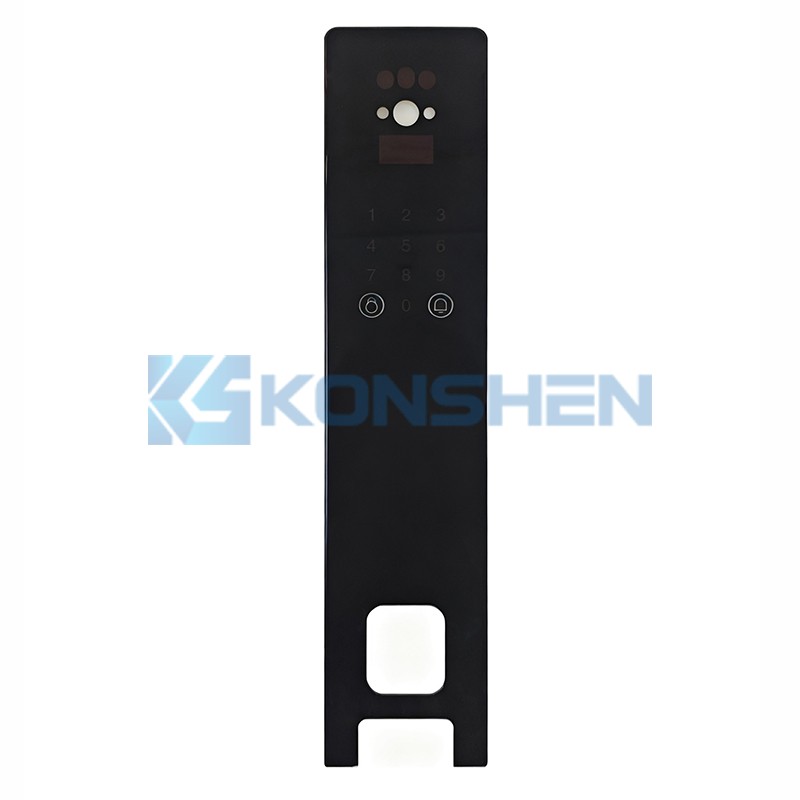
Electronic Tempered Glass Film Custom Printed Rectangular Panel Digital Keypad for Smart Door Lock
Printed tempered glass keypad panels for access control and smart entry. This format is closely related to printed switch glass with icons, cutouts and backlit zones.
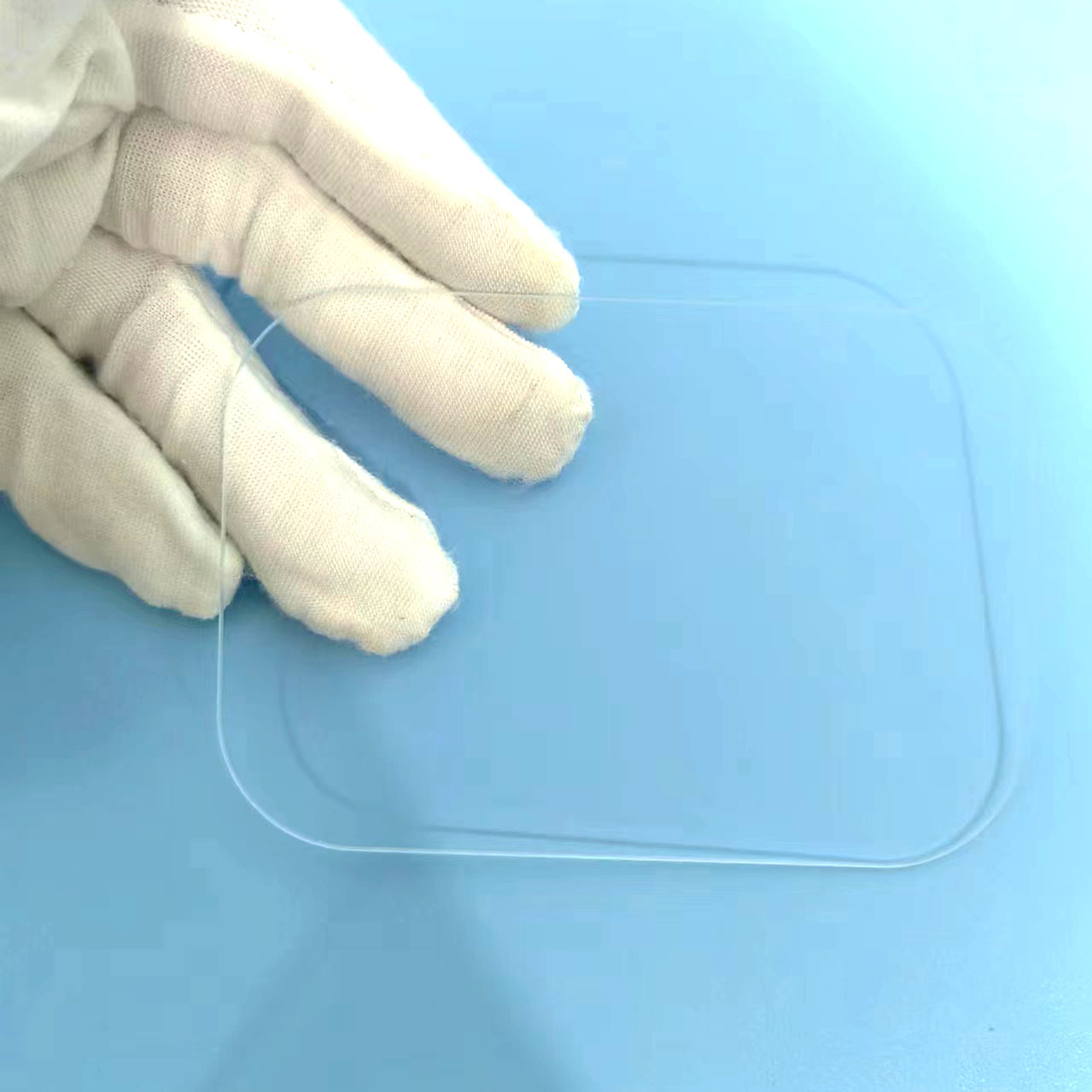
1.1mm ITO Coated Conductive Glass Panel High Transmittance CNC Custom Shape Polished Edge for Smart Home Touch Mirror
Thin ITO conductive glass for smart-home touch mirrors and capacitive control surfaces. CNC shapes and polished edges support clean wall integration.
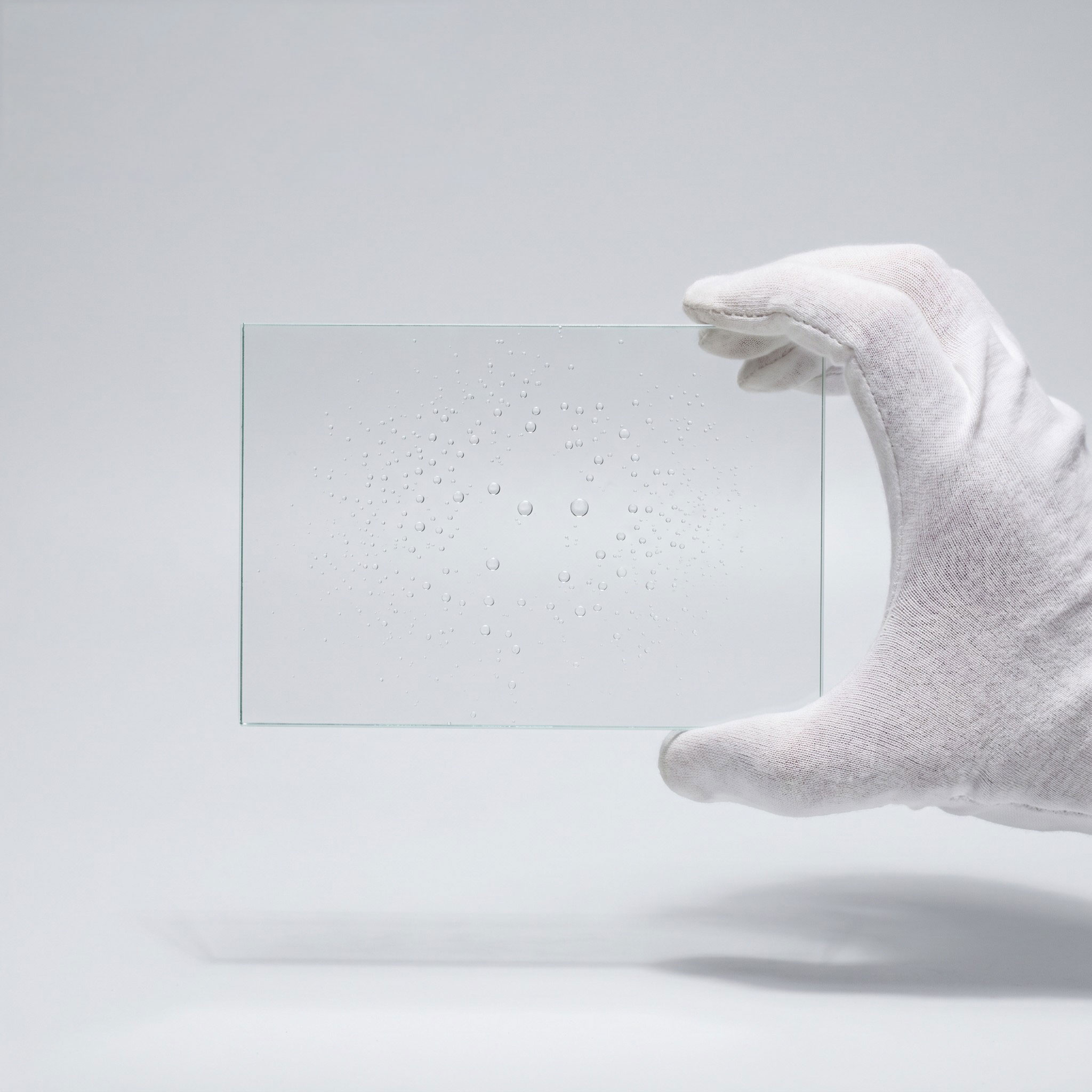
KS AF001 High Transmittance AF Coated 1.1mm/2mm CNC Cut Custom Shape Toughened Glass Panel for Kitchen Electronic Device Covers
AF-coated toughened glass for kitchen electronics and high-touch covers. Suitable for switch glass exposed to cooking grease, cleaning and daily fingerprints.

KS AG002 Custom Size AG Coating Anti-Glare Tempered Glass Panel High Transmittance Cover Sheet for Electronic Display Screen
AG anti-glare tempered glass for electronic displays and control panels near windows, glazing or bright commercial lighting. Haze can be tuned to the project.
Capability Data Behind San Francisco Switch Glass Supply
For procurement teams comparing a local distributor with a factory-direct supplier, these are the numbers that affect cost, customization and delivery confidence.
Light Switch Glass Supplier for San Francisco: More Than a Cover Plate
If you are searching for light switch glass manufacturers & supplier in San Francisco, the real question is not simply who can cut glass. It is who can turn an architectural finish, a control layout and a building’s operating environment into a repeatable component: the right substrate, edge polish, printed icon, coating stack, adhesive, packing and export documentation.
KELO Glass is a factory-direct manufacturer in Huizhou, Guangdong. We serve San Francisco architects, interior fit-out contractors, smart-home integrators, appliance brands and distributors through direct export rather than a local warehouse. That model keeps pricing transparent and customization open, but it also means the buyer should specify the project carefully. Our role is to make that specification practical: review the drawing, flag tolerance and coating choices, produce a sample from 1–2 pieces, then scale to production with documented inspection.
A light switch glass panel is often a thin tempered or chemically strengthened glass lens with silk-screen printing, AR/AG/AF coating, CNC holes and a bonding layer. In San Francisco projects, the same small component may sit beside a foggy window in the Presidio, in a bright Financial District lobby, in a Mission Bay multifamily kitchen, or in a hospitality renovation near Union Square. Each condition changes the ideal surface treatment. The sections below translate those local conditions into selection criteria your team can use in an RFQ.
Purchasing notes for Bay Area buyers
- Factory-direct engineering support, not a local stock warehouse. We state clearly what is made to order.
- Sample orders can start from 1–2 pieces for fit, optics, print and coating validation.
- Typical bulk lead time is 21–31 days after sample approval, depending on shape, printing and coating complexity.
- Verified exporter for 6 years, 4.9/5 store rating, 98.18% reply rate and Trade Assurance supported.
Why San Francisco Designers Choose KELO Glass
The strongest supplier is not always the closest one. For custom switch glass, the advantage comes from engineering depth, process control and a quotation your team can defend internally.
Factory-direct cost control
Cutting, CNC, polishing, printing, tempering, coating, bonding and inspection run under one roof. This removes middleman margin and gives your buyer a clearer link between drawing complexity and price.
In-house surface engineering
AR, AG, AF, ITO and FTO coating are treated as engineering functions, not outsourced add-ons. Coating performance is measured against the drawing before release.
DFM before quotation
Our engineers review thickness, holes, edge quality, print registration, coating compatibility and packing. Design-for-manufacturing feedback often reduces cost before the first tooling step.
Rapid samples from 1–2 pcs
Validate the switch plate in the real wall box, under real lighting, before committing to volume. Samples can include printed icons, holes, adhesive and the selected coating.
100% appearance inspection
Incoming, in-process and final inspection are supported by appearance checks, tempering verification, adhesion and abrasion tests, salt spray testing and damage-resistant packing.
Export packing for the Bay Area
Custom honeycomb cartons, blister trays and partition packing protect glass through long transit. We can quote EXW, FOB, CFR, CIF and DDP terms so your freight team can compare apples to apples.
Where Light Switch Glass Is Specified in San Francisco
San Francisco projects rarely ask for a generic switch cover. They ask for a finish that fits the architecture, survives daily cleaning and supports the control logic behind it.
Smart home & multifamily switch panels
In SoMa, Mission Bay and Oakland multifamily interiors, glass switch plates organize scene controls, dimmers and bathroom lighting into a clean wall layout. AF coating helps high-touch panels stay smudge-free.
Hospitality guest-room controls
Hotels near Union Square and the Financial District often need glass switch plates that match room signage, bedside controls and bathroom lighting. Silk-screen logos, matte AG finishes and custom edges are common requests.
Commercial office & retail controls
Financial District offices, retail fit-outs and flexible workspaces use glass control panels for meeting-room lighting, daylight controls and wayfinding. Low-reflection AR glass keeps the interface crisp under bright lobby lighting.
Automotive & EV charging interfaces
Bay Area mobility and EV charging projects use glass interface covers where glare, scratch resistance and touch feel matter. AR coating improves legibility; AG coating reduces reflection at outdoor charging stations.
Outdoor wayfinding & kiosk panels
Along the Embarcadero, Presidio and market hall environments, fog and low sun can wash out a control surface. AG glass with controlled haze and tempered strength is often specified for outdoor-adjacent kiosks and entry panels.
Coastal homes & marina environments
Salt air, UV and frequent cleaning challenge any decorative wall surface. Chemically strengthened glass with an easy-clean AF top coat can preserve appearance better than painted plastic or thin decorative films.
Local Trends Shaping Switch Glass Specifications
San Francisco is a specification-driven market. Buyers ask for evidence, not adjectives. These four trends consistently appear in Bay Area design and procurement discussions.
Building electrification
All-electric retrofits and smart-building upgrades increase the number of lighting control points. Switch glass must accommodate printed legends, sensor windows and backlit zones.
Hygienic touch surfaces
High-touch panels are cleaned more often than ever. AF coating, smooth polished edges and non-porous glass surfaces support easier maintenance in hospitality and healthcare-adjacent spaces.
Adaptive reuse & finish matching
Older San Francisco buildings are being converted into offices, residences and hotels. Glass switch plates can match dark bronze, brushed metal, matte black and custom RAL finishes through print and coating.
Fog, glare, salt & UV
Local climate makes optical performance part of durability. AR reduces reflection in bright interiors, AG diffuses glare near glazing, and AF plus tempered glass supports coastal cleaning routines.
Bay Area specification priorities
Typical project weighting when switch glass is reviewed for San Francisco commercial, hospitality and residential use. Use this as a discussion tool, not a fixed rule.
Coating & Substrate Selection for Light Switch Glass
Use this table to brief your fabricator. It reflects KELO production windows for custom switch glass, printed control panels and touch surfaces; final targets are confirmed against your drawing during engineering review.
| Option | Key performance window | Best use in switch glass | San Francisco note |
|---|---|---|---|
| Tempered / strengthened | Thickness 0.1–19 mm; flat or curved; impact and thermal strength options | Wall switch plates, touch covers, appliance lenses, keypad panels | Choose chemically strengthened thin glass for slim modern walls; flat or curved tempering for larger panels. |
| Silk-screen printed | Custom icons, borders, colors, logos, backlit windows and registration control | Scene labels, dimmer marks, hotel room controls, wayfinding icons | Match interior signage and metal finishes; provide vector artwork and a physical color target. |
| AR anti-reflective | Reflectance <1.0% per side; transmittance >99% (400–700 nm); single or multi-layer | Premium lobby controls, display windows, high-end switch plates | Useful in bright commercial interiors and glazed corridors where reflections reduce perceived quality. |
| AG anti-glare | Haze 5–60%; gloss 0.5–8 GU; controllable texture | Panels near windows, outdoor kiosks, industrial HMI, sunlight-readable surfaces | Specify haze based on viewing distance and light direction; AG is a design decision, not just a coating. |
| AF anti-fingerprint | Water contact angle >110°; pencil hardness >3H; transmittance >98%; durability >10,000 cycles | High-touch switches, kitchen controls, hospitality panels, bathroom interfaces | Important for properties using frequent sanitizing wipes and for dark printed glass that shows smudges. |
| ITO / FTO conductive | Sheet resistance 1–20 Ω/sq; transmittance >85%; haze <2% | Capacitive touch sensors, backlit interfaces, smart mirrors, lighting applications | ITO suits touch sensing and display integration; FTO is often preferred for higher-temperature or thin-film solar processes. |
Information gain tip: ask each supplier to state whether the quoted coating is single-side or double-side, what substrate thickness is assumed, how the print is protected, and what inspection standard applies to cosmetic defects.
From CAD Drawing to San Francisco Delivery
Custom glass projects run smoothly when the sample, production and logistics steps are defined before the order is released.
Share the requirement
Send a drawing, sample, target specification and annual volume. Include the wall box or housing if fit is critical.
Engineering review
We review thickness, edge, holes, print, coating, adhesive and packing, then return DFM feedback and a quotation basis.
Rapid prototype
Sample orders can start from 1–2 pieces so your team can test fit, lighting, touch feel and cleaning before volume.
Validation
Approve color, icon alignment, surface finish, coating target, edge quality and packing method against the sample.
Mass production
Typical bulk lead time is 21–31 days after sample approval, depending on size, shape, print and coating complexity.
Packing & shipping
Custom honeycomb cartons, blister trays and partition packing support export. We quote EXW, FOB, CFR, CIF or DDP for your freight plan.
RFQ pack to send
- 2D drawing or 3D model with tolerance
- Glass thickness and substrate preference
- Coating requirement: AR, AG, AF or conductive
- Print artwork, color target and icon positions
- Edge, hole, corner and adhesive requirements
- Annual volume, first batch and target ship date
How to compare quotes
- Confirm single-side or double-side coating
- Check substrate brand or glass composition
- Ask for cosmetic inspection standard
- Confirm packing method and carton drop risk
- Compare Incoterms and port of departure
- Request sample lead time separately from bulk lead time
Total cost thinking
- A lower piece price can lose money through damage
- Complex print may require a repeat sample
- Coating durability affects replacement cost
- Shipping to the Bay Area should include packing
- Domestic rework may outweigh factory savings
- Clarify responsibility for customs documentation
Local Light Switch Glass FAQ for San Francisco Buyers
These are the questions procurement teams, designers and integrators ask most often before placing a first order.
Are you a local San Francisco light switch glass manufacturer?
KELO Glass is a factory-direct manufacturer located in Huizhou, Guangdong, China. We are a supplier to San Francisco and Bay Area buyers rather than a local warehouse. That means your project is manufactured to order with direct factory engineering support and export packing. We will clearly state production lead time, sample timing, shipping terms and documentation responsibilities before you place an order.
Can you produce glass switch plates to US dimensions and wall-box requirements?
Yes. We manufacture to your drawing or sample. Provide the switch plate outline, hole positions, corner radius, thickness, cutouts for switch mechanisms, adhesive zones and any printed icons. If fit is tight, send the housing or a 3D model. A 1–2 piece sample is the fastest way to confirm mechanical fit before committing to volume.
What is the minimum order quantity for custom switch glass?
Sample orders can start from 1–2 pieces so you can validate fit, optics, print and coating performance. Bulk quantities are quoted per drawing and depend on size, substrate, coating stack, printing complexity and packing method. We will separate sample cost from mass-production pricing so your team can plan the prototype stage realistically.
How long does production and shipping to San Francisco usually take?
Typical bulk production is 21–31 days after sample approval, depending on size, shape, curved forming, coating and print complexity. Shipping time to the Bay Area depends on air freight or sea freight, port of arrival and customs clearance. We can quote EXW, FOB, CFR, CIF or DDP terms so your freight forwarder can compare options accurately.
Which glass coating is best for San Francisco fog, glare and coastal conditions?
For bright interiors or glazing-adjacent switch panels, AG anti-glare glass or AR+AG can reduce reflected glare. For premium lobbies and display-like control surfaces, AR anti-reflective glass improves clarity. For high-touch panels and coastal homes, AF anti-fingerprint coating supports easier cleaning. Tempered or chemically strengthened glass should be specified where impact and daily handling are concerns.
Can you print icons, logos, room numbers or custom colors?
Yes. Silk-screen printing can include icons, borders, logos, room numbers, dimmer marks, backlit windows and custom color matching. For hospitality and multi-unit residential projects, we recommend approving a physical sample under the actual lighting condition. Provide vector artwork and, if available, a Pantone, RAL or physical color chip for production reference.
Do you support compliance documentation for California projects?
We can review your project’s compliance checklist and provide available material declarations or test documentation for discussion. Requirements vary by application, buyer and jurisdiction, so final compliance should be confirmed in writing against the exact substrate, coating, print and adhesive used. We do not replace your regulatory or engineering review, but we can help organize the technical information your team needs.
What trade terms and payment methods do you accept?
We support FOB, CFR, CIF, EXW and DDP trade terms, and T/T, L/C, PayPal and Western Union payments. Orders placed through Alibaba.com can be protected by Trade Assurance. For first orders, we recommend agreeing on the sample approval process, inspection standard, packing method and shipping terms before paying the deposit.
How is quality controlled before the glass ships?
Quality is controlled through incoming, in-process and final inspection. Checks include thickness and flatness, surface defect screening, CNC dimensions, tempering verification, coating adhesion and abrasion, and 100% appearance inspection before packing. Salt spray testing is used where relevant. Custom honeycomb cartons, blister trays and partition packing help reduce transit damage to the Bay Area.
Can you supply small replacement batches after the first order?
Yes. We can discuss repeat batches for replacements, punch-list items, warranty stock or phased building handover. The most efficient approach is to keep the approved drawing, approved sample and print artwork on file so repeat production matches the original specification. Quantity, lead time and pricing for replacement batches are quoted separately.
Request a Quote for Your San Francisco Switch Glass Project
Send your drawing, target coating performance and estimated annual volume. Our engineering team will review feasibility, recommend the most cost-effective glass and coating stack, and outline sample timing for your Bay Area project.