Custom Glass Manufacturing for Dallas OEM/ODM Programs
Dallas–Fort Worth is not one market. It brings together automotive and EV engineering, aerospace and defense suppliers, medical device teams, semiconductor and data-center infrastructure, outdoor digital signage, hospitality, sports and entertainment, distribution and consumer-electronics channels. A custom glass project may look similar in a drawing, yet fail for very different reasons in the field.
Huizhou KELO Glass Co., Ltd. is a factory-direct manufacturer in Huizhou, Guangdong, serving OEM and ODM buyers across North America. For a Dallas buyer, the practical value is control. Cutting, CNC machining, edge polishing, laser engraving, silk-screen printing, sandblasting, flat and curved tempering, AR/AG/AF/ITO coating, 2.5D/3D curved forming and 3M adhesive bonding are coordinated under one roof. That reduces handoffs, protects tolerances and gives procurement one accountable source for the drawing, the approved sample and the mass-production lot.
Custom glass is not a catalogue commodity. A coating that improves contrast in a vehicle cockpit can change haze, conductivity or cleaning performance. A tempered cover that survives a kiosk may be the wrong substrate for a thin touch sensor. Our engineering team reviews the operating environment—North Texas heat, UV exposure, indoor humidity, cleaning chemicals, viewing distance and touch frequency—before recommending a glass substrate and coating stack. The result is a specification you can validate, not a generic sheet.
- Verified manufacturer, not a trading company
- Drawing review and DFM feedback before quotation
- Rapid prototypes from 1–2 pieces
- 100% appearance inspection before packing

Eight Custom Glass Product Paths for Dallas Buyers
From a one-off prototype for a Dallas product team to a repeat OEM/ODM order for a Texas distributor, each product path below has an exact product page, a defined specification window and a factory-direct quotation route.
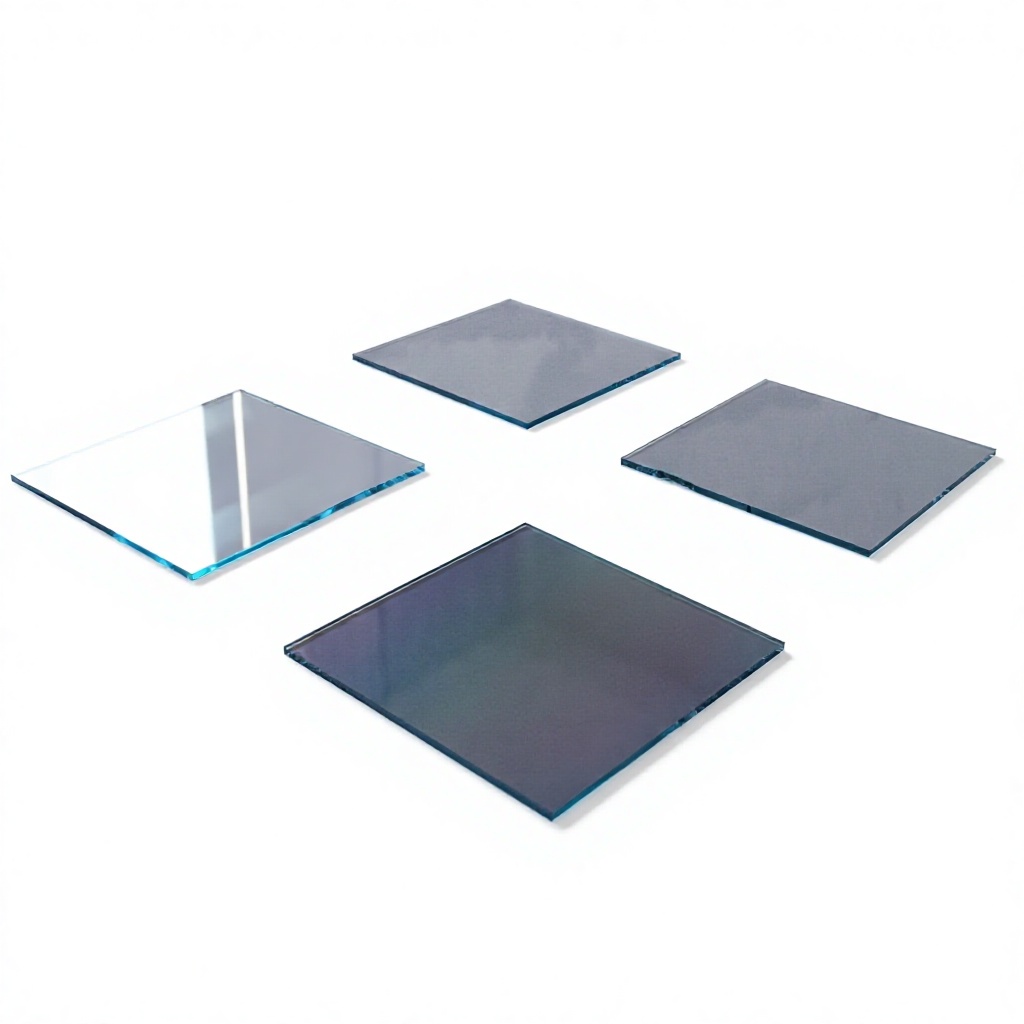
1.1mm ITO Coated Conductive Glass Panel
A 1.1mm ITO-coated panel for industrial touch, display and optical-electronic assemblies. Custom outlines, holes and polished edges are produced to drawing, with sheet resistance and transmission agreed before production.
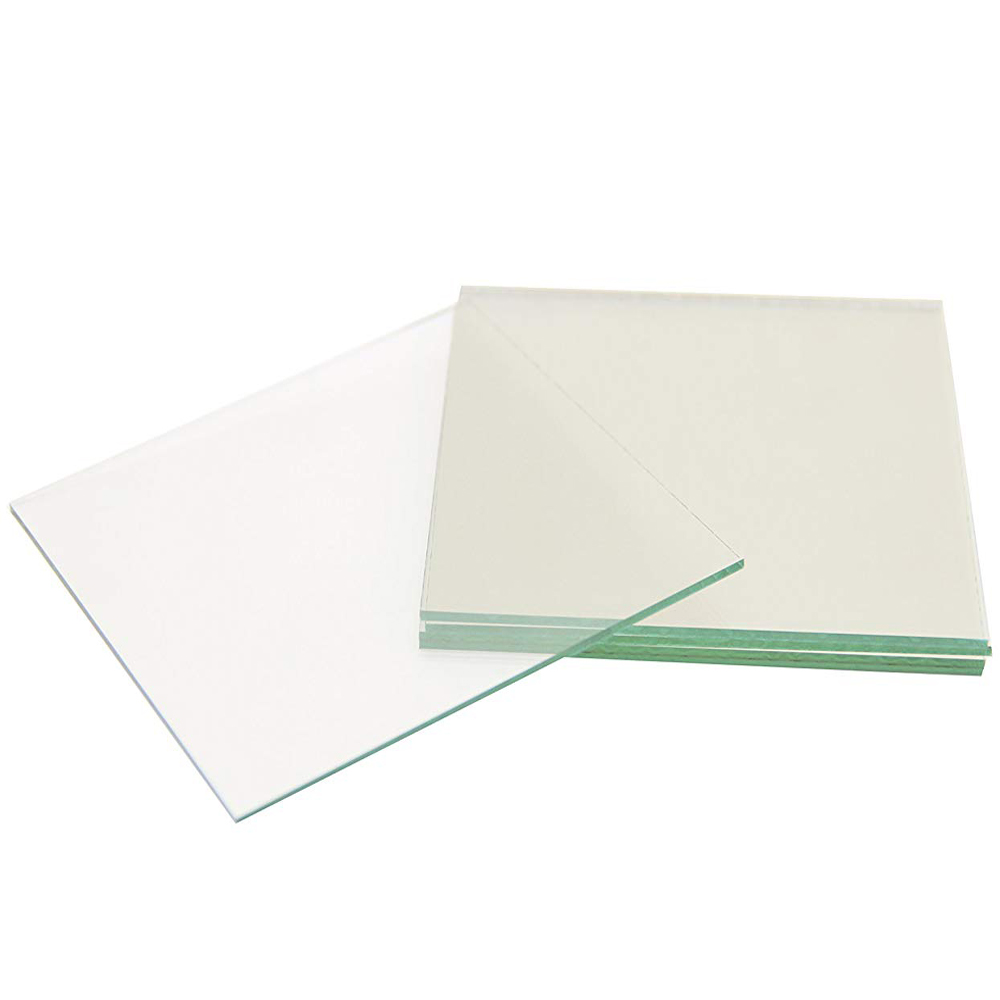
Custom 25×25×1.1mm ITO/FTO Toughened Glass
A compact ITO/FTO toughened glass solution for lab displays, anti-fog heating windows, bathroom interfaces and solar-related development. Custom coating, tempering and size are available.
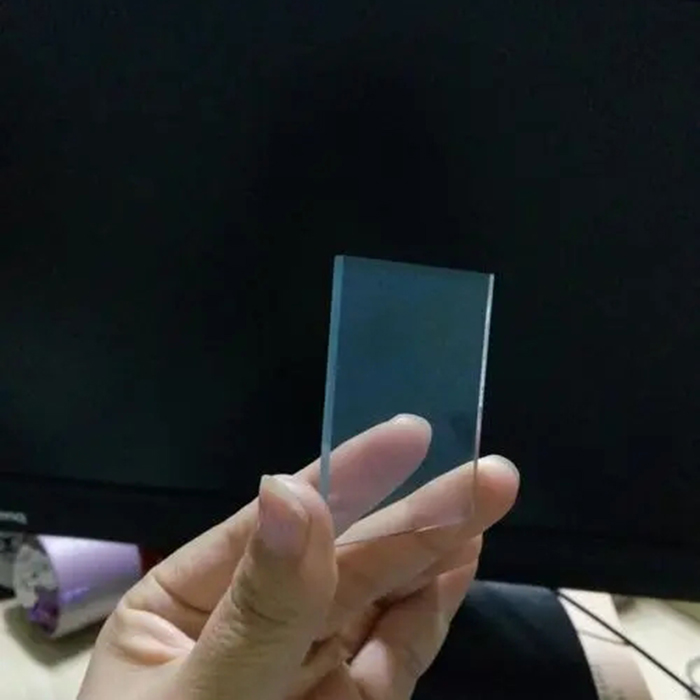
1.1/2.2mm ITO & FTO Conductive Glass
Flat square ITO and FTO conductive glass in 1.1mm and 2.2mm for lighting, touch and electronic applications. Specify sheet resistance, visible transmission, haze and edge finish for your Dallas assembly.
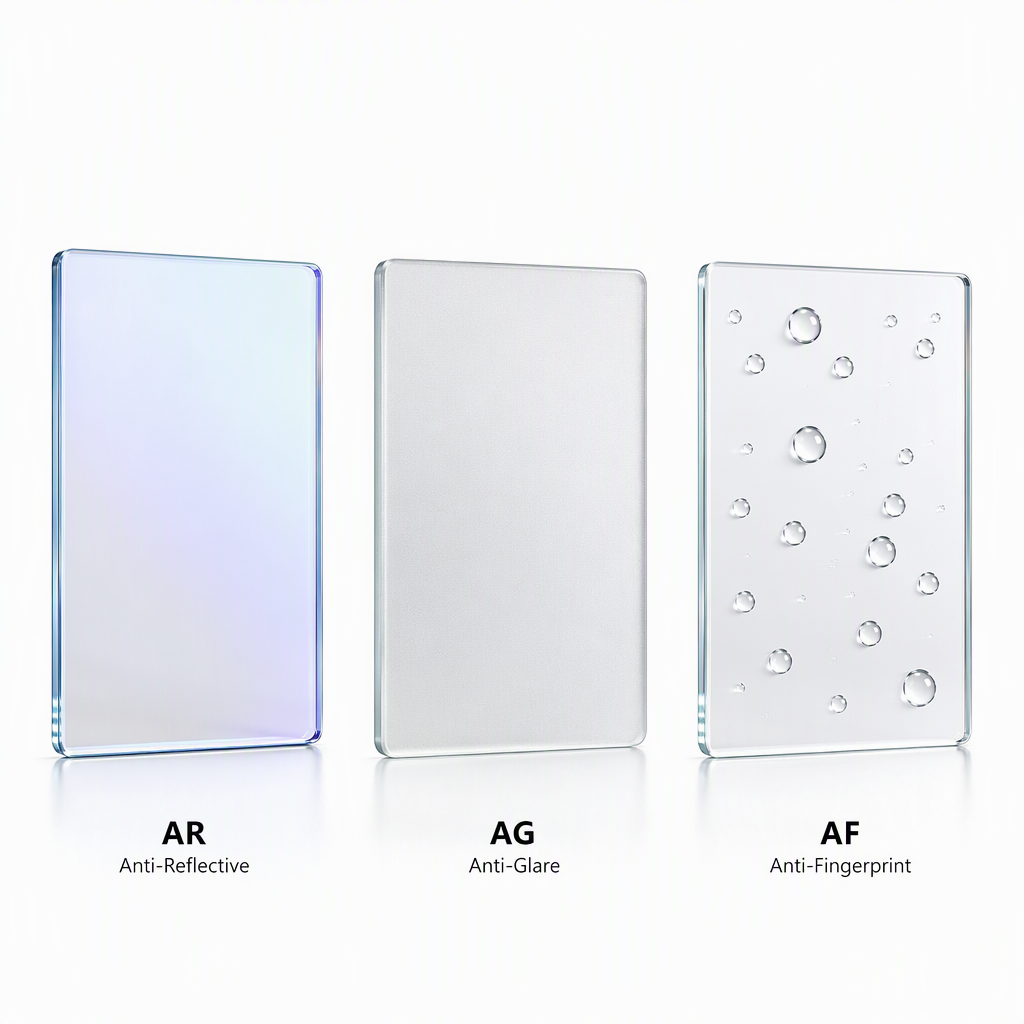
AR AG AF Coated Glass Sheet OEM
OEM AR, AG and AF coated glass sheets with anti-reflective, anti-glare and anti-fingerprint options. A fit for automotive displays, outdoor kiosks and high-transmission windows where 92%+ transmission and custom sheet sizes matter.
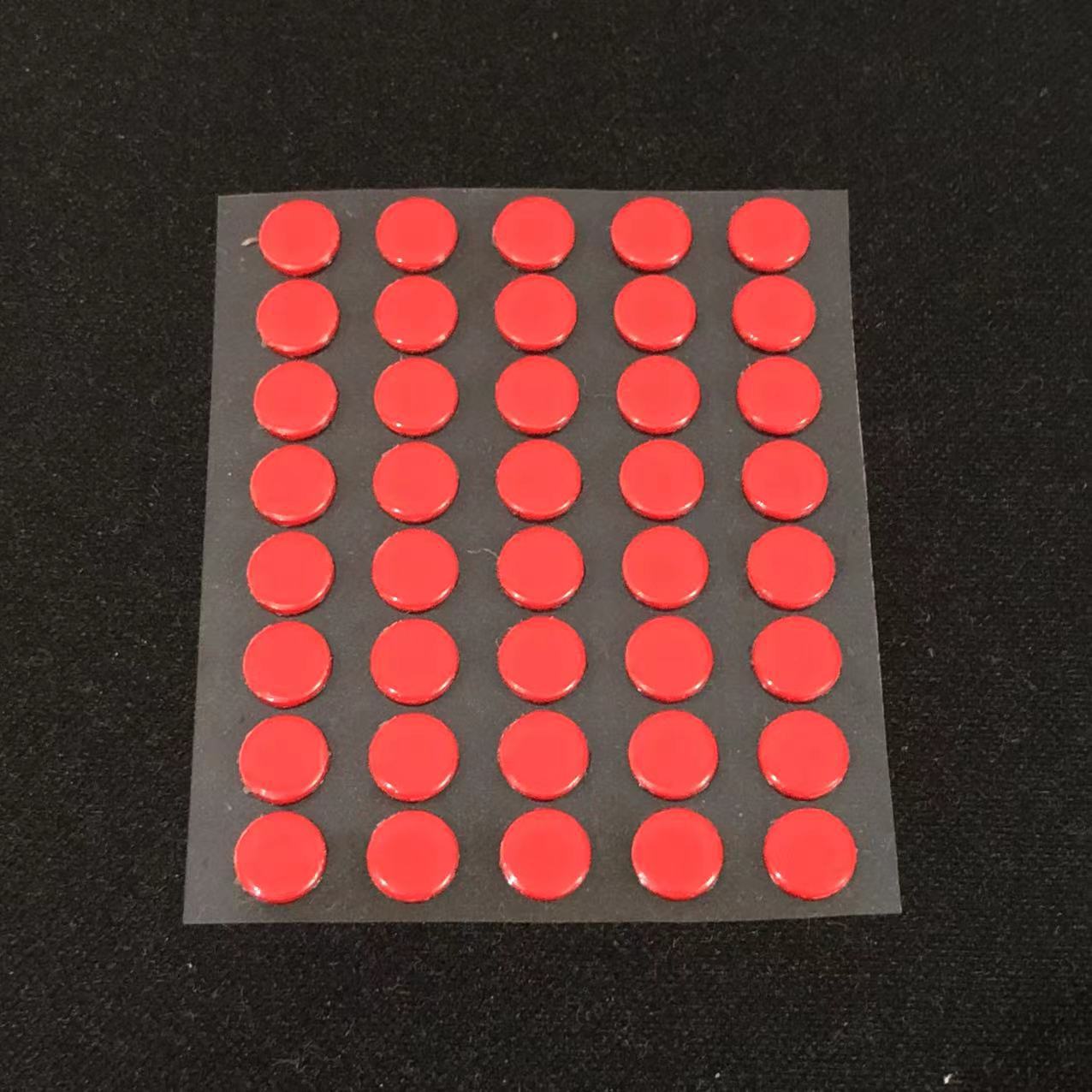
Round Red Mouse Skate Dots
Factory-priced round red mouse sticker pads and PTFE mouse skates for gaming brands. Small-dot geometry, non-slip feet and custom packaging support esports and consumer-electronics launches.
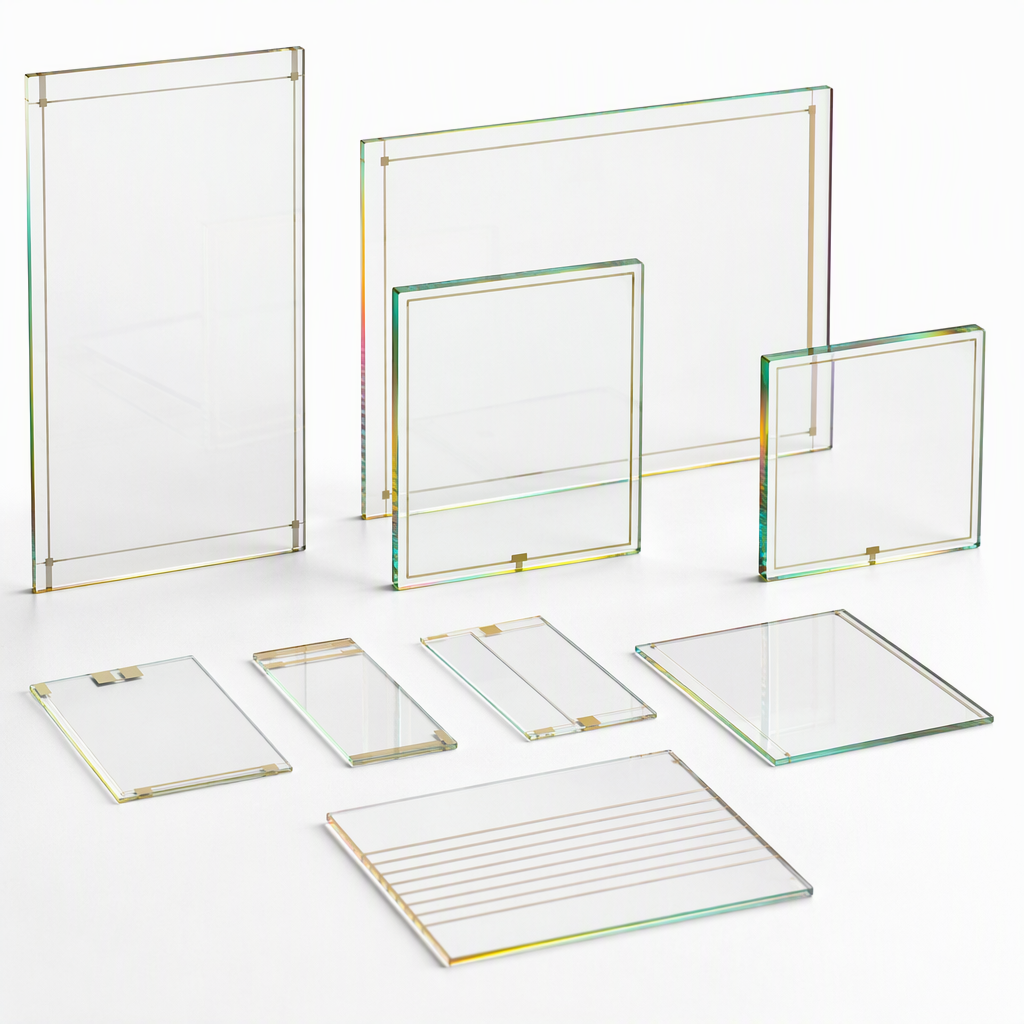
ITO Coated Glass Sheet 6–8 Ω/sq
ITO-coated glass sheet with 6–8 Ω/sq and custom size for touch panels and heating substrates. A practical option for Dallas touch-sensor and industrial-control prototypes that need both conductivity and optical clarity.

Round & Oval PTFE Mouse Feet Stickers
Round and oval PTFE mouse feet with 3M adhesive, wear resistance and smooth glide. Suitable for gaming mouse programs that need repeatable die-cut shapes and branded packaging.
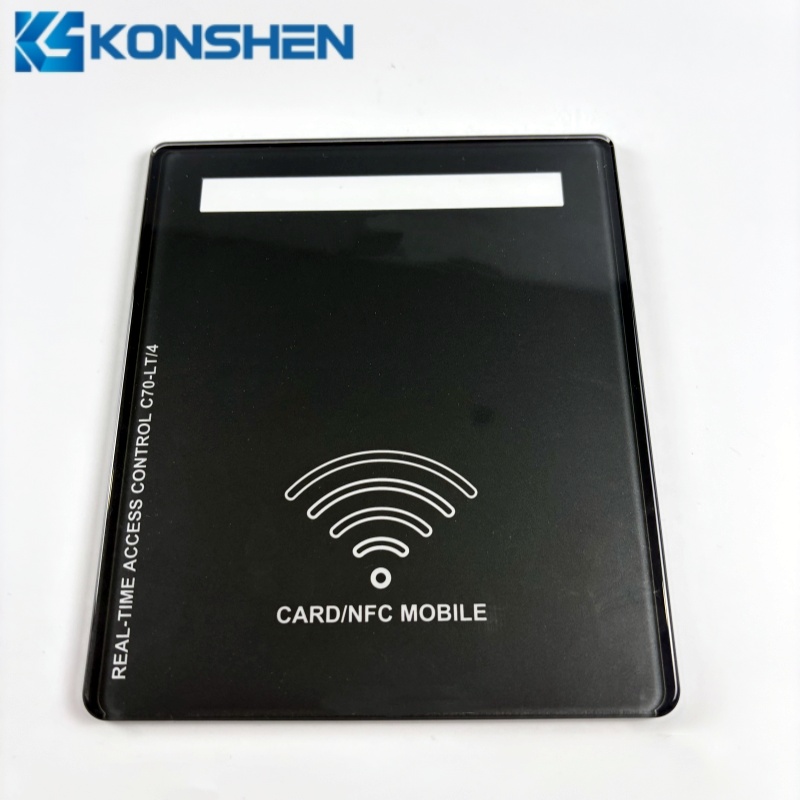
Custom 5mm NFC Tempered Glass Switch Panel
A custom 5mm tempered glass switch panel with NFC access-card functionality, silkscreen printing and touch-screen display cover. Designed for access control, smart-home and commercial interface projects.
Why Dallas Procurement Teams Choose a Vertically Integrated Glass Factory
A custom glass project has more moving parts than a simple cut-to-size order. Optical performance, mechanical strength, electrical conductivity, printing, adhesive bonding and export packing must all agree at the same time. The four points below are where a factory-direct OEM/ODM partner reduces friction.
One factory, one accountable drawing
Cutting, CNC, polishing, printing, tempering, coating, 2.5D/3D forming and 3M bonding are coordinated in-house. Dallas buyers do not have to manage a chain of subcontractors when a tolerance or coating changes.
Coating performance in measurable terms
RFQs can specify AR reflectance, AG haze and gloss, AF contact angle, ITO/FTO sheet resistance and visible transmission. Engineers confirm achievable windows before the first sample, so optical performance is not left to adjectives.
Export documentation and DFW logistics
We support FOB, CFR, CIF, EXW and DDP quotations, with packing designed for long-haul export. For Dallas, quotations can compare air freight to DFW with ocean freight via a U.S. port plus trucking; final routing depends on size, value and deadline.
Low-risk NPI and repeat production
Samples from 1–2 pieces let a Dallas product team validate fit, optics and adhesion before tooling or volume. After approval, typical mass production runs 21–31 days depending on size, coating stack, curvature and printing.
Custom Glass Applications Across Dallas–Fort Worth
Semantic search intent in Dallas is rarely just “custom glass supplier.” Buyers are usually trying to solve a product, durability, readability, conductivity or compliance problem. These application scenarios show where the product series fits.
Automotive & EV HMI
Center-console displays, dashboards, charging-status windows and in-vehicle touch panels benefit from AR for contrast, AG for sunlight, AF for fingerprints and 2.5D/3D cover glass for interior integration. North Texas sun makes reflection control a user-experience requirement, not a cosmetic upgrade.
Outdoor kiosks & signage
AG or AR+AG glass reduces glare at fuel stations, parking structures, sports venues and hospitality check-in kiosks. Specify haze, gloss and transmission by viewing condition, then validate edge sealing and cleaning resistance for dust and summer heat.
Medical & diagnostics
AR optical windows, quartz and sapphire components, and cleanable cover glass support imaging, diagnostics and instrument interfaces. Confirm cleaning chemicals, autoclave exposure and transmission bands before choosing a coating stack.
Aerospace, defense & industrial HMI
Rugged operator panels and factory-floor control terminals need scratch resistance, stable touch performance and, in some cases, ITO-based EMI shielding. Drawings should define impact expectations, viewing distance and connector clearances.
Smart buildings & hospitality
Dallas hotels, offices and multifamily projects use glass switch panels, bathroom anti-fog windows, NFC access covers and decorative printed glass. AF-coated surfaces help high-touch interfaces stay presentable.
Solar & energy
FTO conductive glass is often selected for thin-film solar and higher-temperature processes because of its thermal and chemical stability. ITO remains common for touch, display and EMI tasks. Both can be quoted at 1–20 Ω/sq, >85% transmission and <2% haze.
Gaming & esports
Custom tempered glass mouse pads and PTFE or glass skate feet support Dallas gaming peripheral brands, esports venues and e-commerce programs. Surface texture, edge polish, adhesive choice and packaging all affect perceived glide and brand quality.
Consumer electronics & appliances
Cover glass, display lenses and control panels can be printed, strengthened, coated and bonded to your assembly. Include logo color, ink opacity, step height and adhesive type in the RFQ so the Dallas assembly line receives a drop-in component.
Dallas–Fort Worth Trends Shaping Custom Glass Demand
The Metroplex combines fast-growing technology, logistics and industrial sectors with a strong consumer and hospitality market. That mix is changing how buyers specify glass components and how they evaluate suppliers.
Distribution and engineering density
Dallas–Fort Worth pairs corporate engineering teams with national distribution and logistics infrastructure. Buyers increasingly prefer suppliers who can move from prototype to repeat production without losing drawing control or re-qualifying a new factory.
Larger, curved, quieter vehicle interfaces
EV and premium vehicle programs continue to push anti-reflective, anti-glare and anti-fingerprint cover glass. Curved 2.5D/3D cover glass and printed borders are evaluated for cockpit integration, glare control and brand differentiation.
24/7 outdoor readability
Heat, UV and bright sun make display readability a procurement topic. AG and AR+AG specifications, coating durability and packaging that survives multiple handoffs are increasingly reviewed together, not as separate line items.
High-mix NPI and verifiable supply
More Dallas teams run several low-volume SKUs before scaling. Verified trade profiles, sample lots from 1–2 pcs, clear inspection data and 21–31 day production windows reduce the cost and risk of switching suppliers.
A Specification Matrix for Dallas Engineering Teams
Most custom glass quotations fail not because a factory cannot cut glass, but because the RFQ mixes up optical, electrical and mechanical requirements. Use this matrix to separate the functions before you compare price.
| Glass / coating | Best-fit Dallas use | Specify at RFQ | Do not overlook |
|---|---|---|---|
| Cover glassTempered / chemically strengthened | Automotive HMI, appliance panels, touch switches, kiosk covers | 0.1–19mm thickness; flat/2.5D/3D; edge polish; print color; strengthening method | Holes and slots can become stress concentrators; approve edge quality and impact target. |
| ARAnti-reflective | Cameras, medical displays, premium automotive, showcase windows | Reflectance <1.0% per side; T >99% at 400–700nm; single or multi-layer | AR alone may not solve bright-source glare; confirm cleaning and abrasion resistance. |
| AGAnti-glare | Outdoor kiosks, industrial HMI, sunlit displays | Haze 5–60%; gloss 0.5–8 GU; transmission target | Excess haze reduces sharpness; match to viewing distance and content resolution. |
| AFAnti-fingerprint | Touch panels, smart home, bathroom, appliances | Contact angle >110°; >10,000 cycles; pencil hardness >3H; T >98% | AF is a top surface; specify cleaning chemicals and expected wipe cycles. |
| AR+AG or AG+AFCombined stack | Premium outdoor and vehicle interfaces | Combined targets by function; cosmetic grade per 60/40 scratch-dig where applicable | Stack order and measurement method must be agreed before sample approval. |
| ITOIndium tin oxide | Capacitive touch sensors, displays, EMI shielding | 1–20 Ω/sq; T >85%; haze <2%; substrate thickness | Lower resistance can trade off transmission; define pattern and etching needs. |
| FTOFluorine-doped tin oxide | Thin-film solar, high-temperature processes | 1–20 Ω/sq; T >85%; haze <2%; thermal stability | FTO and ITO are not interchangeable; confirm process temperature and chemistry. |
| Gaming glass / PTFEMouse pads and skates | Gaming peripherals, esports venues, e-commerce brands | Tempered glass, edge polish, print/texture; PTFE die-cut shape; 3M adhesive | Glide and adhesive performance are assembly-dependent; test with final mouse height. |
Three RFQ details that protect a Dallas program
- State the environment, not just the product: outdoor UV and heat, indoor cleaning chemicals, humidity, touch frequency and expected service life.
- State the acceptance method: reflectance wavelength range, haze/gloss meter, contact angle, sheet resistance, inspection light and cosmetic limit.
- State the shipping plan: sample by air to DFW, volume by ocean plus truck, or a DDP quotation. Packaging and Incoterm change the landed cost.
What KELO Glass Controls In-House
The company advantage is not a single machine. It is the ability to keep optical coating, glass processing, printing, strengthening, bonding and inspection aligned to one approved sample.
Factory-direct vertical integration
A 10k–30k m² facility, 101–200 employees and 20–25M pcs/year touch cover glass capacity support repeat OEM programs. Cutting, CNC, polishing, printing, tempering, coating and bonding are coordinated under one roof.
Surface engineering in-house
AR, AG, AF, ITO and FTO coating are not outsourced steps. Measured performance windows for reflectance, haze, contact angle, sheet resistance and transmission can be reviewed before quotation.
21–30 R&D engineers
Engineering review covers tolerance stack-up, coating choice, edge quality, print layout, curvature, adhesive bonding and packing. Dallas buyers receive DFM feedback before a sample is made, not after a nonconformance appears.
Quality gates and 100% appearance inspection
Incoming, in-process and final inspection are defined. Tempering, adhesion, abrasion and salt-spray reliability tests support the release decision. Custom honeycomb cartons, blister trays and partition packing reduce transit damage.
Export terms built for North America
FOB, CFR, CIF, EXW and DDP quotations are supported, with T/T, L/C, PayPal and Western Union payments. Orders placed through Alibaba.com can be protected by Trade Assurance. Confirm final customs classification with your broker.
Verified responsiveness
Our store profile shows a 4.9/5 rating, 98.18% reply rate and a typical response within one hour. Buyers can review third-party verification, trade capacity, transaction level and buyer feedback before ordering.
One Factory. Every Critical Glass Process.
Outsourcing individual steps adds handling damage, delays and finger-pointing. Keeping cutting, forming, coating, printing and bonding inside the same quality system lets us protect tolerances from the raw sheet to the packed carton.
From raw sheet to finished component, our process map includes water-jet and CNC cutting, drilling, edge polishing, laser engraving, silk-screen printing, sandblasting and frosting, flat and curved tempering, AR/AG/AF/ITO coating, 2.5D/3D forming, and 3M adhesive bonding. For a Dallas buyer, this vertical range means one supplier can own the interface between glass, coating, printing and adhesive.
Materials we process include Gorilla glass, borosilicate glass, quartz glass, sapphire glass, ceramic glass, lead shielding glass, laminated safety glass and soda-lime float glass. The right substrate depends on impact, thermal, optical and chemical requirements—not on a default choice.

Three Inspection Gates Before Anything Ships
Quality is built into the process, not inspected in at the end. Each gate has defined checks and release criteria that can be aligned with the Dallas buyer’s incoming-inspection plan.
Incoming Inspection (IQC)
Raw glass and consumables are verified before entering production.
- Thickness and flatness check
- Surface defect screening
- Ink and coating material verification
In-Process Control (IPQC)
Critical dimensions and coating results are checked at each station.
- CNC dimension and hole position
- Tempering and strength tests
- Coating adhesion and abrasion
Final Inspection (FQC/OQC)
Every finished piece is checked before protective packing.
- 100% appearance inspection
- Salt spray reliability testing
- Honeycomb, blister and partition packing
How a Custom Glass Project Runs for a Dallas Buyer
A transparent, engineer-led process designed to reach a validated sample quickly and scale without surprises. The same workflow applies to first-time prototypes and repeat OEM/ODM production.
Share requirements
Send a drawing, sample or target specification, plus annual volume, destination and any Dallas delivery schedule. Include the operating environment and inspection method.
Engineering review
Our team provides DFM feedback on tolerance, coating stack, edge finish, curvature, printing and cost drivers. Achievable performance windows are confirmed before quotation.
Rapid prototype
Samples can start from as few as 1–2 pieces. Validate fit, optics, conductivity, adhesion and appearance against the agreed drawing rather than a catalogue image.
Validation
Fit, optical performance, reliability and packing are approved by the Dallas buyer. Any measurement method or cosmetic limit is documented for mass production.
Mass production
Typical lead time is 21–31 days after sample approval, depending on size, coating stack, curved forming and printing complexity.
Packing & shipping
Damage-resistant export packing is prepared with the agreed documentation. Routing can be quoted by air to DFW or ocean freight plus trucking.
Questions Dallas Procurement Teams Ask Us
These are the practical questions that come up before a first sample, a distributor trial order or a repeat OEM/ODM production release.
Are you a factory or a trading company?
Can you ship custom glass to Dallas, Texas?
What is the minimum order quantity for custom cover glass?
What is the typical lead time for mass production?
Which trade terms and payment methods do you accept?
How should I specify AR, AG or AF for North Texas sunlight?
Should I choose ITO or FTO conductive glass?
What thickness, sizes and shapes can you produce?
How do you control quality before shipment?
Do you provide installation, customs advice or local inventory in Dallas?
Have a Drawing, Target Spec or Dallas Delivery Deadline?
Share the drawing, coating requirements, annual volume and destination. Our engineering team will review feasibility, propose a glass and coating stack, and return a quote with sample and production timing. Sample validation can start from 1–2 pcs; mass production typically runs 21–31 days after approval.
Talk to a Glass Engineer
Inquire NowEmail: info@keloglass.com
Factory-direct OEM/ODM · Huizhou, Guangdong · Serving Dallas and North America