Eight OEM/ODM Printed Glass Products for Frankfurt Wholesale Buyers
Each product below can be customized by drawing, artwork or sample. All eight are suitable for wholesale, distributor and brand-owner projects where optical performance, print detail, packing quality and repeatable lead time matter.

High Transmittance 98% AR Glass for Museum Showcases
Low-reflectance coated glass from 1 mm to 19 mm for gallery vitrines, luxury picture frames, archival display windows and premium retail showcases.
View product
Curved Tempered AR Glass for Bathrooms & Instruments
Waterproof curved tempered glass with anti-reflective coating for high-end bathroom controls, instrument display covers and decorative electronic panels.
View product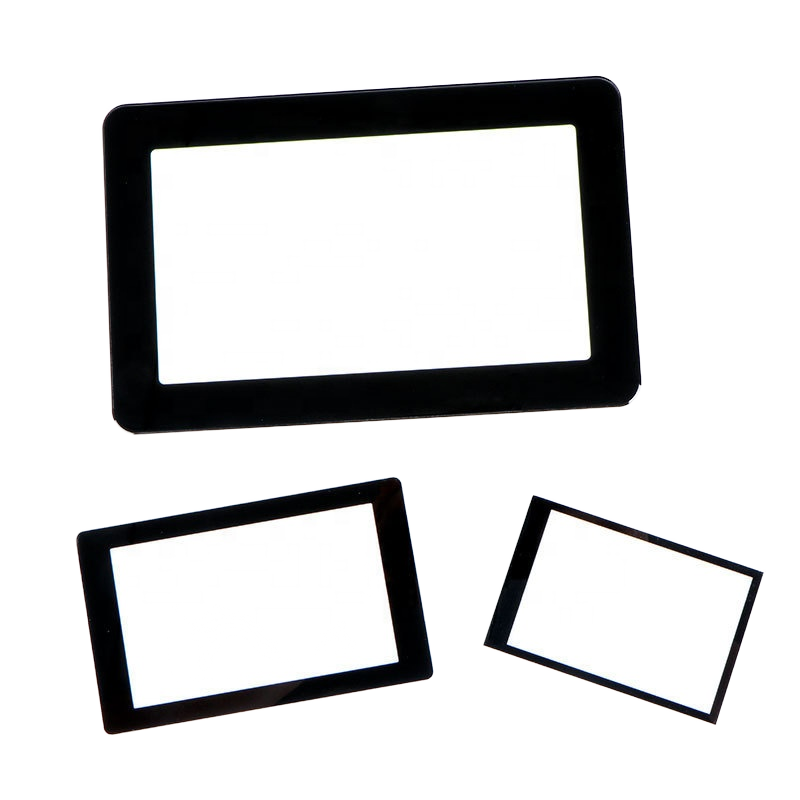
Outdoor Waterproof Touch Screen Glass
Extra-clear soda-lime tempered touch panel for outdoor gyms, public kiosks, switching controls and wet environments requiring reliable touch response.
View product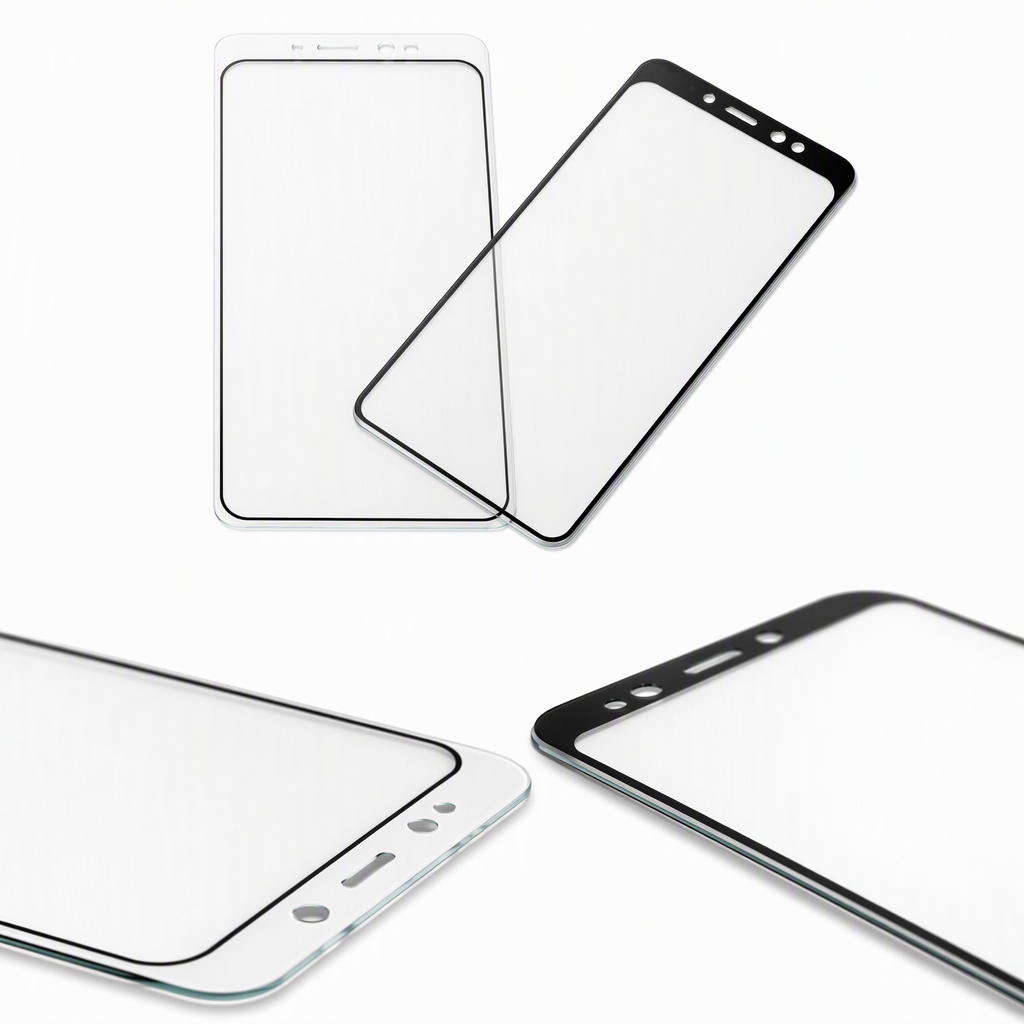
Printed Toughened Glass with CNC Holes
Irregular shapes, CNC drilling and silk-screen printing without coating for appliance interfaces, wayfinding panels, control plates and signage.
View product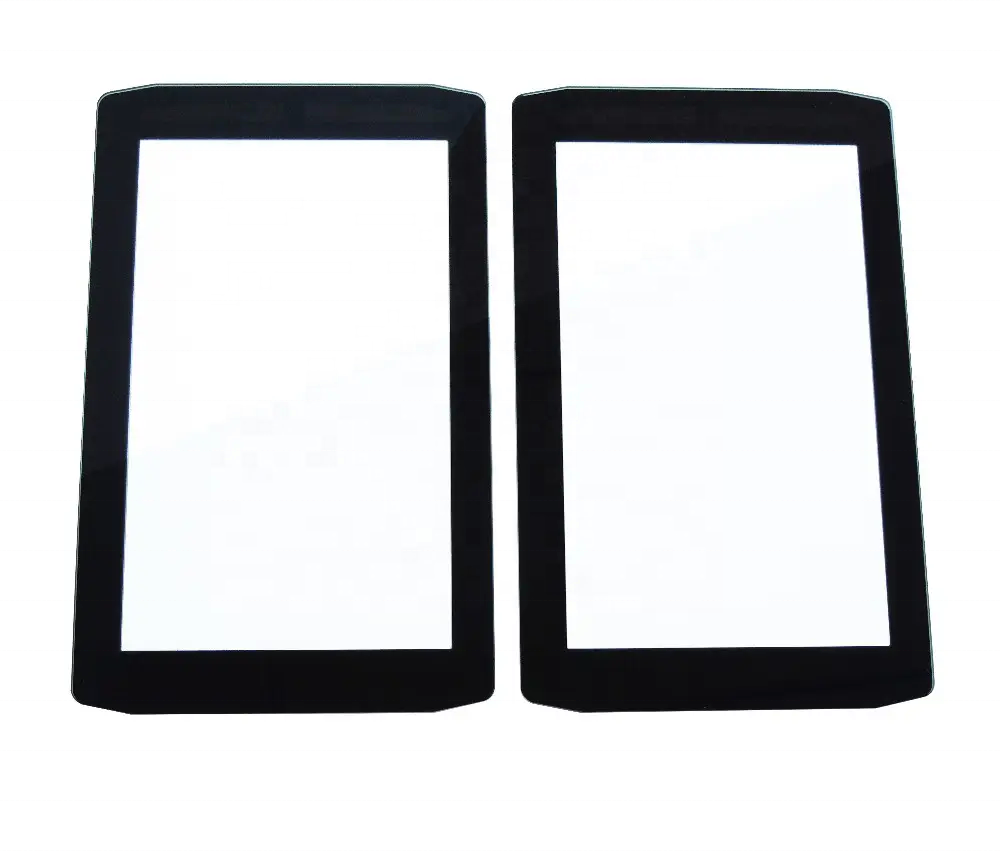
AG Anti-Glare Tempered Display Glass
Solid tempered anti-glare glass for sunlight-readable digital screens, outdoor kiosks, transport signage and industrial terminals with controllable haze.
View product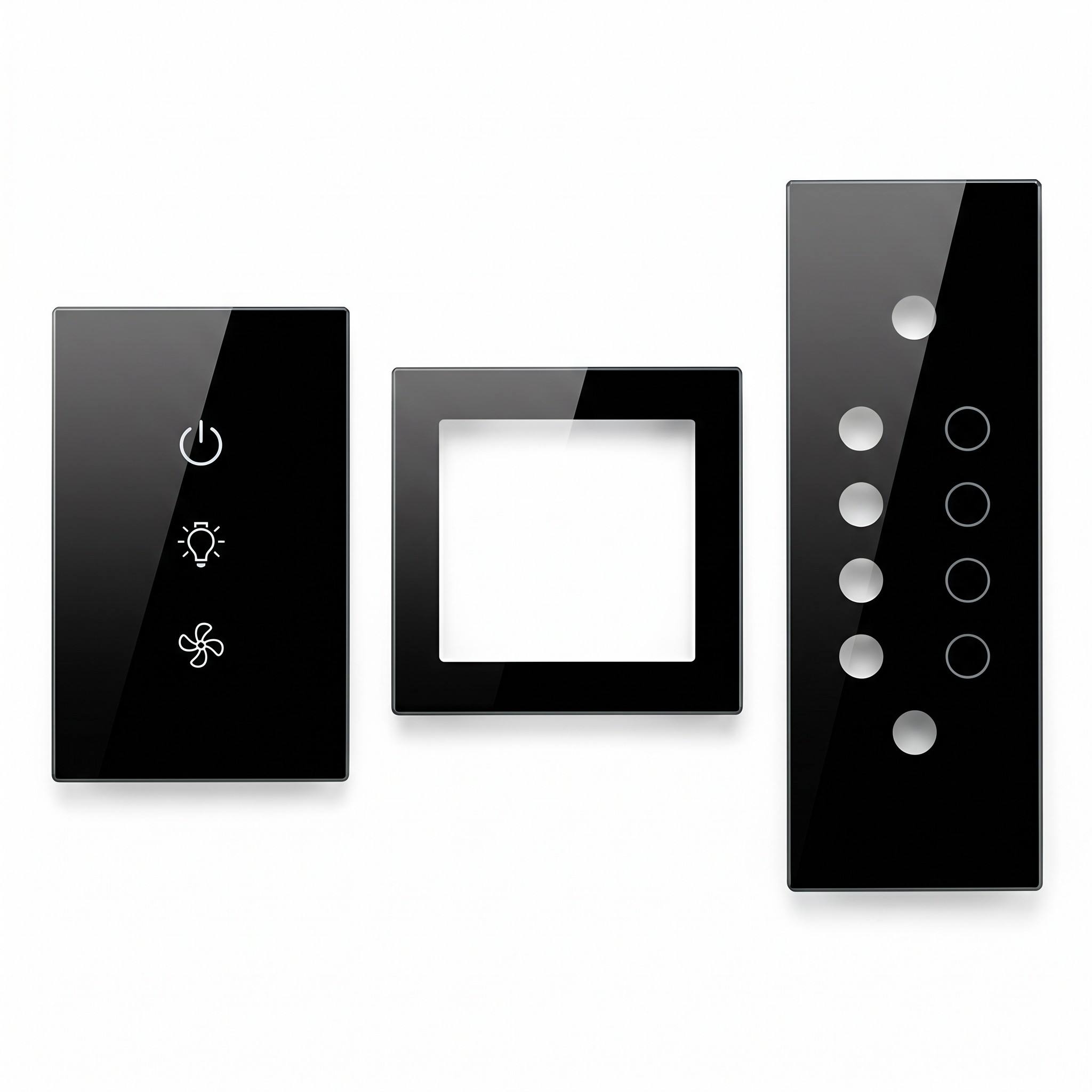
Tempered Front Shield Cover Panel
Custom-size electronic display protection sheet for smart devices, HMI covers, consumer electronics and control modules requiring scratch resistance.
View product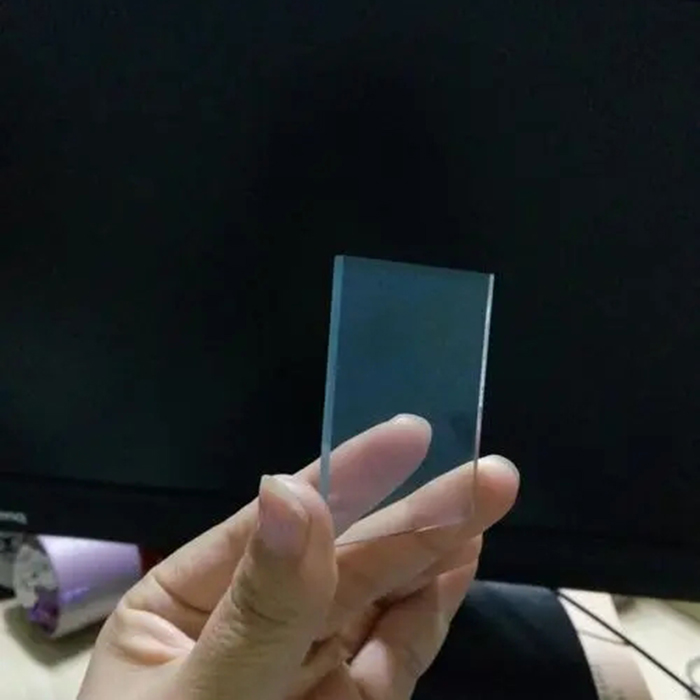
ITO & FTO Conductive Glass
1.1 mm and 2.2 mm flat conductive glass for lighting, capacitive touch sensors, EMI shielding, display research and thin-film solar development.
View product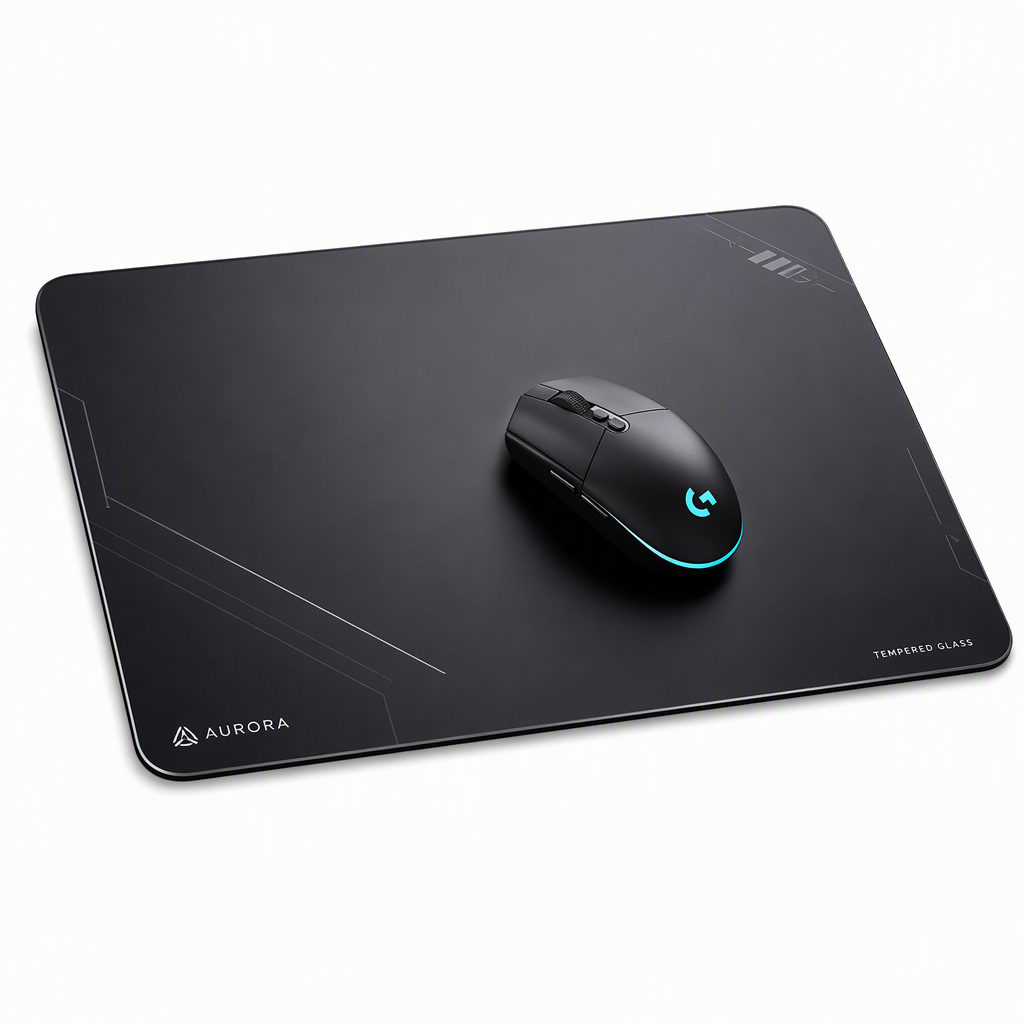
Tempered Glass Mouse Pad OEM
2 mm and 3 mm hard-surface glass mousepad with UV printing, custom logo and silicone base for gaming brands, corporate gifts and retail programs.
View productWhy Frankfurt Projects Need More Than a Generic Printed Glass Supplier
Frankfurt combines a globally visible trade-fair calendar, museum and cultural infrastructure, financial-sector fit-outs, smart-office refurbishment and the Rhine-Main industrial cluster. That mix creates a specific procurement standard.
Buyers in Frankfurt and the wider Rhine-Main region commonly evaluate printed glass as part of a complete interface: a Messe Frankfurt exhibition display may need printed graphics, hidden cut-outs, low weight and transport-safe packaging; a museum vitrine may prioritize AR glass with extremely low reflectance; an outdoor kiosk may require AG glass plus an AF surface that survives public cleaning; a smart-office project may combine printed partition glass with touch-control panels.
The common failure mode is not the glass itself. It is an incomplete specification. “AR glass” without a reflectance target, “AG glass” without haze and gloss limits, or “printed glass” without a color reference can create approval delays. For Frankfurt buyers, we recommend locking measured optical values, print artwork, edge treatment, tolerance, packing method and delivery term before sampling.
KELO Glass supports OEM and ODM projects from Huizhou, Guangdong, with in-house cutting, CNC machining, edge polishing, silk-screen printing, tempering, coating, 2.5D/3D forming, adhesive bonding and final inspection. For a wholesaler or brand owner serving Germany, this vertical control reduces the coordination risk between print, glass strength and optical coating — three steps that often sit with different suppliers in less integrated supply chains.

Specification Windows Frankfurt Buyers Can Use in an RFQ
Use these proven production windows as a starting point, then confirm the final target against your drawing, cleaning chemistry, installation environment and approval standard.
Typical production capability shown for engineering discussion. Final values must be confirmed on the approved sample and drawing, especially when combining AR with AG or AG with AF.
Information gain: specify function, not only finish
A museum showcase may reject a visually neutral coating if reflectance at the viewing angle is too high. An outdoor kiosk may look acceptable under office lighting but fail in direct sun if haze is too low. A public touch panel may pass appearance inspection but degrade quickly if the AF durability is not tied to the actual cleaning agent. Frankfurt procurement teams reduce risk by specifying the use condition, measurement method, acceptance value and test reference in one document.
Localized Printed Glass Scenarios in Frankfurt & Rhine-Main
These are practical application prompts for architects, display builders, brand owners, distributors and industrial buyers sourcing for the Frankfurt market.
Museum & Gallery Vitrines
AR glass for low-reflectance viewing, combined with edge polishing, protective packing and drawing-based size control for cultural and gallery fit-outs.
Messe Frankfurt Displays
Printed border glass, backlit logo panels, display protection covers and lightweight modular panels for exhibition builds with fixed installation deadlines.
Luxury Retail Windows
AR and printed glass for premium window displays, cosmetic counters, watch and jewellery cases, brand walls and photo-ready product presentation.
Smart Office & Co-Working
Printed partition glass, meeting-room control panels, access-control covers and AF touch surfaces for high-use office interiors in Frankfurt’s central districts.
Automotive & EV Suppliers
2.5D/3D curved cover glass, AG anti-glare display glass and AF touch surfaces for console, dashboard and charging-interface applications in the Rhine-Main supply chain.
Medical & Lab Instruments
AR optical windows, quartz or sapphire options and protective cover glass for diagnostic instruments, laboratory equipment and precision display assemblies.
Outdoor Kiosks & Signage
AG anti-glare tempered glass, waterproof touch panels and AF easy-clean surfaces for public transport, wayfinding and outdoor digital signage.
Hospitality & Bathrooms
Curved AR glass, printed control panels and AF surfaces for hotel bathrooms, spa controls, mirror interfaces and premium appliance glass.
Four Localized Buying Trends Shaping Printed Glass Demand
These trends are visible across display fabrication, architecture, industrial design and retail procurement in Frankfurt and the wider German market.
Low-Reflection Public Interfaces
AR and AR+AG combinations are increasingly specified for exhibition, museum and premium retail environments where image clarity influences perceived quality.
Long-Life, Easy-Clean Surfaces
Public touch panels, appliance glass and elevator controls are moving toward AF coatings and durable printed surfaces that reduce cleaning effort and visible wear.
Printed Glass as Brand Media
Silk-screen and UV-printed glass is used for logo panels, appliance interfaces, wayfinding and display borders that must look precise at close viewing distance.
Small-Batch Customization
Trade-fair deadlines, regional brand launches and pilot production runs reward suppliers that can support 1–2 piece samples before scaling to 21–31 day mass production.
Which Glass Solution Fits Your Frankfurt Project?
Start with the operating condition: viewing distance, sunlight exposure, touch frequency, cleaning method, electrical function and installation deadline.
Museum & Gallery Showcase
Choose AR glass when the viewer must see the object, not the reflection. Specify reflectance per side, glass thickness, edge finish and packing.
Outdoor Digital Signage
Use AG glass to diffuse sunlight and reduce glare on kiosks, transport signs and outdoor displays. Confirm haze, gloss and readability target.
Public Touch Panels
For elevator, gym, kiosk and appliance controls, AF coatings help resist fingerprints and frequent wiping. Validate against the cleaning agent used.
Printed Control & Appliance Glass
Silk-screen printed tempered glass is the practical choice for control windows, hidden icons, decorative borders and custom holes.
Conductive & Solar Applications
Select ITO for capacitive touch, displays and EMI shielding; select FTO when thermal and chemical stability matter more.
Gaming & Desktop Products
Tempered glass mouse pads with UV printing and silicone bases suit gaming brands, corporate gifts and retailer-exclusive programs.
Why KELO Glass Supports Frankfurt Wholesale & OEM Programs
Huizhou KELO Glass Co., Ltd. is a factory-direct manufacturer, not a trading intermediary. Our core strength is surface engineering and integrated glass processing.

For a Frankfurt buyer, supplier qualification usually begins with three questions: can the factory hold optical tolerances, can it print and process glass without outsourcing critical steps, and can it pack and document the shipment to arrive intact? KELO Glass answers these through vertical integration: cutting, water-jet cutting, CNC machining, drilling, edge polishing, laser engraving, silk-screen printing, sandblasting, flat and curved tempering, AR/AG/AF/ITO coating, 2.5D/3D forming, 3M adhesive bonding and final inspection.
Our team supports engineering drawing review, DFM feedback, rapid prototyping from 1–2 pieces, 100% appearance inspection and export packing for international delivery. For distributors and brand owners, that means one accountable supplier for print, coating, strength and packing, with OEM/ODM customization across size, shape, color, logo, holes, curved forming and 3M adhesive bonding.
Four Quality Gates Before Frankfurt-Bound Glass Is Released
Quality is built into the process. Each gate has defined checks, records and release criteria before packing.
IQC Incoming Inspection
Raw glass, ink and coating consumables are checked for thickness, flatness, surface defects and material consistency before production begins.
IPQC In-Process Control
CNC dimensions, hole positions, printing registration, tempering condition, coating adhesion and abrasion resistance are monitored at each critical station.
FQC / OQC Final Inspection
100% appearance inspection is combined with dimensional checks and reliability tests such as tempering, adhesion, abrasion and salt spray where specified.
Packing & Traceability
Custom honeycomb cartons, blister trays and partition packing reduce transit damage. Batch records help buyers trace material and process history.
Printed Glass Engineering Details Frankfurt Buyers Should Specify
Printed glass is not only a cosmetic part. It often carries the brand interface, hides sensors, defines the touch area and protects the display stack.
| Function | Typical Target | Best-Fit Frankfurt Use | What to Confirm |
|---|---|---|---|
| AR Anti-Reflective | Reflectance <1.0% per side; transmittance >99% | Museum showcases, luxury retail windows, medical displays | Viewing angle, wavelength range, edge color, coating stack |
| AG Anti-Glare | Haze 5–60%; gloss 0.5–8 GU | Outdoor kiosks, transport signage, industrial HMI | Sunlight direction, readability distance, cleaning method |
| AF Anti-Fingerprint | Water contact angle >110°; durability >10,000 cycles | Public touch panels, smart home controls, appliance glass | Cleaner chemistry, abrasion test, appearance after wiping |
| ITO Conductive | 1–20 Ω/sq; transmittance >85%; haze <2% | Capacitive touch sensors, EMI shielding, displays | Pattern, sheet resistance tolerance, busbar design |
| FTO Conductive | 1–20 Ω/sq; transmittance >85%; haze <2% | Thin-film solar, high-temperature processing | Thermal budget, chemical exposure, laser scribing |
| Printed Tempered Glass | Custom artwork, CNC holes, irregular shape | Appliance panels, wayfinding, control windows | Color reference, registration tolerance, backing and lighting |
| Curved 2.5D / 3D Glass | 0.1–19 mm; custom radius and shape | Automotive consoles, bathroom controls, premium devices | Radius, optical distortion limit, assembly clearance |
For color-critical printed glass, approve a physical sample under the final lighting condition. Ink, glass tint, backing, illumination and viewing angle can all shift perceived color. For coated glass, approve optical values and appearance together: a sample can look clear while still failing the reflectance target at the installation angle.
Procurement Questions Frankfurt Buyers Ask
Straight answers for distributors, brand owners, fabricators and project buyers comparing OEM/ODM printed glass suppliers.
Can you supply OEM/ODM printed glass to Frankfurt and the Rhine-Main region?
What is the minimum order for custom printed glass samples?
Can you support Messe Frankfurt exhibition deadlines?
What documents can you provide for EU procurement?
How do you match RAL, Pantone or customer color references on printed glass?
What is the typical lead time for mass production?
How do you pack fragile printed glass for shipment to Germany?
Can you produce curved, waterproof or touch-integrated glass?
How a Frankfurt Custom Glass Project Runs
A transparent, engineering-led process designed to move from drawing to validated sample and repeat production without avoidable surprises.
1. Share Requirements
Send the drawing, artwork, sample or target specification, plus annual volume and Frankfurt delivery target.
2. Engineering Review
We review tolerance, coating, printing, tempering, curved forming and packing for DFM feedback and cost drivers.
3. Rapid Prototype
Sample quantities from 1–2 pieces help validate fit, optics, print appearance and surface feel before tooling or volume.
4. Validation
You approve the sample against the drawing, lighting condition, performance target and packaging requirement.
5. Mass Production
Typical production lead time is 21–31 days after sample approval, with in-process and final quality gates.
6. Packing & Shipping
Damage-resistant packing, export documents and DDP or nominated-forwarder shipment to Frankfurt and the Rhine-Main region.
Send Your Drawing, Artwork or Target Specification
Tell us the application, glass thickness, coating requirement, print detail, annual volume and Frankfurt delivery target. Our engineering team will review feasibility and recommend a cost-effective OEM/ODM glass solution.