8 Precision Glass Product Families for OEM/ODM Instrument Programs
The eight linked products below are not a substitute for an engineering drawing, but they show the adjacent glass capabilities available from the same factory: conductive glass, anti-glare cover glass, curved tempered glass, printed touch panels, and precision finishing. For a custom quartz glass optical window for medical instruments, send the drawing, wavelength band, sterilization method, coating requirement, and annual volume for a dedicated quotation.
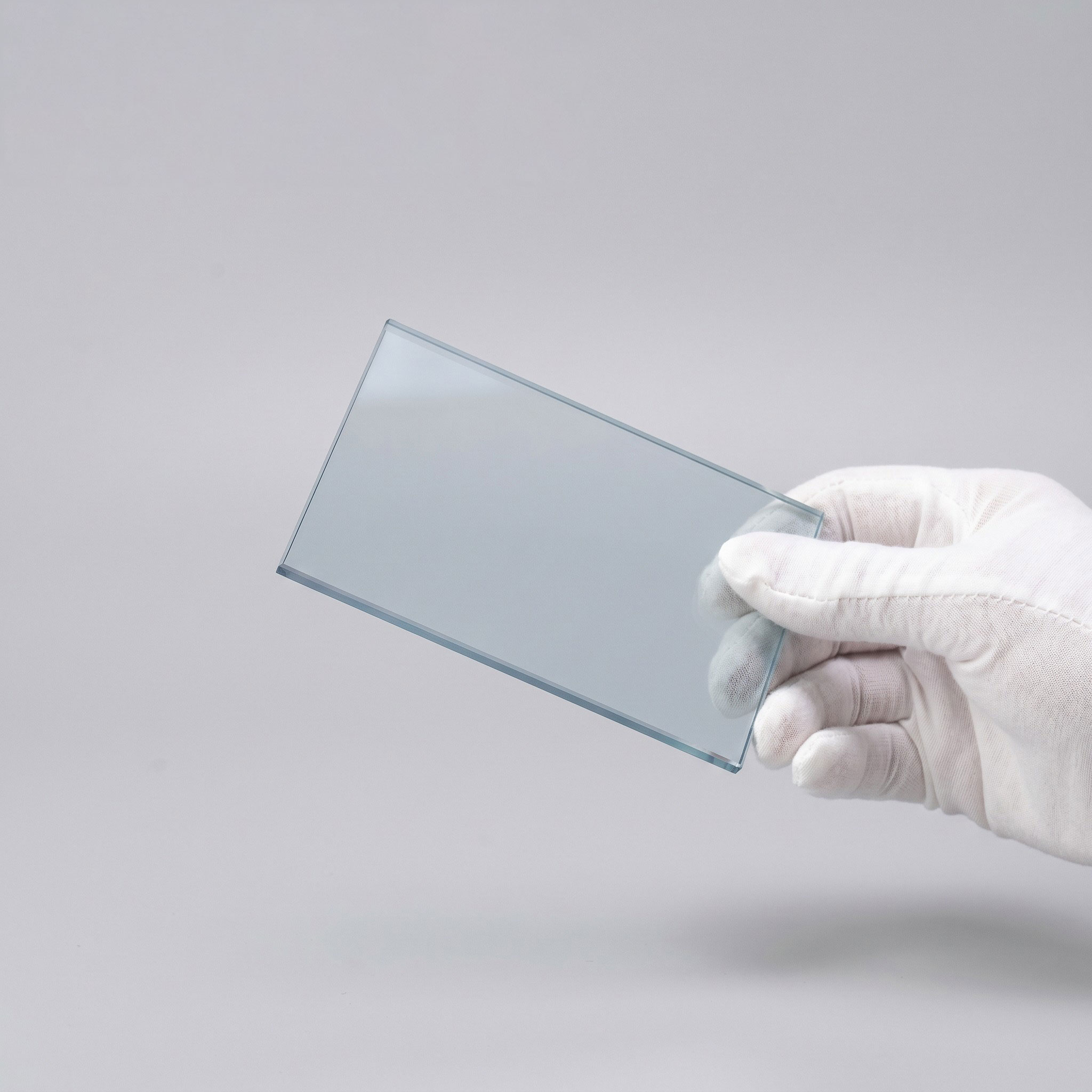
High-Temperature FTO Conductive Glass for Sensors & Solar Research
Fluorine-doped tin oxide glass with strong thermal and chemical stability — suitable for high-temperature processes, lab-on-chip development, thin-film research, and select instrument sensor substrates.
View product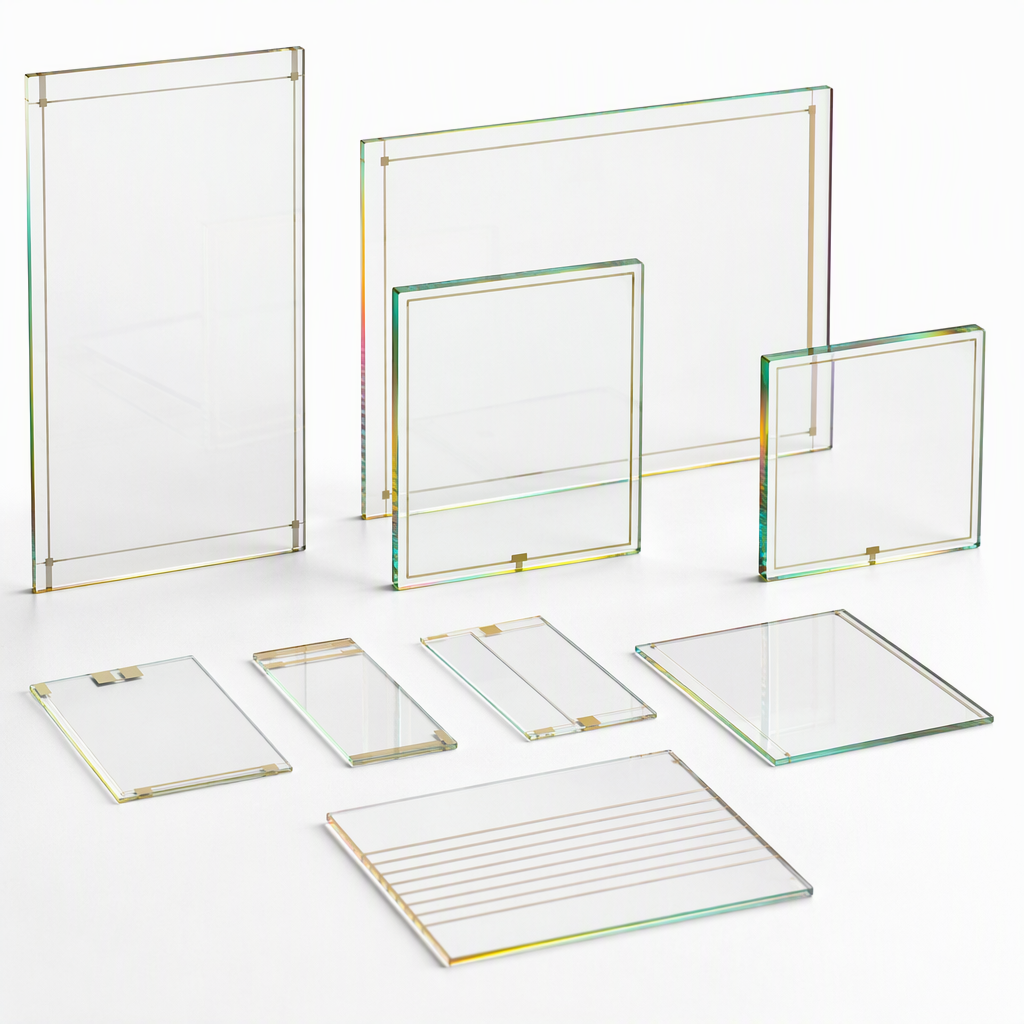
ITO-Coated Conductive Glass Sheet 6–8 Ω/sq
Transparent conductive glass for touch sensors, heating substrates, display assemblies, and analytical instrument components. Custom sizes can be reviewed against the target resistance, transmittance, and haze.
View product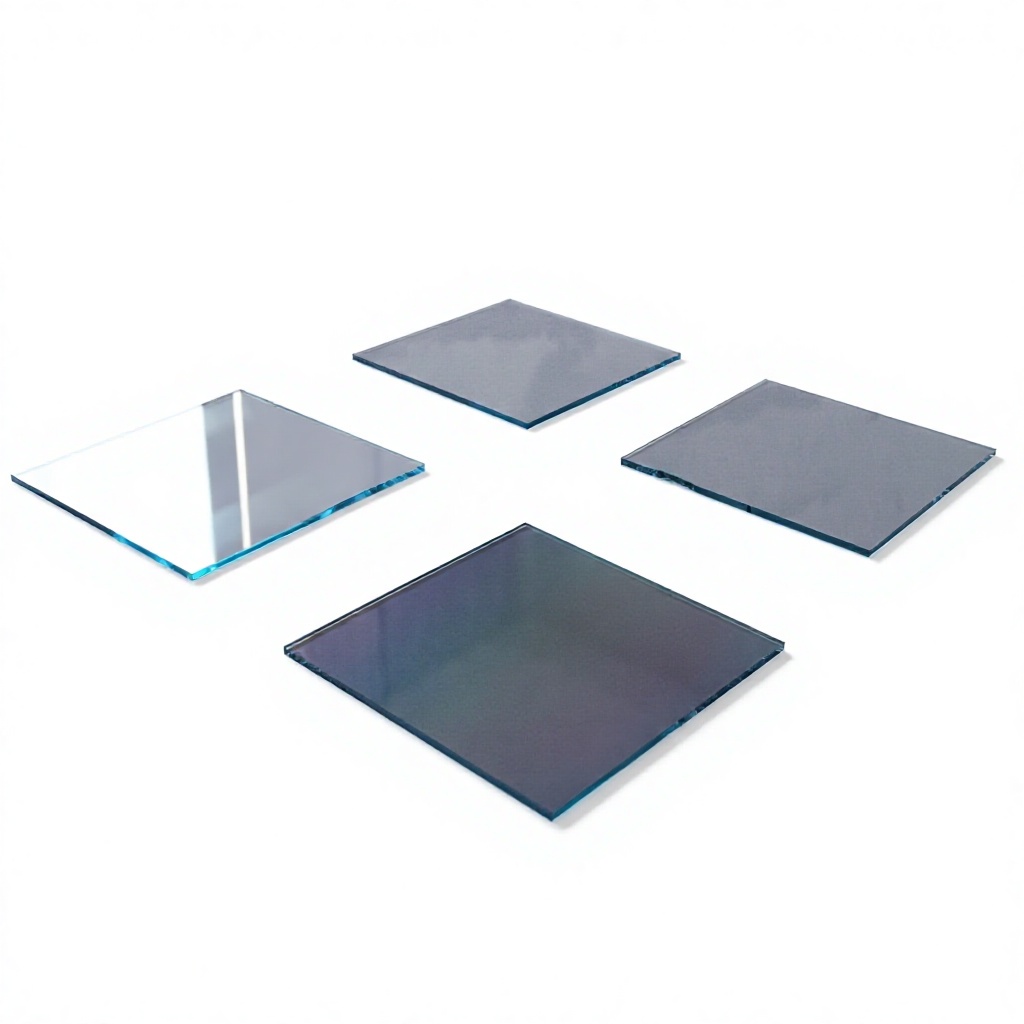
1.1mm ITO-Coated Glass Panel with Polished Edge
Thin ITO glass panel with custom shape, polished edge, and industrial-use options. A practical building block for instrument touch interfaces, sensor windows, and transparent electrode development.
View product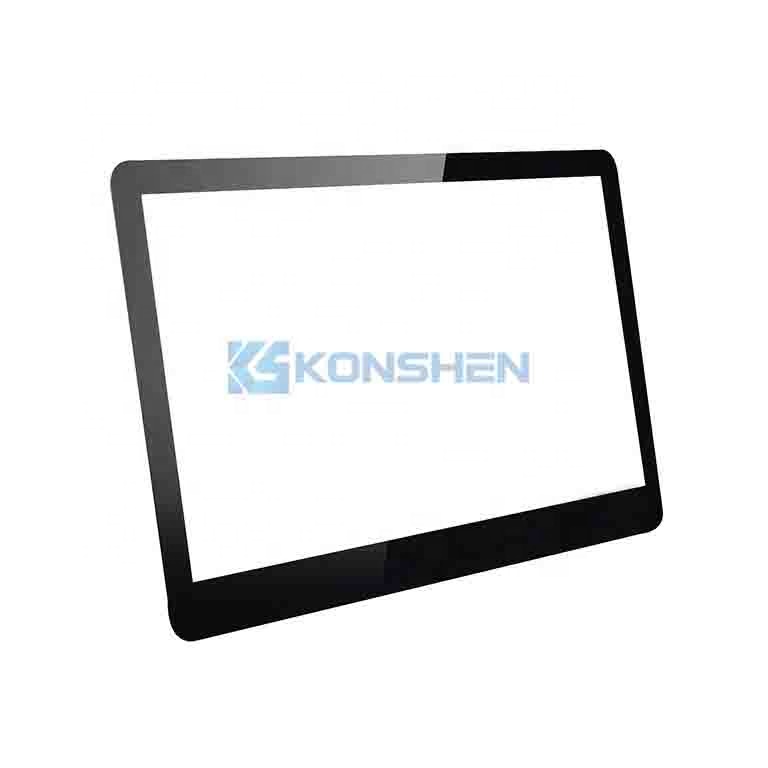
2mm / 3mm Anti-Glare Chemically Tempered Cover Glass
Solid or hollow anti-glare chemically tempered cover glass with silk-screen printing options. Used in displays, instrument HMI panels, and touch interfaces where glare control and cleanability matter.
View product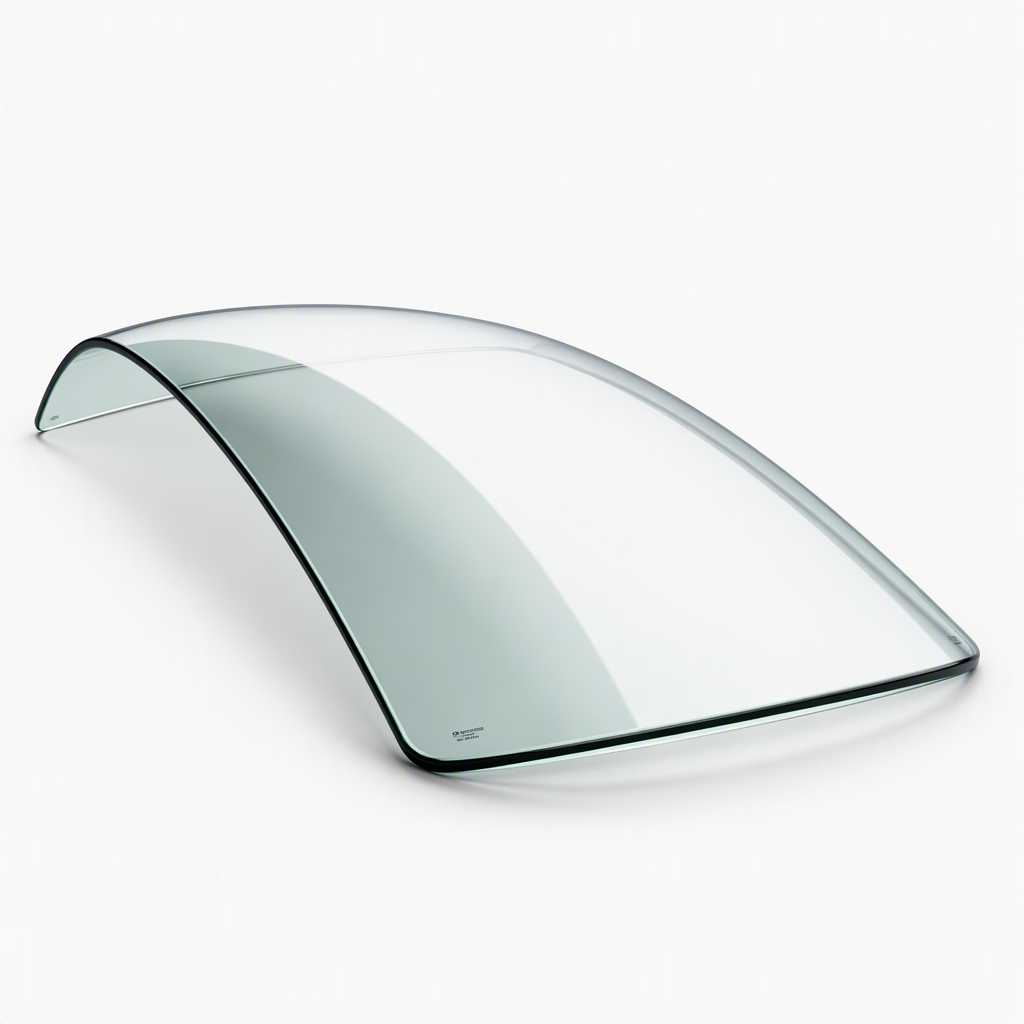
Hot-Bent Curved Tempered Glass Panel
Small-radius curved glass for ergonomic display modules, automotive HMI, and custom instrument enclosures. OEM/ODM forming, edge finishing, and printing can be reviewed against the drawing.
View product
Custom Printed Smart Touch Control Panel Glass
Custom-cut, printed, and touch-integrated glass for control panels and instrument interfaces. Demonstrates our silk-screen, edge processing, and cosmetic glass control for OEM/ODM projects.
View product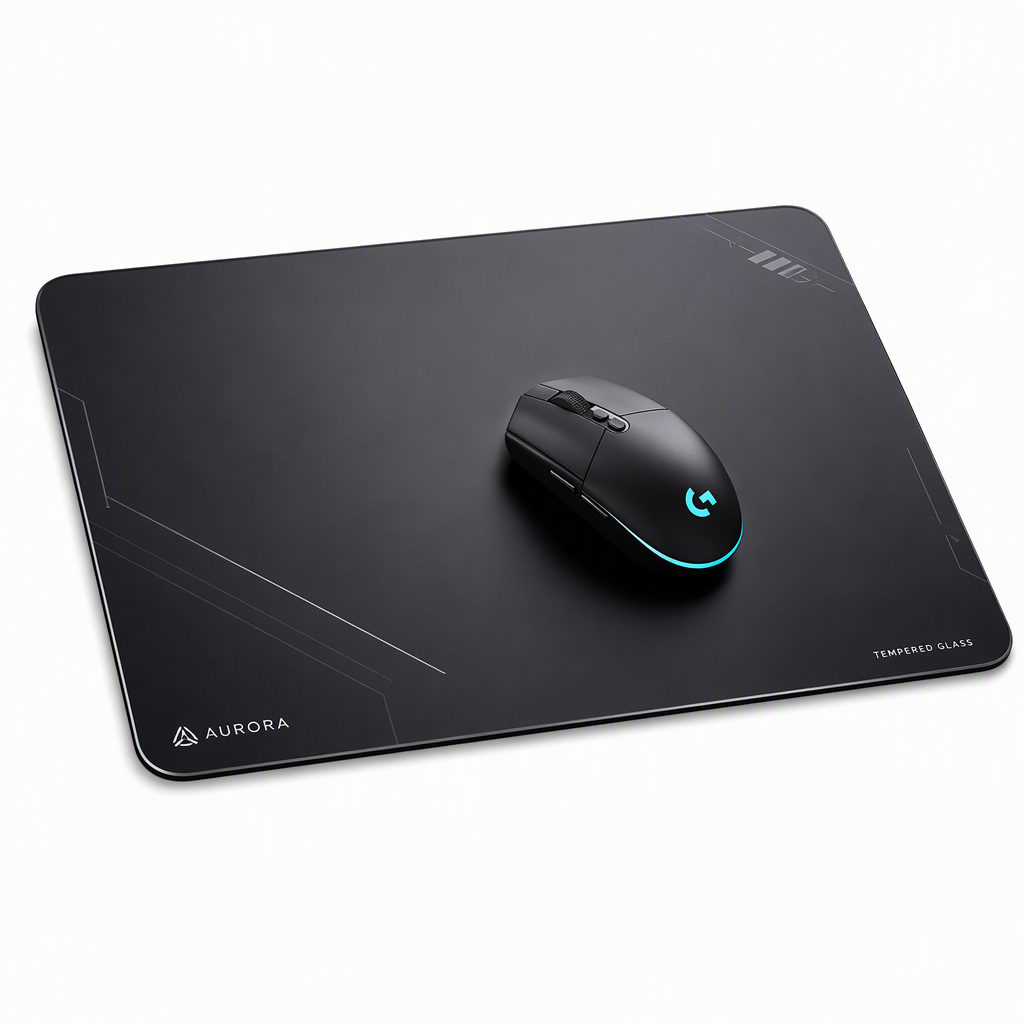
Tempered Glass Mouse Pad 2mm / 3mm with UV Printing
Hard-surface tempered glass with custom logo and silicone base options. This product demonstrates cosmetic glass control, flatness, printing, and edge quality for premium OEM accessories.
View product
Round / Oval PTFE 3M Wear-Resistant Adhesive Components
Adhesive-backed PTFE components with smooth movement and wear resistance. Useful for buyer teams seeking a supplier that can combine glass processing with precision die-cut accessories.
View productNeed a custom quartz window rather than a catalogue item? Send your drawing and optical specification.
Get a QuoteFactory-Direct Support for Tijuana Medical Instrument Programs
KELO Glass is a manufacturer, not a trading intermediary. That distinction matters when a medical optical window project moves from prototype to repeat production: the same factory controls cutting, polishing, coating, inspection, and packaging.
Why Quartz Glass Optical Windows Matter in Medical Instruments
A medical optical window is a functional part of the optical path, not just a clear protective cover. Material choice, surface quality, coating stack, and sterilization compatibility all affect signal quality and service life.
In an IVD analyzer, spectrophotometer, fluorescence reader, laser handpiece, endoscope, dental camera, or sterilization monitor, the window determines how much light reaches the detector, how much is lost to reflection, and whether the optical path remains stable after repeated cleaning. That is why a useful specification should begin with the instrument’s optical train, cleaning chemistry, and sterilization cycle — not only with the phrase “quartz glass.”
Fused quartz and fused silica are often specified for medical optical windows because they combine high transmission from the UV through the near-IR with low thermal expansion, high thermal-shock resistance, and strong chemical durability. For UV microscopy, fluorescence, PCR, and UV-C applications, high-OH fused silica may be preferred. For near-IR or laser delivery where hydroxyl absorption matters, a low-OH grade may be more appropriate. The difference should be stated on the RFQ.
Optical performance also depends on fabrication. Flatness, parallelism, wedge, surface quality, edge chips, and coating adhesion can matter as much as the raw material. For example, an AR coating may increase transmission and reduce ghosting, but it must still survive the cleaning and sterilization conditions used by the Tijuana instrument manufacturer or its hospital customer. If a device uses autoclave steam, hydrogen peroxide plasma, EtO, or gamma sterilization, the coating and adhesive stack should be reviewed as part of the validation plan.
Quartz is not automatically the lowest-cost choice. For a visible-light indicator window with no deep-UV requirement, borosilicate or chemically strengthened cover glass may be sufficient. For a handheld probe exposed to scratching, sapphire may offer a hardness advantage. The right recommendation should come from the application, not from a default material preference.
| Material Option | Optical / Mechanical Fit | Typical Medical Instrument Use | Procurement Note |
|---|---|---|---|
| UV fused silica / high-OH quartz | High UV transmission, low fluorescence, good thermal shock resistance | Spectrophotometry, PCR, fluorescence detection, UV-C sterilization monitors | Specify cut-on wavelength, OH grade, surface quality, and coating |
| Low-OH fused silica | Reduced hydroxyl absorption for IR and laser paths | Laser delivery windows, NIR sensors, some diagnostic imaging modules | State the wavelength range and laser damage requirements |
| Borosilicate glass | Good visible transmission and chemical durability at a lower cost | General indicator windows, lighting covers, non-UV instrument guards | Not a deep-UV substitute; review thermal and scratch requirements |
| Sapphire glass | High hardness and broad transmission; scratch-resistant | Handheld probes, endoscope tips, high-wear sensor windows | Higher cost and machining difficulty; use where hardness matters |
| ITO / FTO conductive glass | Transparent conductive layer for sensing, heating, or EMI functions | Touch sensors, heating substrates, analytical instrument electrodes | Define sheet resistance, transmittance, haze, and patterning needs |
The correct material and coating stack should be confirmed against your instrument drawing, cleaning protocol, and sterilization validation plan. The table is an engineering starting point, not a final specification.
Where Tijuana Medical Instrument Teams Use Optical Windows
Tijuana and Baja California host a broad medical manufacturing ecosystem that includes contract manufacturers, device developers, sterilization service providers, and cross-border engineering teams. The optical window must work in the design lab, the assembly line, and the hospital environment.
IVD Analyzers
High-transmission UV windows for spectrophotometry, fluorescence reading, and fluidic detection modules.
Patient Monitors
AR, AG, and AF coated cover glass for readable displays, touch panels, and cleanable device interfaces.
Surgical & Endoscopic Instruments
Sealed optical windows and small glass components for visualization, lighting, and laser delivery paths.
Dental & Ophthalmic Devices
Compact windows and protective lenses for diagnostic cameras, curing lights, and ophthalmic instruments.
Sterilization Equipment
Quartz sight windows and UV-transmitting windows for sterilization chambers, monitors, and UV-C systems.
Laboratory Spectroscopy
Windows, cover slides, and transparent substrates for cuvettes, sample cells, and optical benches.
Point-of-Care Devices
Thin optical windows and durable cover glass for handheld diagnostic readers and wearable monitors.
Cleanroom Assembly & HMI
Printed control-panel glass, AG touch glass, and protective windows for cleanroom equipment interfaces.
What Medical Buyers in Baja California Are Asking For
Tijuana is not only a low-cost assembly location; it is a cross-border engineering market. Design authority may sit in California, production may sit in Baja California, and the supplier must support both sides with clear drawings, documentation, and protective packaging.
Nearshoring and Dual Sourcing
Many teams keep engineering close to the U.S. border while building a second supply route. They want a China-based factory partner that can support a Tijuana assembly site without creating documentation gaps.
High-Mix, Low-Volume NPI
Medical instrument launches often start with small builds. A 1–2 piece sample order and a clear path to 21–31 day production help Tijuana teams validate form, fit, and optics before volume commitments.
Documentation and Packaging
Buyers ask for dimensional reports, coating data, material certificates, and packaging that survives air, sea, and cross-border trucking through Otay Mesa. Protective honeycomb cartons, blister trays, and partition packing are part of the sourcing decision.
Illustrative evaluation priorities for cross-border sourcing discussions, not a statistical survey.
How a Custom Quartz Optical Window Project Runs
A practical workflow for Tijuana buyers who need engineering feedback before committing to tooling, coating, or volume production.
Send the Drawing or Target Spec
Provide the window size, thickness, substrate preference, wavelength range, sterilization method, coating, annual volume, and destination.
Engineering Review and DFM
We review edge quality, tolerances, coating feasibility, handling risk, and the most cost-effective material route for the instrument.
Prototype from 1–2 pcs
Small samples help validate fit, transmission, reflection, cosmetics, and packaging before a larger production order is placed.
Validation and Documentation
Dimensions, appearance, coating performance, and agreed inspection criteria can be documented for the buyer’s internal review.
Mass Production
Typical lead time is 21–31 days after sample approval, depending on size, coating stack, curved forming, printing, and volume.
Packing and Shipping
Protective packing is matched to the route. Trade terms include FOB, CFR, CIF, EXW, and DDP. Payment options include T/T, L/C, PayPal, and Western Union.
What Tijuana Procurement Teams Should Verify Before Ordering
For medical instrument projects, a supplier’s ability to show evidence is as important as its product catalogue. The verification items below are the practical questions we recommend asking any quartz glass optical window supplier.
| Verification Item | Why It Matters | KELO Glass Response |
|---|---|---|
| Manufacturer or trader? | Accountability for tolerance, coating, and lead time | Factory-direct manufacturer in Huizhou, Guangdong, China |
| In-house process control | Less handling damage and fewer subcontractor delays | Cutting, CNC, edge polishing, printing, tempering, coating, curved forming, and 3M bonding |
| Prototype availability | Faster NPI for Tijuana design and assembly teams | Samples from 1–2 pcs |
| Inspection discipline | Consistent appearance and optical quality | IQC, IPQC, and FQC/OQC gates with 100% appearance inspection |
| Coating and durability data | AR, AG, AF, and conductive layers must survive cleaning and handling | Coating performance can be reviewed against the drawing; adhesion, abrasion, tempering, and salt-spray checks are part of the quality plan |
| Export packing | Protection through air, sea, and cross-border trucking | Custom honeycomb cartons, blister trays, and partition packing |
| Trade terms and order protection | Clear responsibilities for Tijuana delivery planning | FOB, CFR, CIF, EXW, DDP; Alibaba Trade Assurance supported |
| Track record | Evidence of export experience and response speed | Verified exporter profile, 4.9/5 store rating, 98.18% reply rate, and typical response within 1 hour |
Certifications, quality agreements, and regulatory responsibilities for FDA, COFEPRIS, or other market requirements should be confirmed in writing for each device program. KELO Glass supplies manufacturing and inspection documentation; the device manufacturer remains responsible for final regulatory compliance.
How to Specify a Quartz Glass Optical Window for Medical Instruments
Use this checklist when preparing an RFQ for a Tijuana medical instrument program. Clear inputs reduce back-and-forth and help the factory recommend the right material and process.
Common Questions from Tijuana Medical Instrument Buyers
Direct answers for procurement, engineering, and supply-chain teams evaluating a quartz glass optical window supplier and exporter for the Tijuana market.
Are you a factory or a trading company?
Do you supply custom quartz glass optical windows for medical instruments?
Can you ship to Tijuana and support cross-border logistics?
What is the minimum order quantity for a prototype?
What lead time should we plan for?
Which coatings and surface treatments can be reviewed?
How do you control quality and prevent transit damage?
What documents can support customs and internal quality review?
Request a Tijuana-Ready Quotation for Your Quartz Optical Window
Send your drawing or target specification, including wavelength range, sterilization method, coating, dimensions, annual volume, and preferred Incoterm. Our engineering team will review feasibility and recommend a practical material and process route for your medical instrument program.