Eight Factory-Direct Glass Products for OLED, Display and Touch Integration
These eight product families are a practical starting point for Hamburg buyers moving from prototype to repeatable wholesale supply. Each card preserves the original product URL so engineers and procurement teams can review specifications before requesting samples, tolerances or DDP pricing.
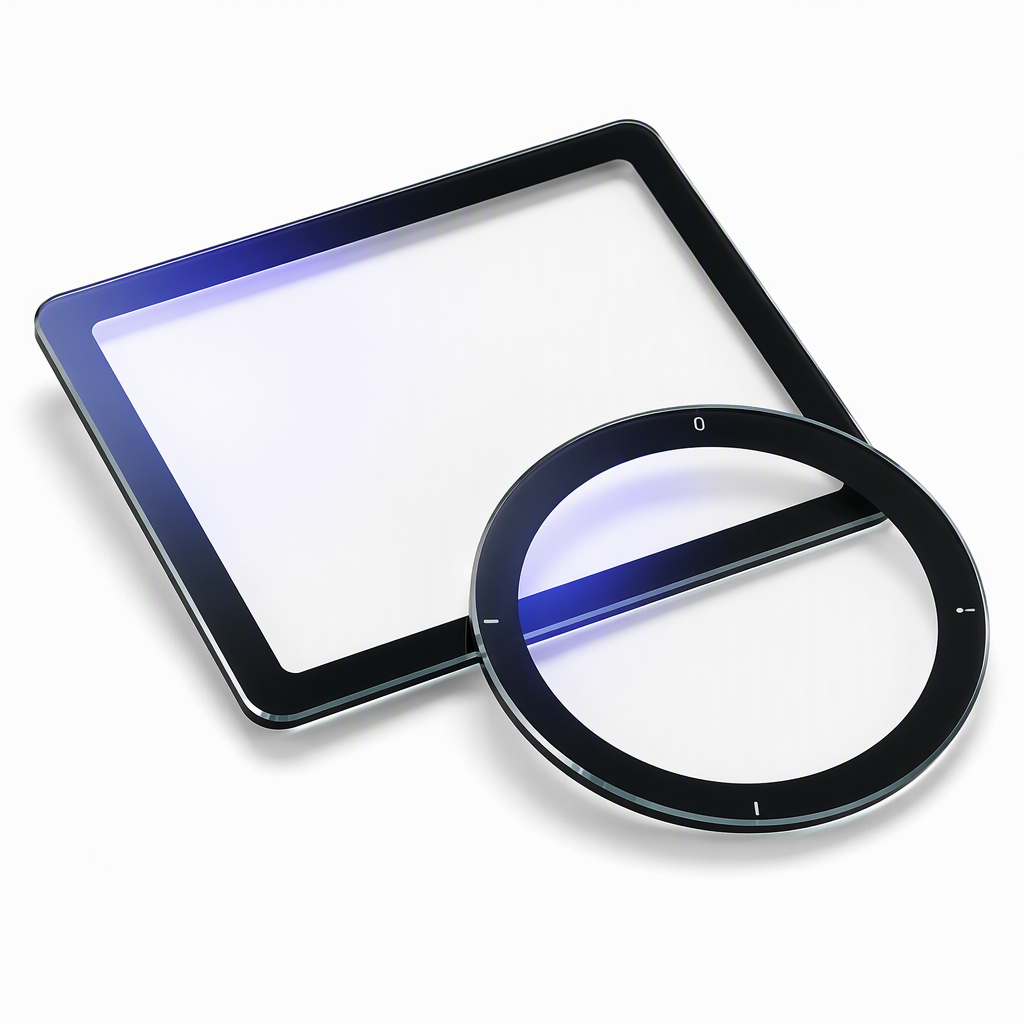
Low-Iron AR-Coated Tempered Display Cover Glass
Custom tempered glass panels with low-iron substrate and anti-reflective coating for OLED display covers, control panels and high-clarity industrial windows. Factory supply with customized size, edge treatment and printed graphics.
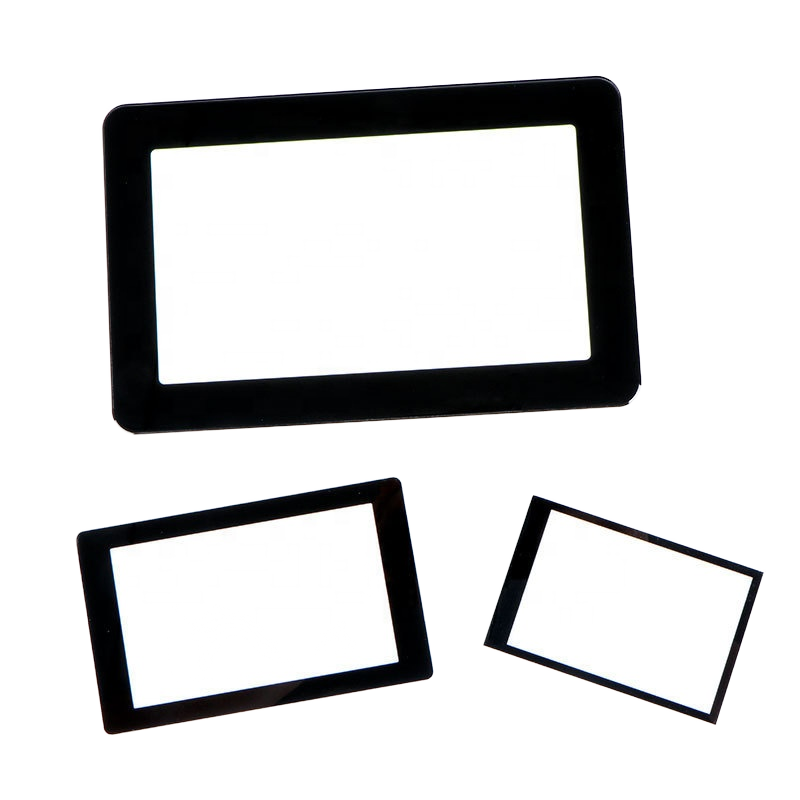
Waterproof Tempered Glass Touch Screen Panel
Extra-clear soda-lime tempered touch glass from 0.2 mm to 5 mm for outdoor gym controls, public kiosks and wet-area interfaces. Left-right switching control layouts, waterproof construction and durable surface engineering are available.
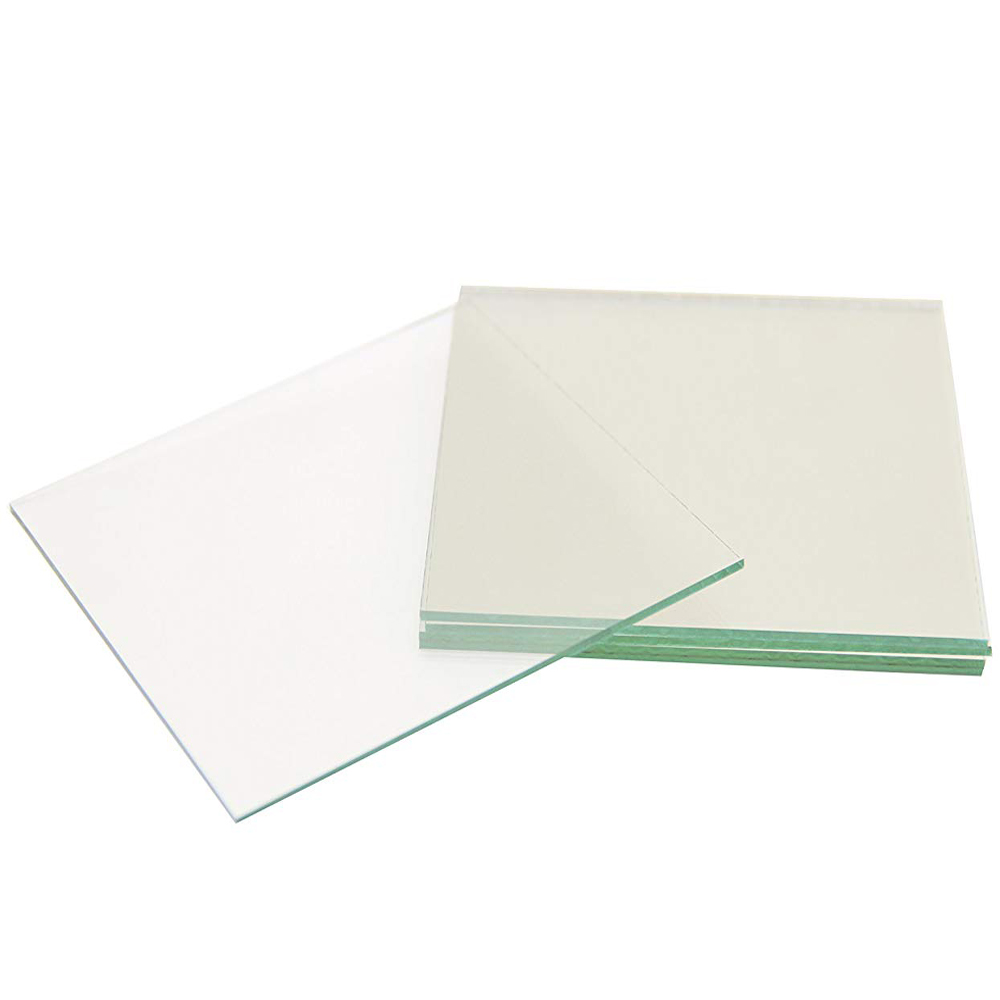
ITO/FTO Conductive Anti-Fog Glass
Custom 25 × 25 × 1.1 mm ITO/FTO coated toughened glass for laboratory displays, bathroom mirrors, solar research and anti-fog heating applications. Transparent conductive layers support touch sensing, heating and shielding functions.
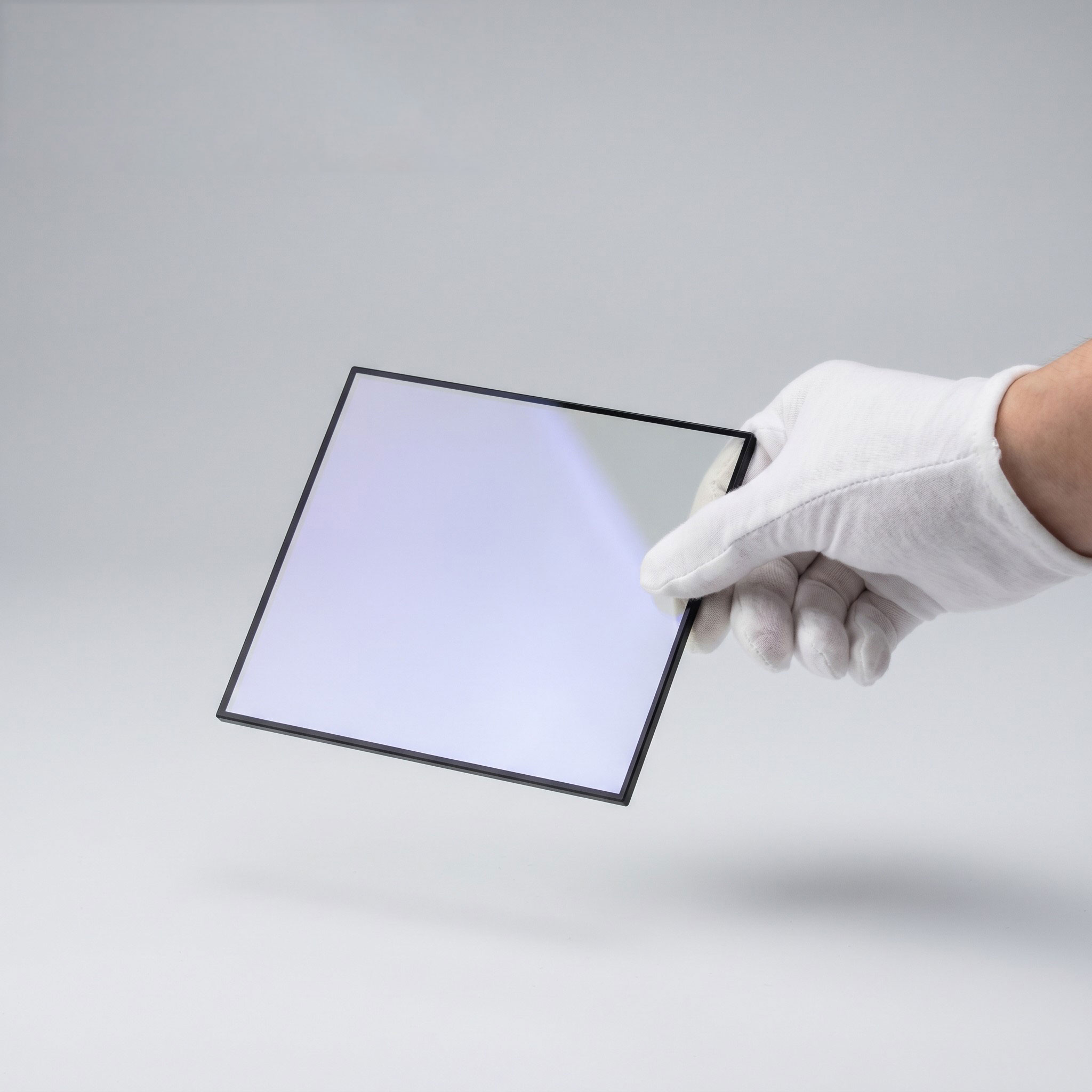
98% Transmittance AR Glass for Museum Showcases
High-transmittance anti-reflective glass with low reflectance for museum display cases, luxury picture frames and premium retail showcases. Available from 1 mm to 19 mm with customizable optical performance.
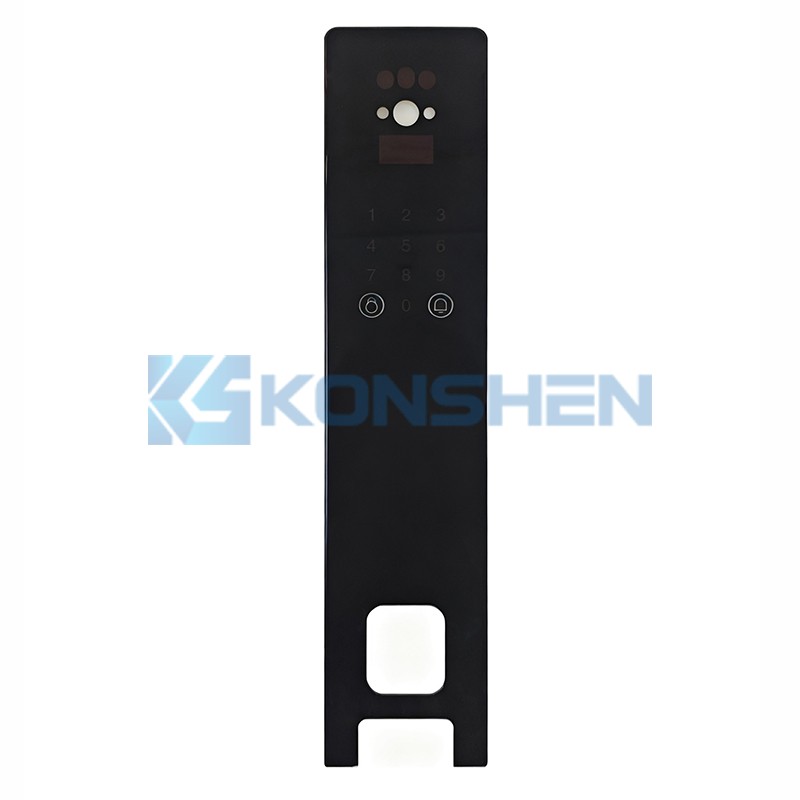
Printed Tempered Glass Keypad Panel for Smart Locks
Electronic tempered glass film with custom printed rectangular panel designs for digital keypads, smart door locks and access-control interfaces. Durable surface, precise printing and customized shapes support building-security OEM projects.
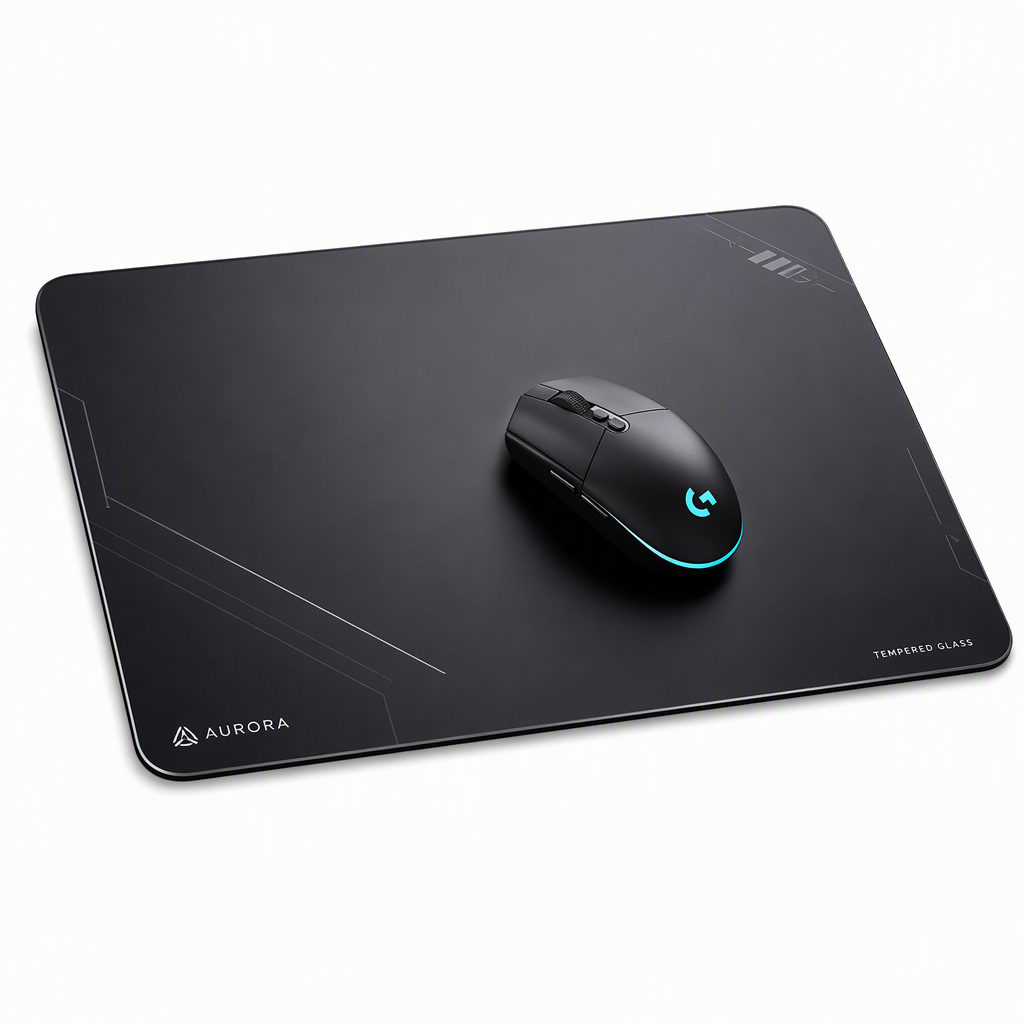
Tempered Glass Mouse Pad — 2 mm / 3 mm
Hard-surface tempered glass mouse pad with UV printing, custom logo and silicone base. A premium accessory for gaming brands, e-commerce wholesalers and Hamburg consumer-electronics distributors seeking differentiated peripherals.
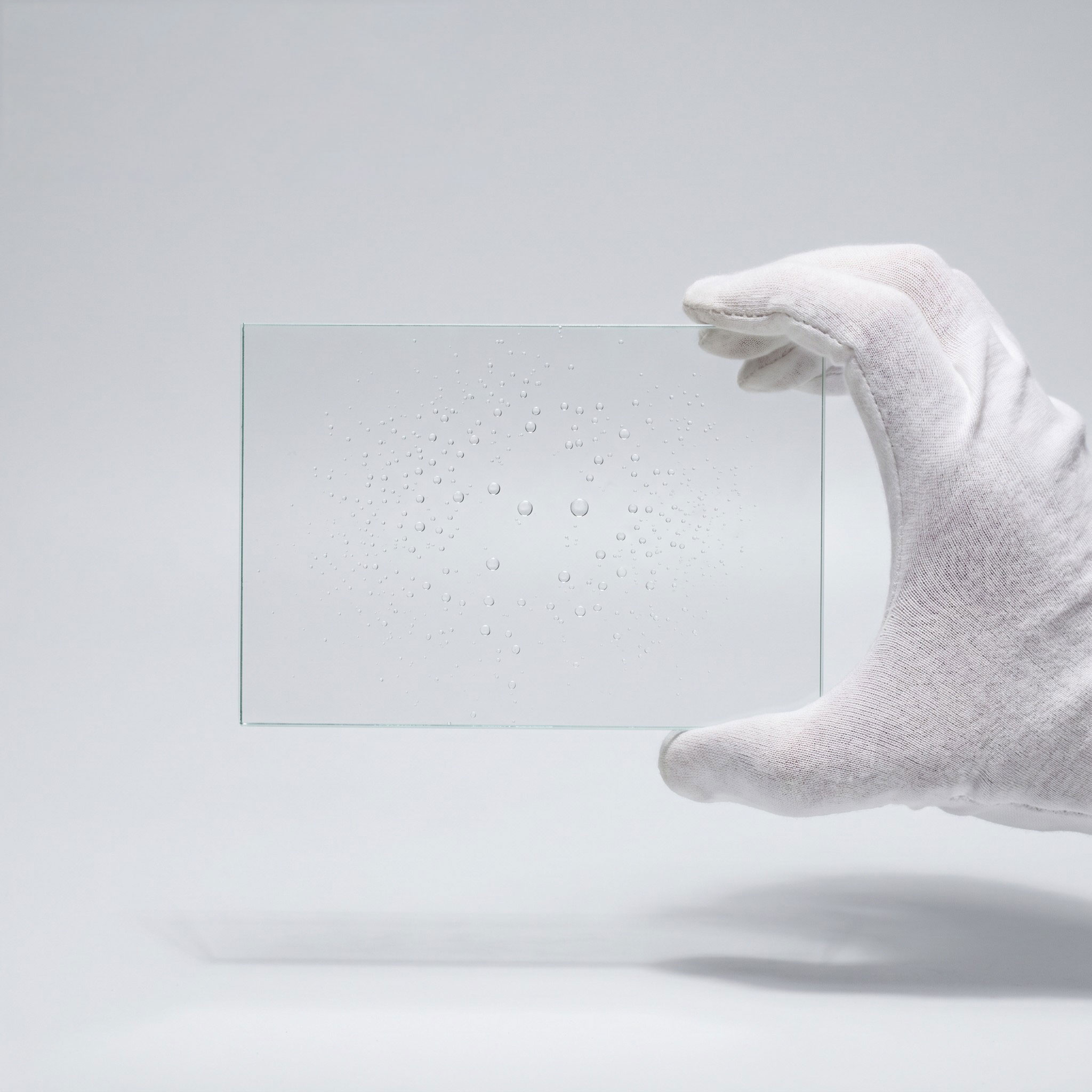
AF-Coated Toughened Glass Panel for Kitchen Electronics
High-transmittance AF-coated glass with CNC-cut custom shape for kitchen appliances, smart ovens, induction hobs and electronic device covers. Oleophobic surface resists fingerprints and simplifies daily cleaning.
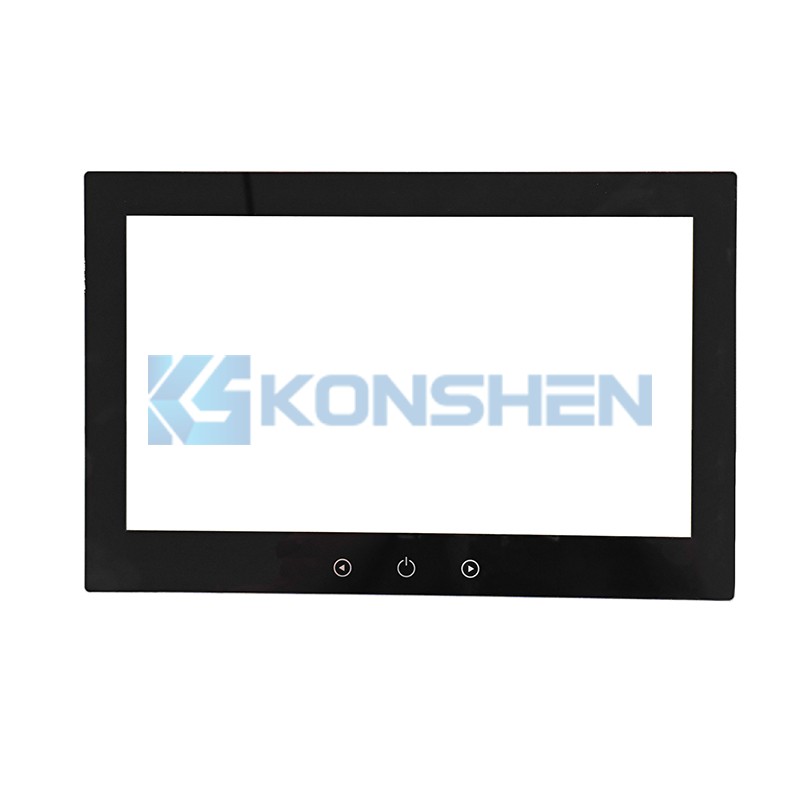
Black-Framed ITO Conductive Display Cover Glass
Custom black-framed ITO conductive tempered glass from 1 mm to 4 mm for industrial monitors, HMI panels and embedded display covers. Combines printed aesthetics with conductive function and tempered durability.
Need a combined stack such as AR+AG, AG+AF or ITO+printed black frame? Share your drawing, target optical values and annual volume, and KELO’s engineering team will review feasibility before quotation.
Manufacturing Depth Behind Every Hamburg Wholesale Quote
Wholesale buyers in Hamburg and Northern Germany need more than a product photo. They need a supplier whose process controls, engineering feedback and packing discipline can survive a real qualification cycle.
Factory floor area
Touch cover glass capacity
Employees on site
R&D engineers
Annual output value
Typical response time
Verified exporter
Store rating
Important terminology: in this guide, “OLED glass” refers to cover glass, display cover glass and functional coated glass used in front of, inside or around OLED display modules. KELO is a glass manufacturer and processor, not an OLED emitter or panel fabricator. This distinction protects procurement teams from mismatched supplier claims and keeps the discussion focused on substrate, coating, conductivity, geometry and reliability.
For Hamburg buyers, that means a practical supply conversation: can the glass be chemically strengthened or tempered for the enclosure, can the AR or AG coating meet the optical target, can the ITO or FTO layer achieve the required sheet resistance, and can the printed graphic survive cleaning? KELO’s value is in controlling those glass and surface-engineering variables under one roof.
Why Hamburg Is a Serious Market for Coated and Conductive Display Glass
Hamburg combines a major port, a dense engineering-services base, medical and life-science institutions, industrial automation, premium retail, museums and a growing smart-city agenda. Those environments place display glass into daylight, salt-air, high-touch and regulated-use conditions — exactly where standard clear glass often becomes the weak point.
For OLED and high-brightness display users, the glass is not merely a protective sheet. It influences perceived contrast, touch reliability, cleaning durability, optical bonding yields and the visual quality of the final product. A Hamburg design team specifying a digital kiosk in HafenCity, a maritime control terminal, a museum showcase or a smart-building access panel may need different coating stacks from the same factory.
- ✓Daylight readability: AG anti-glare and AR anti-reflective glass reduce reflected light so OLED and LCD content stays legible near windows, glass facades and outdoor transit areas.
- ✓High-touch hygiene and wear: AF anti-fingerprint coatings improve wipe-down performance on shared terminals, appliance panels and public access interfaces.
- ✓Maritime and industrial endurance: tempered or chemically strengthened glass, with controlled edge quality and reliable packing, reduces breakage from handling, vibration and repeated cleaning.
- ✓Transparent conductivity: ITO and FTO glass enable capacitive sensing, heating, anti-fog and EMI shielding functions without visually dominating the product.
KELO’s stated export distribution places 20% in Northern Europe, alongside 20% Eastern Europe, 20% North America, 15% Southern Europe, 15% Western Europe and 10% South America. For Hamburg, this is useful context rather than a local sales claim: it shows that European documentation, export packing and cross-border communication are already part of the factory’s operating routine.
KELO Export Market Distribution
Reported market mix from the original company profile. Use this as a supplier-fit indicator, not a Hamburg-specific demand forecast.
Where Display Glass Performance Is Tested Daily in Hamburg
Hamburg’s mix of port logistics, engineering, culture, healthcare and premium retail creates useful real-world use cases for OLED glass components and custom coated glass panels.
Daylight Retail and Transit Signage
HafenCity shopfronts, bus stops, station kiosks and public wayfinding screens need readable contrast in daylight. AG anti-glare glass diffuses reflections, while AR glass raises see-through clarity for premium showcases.
Maritime and Port Industrial HMI
Control terminals around the Port of Hamburg and maritime engineering environments face vibration, cleaning agents and salt-laden air. Tempered cover glass, precise edge quality and AF coatings support durable operator interfaces.
Medical, Lab and Life-Science Instruments
Hamburg’s medical and research ecosystem requires optical windows and display covers with reliable transmittance. AR glass improves clarity; ITO/FTO glass can support anti-fog heating and conductive sensor functions.
Automotive and Mobility Displays
Automotive suppliers and mobility innovators in Northern Germany increasingly use wide, curved and low-reflection display covers. AR-coated tempered glass and 2.5D/3D forming help integrate displays into cockpit and dashboards.
Smart Home, Kitchen and Access Control
Printed tempered glass panels enhance ovens, hobs, smart locks, intercoms and building-entry controls. AF coating keeps fingerprint marks under control; black-framed printed glass can hide circuitry and bond lines.
Museums, Luxury Retail and Showcases
Museum vitrines, art framing, jewellery displays and premium retail cases benefit from high-transmittance AR glass. Low reflection protects colour fidelity and reduces distracting light on the object behind the glass.
OLED Glass Specification Checklist for Hamburg Procurement Teams
Use this checklist during RFQ preparation. It helps separate cosmetic preferences from functional requirements and gives KELO’s engineers enough information to recommend the most economical glass stack.
| Specification Area | What to Define | Why It Matters in Hamburg Projects |
|---|---|---|
| Substrate & Thickness | Low-iron, soda-lime, borosilicate, quartz, sapphire or specialty glass; thickness from 0.1 mm to 19 mm; flat or curved. | Thickness affects weight, breakage risk, optical distance and mounting depth. Port and industrial projects may prioritise strength, while museum and display projects may prioritise clarity. |
| Optical Coating | AR reflectance target, AG haze range, AF contact angle and combined stacks such as AR+AG or AG+AF. | Hamburg’s daylight, glass architecture and public interiors create reflections. AG improves readability; AR maximises transmission; AF supports frequent touch and cleaning. |
| Conductive Layer | ITO or FTO; sheet resistance 1–20 Ω/sq; transmittance above 85%; haze below 2%; busbar and masking requirements. | ITO is common for capacitive touch, displays and EMI shielding. FTO is often selected where higher thermal and chemical stability is needed, such as thin-film solar or high-temperature processing. |
| Geometry & Strength | 2D or 2.5D/3D shape, holes, CNC cut-outs, edge grinding, tempered or chemically strengthened condition, tolerance drawing. | German engineering teams typically expect clear tolerance ownership and DFM feedback. Early review prevents cosmetic rejection and assembly mismatch after samples are approved. |
| Printing & Assembly | Silk-screen colour, black frame, icons, laser engraving, 3M adhesive, protective film and optical bonding compatibility. | Printed glass panels hide circuits and create brand-quality interfaces. Adhesive and bonding choices affect assembly yield and field-service repair. |
| Reliability & Packing | Appearance standard, adhesion, abrasion, salt-spray, thermal or cleaning tests; honeycomb cartons, blister trays and partition packing. | Sea freight, courier handling and Northern European humidity make packing a quality variable. Custom packing reduces scratches and edge chips before the goods reach Hamburg. |
A strong RFQ usually includes: 2D/3D drawing, annual volume, sample quantity, coating targets, appearance limit sample, destination postcode and preferred Incoterms. These details allow KELO to quote with fewer assumptions and fewer revision cycles.
Trends Reshaping OLED Glass Demand in Hamburg and Northern Germany
Demand is moving away from generic “clear glass” purchases toward application-specific surface engineering, shorter custom runs and stronger documentation.
Daylight-readable interfaces
More public screens are being placed near glazing, outdoor plazas and transit stops. Anti-glare and anti-reflective coatings are becoming specification items rather than upgrades.
Port and maritime digitalisation
Terminal automation, shipboard monitoring and logistics HMI require robust glass covers with reliable sealing, touch performance and cleanability.
Medical and lab automation
Life-science equipment, diagnostic displays and analytical instruments place a premium on optical clarity, anti-fog functionality and stable conductive layers.
Museum-grade visual fidelity
Cultural institutions and premium retailers demand low-reflection glass that preserves colour, contrast and detail in controlled lighting.
Customisation at wholesale scale
Buyers want one supplier for cut size, printing, coating and bonding. This reduces handling damage, improves accountability and shortens engineering loops.
Lower-risk logistics
Northern European buyers increasingly ask for DDP quotations, damage-proof packaging and clear lead-time assumptions before releasing purchase orders.
Factory-Direct Engineering for Hamburg Wholesalers and Brand Owners
Huizhou KELO Glass Co., Ltd. is a factory-direct manufacturer located in Huizhou, Guangdong, within the Greater Bay Area electronics supply chain. The company focuses on touch screen cover glass, display cover glass and optical coated glass, with surface treatment as its core technical strength.
For a Hamburg buyer, the advantage is not simply a lower unit price. It is the ability to review a drawing, challenge a tolerance, validate an optical target and then keep the same process route during mass production. Cutting, CNC machining, edge polishing, silk-screen printing, flat and curved tempering, coating and adhesive bonding are handled in-house, which reduces finger-pointing between separate workshops.
Three Inspection Gates Before Any OLED Glass Leaves the Factory
Quality is built into the route, not inspected in at the end. For exported glass, the most expensive defect is often the one discovered after sea freight or after the customer has already bonded the part.
Incoming Inspection
Raw glass and consumables are verified for thickness, flatness, surface defects and material consistency before production begins. This gate protects downstream CNC and coating yield.
In-Process Control
Critical dimensions, hole positions, edge quality, tempering condition and coating results are checked at the relevant stations. Deviations are addressed before additional value is added.
Final Inspection & Packing
Finished pieces receive appearance inspection and release checks before protective packing. Honeycomb cartons, blister trays and partition packing are selected to reduce transit damage.
For Hamburg buyers, sample approval should be treated as a specification lock. Keep the approved drawing, optical target, printing colour, appearance limit sample and packing method together in the purchase dossier. When those references are clear, KELO can align production and inspection more consistently, and the buyer has a reliable baseline for incoming inspection in Germany.
Local Procurement Questions Before a First Wholesale Order
These are the practical questions that usually determine whether a custom glass project moves smoothly from sample to purchase order.
What does “OLED glass” mean in KELO’s product range?
It refers to glass components used with OLED display modules and related electronic products: tempered or chemically strengthened cover glass, AR/AG/AF coated display glass, ITO/FTO conductive glass and printed glass panels. KELO does not manufacture OLED emitters or panels; it manufactures and processes the glass substrate and surface functions around the display.
Can you send samples to Hamburg before a wholesale order?
Yes. Sample orders can start from 1–2 pieces so your team can validate fit, optics, touch integration and coating performance. For the fastest review, send a drawing, target thickness, coating requirement, surface finish, annual volume and the destination postcode in Hamburg or Northern Germany.
Which coating is better for a Hamburg outdoor or daylight display?
For reflected glare, specify AG anti-glare glass with a defined haze range. If the priority is maximum light transmission and minimum ghost reflection, specify AR anti-reflective glass. In demanding daylight locations, an AR+AG stack can be considered, but the final choice should be confirmed against the display brightness, viewing distance and appearance standard.
How do you ship custom glass to Hamburg and Northern Germany?
Depending on size, weight and urgency, shipments can be arranged by courier, air freight or sea freight to Hamburg and onward delivery within Germany. KELO supports trade terms including FOB, CFR, CIF, EXW and DDP. For DDP quotations, please provide the destination postcode and a clear description of the product so freight and import considerations can be reviewed.
What lead time should a Hamburg buyer plan for?
Bulk lead time is typically 21–31 days after sample approval, depending on size, coating stack, curved forming, printing complexity and order quantity. Prototype or sample timing depends on the drawing and process route. For projects with fixed installation dates, share the target date at inquiry stage so production and shipping can be planned together.
What trade terms and payment methods do you support?
KELO supports FOB, CFR, CIF, EXW and DDP terms, with payment methods including T/T, L/C, PayPal and Western Union. Orders placed through Alibaba.com can be protected by Trade Assurance. Buyers should confirm the final contract terms, inspection standard and packing specification in writing before production.
Send Your Drawing, Optical Target and Annual Volume
If you are sourcing OLED display cover glass, AR/AG/AF coated glass, ITO/FTO conductive glass or printed tempered panels for the Hamburg market, start with a focused engineering review. Share the drawing, application environment, target performance and delivery postcode — KELO’s team can recommend the most cost-effective substrate, coating stack and packing route.