Oleophobic-ready glass products for Mexico City projects
These product routes are quoted from real substrate, machining and coating combinations. AF oleophobic coating can be reviewed for any part where the surface stack, touch interface and cleaning chemistry allow it — from one or two validation samples to recurring production for Mexican brand owners, distributors and contract manufacturers.
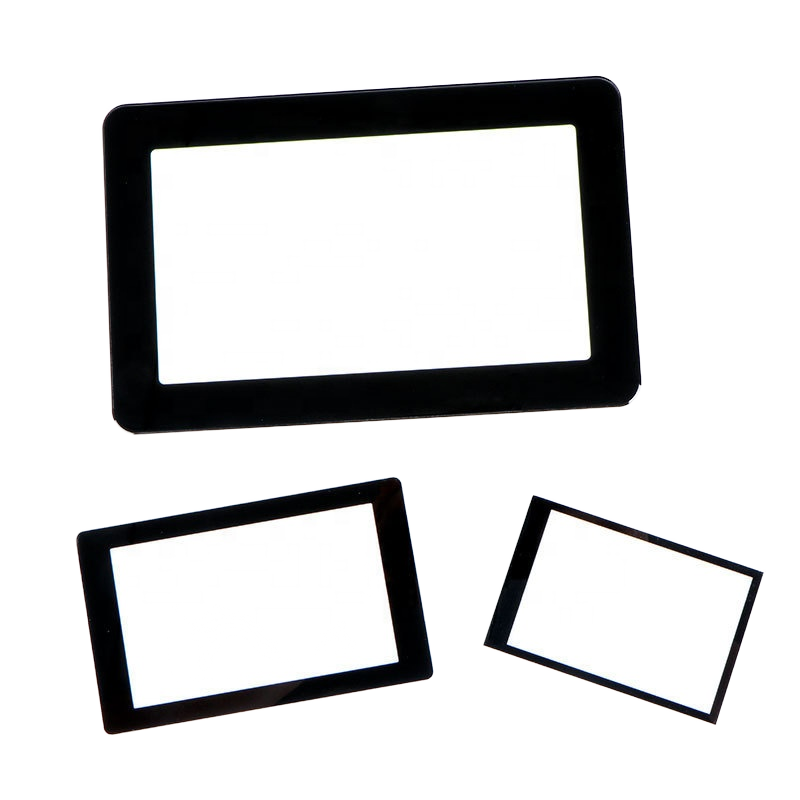
Wholesale Left Right Switching Control 0.2mm 5mm Soda Lime Extra Clear Tempered Glass Touch Screen Panel Outdoor Gym Waterproof
Waterproof outdoor touch panel concept for gyms, public fitness stations and humid service areas. AF coating helps resist sweat, sunscreen and repeated cleaning.
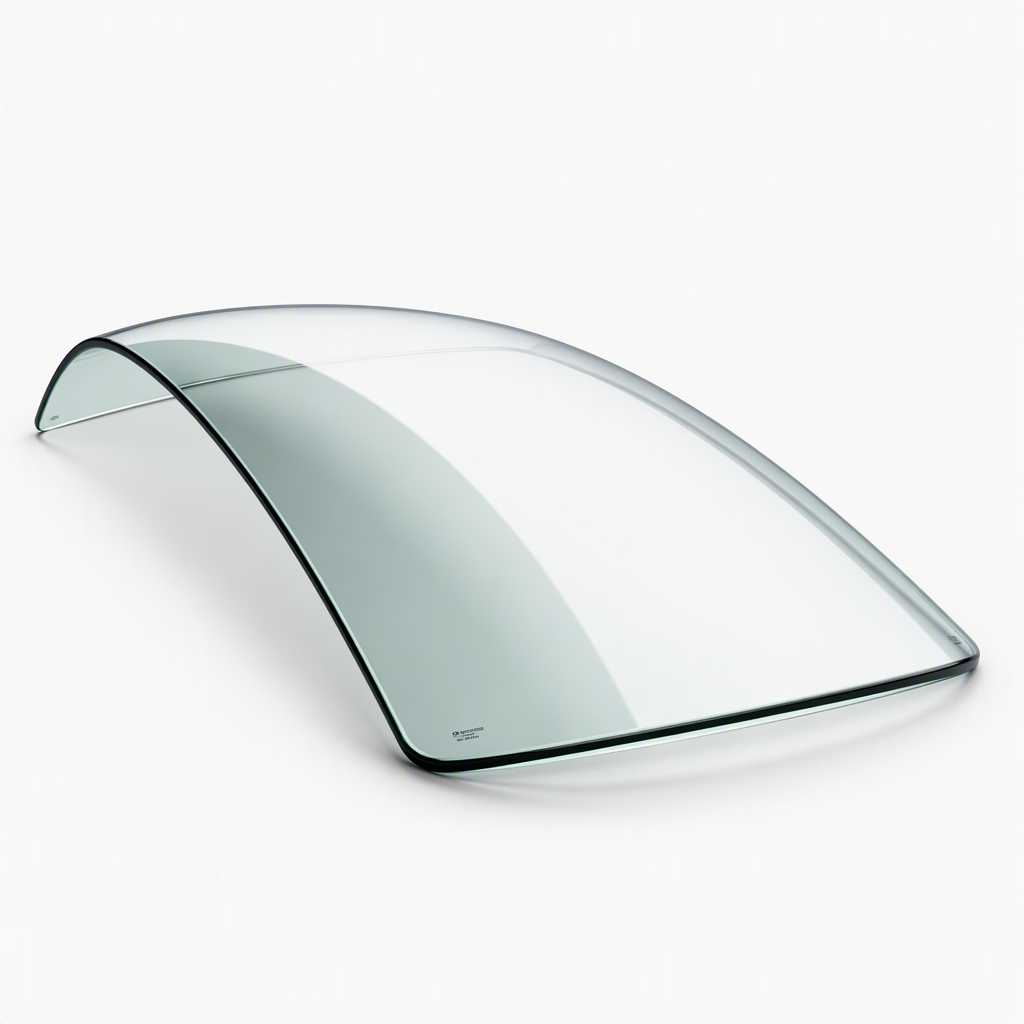
Hot Bent Glass Curved Tempered Glass Panel Small Radius Arc Shaped Custom Curved Glass For Automotive Display OEM ODM
Small-radius curved glass for automotive displays and center stacks. A strong match for AR+AF stacks where driver readability and smudge control matter.
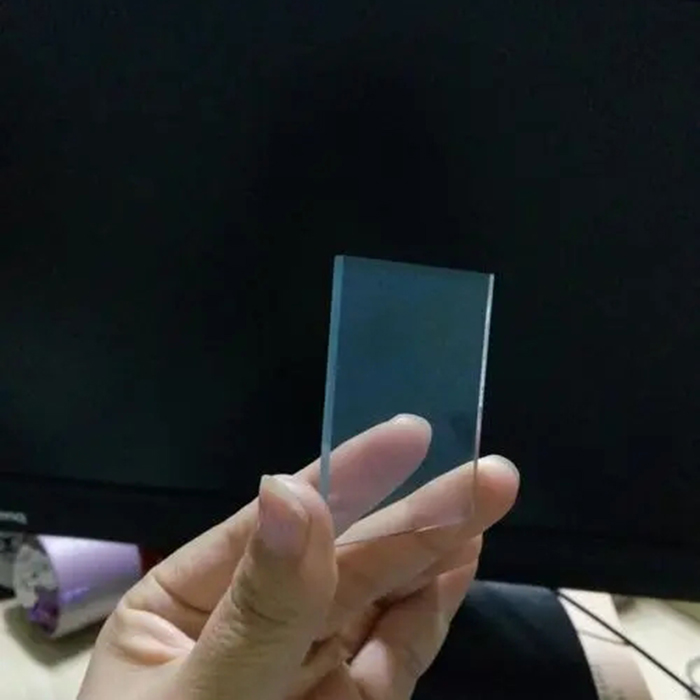
1.1 2.2mm Solid Flat Square Indium Tin Oxide (ITO) Coated Conductive Glass and FTO Conductive Glass for Lighting Applications
Transparent conductive glass for lighting, sensors and thin-film R&D. Where AF is not required, preserve the conductive layer and haze target first.
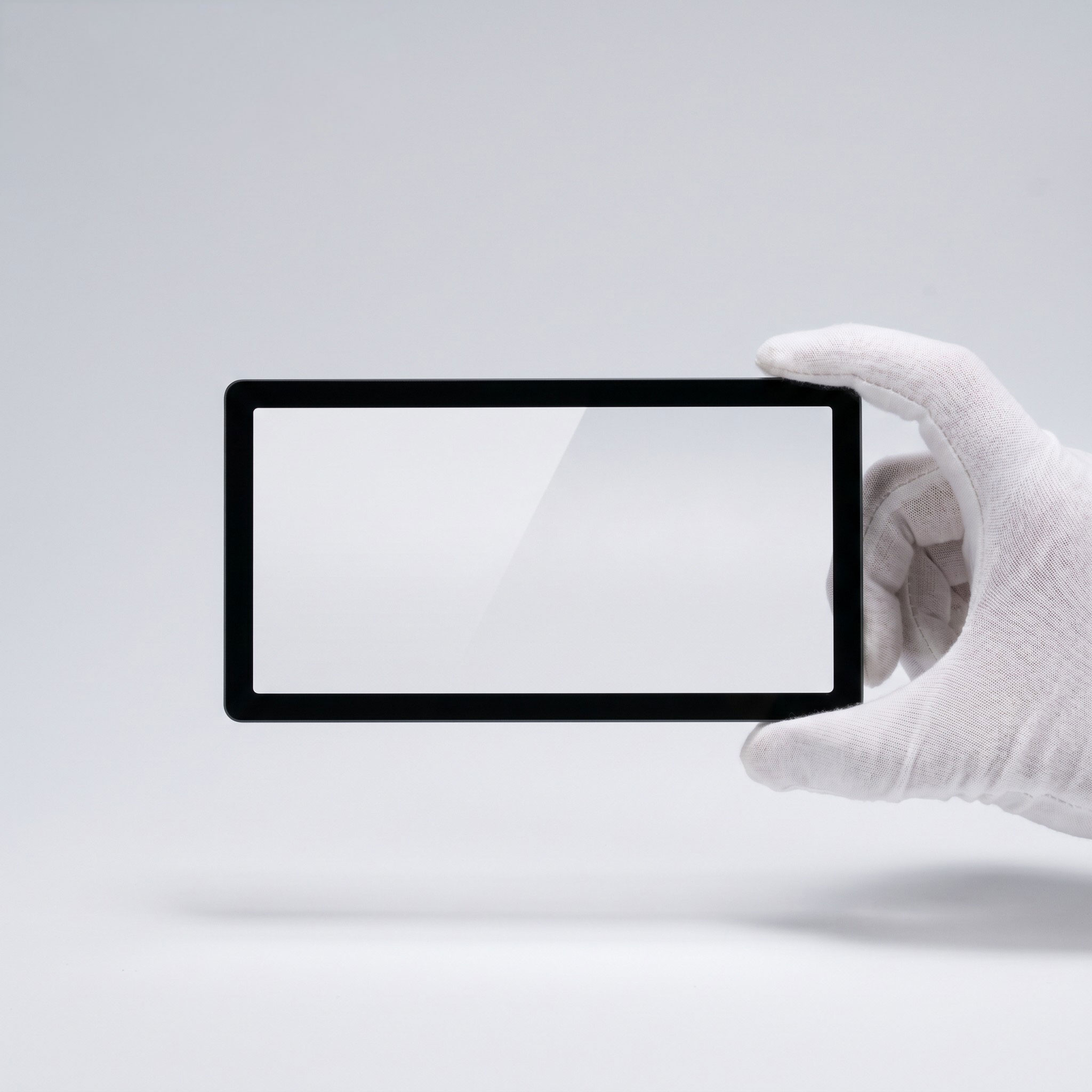
Custom Size Gorilla Glass Front Panel Panda Cover Sheet CNC Cut Silk Printed Tempered Glass Solar Display Screen Cover
Custom Gorilla glass front cover with CNC cut and silk print. AF can be added for exposed display covers that face public handling.
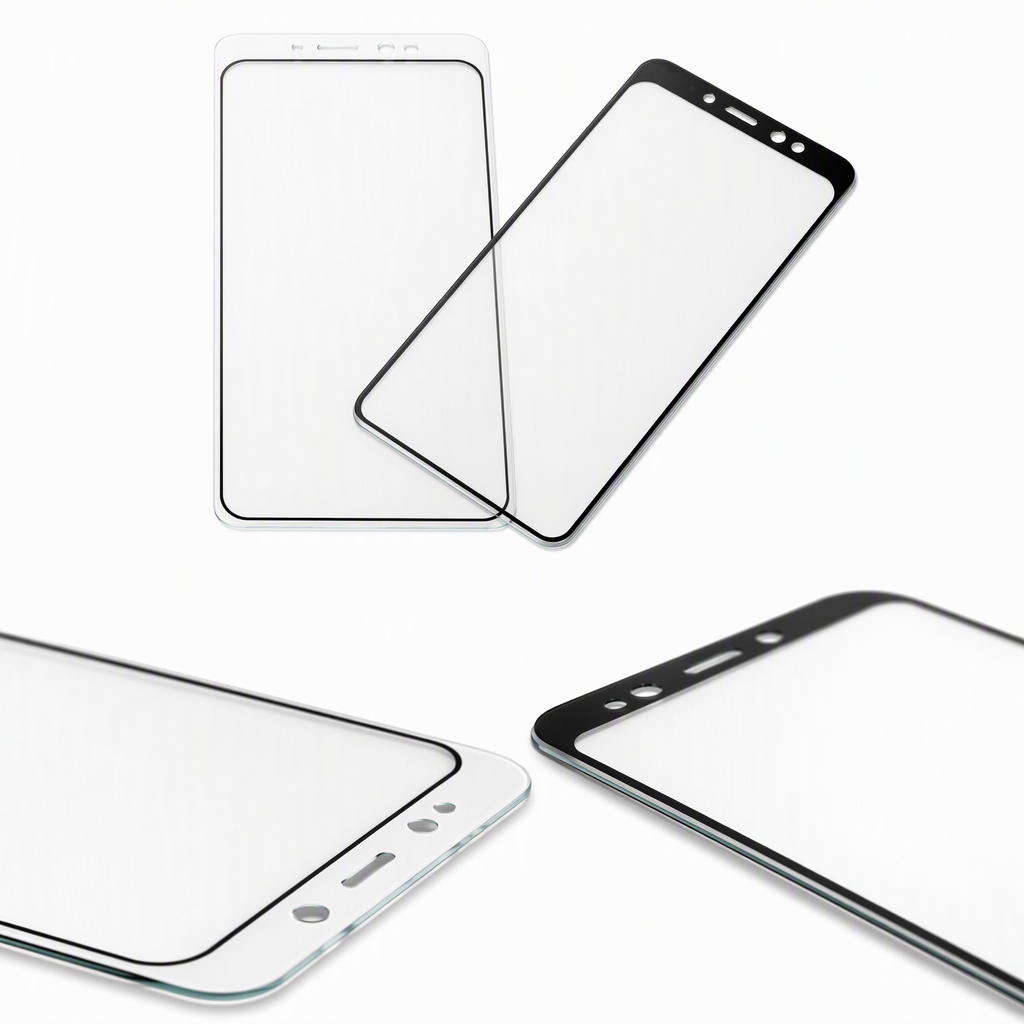
Toughened Glass Panel No Coating CNC Hole Drilling Irregular Shape Silk Screen Printed Custom Size Wholesale Supplier
Irregular toughened black-print glass with CNC holes for enclosures, appliances and industrial covers. Oleophobic coating can be quoted after DFM review.
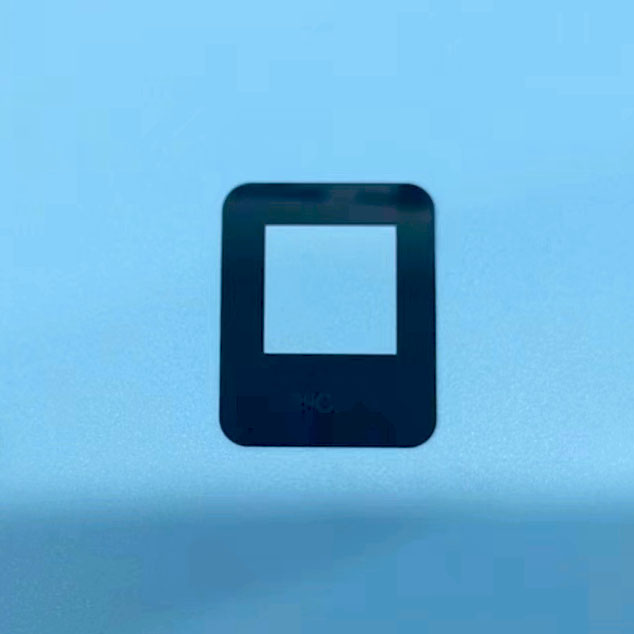
Tempered Glass Front Shield Cover Panel Custom Size Electronic Display Protection Sheet for Smart Device Konshen KS GB002
Protective front shield for smart devices and electronic displays. Easy-clean AF surface is well suited to touchpoints in medical, retail and home environments.
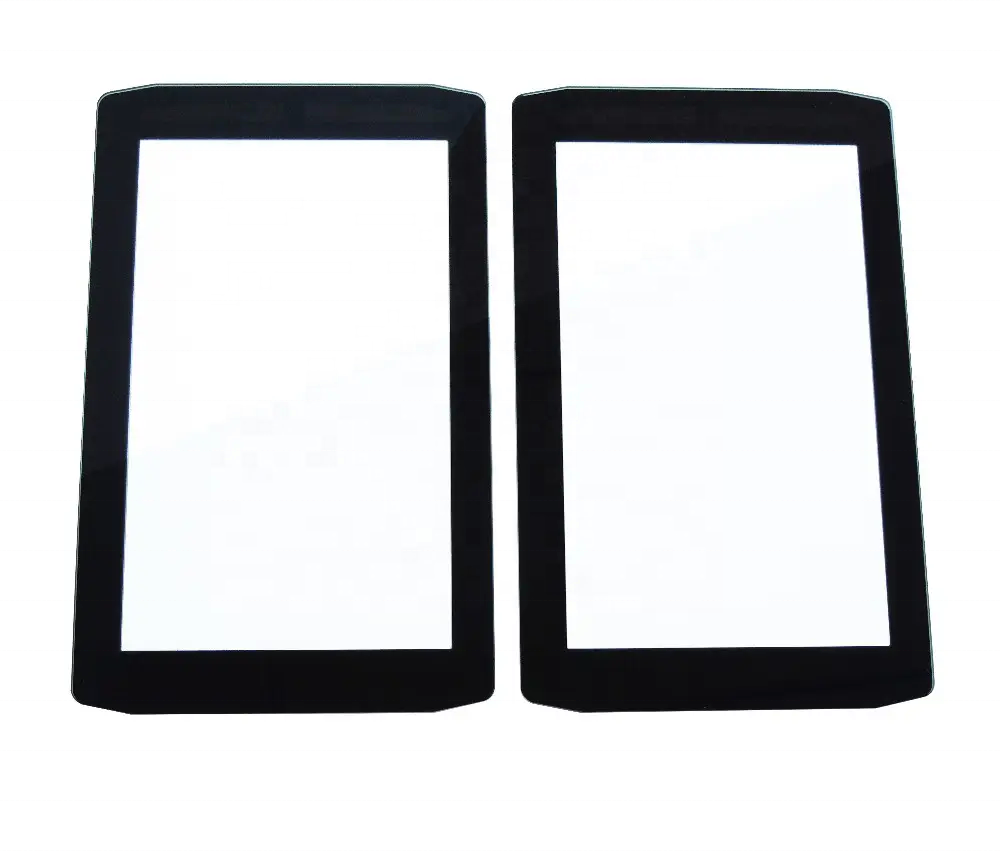
AG High Quality Solid Tempered Glass Anti-Glare Digital Screen Display Customizable Touch Screen Panel Factory Direct Outdoor
Outdoor anti-glare touch panel route for sunlit kiosks and transit interfaces. AG diffuses reflections; AF reduces fingerprints and simplifies cleaning.
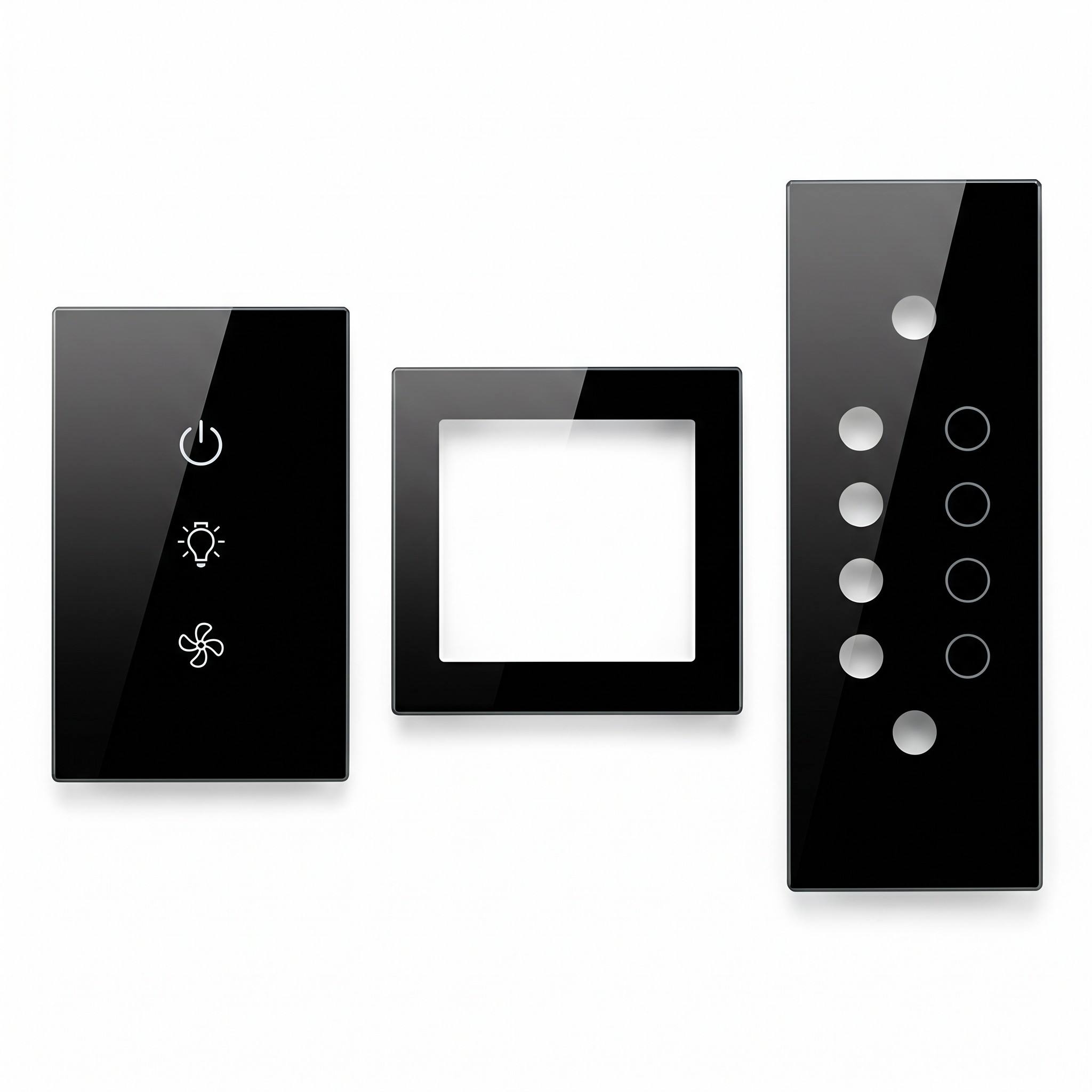
1mm Black Tempered Glass Switch Socket Panel Flat Solid Wall Cover with Print
1 mm black tempered switch and socket panel for smart-home and hospitality fit-outs. AF coating keeps kitchen, bathroom and rental units easier to maintain.
Why oleophobic glass must be specified for local touch conditions
Mexico City is not a generic export destination. Public terminals, premium retail, medical devices and automotive displays all pass through a high-contact, high-expectation operating environment. For procurement teams, the right question is not simply “Can you supply coated glass?” but “Can you hold the same contact angle, clarity and appearance after shipping, assembly and repeated cleaning?” That is where an experienced oleophobic glass factory and exporter matters.
High-touch interfaces
Mexico City's retail, hospitality, banking and transport sectors expect touch panels to look clean after thousands of interactions. AF oleophobic coating lowers fingerprint adhesion, supports easier wiping and helps protect the perceived quality of the device.
Sun, dust and smog
Outdoor kiosks and transport displays face strong reflections, dust and cleaning cycles. A combined AG+AF stack is often more useful than a single coating because it addresses glare and fingerprints at the same time.
Nearshoring pressure
Many Mexico City buyers now serve automotive, appliance, medical and electronics programmes with shorter replenishment cycles. A factory that controls cutting, CNC, printing, tempering and coating in-house can reduce hand-off risk and protect launch dates.
Documentation discipline
Mexican importers and their brokers need consistent packing marks, commercial invoices, packing lists and technical data. Bilingual labels, coating reports and sample records help avoid delays between the factory, freight forwarder and Mexico City warehouse.
Where oleophobic glass creates measurable value in Mexico City
The most successful projects start from the operating context rather than a catalogue page. These are the six application conversations KELO Glass most often has with Mexico City buyers, brand owners and integrators.
Automotive displays
Center consoles, instrument clusters and rear-seat screens benefit from AR+AF glass. AR lowers reflections for readability, while AF reduces fingerprints after touch input. Small-radius 2.5D or 3D forming is often specified for premium interiors.
Medical and diagnostics
Diagnostic monitors, instrument windows and point-of-care terminals require stable optical clarity and easy-clean surfaces. AR glass, AF coating and careful packing are frequent requirements for Mexico City medical-device teams and their contract manufacturers.
Outdoor kiosks and transit
Sunlight-readable touch panels in public spaces need AG anti-glare treatment and a durable oleophobic surface. Tempered cover glass with waterproof bonding and controlled haze is a practical specification for ticket machines, wayfinding and payment terminals.
Smart home and switch panels
Black tempered switch and socket panels are common in premium apartments, hotels and renovation projects. AF coating improves the day-to-day feel and helps bathroom and kitchen panels stay visually clean between maintenance visits.
Hotel and commercial bathroom
Mexico City's hospitality and commercial-property sector uses glass control panels for lighting, mirrors and bathroom fixtures. Oleophobic surfaces reduce visible smudges and support easier cleaning routines in high-turnover rooms.
Solar, lighting and sensors
ITO and FTO conductive glass supports lighting applications, thin-film solar work and sensor development. When an oleophobic top coat is unnecessary, the priority shifts to sheet resistance, transmittance and haze consistency.
What to put in a Mexico City RFQ for oleophobic glass
An oleophobic glass quote becomes useful only when the coating target is connected to the operating environment. A panel used in a hotel bathroom does not need the same coating stack as an automotive display or an outdoor payment kiosk. For that reason, KELO Glass asks buyers to define the substrate, size, thickness, edge finish, printing, touch interface, cleaning chemistry and expected service life.
Use the performance windows below as a starting point. They reflect production capabilities confirmed during engineering review; final values are agreed against your drawing, sample and test method.
- AF water contact angle target of >110°, with durability testing beyond 10,000 cycles.
- AR reflectance below 1.0% per side and transmittance above 99% for high-clarity displays.
- AG haze between 5% and 60% with gloss from 0.5 to 8 GU for sunlit interfaces.
- ITO/FTO sheet resistance of 1–20 Ω/sq with transmittance >85% and haze <2%.
- 100% appearance inspection plus adhesion, abrasion, tempering and salt-spray checks.
Coating and quality data visualisation
How local procurement is changing for coated glass
Mexico City buyers are not only comparing price per piece. They are comparing documentation quality, shipment protection, sample responsiveness and the ability to support a product after the first container arrives. These shifts create both opportunities and risks for import programmes.
Nearshoring and dual sourcing
More Mexican manufacturers and brand owners are adding secondary suppliers to protect against freight volatility. A factory-direct partner with documented coating data and stable lead times can support dual sourcing without duplicating every process locally.
Combined coatings are winning
Single-function coatings are increasingly replaced by AG+AF or AR+AF stacks. One substrate then delivers glare control, optical clarity, oleophobic performance and touch durability — useful when assembly space and weight are constrained.
Spanish documentation readiness
Purchase teams in Mexico City often need bilingual packing labels, product descriptions and technical summaries for internal approval. Clear English–Spanish documentation reduces back-and-forth between engineering, customs brokers and receiving teams.
Packaging as part of quality
Long-haul glass shipments need more than a strong carton. Honeycomb cartons, blister trays, partitions and controlled stacking protect optical surfaces and printed edges from handling damage between Huizhou and Mexico City.
Which glass specification fits your Mexico City use case?
These recommendations are starting points for engineering discussion, not fixed catalogue rules. The substrate, coating stack and packing specification should always be confirmed against the assembly process, cleaning procedure and service environment.
Public touch kiosk
Specify tempered cover glass with AG+AF, a controlled haze window and 2.5D edge polishing. For outdoor payment, transit or wayfinding terminals, include waterproof bonding requirements and a cleaning-cycle target in the RFQ.
- AG haze and gloss confirmed by sample
- AF durability and cleaning compatibility
- Tempered glass and protected edges
Automotive display
Use AR+AF on 2.5D or 3D formed glass where driver readability and smudge control are priorities. Gorilla glass or soda-lime options can be reviewed against the curvature, optical target and volume forecast.
- Reflectance <1.0% per side target
- Small-radius curved forming
- Silk print, CNC and bonding review
Smart switch panel
Choose 1 mm black tempered glass with silk printing, CNC holes and AF oleophobic coating. This is a practical route for hotels, apartments, bathrooms and premium residential renovation projects in Mexico City.
- 1 mm flat black glass
- Anti-fingerprint surface
- Custom print and packaging
Medical and optical
Prioritise optical clarity, substrate choice and inspection discipline. AR glass, quartz, sapphire and AF coating may all be evaluated depending on the instrument, cleaning method and regulatory file owned by the Mexican importer.
- AR coating and optical inspection
- Quartz or sapphire windows
- Protective clean packing

Why Mexico City buyers verify the factory before the quotation
Huizhou KELO Glass Co., Ltd. is a factory-direct manufacturer located in Huizhou, Guangdong, inside China's Greater Bay Area electronics supply chain. For Mexico City buyers, the advantage is not simply a lower unit price; it is the ability to keep critical processes, coating measurement and final inspection under one accountable roof.
Every key step — cutting, CNC machining, edge polishing, silk-screen printing, flat and curved tempering, AR/AG/AF/ITO/FTO coating, 2.5D/3D forming and 3M adhesive bonding — runs in-house. That reduces handling damage, clarifies responsibility and protects the specification approved at the sample stage.
- Factory floor area of 10,000–30,000 m² and 101–200 employees on site.
- 21–30 R&D engineers supporting drawing review, DFM and custom coating stacks.
- 20–25 million pieces per year touch cover glass capacity and US$50–100 million annual output value.
- 4.9/5 store rating, 98.18% reply rate and typical response within one hour.
- Samples from 1–2 pieces; bulk lead time typically 21–31 days after approval.
- Trade Assurance support, with FOB, CFR, CIF, EXW and DDP terms available.
Built for repeatable oleophobic performance, not one-off samples
A sample that feels smooth is not enough. The production question is whether the same appearance, contact angle, printing alignment and edge quality can be repeated across the order. KELO Glass structures quality control around incoming materials, in-process checks and final appearance inspection.
In-house forming
Cutting, water-jet cutting, CNC machining, hole drilling, edge polishing, laser engraving, sandblasting and silk printing are handled internally. This supports irregular shapes, printed borders and assembly-ready edges.
In-house coating
AR, AG, AF, ITO and FTO coating are not outsourced. Each coated batch is measured and visually inspected before release, with final targets confirmed against the drawing and agreed test method.
Three inspection gates
IQC verifies incoming glass and consumables; IPQC checks CNC dimensions, tempering and coating adhesion; FQC/OQC adds 100% appearance inspection plus abrasion and salt-spray reliability checks where required.
Export packing
Custom honeycomb cartons, blister trays and partition packing are used to minimise transit damage. Packing marks can be prepared for the importer, forwarder and Mexico City receiving team.
A practical route from drawing to Mexico City delivery
The fastest projects are usually the ones with a clear drawing, an honest volume forecast and a sample approval process. KELO Glass supports buyers in Mexico City through a structured OEM/ODM workflow, with English technical discussion and documentation support for the importer and freight forwarder.
Share the application brief
Send the drawing or sample, target size, thickness, edge shape, printing, coating requirement, annual volume and destination in Mexico City.
Engineering and DFM review
The team reviews tolerance, glass material, curved forming, coating stack and cost drivers. For oleophobic parts, the cleaning method and touch use are discussed early.
Rapid prototype validation
Samples can start from 1–2 pieces so the buyer can validate fit, optics, AF feel and durability before committing to volume production.
Mass production and shipment
After approval, bulk lead time is typically 21–31 days. Air freight can support urgent samples to Mexico City; sea freight through Manzanillo or Lázaro Cárdenas is common for volume orders.
Common questions from local importers and product teams
These answers reflect the practical questions that appear before a first sample order or a repeat production order for Mexico City. For product-specific advice, share the drawing and operating conditions so the engineering team can respond precisely.
What does “oleophobic glass” mean, and how can I verify it?
Can I order one or two samples before mass production for Mexico City?
Which glass product should I choose for an outdoor kiosk in Mexico City?
Do you provide Spanish labels and import documents?
What lead time should I plan for a Mexico City delivery?
Can AF oleophobic coating be combined with AR or AG coating?
How do you pack oleophobic glass to avoid damage during export?
Which trade terms, payment methods and order protection are available?
Send your drawing or Mexico City application brief
Share the glass size, thickness, edge shape, printing, coating target and annual volume. The engineering team will review feasibility for AF oleophobic glass, AG+AF, AR+AF, tempered cover glass or ITO/FTO substrates and recommend a practical production route for Mexico City delivery.