Optical Glass Window Factories & Supplier for the Portland Market
KELO Glass engineers tempered cover glass, AR/AG/AF optical windows, ITO/FTO conductive glass and custom printed panels for Portland-area OEMs, distributors, medical device teams, clean-energy projects and gaming brands.
Eight optical glass product routes for Portland OEMs
Use these eight routes as a sourcing shortlist. Each product page link is preserved for spec review; every item can be customized by drawing, coating stack, printing, thickness and surface finish.
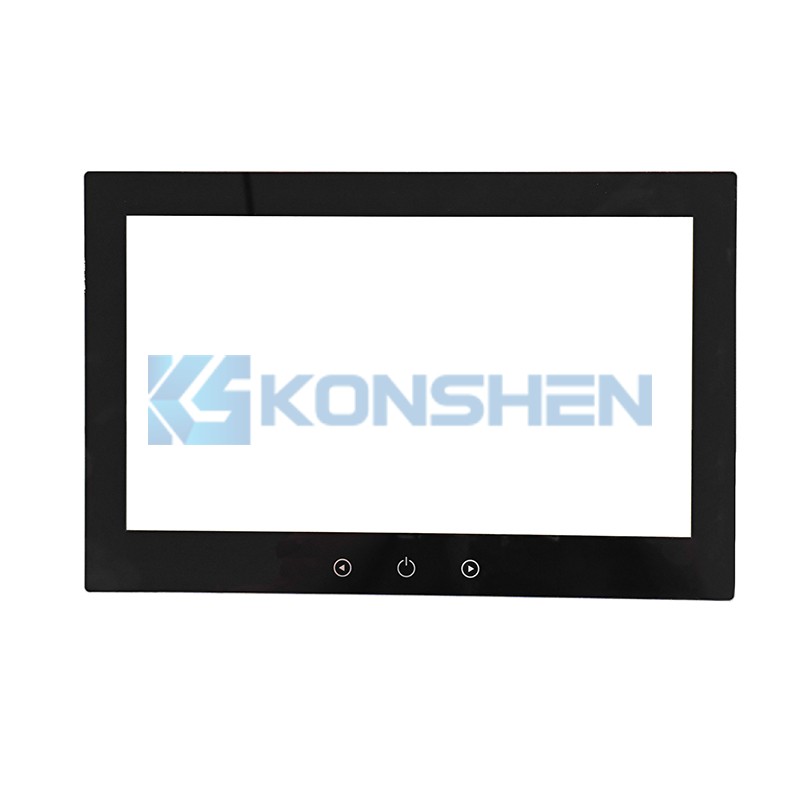
Electronic ITO Conductive Tempered Glass Custom Black Framed 1–4 mm Display Cover
Recommended for industrial monitors, cleanroom HMIs and automation terminals in the Hillsboro and greater Portland electronics supply chain. The black frame hides busbars and bonding lines while ITO supports touch sensing and EMI control.
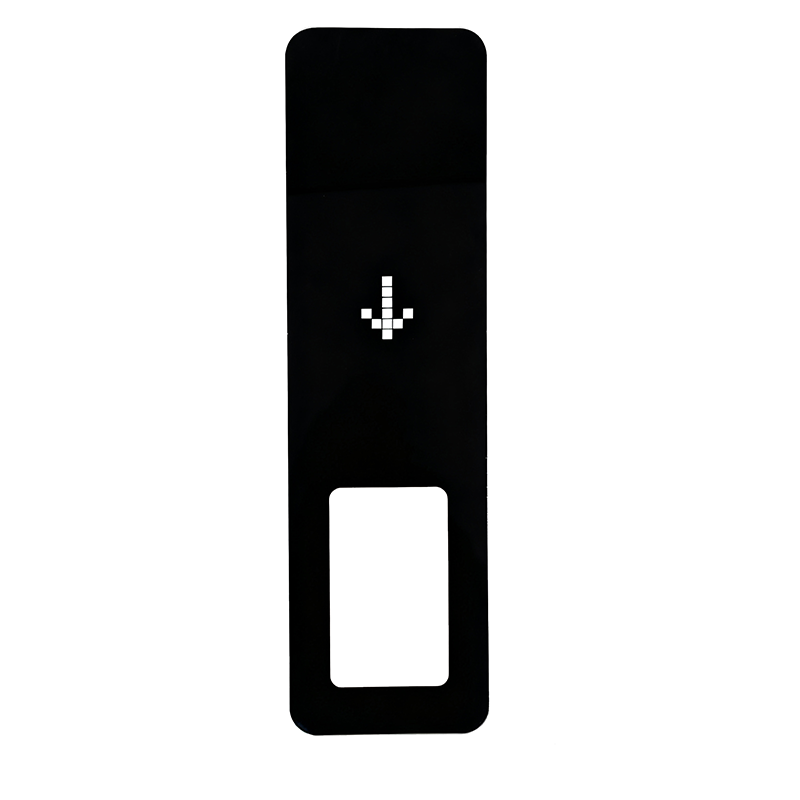
Customized Cutting Elevator Indicator Arrow Printing Touch Smart Control Elevator Panel Use Glass
Decorative, cut-to-shape glass with arrow printing for elevator fixtures, access control and building directories. A strong fit for Portland multifamily, hospitality and commercial retrofit projects that need durable, easy-clean touch surfaces.
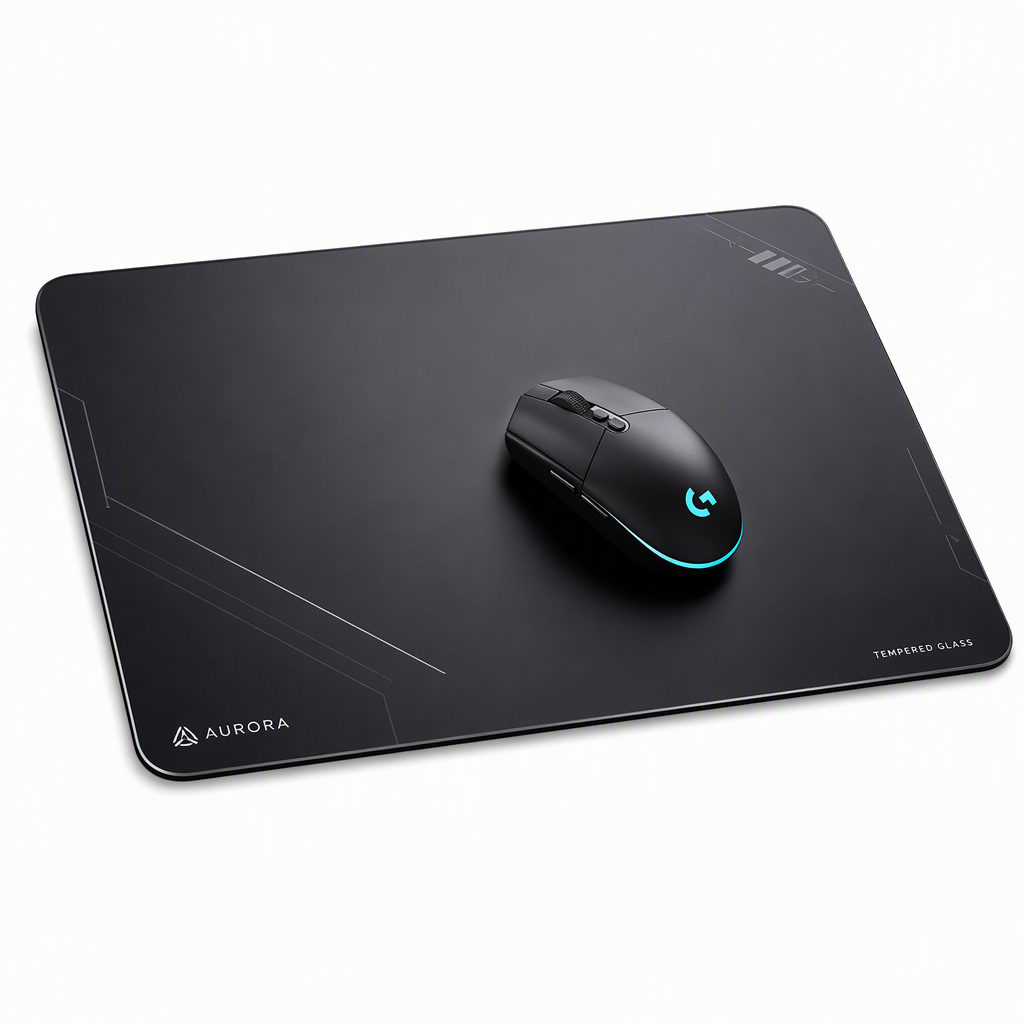
Tempered Glass Mouse Pad 2 mm 3 mm Hard Surface Glass Mousepad UV Printing Custom Logo Silicone Base OEM
Premium hard-surface mouse pads for gaming brands, DTC sellers and esports teams. Portland’s gaming, creator and outdoor-lifestyle crossover market responds well to custom color, UV-printed logos and stable silicone bases.
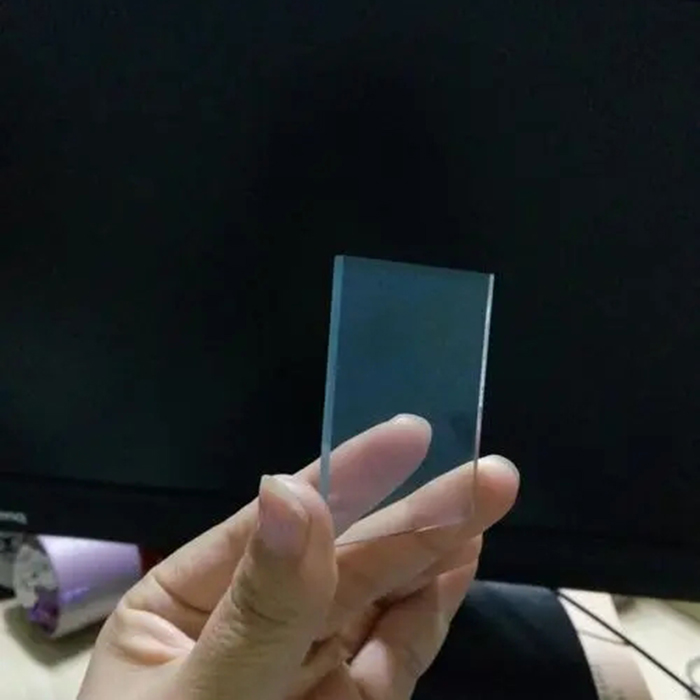
1.1 / 2.2 mm Solid Flat Square ITO Coated Conductive Glass and FTO Conductive Glass for Lighting Applications
Transparent conductive glass for architectural lighting, sensor covers and electrode development. Portland lighting designers and clean-energy labs can compare ITO and FTO in one RFQ rather than sourcing from separate suppliers.
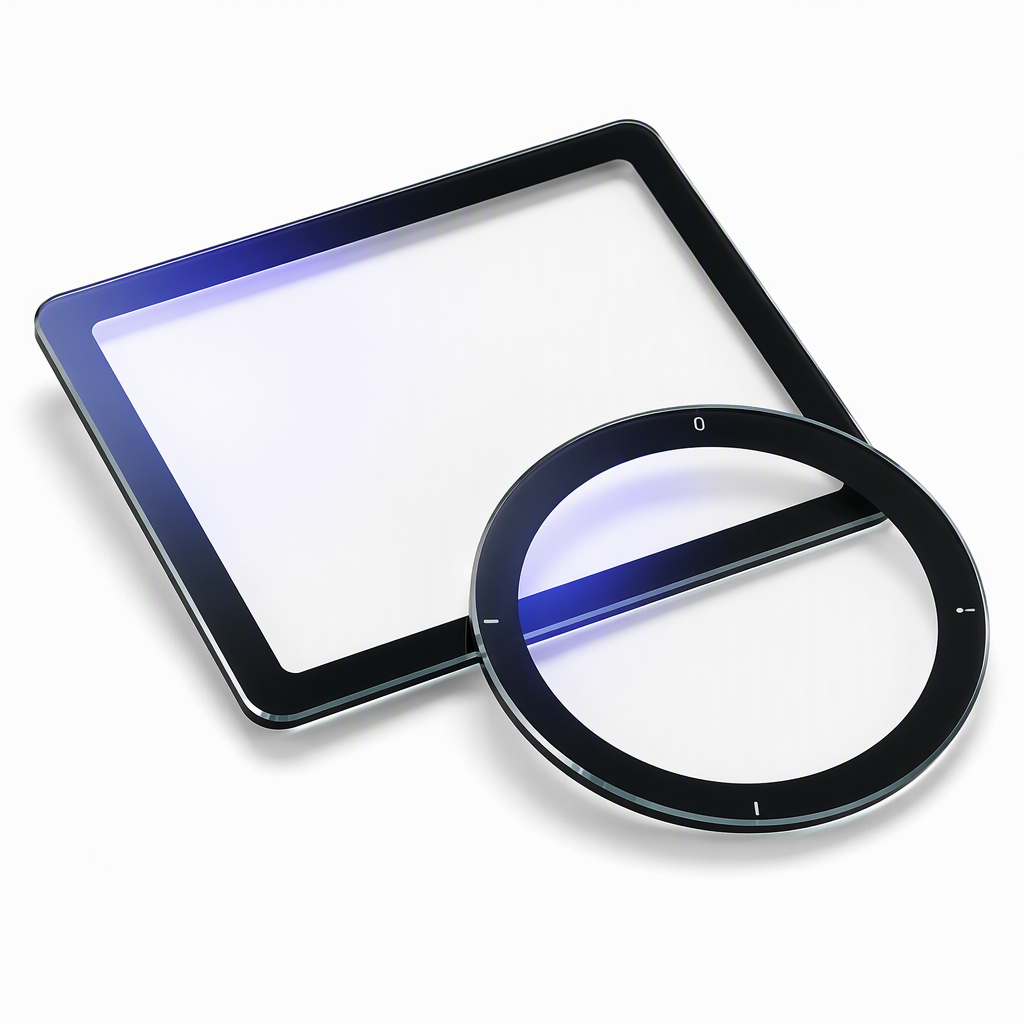
Custom Tempered Glass Toughened Glass Panels Low Iron Display Cover Glass AR Coating Factory Supply
Low-iron tempered display glass with AR coating for outdoor kiosks, medical monitors, camera windows and instrument windows. AR performance below 1.0% reflectance per side helps protect contrast under Portland’s low-angle winter light.
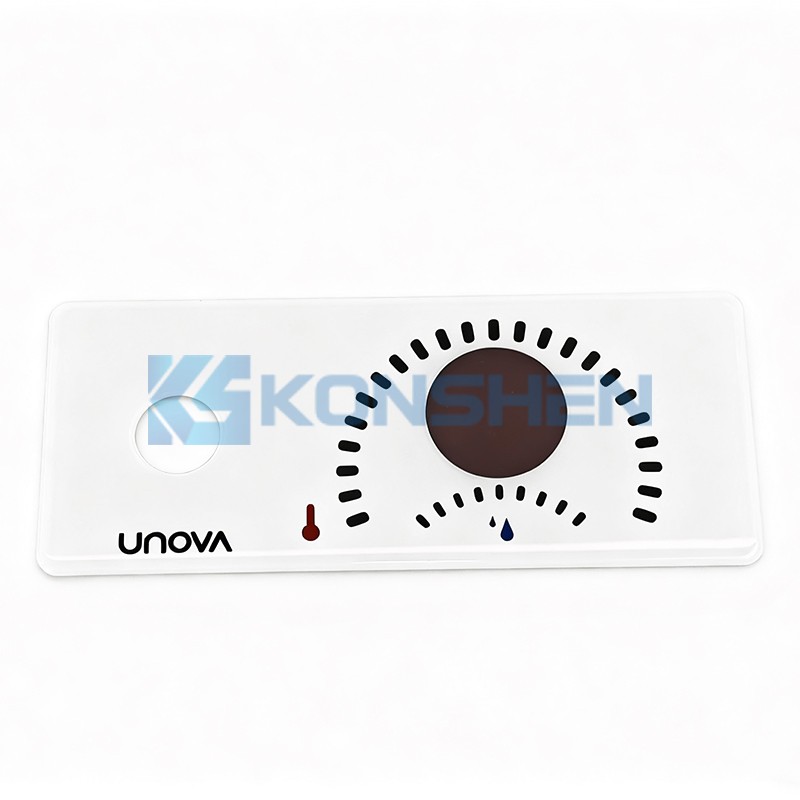
Custom Silk Screen Printed Tempered Glass Electronic Control Panel Cover for Smart Appliances
Printed tempered glass control panels for appliances, EV chargers, heat-pump controllers and smart-home interfaces. Combine graphics, touch windows, AF coating and black borders in one durable front panel.

Round Oval PTFE 3M Wear-resistant Smooth Mouse Feet Stickers Glass Pad Resin Pads
Low-friction PTFE feet for gaming mouse projects and aftermarket upgrade kits. This accessory pairs naturally with KELO glass mouse pads and gives Portland gaming brands a coordinated desktop-performance product line.
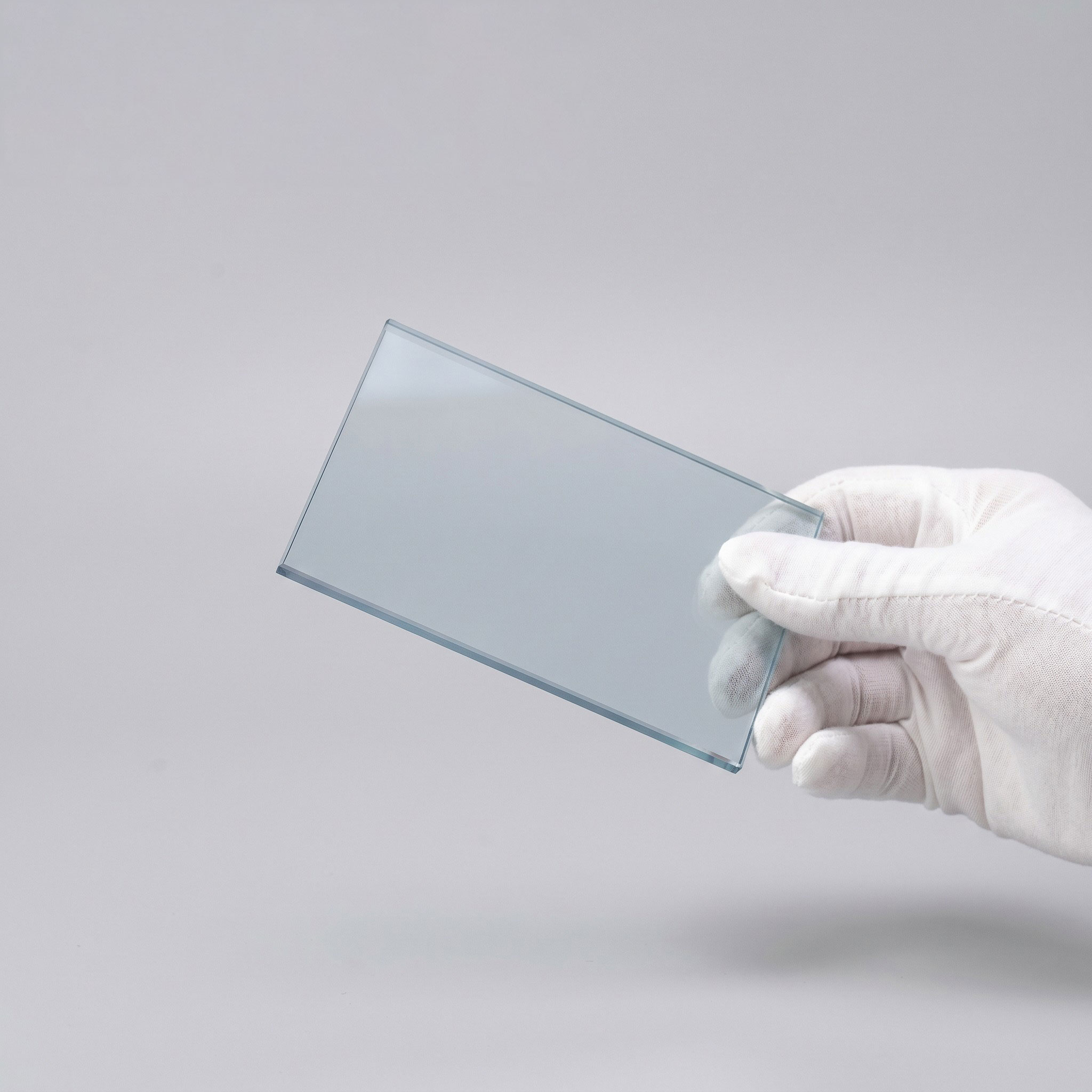
High Temperature Resistance Fluorine Doped Tin Oxide FTO Conductive Glass Solar Cell Substrate DSSC Perovskite Lab Research
FTO conductive glass for thin-film solar, DSSC, perovskite and laboratory research. Better thermal and chemical stability than standard ITO makes FTO a practical substrate for pilot lines and high-temperature process development.
A Portland-specific way to evaluate an optical glass window supplier
Portland, Oregon is not one market. The metro combines advanced electronics and semiconductor activity around Hillsboro with medical device, life-science, outdoor recreation, clean energy, food and beverage, and a growing electric-vehicle and charging ecosystem. Each buyer uses optical glass differently.
A semiconductor metrology window may need low reflectance, flatness and clean edge quality. A medical monitor may need AR plus an easy-clean AF surface. An outdoor kiosk may need AG to control glare from low-angle winter sun and wet-weather reflections. A solar research lab may need FTO because the process temperature would damage ordinary ITO. A gaming brand may care about glass mouse-pad texture, UV-printed graphics and chip-resistant edges. A supplier that sells only one stock sheet will force your design to compromise; a factory that can cut, print, temper, coat and bond glass in-house can optimize the whole stack.
This guide is written as a structured RFQ brief, not a catalogue wall. It uses KELO Glass factory data and product routes, but it organizes the information around Portland-specific decisions: coating choice, conductive substrate, thickness, printing, reliability checks, documentation and shipping model. The most useful question is not only “What is your price for 3 mm glass?” but “Can you hold this optical stack after tempering, printing and bonding, and can you document it?” That is where information gain becomes commercial value.
KELO is a factory-direct manufacturer in Huizhou, Guangdong, inside China’s Greater Bay Area electronics supply chain. For Portland buyers, the advantage is not simply lower cost. It is a single accountable production route: cutting, CNC machining, edge polishing, silk-screen printing, flat and curved tempering, AR/AG/AF coating, ITO/FTO conductive glass, 2.5D/3D forming, laser engraving, sandblasting and 3M adhesive bonding. When a Portland engineer changes an edge treatment or a coating target, the feedback loop does not have to pass through four unrelated vendors.
Use this page to shortlist the product route that matches your assembly, then send a drawing or sample with the end-use environment. The strongest RFQ includes glass size, thickness, material, coating stack, surface resistance if conductive, print artwork, edge finish, adhesive needs, annual volume, target delivery date and Portland destination ZIP. With those inputs, our engineering team can return DFM notes and a quotation route instead of a generic price sheet.
Where optical glass windows fit Portland’s industrial base
Optical glass is an interface component. It sits between the user, the environment and the electronics, so the right specification changes by application.
Advanced manufacturing & semiconductor
ITO conductive glass, low-iron AR windows, black-framed display covers and durable HMI panels for inspection tools, cleanroom interfaces and automation equipment in the Hillsboro and Portland metro supply chain.
Medical device & life science
AR display windows, chemically strengthened cover glass, AF touch surfaces and specialty optical windows for diagnostic equipment, instrument displays and lab automation where clarity and cleanability matter.
Outdoor HMI & clean energy
AG, AR+AG and AF-coated tempered glass for EV charging, outdoor kiosks, solar monitoring, heat-pump controls and building interfaces exposed to rain, low sun angles and temperature cycling.
Consumer, gaming & smart home
Tempered glass mouse pads, PTFE glide feet, printed appliance panels and decorative touch glass for Portland gaming brands, smart-home product teams and consumer-electronics distributors.
Portland market trends influencing optical glass sourcing
Procurement teams are not only comparing unit price. They are managing launch risk, climate reliability, documentation and the cost of a missed optical specification.
Supply-chain resilience and smaller launch batches
Portland hardware teams often prototype quickly and scale after validation. Sample quantities from 1–2 pieces and bulk lead times around 21–31 days help teams test fit, optics and print before committing to tooling or inventory.
Climate-specific reliability
Wet winters, condensation, UV exposure from outdoor use and temperature cycling are practical concerns. Buyers increasingly ask for coating adhesion, abrasion, humidity and thermal-cycling evidence rather than relying on a visual sample alone.
Electrification and user-interface upgrades
EV chargers, energy storage, heat-pump controls and smart-building devices need durable printed glass with AR, AG or AF treatment. Conductive glass also supports touch sensing and EMI management in compact enclosures.
Documentation and traceability
Procurement teams want drawing confirmation, inspection records, coating test data, packing lists and material declarations where applicable. A factory that can connect engineering review with production inspection reduces administrative risk.
The optical stack: specifications that matter in Portland
These are the production windows our factory is built around. Final targets are confirmed against your drawing, end-use environment and validation plan.
| Coating / substrate | Key performance | Portland design note |
|---|---|---|
| AR anti-reflective | Reflectance <1.0% per side; transmittance >99% across 400–700 nm; single or multi-layer. | Best for camera windows, medical monitors and display windows where glare and contrast loss are critical. |
| AG anti-glare | Controllable haze 5–60%; gloss 0.5–8 GU. | Useful for outdoor kiosks, EV charging and industrial HMI facing low-angle sun and wet-surface reflections. |
| AF anti-fingerprint | Water contact angle >110°; pencil hardness >3H; transmittance >98%; durability >10,000 cycles. | Recommended for public touchpoints, appliance panels and medical interfaces that are cleaned frequently. |
| ITO conductive glass | Sheet resistance 1–20 Ω/sq; transmittance >85%; haze <2%. | Typical route for capacitive touch sensors, displays and EMI shielding in industrial or consumer electronics. |
| FTO conductive glass | Sheet resistance 1–20 Ω/sq; transmittance >85%; haze <2%; stronger thermal and chemical stability. | Preferred for thin-film solar, DSSC, perovskite research and high-temperature process steps. |
| Tempered / strengthened cover glass | Thickness 0.1–19 mm; flat, 2.5D or 3D; silk-screen, holes, logo and 3M adhesive bonding. | Impact resistance and decorative integration for appliances, building controls, automotive-style interfaces and outdoor enclosures. |
| Combined stacks | AR+AG, AG+AF or print plus AF on one substrate; cosmetic grade available per drawing. | For premium outdoor and in-vehicle-style interfaces where reflection, smudge and graphic requirements overlap. |
Values are typical production capability. Confirm exact optical, electrical, cosmetic and reliability targets during DFM review.
Capability bands at a glance
Portland climate checklist for RFQs
- Rain and condensation: specify edge quality, coating adhesion and enclosure sealing expectations.
- Low winter sun: evaluate AG or AR+AG for outdoor-readable displays.
- UV and printed graphics: request ink and coating aging data for outdoor products.
- Cleaning protocols: match AF durability to the actual cleaner and wipe cycle.
- Thermal cycling: relevant to EV charging, outdoor kiosks and unheated enclosures.
Why KELO Glass is a credible factory partner for Portland buyers
Huizhou KELO Glass Co., Ltd. is a factory-direct manufacturer of touch screen cover glass, optical coated glass and conductive glass. The factory covers 10,000–30,000 m², employs 101–200 people and includes 21–30 R&D engineers. Annual output value is in the US$50–100M range, with touch cover glass capacity around 20–25 million pieces per year.
KELO has operated as a verified exporter on Alibaba.com for about six years, with a 4.9/5 store rating, a 98.18% reply rate and Trade Assurance order protection available. For Portland buyers, those signals are useful but not sufficient on their own. The stronger proof is vertical integration: cutting, CNC, polishing, printing, tempering, coating, 2.5D/3D forming and adhesive bonding are controlled under one roof, with 100% appearance inspection before packing.
Specialty materials include Gorilla glass, borosilicate glass, quartz glass, sapphire glass, ceramic glass, lead shielding glass and laminated safety glass. If your Portland project needs a material outside standard soda-lime cover glass, include the operating environment and cleaning chemistry in the RFQ so the material and coating can be reviewed together.

Factory-direct production in Huizhou, Guangdong.
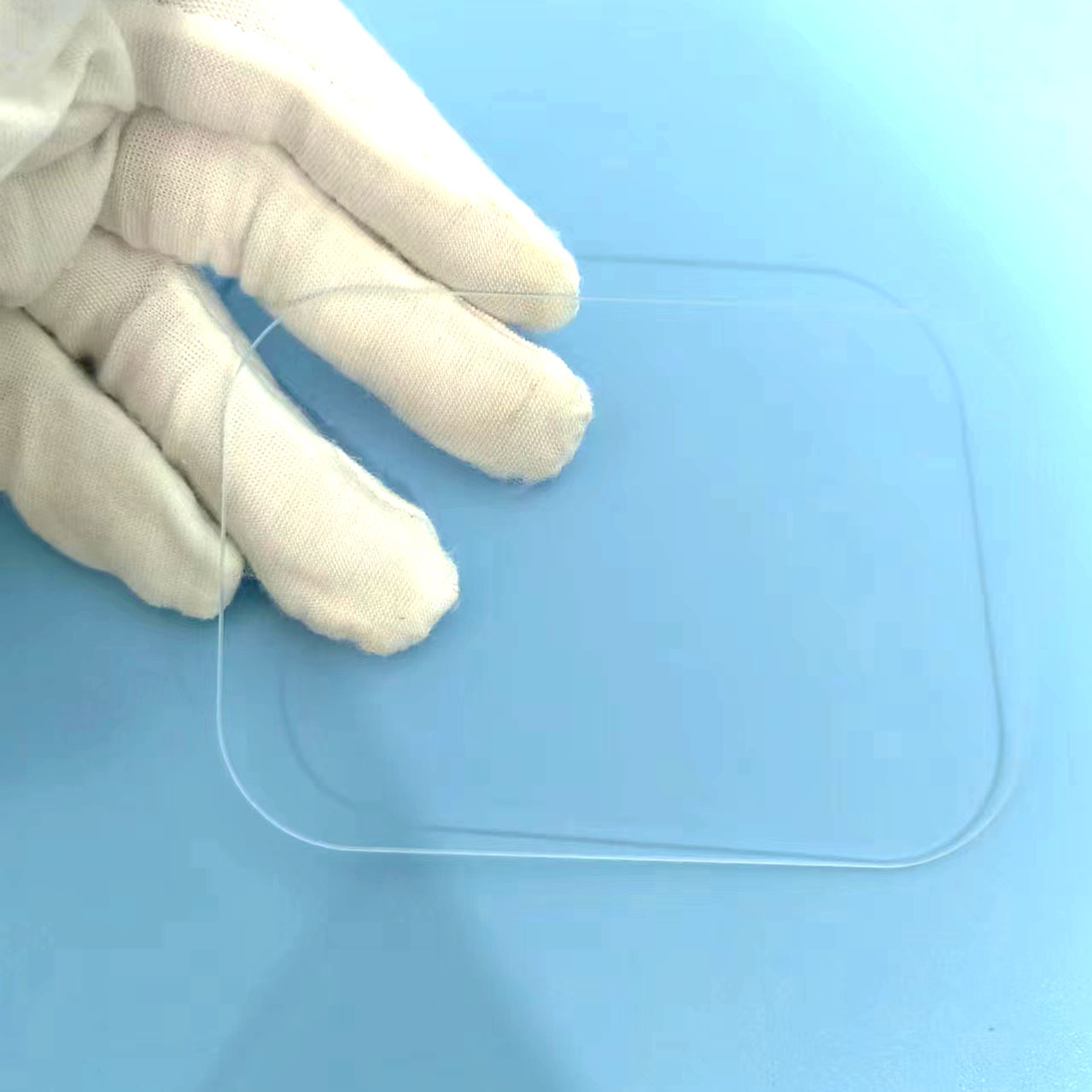
In-house AR, AG and AF coating samples.
Honeycomb cartons, blister trays and partition packing.
From Portland RFQ to repeatable production
A clear workflow reduces sampling loops. The goal is to approve a specification that can be inspected and repeated in volume.
Share the requirement
Send a drawing, sample or target spec with glass size, thickness, coating, print artwork, annual volume and Portland destination ZIP.
Engineering review
DFM feedback covers tolerance, edge quality, coating stack, print layout, material choice and cost drivers before sampling.
Rapid prototype
Samples from as few as 1–2 pieces validate fit, optics, surface resistance, printed graphics and adhesive integration.
Validation
You approve appearance, dimensions and performance. Any change is tied back to the drawing and inspection plan.
Mass production
Typical bulk lead time is 21–31 days after sample approval, depending on coating, curved forming and printing complexity.
Packing & shipping
Damage-resistant packing for export, with shipping arranged under FOB, CFR, CIF, EXW or DDP terms as agreed.
Three inspection gates before anything ships
Quality has to be built into the process. For optical glass, appearance, adhesion and dimensional checks must happen before packing, not after arrival.
Incoming inspection
Raw glass and consumables are verified before production enters the line.
- Thickness and flatness checks
- Surface defect screening
- Ink and coating material verification
In-process control
Critical dimensions and coating results are checked at each production station.
- CNC dimensions and hole positions
- Tempering and strength tests
- Coating adhesion and abrasion checks
Final inspection & packing
Finished pieces are checked before protective packing for export.
- 100% appearance inspection
- Salt spray and reliability testing where specified
- Honeycomb cartons, blister trays and partition packing
For Portland shipments, samples normally travel by international express. Bulk orders can be arranged by sea to West Coast ports with onward trucking, or by air for urgent launches. KELO can provide commercial invoices, packing lists, drawing confirmation and inspection records; buyers should confirm current HS codes, duties and import broker requirements with their own customs advisor. Customs clearance and duties are the buyer’s responsibility unless a DDP arrangement is expressly quoted.
Questions local buyers ask before the first order
These are practical questions from procurement, engineering and brand-owner teams sourcing custom optical glass for the Portland metro and the wider Pacific Northwest.
Can KELO supply optical glass windows to Portland, Oregon?
What sample and production timeline is realistic?
Which coating should I choose for Portland outdoor displays?
Should I use ITO or FTO conductive glass?
Can you customize size, shape, printing and curved glass?
How is glass packed for the Pacific Northwest?
What documentation can be provided?
What trade terms and payment methods do you accept?
Send a Portland RFQ with a drawing, target coating and annual volume
Include the glass size, thickness, material, coating stack, conductive requirement, print artwork, edge finish, adhesive needs, sample deadline and Portland destination ZIP. Our application engineering team will review feasibility and recommend a cost-effective optical glass route.