Patterned Solar Glass Suppliers & Exporters Serving the Louisville Market
Engineered glass routes for BIPV façades, solar canopies, transit shelters, logistics facilities, smart-energy controls and architectural solar projects — supported by in-house cutting, CNC, printing, tempering, coating, bonding and inspection.
Eight product routes for Louisville solar glass and integrated glass projects
Patterned solar glass is rarely a stand-alone purchase. It sits inside a system that may also need anti-glare cover glass, conductive glass, printed control panels, anti-fingerprint surfaces, precision machining and protective display covers. The cards below show eight production routes from our current catalogue that commonly support solar-integrated devices and architectural enclosures.

KS AG002 Custom Size AG Coating Anti-Glare Tempered Glass Panel High Transmittance Cover Sheet for Electronic Display Screen
High-transmittance AG cover glass for solar monitoring consoles, outdoor signage and readable display interfaces.
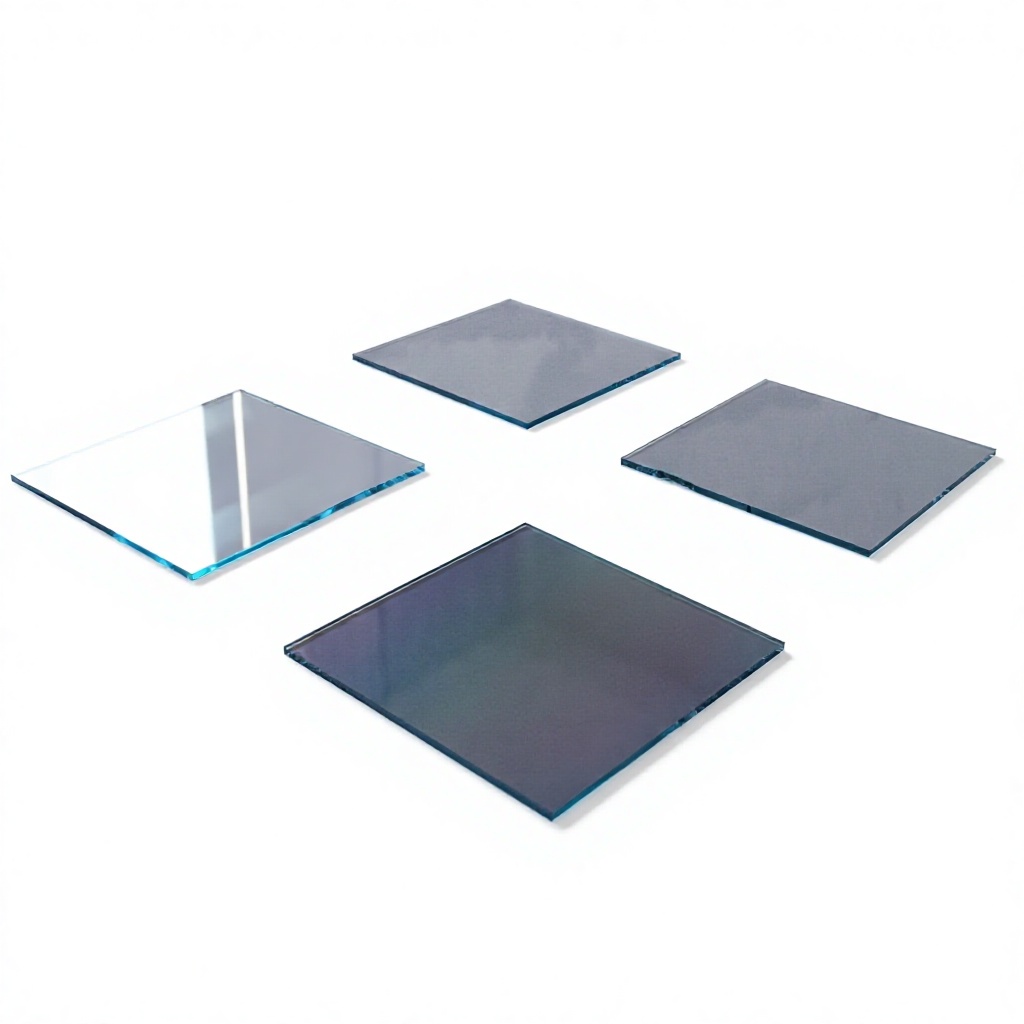
1.1mm ITO Coated Conductive Glass Panel Optical Electronic Glass Custom Shape Polished Edge for Industrial Use
Transparent conductive glass for touch sensors, EMI shielding and prototype thin-film device interfaces.

Round Oval PTFE 3M Wear-resistant Smooth Mouse Feet Stickers Glass Pad Resin Pads
Low-friction PTFE wear pads that demonstrate small-format adhesive, finishing and inspection discipline.
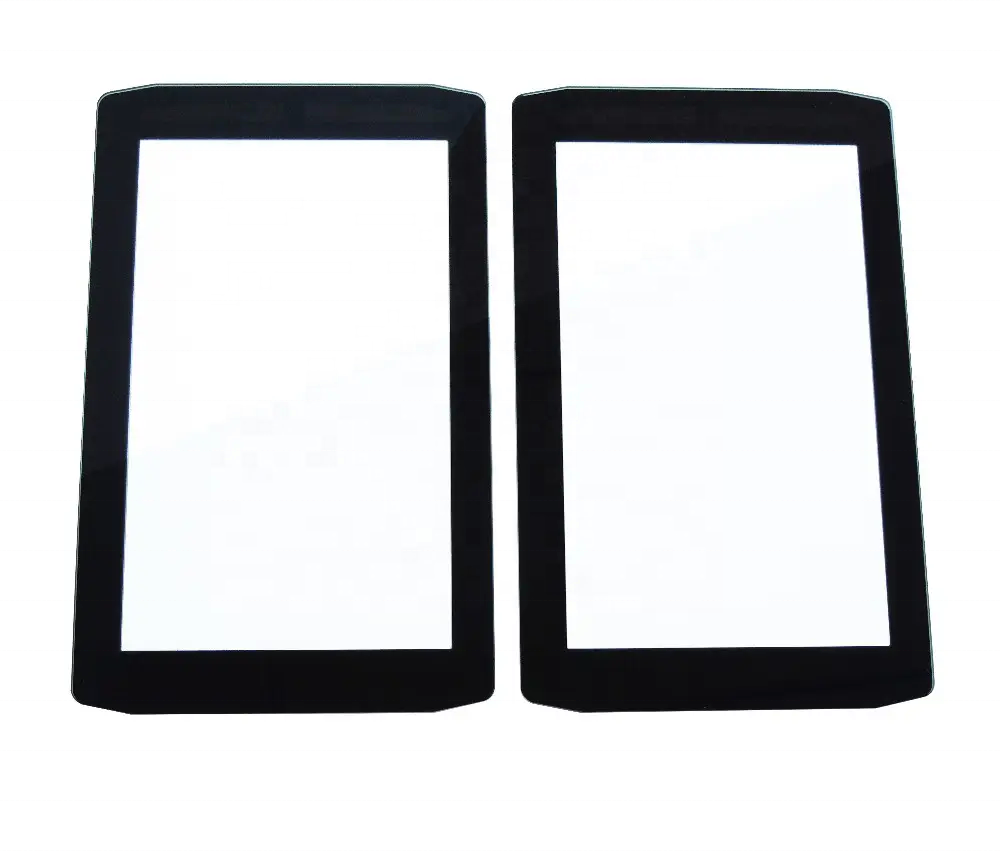
AG High Quality Solid Tempered Glass Anti-Glare Digital Screen Display Customizable Touch Screen Panel Factory Direct Outdoor
Outdoor anti-glare tempered touch glass for kiosks, shelters, wayfinding and solar-ready control stations.
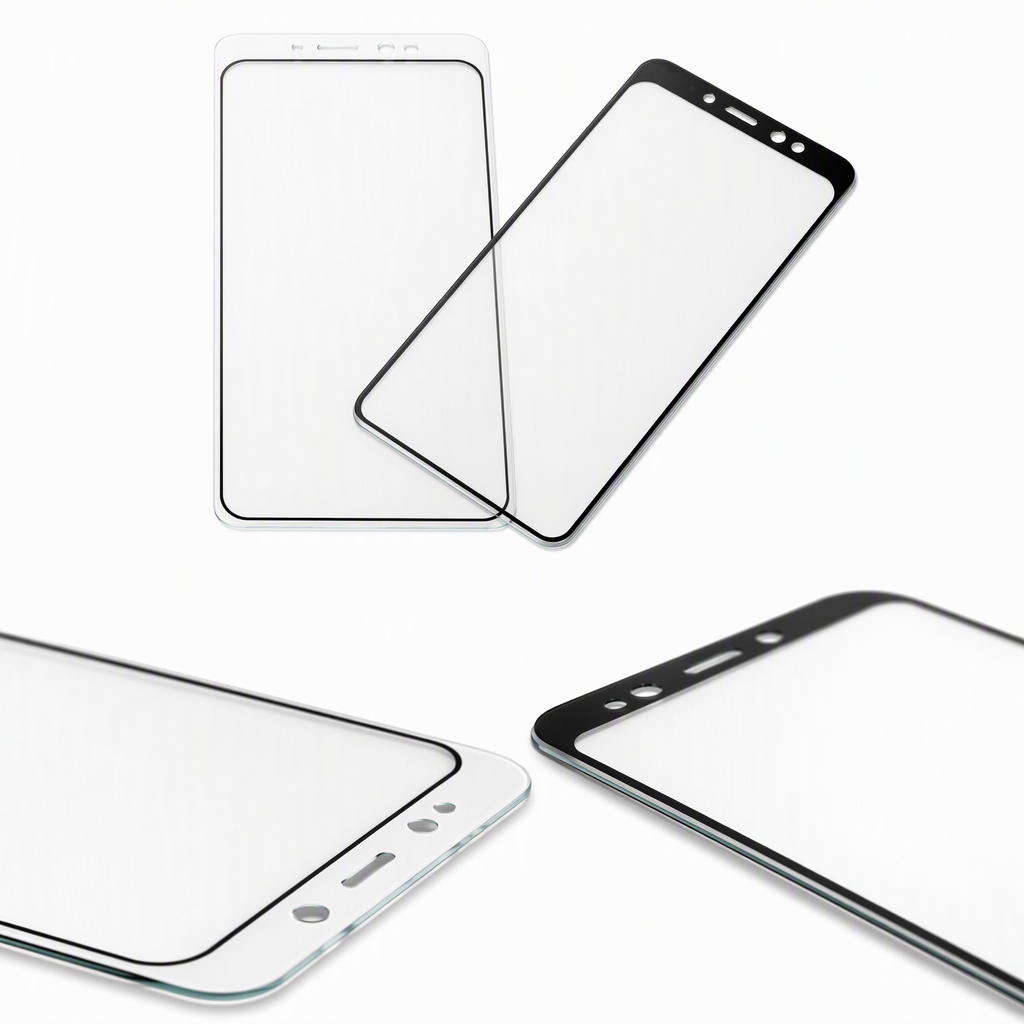
Toughened Glass Panel No Coating CNC Hole Drilling Irregular Shape Silk Screen Printed Custom Size Wholesale Supplier
Irregular shapes, holes and silk-screen graphics for mounting, louvers, canopies and façade details.
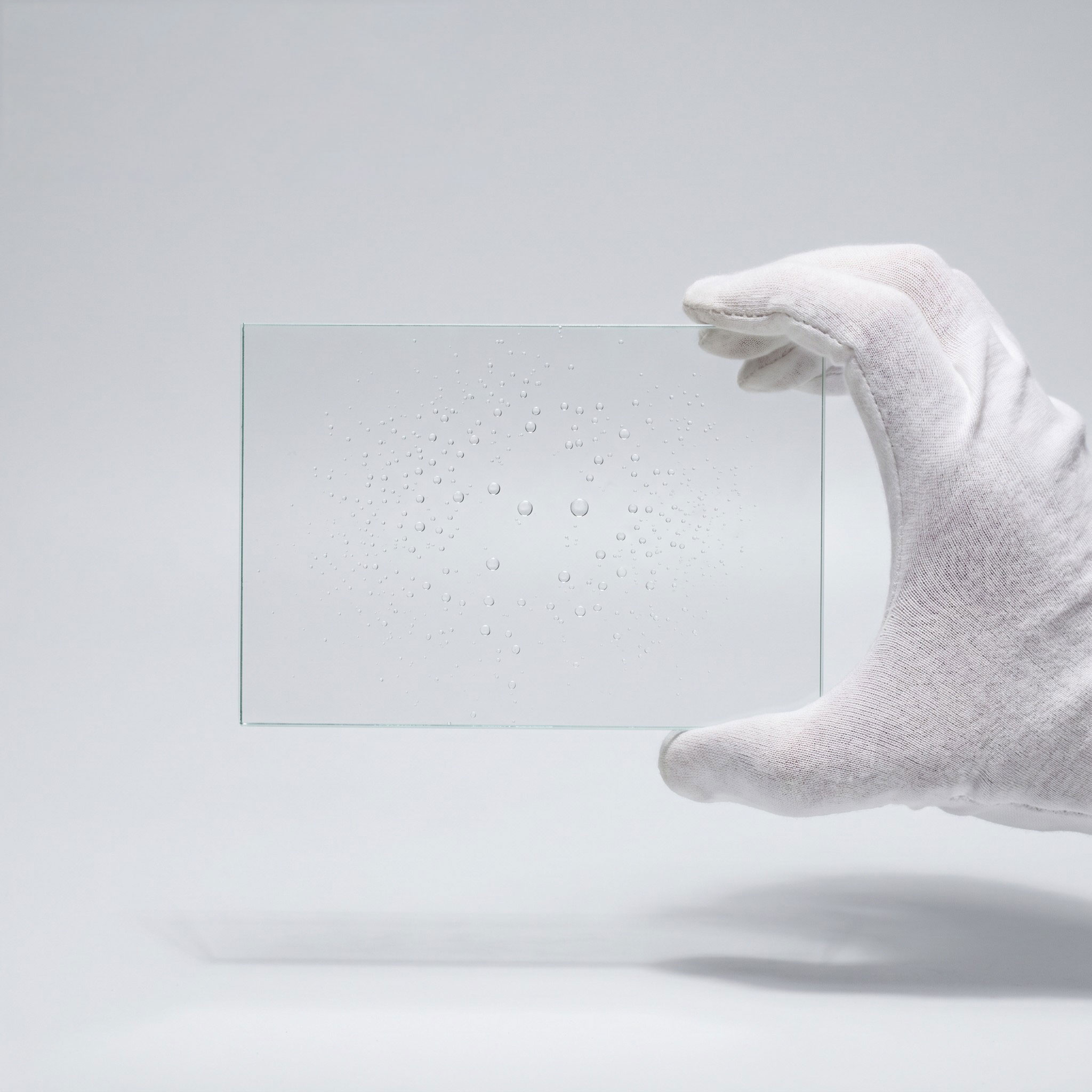
KS AF001 High Transmittance AF Coated 1.1mm/2mm CNC Cut Custom Shape Toughened Glass Panel for Kitchen Electronic Device Covers
AF-coated toughened glass for high-touch surfaces where fingerprints, oils and repeated cleaning matter.
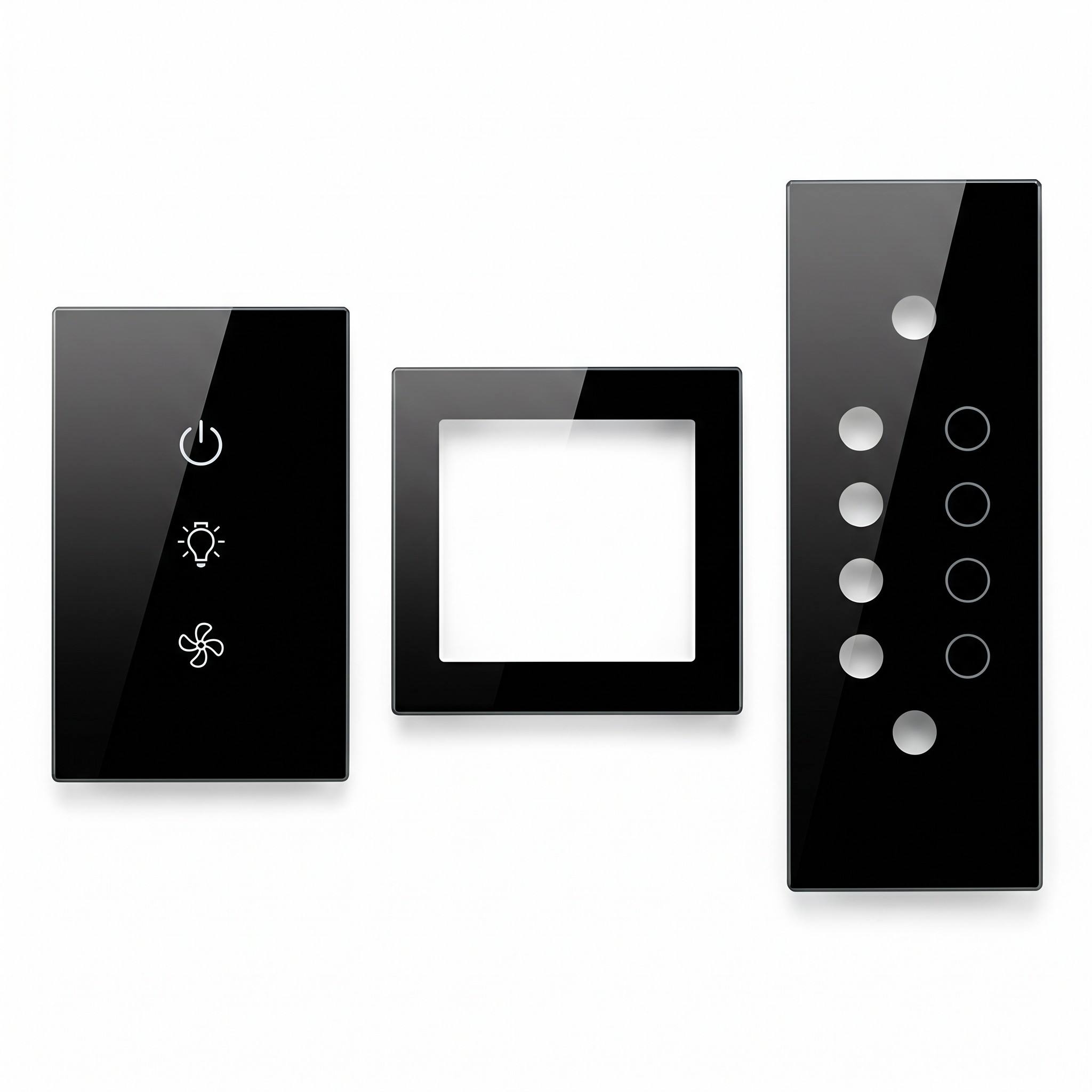
Tempered Glass Front Shield Cover Panel Custom Size Electronic Display Protection Sheet for Smart Device Konshen KS GB002
Protective front glass for smart devices, energy monitors and integrated display electronics.

Custom Silk Screen Printed Tempered Glass Electronic Control Panel Cover for Smart Appliances
Brand graphics, icons and touch-window printing for solar inverters, smart appliances and energy controls.
Patterned solar glass is an engineered interface, not a decorative panel
For Louisville buyers, the search phrase “patterned solar glass suppliers & exporters” usually signals a project that is already past the concept stage. The buyer needs a factory that can interpret a drawing, align pattern geometry with optical transmission, control colour and gloss, protect the photovoltaic stack, survive local weather, pack safely and export with dependable documentation.
A pattern can hide inactive areas, reduce glare, provide privacy, diffuse daylight, support brand identity or improve visual uniformity across a façade. It can also change light transmission, cleaning behaviour, thermal load and perceived colour. Pattern geometry, transmission, colour stability and hail strategy should therefore be reviewed together — not as separate line items.
KELO’s advantage is the breadth of our in-house glass platform. We cut, machine, polish, print, temper, coat and bond glass under one roof. That matters when a Louisville project requires a supplier who can move from a 1–2 piece sample to a validated production drawing without uncontrolled handoffs between multiple workshops.
What Louisville buyers should verify before an RFQ
- Factory identity: confirmed manufacturing site, not a trading intermediary.
- Process control: cutting, CNC, printing, tempering, coating and QC under one management system.
- Optical evidence: transmission, haze, gloss and reflectance agreed against a measurable target.
- Climate response: a documented position on hail, wind load, moisture and thermal cycling.
- Export readiness: samples, packing, Incoterms, trade assurance and batch traceability.
Local trends shaping patterned solar glass demand in Louisville
Louisville sits at the intersection of logistics, advanced manufacturing, healthcare, education, hospitality and public-realm investment. That mix creates practical demand for solar glass that performs as architecture as well as energy infrastructure.
BIPV and façade solar
Downtown redevelopment and institutional upgrades are pushing architects to evaluate solar glass as a visible building material, with pattern density used to balance transparency, privacy and energy yield.
Canopies, carports and transit
Solar canopies over parking, transit shelters and campus walkways need low-glare surfaces, robust edge treatment and patterns that reduce visual distraction for drivers and pedestrians.
Logistics and advanced manufacturing
Large-footprint facilities around Louisville Metro increasingly combine rooftop solar, daylighting and branded glass elements. Patterned glass can support glare control while preserving a clean industrial appearance.
Hot, humid and hail-prone climate
Louisville’s storm season, summer humidity and freeze-thaw cycles make tempered strength, edge quality, moisture-resistant packaging and cleanable surface design essential parts of the specification.
For hospitality, distilleries, higher education, healthcare campuses and public venues, the pattern often becomes part of the brand or wayfinding language. The supplier must therefore control printing registration, colour consistency and coating appearance across batches — not only the photovoltaic layer. This is where a factory with in-house silk-screen printing, coating and 100% appearance inspection provides measurable information gain over a catalogue-only exporter.
Match the solar glass route to the Louisville application
Use these four starting points to structure an RFQ. Final construction, electrical design and code compliance should always be confirmed by the project’s architect, structural engineer and PV system integrator.
Patterned architectural solar glass
Specify low-iron tempered glass, ceramic-frit pattern, colour target, coverage ratio and edge quality. Review transmission versus privacy, module integration and façade tolerance before sampling.
Tempered anti-glare glazing
Prioritise impact resistance, edge polishing, fixing method and AG haze / gloss range. Pattern should reduce glare without creating distracting moiré at pedestrian viewing angles.
ITO / AF / printed cover glass
Combine conductive ITO glass, AF easy-clean surfaces and silk-screen printed control windows for inverters, monitoring consoles and solar-integrated smart appliances.
FTO conductive substrates
FTO glass is often preferred where thermal and chemical stability matter. Define sheet resistance, haze, transmittance and high-temperature process compatibility.
Illustrative Louisville RFQ weightings
Many B2B buyers use a weighted scorecard to separate capable factories from resellers. The percentages below are an illustrative evaluation model, not a market statistic.
A strong quotation should answer each weighting with evidence: measured coating data, sample photos, packing drawings, inspection records and a clear Incoterm.
Why “supplier” and “exporter” are not interchangeable
A supplier may be able to show a product photo. An exporter must also control packing, documentation, shipping terms, replacement policy and communication across time zones. For patterned solar glass, the risk is concentrated at the interfaces: pattern registration, coating edge cut-back, tempering after printing, adhesive compatibility and protection during ocean or rail transit.
KELO supports FOB, CFR, CIF, EXW and DDP terms, with T/T, L/C, PayPal and Western Union payments. Orders placed through Alibaba.com can be protected by Trade Assurance. Samples can start from 1–2 pieces so that Louisville buyers can validate fit, optics and surface performance before committing to volume.
Mass-production lead time is typically 21–31 days after sample approval, dependent on size, coating stack, curved forming, printing complexity and order quantity. Our reply rate is 98.18% and our store rating is 4.9/5, but the more important metric for a project buyer is whether the approved sample can be reproduced in volume.
Why KELO is a credible partner for Louisville patterned solar glass sourcing
Huizhou KELO Glass Co., Ltd. is a factory-direct glass manufacturer in Huizhou, Guangdong — inside China’s Greater Bay Area electronics supply chain. Our core strength is surface engineering and custom glass processing, not catalogue trading.
One factory, fewer handoffs
Cutting, water-jet cutting, CNC machining, drilling, edge polishing, laser engraving, silk-screen printing, sandblasting, flat and curved tempering, AR/AG/AF/ITO coating, 2.5D/3D forming and 3M adhesive bonding are managed in-house.
Coating data you can compare
AR: reflectance <1.0% per side, transmittance >99%. AG: haze 5–60%, gloss 0.5–8 GU. AF: contact angle >110°, >10,000 cycles. ITO/FTO: 1–20 Ω/sq, transmittance >85%, haze <2%.
Engineer-led sampling
Our 21–30 R&D engineers review drawings for DFM, tolerance, coating and cost drivers. Sample orders can start from 1–2 pieces, with mass production typically 21–31 days after approval.
Export discipline
Six years of verified exporter experience, a 4.9/5 store rating, 98.18% reply rate, FOB/CFR/CIF/EXW/DDP terms, Trade Assurance support and export-grade packing for North America.



From drawing to Louisville delivery: six review gates
Every custom project is different, but a disciplined route reduces surprises. The goal is not to promise a perfect first article; it is to make deviations visible early and confirm the production drawing before volume begins.
1. Share requirements
Send the drawing, reference sample, target pattern, transmission, haze or gloss, dimensions, annual volume and delivery ZIP code.
2. Engineering review
Our team checks tolerance, pattern scale, coating compatibility, tempering route and cost drivers, then returns DFM questions.
3. Rapid prototype
Samples from 1–2 pieces let the Louisville buyer validate fit, appearance, optical targets and assembly before tooling or volume.
4. Validation and approval
The approved sample, drawing, packing method and acceptance criteria become the reference for mass production.
5. Production and QC
Incoming, in-process and final inspection include dimensional checks, 100% appearance review, coating tests and packing verification.
6. Packing and export
Custom honeycomb cartons, blister trays and partition packing are selected to reduce transit damage, with documentation and Incoterms agreed in advance.
Quality is controlled through incoming, in-process and final inspection with 100% appearance checking, plus tempering, adhesion, abrasion and salt-spray testing. We do not treat certificates as a substitute for project-specific validation; final compliance should be confirmed against the agreed drawing, module-level standard and local code requirements.
Questions local buyers ask before ordering patterned solar glass
These are the practical questions that usually appear when a Louisville architect, distributor, fabricator or OEM begins supplier qualification.
Are you a patterned solar glass manufacturer or a trading company?
Can you customize pattern density, colour and substrate for Louisville BIPV or canopy projects?
What is the minimum order quantity for a custom sample?
How long does production take, and how do you ship to Louisville, Kentucky?
How should we specify hail, wind and thermal performance?
Which of your eight product routes matter most for solar-integrated systems?
How is the glass packed for export to the United States?
What payment methods, trade terms and documentation do you provide?
Request a Louisville-specific patterned solar glass review
Send your drawing, target pattern, dimensions, transmission or haze requirement, annual volume and delivery ZIP code. Our engineering team will review feasibility, recommend a glass and coating route, and propose a sample plan that lets your team validate the specification before mass production.