Eight Glass Products for Smart Lock, Access Control and Touch-Surface Programs
All product URLs below are preserved from the original catalogue. Hat Yai buyers can evaluate these products together with coating, printing, edge finishing, adhesive and packing requirements before requesting samples.
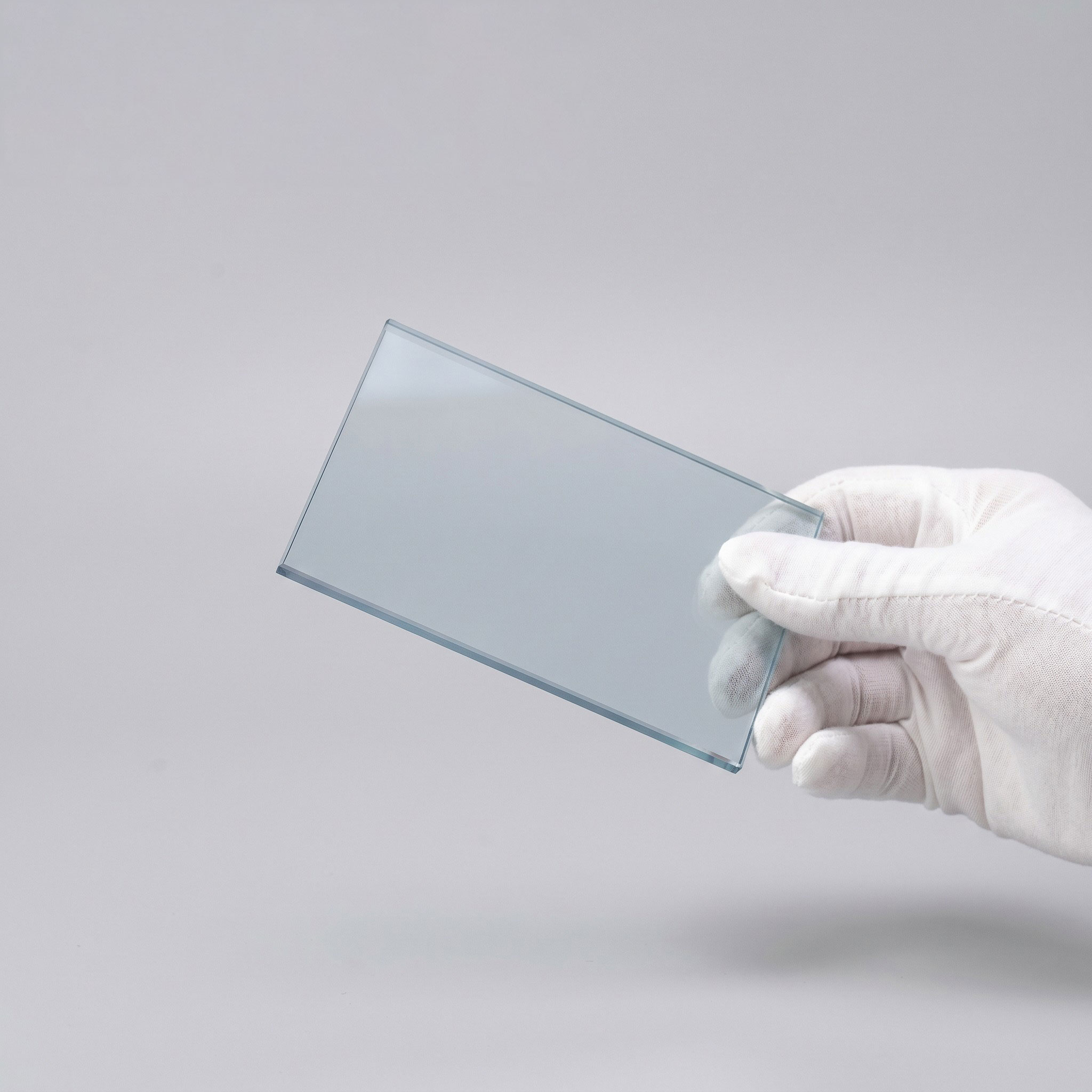
High Temperature Resistance Fluorine Doped Tin Oxide FTO Conductive Glass Solar Cell Substrate DSSC Perovskite Lab Research
Factory-direct FTO substrate for high-temperature processes, thin-film solar research and laboratory development.
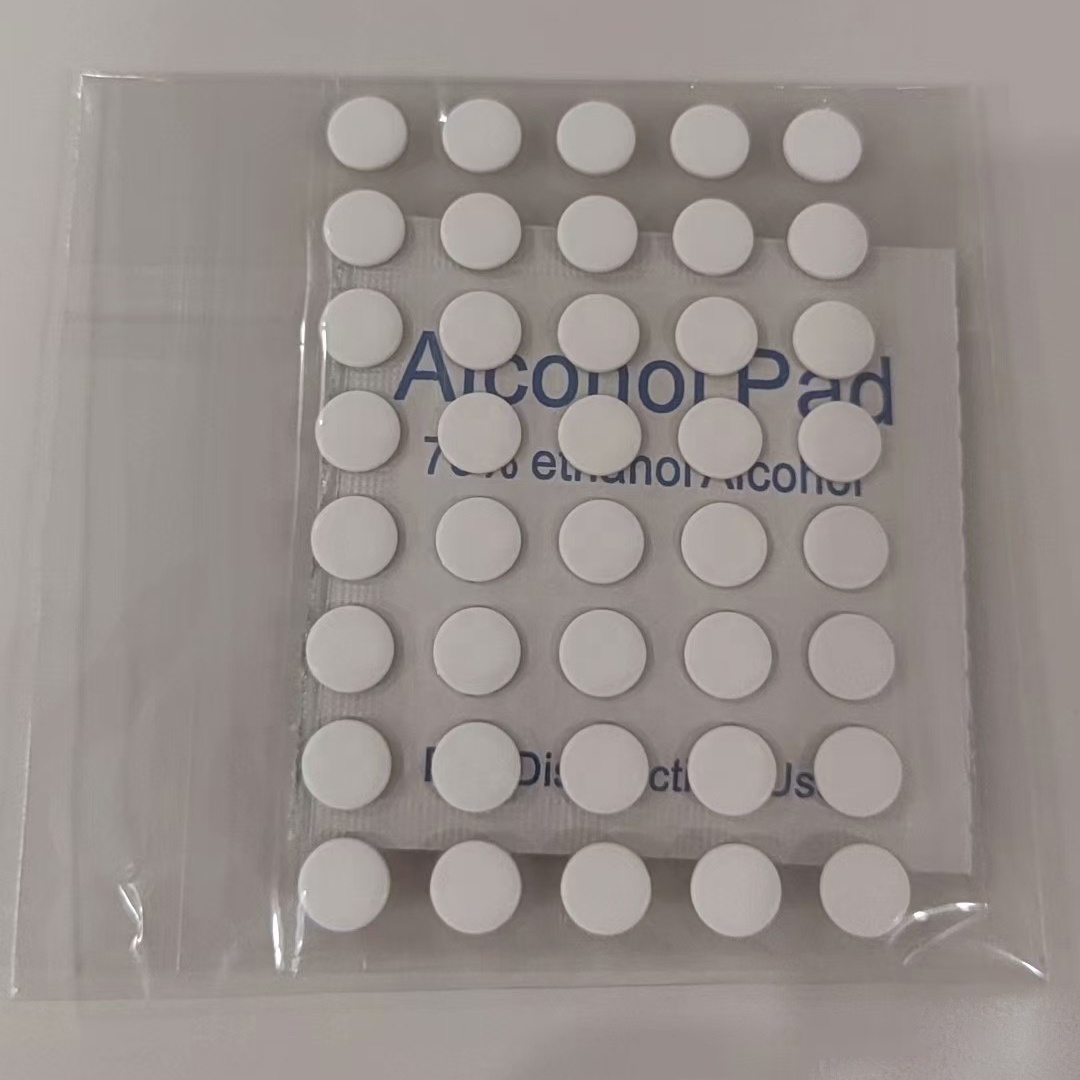
PTFE Round Gaming Mouse Glides Mouse Skate Dots
Low-friction PTFE skates for gaming mouse programs and precision hardware accessories with consistent glide feel.
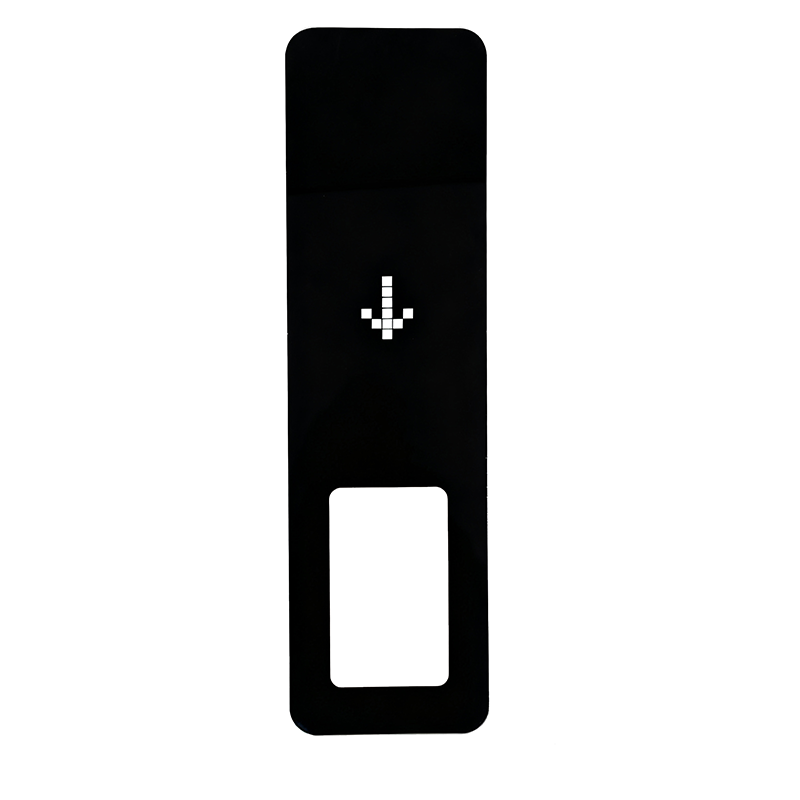
Customized Cutting Elevator Indicator Arrow Printing Touch Smart Control Elevator Panel Use Electronics Screen Glass Instrument
Custom-cut glass with arrow and icon printing for elevator controls, building access panels and smart touch interfaces.
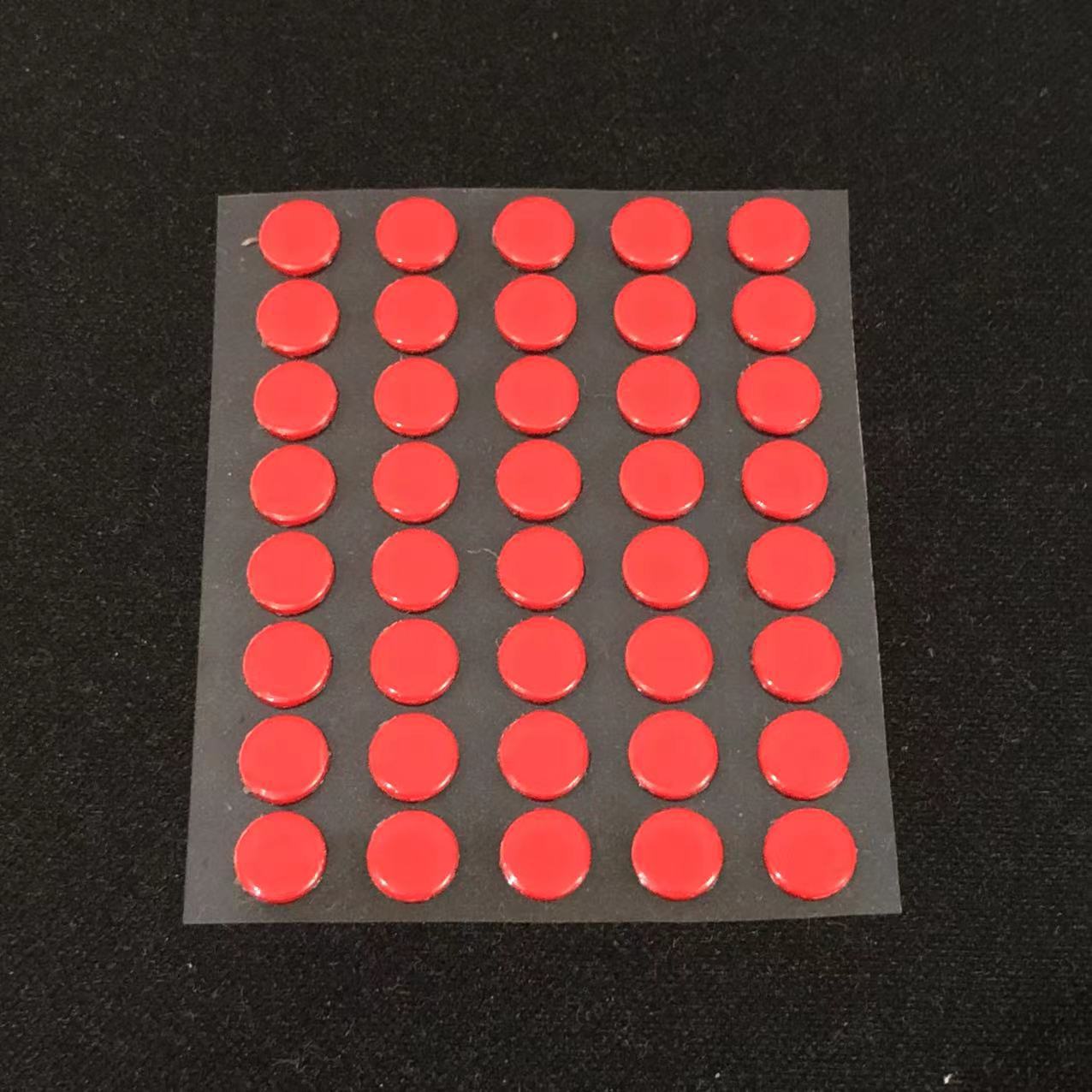
Factory Price Round Red Mouse Sticker Pads Universal Glass Mouse Skates with Small Dot PTFE Non-slip Mouse Feet
Universal PTFE mouse feet with non-slip assembly support for gaming peripherals and accessory-brand customization.
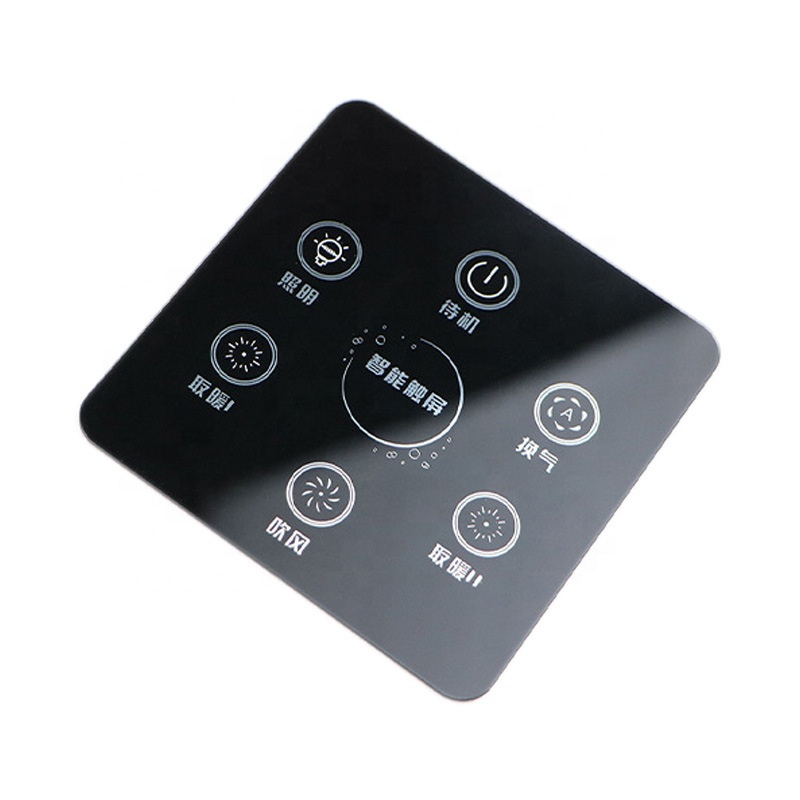
Bathroom Solid & Hollow Tempered Glass Intelligent Touch Shower Control Switch Panel Silk Screen Printed with 4-Year Warranty
Tempered intelligent-touch shower control panel with silk-screen printing and a listed 4-year warranty for the series.
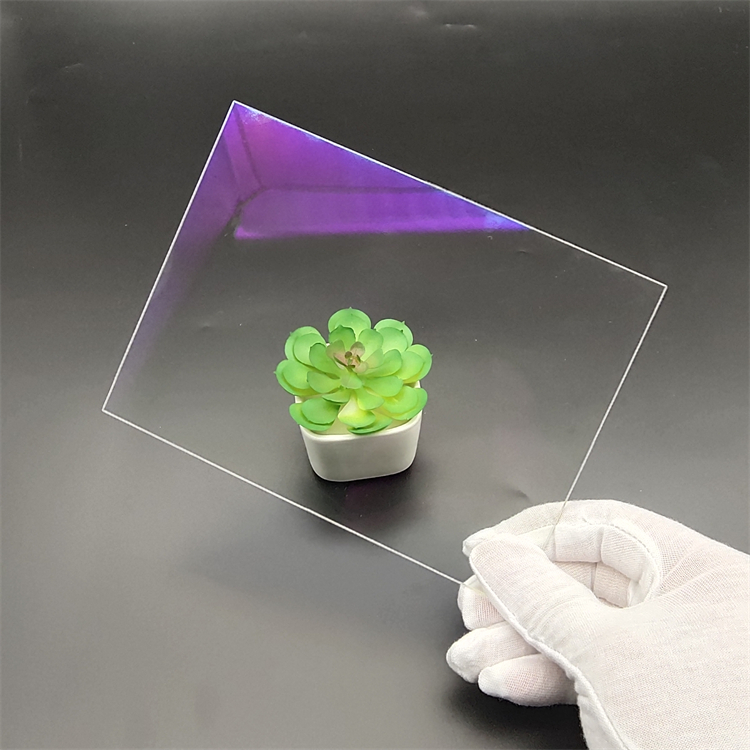
Custom 2mm Ultra-Clear Both Sides Anti-Reflective Coating Tempered Glass for Display Screen Solar & Lighting Use-Solid Structure
Ultra-clear 2 mm AR-coated tempered glass for display, lighting and optical window applications needing low reflectance.
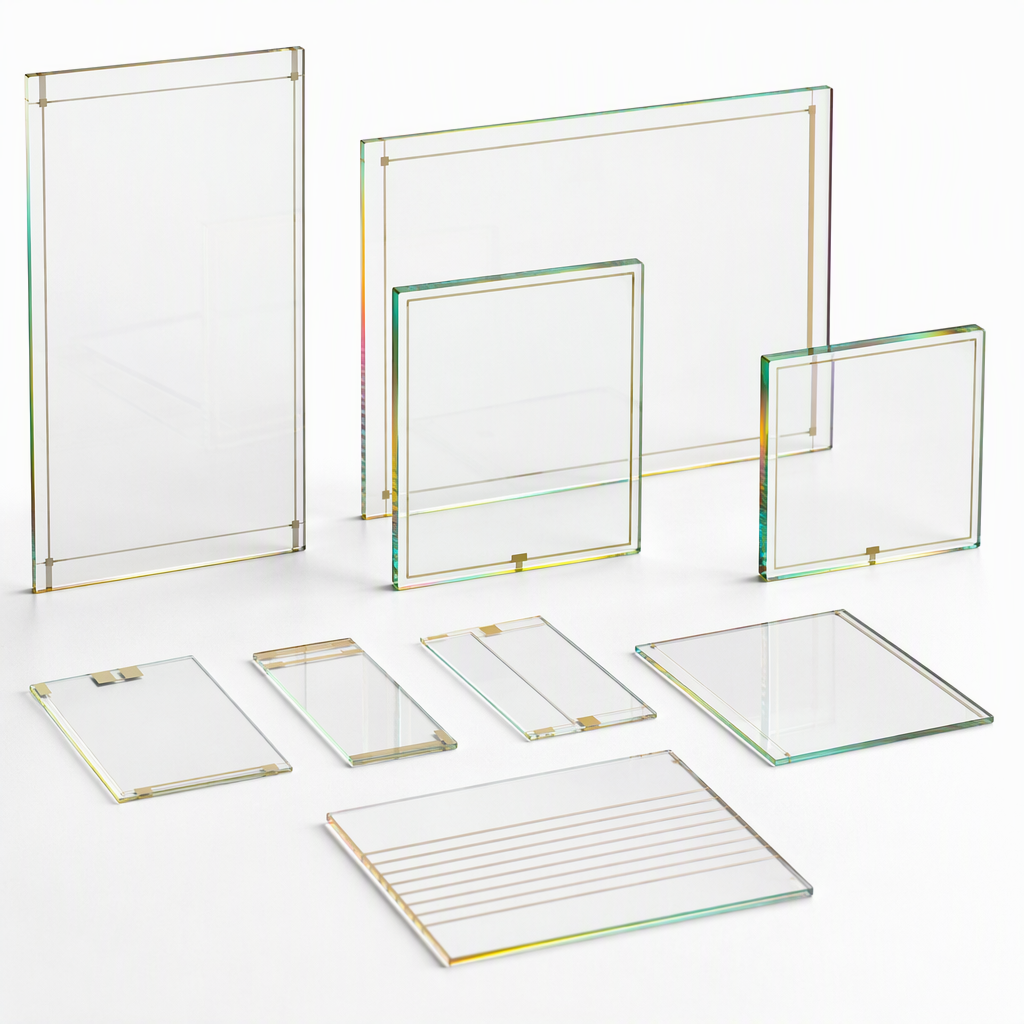
ITO Coated Glass Conductive Glass Sheet 6 To 8 Ohm Per Square Custom Size Touch Panel Heating Substrate Supplier
Custom ITO conductive glass for touch panels, transparent heating substrates and sensor integration.
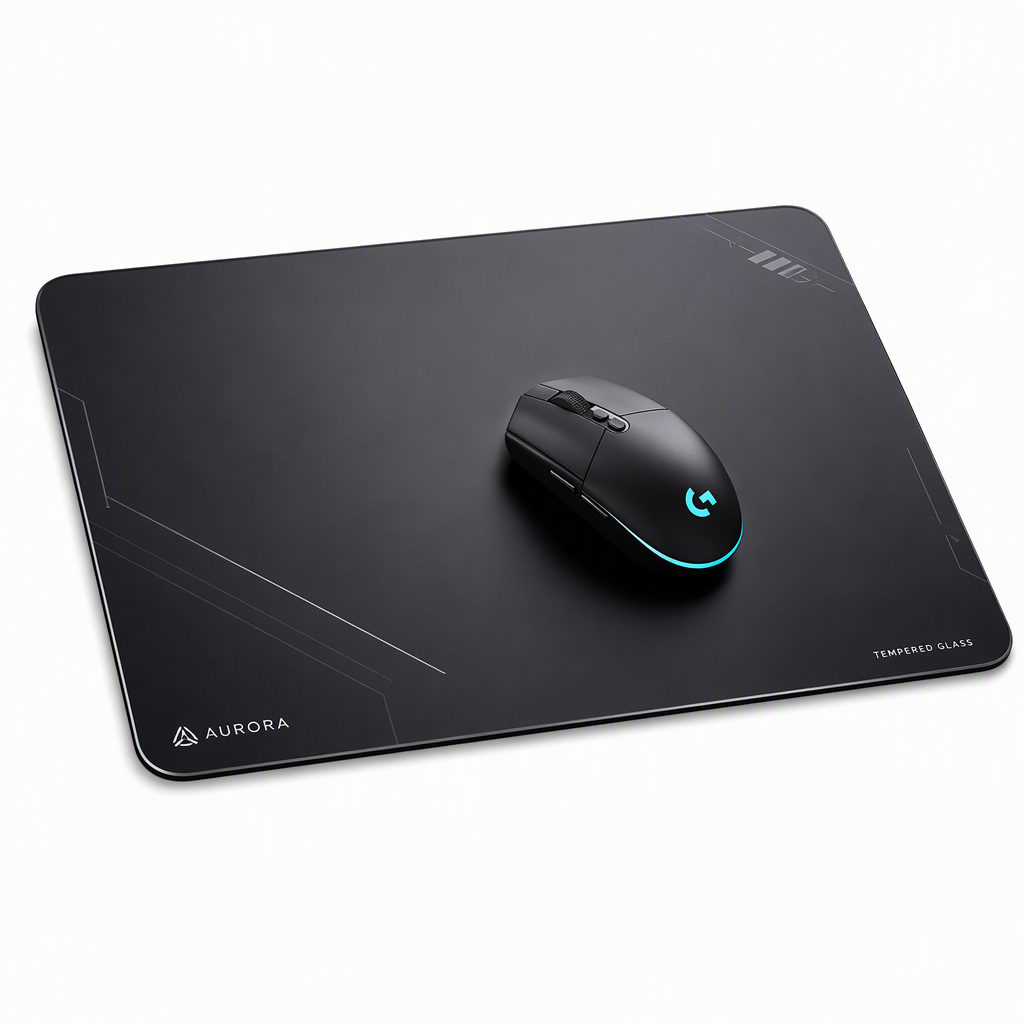
Tempered Glass Mouse Pad 2MM 3MM Hard Surface Glass Mousepad UV Printing Custom Logo Silicone Base OEM Factory
Hard-surface tempered glass mouse pad with UV printing, custom logo and silicone base options for OEM programs.
Smart Lock Glass for Hat Yai: A Functional Specification, Not a Cosmetic Part
A smart lock is one of the few security products that residents, guests, cleaners and building managers touch every day. In Hat Yai, that daily interaction happens in a tropical monsoon climate: high humidity, intense sun, frequent rain, road dust, and cleaning routines that may include alcohol or alkaline detergents. The glass surface on a smart lock, digital door viewer, access-control keypad, hotel lock or intercom is therefore not a decorative overlay. It is the interface layer that protects the electronics package, preserves optical clarity for PINs, biometrics, cameras and status icons, and determines how the product feels after thousands of touches.
KELO Glass approaches smart lock glass as an engineered stack: substrate, strengthening, edge geometry, printing, coating, adhesive and packing. Our factory in Huizhou, Guangdong, runs cutting, CNC machining, edge polishing, silk-screen printing, flat and curved tempering, 2.5D/3D forming, AR/AG/AF coating and ITO/FTO conductive coating under one roof. That vertical integration matters for Hat Yai buyers because one accountable supplier can control tolerances from the raw glass sheet to the packed carton, instead of coordinating a trader, a coater, a printer and a tempering shop.
Hat Yai’s humidity is not a cosmetic issue; it is a reliability input. A glass keypad that looks acceptable in a dry showroom may show fingerprints, haze, edge contamination or print adhesion problems after months of heat, rain splash and cleaning. For that reason, smart-lock glass should be specified around operating conditions first, then appearance.
This guide is written for smart-lock brands, hotel groups, property developers, security distributors and importers serving Hat Yai and the wider Songkhla market. It explains which glass and coating combinations fit local conditions, how to compare quotations, what to verify before mass production, and which details to include in an RFQ for a faster engineering review.
- Optical clarity for cameras, fingerprint readers, PIN displays and status icons
- AF easy-clean surface for high-touch keypads and hotel locks
- AG diffusion for outdoor intercoms and sun-facing entrances
- AR anti-reflection for camera windows and display apertures
- Salt-spray, abrasion, adhesion and humidity validation for Southern Thailand
- ITO/FTO conductive glass for sensing, heating or EMI requirements
- 2.5D/3D edge forming for slim, modern smart-lock enclosures
- Export packing that protects printed and coated surfaces in transit
Capacity, Engineering and Export Discipline Behind the Glass
KELO is a factory-direct manufacturer with the capacity, engineering staff and export experience to support repeat smart-lock programs. The figures below come from our verified company profile and form the operating context behind every quotation.
Why KELO Is a Practical Factory-Direct Partner for Hat Yai Importers
Smart-lock brands rarely buy glass in isolation. They buy confidence that the keypad window will match the CAD drawing, that the black print will not fade under UV, that the AF coating will survive cleaning, and that the carton will arrive without chipped edges after a multimodal journey to Southern Thailand. KELO’s role is to remove those variables.
We are a verified manufacturer, not a trading company. The product lines shown above are processed in-house: cutting, water-jet cutting, CNC machining and drilling, edge polishing, laser engraving, silk-screen printing, sandblasting and frosting, flat and curved tempering, 2.5D/3D curved forming, optical coating and 3M adhesive bonding. In-house control reduces handling damage and shortens the loop between a sample failure and a corrective action.
Our material experience includes Gorilla glass, borosilicate glass, quartz glass, sapphire glass, ceramic glass, lead shielding glass and laminated safety glass. For smart locks, common starting points are chemically strengthened or tempered cover glass, optical coated glass and — when the design includes sensing or heating — ITO conductive glass.
Export buyers receive drawing review, DFM feedback, prototype support, mass-production scheduling and protective packing. We support FOB, CFR, CIF, EXW and DDP terms; T/T, L/C, PayPal and Western Union; and Alibaba Trade Assurance for eligible orders. English-language technical communication is part of the project workflow.

Recommended Smart Lock Glass Configurations
Use these starting points to frame a specification, then confirm impact, drop, environmental and assembly requirements with our engineers. The right answer is the combination that survives the actual entryway, not the thickest glass or the longest coating name.
Outdoor smart lock keypad
Tempered or chemically strengthened cover glass with 2.5D edge, black border printing, AF anti-fingerprint coating and an optional AR window. A clean touch surface resists smudging in high-traffic residential entries and hotel doors.
Camera & biometric window
Ultra-clear AR-coated glass with reflectance below 1.0% per side and transmittance above 99% across 400–700 nm. Low reflection helps camera modules and optical sensors maintain contrast in shaded corridors and bright entrances.
Hotel RFID lock & access panel
Chemically strengthened glass with custom logo printing, edge polishing and an AF easy-clean finish. Add salt-spray, abrasion and adhesion testing so the panel keeps its appearance through cleaning cycles.
Outdoor intercom & access control
AG anti-glare glass with controllable haze or a combined AG+AF stack. For a display aperture, add an AR-coated window so the screen remains readable under sun and rain reflections.
If the smart lock includes a capacitive touch sensor, transparent heater or EMI shielding requirement, discuss ITO glass early. ITO is available at 1–20 Ω/sq with transmittance above 85% and haze below 2%. FTO is the better discussion point for high-temperature processes and thin-film solar integration.
Where Smart Lock Glass Is Used in and Around Hat Yai
Hat Yai is a commercial, hospitality and education hub for Songkhla and the Malaysia–Thailand border region. That mix creates several distinct buying patterns for smart lock glass.
Hotels and serviced apartments
RFID card locks, glass keypads, room-number plates and door-viewer windows in renovation projects. Buyers often prioritize fingerprint resistance, hotel logo printing and a consistent black-glass finish across room doors.
Condominiums and gated communities
Entrance locks, lobby access panels, video intercoms and elevator call panels. UV stability and anti-glare performance matter where glass faces sun and rain.
Commercial and office access control
Touch keypads, turnstile covers, lift control panels and secure-area displays. ITO conductive glass can support touch sensing, while AR coating improves camera and display clarity.
Security distributors and installers
Distributors serving Hat Yai need sample kits, mixed-model validation and replacement stock. Small prototype quantities from 1–2 pcs help installers confirm fit before committing to a larger order.
Coastal and humidity-exposed entrances
Salt-laden air and heavy rain make edge quality, printing adhesion and protective packing important. Salt-spray and abrasion tests belong in the specification conversation, not at the end of the project.
Smart-home showrooms and after-sales
Glass surfaces should match the finish of smart-home ecosystems — matte, glossy, black, white or printed icon borders — while remaining easy to clean after handling by showroom visitors.
For projects near Hat Yai International Airport, the city centre or the border trade corridor, lead time and packing quality often matter as much as unit price. A damaged pane can stop an installation team for days; a validated sample can prevent that delay.
Trends Shaping Smart Lock Glass Demand in Hat Yai
The Hat Yai market is not simply importing a generic global smart-lock specification. Several local forces are visible in buyer inquiries and project briefs.
Hospitality renovation favors touchable, branded glass
Hotel owners refreshing guest-room doors want locks that look modern, clean easily and carry hotel branding. Silk-screen printing, black or tinted glass and AF surfaces are practical upgrades because they improve perceived quality without changing the lock mechanism.
Humidity is pushing buyers toward coating upgrades
In a hot-humid climate, fingerprints, condensation and cleaning chemicals show quickly on untreated glass. Buyers increasingly ask for AF and AG combinations, plus salt-spray and adhesion validation, because the panel has to look presentable after repeated cleaning.
Small validation lots are becoming the first step
Property managers and distributors often start with a small sample or mixed order before scaling. That favors manufacturers who can produce 1–2 pcs for validation, then move to 21–31 day bulk production after approval without changing the process.
Another trend is the convergence of smart locks with access control, video intercoms and energy management. A glass component that was once a simple keypad window may now need an AR camera window, an ITO touch sensor, a printed icon border, an AF cleanable surface and a 2.5D edge that fits a slim enclosure. KELO’s product lines support that convergence because coating and forming are not separate outsourced steps.
Engineering Checklist for Hat Yai’s Hot, Humid, High-Touch Environment
Use this table to compare quotations on performance rather than appearance alone. The values below are typical production windows; final specifications are confirmed against your drawing.
| Design area | Typical KELO option | Why it matters in Hat Yai | Buyer verification |
|---|---|---|---|
| Substrate & strength | Tempered or chemically strengthened glass; 0.1–19 mm; 2.5D/3D forming | Impact, edge finish and fit for slim smart-lock enclosures | Ask for edge inspection criteria and drop/impact validation plan |
| AR clarity | AR coating, R <1.0% per side, T >99% at 400–700 nm | Camera, fingerprint and display windows in shaded corridors | Request reflectance curve and haze value per drawing |
| AG glare control | AG haze 5–60%, gloss 0.5–8 GU | Sun-facing intercoms and entrance panels | Approve a physical sample under local lighting |
| AF easy-clean | Water contact angle >110°, >10,000 cycles | Hotel locks, keypads and high-touch control panels | Confirm cleaning-chemical and abrasion test protocol |
| ITO / FTO conductivity | ITO/FTO 1–20 Ω/sq, T >85%, haze <2% | Touch sensing, transparent heating, EMI shielding and high-temperature processes | Define sheet resistance, pattern and busbar layout |
| Printing & adhesive | Silk-screen printing, laser engraving and 3M adhesive bonding | UV exposure, rain splash, logo and icon durability | Ask for ink adhesion and salt-spray results |
| Packing & logistics | Honeycomb cartons, blister trays and partition packing | Long multimodal route to Hat Yai | Request packing drawing and drop-test evidence |
Quality, Export and Packing Support for Hat Yai-Bound Orders
A smart-lock glass order is only successful when it arrives on time, in specification and without damage. Our quality and export workflow is designed around three release gates and a packing plan matched to the destination.
Three inspection gates
IQC verifies thickness, flatness and raw-glass defects; IPQC checks CNC dimensions, hole positions, tempering, coating adhesion and abrasion; FQC/OQC performs 100% appearance inspection before packing.
In-house coating & tempering
AR, AG, AF and ITO/FTO coating are controlled in-house, with measured optical and electrical performance. Flat and curved tempering plus 2.5D/3D forming support slim smart-lock enclosures.
Export terms & payments
FOB, CFR, CIF, EXW and DDP terms; T/T, L/C, PayPal and Western Union; Alibaba Trade Assurance supports eligible orders. Our team provides commercial invoice and packing-list inputs for shipping coordination.
Damage-resistant packing
Custom honeycomb cartons, blister trays and partition packing protect edges and printed surfaces. For Hat Yai, packing should account for road transfer after the main sea or air leg.
Hat Yai Buyer FAQ: Smart Lock Glass Sourcing
These are the questions procurement teams and installers ask most often when evaluating a China-based smart lock glass manufacturer.
Are you a smart lock glass manufacturer or a trading company?
Can KELO supply smart lock glass to Hat Yai, Thailand?
Which glass and coating should I choose for a humid climate?
What is the minimum order quantity and sample policy?
What is the typical lead time for mass production?
How do you ship smart lock glass to Hat Yai?
Can you customize logo, icons, shape and 2.5D/3D forming?
How do you control quality before shipment?
Which trade terms and payment methods do you accept?
Can you quote DDP for a Hat Yai delivery address?
What warranty applies to smart lock glass?
Send Your Smart Lock Glass Drawing for a Hat Yai Project
Share your drawing, target coating, printing, annual volume and delivery destination. Our export engineering team will review feasibility and recommend a practical glass stack for the Hat Yai climate and installation environment.