Eight Glass Products for Kyoto Market Evaluation
Start with a production-proven reference, then adapt size, thickness, printing, coating, edge finish, hole position and adhesive to your drawing. The same platform that supports smart scale glass — tempered top glass with printed graphics, anti-fingerprint or anti-glare treatment, flatness control and safe edge finishing — also supports the eight products below.
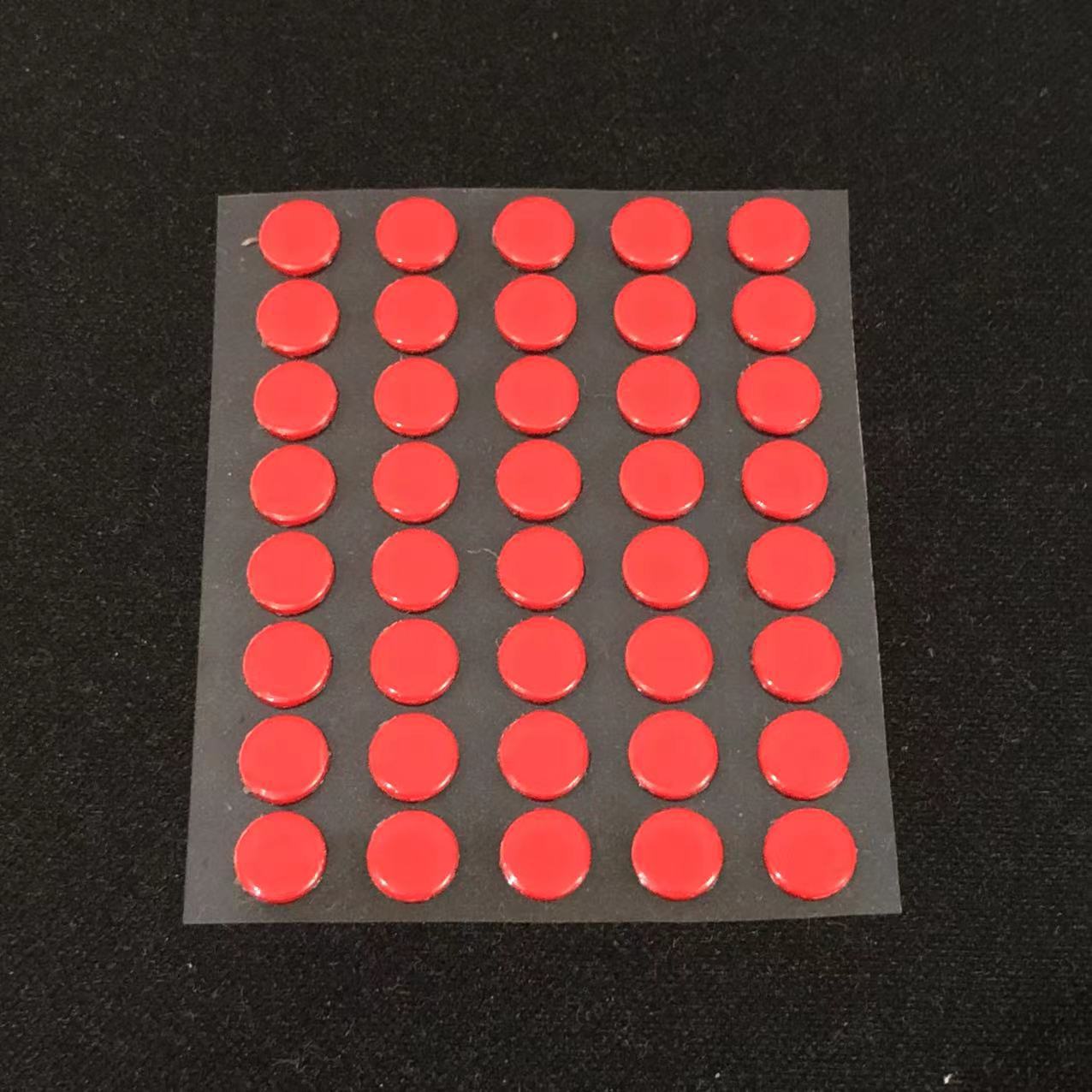
Factory Price Round Red Mouse Sticker Pads Universal Glass Mouse Skates with Small Dot PTFE Non-slip Mouse Feet
Low-friction PTFE skates for glass mouse pads and gaming peripherals. A practical fit for Kyoto e-sports cafés, gaming retailers and precision peripheral brands that value consistent glide and clean packaging.

High Transmittance 98% Anti-Reflective AR Glass for Museum Showcase Luxury Picture Frame Low Reflectance Coated 1mm-19mm
Anti-reflective coated glass that protects contrast and colour fidelity in display cases, framed works and luxury retail. Well suited to Kyoto museums, galleries, temple collections and heritage-sensitive exhibitions.
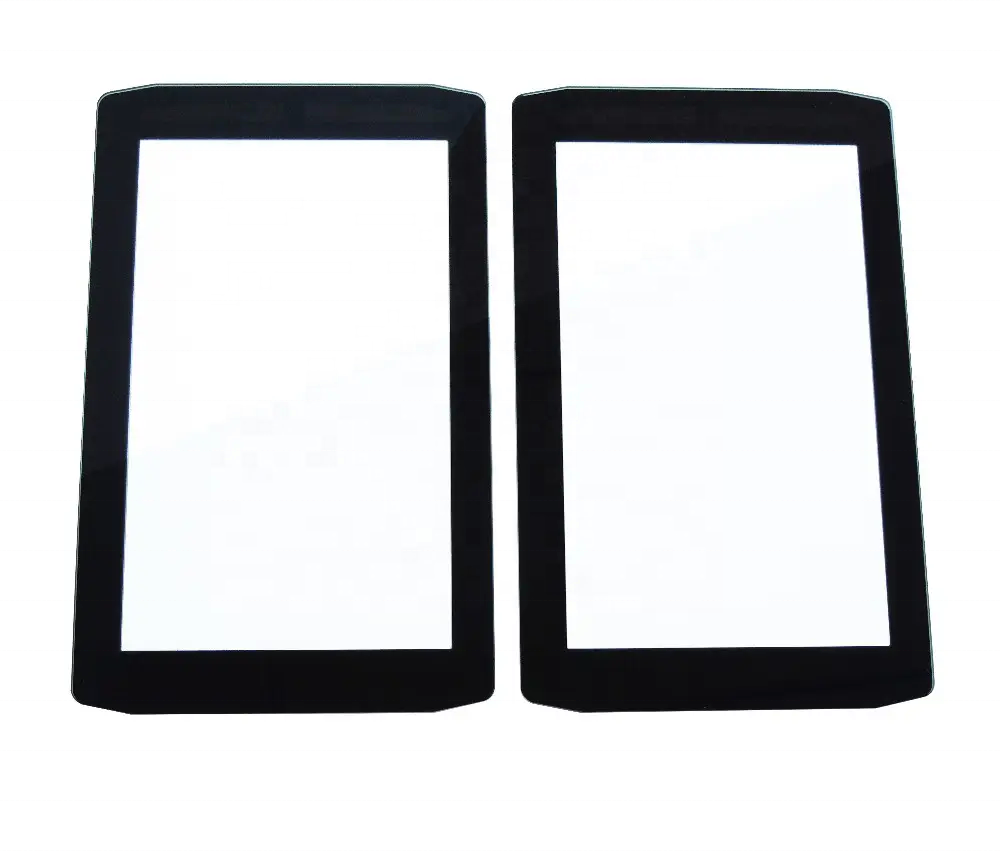
AG High Quality Solid Tempered Glass Anti-Glare Digital Screen Display Customizable Touch Screen Panel Factory Direct Outdoor
Anti-glare tempered cover glass for outdoor kiosks, wayfinding terminals and digital signage. Kyoto’s tourism, transit and retail environments need readable screens under changing daylight.
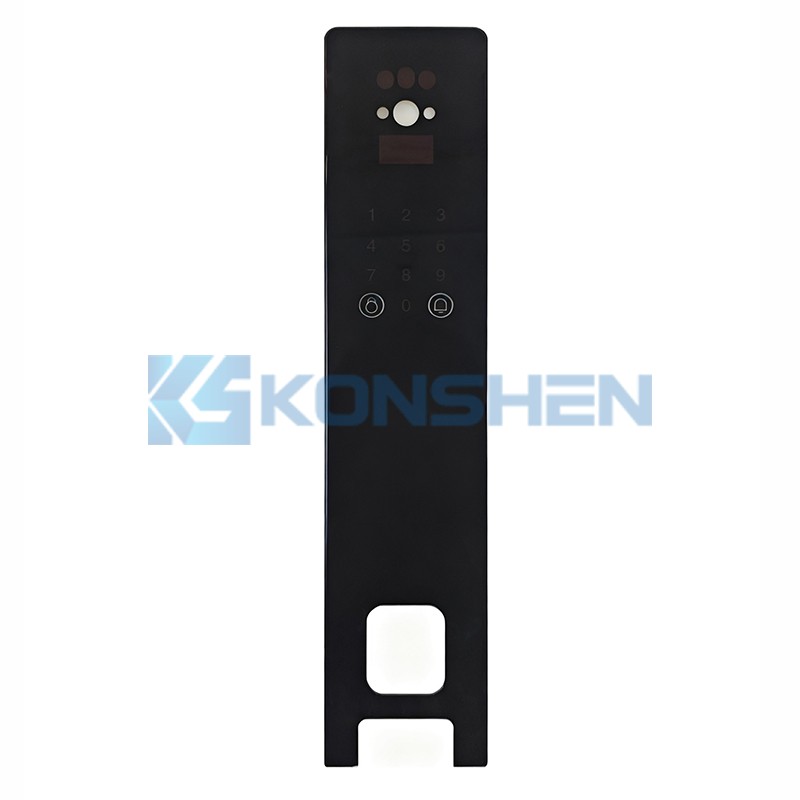
Electronic Tempered Glass Film Custom Printed Rectangular Panel Digital Keypad for Smart Door Lock
Printed tempered glass for smart locks, access control and boutique accommodation. The clean flat panel suits Kyoto machiya renovation, serviced apartments and hotel entry systems.
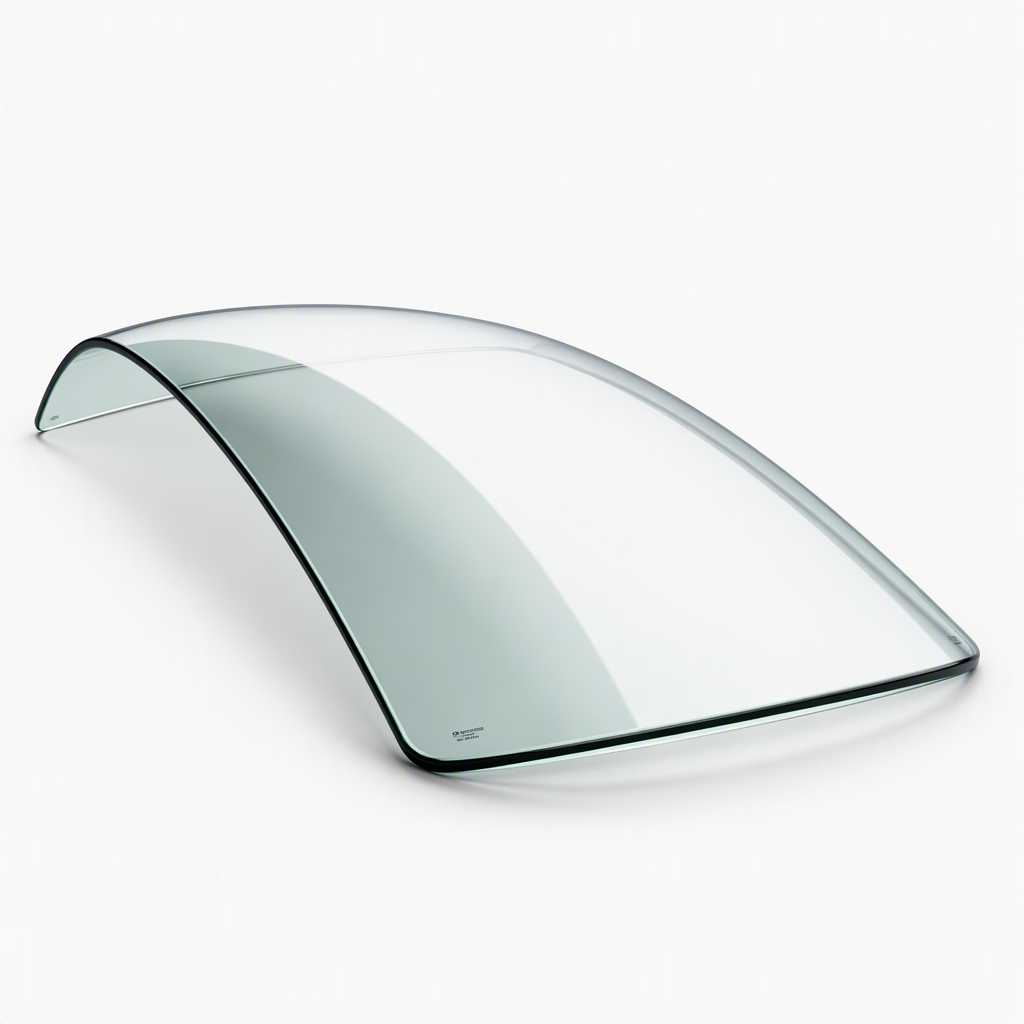
Hot Bent Glass Curved Tempered Glass Panel Small Radius Arc Shaped Custom Curved Glass For Automotive Display OEM ODM
Small-radius curved tempered glass for automotive displays and HMI surfaces. Supports Kansai mobility suppliers that need repeatable curvature, optical clarity and OEM/ODM documentation.
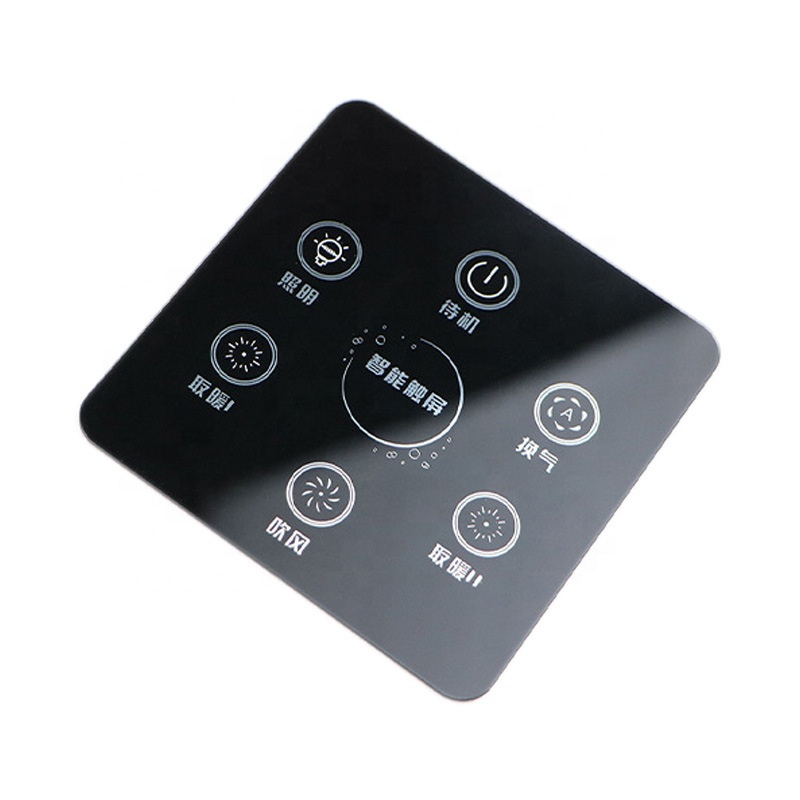
Bathroom Solid & Hollow Tempered Glass Intelligent Touch Shower Control Switch Panel Silk Screen Printed with 4-Year Warranty
Silk-screen printed tempered glass for shower and bathroom controls. Relevant to Kyoto ryokan, hotel refurbishment and smart bathroom projects where hygiene, touch response and design consistency matter.

KS AG002 Custom Size AG Coating Anti-Glare Tempered Glass Panel High Transmittance Cover Sheet for Electronic Display Screen
High-transmittance AG glass for electronic displays, control panels and kiosks. A strong option where Kyoto buyers need glare control without losing image clarity or touch sensitivity.
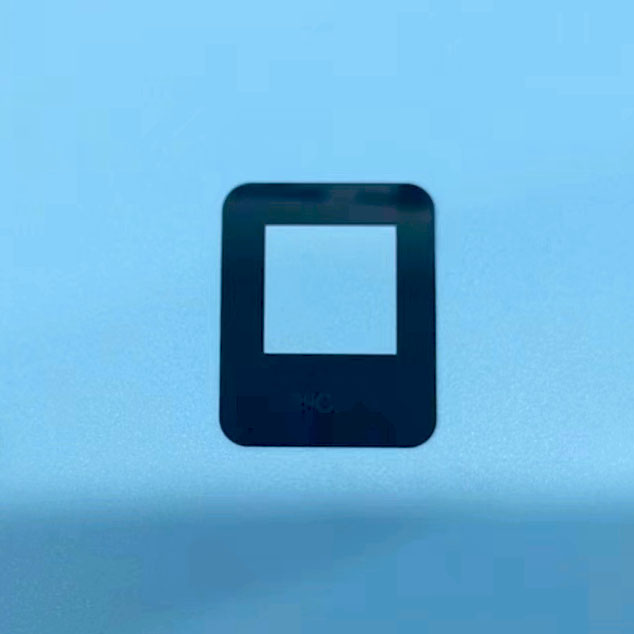
1mm Black Tempered Glass Switch Socket Panel Flat Solid Wall Cover with Print
Flat black tempered glass switch and socket covers for modern interiors. A natural fit for Kyoto apartment upgrades, hospitality interiors and design-led smart-home retrofits where black glass creates a quiet premium look.
Why KELO Glass Fits a Kyoto Sourcing Strategy
Kyoto buyers rarely purchase glass as a commodity. They evaluate the supplier behind it: engineering response, coating data, sample speed, packaging discipline and the ability to keep a specification stable from prototype to volume.
Factory-direct scale with high-mix flexibility
Huizhou KELO Glass Co., Ltd. is a factory-direct manufacturer of touch screen cover glass, optical coated glass and custom tempered panels. Cutting, CNC machining, edge polishing, silk-screen printing, tempering, coating and bonding run under one roof — a practical advantage for Kyoto buyers who need both design flexibility and accountable quality.
- 0.1–19 mm thickness range
- AR / AG / AF / ITO / FTO coatings
- 2.5D and 3D curved forming
- Silk-screen printing and laser engraving
- Samples from 1–2 pieces
- 100% appearance inspection
Where Glass Becomes Part of the Kyoto Experience
Kyoto combines heritage architecture, high-end hospitality, precision manufacturing and a growing smart-home culture. That mix rewards glass suppliers who can adapt to both aesthetic detail and technical function.
Smart Bathroom & Wellness
Smart scale glass, shower control panels and printed mirror controls for hotels, ryokan and compact urban bathrooms. AF coatings help maintain a clean feel; tempering and safe edge finishing support daily use.
Ryokan & Boutique Hotels
Touch switches, bathroom controls and room-entry keypads with quiet, minimal visual design. Kyoto hospitality projects often value restrained aesthetics and tactile quality over decorative excess.
Museums, Galleries & Heritage Venues
AR anti-reflective glass for showcases and framed works helps preserve visual depth and colour. Low-reflection surfaces are especially relevant in exhibition spaces where lighting is carefully controlled.
Machiya Renovation & Smart Homes
Black tempered switch and socket covers, smart-lock keypads and touch controls fit renovation projects that blend traditional spatial character with modern convenience and low visual noise.
Transit, Retail & Outdoor Signage
AG tempered display glass improves readability for wayfinding screens, ticketing kiosks and shop windows. It is a practical upgrade where daylight reflections otherwise reduce message clarity.
Automotive & Mobility Interfaces
Curved tempered glass and anti-glare cover panels for dashboard displays, center consoles and in-vehicle HMI. Kyoto and the wider Kansai region have deep precision-engineering roots and demanding quality expectations.
Local Market Trends That Change the Glass Specification
The Kyoto market is not a volume-only market. It rewards detail, documentation and long-term service. These trends are shaping how buyers specify smart scale glass, coated glass and custom control panels.
Energy-aware smart buildings
Hotel and apartment upgrades favour touch panels that are efficient, easy to clean and visually calm. Glass surfaces reduce seams and align with low-maintenance interiors.
Heritage-sensitive modernisation
Machiya, boutique hotels and compact residential projects need modern controls without visual clutter. Black glass switch covers and printed keypads support restrained, design-led renovation.
Tourism and cultural display quality
Museums, galleries and premium retail environments expect AR glass with low reflectance, good colour neutrality and reliable coating durability. Display quality is part of the visitor experience.
High-mix, low-volume sourcing
Kyoto buyers often need several sizes, prints or coatings in one programme. Flexible sampling, drawing-based quotations and protected packaging are more valuable than a single low unit price.
What this means for procurement
A Kyoto-focused RFQ should define the visual finish, optical target, touch surface, cleaning method, substrate thickness, edge quality and packing format. When those details are clear, the sample becomes a reliable production reference rather than a one-off prototype.
Which Glass Should a Kyoto Buyer Choose?
Match the operating condition first, then choose the substrate and coating stack. These recommendations help shorten the first engineering review.
Smart Scale & Bathroom Glass
For digital bathroom scales, shower panels and wellness devices, prioritise tempered safety, flatness, clean printing and fingerprint control.
- Recommended: AF or AG+AF coated tempered glass
- Consider printed graphics and hidden sensor windows
- Review edge quality and adhesive compatibility
Museum & Luxury Display Glass
For showcases, gallery frames and luxury retail, reflection control is the dominant requirement. The goal is to let the object be seen, not the glass.
- Recommended: AR anti-reflective glass
- Specify transmittance and reflectance targets
- Choose thickness based on frame and handling
Smart Building & Mobility Glass
For smart locks, switch panels, outdoor touch screens and automotive HMI, balance readability, durability and a precise visual finish.
- Recommended: AG, AF or 2.5D/3D tempered panels
- Use printed black borders to hide circuitry
- Confirm reliability tests before mass production
Coating Performance Data for Kyoto Procurement Teams
Use these production capability windows directly in your RFQ or drawing notes. Final targets are confirmed against your drawing during engineering review.
| Coating / Process | Key Performance Window | Kyoto-Relevant Use Case |
|---|---|---|
| ARAnti-reflective | Reflectance <1.0% per side · Transmittance >99% across 400–700 nm · single or multi-layer | Museum showcases, luxury frames, medical monitors and high-clarity display windows |
| AGAnti-glare | Controllable haze 5–60% · gloss 0.5–8 GU | Outdoor kiosks, transit signage, industrial HMI and sunlight-readable screens |
| AFAnti-fingerprint | Water contact angle >110° · pencil hardness >3H · transmittance >98% · durability >10,000 cycles | Touch control panels, smart bathroom controls, appliance glass and high-touch surfaces |
| ITOConductive | Sheet resistance 1–20 Ω/sq · transmittance >85% · haze <2% | Capacitive touch sensors, displays and EMI shielding |
| FTOConductive | Sheet resistance 1–20 Ω/sq · transmittance >85% · haze <2% | Thin-film solar cells and high-temperature processes |
| Tempered / Curved | Thickness 0.1–19 mm · flat, 2.5D and 3D forming · printed and adhesive-bonded options | Smart scale glass, switch panels, automotive displays and custom control glass |
Typical production capability shown. Buyers should approve the exact test method, acceptance criteria and packing standard before volume production.
Incoming Inspection
Raw glass and consumables are checked before production begins.
- Thickness and flatness verification
- Surface defect screening
- Ink and coating material checks
In-Process Control
Critical dimensions and coating results are monitored at each station.
- CNC dimension and hole position
- Tempering and strength checks
- Coating adhesion and abrasion
Final Inspection
Finished pieces are checked before protective packing and shipment.
- 100% appearance inspection
- Salt spray and reliability testing
- Honeycomb, blister and partition packing
How a Custom Glass Project for Kyoto Runs
A clear, engineering-led path from drawing or sample to validated production. The process is designed to reduce rework, protect optical targets and keep packaging suitable for international delivery.
Share Requirements
Send a drawing, sample or target specification, plus annual volume and application details.
Engineering Review
Receive DFM feedback on thickness, tolerance, coating, printing, curvature and cost drivers.
Rapid Prototype
Sample orders can start from 1–2 pieces so fit and optics can be evaluated before volume.
Validation
Approve appearance, optical performance, touch area, coating feel and reliability criteria.
Mass Production
Typical bulk lead time is 21–31 days after sample approval, depending on complexity.
Packing & Shipping
Protective packing and export documentation support delivery to Kyoto via agreed trade terms.
A Reliable Glass Partner for the Kyoto Market
KELO Glass combines factory-direct production with engineering support, coating knowledge and export experience. For Kyoto buyers, that means a supplier who can discuss the drawing, not just quote a catalogue number.
Verified Manufacturer
Factory-direct production rather than trading. In-house cutting, CNC, polishing, printing, tempering, coating and bonding keep accountability clear.
Engineering-Led DFM
Drawing review covers tolerance, coating stack, printing, curvature, edge quality and packaging. Samples from 1–2 pieces help validate the design early.
Coating Expertise
AR, AG, AF and ITO/FTO options are supported by measurable targets for reflectance, haze, contact angle, sheet resistance and durability.
Quality Gates
Incoming, in-process and final inspection include 100% appearance checking plus tempering, adhesion, abrasion and salt spray tests where relevant.
Export Experience
FOB, CFR, CIF, EXW and DDP terms are available. Payment support includes T/T, L/C, PayPal and Western Union, with Trade Assurance protection through Alibaba.com where applicable.
Responsive Communication
Typical response time is within one hour. The team supports English-language drawing review, sample coordination, order follow-up and shipping communication.

Factory base: Huizhou, Guangdong — within the Greater Bay Area electronics supply chain.

Inspection discipline: appearance checks and process controls before packing.

Coating samples: AR, AG, AF and combined stacks evaluated against your optical target.
Common Local Procurement Questions
Practical answers for Kyoto buyers comparing a smart scale glass supplier, an AR/AG coated glass exporter and a custom tempered panel manufacturer.
What is the minimum order quantity for custom smart scale glass or tempered panels?
Sample orders can start from 1–2 pieces so you can validate fit, printing, optical appearance and coating performance before committing to volume. Bulk quantities are quoted according to drawing, size, thickness, coating stack and annual demand.
Can you ship to Kyoto or the Kansai region?
Yes. Export terms can be discussed as FOB, CFR, CIF, EXW or DDP. Many Japan-bound shipments are routed via major Kansai gateways such as Osaka or Kobe. The final shipping route, Incoterm and customs documentation are confirmed with your order.
What lead time should a Kyoto buyer plan for?
Bulk lead time is typically 21–31 days after sample approval, depending on size, coating requirements, curved forming, printing complexity and order quantity. Sample timing depends on whether the project starts from an existing drawing or requires new tooling and process development.
What documents can support import and internal approval?
Depending on the product, the documentation package can include commercial invoice, packing list, material certificates, inspection reports and coating test data where applicable. Buyers should specify any additional requirements during the RFQ so the correct acceptance criteria are built into production.
How do you verify AR, AG and AF coating performance?
AR performance is evaluated through reflectance and transmittance targets. AG is controlled through haze and gloss values. AF is checked through contact angle, hardness, appearance and durability tests. The exact method and acceptance limits should be agreed before sampling.
Can you support small custom sizes, mixed SKUs and printed logos?
Yes. The product range covers 0.1–19 mm thickness, custom size and shape, holes, silk-screen printing, laser engraving, 2.5D/3D curved forming and 3M adhesive bonding. High-mix projects are reviewed case by case so that packing and inspection are defined clearly.
How is glass protected for international transit?
Protective packing can include custom honeycomb cartons, blister trays and partition packing to reduce transit damage. Because packaging directly affects arrival quality, the packing method should be approved together with the sample and finalised before mass production.
Which payment methods and commercial terms are accepted?
Trade terms include FOB, CFR, CIF, EXW and DDP. Payment methods include T/T, L/C, PayPal and Western Union. Orders placed through Alibaba.com can be protected by Trade Assurance. Currency and payment details are confirmed in the quotation.
Request a Kyoto-Market Smart Scale Glass Quotation
Send your drawing, target coating performance, annual volume and packing preference. Our engineering team will review feasibility, recommend the most cost-effective glass structure and prepare a quotation for your Kyoto or Kansai project.