AF Coated Glass & Optical Glass Products for Canadian Buyers
These eight product lines represent the practical starting point for Canadian appliance brands, smart-home suppliers, display integrators, architects, gaming peripheral companies and industrial OEMs. AF coated glass is not a single commodity: the right choice depends on the substrate, coating stack, cleaning protocol, touch frequency, optical target and installation environment.
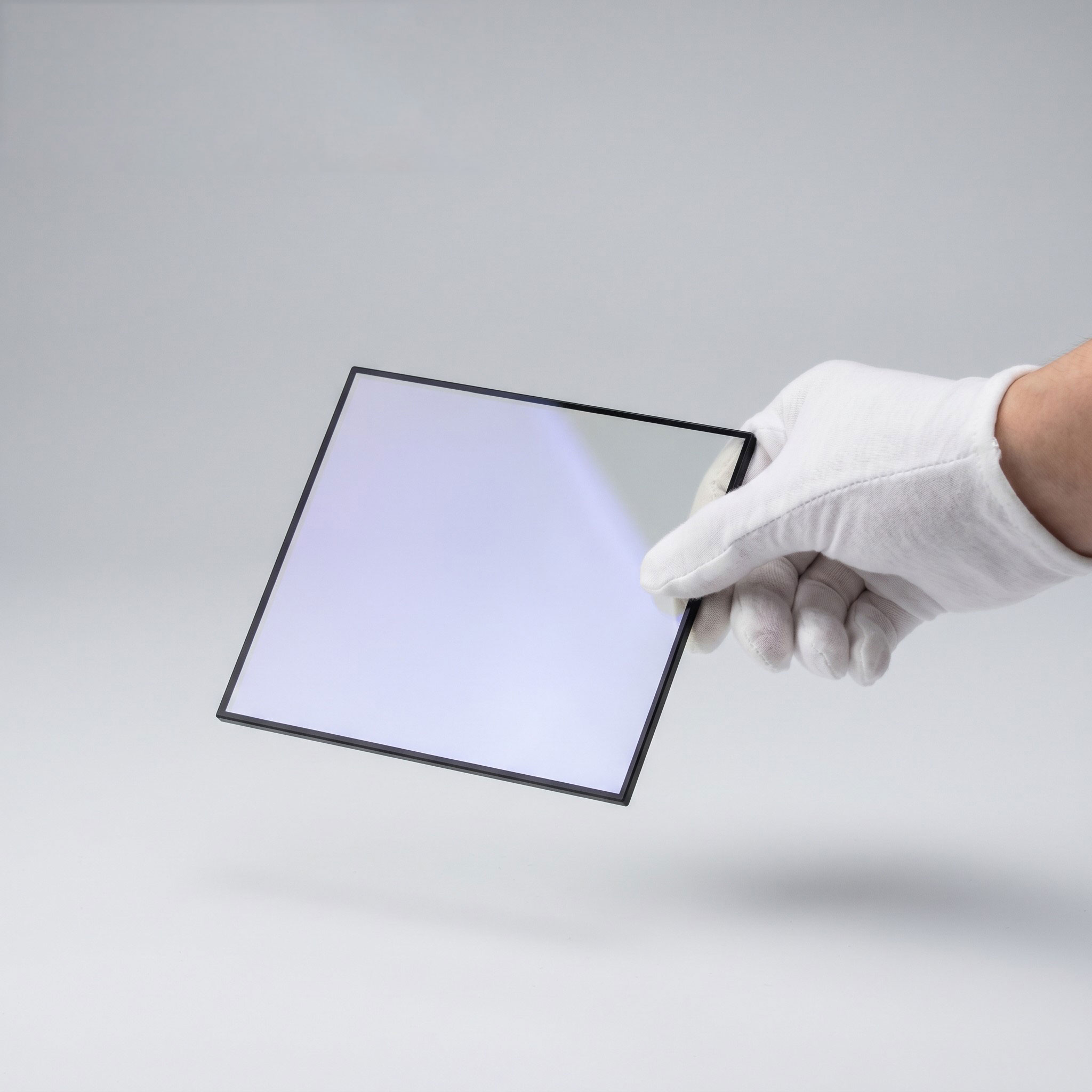
High Transmittance 98% Anti-Reflective AR Glass for Museum Showcase
Low-reflectance 1 mm–19 mm AR glass for museum vitrines, gallery frames, luxury retail display and architectural showcases where color fidelity and see-through clarity matter.
1–19 mmAR coatedLow reflectance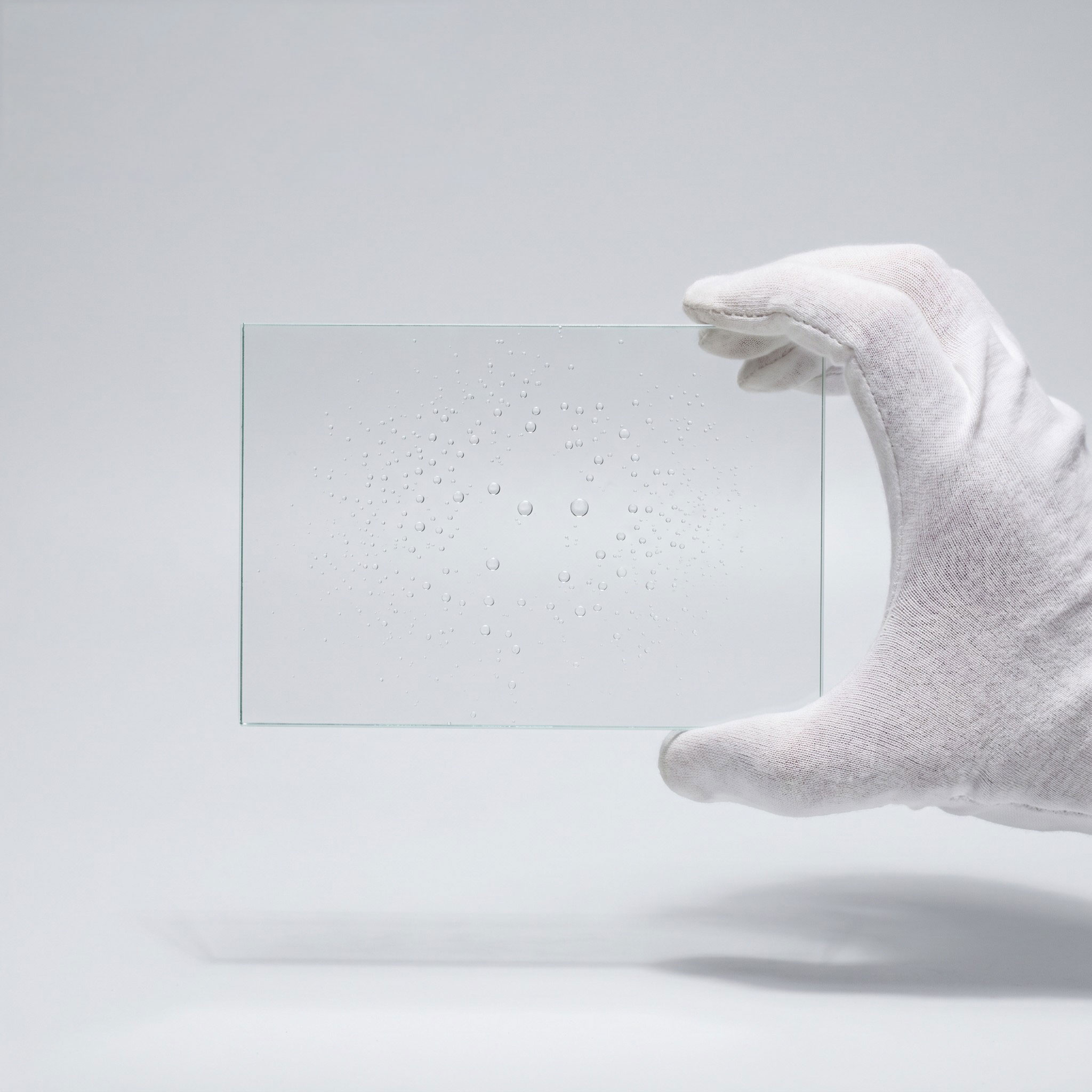
KS AF001 High Transmittance AF Coated Custom Toughened Glass Panel
1.1 mm / 2 mm CNC-cut AF cover glass for kitchen electronic device covers, appliance controls and high-touch surfaces. Oleophobic performance helps resist fingerprints and daily cleaning marks.
AF coatingCNC cutCustom shape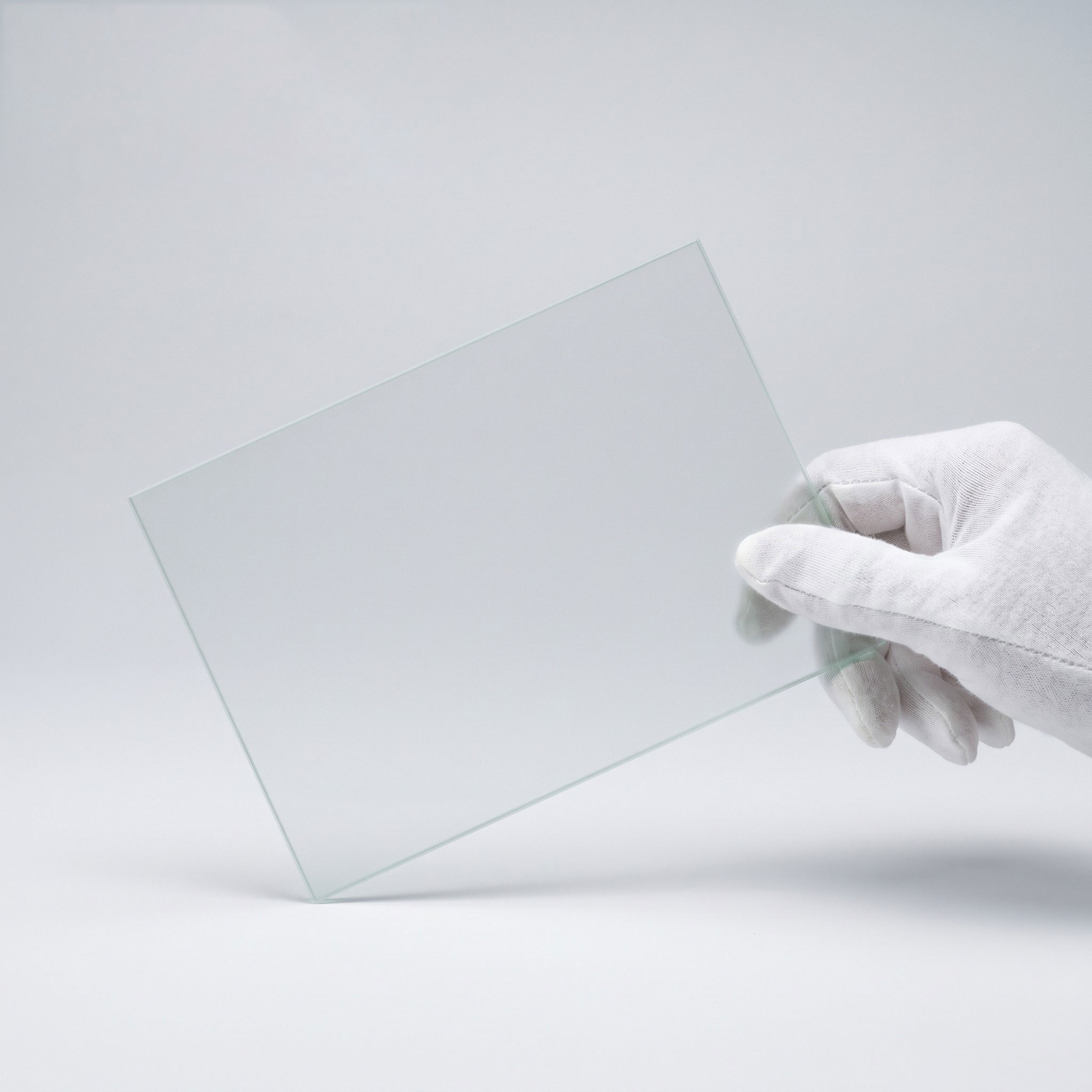
KS AG002 Custom Size AG Coating Anti-Glare Tempered Glass Panel
Anti-glare cover sheet for electronic display screens, kiosks, control panels and window-facing interfaces. Controllable haze helps Canadian outdoor and bright-retail displays remain readable.
AG coatingCustom sizeTempered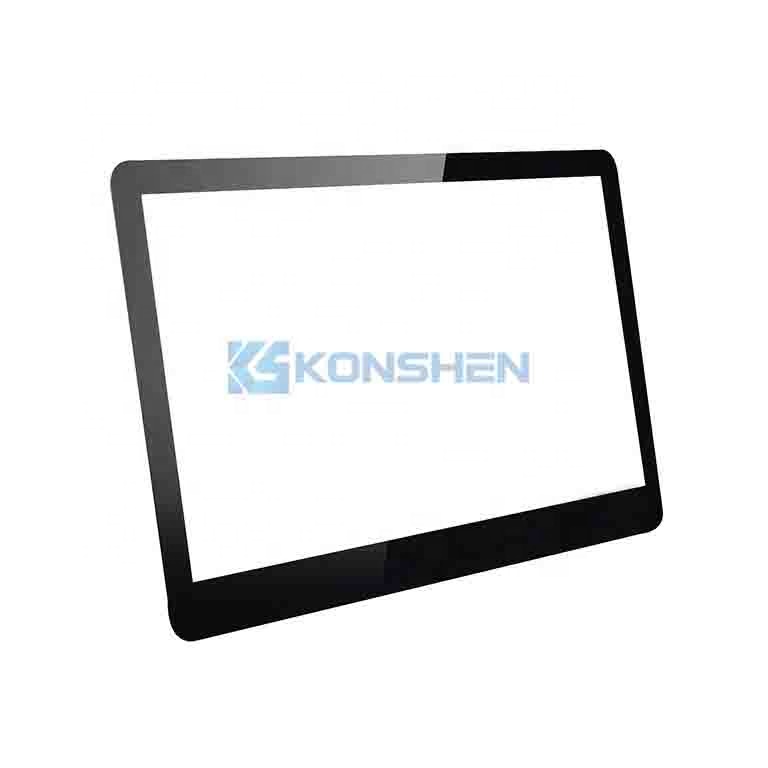
2 mm / 3 mm Solid or Hollow Anti-Glare Chemical Tempered LCD Cover Glass
Silk-screen printed, European-style LCD protection glass for touch screens, industrial interfaces and electronic equipment. Chemical tempering supports thinner, lighter and stronger assemblies.
2–3 mmChemical temperedSilk-screen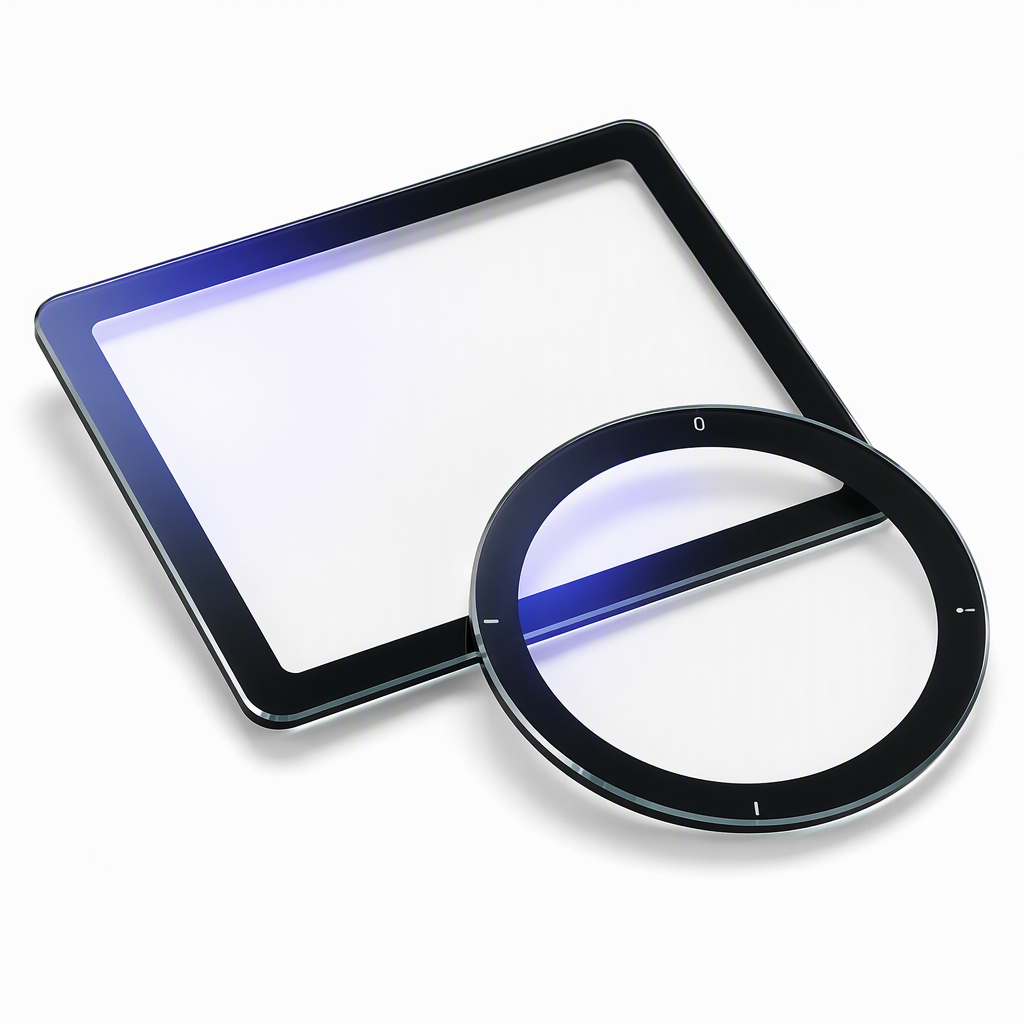
Custom Low-Iron AR-Coated Tempered Display Cover Glass
Factory-supplied low-iron cover glass with AR coating and customized size. Reduced green tint and reflection improve display windows, optical equipment and premium electronic enclosures.
Low ironAR coatingCustomized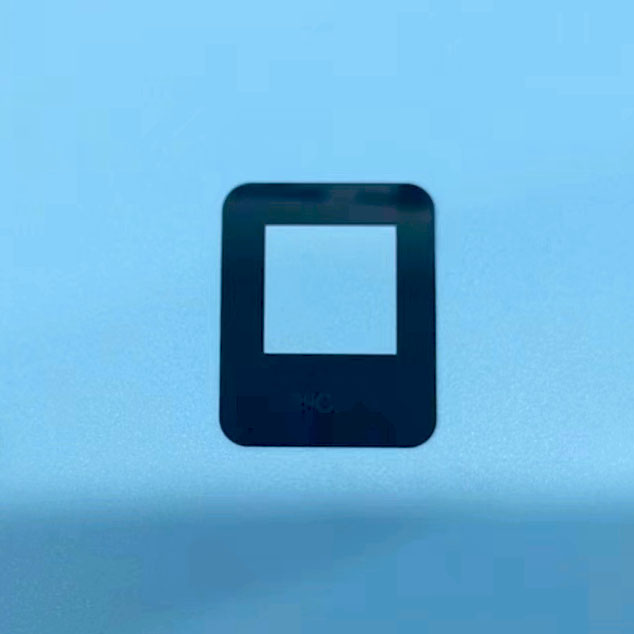
1 mm Black Tempered Glass Switch Socket Panel
Flat black tempered wall cover with print for switches, sockets and smart-home control plates. Scratch-resistant, easy to clean and suitable for modern residential and hospitality interiors.
1 mmBlack glassPrinted
Round / Oval PTFE 3M Wear-Resistant Smooth Mouse Feet Stickers
Low-friction mouse feet for glass pads and gaming peripherals. Wear-resistant PTFE with 3M adhesive supports smooth glide, custom shapes and stable assembly for Canadian gaming brands.
PTFE3M adhesiveWear-resistant
Curved Tempered Glass Panel with Anti-Reflective Coating
Waterproof curved AR tempered glass for bathroom control panels, instrument displays and decorative covers. Custom forming supports seamless industrial design and easy-clean surfaces.
CurvedAR coatingWaterproofWhy AF Coated Glass Deserves a Separate Buying Strategy in Canada
Anti-fingerprint glass is often specified late in a project, after the display, enclosure and cleaning process have already been chosen. That is risky. AF performance is affected by the substrate, surface roughness, coating stack, handling, packing and the chemicals used in daily cleaning.
AF coated glass is engineered to create a low-surface-energy top layer that repels water, oil and fingerprints. In technical terms, buyers should ask for a water contact angle above 110°, abrasion durability measured over thousands of cycles, pencil hardness above 3H and transmittance above 98% where optical clarity is part of the specification. These numbers matter more than a generic claim that a surface is “anti-fingerprint.”
Canada adds a distinct procurement context. A supplier described as “in Canada” may be a domestic fabricator, an importer, a distributor or an overseas factory-direct exporter serving Canadian customers. For brand owners, the practical question is not only where the glass is made, but whether the supplier can support Canadian delivery terms, protective export packing, bilingual documentation where required, small-batch validation, stable lead times and engineering communication across time zones.
This guide therefore uses “Top 10” as a transparent due-diligence framework rather than an unverifiable popularity list. Canadian buyers should compare factories and exporters against the same evidence: coating capability, optical data, substrate range, custom fabrication, quality gates, sample policy, production capacity, export terms, packaging and commercial protection. A supplier that can document these points is a stronger partner than one that only offers a low unit price.
Canada-specific procurement filter
- Does the factory coat AF in-house, or outsource the critical coating step?
- Can it provide contact angle, abrasion, adhesion and appearance criteria in writing?
- Does it support DDP, FOB, CIF, CFR and EXW for Canadian buyers?
- Can samples start from 1–2 pieces before a volume commitment?
- Is packaging designed for long-distance export, not local delivery?
What Canadian buyers should not assume
AF is not the same as AR or AG. AR reduces reflection; AG diffuses glare; AF resists fingerprints and makes cleaning easier. Premium projects often combine them, such as AG+AF for outdoor touch displays or AR+AF for high-clarity control panels.
AF does not replace a validated cleaning protocol. In healthcare, public transit, food service and hospitality, the glass should be tested against the actual cleaning agents used. Aggressive solvents and abrasive wipes can shorten coating life, so a supplier should confirm chemical resistance expectations before mass production.
Cold climate is not only a glass-thickness question. Temperature swings, condensation and winter salt exposure make edge quality, adhesion, tempered strength and packing protection especially important. Buyers should request reliability data and inspect the first article carefully before scaling.
Top 10 AF Coated Glass Factory & Exporters in Canada: A Buyer’s Scoring Framework
Use these ten criteria to compare factories, exporters and distributors serving the Canadian market. A qualified AF glass supplier should be able to answer each point with data, samples or documented process controls.
In-house AF coating
Prefer a factory that controls coating chemistry, pre-treatment, curing and inspection. Outsourcing the topcoat can separate responsibility for optical defects, adhesion failures and cleaning durability.
Measured optical data
Ask for contact angle, transmittance, haze, gloss, pencil hardness and abrasion cycles. For AR glass, request reflectance per side; for AG glass, request haze and gloss targets.
Substrate and strengthening
Review thickness range, low-iron options, chemically strengthened glass, flat or curved tempering and edge quality. A 0.1–19 mm range supports prototypes and production across many product categories.
Custom fabrication depth
Check CNC cutting, drilling, holes, edge polishing, silk-screen printing, laser engraving, 2.5D/3D forming and 3M adhesive bonding. These steps determine assembly fit, not just appearance.
Coating stack compatibility
AF, AR and AG can be combined, but each stack must be validated. Ask how the supplier balances reflectance, haze, color neutrality, fingerprint resistance and durability on the same substrate.
Quality gates and tests
Look for incoming, in-process and final inspection; 100% appearance checking; adhesion, abrasion and salt spray testing; and defined release criteria. Clear quality gates reduce hidden rework.
Sampling and DFM review
Samples from 1–2 pieces help validate fit, optics and coating feel before volume. A strong supplier also reviews drawings for tolerance stack-up, tooling risk, print registration and assembly issues.
Capacity and lead time
For scale, compare annual output, factory area and production lead time. A typical 21–31 day mass-production window after sample approval is practical when coating, curved forming and printing complexity are controlled.
Canadian export readiness
Confirm FOB, CFR, CIF, EXW and DDP support, plus export-grade packing. Honeycomb cartons, blister trays and partition packing matter for long transit and multiple handling points.
Commercial protection
Review response speed, payment methods, order protection and documentation. KELO Glass supports T/T, L/C, PayPal and Western Union, and orders placed through Alibaba.com can be protected by Trade Assurance.
Where AF Coated Glass Creates Value in Canadian Products
AF coated glass is most valuable where a surface is touched often, cleaned frequently and judged visually. In Canada, these conditions appear across appliances, smart homes, retail, healthcare, transit and industrial equipment.
Kitchen and appliance controls
AF cover glass keeps oven, coffee machine, refrigerator and small-appliance interfaces looking cleaner. It is especially relevant for black or dark printed glass where fingerprints show quickly.
Smart-home wall plates
Black tempered glass switch and socket panels combine design, scratch resistance and easy cleaning. AF treatment can be added where touch interaction and frequent wiping are expected.
Outdoor kiosks and transit displays
AG+AF glass helps reduce glare while keeping public touchpoints presentable. Canadian buyers should validate haze, readability and cleaning resistance for each deployment.
Healthcare and public touch
AF surfaces are easier to wipe clean, but they do not replace infection-control protocols. Test the coating against approved disinfectants and specify durable edges and packaging.
EV chargers and industrial HMI
Public charging stations and factory operator panels face rain, dust, gloves and repeated cleaning. Curved, waterproof or AR-coated glass can improve durability and user experience.
Museum, retail and luxury display
AR glass improves clarity for showcases and luxury frames, while AF can support easy cleaning of touch-enabled retail displays. In these projects, color fidelity and low reflectance are as important as surface feel.
AF Coated Glass Trends Shaping Canadian Procurement in 2025
Canadian sourcing teams are moving toward suppliers who can prove performance, support smaller validation batches and reduce supply-chain uncertainty without sacrificing optical quality.
Hygiene-visible surfaces
Public touchpoints, shared kitchens and clinical environments have increased attention on cleanability. AF glass is being specified not as a claim of sterilisation, but as a surface that is easier to wipe and keep visually clean.
Combined optical stacks
Single-function glass is giving way to AG+AF for outdoor readability and AR+AF for high-clarity touch panels. Buyers want one supplier to validate the full stack rather than manage separate coating vendors.
Design-led glass integration
Black printed glass, curved panels, low-iron substrates, 2.5D/3D edges and 3M adhesive bonding are becoming common in smart-home, appliance and EV charger designs. Glass is now both an interface and a cosmetic component.
Factory-direct, export-ready sourcing
Canadian buyers are consolidating around manufacturers that offer DDP options, protective packaging, engineering review, 1–2 piece samples and documented quality gates. This reduces hidden cost and improves launch reliability.
How KELO Glass Supports Canadian AF Coated Glass Projects
Huizhou KELO Glass Co., Ltd. is a factory-direct manufacturer located in Huizhou, Guangdong, inside China’s Greater Bay Area electronics supply chain. The company produces touch screen cover glass, display cover glass and optical coated glass, with advanced surface treatment as its core technology. For Canadian buyers, this means a supplier that can connect coating performance to real manufacturing steps rather than simply trading glass.
KELO controls cutting, CNC machining, edge polishing, laser engraving, silk-screen printing, sandblasting and frosting, flat and curved tempering, AR/AG/AF/ITO coating, 2.5D/3D curved forming and 3M adhesive bonding under one roof. Keeping these steps in-house reduces handling damage, shortens problem-solving cycles and keeps tolerances consistent from sample to mass production.
The factory processes specialty materials including Gorilla glass, borosilicate glass, quartz glass, sapphire glass, ceramic glass, lead shielding glass and laminated safety glass. Samples can start from 1–2 pieces, while bulk lead time is typically 21–31 days after sample approval, depending on size, coating stack, curved forming and printing complexity.
In-house surface engineering
AR, AG, AF and ITO/FTO coating are treated as core process steps, not outsourced afterthoughts. This supports faster root-cause analysis if optical or adhesion issues appear.
Factory scale and capacity
10k–30k m² factory area, 20–25M pcs/year touch cover glass capacity and 21–30 R&D engineers support both custom prototypes and repeat production.
Export and commercial readiness
FOB, CFR, CIF, EXW and DDP terms are supported, with T/T, L/C, PayPal and Western Union payment options. Alibaba.com orders can be protected by Trade Assurance.
Verified quality and service
KELO is a verified exporter with a 4.9/5 store rating, 98.18% reply rate and typical response time within one hour. Quality is controlled through incoming, in-process and final inspection with 100% appearance checking.
Coating Performance and Sourcing Scorecard
Use these reference windows during RFQ preparation. Final acceptance criteria should always be confirmed against your drawing, cleaning process and end-product validation plan.
| Coating / Function | Typical Performance Window | Canadian Application Fit |
|---|---|---|
| AR | Reflectance <1.0% per side; transmittance >99% across 400–700 nm; single or multi-layer designs | Museum showcases, medical displays, automotive touch screens, luxury retail |
| AG | Controllable haze 5–60%; gloss 0.5–8 GU | Outdoor kiosks, transit displays, industrial HMI, window-facing screens |
| AF | Water contact angle >110°; pencil hardness >3H; transmittance >98%; durability >10,000 cycles | Kitchen electronics, smart-home panels, public touchpoints, appliance controls |
| ITO | Sheet resistance 1–20 Ω/sq; transmittance >85%; haze <2% | Capacitive touch sensors, displays, EMI shielding |
| FTO | Sheet resistance 1–20 Ω/sq; transmittance >85%; haze <2% | Thin-film solar cells and high-temperature processes |
| Combined | AR+AG or AG+AF stacks; cosmetic grade per 60/40 scratch-dig where specified | Premium in-vehicle, outdoor and high-touch interfaces |
Illustrative Canadian sourcing scorecard
Canada AF Coated Glass Procurement FAQ
These are the questions Canadian buyers most often ask when comparing AF coated glass factories and exporters.
Are AF coated glass factories and exporters in Canada the same as Canadian glass fabricators?
What is the minimum order quantity for custom AF coated glass?
How long does production and shipping to Canada take?
How can I verify AF coating durability before ordering?
Can KELO Glass support DDP, FOB, CIF, CFR and EXW for Canadian buyers?
Do you offer custom sizes, shapes, holes, printing, curved forming and adhesive bonding?
Is AF coated glass suitable for cold Canadian weather and frequent cleaning?
Should I choose AF, AR or AG glass?
Can you support English/French packaging and documentation for Canada?
What quality control and packing methods help prevent transit damage?
Request an AF Coated Glass Sample or Factory Quote
Send your drawing, target contact angle, transmittance or haze requirement, annual volume and Canadian delivery terms. The engineering team can review feasibility, recommend the right substrate and coating stack, and confirm a practical sample-to-production path.