Glass thickness range
AR reflectance per side
Sample order minimum
Typical bulk lead time
Factory floor area
Cover glass capacity
Borosilicate Glass Sourcing, Judged the Way Edmonton Buys It
Most "top 10 manufacturer" pages rank suppliers by traffic volume. Edmonton buyers — laboratories, energy-sector OEMs, appliance brands and architectural fabricators — need something different: verifiable thermal data, coating tolerances, and a supply chain that survives a 60 °C winter thermal shock and a 40-day ocean-to-rail transit.
Borosilicate glass is not a single material. The number attached to it — 3.3, 5.1 or 7.0 — describes its coefficient of thermal expansion (CTE) in parts per million per kelvin. That number decides whether your window survives an Edmonton doorway in January, whether it can be laser-cut without micro-cracking, and whether it holds optical flatness after a coating bake. A supplier that lists "borosilicate" without a CTE figure is telling you they do not control the chemistry.
This guide is written from the inside of the manufacturing process. It sets out the ten criteria our own engineers would use if they were buying borosilicate glass from an unknown factory, explains how each criterion maps to actual production capability, and then applies the framework to the eight product families most frequently requested by Canadian and Albertan buyers. Where a claim matters — reflectance, transmission, sheet resistance, contact angle — we state the number our lines are built to hold, because a specification you cannot measure is not a specification.
The Top 10 Criteria for Borosilicate Suppliers Serving Edmonton
Score a candidate factory against these ten dimensions before you release a purchase order. A supplier that fails three or more is a risk to your build schedule.
1. Declared glass chemistry
The supplier must state CTE — 3.3, 5.1 or 7.0 ×10⁻⁶/K — plus the batch melt source, on the quotation. Not on a website footer.
2. Thermal shock evidence
Ask for a differential thermal-shock test report, not a datasheet. Edmonton service windows move from −40 °C to +22 °C across a single door swing.
3. In-house coating lines
AR, AG, AF, ITO and FTO should be deposited under the same roof that cuts the glass. Sub-contracted coating is where yield and accountability disappear.
4. CNC and forming tolerance
Irregular outlines, drilled holes, 2.5D and 3D curved edges and CNC-polished apertures must be quoted with a stated ± tolerance, not "as per drawing".
5. Real prototyping pathway
Sample quantities from 1–2 pieces, with a written DFM review before tooling. If the minimum sample order is 500 units, you are talking to a trader.
6. Traceable quality gates
Incoming, in-process and final inspection, each with defined release criteria. The final gate should be 100% appearance inspection, not AQL sampling.
7. Incoterm fluency into Alberta
FOB, CFR, CIF, EXW and — critically — DDP to Edmonton. A factory that only quotes FOB leaves you to solve customs and rail alone.
8. Transit-proof packaging
Honeycomb cartons, blister trays and partition inserts. Coastal-to-prairie rail freight is harsh on edges; corner chips are a packaging failure, not a carrier problem.
9. Engineering response speed
Quote turnaround under 1 hour and a named engineer on the thread. A 12-hour reply cycle costs a week of calendar time per design iteration.
10. Independently verifiable data
Third-party factory verification, published trade history, a live review score and order protection. All of it should be checkable outside the supplier's own website.
Borosilicate & Specialty Glass Products Requested Most in Edmonton
Eight production lines, each engineered, coated and inspected in-house. Every item below can be cut, drilled, printed, curved and coated to your drawing.
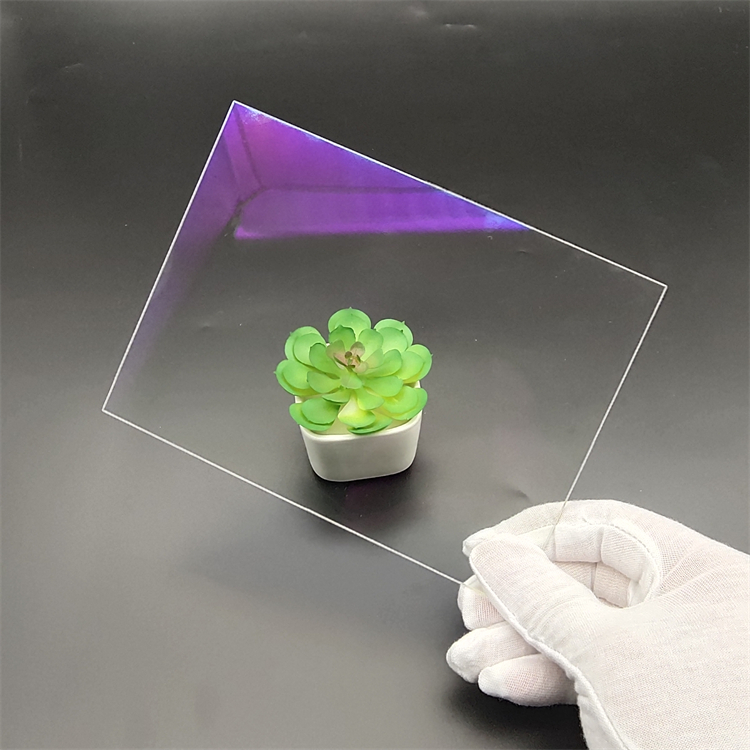
2mm Ultra-Clear Double-Side AR Coated Tempered Glass
Reflectance below 1.0% per side with transmittance above 99% across 400–700 nm. Built for display windows, solar cover plates and lighting optics.
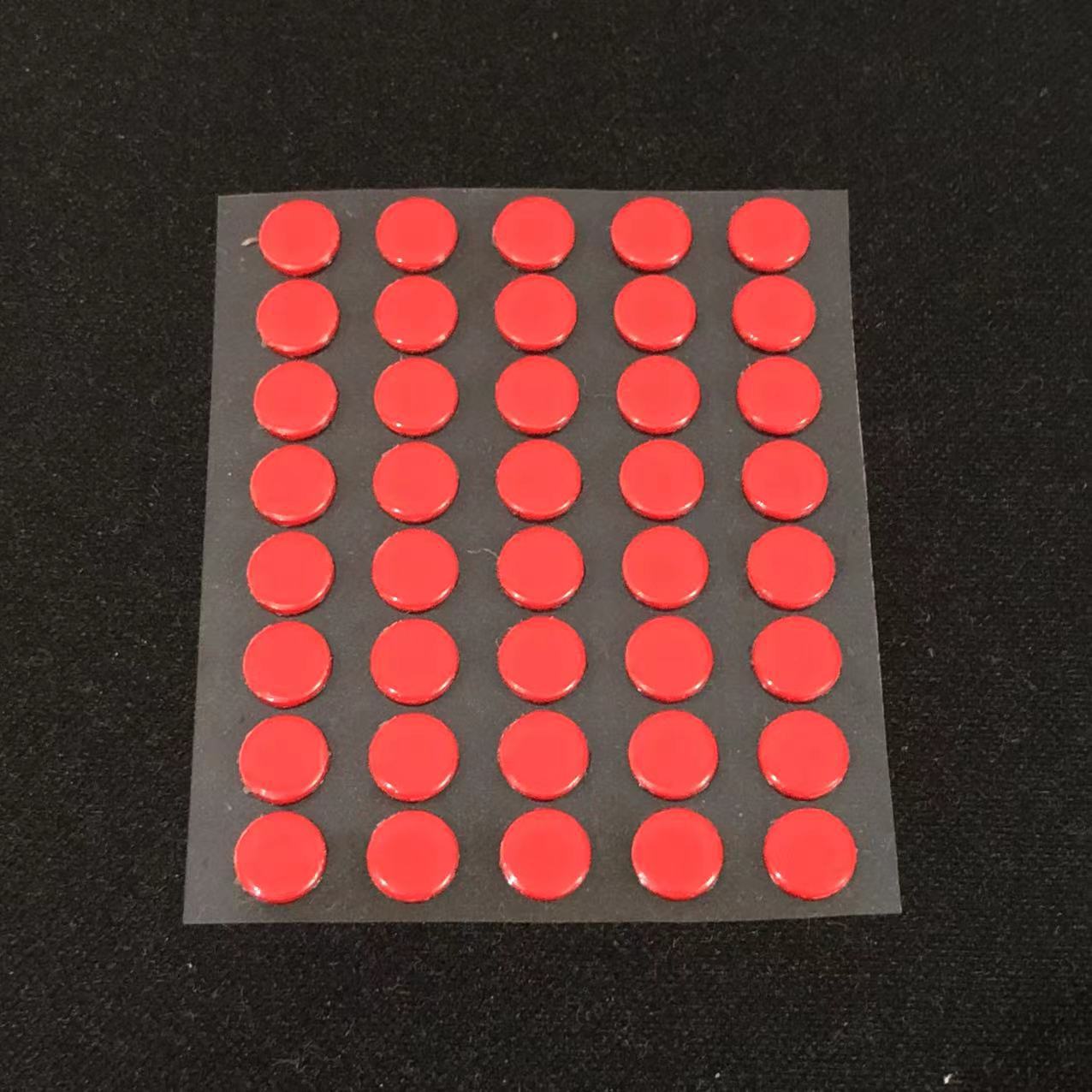
Round Red PTFE Mouse Skate Dots — Factory Price
Self-adhesive non-slip PTFE glide dots for gaming mice and peripheral upgrades. Consistent thickness, clean die-cutting, low-friction surface.
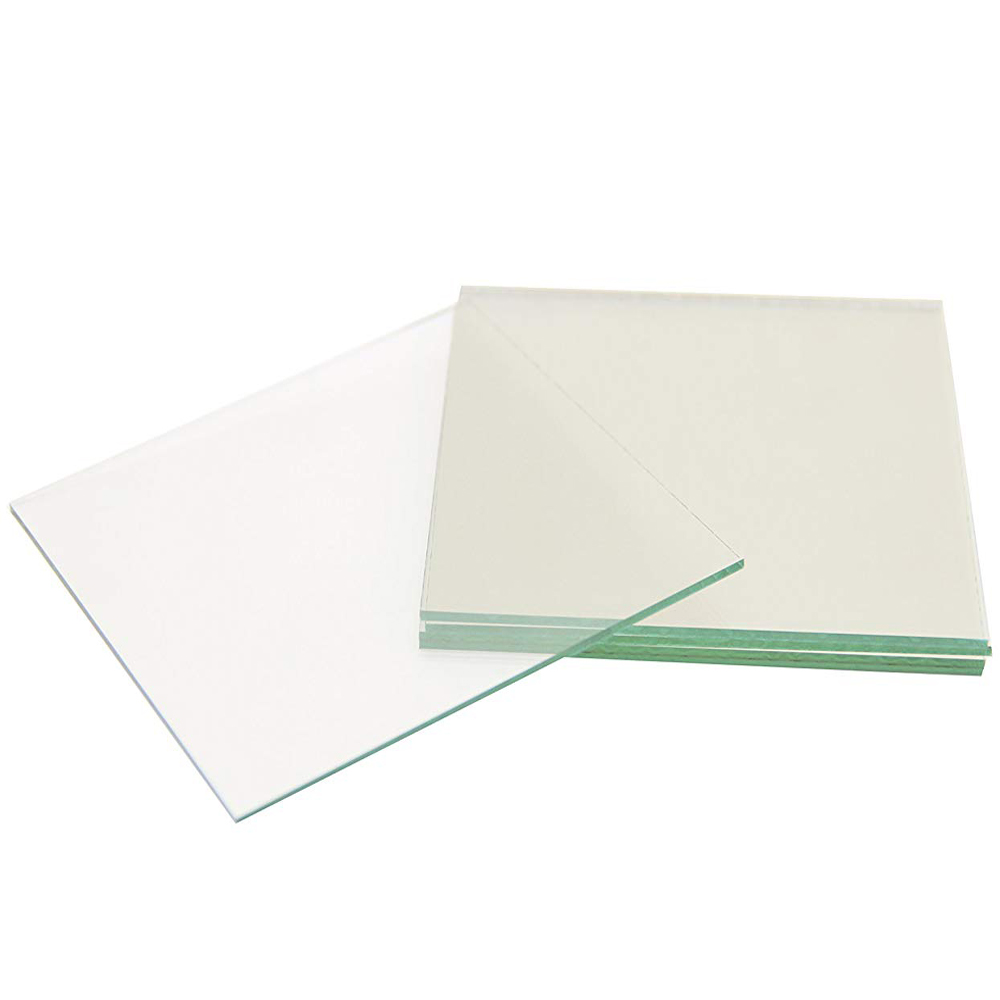
25×25×1.1mm ITO/FTO Conductive Anti-Fog Glass
Transparent conductive substrates for laboratory cells, heated viewing windows, bathroom anti-fog mirrors and thin-film solar research.
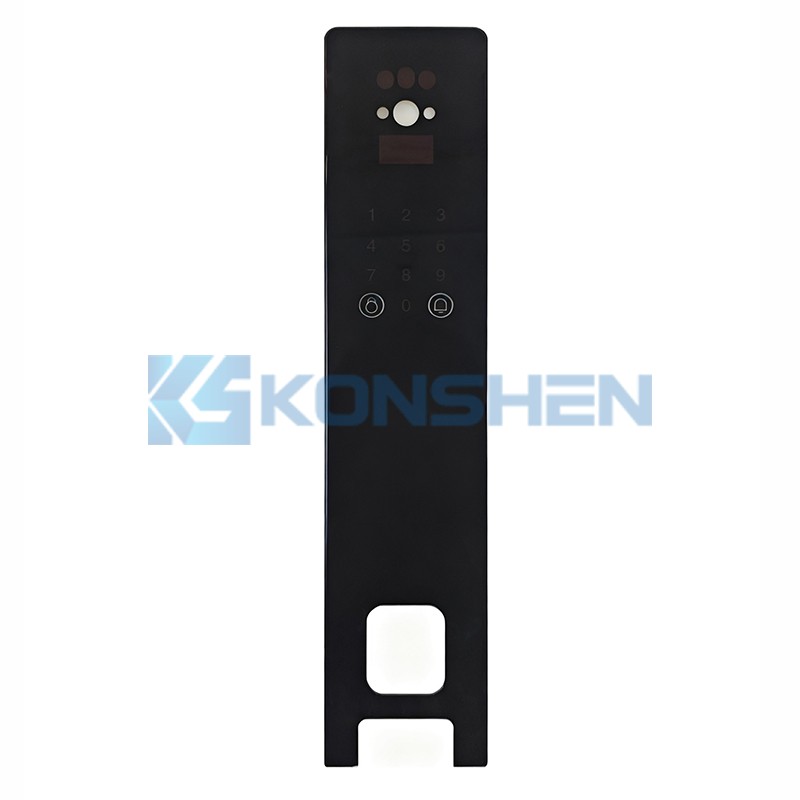
Printed Rectangular Glass Keypad Panel for Smart Locks
Silk-screen printed, chemically strengthened front glass for digital keypads and access-control interfaces. Sharp graphics, durable surface.
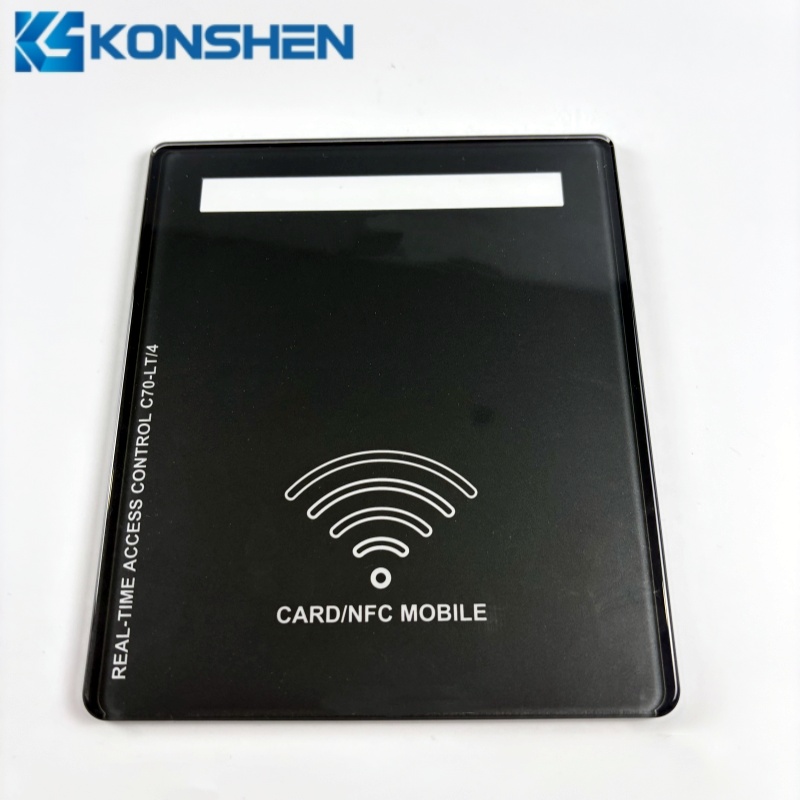
5mm NFC Silkscreen-Printed Touch Switch Glass
Thick tempered cover glass with NFC-transparent printing — designed for smart-home switch plates, hotel control panels and display covers.
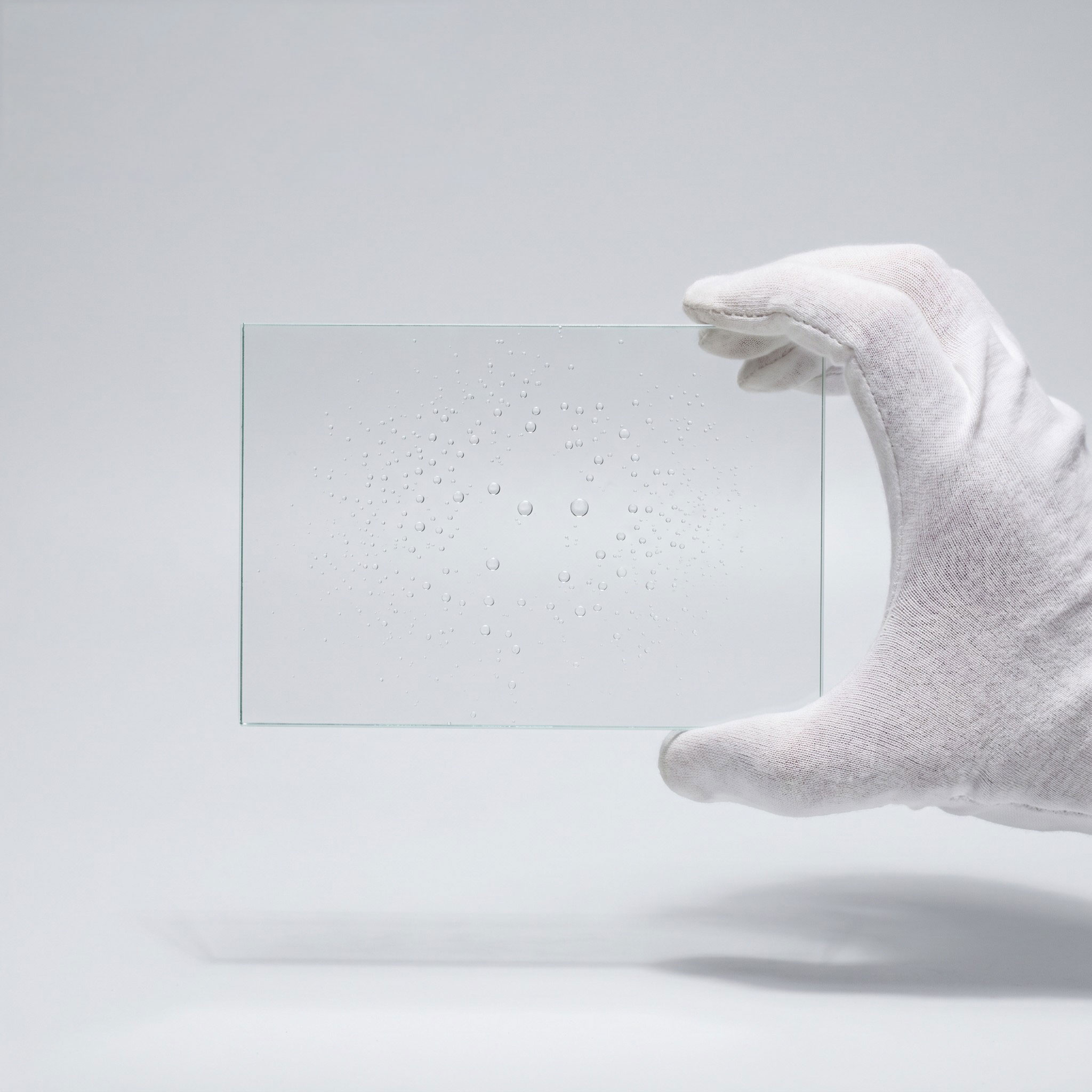
AF001 High-Transmittance AF Coated Custom Shape Panel
1.1 mm and 2 mm anti-fingerprint coated glass with a contact angle above 110°. CNC-cut to shape for kitchen and small-appliance covers.
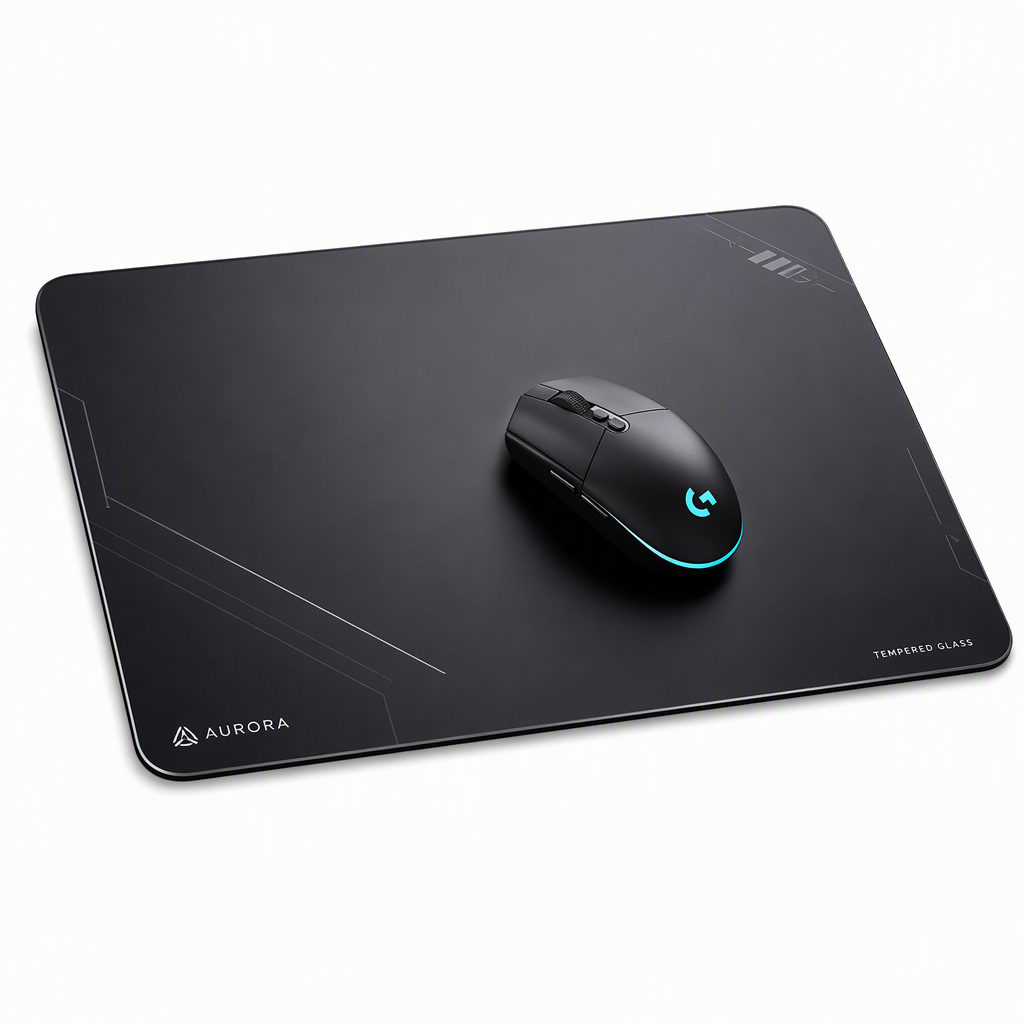
2mm / 3mm Tempered Glass Mouse Pad — OEM Factory
Hard-surface tempered glass mousepad with UV-printed logo, silicone anti-slip base and micro-etched glide texture. OEM branding welcome.
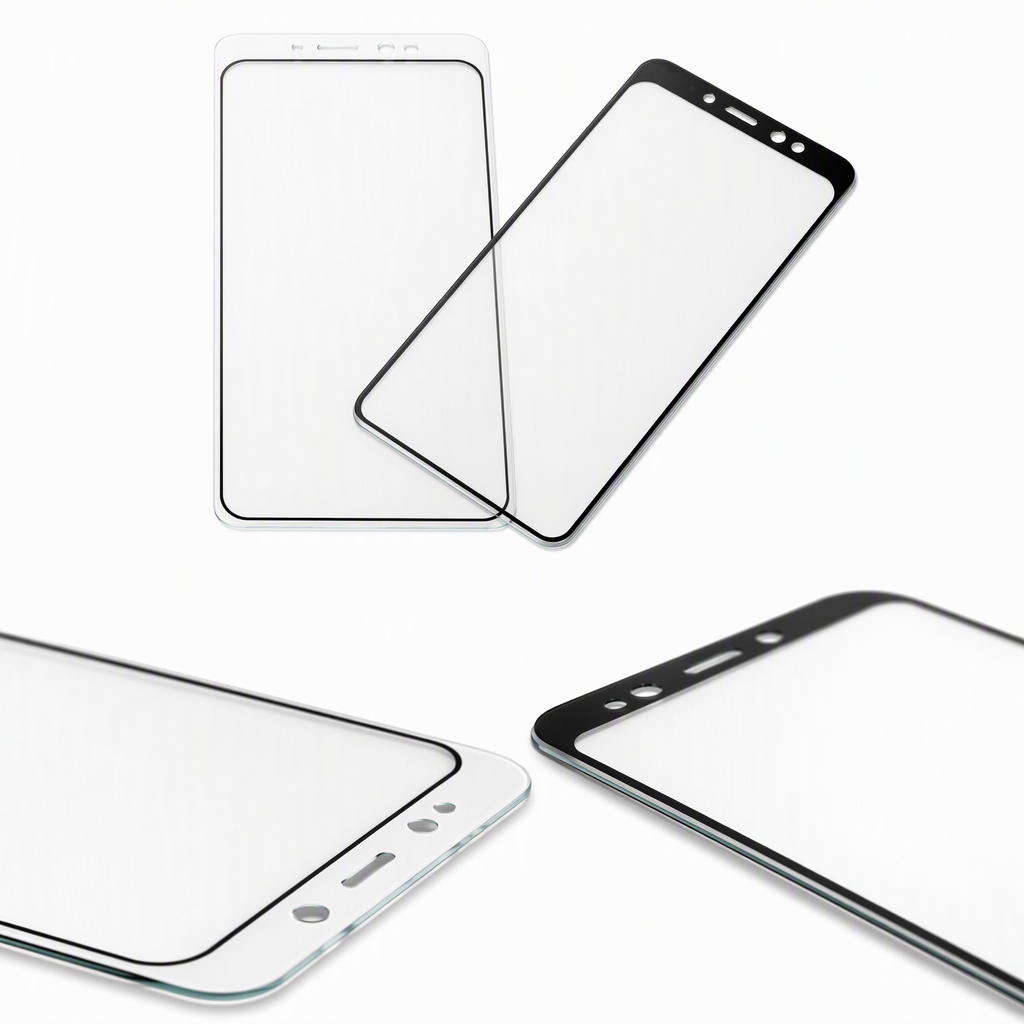
CNC-Drilled Irregular Toughened Glass Panel
Uncoated toughened borosilicate and soda-lime panels with drilled holes, irregular outlines and silk-screen printing. Wholesale custom sizes.
Borosilicate 3.3 vs 5.1 vs 7.0 — What Actually Matters in Alberta
The CTE number is the single most consequential line on a borosilicate quotation. Here is how the three commercial grades behave against Edmonton service conditions.
| Glass grade | CTE (×10⁻⁶/K) | Practical continuous service | Best-fit Edmonton use |
|---|---|---|---|
| Borosilicate 3.3 | 3.3 | Approx. 450 °C continuous; highest thermal-shock resistance of the three | Laboratory windows and vessels, furnace and oven sight glass, analytical instrument optics, heated anti-fog viewports |
| Borosilicate 5.1 | 5.1 | Approx. 300 °C continuous; moderate shock resistance | Appliance control panels, lighting diffusers, architectural trim glass, solar cover plates |
| Borosilicate 7.0 | 7.0 | Approx. 150 °C continuous; cost-optimised grade | Interior cover glass, decorative panels, low-temperature display covers |
| Soda-lime (reference) | 9.0 | Approx. 80 °C continuous; limited shock resistance | General cover glass where thermal cycling is not a design driver |
Why this table decides Edmonton performance: an outdoor enclosure at −35 °C carrying a heated ITO window at +40 °C creates a 75 K gradient across the pane. Soda-lime glass can crack under that load within a few cycles; borosilicate 3.3 absorbs it with margin to spare. Values above are typical production-grade figures — final acceptance must always be confirmed against the supplier's batch test certificate.
Where Borosilicate Glass Earns Its Cost in Edmonton
Edmonton's combination of a research-intensive university corridor, an energy and analytical-instrument supply chain, and one of Canada's harshest winter climates produces very specific glass demands.
Laboratory & research equipment
University and private labs across the capital region specify borosilicate 3.3 for beaker bodies, reaction viewports and optical windows. The requirement is not just chemical inertness but resistance to repeated autoclave and hot-plate cycling.
Energy & analytical instrumentation
Oilfield analysis benches and downhole sensor assemblies need windows that hold flatness under pressure and temperature. ITO-coated borosilicate adds anti-fog heating without introducing a separate heater film.
Cold-climate building controls
Switch plates, thermostat covers and intercom panels in Edmonton condominiums run a thermal gradient between a heated interior and a poorly insulated exterior wall. AF-coated borosilicate resists fingerprint buildup in high-touch lobbies.
Solar & thin-film research
Alberta's solar build-out and the university's photovoltaic programmes both rely on FTO-coated substrates for thin-film cells, where thermal and chemical stability during annealing outranks raw conductivity.
Commercial kitchen & food equipment
Oven doors, warming-display windows and heated merchandising panels demand visible clarity at 200–300 °C. Borosilicate 3.3 with AR coating keeps the product legible without adding lamp wattage.
Transit & outdoor wayfinding
Transit-centre and street-level display covers face low winter sun at a shallow angle. AG diffusing glass with controllable haze keeps content readable where a glossy cover would mirror the sky.
Six Shifts Reshaping Borosilicate Demand in the Edmonton Region
These are the forces procurement teams are already pricing into 2025–2027 supply plans.
Cold-climate specification tightening
Designers are writing explicit thermal-shock cycle counts into exterior equipment specs rather than deferring to generic "tempered glass" language — which pushes projects toward borosilicate 3.3 over soda-lime.
Solar and storage expansion
Utility-scale and rooftop solar growth across Alberta is lifting demand for conductive substrates — FTO for thin-film work, ITO for sensor and shielding layers.
Laboratory and life-science build-out
Continued investment in research infrastructure around Edmonton is creating steady, low-volume, high-mix orders for borosilicate glassware and instrument windows — the opposite of mass production.
Direct factory import replacing distributors
Mid-size Alberta OEMs increasingly bypass North American distributors and buy factory-direct, accepting a longer first order in exchange for 30–50% landed-cost reduction on repeat volume.
Landed-cost and DDP planning
Buyers now ask for DDP quotes to Edmonton rather than FOB Shenzhen, because duty, brokerage and prairie rail freight can swing total cost by double digits.
Optical coatings becoming baseline
AR and AF treatments that were once premium options are now default requirements on touch interfaces — driven by end users who expect phone-grade clarity on every panel.

Why Buyers Route Borosilicate Orders Through KELO Glass
Huizhou KELO Glass Co., Ltd. is a factory-direct manufacturer in Huizhou, Guangdong — inside China's Greater Bay Area electronics supply chain. Our core competence is surface engineering on glass, not trading. Cutting, CNC machining, edge polishing, silk-screen printing, flat and curved tempering, AR/AG/AF/ITO/FTO coating and 3M adhesive bonding all run under one roof, so the specification you approve on a sample is the one that reaches Edmonton in volume.
- Verified manufacturer, not a trader
- Coating lines held in-house
- Samples from 1–2 pieces
- 100% appearance inspection
- 21–31 day bulk lead time
- DDP terms into Canada
Questions Edmonton Buyers Ask Before the First Order
Direct answers on minimums, lead times, thermal performance, documentation and shipping into Alberta.
What is the minimum order quantity for borosilicate glass shipped to Edmonton?
How long does production and delivery to Edmonton take?
Can you quote DDP to Edmonton, or only FOB?
Will borosilicate glass survive an Edmonton winter thermal shock?
Should I choose borosilicate 3.3 or 5.1 for my product?
Do you apply AR, AG, AF and ITO/FTO coatings yourselves?
Can you CNC-cut, drill and curve borosilicate to my drawing?
How is glass packed to survive the rail journey to Alberta?
Do you supply material certificates and inspection reports?
How can I verify the factory before placing a first order?
Have a Drawing, a CTE Requirement or a Service Temperature? Let's Engineer It.
Send your drawing, target coating performance and annual volume. Our engineering team will review feasibility, recommend the most cost-effective borosilicate grade for your Edmonton service conditions, and return a specification you can measure against.