8 Etched, Coated & Tempered Glass Products for Ho Chi Minh City Buyers
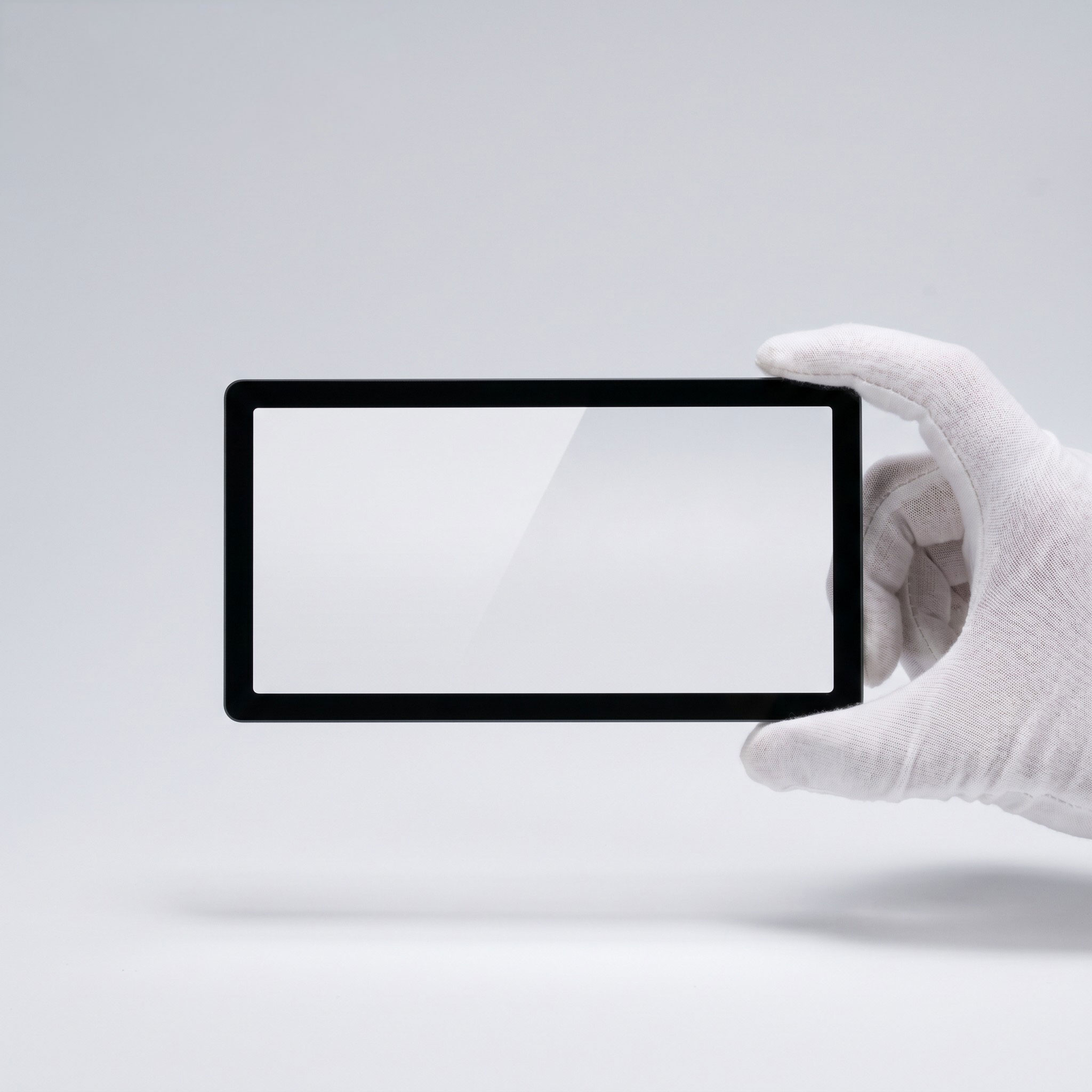
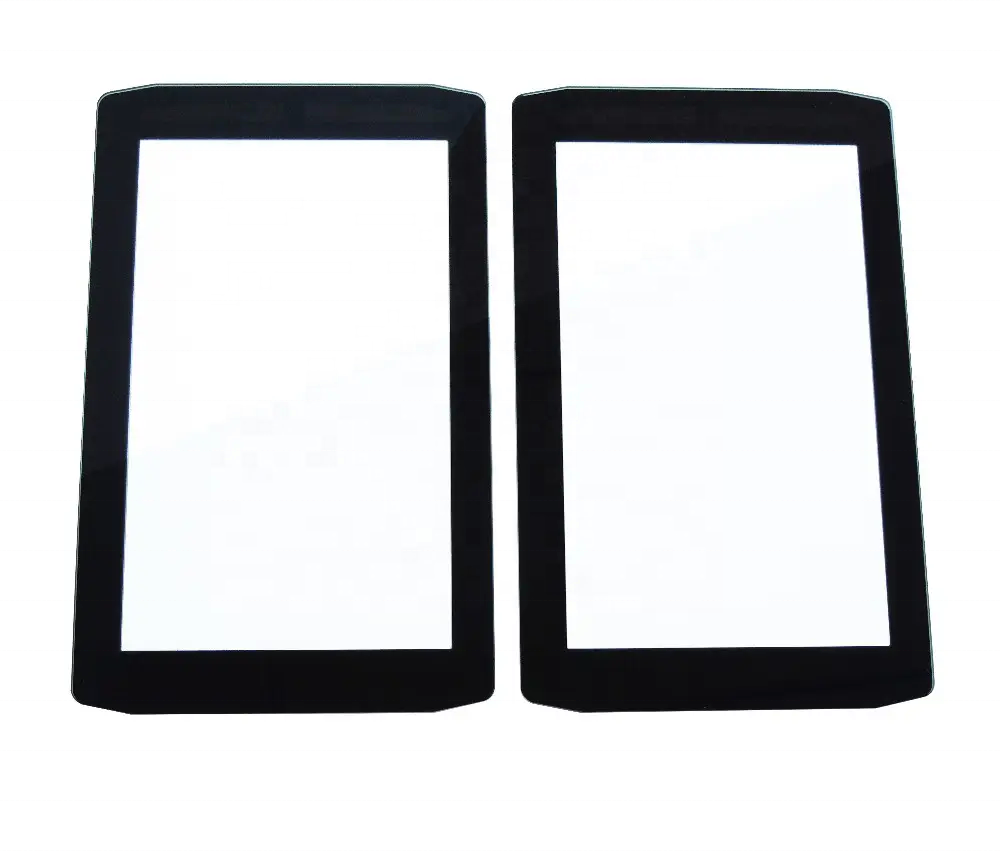
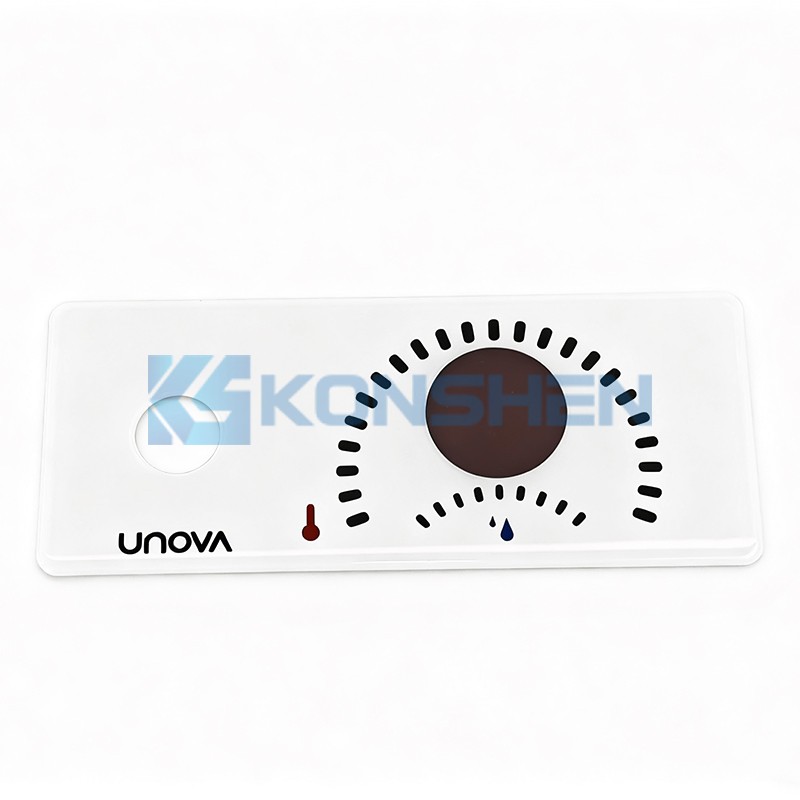
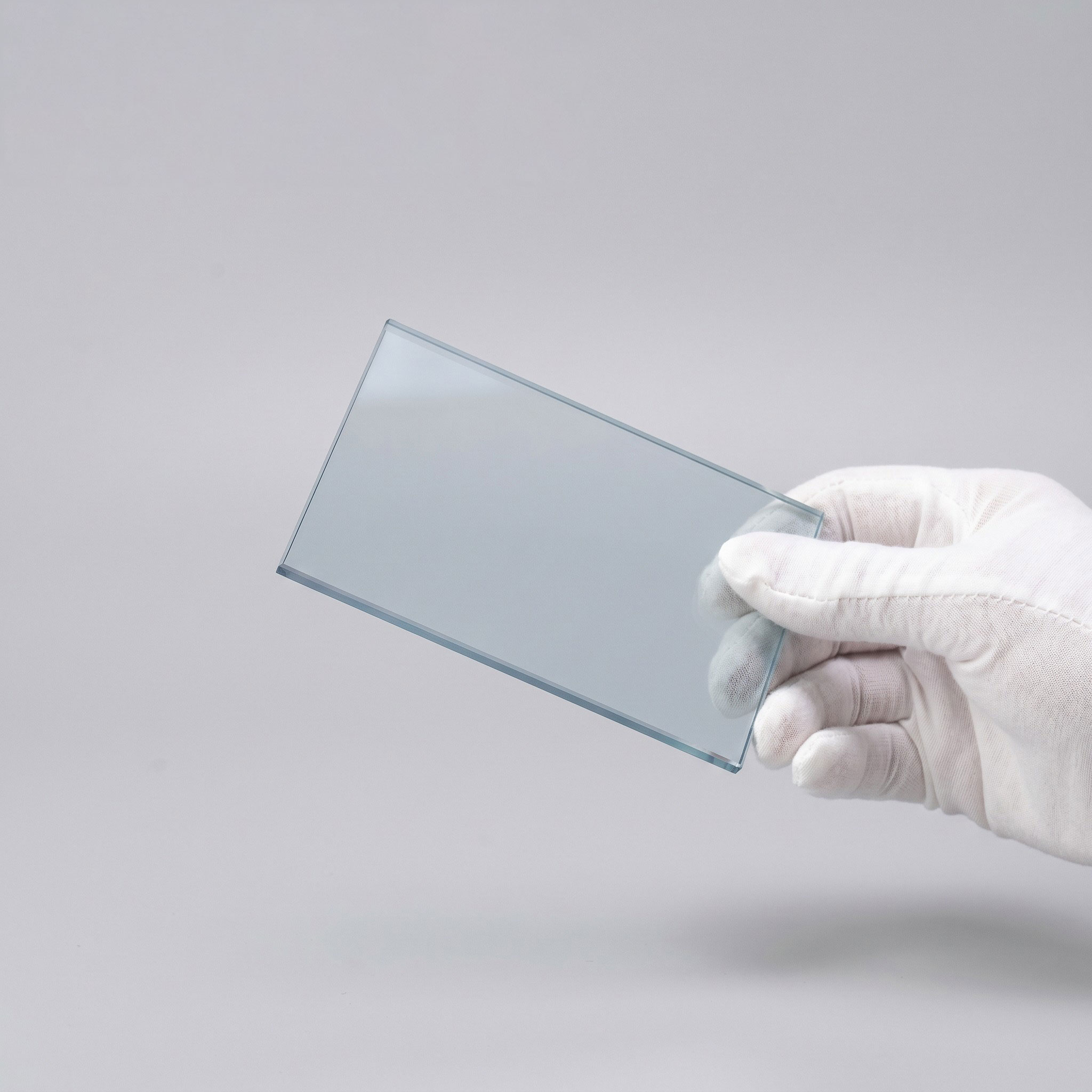
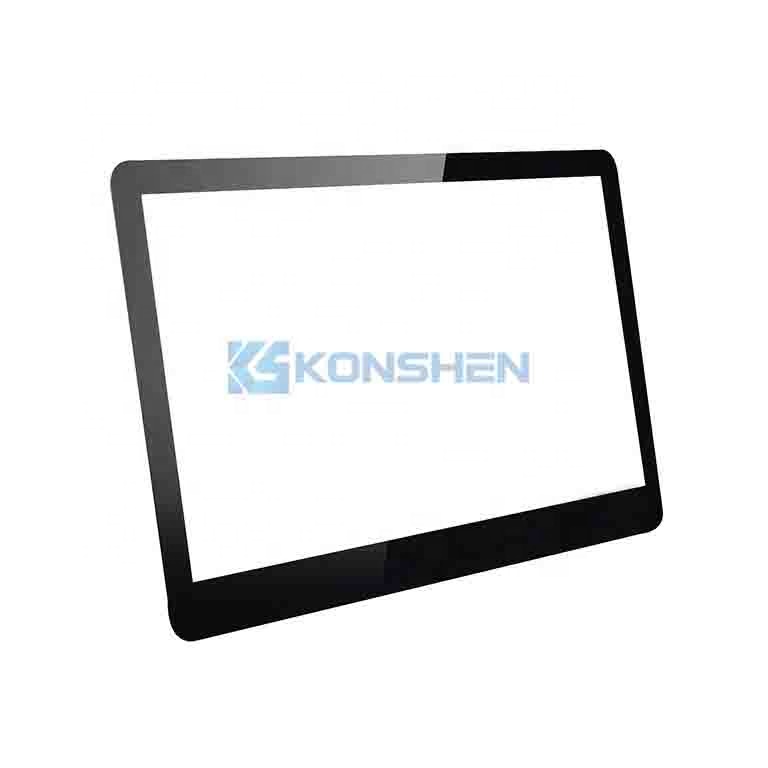
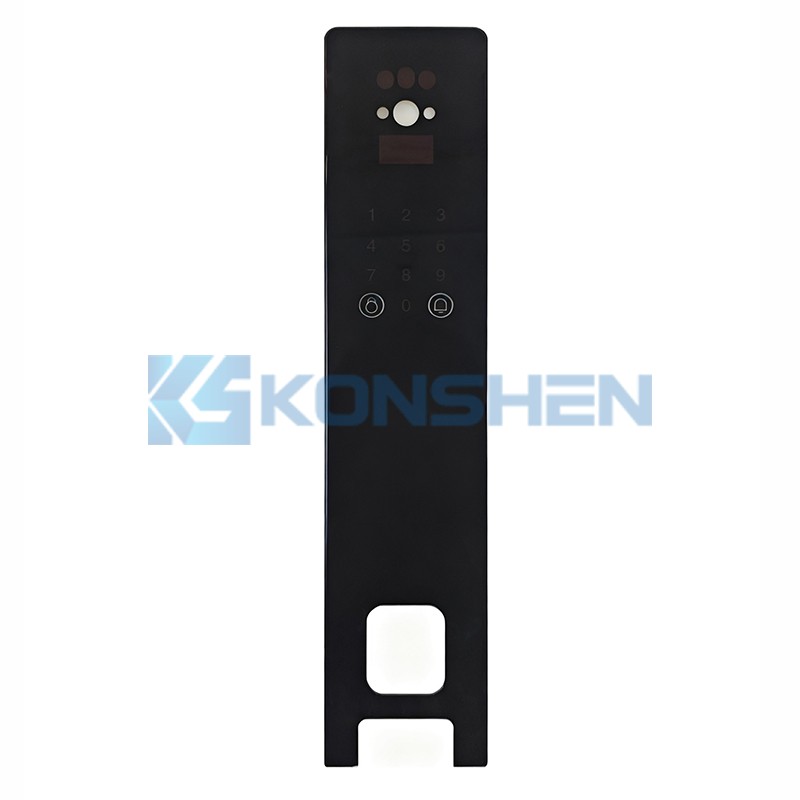
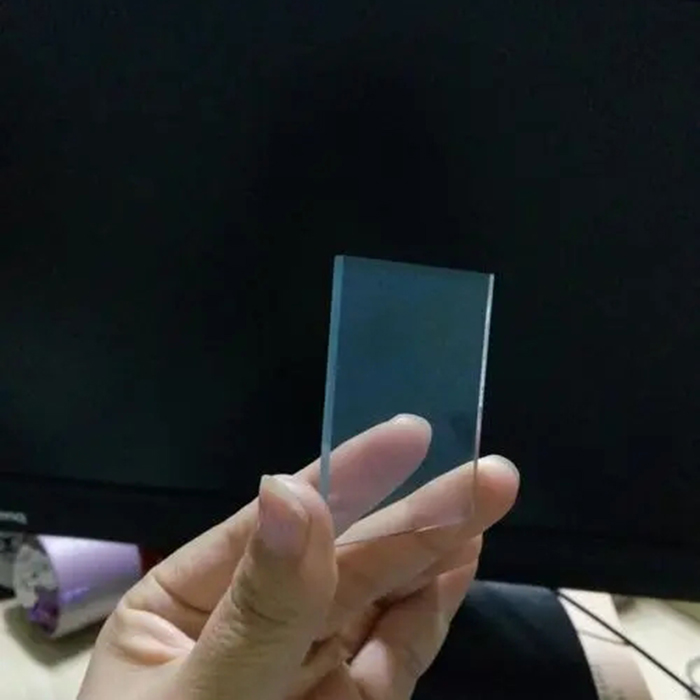
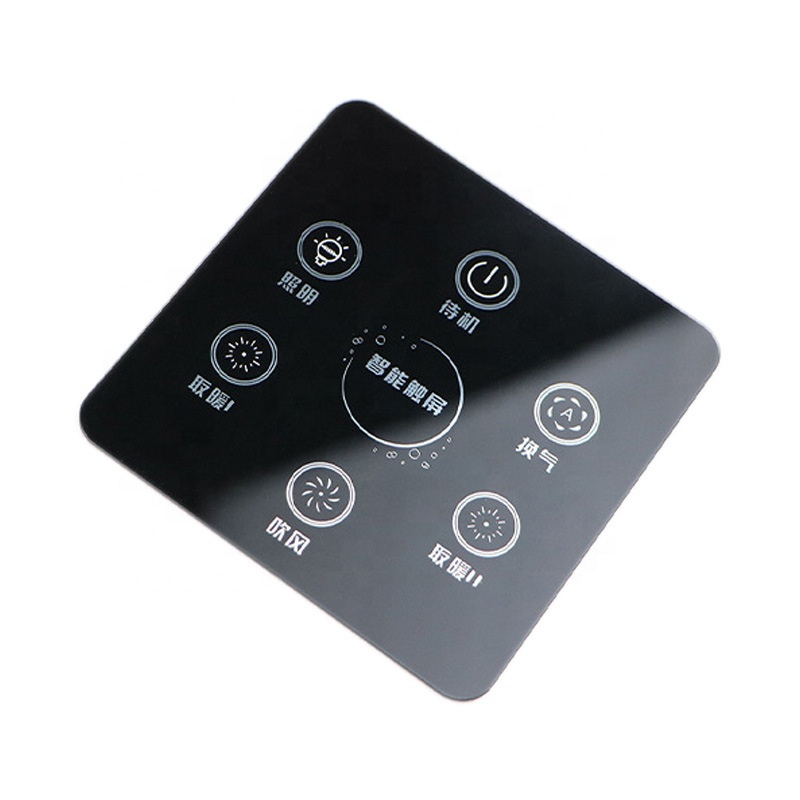
Etched glass is rarely a single SKU. In HCMC, a wholesaler may be asked for a privacy partition, a silk-printed appliance panel and a conductive substrate in the same quarter. These eight products are the practical reference set: display cover glass, anti-glare protection, smart-home control panels, solar research substrates, smart-lock keypads and bathroom touch switches. Each product links to its original specification page so your engineer can review tolerances before requesting a sample.
A Supplier Shortlist Should Be Measured, Not Copied
Before comparing any list of etched glass suppliers, use the same factory-capability indicators for every candidate. The values below come from KELO Glass and should be verified against your own project requirements.
Why the Top 10 Etched Glass Suppliers & Wholesaler in Ho Chi Minh City Shortlist Is Harder Than It Looks
Ho Chi Minh City is not a single glass market. The same sourcing phrase can hide five different buying intentions — architectural privacy, electronics cover glass, appliance control panels, solar research substrates and wholesale distribution.
District 1 office fit-outs need privacy with a premium finish. Thu Duc electronics factories need thin, CNC-machined cover glass. Smart-home brands need screen-printed control panels. Solar labs need FTO or ITO substrates. Hotel projects in District 7 or Binh Thanh need frosted shower panels that survive humidity. A wholesaler that stocks commodity frosted glass may not be able to engineer a conductive substrate or a 2.5D curved display cover. Conversely, a specialist cover-glass factory may not be the best source for simple architectural etching.
The practical answer is to build a shortlist around intended use, not only price per square metre. In HCMC, import logistics usually enter through Cat Lai or Cai Mep, so traceability, packing quality and documented lead time matter as much as the glass specification. A credible top-ten list should be judged against drawings, coatings, tempering, QC and export records — not directory rankings alone.
This guide maps that buying journey. It turns the broad term “etched glass” into specific product families, explains local application requirements, and gives HCMC buyers a practical framework for comparing suppliers before a sample is requested.
HCMC buyer signals that change the specification
- High humidity and salt-laden air demand reliable edge quality, coating adhesion and transit protection.
- Strong sunlight makes AG anti-glare and AR anti-reflective performance more important in outdoor displays.
- High-rise and hospitality projects need privacy etching, safety glass and a consistent visual finish.
- Electronics assembly in Thu Duc and nearby industrial zones needs thin glass, CNC precision and 2.5D/3D forming.
- Imports through Cat Lai and Cai Mep place a premium on honeycomb cartons, blister trays and partition packing.
- Wholesalers need one supplier who can handle mixed SKUs, repeat orders and engineering questions quickly.
Ten Procurement Tests for Any Top 10 Etched Glass Supplier in HCMC
Use these tests as a scorecard. A supplier that cannot answer the engineering question behind the product is unlikely to be the right long-term partner for a wholesale or OEM programme.
Drawing-first engineering
Can the supplier review CAD, tolerances, hole positions and assembly interfaces before quoting?
Surface match
Does the quoted finish match the project? Acid-etched, sandblasted and AG-coated glass are not interchangeable.
Tempering & safety
Check flat or curved tempering, chemical strengthening and laminated options for architectural and HMI use.
Print & coating control
Silk-screen printing, AR, AG, AF and ITO/FTO coatings should be controlled under one quality system.
Thickness range
A 0.1–19 mm capability covers thin display glass through thicker architectural and control-panel formats.
Sample validation
Request 1–2 piece samples and test fit, haze, adhesion, abrasion and salt-spray performance before volume.
Packing & transit
HCMC humidity and long transit require honeycomb cartons, blister trays and partition packing, not loose bundles.
Trade terms
Confirm FOB, CFR, CIF, EXW or DDP support, plus T/T, L/C, PayPal or Western Union payment terms.
Factory verification
Look for audit reports, factory video, buyer reviews, credit records and Alibaba Trade Assurance eligibility.
Response & lead time
Ask for documented response time, sample lead time and a realistic 21–31 day mass-production window.
Where Etched & Functional Glass Is Used in Ho Chi Minh City
Local use cases are shaped by climate, architecture, electronics manufacturing and Vietnam’s position in regional supply chains. The right supplier should understand the application behind the drawing.
Architectural privacy
Frosted and etched partitions for District 1 offices, Binh Thanh clinics and hospitality corridors.
Smart home & appliances
Silk-printed tempered control panels with AF anti-fingerprint surfaces for high-touch interfaces.
Consumer electronics
CNC-cut cover glass, AR/AG display windows and custom front panels for Thu Duc electronics projects.
Outdoor kiosks
AG anti-glare tempered glass for retail screens, transport terminals and sunlight-readable touch panels.
Bathroom & hotel
Etched shower panels and intelligent touch shower switches that resist humidity and daily cleaning.
Industrial HMI
Chemically strengthened cover glass for factory terminals, control rooms and mixed indoor/outdoor use.
Solar & research
FTO and ITO conductive glass for thin-film solar, DSSC and perovskite laboratory work in Vietnam.
Automotive & EV
2.5D/3D curved cover glass, AR anti-reflective glass and AF coatings for dashboard and console displays.
Ho Chi Minh City Market Trends Shaping Etched Glass Demand
Procurement teams in HCMC are moving away from commodity purchasing toward specification-led sourcing. These trends influence what a wholesaler or distributor should stock and what a factory should be able to document.
Specification-led imports
Buyers increasingly request haze, gloss, reflectance, contact angle, sheet resistance and salt-spray data rather than a generic “frosted glass” description.
Factory-direct partnerships
Local assemblers and distributors are shortening the chain by working directly with factories that can support samples, OEM drawings and repeat orders.
Climate-driven durability
Humidity, heat and coastal air make coating adhesion, edge sealing, packing and salt-spray testing more relevant to HCMC projects.
Combined surface functions
AR+AG and AG+AF stacks are requested for premium automotive, kiosk and appliance interfaces instead of a single cosmetic treatment.
Thin, curved and edge-to-edge
Smart devices and appliance panels push demand for thin chemical-tempered glass, 2.5D/3D forming and precise 3M adhesive bonding.
Audit-friendly traceability
Verified factory profiles, Trade Assurance, reviews, transaction records and video audits are now part of the sourcing checklist.
Specification Matrix for Etched and Functional Glass in HCMC Projects
Use this matrix to align product recommendations with the performance requirement. Final values should be confirmed against your drawing during engineering review.
0.1–19 mm thickness, custom size and shape, holes, edge polishing, flat or curved forms, 2.5D/3D forming and 3M adhesive bonding.
AR reflectance below 1.0% per side with transmittance above 99%; AG haze 5–60%; AF contact angle above 110° with long abrasion cycles.
ITO and FTO conductive glass at 1–20 Ω/sq, transmittance above 85% and haze below 2% for touch, lighting, solar and shielding.
Silk-screen printing, sandblasting and frosting, tempering, coating adhesion, abrasion testing, salt spray and 100% appearance inspection.
Indicative application mix in a diversified HCMC glass order

Why KELO Glass Is a Factory-Direct Reference for HCMC Wholesalers and OEMs
Huizhou KELO Glass Co., Ltd. is a factory-direct manufacturer located in Huizhou, Guangdong, inside China’s Greater Bay Area electronics supply chain. The company produces touch screen cover glass, display cover glass, optical coated glass and ITO/FTO conductive glass, with surface engineering as its core technology. Key processes are completed in-house: cutting, CNC machining, edge polishing, laser engraving, silk-screen printing, sandblasting and frosting, flat and curved tempering, AR/AG/AF/ITO coating, 2.5D/3D curved forming and 3M adhesive bonding.
For HCMC buyers, that vertical integration reduces handling damage and finger-pointing between subcontractors. A drawing can be reviewed once, the coating can be measured against the same standard, and the final packing can be matched to humidity-sensitive export routes. KELO reports a 10,000–30,000 m² factory floor, 101–200 employees, 20–25 million pieces per year of touch cover glass capacity, 21–30 R&D engineers and a typical response time of one hour or less. Samples can start from 1–2 pieces, while bulk production typically runs 21–31 days after approval.
- Drawing review and DFM feedback before quotation
- Incoming, in-process and final inspection
- 100% appearance checking before packing
- Tempering, adhesion, abrasion and salt-spray tests
- Honeycomb cartons, blister trays and partition packing
- FOB, CFR, CIF, EXW and DDP trade terms
- T/T, L/C, PayPal and Western Union payment support
- Alibaba Trade Assurance for eligible orders
Questions Local Buyers Ask Before Ordering Etched Glass
These are the practical questions that usually appear when an HCMC buyer compares a local wholesaler with a factory-direct supplier.
What is the difference between etched glass and AG anti-glare coated glass?
Etched or frosted glass usually changes the surface texture to diffuse light and provide privacy. AG anti-glare coated glass is engineered for displays: it reduces specular reflection while preserving image clarity. For an office partition, etching may be enough. For an outdoor kiosk or sunlight-readable touch panel in HCMC, an AG coating with controlled haze and gloss is often more appropriate.
How should an HCMC buyer compare quotes from top 10 glass suppliers?
Compare the same drawing, thickness, edge finish, printing, coating specification and packing method. A low unit price can hide thinner glass, outsourced coating, weak tempering or unsuitable export packing. Ask for sample dimensions, coating data, inspection criteria, lead time, trade term and the exact packing solution before making a decision.
What is the minimum order quantity for custom etched or coated glass?
For a factory-direct cover glass project, sample orders can start from 1–2 pieces so that fit, optics and coating performance can be validated before volume. Bulk quantities are quoted per drawing because size, coating stack, curved forming, printing complexity and packing all affect the production plan.
How long does delivery from China to Ho Chi Minh City take?
Production lead time is typically 21–31 days after sample approval. Transport to HCMC then depends on the shipment method and destination port, commonly Cat Lai or Cai Mep. The total door-to-door schedule should include sample approval, production, packing, export clearance, shipping and local import clearance.
Can one supplier handle a small shop fit-out and a factory volume order?
Yes, if the supplier has both engineering support and production capacity. A small architectural order may need a few frosted panels, while an electronics customer may need thousands of silk-printed cover glass pieces. The supplier should confirm whether the same materials, printing and QC standards apply to both.
Which documents help verify quality before shipment?
Request the production drawing, material specification, coating performance data, inspection record and packing photos. For higher-risk orders, ask for tempering or coating test evidence and a pre-shipment inspection. Verified factory profiles, ratings, trade history and Trade Assurance can add another layer of commercial confidence.
Can 2.5D/3D forming, silk printing and anti-fingerprint coating be combined?
They can be combined when the process sequence and inspection plan are defined correctly. Curved forming, printing, tempering and AF coating each introduce process steps that must be controlled in the right order. Confirm the final surface, edge quality, print alignment and adhesion requirement with the factory before approving the sample.
Should I choose ITO or FTO conductive glass for a Vietnam project?
ITO glass is widely used for capacitive touch sensors, displays and EMI shielding. FTO glass offers better thermal and chemical stability, making it a frequent choice for thin-film solar cells and high-temperature processes. Both can be supplied with sheet resistance around 1–20 Ω/sq, transmittance above 85% and haze below 2%, subject to final specification.
Request a Validated Etched Glass Sample for Your HCMC Project
Send a drawing, target haze or gloss, coating stack, annual volume and destination. KELO Glass will review feasibility, recommend the most cost-effective factory-direct specification and support your sample validation before bulk production.