Top 10 FTO Glass Manufacturers & Wholesalers for the Indianapolis Market
A technical, procurement-focused guide for OEMs, integrators, architects, solar developers, medical-device teams, and distributors comparing factory-direct FTO, ITO, AR, AG, AF, tempered, printed, and custom glass partners for Indianapolis projects.
8 Factory-Direct Glass Products for FTO, Display & Touch Projects
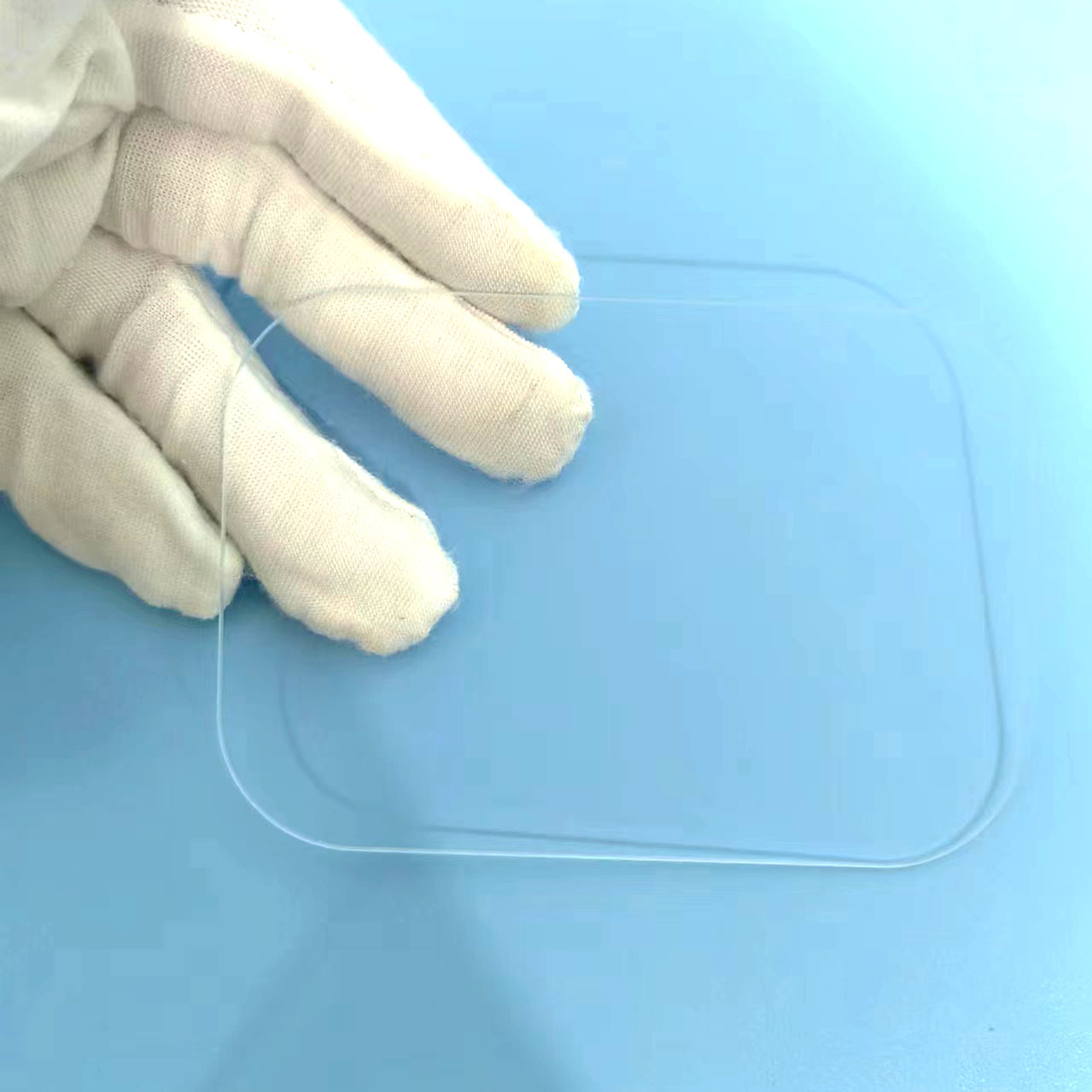
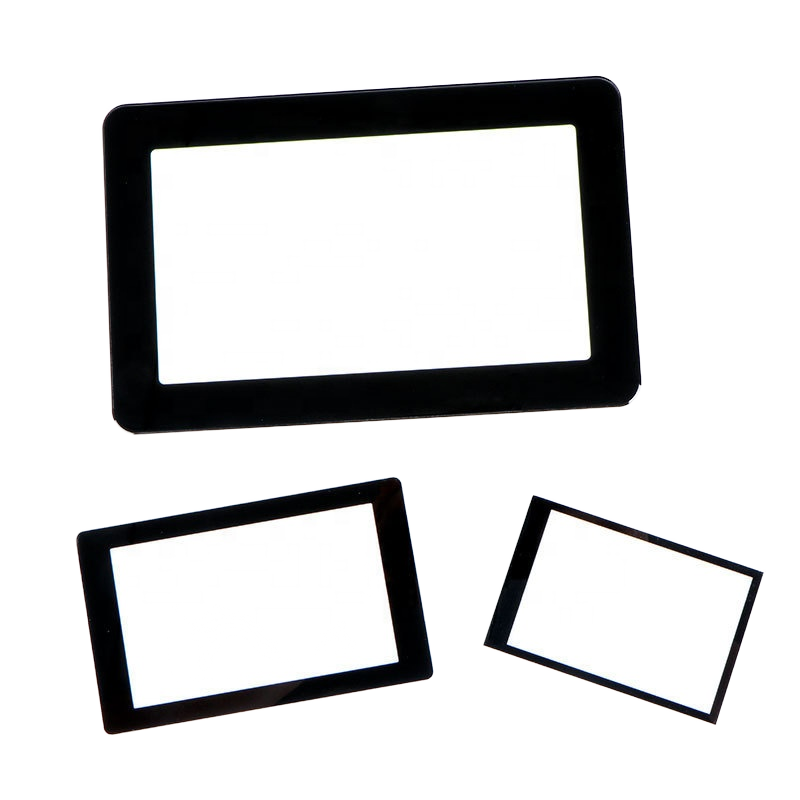
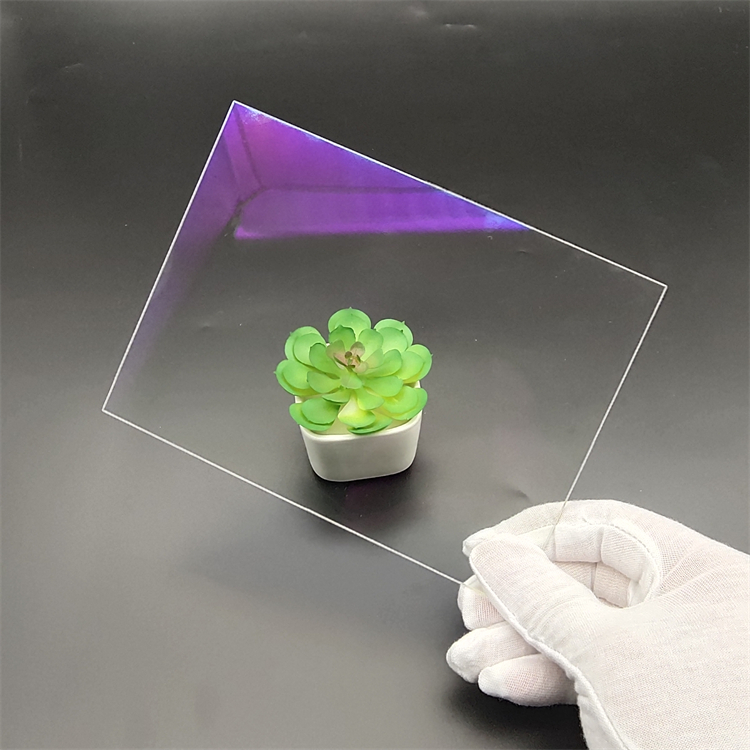
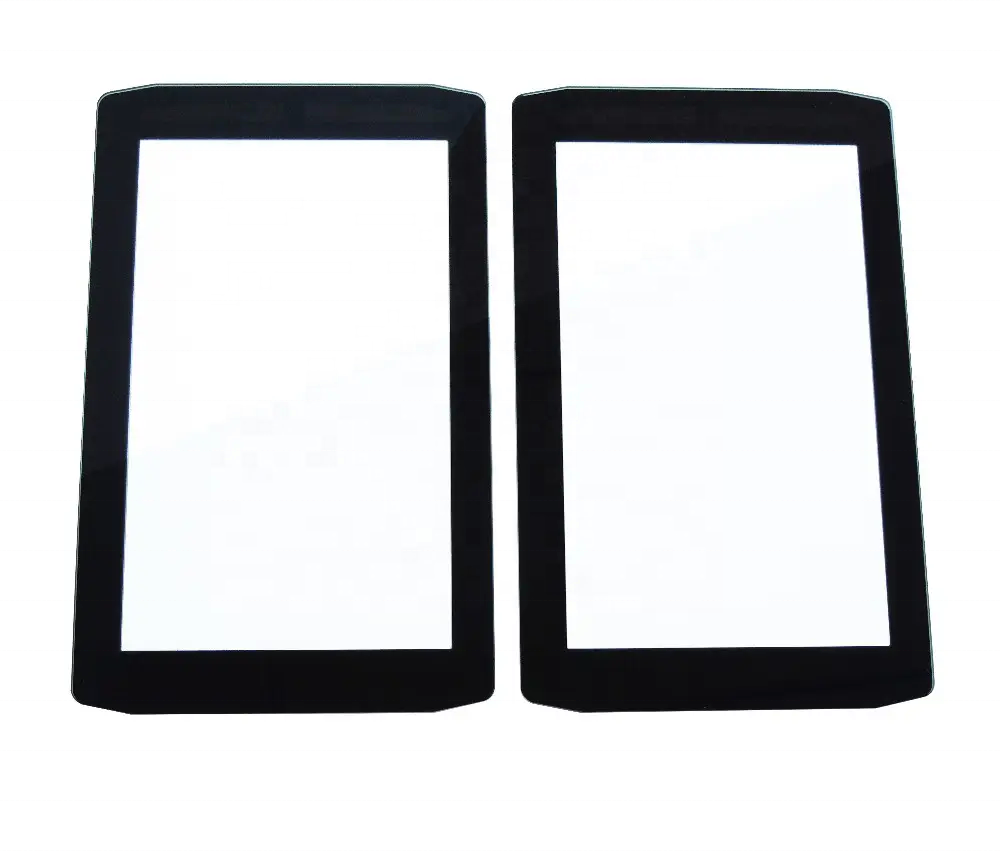
The first filter in any Indianapolis supplier comparison is whether the factory can deliver the exact substrate, coating, and form factor. The eight product families below mirror the glass builds most often requested by OEMs and wholesalers serving Indianapolis manufacturing, life-science, smart-building, solar, commercial, and consumer-electronics channels. Product URLs are retained exactly; for custom drawings, use the inquiry CTA at the end of this page.



Why FTO Glass Sourcing for Indianapolis Is Not a Generic Search
Indianapolis buyers rarely purchase FTO glass as a raw commodity. A distributor may need a 1.1 mm conductive substrate for a sensor assembly; an OEM may need 2 mm AR tempered glass for a medical display; a contractor may need printed elevator glass that matches a lobby design. The top 10 FTO glass manufacturers and wholesalers for the Indianapolis market should therefore be judged by application fit, not only by price per square meter.
FTO, or fluorine-doped tin oxide, is valued where transparent conductivity must survive heat, chemical exposure, or outdoor service. In thin-film solar, heated glass, sensor electrodes, and high-temperature processes, FTO can offer better thermal stability than ITO. ITO remains common in capacitive touch, displays, and EMI shielding. A serious supplier should explain the difference and propose the right conductive layer instead of quoting a generic “conductive glass.”
For Indianapolis, climate and logistics matter. Midwest freeze-thaw cycles, summer humidity, and UV exposure can expose edge quality, adhesive compatibility, and packaging weaknesses. Buyers should ask how the factory protects polished edges, how it tests coating adhesion, and how it packs glass for LTL or DDP delivery. The best supplier is not necessarily the one with the largest catalogue; it is the one that can document the process behind the sample.
- Sheet resistance and transmission tested to your drawing
- Tempering, strengthening, or 2.5D/3D forming where needed
- AR, AG, AF, ITO, and FTO coating choices explained in writing
- Prototype quantities from 1–2 pcs before volume
- DDP, CIF, FOB, or EXW terms aligned with Indianapolis delivery
- 100% appearance inspection and protective packing
Indianapolis Application Pull
Top 10 FTO Glass Manufacturers & Wholesalers for the Indianapolis Market: A Practical Shortlist Framework
Supplier directories change, and paid rankings are often unreliable. The most defensible way to build a top-10 list is to score each candidate against the criteria that determine project risk. The framework below reflects factory capability, local application fit, and export readiness. KELO Glass is included as a factory-direct option because its process data and proofs are available for review—not because it is the only possible source.
In-house coating control
Ask whether FTO or ITO coating is done in-house or outsourced. In-house coating means the supplier can control sheet resistance, transmission, haze, adhesion, and rework without finger-pointing.
Verified FTO vs ITO engineering
A qualified supplier should explain when FTO is preferable for thermal or chemical stability and when ITO is better for capacitive touch, displays, or EMI shielding.
Substrate range and forming
Check the real thickness range, tempering capability, edge polishing, CNC cutting, holes, printing, and 2.5D/3D curved forming. Thin and thick glass behave differently.
Indianapolis application fit
Medical displays, factory HMI, smart-building panels, solar research, and museum showcases each demand different optical and durability targets.
Prototype and DFM support
Look for drawing review, engineering feedback, and samples from as few as 1–2 pieces. This reduces the risk of committing to tooling before fit and optics are proven.
Optical and reliability inspection
Require incoming, in-process, and final inspection: thickness, flatness, surface defects, coating adhesion, abrasion, salt spray, and 100% appearance checking.
Midwest packing and edge protection
Freeze-thaw and humidity make packaging part of product quality. Honeycomb cartons, blister trays, and partition packing help prevent transit and handling damage.
Export terms and payment protection
Confirm FOB, CFR, CIF, EXW, and DDP support, plus T/T, L/C, PayPal, or Western Union. Eligible orders may also use Alibaba Trade Assurance.
Capacity and lead-time honesty
A realistic supplier will quote lead time by size, coating stack, printing complexity, and testing requirement—not promise every project in the same window.
Communication and independent proof
Look for fast response, documented ratings, factory video, verified assessment, trade history, and a clear escalation path before and after the order.

Why KELO Glass Belongs on an Indianapolis FTO Glass Shortlist
Huizhou KELO Glass Co., Ltd. is a factory-direct manufacturer located in Huizhou, Guangdong, inside China’s Greater Bay Area electronics supply chain. The company produces touch screen cover glass, display cover glass, AR/AG/AF coated glass, and ITO/FTO conductive glass, with advanced surface treatment as its core technology. For Indianapolis buyers, that means one accountable supplier for cutting, CNC machining, edge polishing, silk-screen printing, flat and curved tempering, coating, and 3M adhesive bonding.
KELO’s production base covers 10,000–30,000 m², with 101–200 employees, 21–30 R&D engineers, and annual output value of US$50–100 million. Touch cover glass capacity reaches 20–25 million pieces per year. Samples can start from 1–2 pieces, bulk lead time is typically 21–31 days after sample approval, and trade terms include FOB, CFR, CIF, EXW, and DDP. Payment options include T/T, L/C, PayPal, and Western Union, and Alibaba Trade Assurance can be used for eligible orders.
Quality control is built around incoming, in-process, and final inspection: thickness and flatness checks, surface-defect screening, CNC dimension checks, tempering tests, coating adhesion and abrasion tests, 100% appearance inspection, salt-spray testing, and honeycomb, blister, and partition packing. Public proofs include a 4.9/5 store rating, a 98.18% reply rate, verified assessment, and a factory video for procurement teams that cannot visit before a first order.
- Verified manufacturer, not a trading company
- Engineering drawing review and DFM feedback
- 0.1–19 mm glass and 2.5D/3D curved forming
- AR, AG, AF, ITO, and FTO coating capability
- Custom printing, holes, logos, and 3M adhesive bonding
- Export documentation and DDP support for U.S. buyers
Review the verified assessment, factory video, ratings and reviews, and company overview before requesting a quote.
Contact UsFTO, ITO, AR, AG, and AF Specifications for an Indianapolis RFQ
The performance windows below are typical of KELO’s production capability. Final targets should be confirmed during engineering review and written into the drawing or purchase specification.
| Glass / Coating | Typical Performance | Best-Fit Indianapolis Use |
|---|---|---|
| FTOFluorine-doped tin oxide | Sheet resistance 1–20 Ω/sq · Transmittance >85% · Haze <2% · Strong thermal and chemical stability | Thin-film solar, high-temperature sensors, electrochromic research, heated glass, energy-related R&D |
| ITOIndium tin oxide | Sheet resistance 1–20 Ω/sq · Transmittance >85% · Haze <2% | Capacitive touch sensors, displays, EMI shielding, transparent electrodes |
| ARAnti-reflective | Reflectance <1.0% per side · Transmittance >99% at 400–700 nm · single or multi-layer | Museum showcases, medical monitors, display windows, camera windows, luxury retail |
| AGAnti-glare | Haze 5–60% · Gloss 0.5–8 GU | Outdoor kiosks, gym equipment, transit displays, factory HMI, sunlight-readable screens |
| AFAnti-fingerprint | Water contact angle >110° · Pencil hardness >3H · Transmittance >98% · Durability >10,000 cycles | High-touch control panels, smart locks, appliances, elevator buttons, medical interfaces |
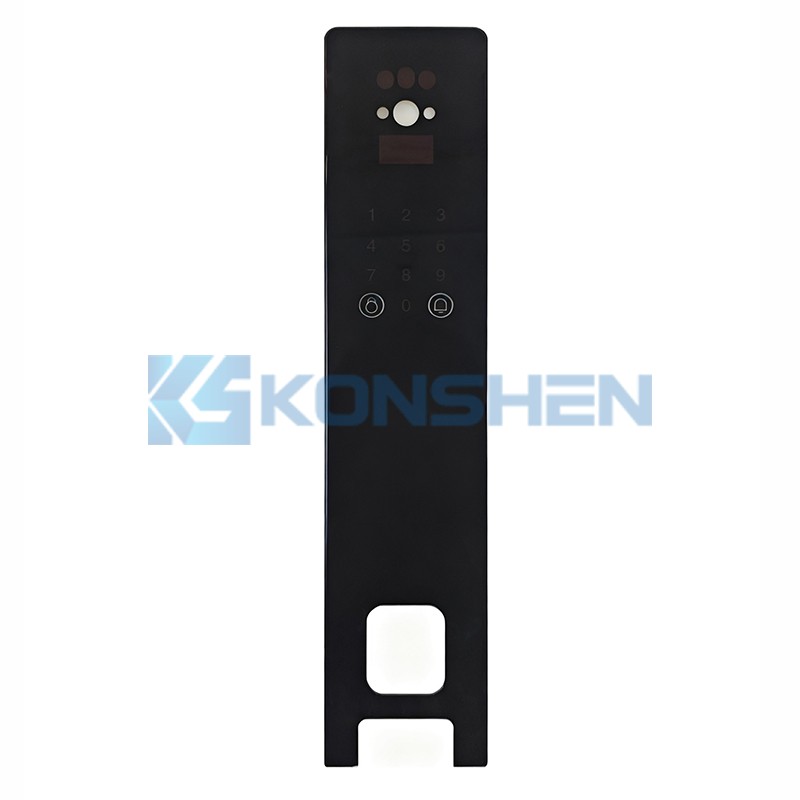
| Tempered / printed | Thickness 0.1–19 mm · 2.5D/3D forming · custom holes, edges, logos, indicator graphics | Elevator panels, appliance lenses, smart-door keypads, outdoor touch panels, industrial HMI |

Where FTO and Coated Glass Fit in Indianapolis Projects
Indianapolis has a diversified economy spanning advanced manufacturing, life sciences, logistics, higher education, sports and entertainment, and a growing technology corridor. FTO and optical coated glass enters these projects through displays, touch panels, sensors, windows, solar research, and architectural interfaces.
Clinical & diagnostic displays
AR glass improves readability; AF supports cleanable touch surfaces; ITO or FTO layers enable sensors and electrodes.
Advanced manufacturing HMI
AG or AR tempered cover glass for factory floors, control terminals, and rugged operator interfaces.
Smart buildings & elevators
Printed touch panels, indicator glass, and anti-fingerprint surfaces for commercial retrofits and multi-tenant properties.
Museums, showrooms & retail
98% AR glass and anti-glare glass protect artwork, merchandising, and luxury displays from distracting reflections.
Solar & energy research
FTO substrates for thin-film solar cells, high-temperature testing, and energy-related laboratory work.
Outdoor kiosks & recreation
Waterproof tempered touch panels, AG coatings, and edge polishing for parks, parking, fitness, and transit.
Smart home & access control
Smart-lock keypad glass, appliance lenses, switch panels, and AF-coated high-touch surfaces.
Gaming & esports
Glass mouse pads and PTFE mouse feet for Indianapolis distributors, retailers, and gaming-peripheral brands.
Development Trends Shaping FTO Glass Demand in Indianapolis
Several regional trends are changing how Indianapolis buyers specify FTO glass and related coatings.
Reshoring and supply-chain de-risking
Buyers are consolidating multiple glass steps with one factory and asking for documented process control, not just a warehouse address.
High-touch surface performance
AF and easy-clean coatings are becoming part of the specification for shared touch panels, elevators, smart locks, and medical devices.
Energy and solar research
FTO substrates remain relevant for thin-film solar, electrochromic research, and high-temperature sensor work; universities and advanced manufacturers often need small, traceable batches.
Smart-building retrofits
Printed elevator and access-control glass must match interior design while meeting durability, glare, and touch requirements.
Outdoor digital infrastructure
AG and waterproof tempered glass help kiosks and displays remain readable under Indianapolis summer sun and winter moisture.
Low-reflectance cultural displays
Museums and showrooms use AR glass to protect artwork and merchandise while maintaining color fidelity and contrast.
Indianapolis FTO Glass Procurement Questions
Straight answers to the questions procurement teams usually ask before a first FTO, ITO, AR, AG, or custom glass order.
What is the difference between FTO and ITO glass for Indianapolis projects?
ITO is common for capacitive touch, displays, and EMI shielding. FTO offers better thermal and chemical stability for thin-film solar and high-temperature processes. Both can be supplied with sheet resistance of 1–20 Ω/sq, transmittance above 85%, and haze below 2%, but the right choice depends on process temperature, conductivity, and optical targets.
Can KELO supply small FTO or coated glass samples to Indianapolis before mass production?
Yes. Sample orders can start from 1–2 pieces so your team can validate fit, optics, coating adhesion, and assembly. Share a drawing, target performance, and annual volume so engineering can recommend the most cost-effective substrate and coating stack.
What lead time should an Indianapolis buyer plan for?
Bulk lead time is typically 21–31 days after sample approval. This depends on size, coating stack, curved forming, printing complexity, and inspection requirements. Transit time to Indianapolis depends on the Incoterm and freight method; DDP, CIF, FOB, CFR, and EXW can be quoted.
How should FTO glass be specified for Midwest freeze-thaw and humidity?
Specify edge quality, tempering or strengthening where required, coating adhesion, and packaging protection. KELO checks edge polishing, coating adhesion, abrasion, and salt spray, and uses honeycomb cartons, blister trays, and partition packing to reduce transit and handling damage.
Can FTO or ITO glass be tempered, curved, printed, or bonded to 3M adhesive?
KELO processes glass from 0.1 mm to 19 mm and supports CNC cutting, edge polishing, silk-screen printing, flat and curved tempering, 2.5D/3D forming, and 3M adhesive bonding. Final feasibility depends on coating type, thickness, bend radius, and print design.
Which optical coating should I choose for an outdoor Indianapolis kiosk?
Start with the operating condition. AG reduces glare in direct sun; AR improves clarity for cameras and display windows; AF keeps high-touch surfaces clean. Combined AR+AG or AG+AF stacks are available when one function is not enough. A waterproof tempered touch panel may also be recommended.
Do you support Indianapolis delivery terms and trade protection?
KELO supports FOB, CFR, CIF, EXW, and DDP terms, and T/T, L/C, PayPal, and Western Union payments. Eligible orders placed through Alibaba.com can use Trade Assurance. For repeat wholesale programs, agree on inspection criteria, packaging, and documentation before the first shipment.
What quality documents can a procurement team review?
Buyers can review the company profile, factory video, verified assessment, ratings and reviews, transaction level, trade capacity, trade history, and credit profile. Production quality is controlled through IQC, IPQC, and FQC/OQC gates, with 100% appearance inspection before packing.
Can you support custom printed glass for elevator panels and smart locks?
Yes. Custom printing, holes, cut-outs, logos, indicator arrows, and rectangular keypad shapes can be produced to a drawing or sample. The glass can be tempered for durability and coated with AF or AG where touch and glare performance matter.
Is KELO a manufacturer or a trading company?
Huizhou KELO Glass Co., Ltd. is a factory-direct manufacturer, not a trader. Cutting, CNC machining, polishing, printing, tempering, coating, and bonding are handled under one roof, which gives buyers tighter accountability for specifications and lead times.
Request an FTO Glass Sample or Wholesale Quote for Indianapolis
Send your drawing, substrate thickness, sheet resistance, transmittance, haze, coating requirement, print file, annual volume, and target delivery date. The engineering team will review feasibility for FTO, ITO, AR, AG, AF, tempered, or printed glass and respond with next steps.
Contact Us