Top 10 Laser Reflective Mirror Exporter & Wholesaler for the Kobe Market
A whitepaper-style sourcing guide for Kobe OEMs, distributors and engineering teams evaluating custom tempered glass, AR/AG/AF optical coatings, ITO/FTO conductive glass and precision control-panel glass for laser, display and sensor applications.
8 Custom Glass Products for Laser, Display and Control-Panel Programs
Kobe buyers often source a laser reflective mirror as part of a wider optical or touch assembly. These eight product families show how KELO Glass supports the surrounding substrate, coating, conductive layer, printed panel and protective cover requirements with factory-direct customization.
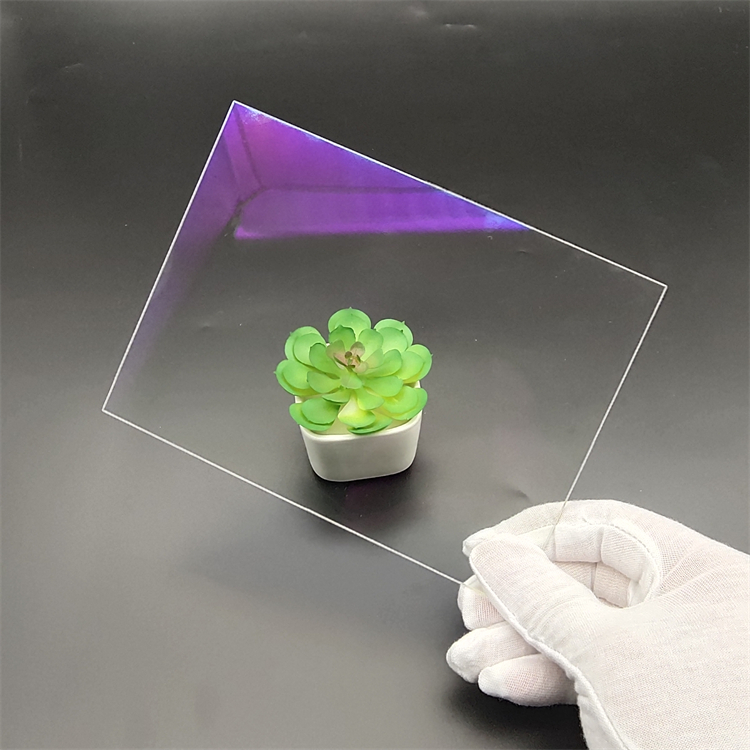
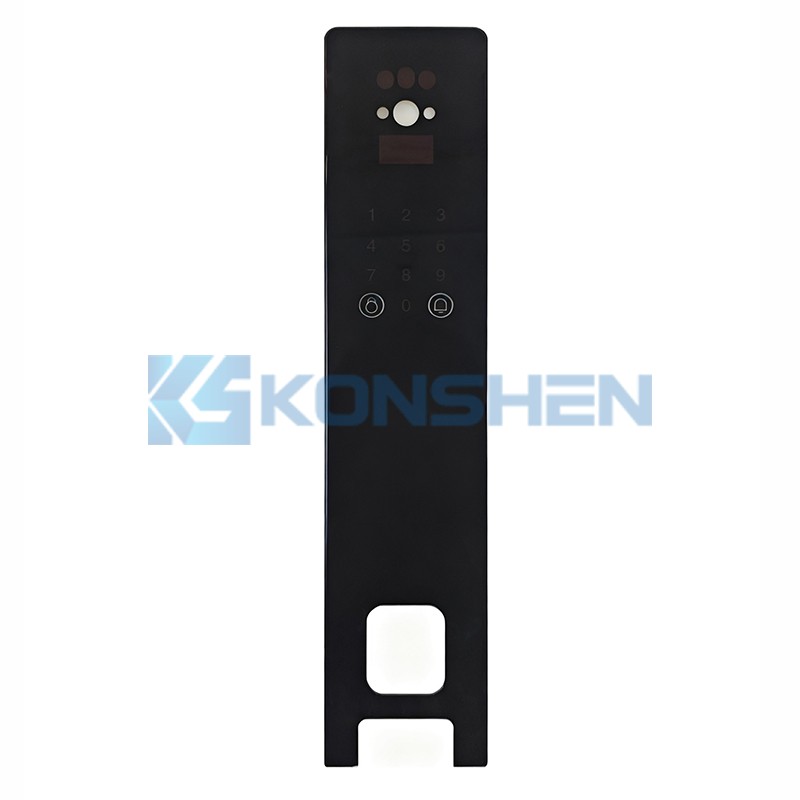

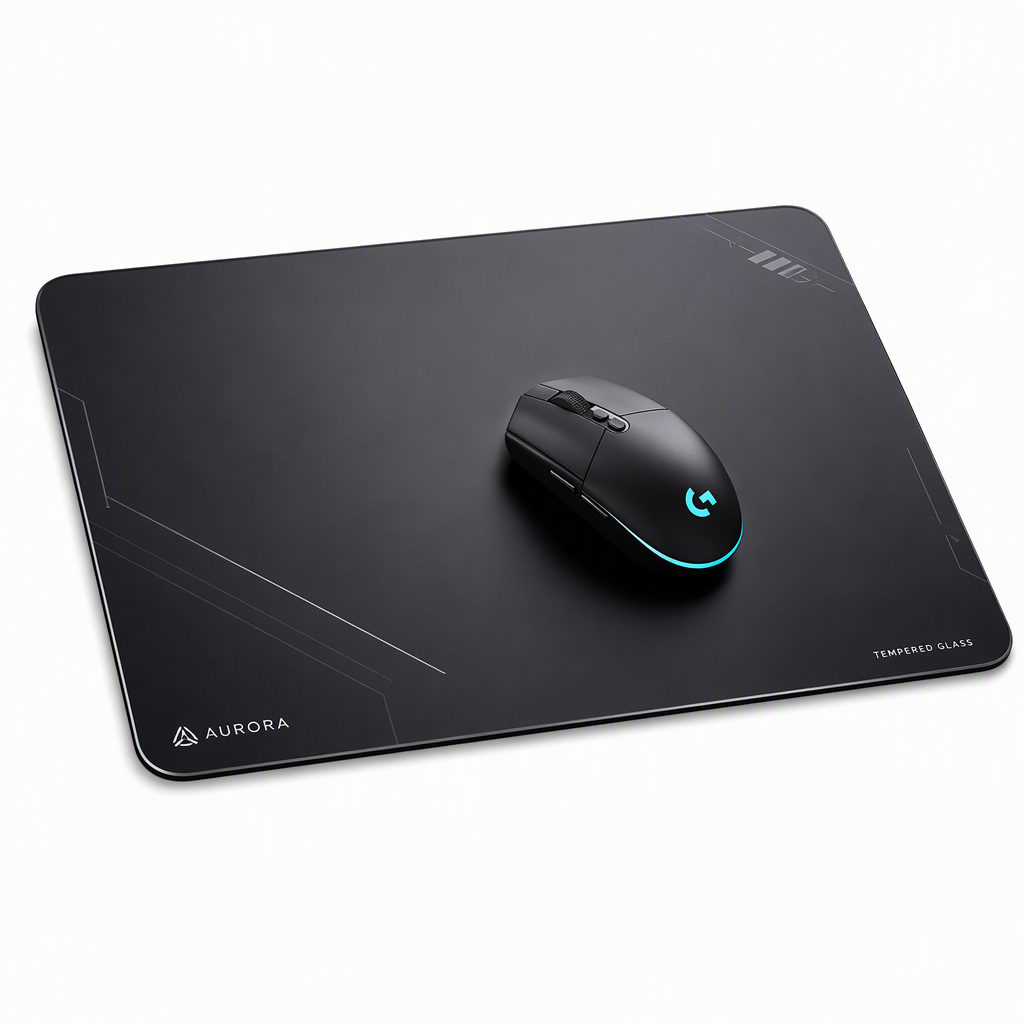
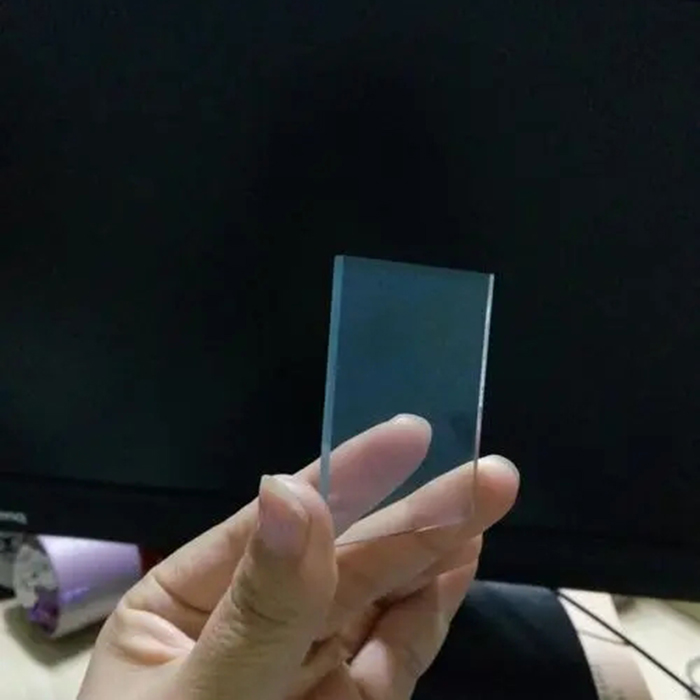

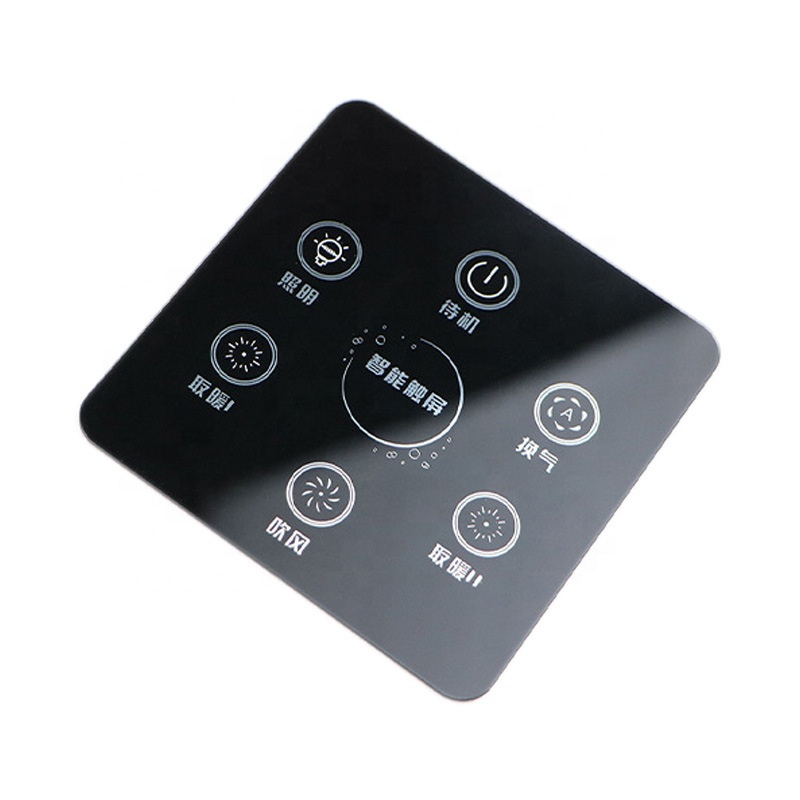
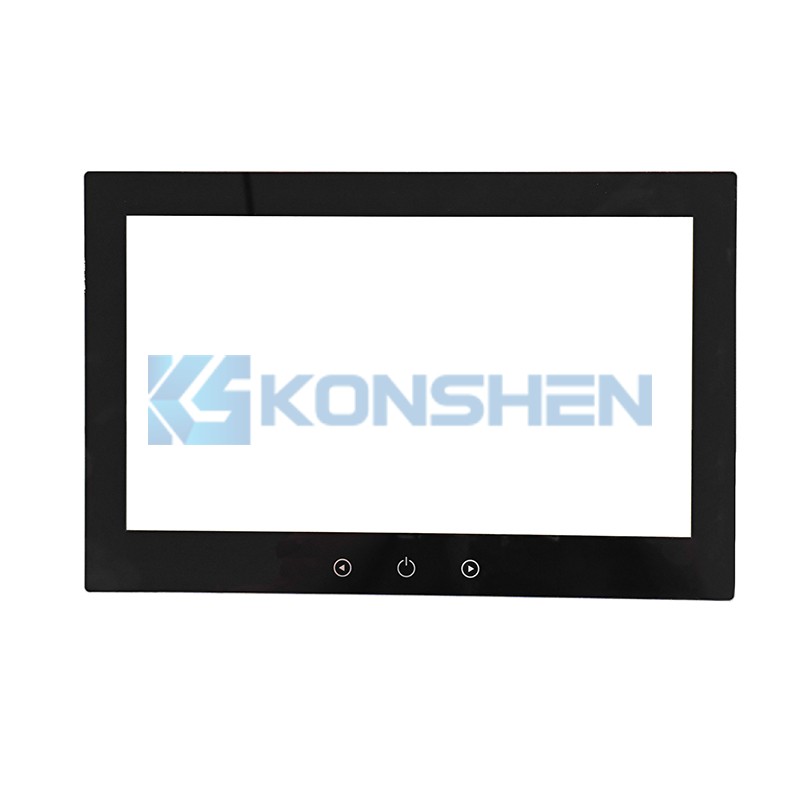
Need a custom size, coating stack, printed bezel or adhesive backing for a Kobe project? Send the drawing and target volume for an engineering review. Get a Quote
Why Kobe’s Laser and Optical Supply Chain Needs a Different Exporter Conversation
Kobe is not a generic port destination for optical components. The city sits inside the Hanshin industrial corridor, where marine engineering, medical equipment, automotive electronics, robotics, precision machinery and smart-building systems share a common need for documentation-heavy, high-mix sourcing. A laser reflective mirror programme in Kobe rarely buys “a mirror” as a standalone object; the buying team usually evaluates the substrate, coating stack, protective cover glass, printed bezel, conductive layer, mounting adhesive and transit packaging as one qualified assembly. That is why a top-tier exporter or wholesaler must behave more like an application engineering partner than a catalogue reseller.
For international buyers, Kobe adds three practical filters. First, the coastal climate makes humidity and salt exposure relevant to coating adhesion, edge quality and packing. Second, Kansai OEMs often run high-mix, low-volume builds, so a 1–2 piece sample route and clear DFM feedback can be more valuable than a low unit price. Third, Japanese procurement teams expect traceability, change control and consistent inspection criteria; a supplier who cannot explain how coating reflectance, haze, adhesion and appearance are checked will struggle to move past the first RFQ.
Huizhou KELO Glass Co., Ltd. is a factory-direct custom glass manufacturer in Huizhou, Guangdong. We process tempered cover glass, AR anti-reflective glass, AG anti-glare glass, AF anti-fingerprint glass, ITO/FTO conductive glass, 2.5D/3D curved glass and specialty glass materials. We do not position ourselves as a commodity mirror warehouse; we position ourselves as a manufacturing partner for the glass and coating work that surrounds laser, display and sensor systems. For a Kobe project, the fastest route is to share the drawing, wavelength, reflection target, substrate thickness, surface quality and annual volume.
What “Top 10” Should Mean for a Kobe Buyer
- Wavelength-specific coating discussion, not generic “high reflectivity” claims.
- Substrate thickness, flatness, edge quality and surface inspection criteria stated in writing.
- Prototype quantities from 1–2 pcs before tooling or mass production.
- Clear DFM feedback on print, holes, curved forming, bonding and coating limits.
- Measured AR, AG, AF and ITO/FTO performance windows supplied in the RFQ.
- 100% appearance inspection plus tempering, adhesion, abrasion and salt-spray checks.
- Export packing designed for sea freight, humidity and repeated handling.
- Trade terms and payment options that match a Kobe distributor’s cash-flow model.
- Responsive engineering communication, ideally within one business hour.
- Traceable factory identity, export record and third-party verification.
For laser reflective mirror projects, ask for wavelength, angle of incidence, laser power density, flatness and environmental durability at the first review. If a process falls outside a factory’s in-house capability, a credible supplier should say so before quoting.
Top 10 Capabilities to Verify in a Laser Reflective Mirror Exporter & Wholesaler for Kobe
Use this ten-point framework to separate a genuine optical-glass manufacturing partner from a forwarding-style trader. Each point maps to the evidence a Kobe buyer should request before approving a sample or a volume order.
Wavelength-aware coating dialogue
Ask how reflectance changes across the target wavelength, incidence angle and polarisation. A supplier should understand that a laser mirror, an AR window and an AG display cover solve different optical problems.
Substrate and flatness control
Thickness from 0.1 mm to 19 mm is useful only when flatness, edge quality, hole position and surface defects are inspected against the drawing. Request the measurement method.
In-house process depth
Cutting, CNC, polishing, printing, tempering, coating and bonding under one roof reduce handling damage and finger-pointing. Confirm which steps are actually performed in the factory.
Sample-first validation
Kobe R&D teams often need a small physical sample before a design freeze. A 1–2 piece prototype route is more valuable than a large minimum order at the concept stage.
Coating performance evidence
AR reflectance, AG haze, AF contact angle and ITO/FTO sheet resistance should be stated as measured windows, not vague marketing adjectives.
High-mix production discipline
Kansai buyers often manage many small variants. Look for printing, curved forming and thickness changes that can coexist without turning every reorder into a new project.
Inspection and reliability data
100% appearance checks matter, but so do adhesion, abrasion, tempering and salt-spray tests. Ask which tests are routine and which are project-specific.
Export documentation fluency
A Kobe-bound shipment may need commercial invoice, packing list, HS code alignment and compliance documents. A wholesaler should not treat paperwork as an afterthought.
Damage-proof packaging
Custom honeycomb cartons, blister trays and partition packing are part of the product. Coastal humidity and multi-leg freight make packing a quality-control issue, not a shipping detail.
Responsive, accountable communication
Fast answers matter when a Kobe engineering team is comparing an AR window, an AG display cover and an ITO sensor substrate in the same design review.
Where Kobo- and Kansai-Bound Glass Components Fit in Real Products
The same factory capability can serve different Kobe end markets. Below are practical application scenarios where custom glass, optical coating and conductive layers influence performance, service life and user experience.
Laser processing & inspection
Protective windows, AR viewing glass and precision cover plates for laser marking, optical inspection and photonics equipment in Kobe research and production lines.
Automotive electronics
2.5D/3D cover glass, AR/AG coated displays and printed panels for centre consoles, instrument clusters and in-vehicle touch interfaces in the Hanshin automotive corridor.
Medical instrumentation
AR/AG windows, quartz and sapphire optical windows, and chemically strengthened cover glass for diagnostic displays and precision medical devices.
Factory automation HMI
Chemically strengthened cover glass, AF touch surfaces and AG readable panels for robotics, machine tools and industrial control terminals.
Smart building & hotels
Printed keypad glass, elevator control panels, bathroom touch switches and smart-home interfaces for Kobe hotels, apartments and commercial retrofits.
Solar & energy devices
FTO conductive glass for thin-film cells and high-temperature processes, plus transparent conductive substrates for lighting and sensor applications.
Marine & port electronics
AG display glass, tempered covers and salt-spray-conscious packing for equipment used around Kobe’s port, logistics hubs and coastal industrial sites.
Gaming & consumer peripherals
Tempered glass mouse pads, glass skate feet and custom-printed accessories for brands selling through Japanese e-commerce and specialty retail channels.
Kobe Procurement Signals Shaping the Next Glass RFQ
High-mix, low-volume engineering
Kansai OEMs increasingly request multiple thicknesses, print layouts and coating variants from one supplier. Reorder stability matters as much as first-unit price.
Coating specification maturity
Buyers are moving from “anti-glare” or “anti-reflective” labels to measurable targets: reflectance, transmittance, haze, gloss, contact angle and sheet resistance.
Supply-chain risk reduction
Keeping coating, tempering, printing and bonding in-house shortens the chain and reduces handling damage. Kobe buyers ask for factory evidence, not just a trading licence.
Coastal durability awareness
Humidity and salt-laden air make adhesion, edge finishing, salt-spray testing and moisture-resistant packing important for marine, port and outdoor installations.
Indicative Kobe RFQ Priority Snapshot
This snapshot is an illustrative RFQ checklist for custom optical-glass projects, not a third-party market statistic. Use it to frame the questions you send to any exporter or wholesaler serving Kobe.
Coating and Substrate Performance Windows for the RFQ
Use these production windows as a starting point. Final targets are confirmed against your drawing, application environment and sample validation plan during engineering review.
| Glass / coating | Key performance window | Typical Kobe application fit |
|---|---|---|
| ARAnti-reflective | Reflectance <1.0% per side · Transmittance >99% across 400–700 nm · single or multi-layer design | Laser viewing windows, medical monitors, automotive touch displays and optical inspection covers |
| AGAnti-glare | Controllable haze 5–60% · Gloss 0.5–8 GU | Outdoor kiosks, port terminals, factory HMI and sunlight-readable display covers |
| AFAnti-fingerprint | Contact angle >110° · Pencil hardness >3H · Transmittance >98% · Durability >10,000 cycles | Touch panels, smart home controls, bathroom switches and high-touch appliance glass |
| ITOIndium tin oxide | Sheet resistance 1–20 Ω/sq · Transmittance >85% · Haze <2% | Capacitive touch sensors, industrial displays and EMI-conscious cover glass |
| FTOFluorine-doped tin oxide | Sheet resistance 1–20 Ω/sq · Transmittance >85% · Haze <2% | Thin-film solar, lighting and high-temperature conductive glass processes |
| Tempered coverCustom fabricated | Thickness 0.1–19 mm · flat or 2.5D/3D curved · silk-screen printing · 3M adhesive bonding | Display covers, control panels, elevator HMI, smart locks and industrial instrumentation |
Why a Kobe Buyer Might Shortlist KELO Glass
E-E-A-T is not a badge; it is evidence of experience, expertise, authority and trust. KELO’s factory profile, process depth and export history give Kobe buyers concrete points to verify before placing a prototype or volume order.
Factory-direct manufacturing
Huizhou KELO Glass Co., Ltd. is a verified manufacturer rather than a trading intermediary, with a factory floor area reported at 10k–30k m² and annual output value of US$50–100M.
In-house process integration
Cutting, water-jet cutting, CNC machining, drilling, edge polishing, laser engraving, silk-screen printing, sandblasting, flat and curved tempering, AR/AG/AF/ITO coating, 2.5D/3D forming and 3M adhesive bonding are handled under one roof.
Engineering depth
With 21–30 R&D engineers and a workforce of 101–200, KELO can review drawings, recommend coating stacks, flag cost drivers and support DFM before a Kobe buyer commits to tooling.
Sample-friendly model
Samples can start from 1–2 pcs so Kobe teams can validate fit, optics, printing and coating performance. Bulk lead time is typically 21–31 days after sample approval.
Export track record
The company is a six-year verified exporter on Alibaba.com with a 4.9/5 store rating, 98.18% reply rate and Trade Assurance-supported orders. Buyers can review factory video, assessment, transaction level and trade records.
Flexible trade terms
FOB, CFR, CIF, EXW and DDP terms are supported, with T/T, L/C, PayPal and Western Union payment options. Custom honeycomb cartons, blister trays and partition packing help protect glass shipments to Kobe.
From Drawing to Kobe in Six Controlled Steps
A transparent, engineer-led process reduces the risk of a beautiful sample that cannot be reproduced in volume.
Share requirements
Send the drawing, sample or target specification, including thickness, coating target, size, printing, holes, curved shape, annual volume and destination requirements.
Engineering review
KELO reviews feasibility, tolerance, coating options, inspection criteria and cost drivers, then returns DFM questions before quoting.
Rapid prototype
Samples can be produced from as few as 1–2 pieces so the Kobe design team can test fit, optics, surface feel and assembly.
Validation
Approve appearance, dimensions, coating performance and packaging requirements. Changes are documented before mass production begins.
Mass production
Typical bulk lead time is 21–31 days after sample approval, depending on size, coating stack, curved forming and printing complexity.
Packing and shipping
Custom export packing is arranged, with trade terms and documentation aligned to the buyer’s preferred logistics route to Kobe.
Three Inspection Gates Before Anything Ships
Quality is built into the process, not inspected in at the end. Each gate has defined checks and release criteria that can be discussed during the Kobe RFQ.
Incoming Inspection
Raw glass and consumables are verified before production: thickness, flatness, surface defect screening, ink and coating material verification.
- Substrate identity and thickness
- Surface and edge screening
- Material batch verification
In-Process Control
Critical dimensions and coating results are checked at each station so deviations are caught before the next process adds cost.
- CNC dimension and hole position
- Tempering and strength tests
- Coating adhesion and abrasion
Final Inspection & Packing
Every finished piece is checked before protective packing, with reliability tests and custom export packaging matched to the project.
- 100% appearance inspection
- Salt spray reliability testing
- Honeycomb, blister and partition packing
Questions Kobe Buyers Ask Before a First Order
These answers combine technical specification questions with the practical sourcing concerns of OEMs, distributors and brand owners in Kobe and the Kansai region.
Are you a factory or a trading company?
What is the minimum order quantity for custom cover glass or optical coated glass?
What lead time should a Kobe buyer plan for?
Can you support a laser reflective mirror or laser-optics project?
What optical performance can your AR coating achieve?
Should I choose ITO or FTO conductive glass?
What thickness, sizes and shapes can you produce?
Which trade terms and payment methods do you accept?
How do you control quality and protect shipments to Kobe?
Can you review compliance documentation for Japan-bound shipments?
Send Your Drawing, Target Coating and Annual Volume
Kobe OEMs, distributors, system integrators and brand owners are welcome. Share your drawing, laser or display application details, coating target, size, thickness, surface quality and annual demand. KELO’s engineering team will review feasibility and recommend a practical glass and coating solution.