Why Nagoya Buyers Compare China Infrared Filter Glass Factories on More Than Price
Nagoya is not a generic export market. Aichi Prefecture anchors automotive, machine tool, robotics, aerospace and precision-device manufacturing, so an infrared filter glass supplier must understand optical performance, coating repeatability, incoming inspection and total landed cost.
A buyer searching for an infrared filter glass factory in China is usually solving a tightly defined optical and supply-chain problem: stable transmission in the required wavelength band, controlled blocking outside it, repeatable coating, clean edges and packaging that survives international freight. The lowest unit price is rarely the lowest total cost when a filter window delays sensor-module validation or creates incoming inspection fallout.
KELO Glass approaches infrared filter glass as a custom optical glass engineering project, not a catalogue SKU. The factory in Huizhou, Guangdong, processes glass from 0.1 mm to 19 mm and controls cutting, CNC drilling, edge polishing, silk-screen printing, flat and curved tempering, AR/AG/AF coating, ITO/FTO conductive coating and 3M adhesive bonding under one roof. That vertical control matters for Nagoya buyers because filter-glass performance depends on the interaction between substrate, coating stack, edge quality and the final assembly method.
For an IR-cut filter, IR-pass window, sensor cover, camera-module window or machine-vision optical filter, the RFQ should define wavelength range, target transmission, blocking requirement, substrate material, thickness, flatness, surface quality, coating durability, environmental tests and annual volume. KELO’s engineering team reviews drawings and technical targets, proposes a manufacturable stack, and produces samples from 1–2 pieces so the design can be validated before mass production. Production lead time is typically 21–31 days after sample approval, with 100% appearance inspection and protective packing.
The company is a factory-direct supplier with 6 years of verified exporter history on Alibaba.com, a 4.9/5 store rating and a 98.18% response rate. The operation is sized for B2B programs: 10,000–30,000 m² factory space, 101–200 employees, 21–30 R&D engineers, 20–25 million pieces/year touch cover glass capacity and US$50–100 million annual output value. Typical response time is within 1 hour. For Nagoya procurement teams, that combination provides a useful balance: the cost structure of a China-based custom glass factory, plus the documentation, trade terms and inspection discipline expected by Japanese industrial buyers.
Information gain for your RFQ: ask for an engineering review that links wavelength target, coating stack, glass thickness, edge finish and packing method. These five variables usually decide whether an infrared filter glass project scales smoothly.
Eight Glass Platforms Relevant to Infrared Filter Glass and Optical Window Projects
Use these platforms as starting points for custom filter glass, protective windows, display covers and sensor housings. For IR-specific projects, combine the relevant substrate, coating and edge requirements in one drawing package.

Custom Silk Screen Printed Tempered Glass Electronic Control Panel Cover for Smart Appliances
A durable control-panel cover with icon printing and tempered protection; adaptable for IR windows and smart-home interfaces.
View product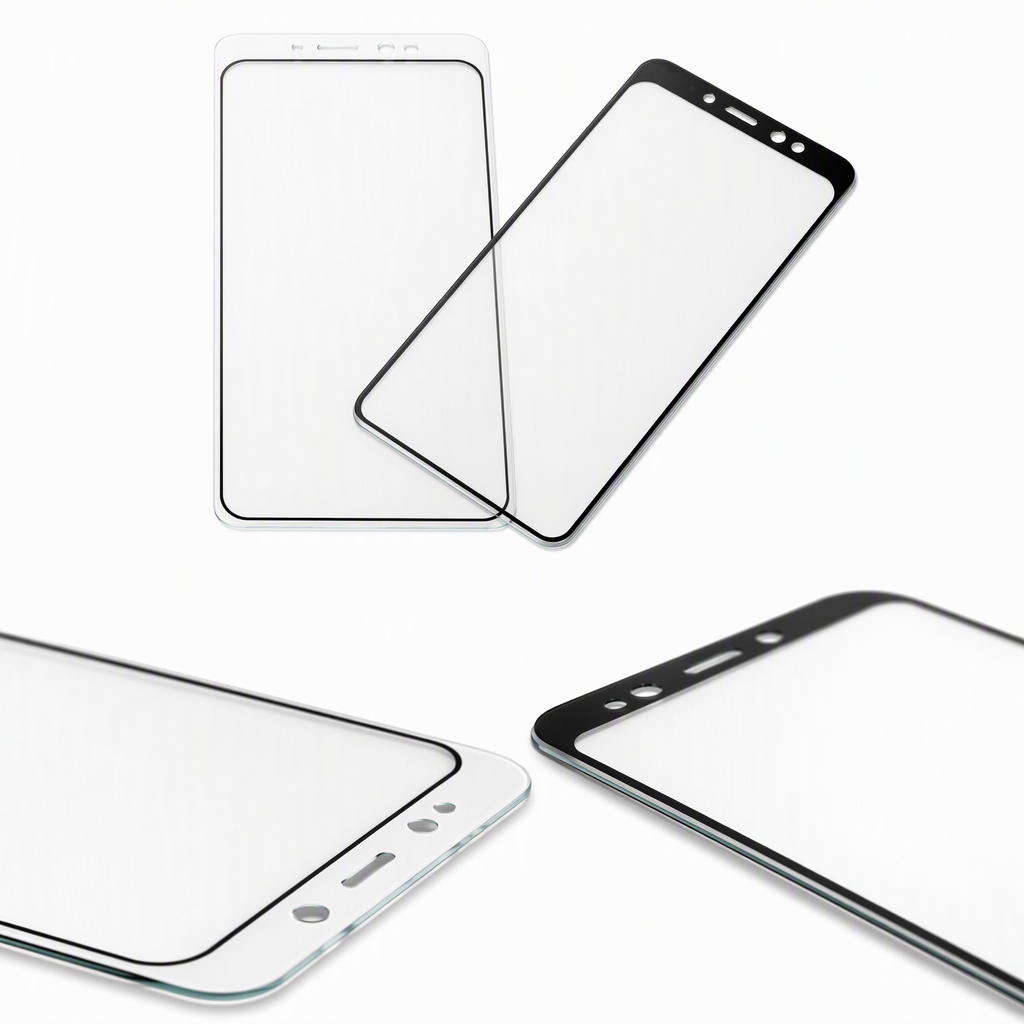
Toughened Glass Panel No Coating CNC Hole Drilling Irregular Shape Silk Screen Printed Custom Size Wholesale Supplier
CNC-shaped toughened glass for irregular sensor covers, brackets and display windows; useful for pilot builds and custom filter carriers.
View product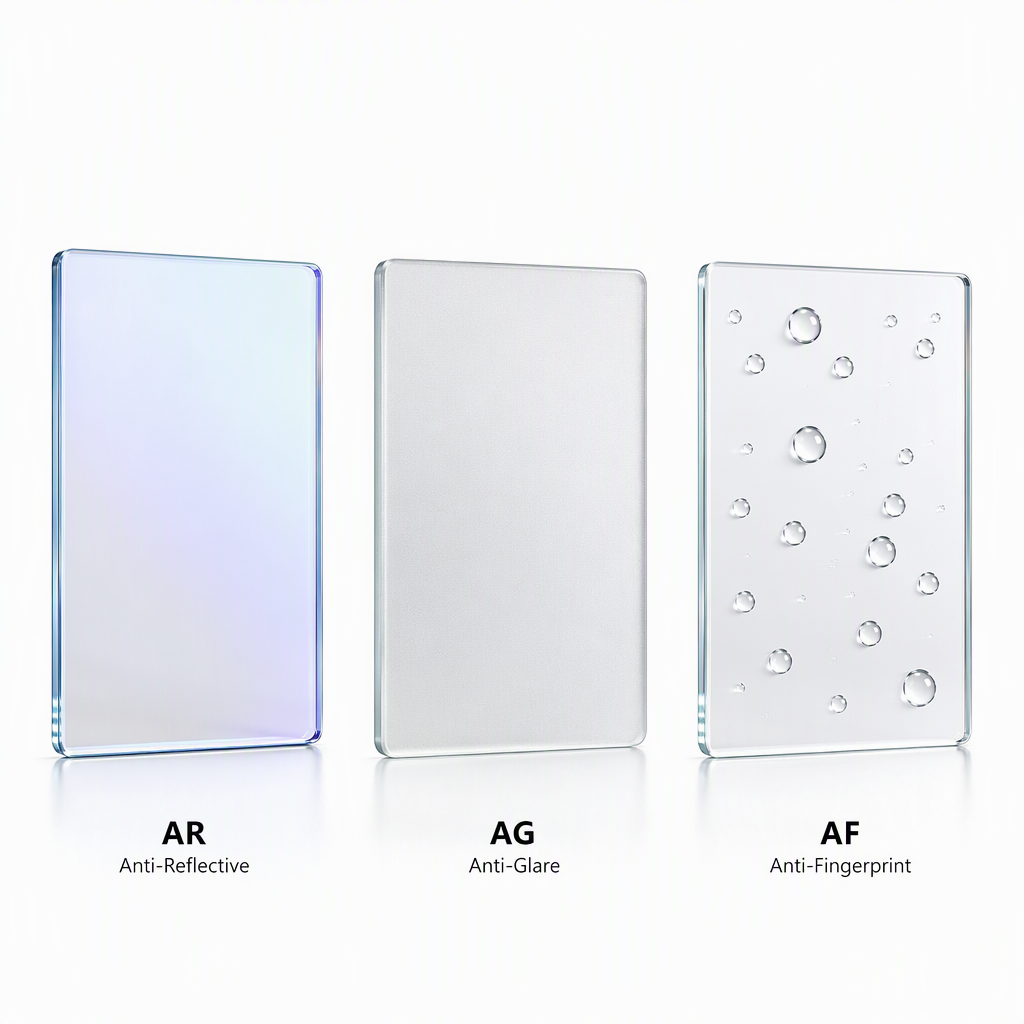
AR AG AF Coated Glass Anti Reflective Coating Service 92 Percent Transmission Anti Glare Custom Sheet Factory OEM
AR/AG/AF coating services to reduce reflections, diffuse glare and resist fingerprints on optical windows and sensor covers.
View product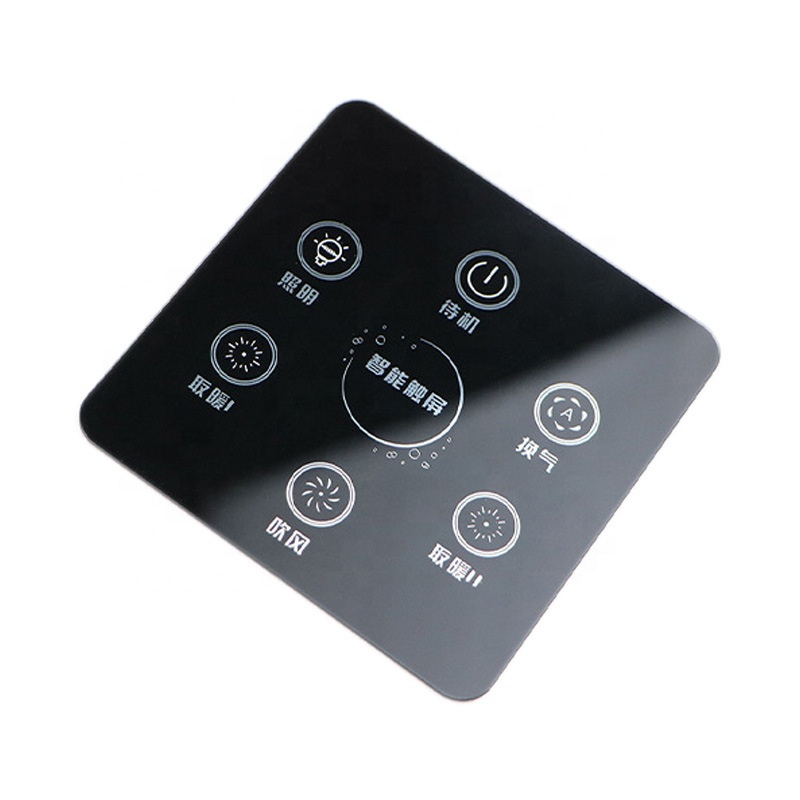
Bathroom Solid & Hollow Tempered Glass Intelligent Touch Shower Control Switch Panel Silk Screen Printed with 4-Year Warranty
A high-moisture touch-panel example showing sealing, printing and durability know-how for humid control environments.
View product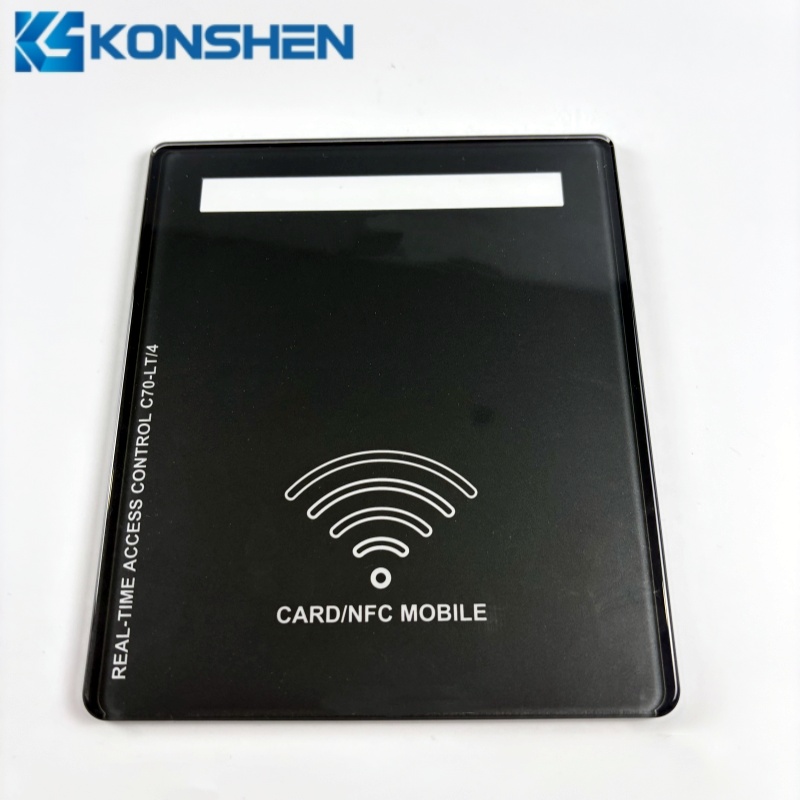
Custom 5mm NFC Access Card Silkscreen Printing Tempered Touch Screen Glass Switch Display Cover Glass
A 5 mm glass cover example for NFC, access-control and display-switch integration in security and smart-building hardware.
View product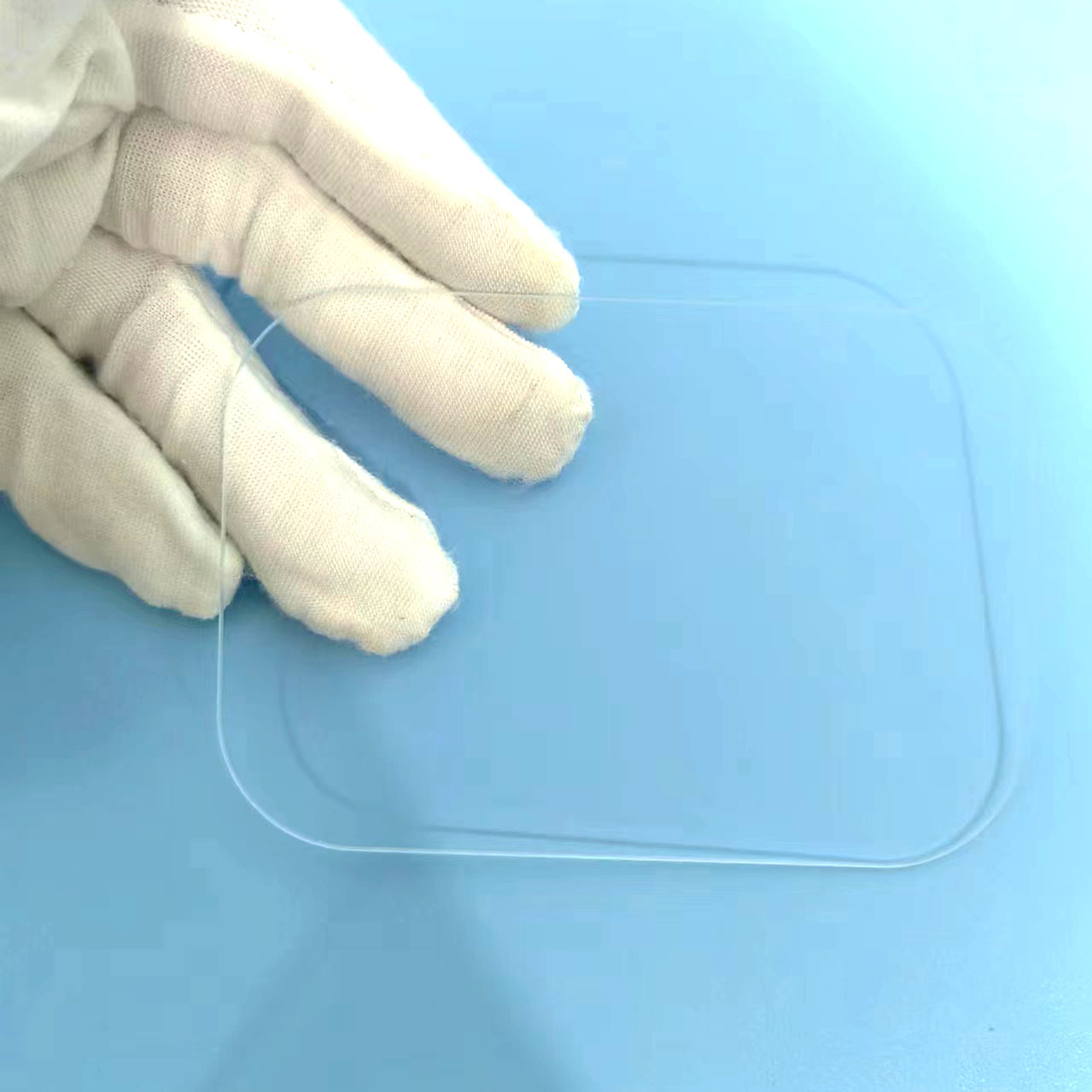
1.1mm ITO Coated Conductive Glass Panel High Transmittance CNC Custom Shape Polished Edge for Smart Home Touch Mirror
ITO conductive glass for touch sensing, EMI shielding and transparent electrodes; supports optical filter plus conductive-function integration.
View product
Customized Cutting Elevator Indicator Arrow Printing Touch Smart Control Elevator Panel Use Electronics Screen Glass Instrument
CNC-cut, printed elevator indicator glass demonstrating high-mix shaped glass, symbol printing and instrument-window fabrication.
View product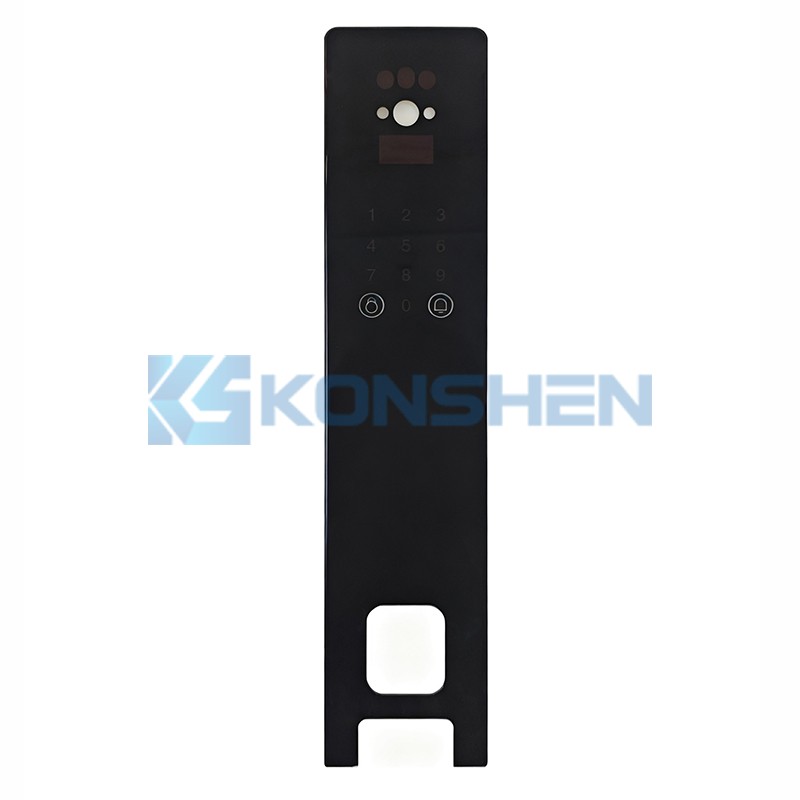
Electronic Tempered Glass Film Custom Printed Rectangular Panel Digital Keypad for Smart Door Lock
A printed tempered glass panel for keypads and security devices; adaptable for protective windows with selective transmission or coating requirements.
View productWhere Infrared Filter Glass and Coated Optical Glass Create Value in the Nagoya Market
Nagoya and the wider Chubu region reward suppliers who understand application context, not just glass dimensions. These are the local use cases we discuss most often with engineering and procurement teams.
Automotive sensing and cockpit displays
Aichi’s automotive ecosystem uses camera windows, cabin-sensing covers, display cover glass and sensor protection near high-brightness screens. AR coating improves see-through clarity; AG coating controls reflections; tempered or chemically strengthened substrates improve durability.
Machine vision and factory automation
Vision inspection, barcode reading, positioning and thermal/IR sensing depend on flat, low-haze windows with predictable transmission. CNC shaping and edge polishing reduce stray light and assembly risk.
Smart building, HVAC and environmental sensors
Occupancy, gas, flame, CO₂ and HVAC sensors often need windows with selective transmission and stable coating performance. IR filter glass can be combined with AF or AG surfaces for easy maintenance.
Medical, analytical and biotech instruments
Quartz and sapphire optical windows, custom filter covers and low-reflection glass are common in analytical instruments. Clean edges, readable inspection data and reliable packing matter as much as optical specs.
Security, access control and elevators
NFC reader covers, smart-lock keypads, elevator indicator panels and camera windows require printed glass, tempered surfaces and selective transmission in compact assemblies.
Appliance and smart-home touch
Bathroom, kitchen and smart-home control panels benefit from AF anti-fingerprint, AR anti-reflective and tempered cover glass. The bathroom touch-panel platform above shows moisture-resistant construction used in these products.
What Nagoya Procurement Teams Are Changing in 2025
Japanese industrial buyers continue to value reliability, documentation and low defect rates. The sourcing conversation is shifting from simple FOB price comparison to total landed cost, manufacturability and supply continuity.
High-mix, low-volume validation
Nagoya engineering teams increasingly require fast samples for small batches before committing to volume. A supplier that can move from 1–2 prototype pieces to stable mass production reduces development risk.
Stricter incoming inspection
Buyers want measurable appearance criteria, coating durability data and packing details before release. A supplier that treats inspection as a production gate, not a final sorting step, is easier to qualify.
Automotive and smart-factory convergence
Optical windows are moving into more sensor-rich environments. AR/AG/AF and ITO/FTO functions are often discussed together with mechanical durability and EMI shielding.
Humidity and packaging discipline
Japan’s humid summer and long inbound transit make carton design part of quality assurance. Honeycomb cartons, blister trays and partitions are often requested for fragile glass shipments.
China plus local supplier benchmarking
Procurement teams continue to compare China-based custom glass manufacturing with local options. The decision is less about FOB price and more about landed cost, engineering response, sample speed and defect-cost exposure.
Traceability and written specifications
Drawings, coating targets, inspection reports and packing labels are now part of the supplier evaluation. Clear English technical communication and written confirmation of every critical dimension reduce rework.
Why KELO Glass Is a Practical China Supplier for Nagoya Infrared Filter Glass Programs
Factory-direct manufacturing, in-house surface engineering and export documentation are combined in one accountable partner. The details below are based on the company profile and production capabilities of Huizhou KELO Glass Co., Ltd.
One factory, from raw glass to inspected carton
Outsourcing coating, tempering, CNC or printing adds handling damage, schedule risk and finger-pointing. KELO keeps cutting, CNC machining, edge polishing, laser engraving, silk-screen printing, sandblasting, flat and curved tempering, AR/AG/AF/ITO coating, 2.5D/3D forming and 3M adhesive bonding under one roof. For an infrared filter glass project, that means the optical coating, substrate and edge finish are reviewed as one system.
- 10,000–30,000 m² factory area
- 101–200 employees; 21–30 R&D engineers
- 20–25 million pcs/year touch cover glass capacity
- US$50–100 million annual output value
- 6 years verified exporter on Alibaba.com
- 4.9/5 store rating; 98.18% response rate
- Samples from 1–2 pcs; mass production 21–31 days
- FOB, CFR, CIF, EXW and DDP support

Optical Coating and Conductive Functions for Infrared Filter Glass RFQs
Use these production windows as a starting point. Final targets are confirmed against your drawing, wavelength requirement and environmental test plan during engineering review.
| Function | Typical Production Window | Relevance to Nagoya Projects |
|---|---|---|
| AR anti-reflective | Reflectance <1.0% per side; transmittance >99% at 400–700 nm; single or multi-layer | Camera windows, display covers and sensor protection where reflection reduces contrast. |
| AG anti-glare | Haze 5–60%; gloss 0.5–8 GU | Outdoor kiosks, machine-vision windows and sunlight-readable displays. |
| AF anti-fingerprint | Water contact angle >110°; pencil hardness >3H; durability >10,000 cycles | Touch panels, appliance glass, smart mirrors and high-touch sensor covers. |
| ITO conductive | Sheet resistance 1–20 Ω/sq; transmittance >85%; haze <2% | Capacitive touch, EMI shielding and transparent electrodes. |
| FTO conductive | Sheet resistance 1–20 Ω/sq; transmittance >85%; haze <2% | Thin-film solar, high-temperature processes and chemically demanding environments. |
| IR filter / custom optical stack | Transmission and blocking windows confirmed per drawing; AR/AG/AF top coats and tempered or chemically strengthened substrates can be reviewed | Infrared filter glass, sensor windows, optical instruments and custom imaging modules. |
| Combined function | AR+AG, AG+AF and other stacks reviewed for compatibility; cosmetic grade per 60/40 scratch-dig where specified | Premium automotive, outdoor and industrial optical windows. |
Values are typical production capability. Final optical targets, tolerances and test methods are confirmed during engineering review and sample validation.

Coating performance that can be written into your drawing notes
Surface treatment is KELO’s core strength. AR, AG, AF, ITO and FTO functions are evaluated in-house, and coated batches are measured and visually inspected before release. For infrared filter glass programs, this makes it easier to connect an optical requirement with a manufacturable coating stack and a realistic inspection plan.
When you send an RFQ, include the wavelength band, desired transmission, blocking range, substrate preference, thickness, size, edge profile, surface quality, coating durability test and annual volume. If the application is not yet fixed, our engineers can recommend a practical starting specification for prototyping.
Packing, Trade Terms and Incoming Inspection Support
Fragile glass is not a commodity shipment. The supplier’s packing method and documentation package directly affect defect rates, line-side handling and total landed cost.
Protective packing and flexible delivery terms
KELO uses custom honeycomb cartons, blister trays and partition packing to reduce transit damage. For Nagoya deliveries, we support FOB, CFR, CIF, EXW and DDP terms; orders through Alibaba.com can be protected by Trade Assurance. Provide your preferred port or consignee details and we will align packing, labels and documents with your incoming inspection process.
International freight can route via Nagoya Port, other Japanese ports or air freight to Chubu Centrair depending on volume and urgency. For high-mix programs, we recommend validating the packing method together with the first sample shipment, so the same protection standard is carried into mass production.
- Custom honeycomb cartons
- Blister trays for small parts
- Partition packing for fragile panels
- Commercial invoice and packing list
- Inspection records and drawing confirmation
- FOB, CFR, CIF, EXW and DDP terms

A Nagoya Buyer Scorecard for Comparing China Infrared Filter Glass Factories
Use this scorecard during supplier review. It helps separate a glass trader that can quote a price from a factory that can hold optical, cosmetic and delivery performance across production lots.
| Evaluation Area | Question to Ask | Evidence to Request |
|---|---|---|
| Optical design review | Can the supplier propose a manufacturable filter stack for my wavelength target, not just quote a sheet size? | Drawing review notes, coating recommendation, sample measurement plan. |
| Coating repeatability | Are AR/AG/AF/ITO/FTO coatings produced in-house and checked as a production process? | Coating capability data, batch inspection records, sample measurement results. |
| Edge and dimensional control | Who controls CNC, polishing, drilling, printing and curved forming? | Process list, tolerance confirmation, first-article inspection plan. |
| Inspection discipline | What is checked at incoming, in-process and final inspection? | IQC/IPQC/FQC flow, 100% appearance inspection statement, test reports. |
| Packing and logistics | Will fragile optical glass arrive ready for line-side handling in Nagoya? | Carton design, tray/partition photos, trade terms, port or DDP plan. |
| Commercial continuity | Is the supplier sized for pilot builds and repeat volume? | Factory area, employee count, capacity, lead time, response-time record. |
Questions Buyers Ask Before Sourcing Infrared Filter Glass from China
Straight answers for engineering, procurement and quality teams evaluating a supplier for the Nagoya market.
Can KELO supply infrared filter glass to companies in Nagoya?
Yes. KELO Glass supports custom optical glass, filter glass, AR/AG/AF coated glass, ITO/FTO conductive glass and cover glass projects for export customers, including industrial buyers in Nagoya and the wider Chubu region. Send your drawing, target wavelength range and annual volume for a feasibility review.
What is the minimum order quantity for custom IR filter glass or coated glass?
Sample orders start from 1–2 pieces so you can validate fit, optics, coating performance and packing before committing to volume. Bulk quantities are quoted per drawing, substrate, coating stack and inspection requirement.
What lead time should a Nagoya buyer plan for?
Mass production is typically 21–31 days after sample approval, depending on size, coating stack, curved forming, printing complexity and order volume. International transit to Nagoya Port or Chubu Centrair is additional and depends on the selected trade term and shipping method.
What should we include in an RFQ for infrared filter glass?
Include the wavelength band, target transmission, blocking requirement, substrate material, thickness, dimensions, tolerances, edge profile, surface quality, coating requirement, environmental tests, annual volume, delivery destination and preferred trade term. A drawing or sample photo helps engineering review move faster.
How do you control optical and appearance quality?
Quality is controlled through incoming, in-process and final inspection, with 100% appearance checking before packing. Relevant checks can include thickness, flatness, surface defects, CNC dimensions, coating adhesion, abrasion, tempering and salt-spray reliability, depending on the product specification.
Which trade terms and payment methods are supported?
KELO supports FOB, CFR, CIF, EXW and DDP trade terms, and accepts T/T, L/C, PayPal and Western Union. Orders placed through Alibaba.com can be protected by Trade Assurance. For Nagoya deliveries, confirm the preferred port, consignee details and documentation requirements in the quotation stage.
Can you combine IR filter glass with AR, AG, AF, ITO or FTO functions?
Combined functions can be reviewed during engineering review. AR+AG, AG+AF and conductive-layer options may be proposed depending on substrate, transmission target, environmental exposure and assembly method. Final compatibility is confirmed with the sample and inspection plan.
How do you protect fragile glass during shipment to Japan?
We use custom honeycomb cartons, blister trays and partition packing to minimize transit damage. The packing method can be aligned with your incoming inspection process, and documentation such as the packing list, commercial invoice and inspection records can be prepared for the shipment.
Have a Drawing, Wavelength Target or Optical Filter Specification?
Send your drawing, target transmission and blocking range, substrate preference, thickness, coating requirement and annual volume. Our engineering team will review feasibility and recommend a practical glass and coating solution for your Nagoya project.
Email: info@keloglass.com · Huizhou KELO Glass Co., Ltd. · Factory-direct optical glass, coated glass and custom cover glass