Top Trusted FTO Conductive Glass for Thin-Film Solar Cells Supplier & Exporter Serving Puebla
Factory-direct FTO glass with 1–20 Ω/sq sheet resistance, >85% transmittance and <2% haze for CdTe, CIGS, perovskite and tandem thin-film solar programs in Puebla. Engineered for high-temperature processing, chemical durability and stable electrical performance — with in-house coating, CNC, tempering and 100% appearance inspection.
8 Glass Products for Thin-Film Solar, Display and Control-Panel Integration
These eight product lines are part of the KELO Glass factory-direct portfolio. Puebla solar, electronics and industrial teams often review them alongside FTO conductive glass when they need matched cover glass, AR/AG/AF optical stacks, ITO sensing substrates or custom tempered panels. Every product URL below is preserved so buyers can compare drawings, coatings and customization options without losing the specification trail.
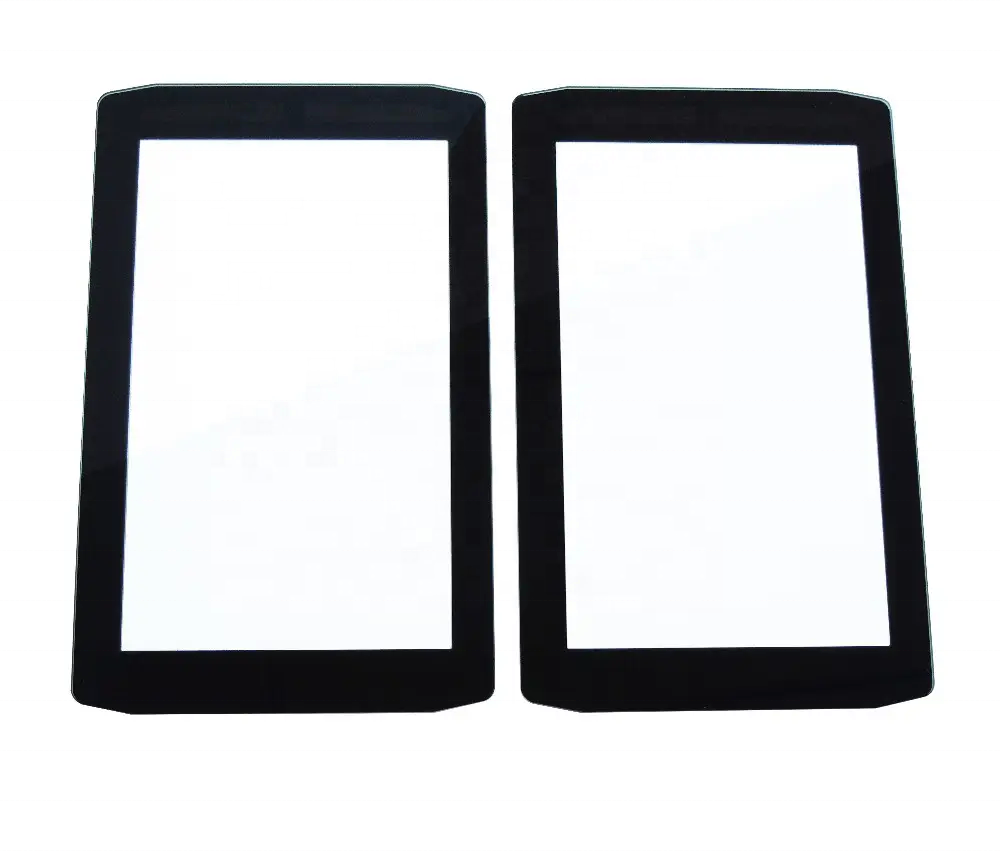
AG High Quality Solid Tempered Glass Anti-Glare Digital Screen Display Customizable Touch Screen Panel Factory Direct Outdoor
Anti-glare tempered cover glass for sunlight-readable outdoor displays, kiosks and solar monitoring interfaces in Puebla's high-brightness environment.
View product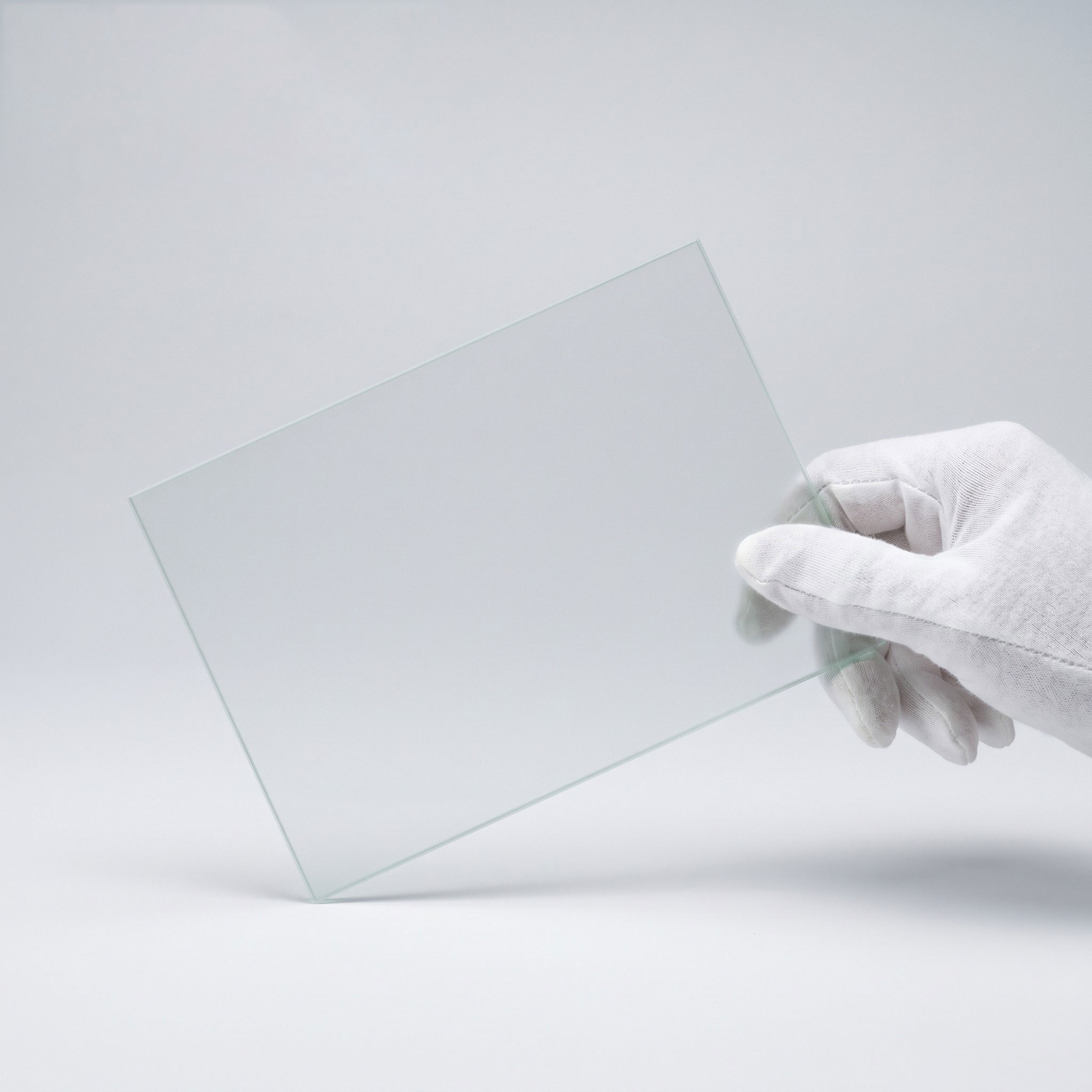
KS AG002 Custom Size AG Coating Anti-Glare Tempered Glass Panel High Transmittance Cover Sheet for Electronic Display Screen
High-transmittance AG cover sheet for equipment displays used in industrial parks, laboratories and solar pilot facilities across Puebla.
View product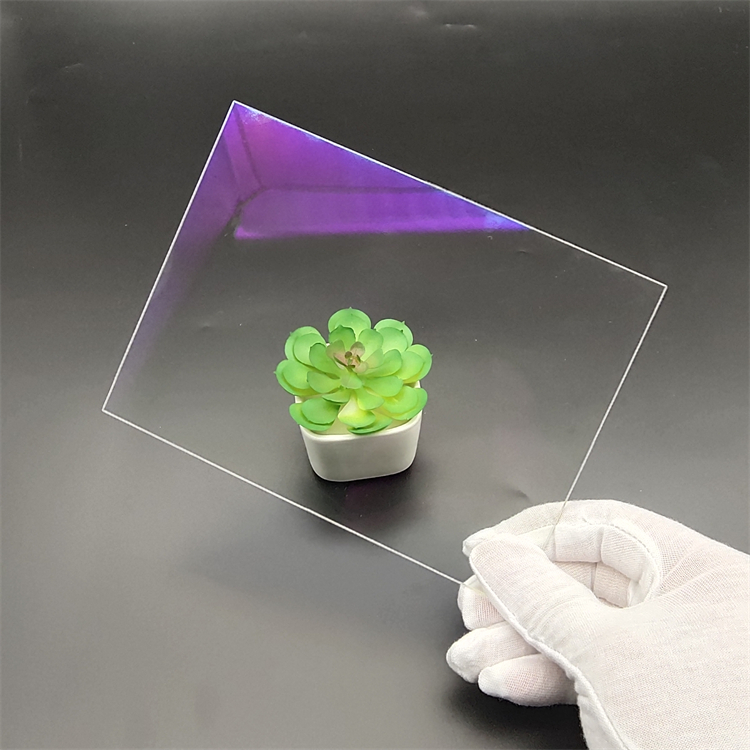
Custom 2mm Ultra-Clear Both Sides Anti-Reflective Coating Tempered Glass for Display Screen Solar & Lighting Use-Solid Structure
AR-coated tempered glass for display, lighting and solar-adjacent optical windows where reflection control and clarity are critical.
View product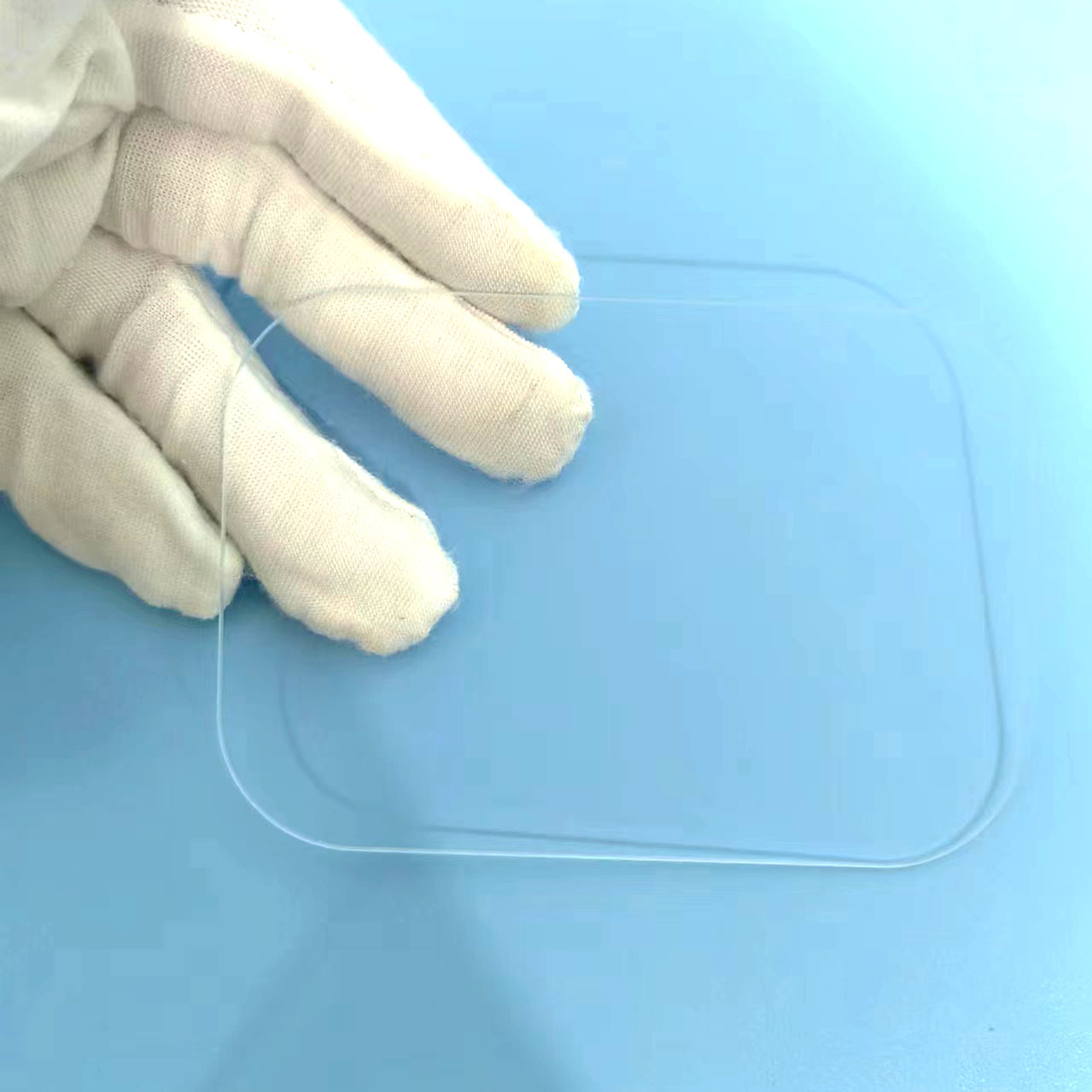
1.1mm ITO Coated Conductive Glass Panel High Transmittance CNC Custom Shape Polished Edge for Smart Home Touch Mirror
ITO conductive glass for touch mirrors, sensor interfaces and smart-home control surfaces requiring transparent conductivity.
View product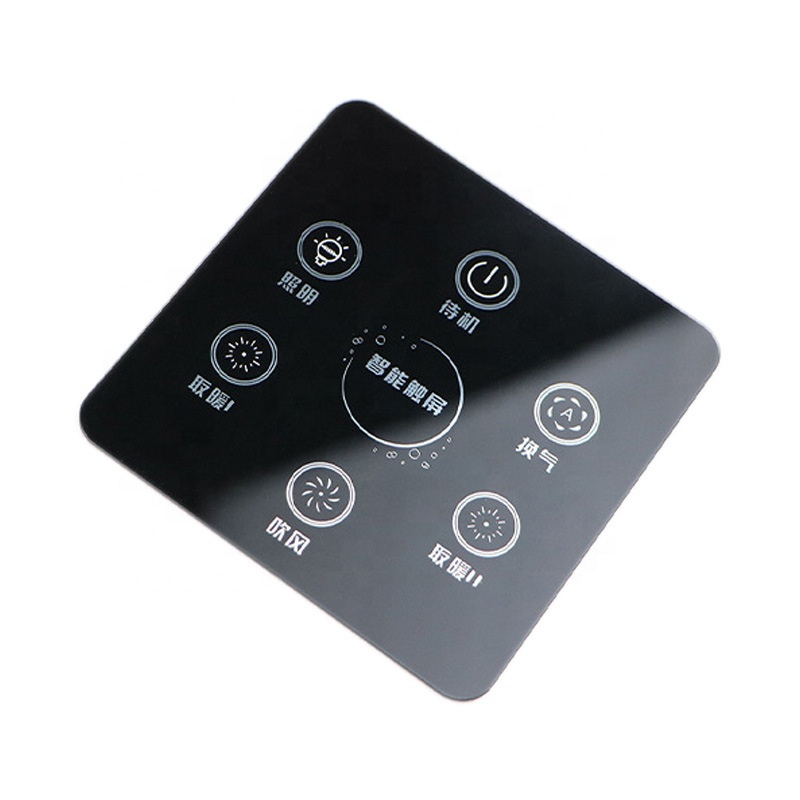
Bathroom Solid & Hollow Tempered Glass Intelligent Touch Shower Control Switch Panel Silk Screen Printed with 4-Year Warranty
Printed tempered control panel for hospitality, smart bathroom and appliance projects, with customization and 4-year warranty support.
View product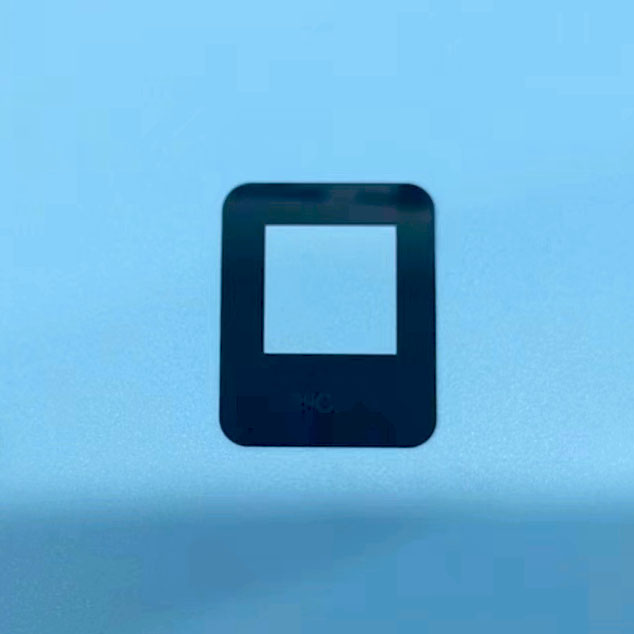
1mm Black Tempered Glass Switch Socket Panel Flat Solid Wall Cover with Print
Decorative black tempered glass wall panel for switch and socket brands, suitable for localized electrical product lines.
View product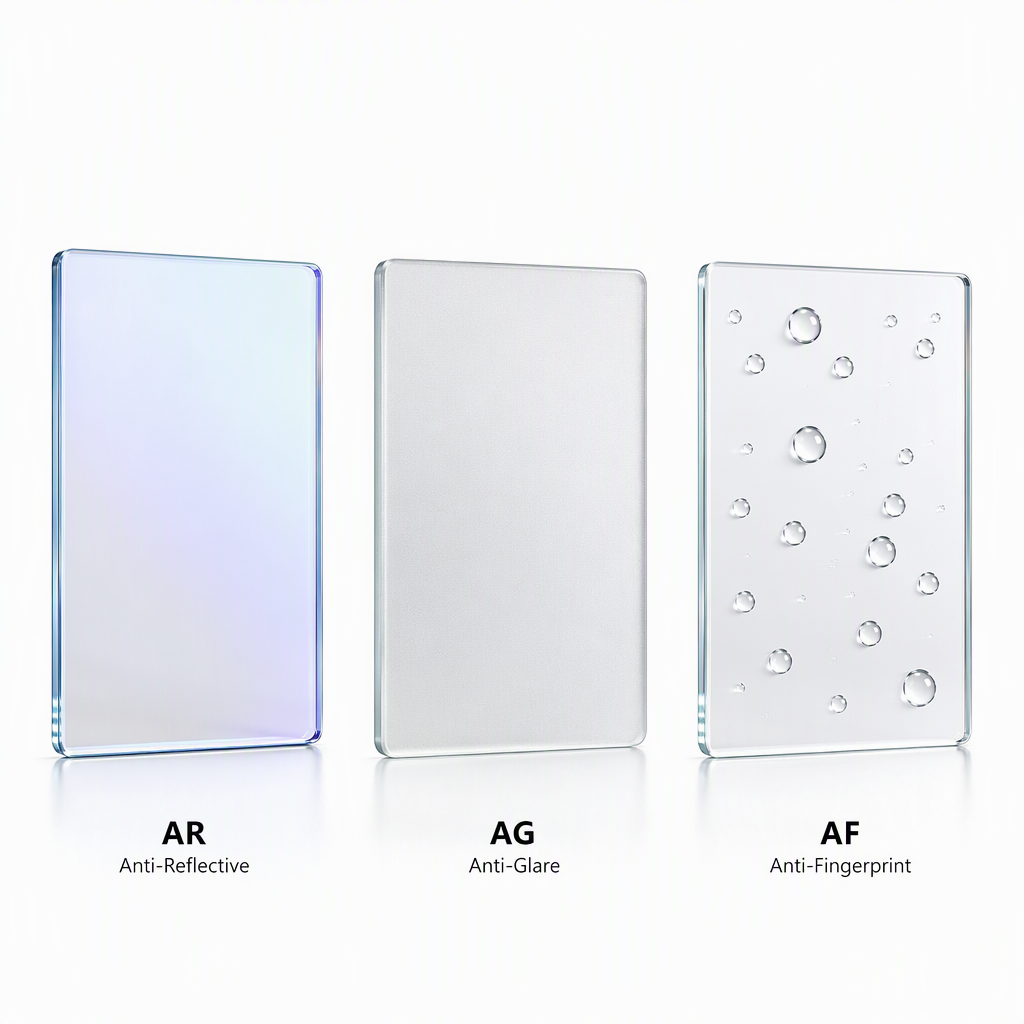
AR AG AF Coated Glass Anti Reflective Coating Service 92 Percent Transmission Anti Glare Custom Sheet Factory OEM
Combined optical coating service for outdoor, high-touch or high-clarity displays where reflection, glare and fingerprints must be controlled together.
View product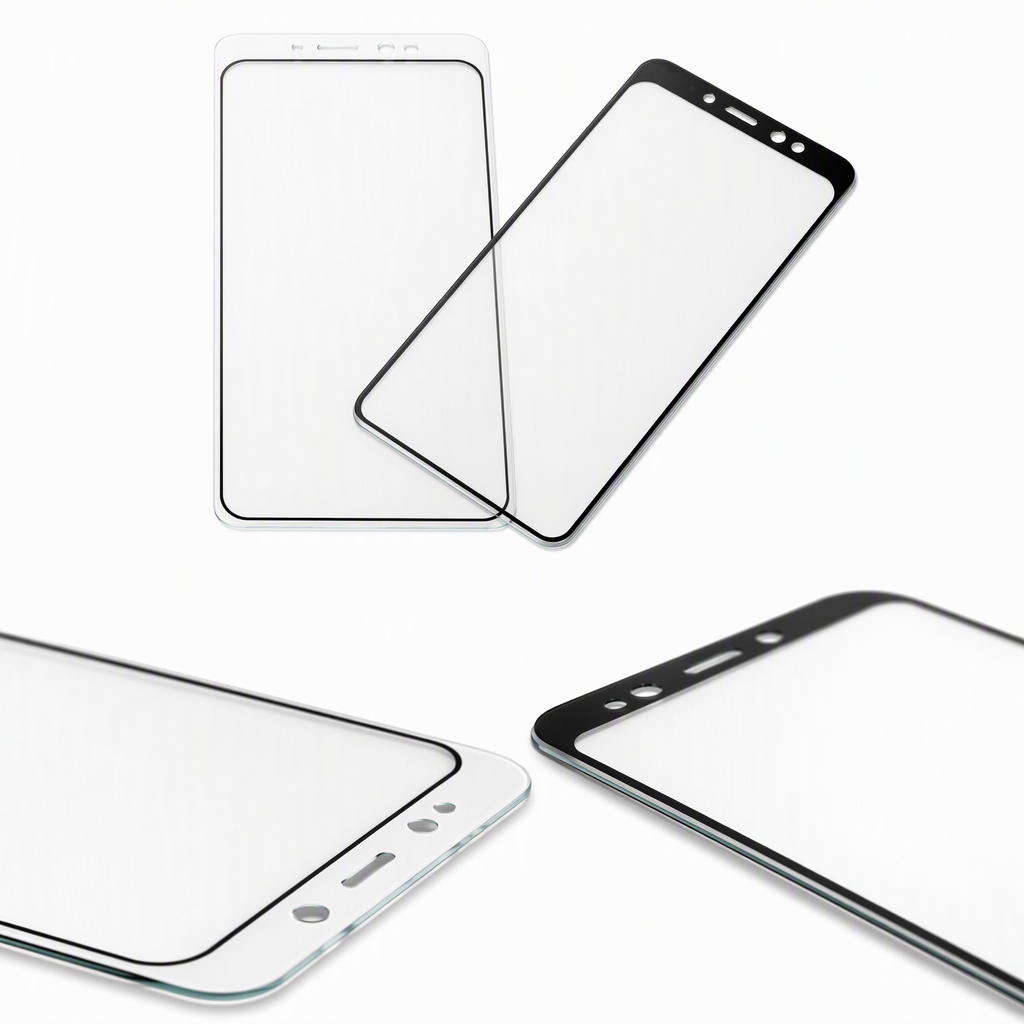
Toughened Glass Panel No Coating CNC Hole Drilling Irregular Shape Silk Screen Printed Custom Size Wholesale Supplier
Custom tempered glass with CNC holes and irregular shapes for solar equipment housings, industrial enclosures and HMI assemblies.
View productPuebla Buyers Gain a Verified, Factory-Direct Supply Base
Huizhou KELO Glass Co., Ltd. is a factory-direct manufacturer in Huizhou, Guangdong, inside the Greater Bay Area electronics supply chain. Our core technology is surface engineering: cutting, CNC machining, edge polishing, silk-screen printing, flat and curved tempering, coating and bonding run under one roof. For a Puebla thin-film solar project, that means tighter process accountability, faster engineering feedback and fewer hand-offs between coating, glass processing and packing.
Where FTO Conductive Glass Fits Puebla's Thin-Film Solar Ambitions
Puebla combines a large industrial base with strong solar exposure, which is driving interest in distributed generation, building-integrated photovoltaics and high-efficiency thin-film pilot work. FTO glass is not the finished module; it is the transparent conductive substrate that influences series resistance, optical transmission, process yield and long-term stability. For teams in Puebla, the right supplier conversation begins with process temperature, glass format and the qualification plan — not only a price per square meter.
Industrial Rooftop BIPV in Puebla
Warehouses and manufacturing plants around Cuautlancingo, Parque Industrial Puebla 2000 and San Martín Texmelucan are evaluating rooftop PV, carports and BIPV laminates. Thin-film module developers need FTO substrates with stable sheet resistance after lamination and thermal processing.
Agrivoltaics and Rural Solar
Agrivoltaic and rural electrification projects near Tepeaca, Atlixco and the Sierra Norte require robust module construction. FTO glass can be specified where chemical durability and high-temperature processing are more important than the standard display-glass supply chain.
CdTe, CIGS and Perovskite Pilots
University and industrial R&D teams in Puebla working on CdTe, CIGS and perovskite tandem stacks often need small FTO sample quantities with documented transmittance, haze and sheet resistance before scaling to a pilot line.
Control Interfaces for Solar Equipment
Solar inverters, monitoring stations and battery enclosures need durable display windows and control panels. AR, AG, AF and ITO companion glass can be sourced with FTO substrates to simplify supplier coordination.
Why FTO Is Often Selected for Thin-Film Solar Cells
FTO, or fluorine-doped tin oxide, is a transparent conductive oxide valued where thermal and chemical stability matter. It is frequently evaluated for CdTe and CIGS processing and for some perovskite or tandem development work. A reliable supplier should discuss sheet resistance, transmittance, haze, coating uniformity and glass quality together. A low resistance that comes with excessive haze can reduce current; a high transmittance that drifts after annealing can hurt yield. The engineering goal is a stable process window, not one headline number.
What to specify before an FTO RFQ
A precise RFQ shortens sample cycles and reduces the risk of a coating that meets the datasheet but not the process.
- Substrate thickness, sheet size and edge treatment
- Sheet resistance target with acceptance tolerance
- Transmittance at the wavelengths your device uses
- Haze limit and visual appearance requirement
- Annealing temperature, time and atmosphere
- Coating area, edge exclusion and cleaning method
- Sample quantity and production volume forecast
FTO vs ITO: A Practical Selection Framework for Puebla Engineers
ITO is commonly used in capacitive touch sensors, displays and EMI shielding, where the transparent conductor must support fine patterning and a mature display supply chain. FTO is more frequently considered for thin-film solar and high-temperature processes because of its thermal and chemical stability. Some Puebla projects use both: FTO for the solar-side substrate and ITO or AR/AG/AF coated glass for the monitoring and control interface. Use the process window as the first filter, then validate optics, electrical performance and durability.
FTO Conductive Glass
Preferred when the transparent conductive layer must withstand higher process temperatures, chemical exposure or module integration steps associated with thin-film solar.
- Typical sheet resistance: 1–20 Ω/sq
- Transmittance above 85%, haze below 2%
- Good fit for CdTe, CIGS and some perovskite work
- Available with custom size, holes and edge treatment
- Pairs well with AR / AG / AF cover glass for equipment HMI
ITO Conductive Glass
Preferred when the application is a capacitive touch sensor, display, touch mirror or EMI shielding window that benefits from transparent conductive patterning.
- Typical sheet resistance: 1–20 Ω/sq
- Transmittance above 85%, haze below 2%
- Used in smart-home touch mirrors and control interfaces
- Available in 1.1 mm and custom glass formats
- Can be combined with silk-screen printing and polished edges
Why KELO Glass Is a Trusted FTO Conductive Glass Exporter for Puebla
KELO is not a trading desk. We are a verified manufacturer with in-house surface treatment, engineering review and quality gates. For Puebla buyers, the value is not only a glass sheet; it is a controlled supply route from drawing review and sample validation to volume production, packing and export documentation.
One-Roof Manufacturing
Cutting, CNC machining, edge polishing, silk-screen printing, tempering, coating and 3M adhesive bonding are controlled in-house. That reduces handling damage and avoids coating finger-pointing between suppliers.
Coating Measured to Your Spec
FTO, ITO, AR, AG and AF coatings are produced under controlled processes. Production targets are confirmed against your drawing, wavelength requirements, sheet resistance tolerance and application conditions.
Engineering Review and DFM
We review thickness, shape, holes, edge quality, coating stack and packing before quoting. DFM feedback helps Puebla teams avoid tolerance, breakage and coating-area mistakes early.
Rapid Prototyping from 1–2 Pcs
Sample orders can start from 1–2 pieces so you can validate fit, optics, sheet resistance and process compatibility before committing to volume.
Three Inspection Gates
Incoming, in-process and final inspection cover thickness, flatness, CNC dimensions, coating adhesion, abrasion, salt spray and 100% appearance checking. Custom honeycomb cartons, blister trays and partitions protect transit.
Verified Export Profile
Our official profile shows a 4.9/5 store rating, a 98.18% reply rate, 6 years of verified exporter activity and Trade Assurance support. Trade terms include FOB, CFR, CIF, EXW and DDP; payment terms include T/T, L/C, PayPal and Western Union.
Recommended FTO Glass Approaches for Thin-Film Solar Programs
Thin-film solar teams rarely need a generic conductive glass. They need a substrate and coating window that match the module process. The options below explain how Puebla buyers typically frame the discussion before sample validation. Final selection always depends on your drawing, process temperature, device architecture and acceptance test plan.
Standard Solar FTO
For baseline CdTe or CIGS development and pilot work: 1–20 Ω/sq, transmittance above 85%, haze below 2%, custom sheet size and edge treatment. Best starting point when the process window is still being optimized.
High-Transmission Optical FTO
For projects where optical coupling and low haze dominate the stack design. We review transmittance targets at the wavelengths that matter, plus coating uniformity and glass flatness before sampling.
High-Stability Process FTO
For annealing, high-temperature deposition or chemical exposure steps. The conversation centers on glass grade, thermal history, edge quality, coating durability and packing to prevent breakage on the route to Puebla.
Local Puebla project note
Puebla teams often need both solar-side FTO substrates and durable display or control-panel glass for inverters, monitoring enclosures and test equipment. Sourcing these from one factory reduces communication risk and can align packing schedules for consolidated shipments.
A technical RFQ should include
- FTO sheet resistance target and allowed tolerance
- Transmittance and haze limits at your test wavelength
- Substrate thickness, size, edge profile and hole positions
- Process temperature and any cleaning or annealing step
- Annual volume, sample quantity and delivery Incoterm
- Whether AR, AG, AF or ITO companion glass is needed
Local Trends Affecting FTO Glass Sourcing in Puebla
Puebla's manufacturing base is becoming more connected to North American supply chains, and energy planning is moving closer to the factory floor. For solar component buyers, that means more requests for documented process control, bilingual communication and a supply route that can survive long-distance logistics.
Nearshoring and Second Sourcing
Manufacturers in Puebla are adding second-source strategies for critical components. Buyers increasingly ask for process capability data, inspection records and a clear sample-to-production path rather than anonymous spot lots.
Distributed Generation and BIPV
Industrial rooftops, carports and commercial buildings are evaluating distributed solar and BIPV. Thin-film options are considered where weight, aesthetics or high-temperature module construction matter.
Export Documentation and Incoterms
Puebla importers usually coordinate with a customs broker. We support FOB, CFR, CIF, EXW and DDP discussions and prepare standard export packing and commercial documents to match the agreed trade term.
Logistics via Pacific Ports
Ocean freight to Mexico commonly moves through Manzanillo or Lázaro Cárdenas before trucking to Puebla. Honeycomb cartons, blister trays and partition packing are important for reducing glass breakage in transit.
From Puebla RFQ to Production: A 6-Step Qualification Path
A clear qualification path protects both the buyer and the supplier. It also makes it easier to compare quotations when different suppliers quote different assumptions.
Share the Application
Send the drawing, module or equipment size, process temperature, sheet resistance target, transmittance and haze requirements, plus annual volume.
Engineering Review
We review glass thickness, shape, holes, edge treatment, coating area and packing. DFM feedback is returned before sampling.
Rapid Sample
Samples can start from 1–2 pieces, allowing Puebla engineers to test fit, optical performance and process compatibility.
Validate Performance
Confirm sheet resistance, transmittance, haze, adhesion, thermal stability and any customer-specific reliability criteria.
Mass Production
After sample approval, typical mass production lead time is 21–31 days, depending on size, coating stack and customization complexity.
Pack and Ship
Final inspection, protective packing and export documents are prepared for the agreed Incoterm and Puebla delivery route.
Common Questions from Puebla Thin-Film Solar Buyers
These are the practical questions procurement and engineering teams usually ask before requesting an FTO sample.
Can you supply FTO conductive glass to Puebla, Mexico?
Yes. We export FTO and ITO conductive glass, AR/AG/AF coated glass, cover glass and custom tempered glass to international buyers. For Puebla, we can discuss FOB, CFR, CIF, EXW or DDP terms and coordinate packing for the route through Manzanillo or Lázaro Cárdenas and onward trucking.
What FTO specifications matter most for thin-film solar cells?
Start with sheet resistance, transmittance, haze, coating uniformity, glass flatness and thermal stability. The right target depends on your device architecture and process temperature. A sample should be tested under your own annealing and cleaning conditions before volume approval.
What is the minimum order for FTO samples?
Sample orders can start from 1–2 pieces so you can validate fit, optics and coating performance. Bulk quantities are quoted per drawing, annual volume and packing requirement.
What lead time should a Puebla buyer plan for?
Typical mass production runs 21–31 days after sample approval, depending on size, coating stack, curved forming and printing complexity. International transit time to Puebla is additional and depends on the selected port, Incoterm and customs clearance.
Can you customize size, holes, edges and packing?
Yes. Glass thickness can range from 0.1 mm to 19 mm across our manufacturing capability. Size, shape, holes, color, logo printing, 2.5D/3D curved forming and 3M adhesive bonding are customized to your drawing or sample. Protective honeycomb cartons, blister trays and partitions are available.
How do you control FTO quality before shipment?
Quality is controlled through incoming, in-process and final inspection. Checks include thickness and flatness, surface defects, CNC dimensions, coating adhesion, abrasion, salt spray testing and 100% appearance inspection. Coated batches are measured and visually inspected before release.
Can FTO be combined with AR, AG, AF or ITO glass?
Yes. For a solar equipment project, FTO can be sourced together with AR/AG/AF coated display glass or ITO conductive glass for monitoring and control interfaces. In-house coating and glass processing reduce the number of suppliers you need to coordinate.
Which trade terms and payment methods do you accept?
We support FOB, CFR, CIF, EXW and DDP trade terms, and T/T, L/C, PayPal and Western Union payments. Orders placed through Alibaba.com can be protected by Trade Assurance. Our store rating is 4.9/5 with a 98.18% reply rate.
Request an FTO Glass Sample for Your Puebla Thin-Film Solar Project
Send your drawing, target sheet resistance, transmittance, haze, process temperature and annual volume. Our engineering team will review feasibility and recommend a glass thickness, coating window and packing method for the route to Puebla. Samples can start from 1–2 pieces; mass production typically runs 21–31 days after sample approval. For a faster quote, include the module size, edge treatment, hole positions and whether you need AR, AG, AF or ITO companion glass.
Serving Puebla solar developers, module pilot lines, industrial HMI teams and glass distributors with engineering-led FTO conductive glass supply.