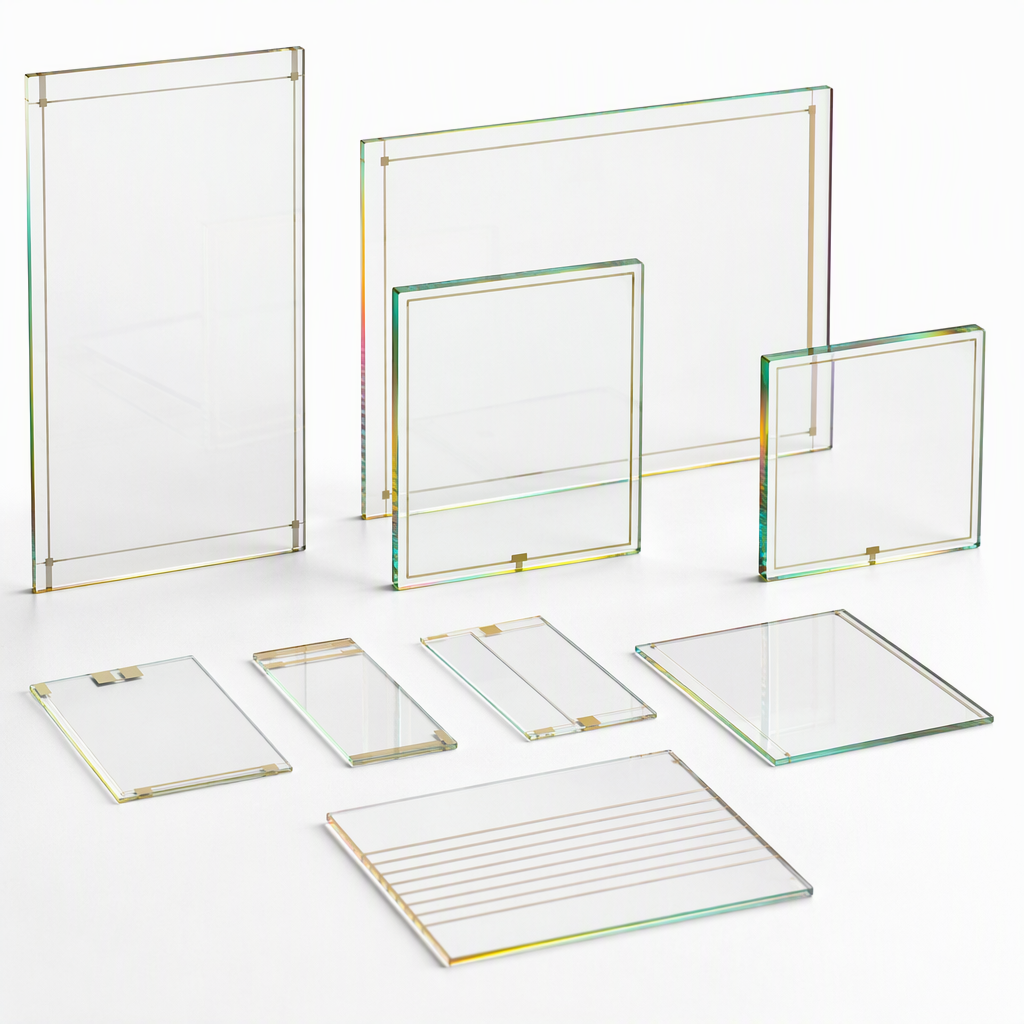
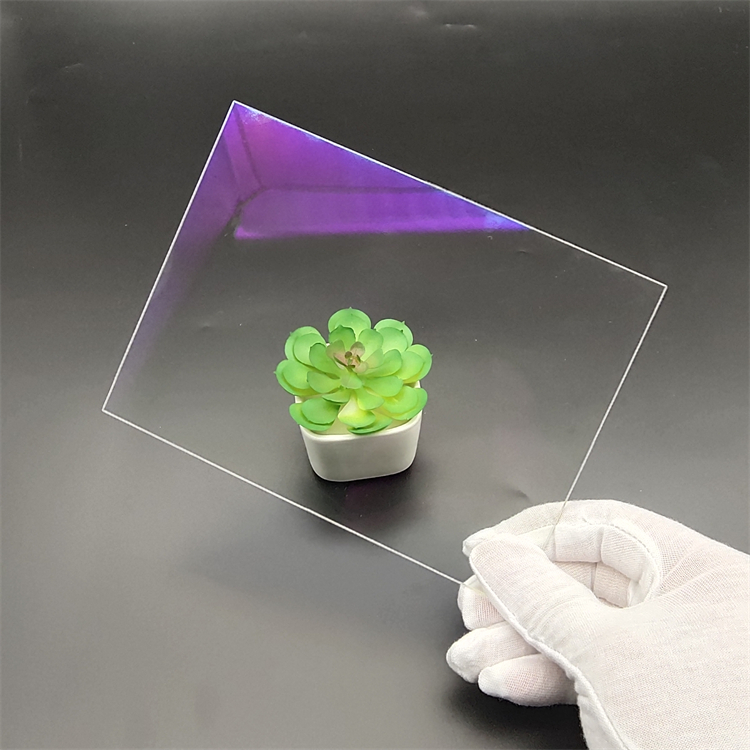
ITO Coated Glass Sheet, 6–8 Ω/sq
Custom-size conductive glass for touch panels and heating substrates. Useful when a NIR-coated assembly also needs transparent electrical function or uniform thermal behavior.
View product →Engineer-led near-infrared coated glass, AR/AG/AF optical glass and ITO/FTO conductive glass for Philadelphia architects, OEMs, distributors and life-science teams — supported by in-house cutting, CNC, tempering, coating, inspection and export packing.
Philadelphia’s building stock is unusually varied. Center City offices, University City laboratories, historic districts, adaptive-reuse warehouses and waterfront hospitality projects rarely share one glazing recipe. They do share a common pressure: control solar heat and glare without making interiors feel darker or sacrificing visual comfort. That is where NIR coated glass earns attention. Near-infrared energy sits outside the visible band, so a well-designed coating can reject a meaningful share of solar heat while preserving daylight and a neutral appearance.
For OEM and architectural buyers, the sourcing question is not simply “Who sells NIR coated glass?” It is “Which factory can keep the optical stack, substrate, tempering, printing, adhesive and packaging stable from prototype to repeat order?” Philadelphia procurement teams often need small validation batches, drawing-based customization, clear tolerance feedback and documentation that survives internal QA review. A factory-direct exporter with in-house coating and fabrication reduces the number of handoffs that create variation.
KELO Glass is a Huizhou-based manufacturer with advanced surface treatment as its core technology. Its production scope covers touch screen cover glass, display cover glass, AR/AG/AF optical coatings, ITO/FTO conductive glass, 2.5D/3D curved forming, silk-screen printing and 3M adhesive bonding. For Philadelphia buyers exploring NIR coated glass factory options, that combination is valuable: the same team can discuss spectral targets, visible transmission, edge treatment, durability and shipping protection in one engineering conversation.
Near-infrared performance is often oversimplified into one rejection percentage. That single number is not enough to compare suppliers, evaluate samples or protect a Philadelphia project during commissioning.
In glazing and display discussions, NIR generally refers to wavelengths beyond visible red, often starting near 780 nm and extending toward 2,500 nm. A coating may reflect, absorb or selectively transmit that energy. For architectural solar control, the goal is often to reduce heat gain while maintaining visible transmission and a neutral exterior appearance. For sensor windows, automotive cameras, medical instruments and industrial optical assemblies, the requirement may be the opposite: preserve NIR transmission while blocking visible light or managing reflections. The correct solution depends on the entire optical system, not the coating alone.
Philadelphia’s climate creates a dual demand. Summers can drive solar gain and cooling loads, while winter daylight remains valuable for occupant comfort and energy balance. A NIR coating that looks impressive on a brochure but shifts colour under overcast skies, or delaminates after lamination, is not a successful specification. Buyers should request spectral curves, not just averages; adhesion and abrasion data, not just initial appearance; and a clear statement of which surface is coated, how it is oriented and how it must be cleaned.
| RFQ item | Why it matters | What to confirm before production |
|---|---|---|
| Spectral range | NIR is broad; performance at 850 nm does not predict performance at 2,000 nm. | Request the measured curve across your actual band, not only a peak value. |
| Visible transmission | Heat rejection that darkens a showroom or lab can defeat the design intent. | Agree on VLT range, colour coordinates and allowable batch tolerance. |
| Reflection and colour | Philadelphia historic and façade projects often require visual neutrality. | Review reflected colour under daylight, overcast and interior lighting. |
| Haze and clarity | Haze may be acceptable for privacy glazing but unacceptable for camera windows. | Set haze limits by application and inspection angle. |
| Substrate and tempering | Coating compatibility changes with glass thickness, chemistry and thermal history. | Lock substrate source, thickness, tempering condition and flatness limits. |
| Adhesion and durability | Handling, cleaning and lamination expose weak interfaces. | Specify adhesion, abrasion, humidity and salt-spray tests appropriate to use. |
| Edge and shape | CNC holes, polished edges and curved forming influence coating yield. | Review drawing tolerances and coating sequence before samples are made. |
| Packaging | Optical surfaces can be damaged before installation if packing is generic. | Confirm interleaving, blister trays, honeycomb cartons and moisture protection. |
NIR coated glass should be evaluated as a system: substrate + coating + fabrication + assembly + cleaning + packaging. Ask for a sample that matches the final construction, not an isolated coupon.
The same factory capability can serve very different local programs. These are the application conversations we see most often when Philadelphia teams move from concept to sample validation.
Office conversions and mixed-use retrofits use NIR solar-control glass to reduce heat gain while keeping daylight and street-level transparency. Custom lamination and neutral reflected colour are frequent requests.
Old City, Rittenhouse and university-area projects need optical performance without a mirrored or blue-green appearance. Coating colour, reflectance and sample mock-ups matter as much as thermal data.
Research instruments, laser systems and analytical equipment often require AR, ITO/FTO or selective NIR transmission. Small batches, drawing review and material traceability are essential.
Clinical displays, imaging windows and cleanable touch panels benefit from AR anti-reflective glass and AF anti-fingerprint surfaces. NIR control can support solar heat management in patient-facing areas.
Anti-reflective coated glass protects visibility in galleries and display environments. When NIR exposure must be managed for sensitive objects, the coating strategy should be reviewed with conservation teams.
Dashboard displays, camera windows and sensor covers need stable optical clarity across temperature swings. NIR-transparent or NIR-reflective designs must be validated against the full sensor stack.
Shelters, kiosks and wayfinding displays face glare, vandals and weather. AG anti-glare, tempered cover glass and robust edge finishing help maintain readability and service life.
Hotels, restaurants and waterfront venues balance views with cooling loads. Coated glass can reduce NIR heat while preserving visible transparency, provided colour and haze are controlled.
Philadelphia buyers are not only comparing price per square meter. They are comparing risk, documentation, sample speed and the ability to keep a custom optical specification stable across repeat orders.
Energy-code reviews and retrofit economics push teams to evaluate solar heat gain, daylight and glare together. NIR coated glass is increasingly discussed as part of a full façade strategy rather than a standalone upgrade.
Trend signal: spectral data requestsProjects near designated historic fabric require mock-ups and visual neutrality. A coating that performs numerically but changes the street-facing appearance can delay approvals.
Trend signal: neutral colour reviewUniversity City and nearby research clusters need small-format optical windows, conductive substrates and custom cover glass. Buyers want engineering feedback before committing to tooling or volume.
Trend signal: low-MOQ prototypesTransit, security and smart-building systems add cameras, LiDAR and environmental sensors. NIR transmission, haze and window flatness can matter as much as visible appearance.
Trend signal: application-specific opticsPhiladelphia buyers often consolidate imports and redistribute to job sites. Damage that occurs before installation is costly, so custom honeycomb cartons, blister trays and partition packing are part of the specification.
Trend signal: packaging as QAProcurement teams check factory videos, verified assessments, transaction history and buyer feedback. A supplier’s ability to provide traceable evidence shortens the approval cycle.
Trend signal: third-party proofThis planning index reflects the evaluation priorities common in custom optical-glass inquiries. It is illustrative, not a statistical survey, but it helps explain why price alone rarely wins a technically reviewed project.
These product families cover the fabrication and coating foundations most often requested before a NIR-coated glass program is finalized: conductive glass, AR glass, AF glass, tempered cover glass, FTO substrates and custom touch panels.

Custom-size conductive glass for touch panels and heating substrates. Useful when a NIR-coated assembly also needs transparent electrical function or uniform thermal behavior.
View product →
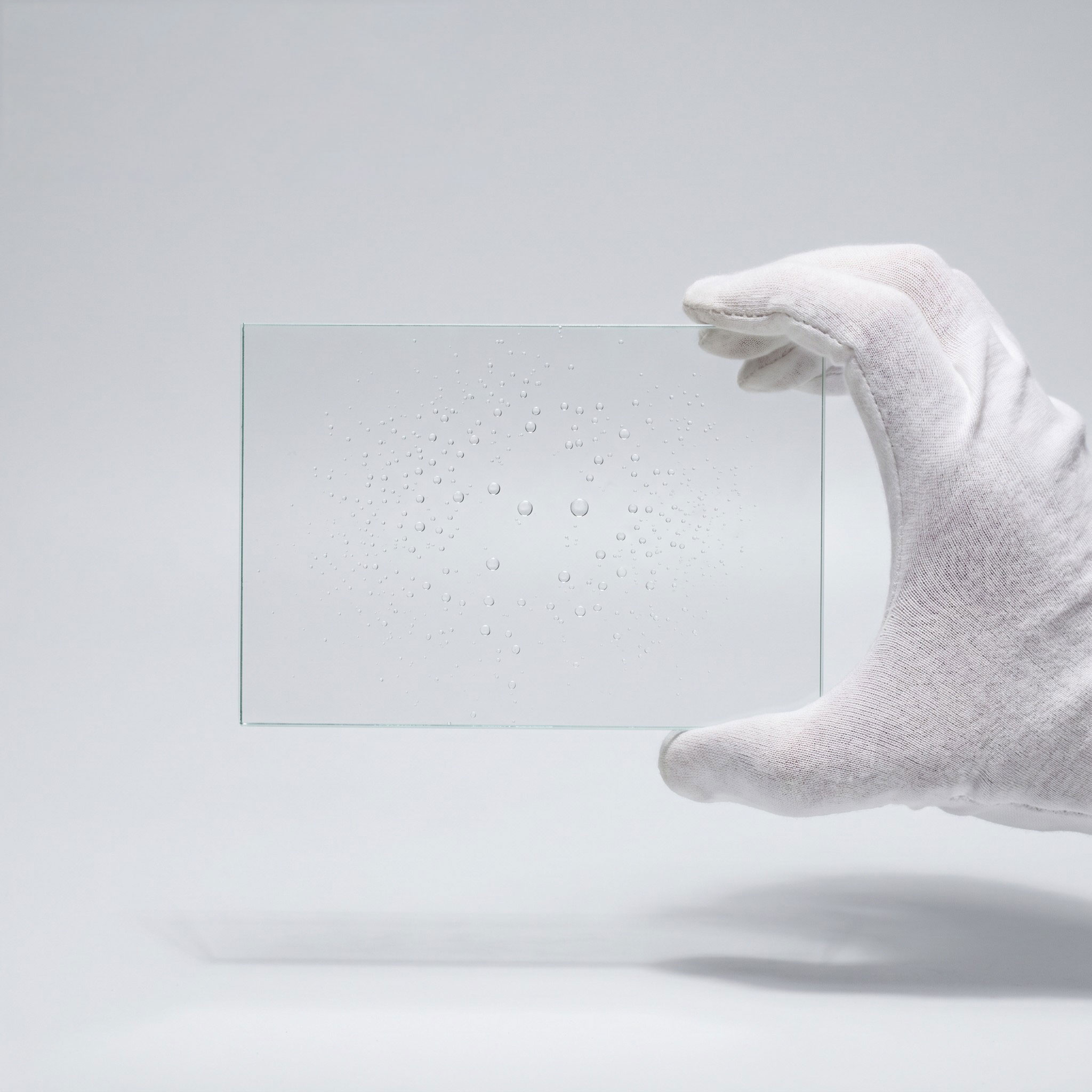
High-transmittance AF coated glass with CNC-cut custom shape for appliance and kitchen electronics. The oleophobic surface supports easy cleaning in high-touch environments.
View product →
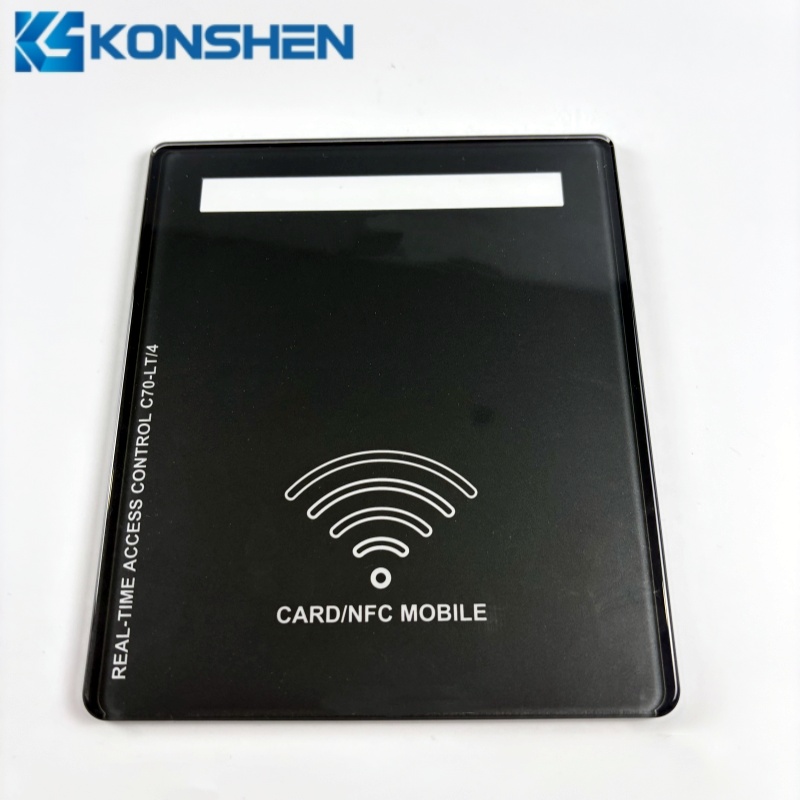
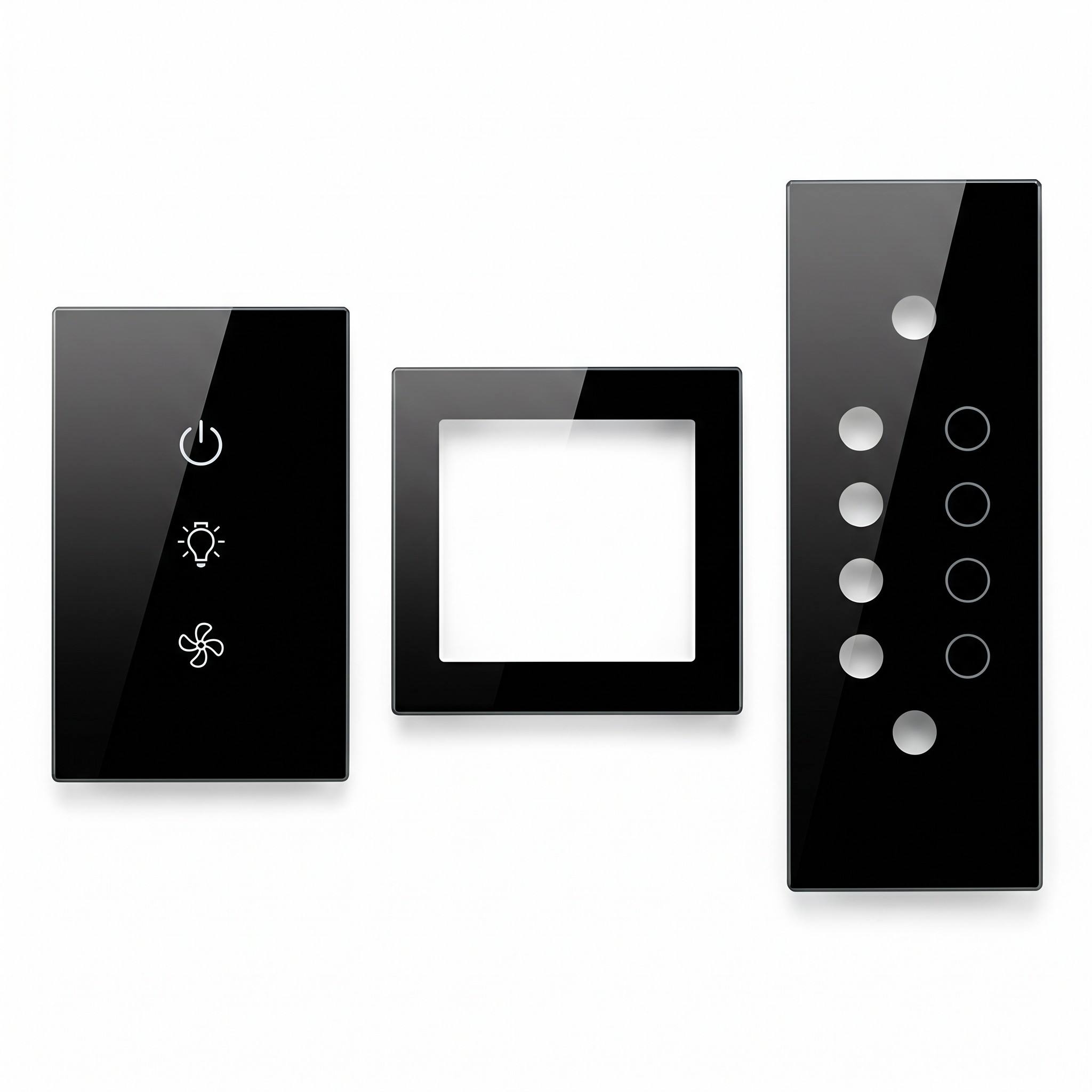
Silk-screen printed tempered glass for NFC access cards, switch panels and display covers. Suitable for Philadelphia corporate, institutional and secure-entry interface projects.
View product →
Custom cutting, arrow printing and touch-screen glass for elevator indicators and control panels. A strong fit for adaptive-reuse and multifamily upgrades in Philadelphia.
View product →
Fluorine-doped tin oxide glass for thin-film solar, DSSC, perovskite and lab research. Its thermal and chemical stability suits demanding process environments.
View product →
Custom-size electronic display protection glass for smart devices and control equipment. Supports drawing-based fabrication, edge treatment and surface coating options.
View product →
Glass mouse pads and PTFE non-slip mouse feet for gaming peripheral brands and distributors. A separate accessory line from solar-control glass, but part of the same custom fabrication capability.
View product →
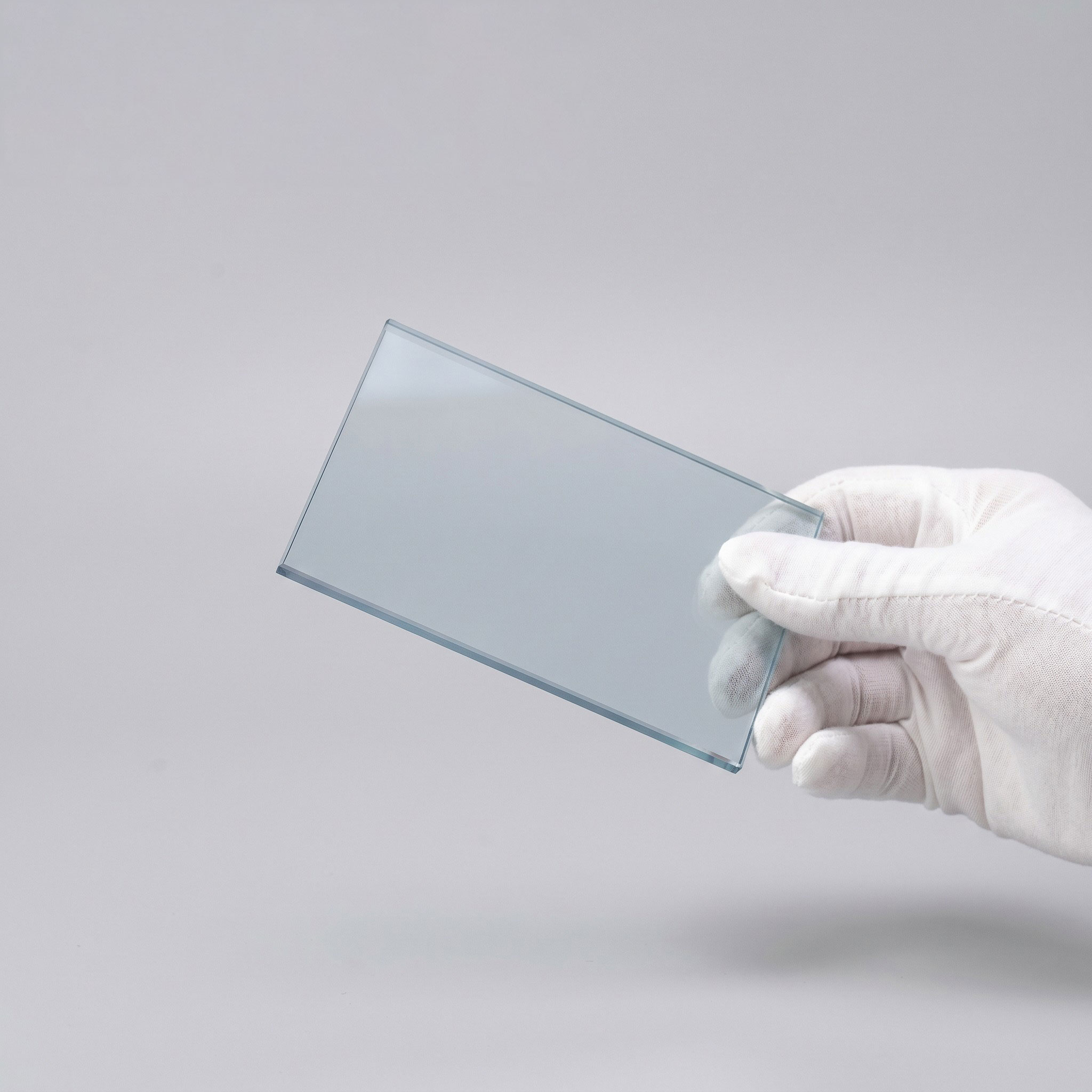
Both-side anti-reflective coated tempered glass for display screens, solar and lighting use. A relevant foundation when NIR management must be combined with high visible clarity.
View product →Huizhou KELO Glass Co., Ltd. is a factory-direct manufacturer in Guangdong, China, inside the Greater Bay Area electronics supply chain. Its core strength is not only cutting glass, but controlling the surface treatment and fabrication steps that determine optical yield.
Cutting, CNC machining, edge polishing, laser engraving, silk-screen printing, sandblasting, flat and curved tempering, coating and 3M adhesive bonding run under one roof.
AR, AG, AF and conductive coating capabilities support projects that need low reflection, glare diffusion, easy-clean surfaces or transparent conductivity.
Glass thickness from 0.1 mm to 19 mm; custom size, shape, holes, colour, logo printing, 2.5D/3D curved forming and adhesive bonding are available to drawing or sample.
Sample orders can start from 1–2 pieces so Philadelphia buyers can validate fit, optics and coating performance before committing to volume.
Specialty materials processed by KELO include Gorilla glass, borosilicate glass, quartz glass, sapphire glass, ceramic glass, lead shielding glass and laminated safety glass. For a NIR-coated glass program, this material flexibility matters: the coating must be matched to the substrate, thermal history and end-use environment rather than forced onto one generic sheet.
Quality is built into the process, not inspected in at the end. Each gate has defined checks and release criteria, which helps protect optical yield across repeat orders.
Raw glass and consumables are verified before production enters the line.
Critical dimensions and coating results are checked at each station.
Every finished piece is checked before protective packing and export release.
KELO maintains a 4.9/5 store rating, a 98.18% reply rate and Trade Assurance-supported ordering. Bulk lead time is typically 21–31 days after sample approval, depending on size, coating stack, curved forming and printing complexity.
These are the questions Philadelphia buyers, distributors and brand owners most often ask before a first sample or volume order.
Send your drawing, target spectral range, visible transmission, substrate thickness, coating function, annual volume and delivery expectation for Philadelphia. KELO’s engineering team will review feasibility and recommend a practical glass, coating and fabrication route — including sample quantity, inspection criteria and export packing.
info@keloglass.com Factory-direct · OEM/ODM · samples from 1–2 pcs · Trade Assurance supported