PV Glass, Optical Coatings and Precision Glass for Bandung Buyers
This shortlist connects the PV glass sourcing brief with KELO’s factory capabilities: in-house coating, CNC forming, tempering, printing, inspection and OEM/ODM support. Product URLs below are preserved from the original range.
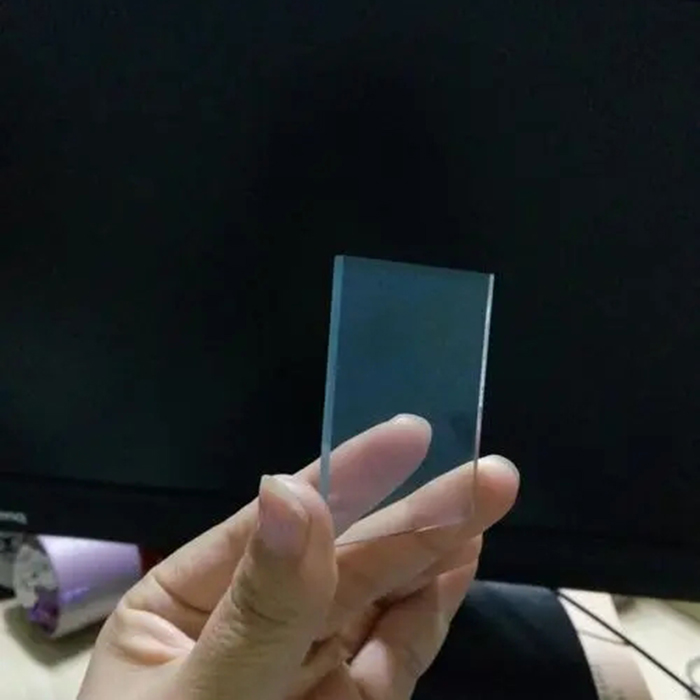
1.1 / 2.2 mm Solid Flat Square Indium Tin Oxide (ITO) Coated Conductive Glass and FTO Conductive Glass for Lighting Applications
For lighting electrodes, thin-film and sensor-related designs. Specify sheet resistance, transmittance and haze before quotation.
View product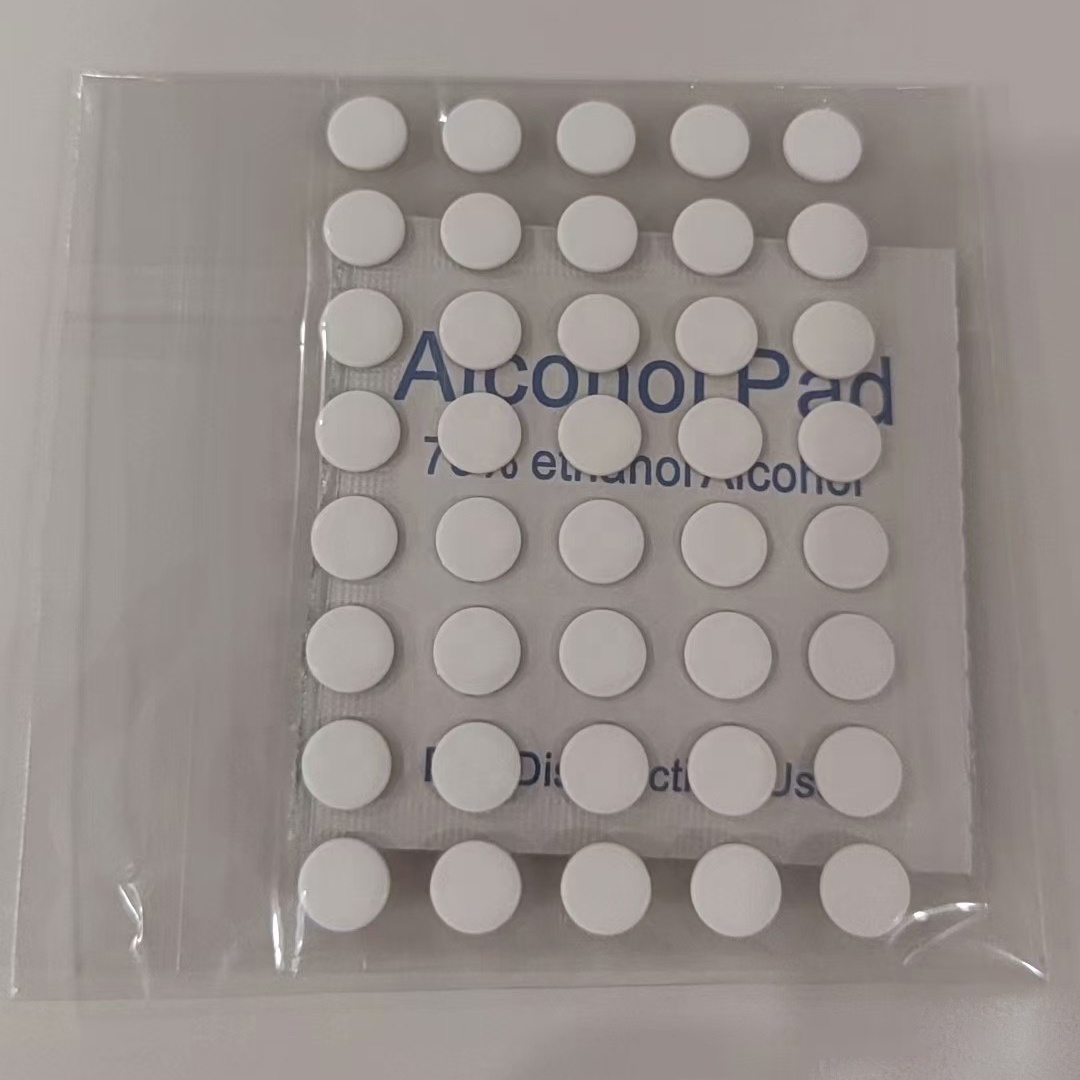
PTFE Round Gaming Mouse Glides Mouse Skate Dots
Precision accessory line for esports, gaming and electronics brands looking for consistent glide and batch repeatability.
View product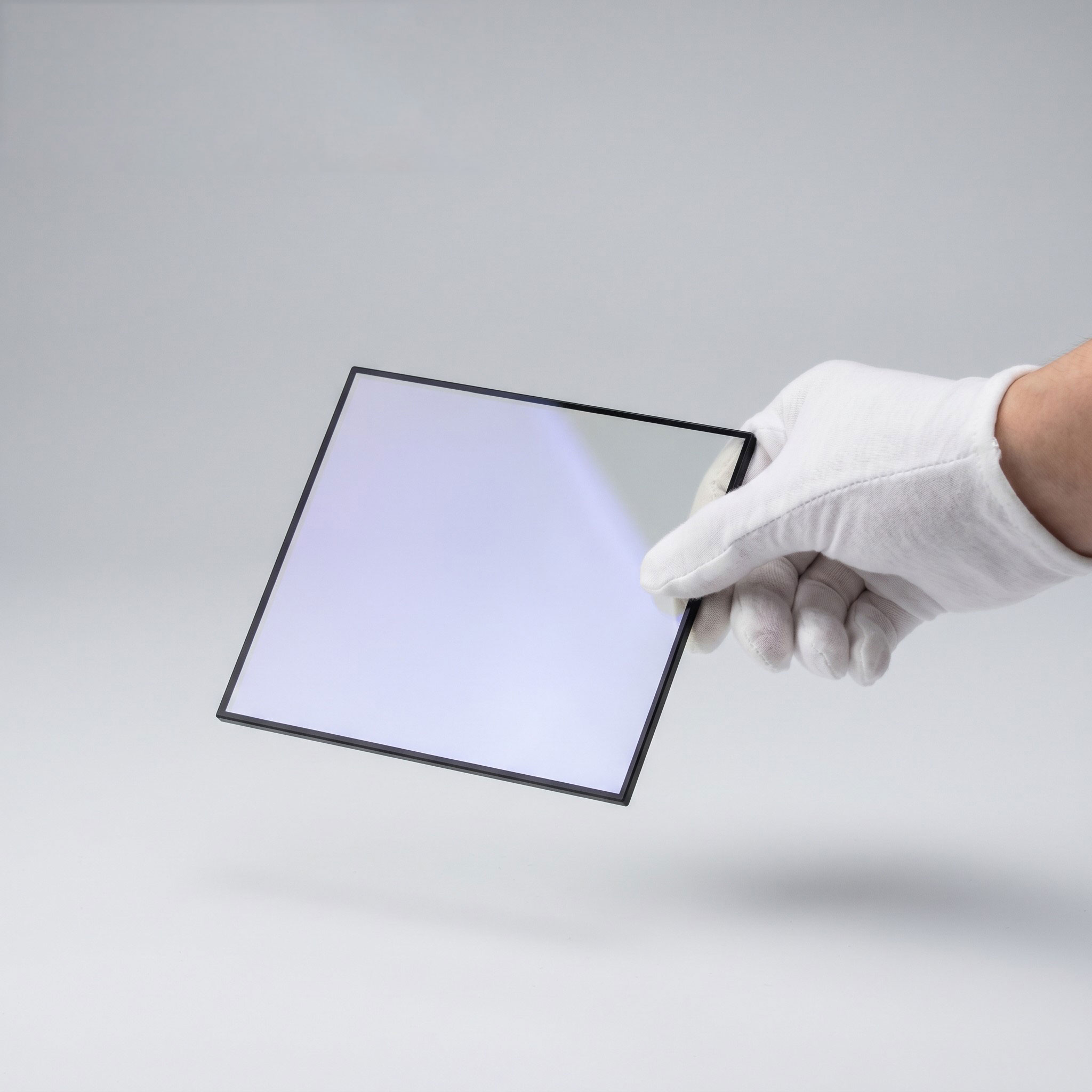
High Transmittance 98% Anti-Reflective AR Glass for Museum Showcase Luxury Picture Frame Low Reflectance Coated 1mm–19mm
For showcases, display windows and high-clarity architectural details where reflection control protects contrast.
View product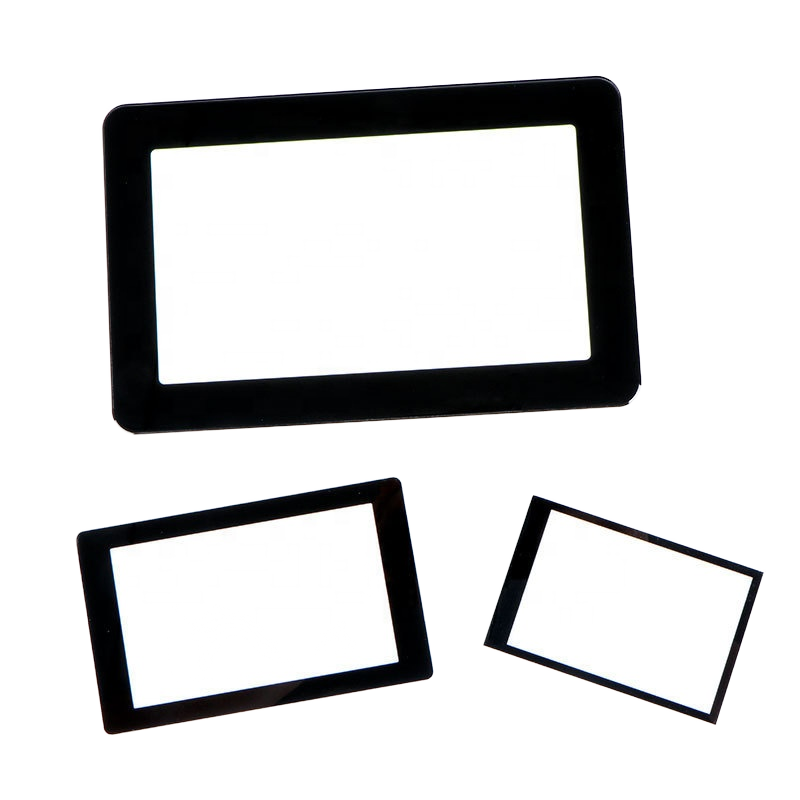
Wholesale Left Right Switching Control 0.2mm 5mm Soda Lime Extra Clear Tempered Glass Touch Screen Panel Outdoor Gym Waterproof
For humid public environments, outdoor kiosks, gym equipment and touch interfaces that demand durability and clean appearance.
View product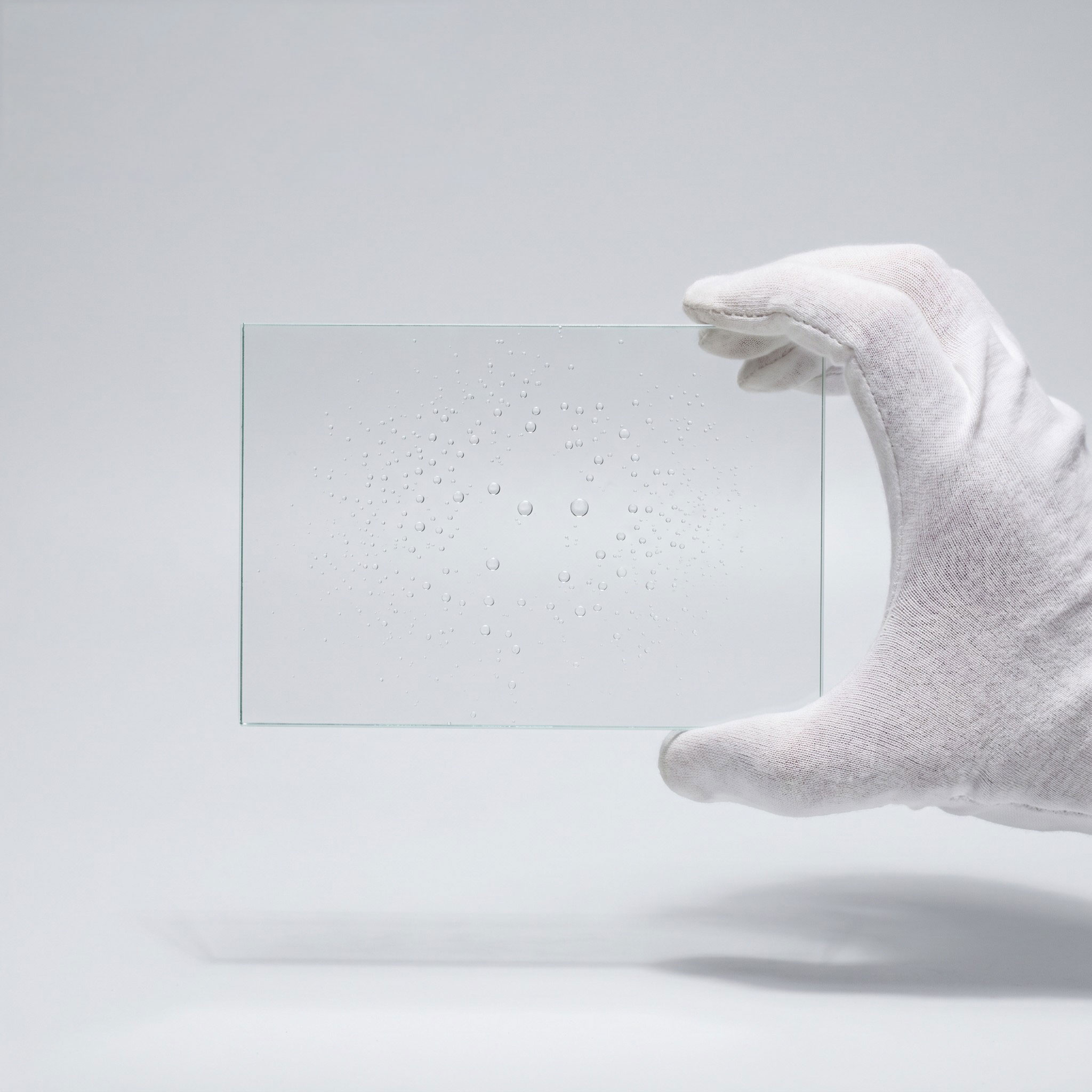
KS AF001 High Transmittance AF Coated 1.1mm/2mm CNC Cut Custom Shape Toughened Glass Panel for Kitchen Electronic Device Covers
Anti-fingerprint glass for appliance covers and kitchen electronics, with CNC shapes and easy-clean surface engineering.
View product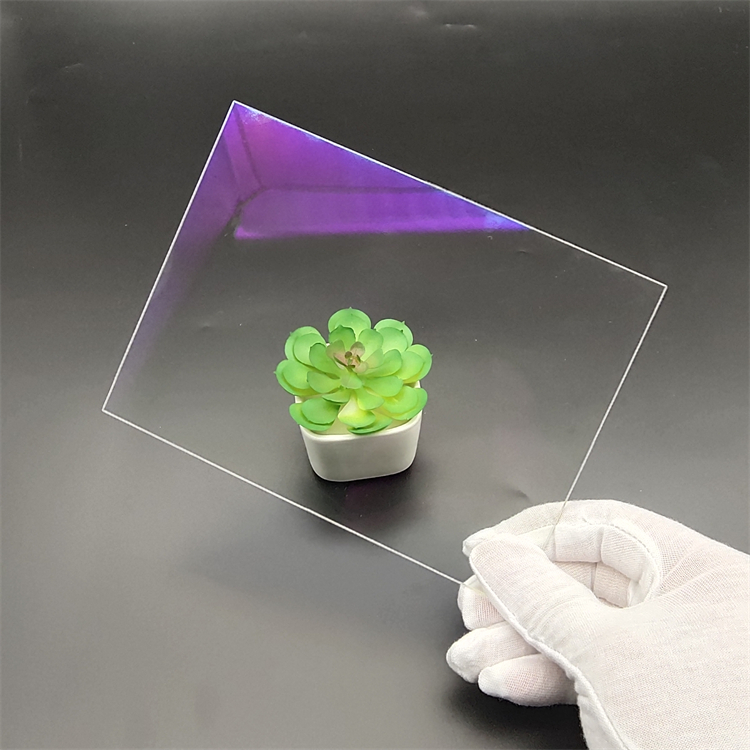
Custom 2mm Ultra-Clear Both Sides Anti-Reflective Coating Tempered Glass for Display Screen Solar & Lighting Use-Solid Structure
A strong starting point for PV-adjacent solar lighting, display windows and high-transmission designs that need tempered strength.
View product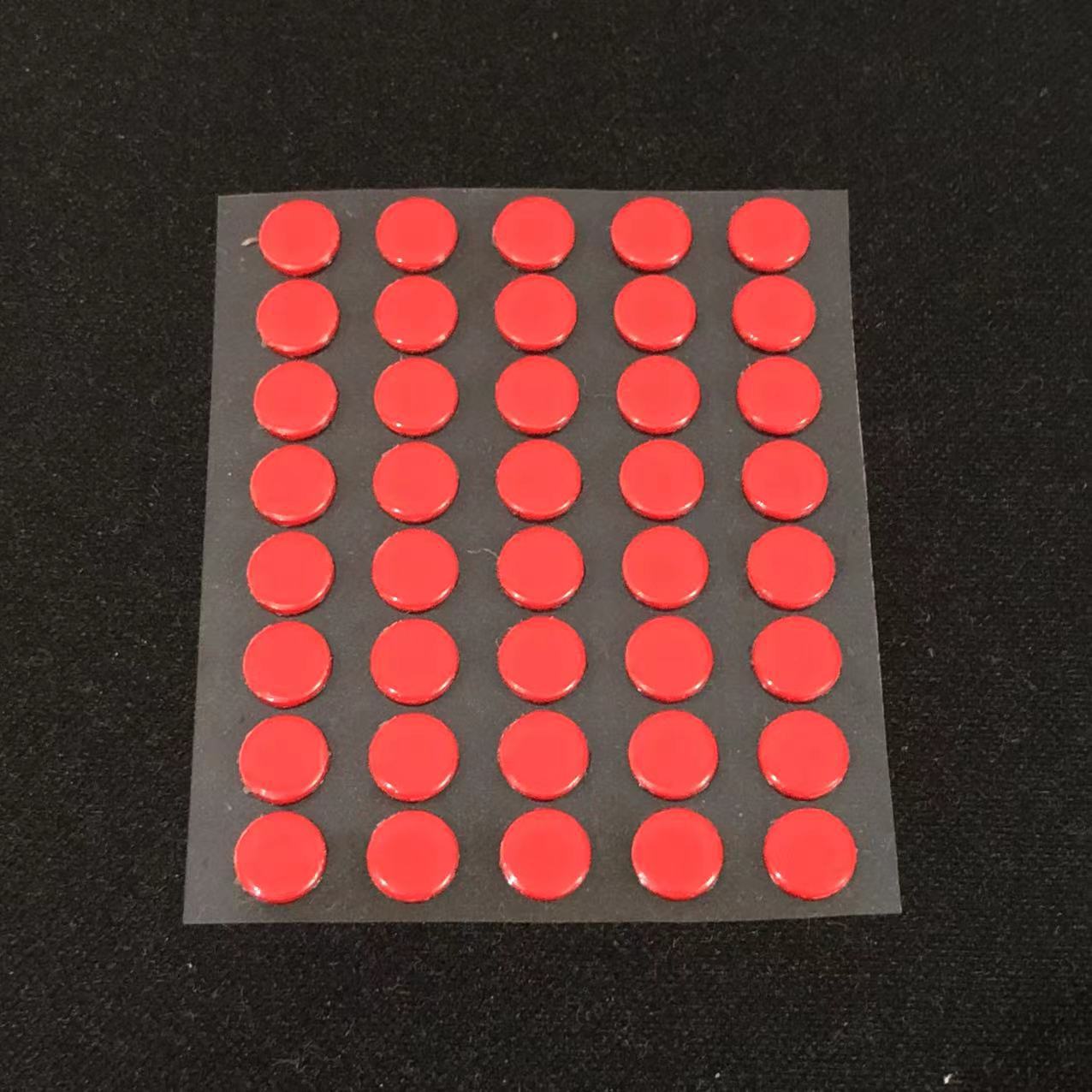
Factory Price Round Red Mouse Sticker Pads Universal Glass Mouse Skates with Small Dot PTFE Non-slip Mouse Feet
For local gaming peripheral brands, distributors and assembly partners requiring stable batches and custom packaging options.
View product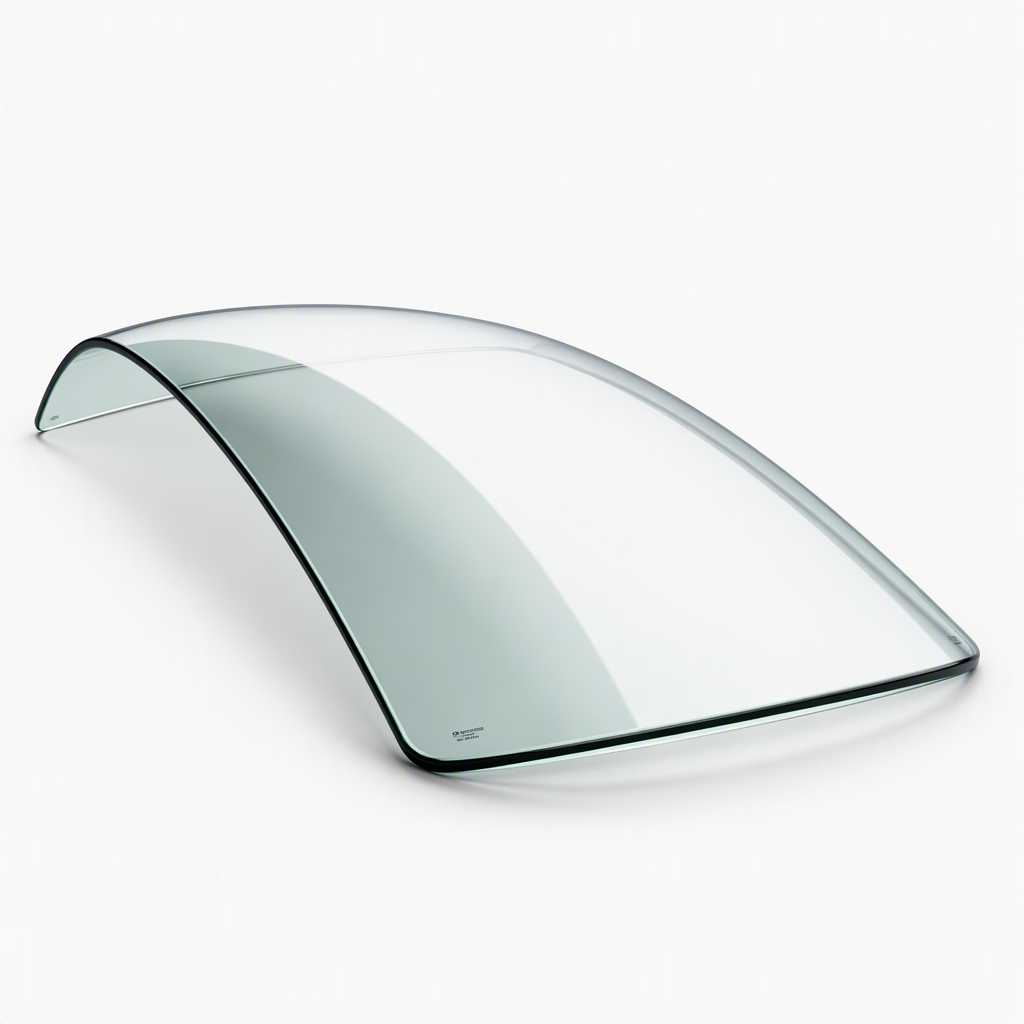
Hot Bent Glass Curved Tempered Glass Panel Small Radius Arc Shaped Custom Curved Glass for Automotive Display OEM ODM
For automotive consoles, smart cockpits and compact curved interfaces needing small-radius forming and OEM/ODM support.
View productA Glass Manufacturing Platform Built for Technical Buyers
For Bandung importers, EPCs and brand owners, factory depth matters because PV glass, coated glass and custom cover glass must survive humid tropical service, long sea freight and repeat orders.
What “PV Glass” Must Deliver in a Tropical Highland Market
Bandung Raya is not a commodity solar market. Rooftop PV for factories, hotels, campuses and commercial buildings must handle high humidity, intense tropical rain, intermittent UV, urban dust and occasional hazy conditions. For module makers, EPCs, solar lighting brands and distributors, the glass surface is an active performance layer — not just a protective sheet.
A meaningful information gain for local buyers is to compare glass by final operating condition rather than by headline price alone. Ask four questions: Which transmission and reflection values are measured on the finished coated part? How does the coating behave after cleaning, damp heat and abrasion? How is breakage controlled during sea freight to Indonesia? And can the factory repeat the approved sample in mass production?
KELO’s factory advantage is vertical integration. Cutting, CNC, edge polishing, printing, tempering, AR/AG/AF/ITO/FTO coating, curved forming, adhesive bonding and final inspection are handled under one roof. That gives Bandung buyers a clearer accountability line from drawing to carton — and a better chance to lock optical performance, mechanical strength and delivery timing before the first container ships.

Where PV and Coated Glass Create Value in Bandung Raya
Bandung’s mix of industry, education, tourism, highland agriculture and electronics creates several distinct glass demand pockets. Each one calls for a different balance of transmission, durability, coating and form factor.
Commercial & Industrial Rooftop PV
Factories, hotels, campuses and warehouses in Bandung Raya need glass that preserves module output under heat, humidity and soiling. Low-reflection and high-transmission surfaces help EPCs defend performance ratios after commissioning.
Solar Street Lighting & Public Facilities
Solar lighting in public spaces faces rain, dust and cleaning cycles. Tempered, AR-coated or easy-clean glass covers can protect LEDs and optical chambers while keeping light extraction stable.
Building-Integrated PV & Architectural Glazing
Showrooms, transit areas, offices and hospitality projects increasingly blend PV with architectural language. Curved, laminated and coated glass must satisfy aesthetics, safety and maintainability together.
Agri-Voltaic & Highland Greenhouse Projects
Lembang and surrounding highland areas combine diffuse light, moisture and temperature swings. Glass selection should balance transmission, condensation management and structural resilience.
Telecom, IoT & Off-Grid Power
Remote monitoring, telecom and off-grid systems need compact solar components that tolerate humidity and transport stress. FTO conductive glass and tempered AR glass support thin-film and protective designs.
Electronics, Touch & Smart Devices
Bandung’s electronics and gaming ecosystem also sources AF-coated cover glass, waterproof touch panels, AR display glass and PTFE glides. These lines diversify a PV glass supplier relationship into higher-value custom glass.
Procurement Is Moving from “Lowest Price” to “Bankable Performance”
Rooftop PV and Local-Content Awareness
Indonesia’s energy transition narrative continues to push rooftop PV, commercial self-consumption and public sustainability targets. Buyers increasingly ask for traceable suppliers, clear material declarations and documentation that supports local project approval and long-term O&M planning.
Tropical Durability Becomes a Buying Criterion
Humidity, rain, cleaning chemicals and UV exposure make coating adhesion and edge quality critical. A lower-priced glass that hazes, delaminates or chips early is no longer considered a bargain once O&M and warranty costs are included.
OEM/ODM and Smaller-Batch Flexibility
Local brands, distributors and EPCs want suppliers who can support 1–2 piece samples, custom drawings, private-label packaging and staged volume. Factory-direct communication shortens the loop between installer feedback and the next production batch.
Match the Glass Specification to the Bandung Operating Condition
Use this technical matrix as a starting point for RFQ discussions. Final values should be confirmed on the approved sample, drawing and agreed test method.
| Application condition | Recommended direction | Specification points to confirm |
|---|---|---|
| Rooftop / C&I PV modules | Low-iron tempered glass with AR coating; use the ultra-clear AR tempered product line where suitable. | Measured transmittance, reflectance <1.0% per side by AR design, coating adhesion, damp-heat and abrasion test method. |
| Thin-film or high-temperature processes | FTO conductive glass. | Sheet resistance 1–20 Ω/sq, transmittance >85%, haze <2%, thermal stability review. |
| Solar lighting / optical windows | Ultra-clear AR tempered glass, single or double-side coating. | Thickness, edge finish, transmission target, tempered strength, gasket or bonding compatibility. |
| Outdoor kiosk / humid touch panel | AG or AR tempered touch glass with waterproof design support. | Haze 5–60%, gloss target, surface hardness, sealing interface, cable and controller integration. |
| BIPV / curved architectural façade | Curved tempered or laminated glass with controlled radius. | Radius, thickness, interlayer, edge condition, wind load, safety requirement and fixing method. |
| High-touch appliance surfaces | AF anti-fingerprint coated tempered glass. | Water contact angle >110°, pencil hardness >3H, >10,000 wipe cycles, CNC shape and print alignment. |
Technical note: AR, AG, AF, ITO and FTO performance depends on the full stack, substrate and test method. Do not accept a single catalogue number as the whole specification; request measured data for the finished part.
Bandung Buyer Evaluation Emphasis
An illustrative weighting framework for comparing PV glass and coated glass suppliers. Adjust the weights for your module design, EPC contract or distribution model.
Why KELO Is a Defensible Supplier Choice for Bandung Projects
Huizhou KELO Glass Co., Ltd. is a factory-direct manufacturer in Guangdong, China, producing touch cover glass, optical coated glass and custom specialty glass. The advantage is not a single machine; it is the ability to keep critical processes accountable in one production system.
Vertical Integration
Cutting, CNC, drilling, polishing, laser engraving, silk-screen printing, sandblasting, flat/curved tempering, coating and bonding are handled in-house for tighter tolerances and fewer handoff risks.
In-House Surface Engineering
AR, AG, AF, ITO and FTO coating are core capabilities. Buyers can specify optical, electrical and durability targets, then validate them on samples before scaling.
Precision Customization
0.1–19 mm thickness, custom size, holes, color, logo printing, 2.5D/3D forming and 3M adhesive bonding support both PV-adjacent designs and consumer/industrial glass products.
Three Quality Gates
IQC, IPQC and FQC/OQC cover incoming glass, in-process dimensions and coating results, plus 100% appearance inspection, tempering checks, adhesion, abrasion and salt-spray testing.
Engineer-Led OEM/ODM
Share a drawing, target specification or physical sample. DFM feedback, rapid prototypes from 1–2 pieces and 21–31 day bulk production help Bandung buyers reach validation faster.
Export-Ready Commercial Support
FOB, CFR, CIF, EXW and DDP terms are supported, with T/T, L/C, PayPal and Western Union payment options. Alibaba Trade Assurance can protect eligible orders.
How to Shorten the Path from Inquiry to Validated Shipment
A clear RFQ reduces sample iterations and avoids cost surprises after the container is booked. These four steps are especially useful for first-time importers into Indonesia.
1. Define the Real Application
State whether the glass is for a PV module, solar lighting cover, outdoor touch panel, appliance lens, BIPV element or display window. The same “PV glass” request can require very different coating and strength choices.
2. Send Drawing and Targets
Include size, thickness, shape, holes, print, edge treatment, transmission or resistance target, annual volume and any reference sample. Ask for DFM feedback before committing to tooling.
3. Validate Sample and Packing
Approve optical, mechanical and cosmetic criteria first. Then confirm honeycomb cartons, blister trays, partitions and pallet protection for the long sea route to Tanjung Priok and onward delivery toward Bandung.
4. Align Terms and After-Sales
Agree Incoterm, payment method, inspection record, spare quantity and technical contact. A supplier that documents the approved sample and packing method is easier to scale with in Bandung.
Common Questions from Local Importers, EPCs and Brand Owners
These answers address the practical questions that usually appear during first-contact supplier evaluation for the Bandung market.
Are you a PV glass factory or a trading company serving Bandung?+
Which glass specification should a Bandung solar project start with?+
Can I order 1–2 samples before a container to Indonesia?+
How do you ship to Bandung and what trade terms are available?+
How do you address humidity, rain, cleaning and tropical durability?+
Do you support OEM/ODM for local brands and EPCs?+
What are the MOQ, payment and order-protection options?+
What if I do not have a complete drawing yet?+
Have a Bandung PV Glass or Custom Glass Requirement?
Send your drawing, target transmittance or sheet resistance, dimensions, annual volume and delivery term. KELO’s team will review the factory fit, suggest the most practical coating or glass structure, and reply with the next engineering steps for your Bandung project.