Top Trusted Quartz Glass Manufacturer & Factories in the Cebu City Market
Quartz, borosilicate, sapphire and coated cover glass for Cebu electronics, medical, hospitality, marine and industrial buyers — engineered in Huizhou, China, documented for export and packed for safe delivery to Cebu City.
Quartz Glass Sourcing for Cebu City: What Serious Buyers Compare
Searches for a “quartz glass manufacturer in Cebu City” often combine two different needs: a local fabricator for fast assembly, and a verified export factory for high-purity quartz, optical coating and custom cover glass. The most reliable supply model usually combines both.
Cebu City is no longer only a tourism and trade gateway. It sits inside a wider manufacturing corridor that includes Mandaue, Lapu-Lapu, Mactan and the PEZA-linked electronics supply chain. Buyers in this corridor specify glass for touch interfaces, UV disinfection equipment, laboratory instruments, marine displays, hotel bathroom mirrors, solar test fixtures, industrial control panels and semiconductor-adjacent tooling. For many of these applications, the critical question is not simply “Who sells glass nearby?” but “Who can hold the optical, thermal and dimensional specification after repeat shipments?”
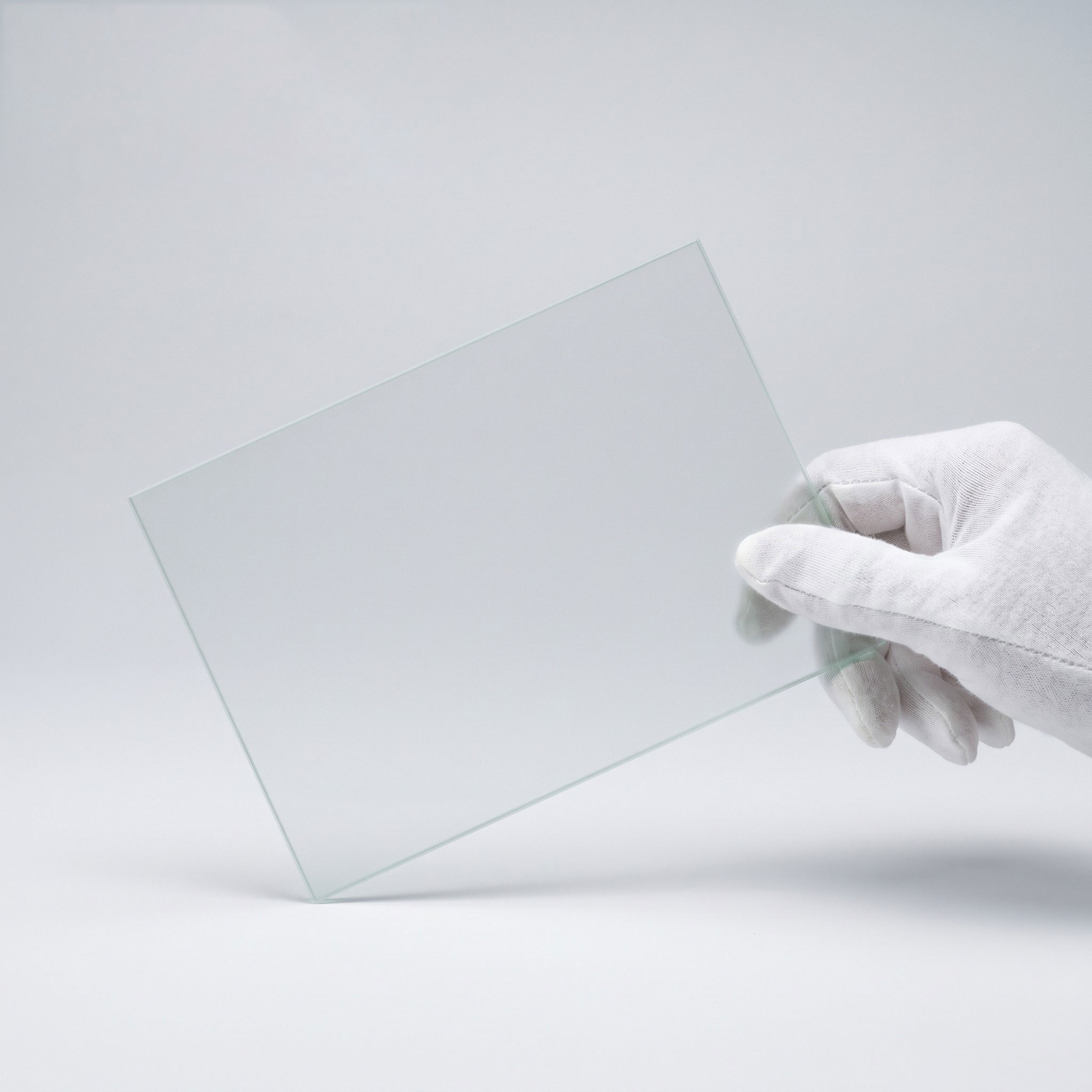
Quartz glass — especially fused quartz and fused silica — is selected when the application requires high purity, excellent UV transmission, low thermal expansion, high temperature resistance or chemical inertness. Borosilicate glass is often more economical for laboratory and lighting work. Chemically strengthened or tempered cover glass is usually the better choice for touch panels, appliance lenses and display protection. ITO and FTO conductive glass add electrical function, while AR, AG and AF coatings solve reflection, glare and fingerprint problems. A credible supplier should help you separate these material families before quoting.
For Cebu City procurement teams, importing from a factory-direct source in China can reduce landed cost and expand customization options, but it also creates risk if documentation, packaging and quality release are weak. KELO Glass is a Huizhou-based manufacturer, not a Cebu City local fabricator. That distinction is important: local partners can handle final assembly or installation, while a specialized export factory should provide drawing review, material traceability, optical measurement, protective packing and export documentation. This is the practical interpretation of “trusted quartz glass manufacturer” for the Cebu market.
- Ask for drawing review before quotation, not after deposit.
- Specify coating performance, glass grade, edge finish and packing method in writing.
- Confirm Incoterms, HS classification and customs broker responsibilities before shipment.
- Validate with a small sample batch, then scale with the same inspection criteria.

8 Product Recommendations for Cebu City Projects
These product lines are relevant to Cebu City buyers sourcing specialty glass, conductive glass, anti-glare panels, touch cover glass and gaming peripheral glass. Product URLs are preserved exactly as supplied.

Round Oval PTFE 3M Wear-resistant Smooth Mouse Feet Stickers Glass Pad Resin Pads
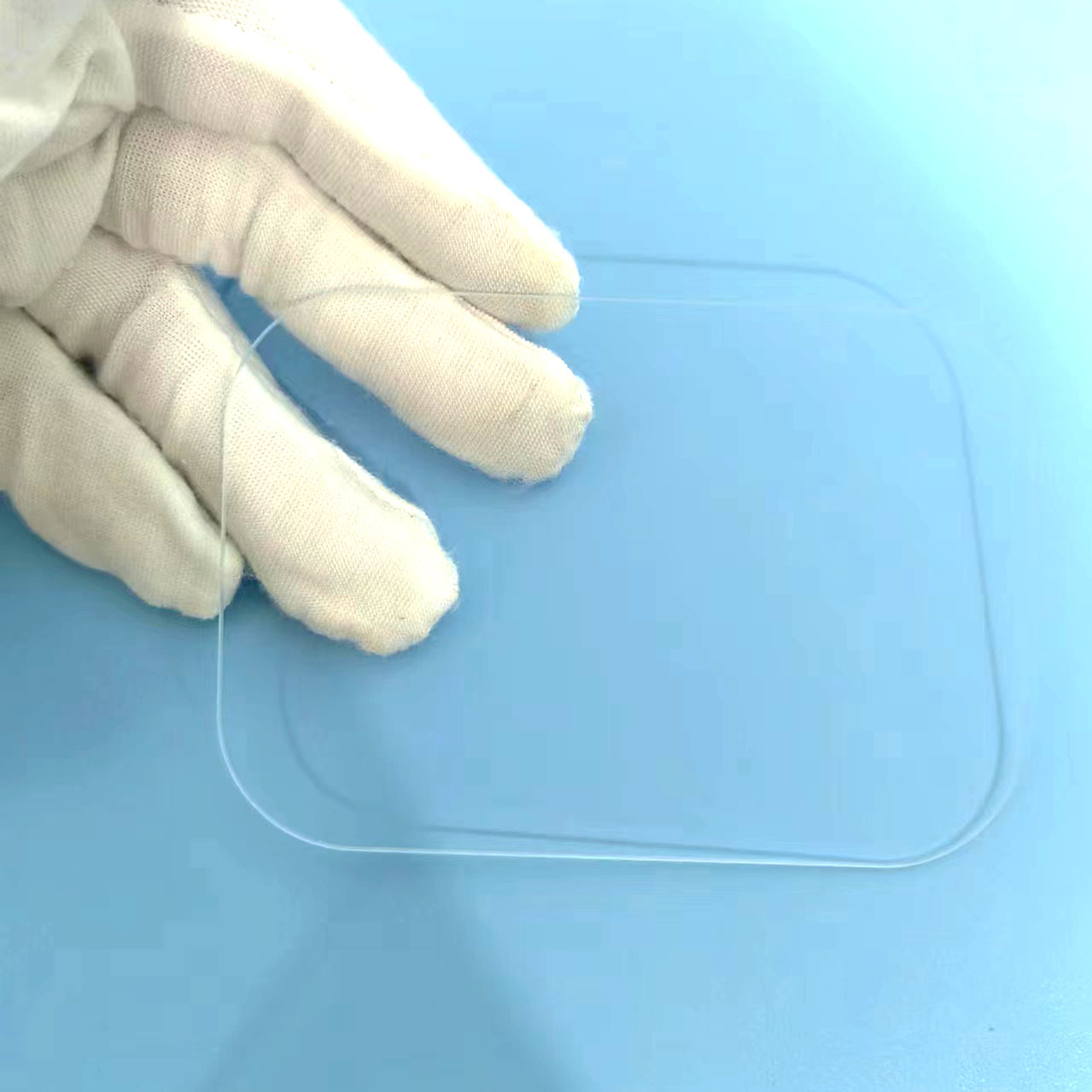
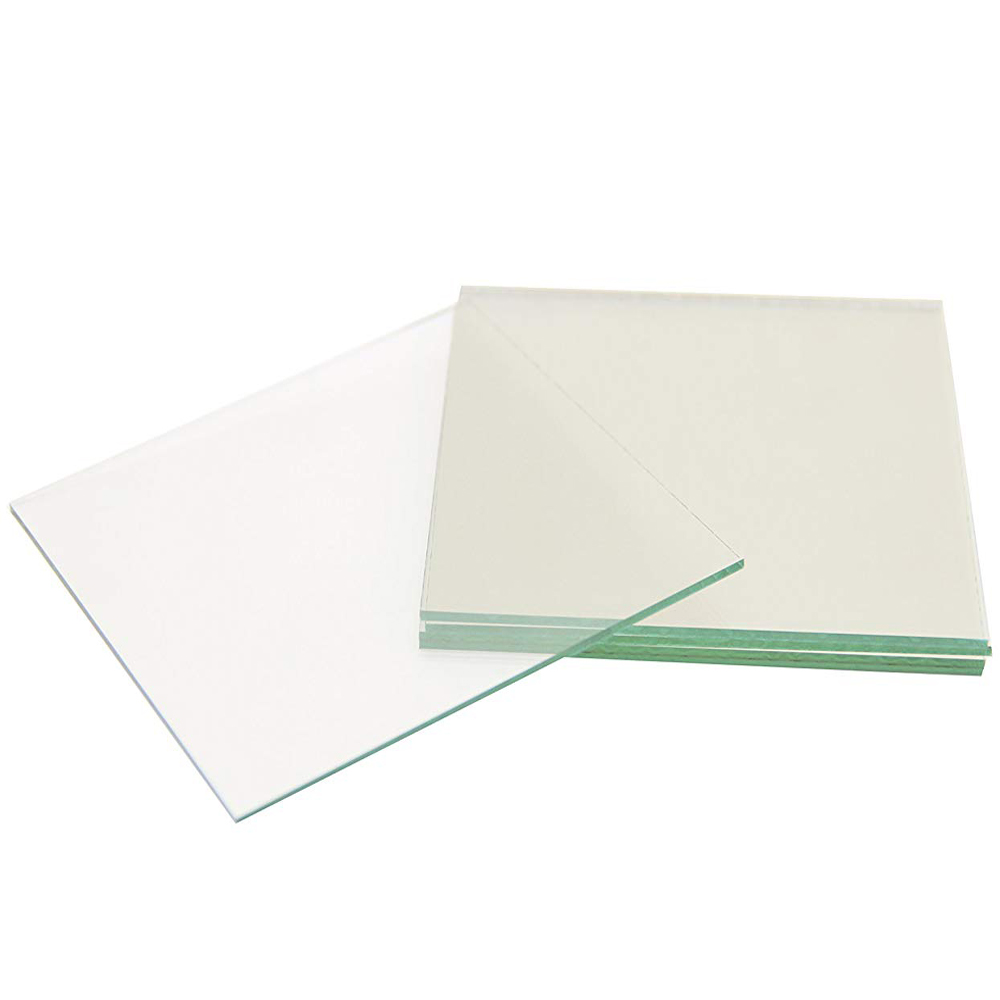
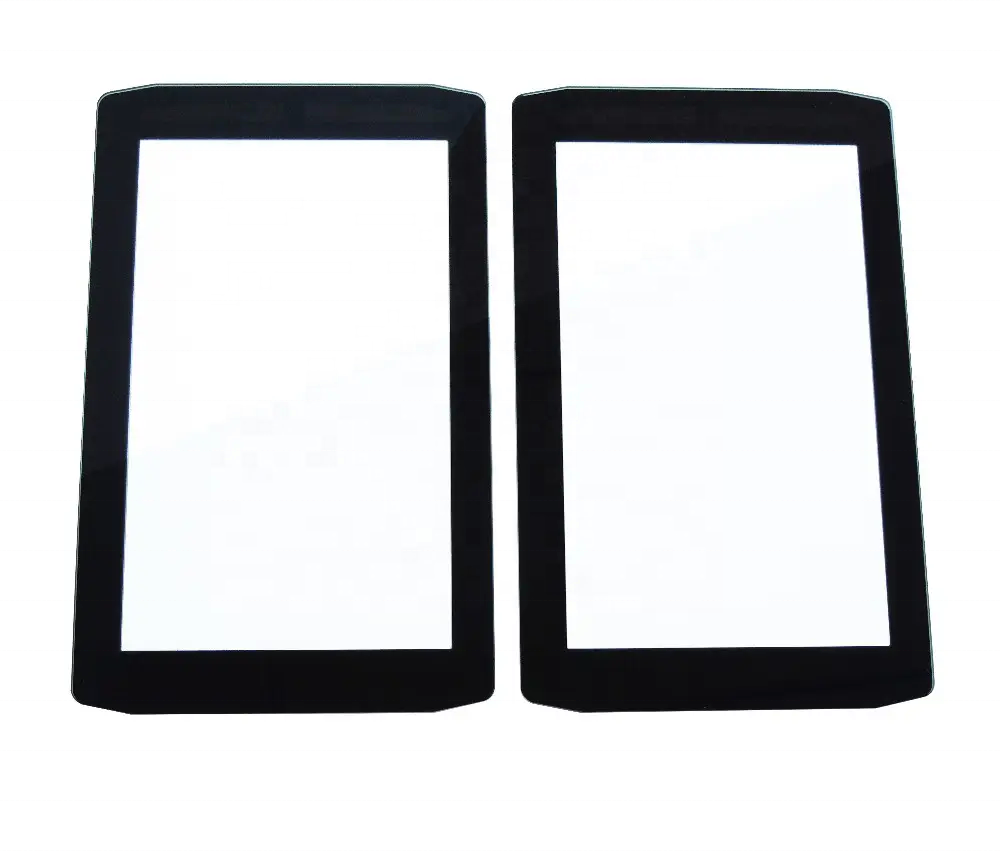
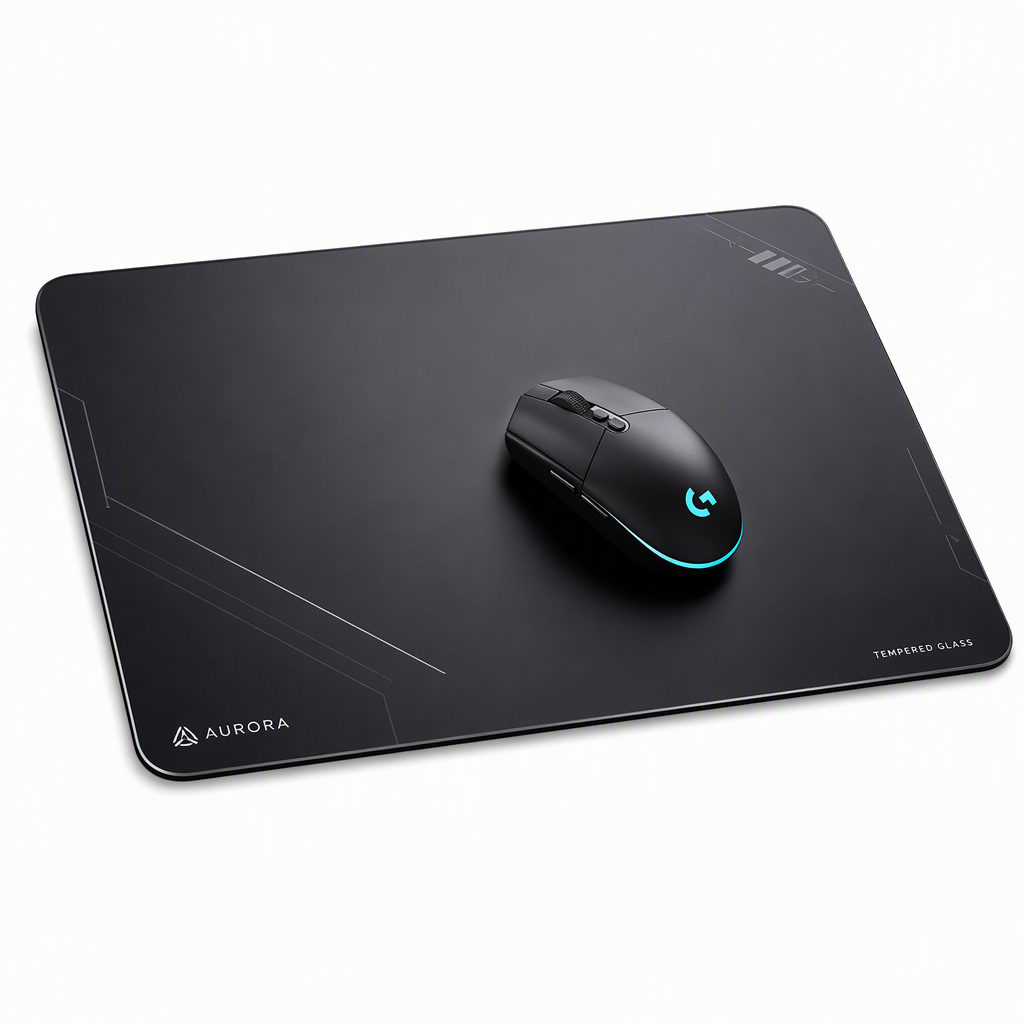
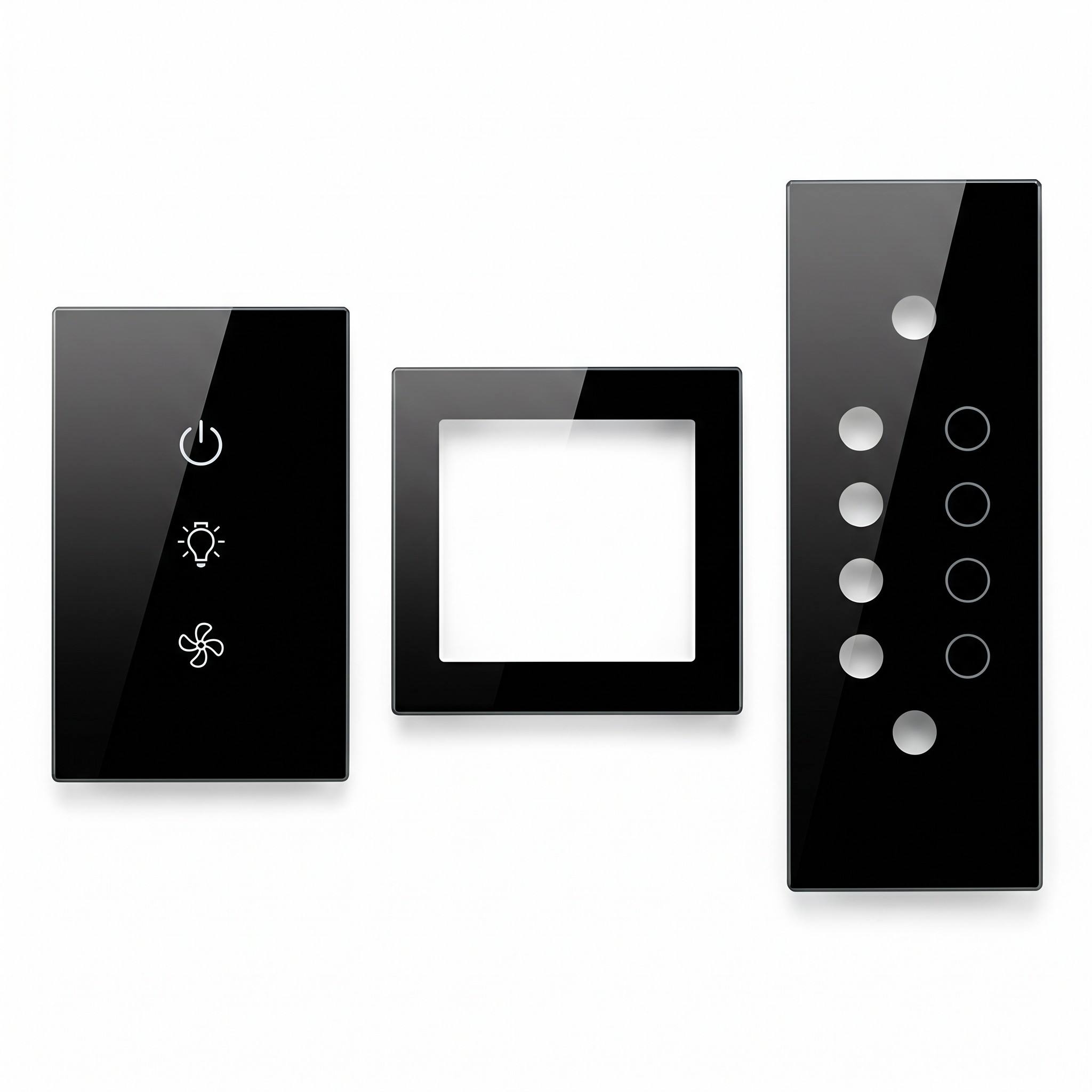
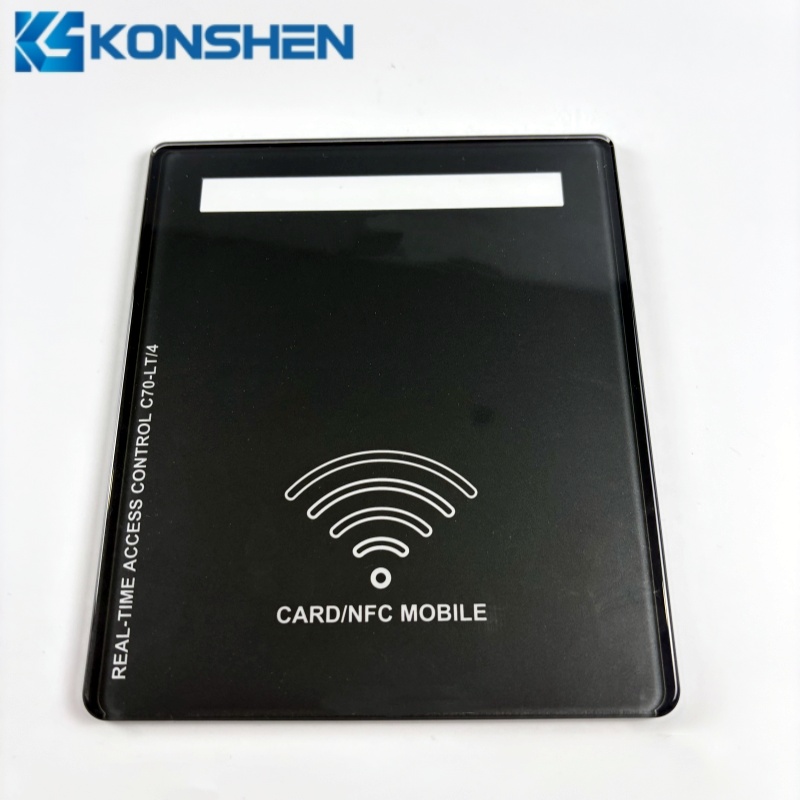
Tempered Glass Front Shield Cover Panel Custom Size Electronic Display Protection Sheet for Smart Device Konshen KS GB002
Need a product matched to a Cebu City drawing, coating target or installation environment?
Get a QuoteWhere Quartz and Specialty Glass Fit in Cebu City and Cebu Province
Cebu’s economy spans electronics, tourism, healthcare, food processing, shipbuilding, port operations and construction. Each sector creates a different glass specification — and a different reason to choose quartz, borosilicate, tempered cover glass or conductive glass.
Electronics & semiconductor-adjacent manufacturing
Cebu’s electronics cluster around Mactan, Mandaue and PEZA-linked facilities needs optical windows, inspection glass, conductive substrates and clean display covers. Quartz glass is often used where UV transmission, low thermal expansion or high-temperature resistance is required. For high-volume touch panels, chemically strengthened cover glass with AR or AG coating is usually more practical.
Hotel, resort and UV disinfection systems
Hotels and resorts in Cebu City, Mactan and nearby islands use UV disinfection chambers, water-treatment sight windows and touch-control mirrors. Quartz glass is a strong candidate for UV lamp envelopes and optical windows because it transmits UV light far better than ordinary soda-lime glass. Anti-fog or ITO-heated glass can improve bathroom mirror performance.
Medical, laboratory and diagnostics
Hospitals, diagnostic labs and university research groups require optical clarity, chemical resistance and repeatable dimensions. Quartz cuvettes, sight glasses, optical windows and heating-stage glass are common examples. Buyers should specify scratch-dig quality, edge finish, annealing needs and cleaning compatibility before comparing quotations.
Marine, port and industrial HMI
Port operations, shipyards and marine equipment suppliers need sunlight-readable displays, corrosion-resistant enclosures and robust control panels. AG anti-glare tempered glass reduces reflection on vessel bridges and outdoor terminals, while AF anti-fingerprint coating keeps high-touch panels easier to clean in dusty or humid environments.
Food, beverage and inspection equipment
Cebu’s food processing and packaging lines use inspection windows, machine guards and sensor covers. Where thermal shock or chemical cleaning is involved, quartz or borosilicate glass may be preferable to ordinary glass. For operator interfaces, printed tempered glass with anti-glare treatment improves visibility and durability.
Architectural, lighting and high-temperature viewing
Lighting manufacturers, architectural fabricators and industrial furnace operators need heat-resistant viewing windows, lamp covers and decorative glass. Quartz glass can handle high temperatures and UV-rich lamp environments, while borosilicate glass offers a cost-effective balance for many lighting and architectural components.
Cebu City Procurement Trends Reshaping Glass Specifications
Buyers in Cebu City are becoming more specific about total landed cost, documentation and application performance. These trends affect how quartz glass and optical coated glass are sourced in 2025 and beyond.
Supplier verification before sample approval
Procurement teams now review factory profiles, transaction history, buyer feedback and on-site assessment reports before sending drawings. For imported quartz glass, proof of process control is often more valuable than a low first quotation.
DDP and door-to-door freight requests
Cebu buyers increasingly ask for DDP or CFR/CIF quotations to compare landed cost more easily. A supplier should clarify whether duties, port charges and local delivery are included, and whether the buyer’s customs broker will handle release at the Port of Cebu or Mactan-Cebu airport.
Anti-glare and anti-fingerprint performance
Outdoor kiosks, resort displays and public touch panels are specified with controlled haze, low gloss and easy-clean surfaces. Buyers are moving from vague “anti-glare glass” requests to measurable haze, gloss and contact-angle targets.
Small-batch validation, then scale
More Cebu City buyers start with 1–2 sample pieces or a small pilot run before committing to production. This is especially common for quartz optical windows, custom printed cover glass and NFC switch panels where fit and appearance must be approved by local engineers.
Quartz Glass vs. Borosilicate, Tempered Cover Glass, AR/AG/AF and ITO/FTO
Use this comparison as an early RFQ guide. Final specifications should be confirmed against your drawing, operating temperature, cleaning chemicals, optical target and assembly method.
| Material / coating | Key performance window | Typical Cebu City application | Procurement note |
|---|---|---|---|
| Quartz glass | High purity, UV transmission, high temperature resistance, low thermal expansion, chemical inertness | UV disinfection windows, laboratory optical windows, high-temperature sight glass, semiconductor-adjacent tooling | Specify grade, bubble/scratch-dig class, annealing and cleaning environment; ask for drawing review before quotation. |
| Borosilicate glass | Good thermal shock resistance, chemical durability, economical for many lighting and lab parts | Lighting covers, laboratory guards, inspection windows, decorative technical glass | Confirm whether true quartz is necessary or whether borosilicate can meet the thermal and optical requirement at lower cost. |
| Tempered / strengthened cover glass | 0.1–19 mm thickness, 2.5D/3D forming, silk-screen printing, 3M adhesive bonding, impact resistance | Touch panels, appliance lenses, display shields, elevator and access-control panels | Define edge quality, printing color, curvature, adhesive type and appearance acceptance criteria. |
| AR / AG / AF optical coating | AR reflectance <1.0% per side and transmittance >99%; AG haze 5–60% and gloss 0.5–8 GU; AF contact angle >110° with >10,000 cycles | Anti-glare outdoor displays, high-clarity instrument windows, easy-clean touch panels | Set measurable optical targets and test method; ask whether coatings are done in-house or outsourced. |
| ITO / FTO conductive glass | Sheet resistance 1–20 Ω/sq, transmittance >85%, haze <2%; ITO for touch/EMI, FTO for thermal/chemical stability | Touch sensors, heated anti-fog glass, thin-film solar research, EMI shielding | Choose ITO or FTO based on process temperature and chemical exposure, not price alone. |
Data reflects typical production capability. Final acceptance criteria are confirmed during engineering review and sample approval.
Why KELO Glass Is a Trusted Partner for Cebu City Buyers
KELO Glass is a factory-direct manufacturer in Huizhou, Guangdong, China. For Cebu City buyers, the advantage is not a local warehouse address — it is vertical process control, transparent communication and a documented path from drawing to delivered carton.
Many glass suppliers are traders or assemblers. KELO’s advantage is that critical steps run under one roof: cutting, water-jet cutting, CNC machining, drilling, edge polishing, laser engraving, silk-screen printing, sandblasting, frosting, flat and curved tempering, AR/AG/AF/ITO coating, 2.5D/3D curved forming and 3M adhesive bonding. This reduces handling damage, shortens problem-solving loops and keeps tolerances accountable to one supplier.
The factory operates with a 10,000–30,000 m² floor area, 101–200 employees, 21–30 R&D engineers and a touch cover glass capacity of roughly 20–25 million pieces per year. Its annual output value is in the US$50–100 million range. These numbers matter to Cebu buyers because they indicate capacity for both prototype iterations and repeat production — not just one-off sample sales.
Quality control follows three gates: incoming inspection for raw glass and consumables, in-process checks for CNC dimensions, tempering and coating adhesion, and final inspection with 100% appearance checking plus salt spray and reliability tests. Custom honeycomb cartons, blister trays and partition packing are used to reduce transit damage on the long route to Cebu.
- Samples from 1–2 pieces for fit, optics and coating validation.
- Typical bulk lead time of 21–31 days after sample approval.
- Trade terms: FOB, CFR, CIF, EXW and DDP; payments include T/T, L/C, PayPal and Western Union.
- Verified exporter profile with 4.9/5 store rating and 98.18% typical reply rate.
One accountable factory
Cutting, CNC, polishing, printing, tempering, coating and bonding are coordinated in-house instead of being passed between multiple workshops.
Measured QC gates
Incoming, in-process and final inspection cover dimensions, appearance, tempering, coating adhesion, abrasion and salt spray performance.
Coating know-how
AR, AG, AF and ITO/FTO coating performance can be specified with measurable targets rather than vague appearance descriptions.
Export-ready packing
Honeycomb cartons, blister trays, partitions and custom packing plans help protect fragile glass on the route to Cebu City.
Quartz Glass and Specialty Glass Questions Cebu Buyers Ask
These are the practical questions that usually arise before a first sample order, especially when the buyer is comparing local Cebu fabricators with an overseas factory-direct supplier.
Send Your Drawing, Optical Target and Cebu Delivery Requirement
Whether you need a quartz optical window, anti-glare display cover, ITO/FTO conductive substrate, NFC switch panel or tempered glass mouse pad, the fastest route is a clear drawing plus target quantity. The engineering team can review feasibility, recommend the most suitable material and coating stack, and prepare a quotation for Cebu City delivery.
Factory-direct support: samples from 1–2 pieces · bulk lead time typically 21–31 days · FOB, CFR, CIF, EXW and DDP available.