Eight Factory-Direct Glass Products for Refrigerator and Appliance Projects
Refrigerator glass procurement rarely stops at one SKU. A single cooler program can require a tempered shelf, a printed door border, an anti-fingerprint control panel and a conductive touch sensor substrate. The eight products below form a working sample board for Denver buyers who need to compare strength, optics, printability and electrical function before requesting a quote.

Curved Tempered Glass with AR Coating
A waterproof, anti-reflective curved panel for humid refrigerator control areas, bathroom-grade appliance interfaces and instrument windows where glare and wipe-down cleaning matter.
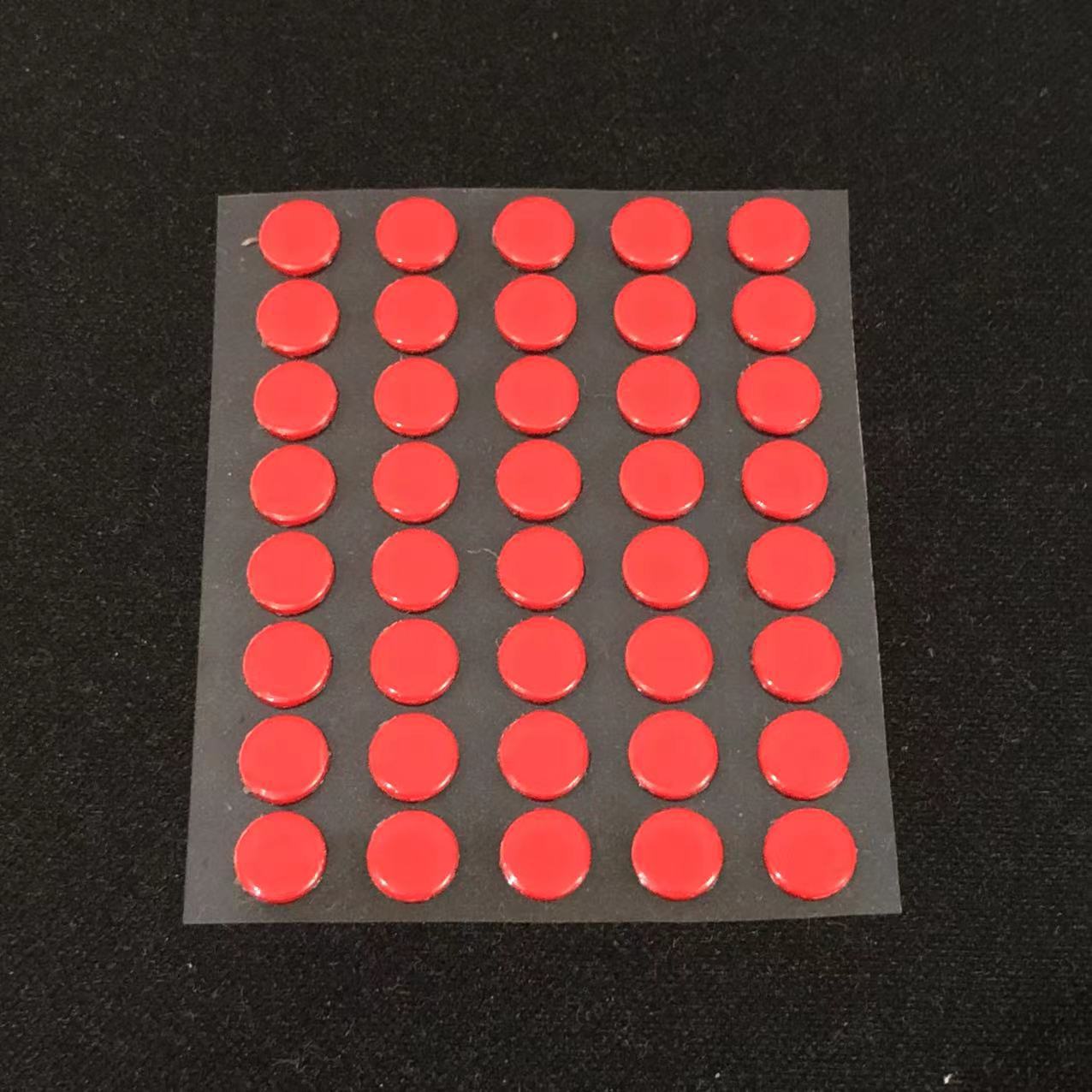
PTFE Glass Skates & Low-Friction Dots
Precision PTFE glass dots used as low-friction mouse skates. The same small-format CNC, adhesive and inspection discipline can support appliance glides, shelf shims and specialty refrigerator hardware.
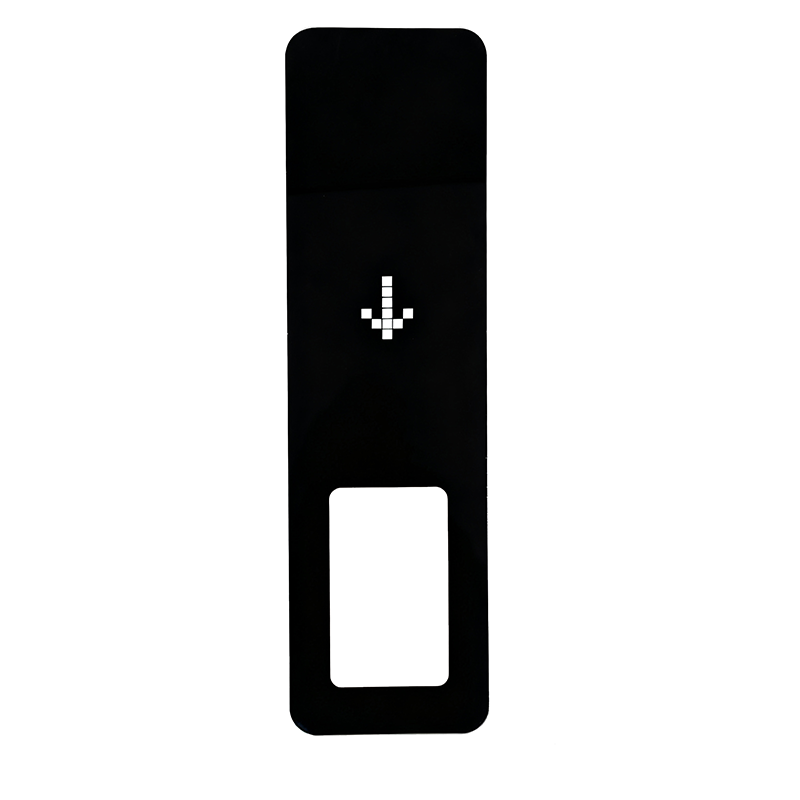
Custom Touch Elevator & Control Panel Glass
Custom-printed touch glass for elevator and equipment HMI. A practical reference for smart refrigerator door panels that need indicator graphics, capacitive touch and scratch-resistant cover glass.
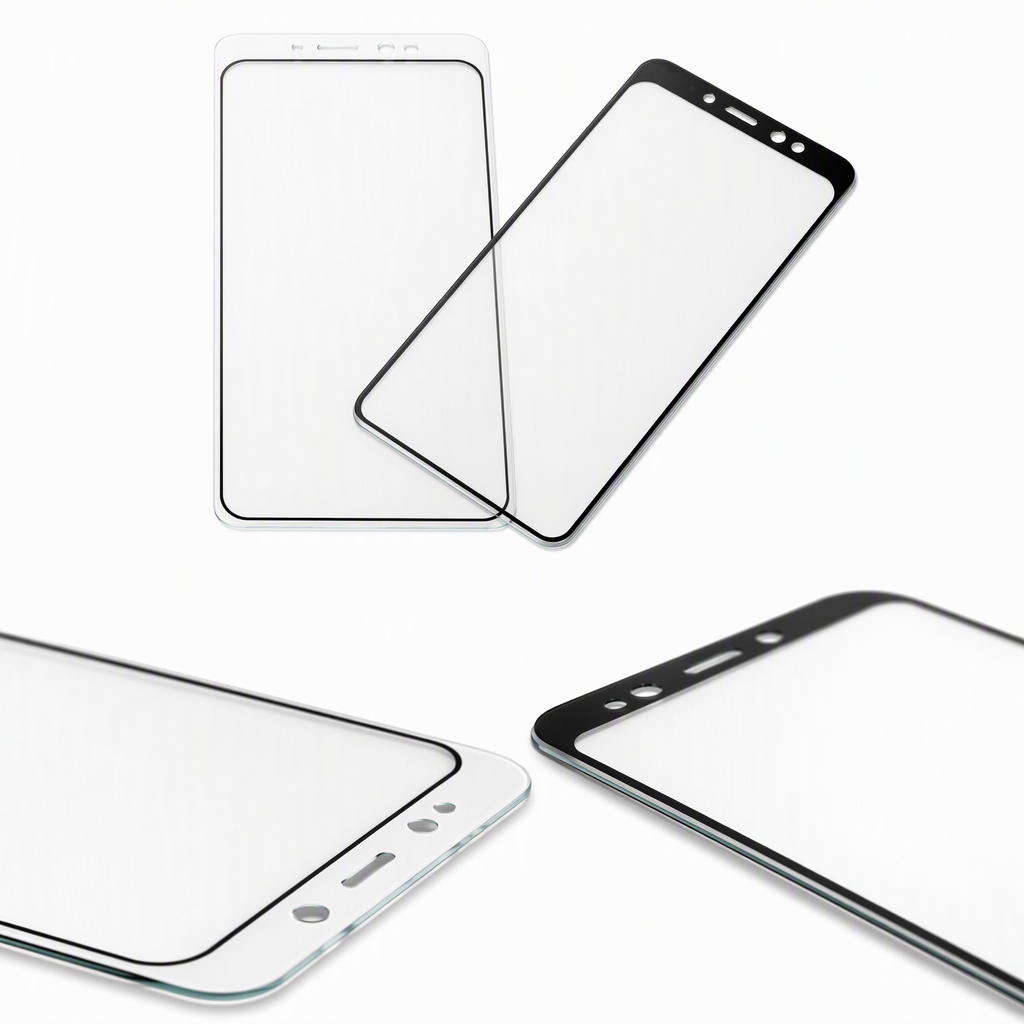
CNC Toughened Glass Panels, No Coating
Bare toughened glass with CNC holes, irregular outlines and silk-screen printing. Suitable for custom refrigerator shelves, brackets, covers and tempered panels where optical coating is not required.
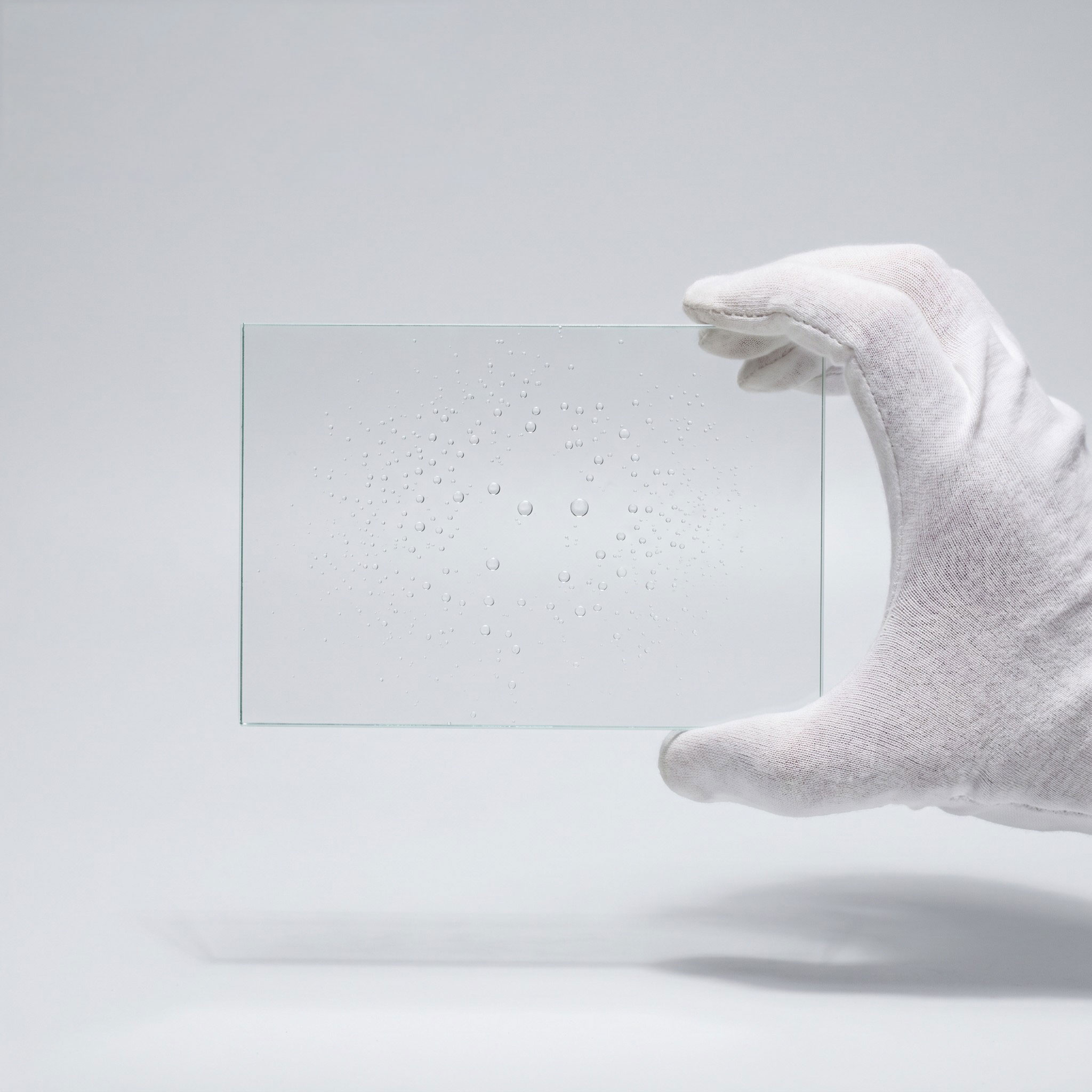
AF-Coated Toughened Glass for Kitchen Electronics
AF-coated 1.1/2 mm toughened glass for kitchen electronics covers. A direct fit for fingerprint-resistant refrigerator touch panels, ice/water dispensers and easy-clean appliance interfaces.
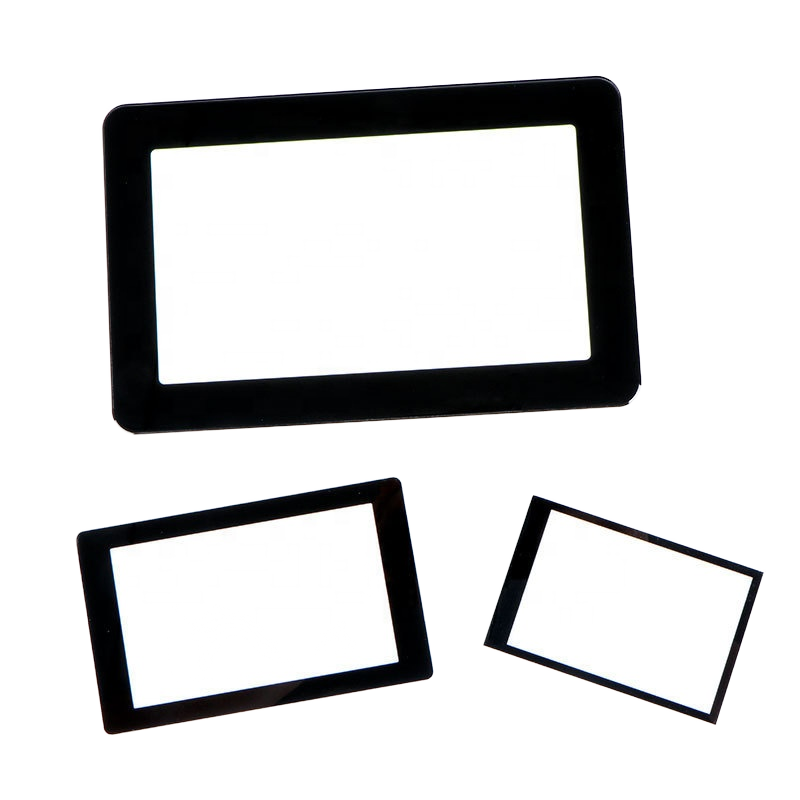
Waterproof Tempered Touch Screen Glass
Extra-clear waterproof tempered touch glass with left/right switching control. Relevant to outdoor gym, patio and commercial beverage coolers exposed to moisture, cleaning agents and public use.
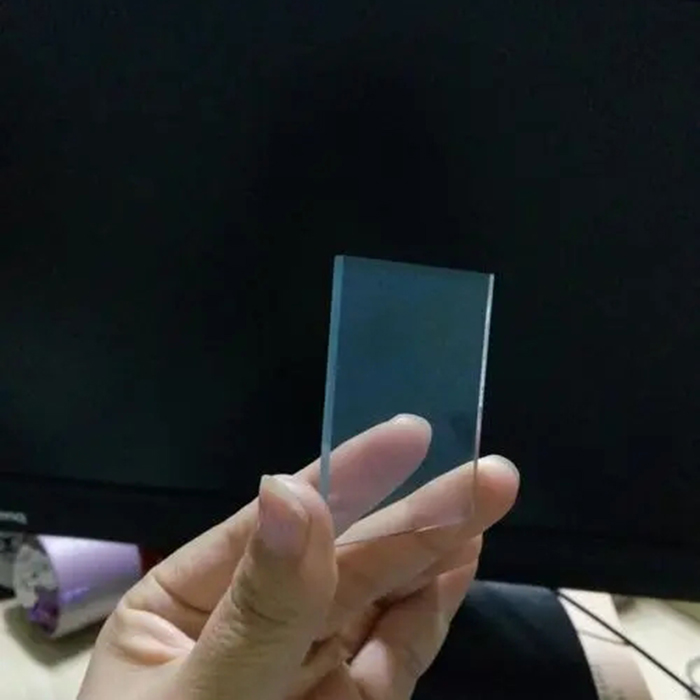
ITO / FTO Conductive Glass
ITO and FTO conductive glass for touch sensors, EMI shielding and selected transparent-heating or sensor designs. Available in 1.1/2.2 mm formats for appliance electronics development.
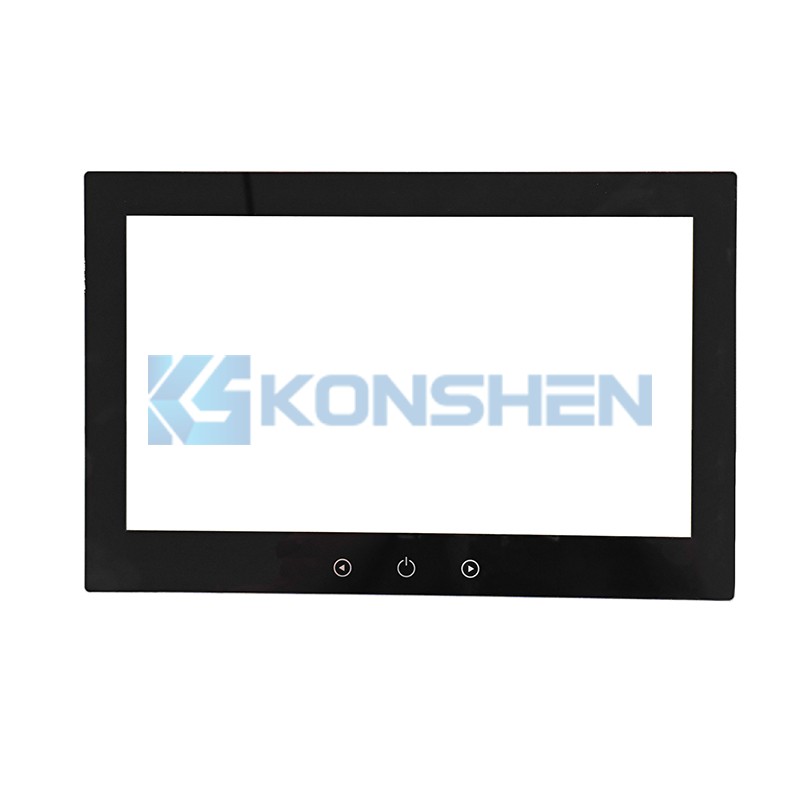
Black-Framed ITO Display Cover Glass
Black-framed ITO conductive tempered display cover for industrial monitors. Applicable to smart refrigerator control screens, cold-chain monitors and HMI enclosures requiring a clean printed border.
KELO Glass factory capacity and service data
Why Denver Refrigerator Buyers Evaluate KELO
Refrigerator glass is not a single product. It can mean tempered shelves, cooler-door glass, printed appliance fronts, anti-reflective display windows, anti-fingerprint control panels and conductive sensor glass. Buyers searching for a top trusted refrigerator glass factory and supplier in Denver usually need three things at once: a glass specification that survives daily thermal cycling, a factory that holds tolerances across reorders, and export packaging that prevents edge chips on the way to Colorado.
Huizhou KELO Glass Co., Ltd. is a factory-direct glass manufacturer in Huizhou, Guangdong, China. We are not a Denver warehouse or local glazier; we are the upstream factory that supplies custom glass components to appliance, commercial refrigeration, display and electronics customers. Our advantage is vertical integration. Cutting, CNC machining, edge polishing, laser engraving, silk-screen printing, sandblasting, flat and curved tempering, AR/AG/AF/ITO coating, 2.5D/3D forming and 3M adhesive bonding are controlled in-house.
For Denver, this model fits procurement teams that want factory pricing and engineering accountability. The factory floor is 10,000–30,000 m², with 101–200 employees, 21–30 R&D engineers, 20–25 million pieces per year of touch cover glass capacity and US$50–100 million annual output value. KELO has been a verified exporter on Alibaba.com for 6 years and holds a 4.9/5 store rating with a 98.18% reply rate. Samples can start from 1–2 pieces, so a Denver product team can validate fit, optics and coating performance before placing a bulk order.
- One factory for cutting, CNC, printing, tempering and coating
- AR/AG/AF/ITO/FTO surface engineering not outsourced
- Engineering review for refrigerator shelves, doors and panels
- Export packing and DDP options for North American buyers

Factory-direct manufacturing in Huizhou, Guangdong—inside the Greater Bay Area electronics supply chain.
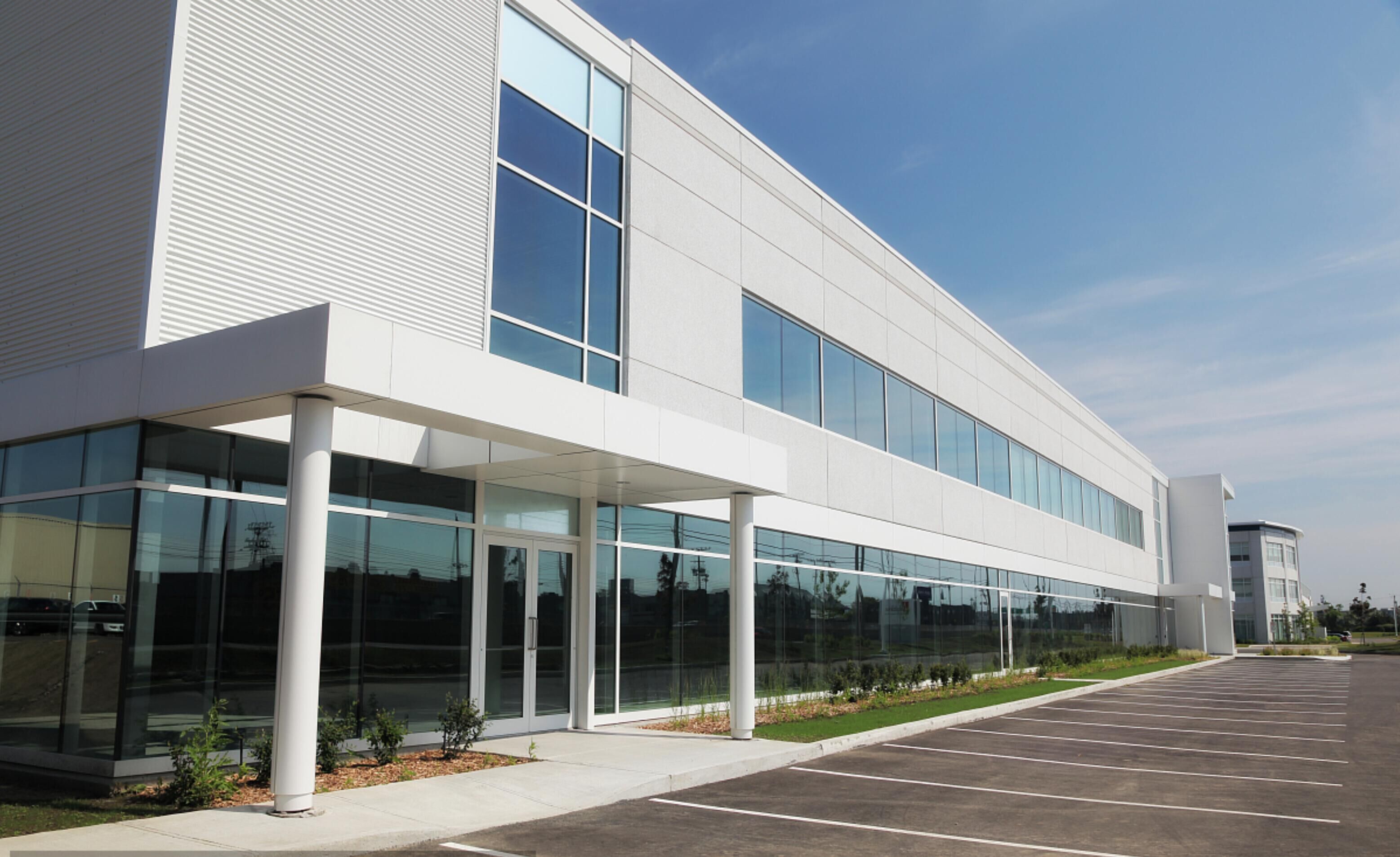
100% appearance inspection is part of the release process, not a final afterthought.

In-house processing reduces handling damage and finger-pointing between suppliers.
Refrigerator Glass Applications in Denver and the Front Range
Denver’s altitude, dry air, strong sun and temperature swings create a different field environment from coastal assembly plants. The following applications are where local buyers most often request custom glass.
Grocery & Convenience Cooler Doors
Reach-in doors need clarity, impact resistance and cleanability. AR-coated or low-iron tempered glass helps shoppers see product color under LED lighting; AG can reduce glare near store windows.
Restaurant & Commercial Kitchen Display
Display fridges face steam, grease, rapid temperature changes and frequent wiping. Tempered shelves, printed glass fronts and AF-coated control panels reduce maintenance friction.
Craft Beverage & Cold-Chain Storage
Branded cooler doors, taproom display cases and cold storage rooms need durable printed glass and stable edge finishing. Custom silk-screen borders hide gaskets and LEDs while reinforcing brand identity.
Smart Refrigerators & Appliance Control Panels
Ice/water dispensers, door touchscreens and family-hub displays need AF-coated, chemically strengthened cover glass; ITO conductive glass can support capacitive sensing and EMI shielding.
Outdoor Patio & Gym Beverage Coolers
Denver patios, rooftop bars and gyms expose coolers to water, cleaning sprays and public touch. Waterproof tempered touch panels and sealed edges are more relevant than decorative coatings alone.
Medical, Laboratory & Hospitality Refrigeration
Lab fridges, hotel minibars and multifamily appliance packages demand repeatable optics, easy-clean surfaces and packaging that survives multi-stop delivery. Documentation and reorder consistency matter as much as the first sample.
Denver Market Trends Reshaping Refrigerator Glass Specifications
Search intent around refrigerator glass in Denver is shifting from “can I buy a panel” to “can this panel survive my operating environment and my reorder cycle.” Four trends are especially visible in Front Range projects.
Altitude-Aware Thermal Validation
Solid glass is not compressed by altitude, but sealed door assemblies, gaskets, laminated stacks and printed coatings still need thermal-cycle validation. Buyers are asking for test notes, not just datasheets.
Smart Appliance Touch Integration
Refrigerator control panels are becoming larger, brighter and more interactive. AF+AR coated cover glass and ITO sensor glass are moving from premium models into mainstream appliance lines.
Cleanability and Chemical Resistance
Commercial kitchens and grocery chains clean more often and with stronger agents. AF coating, tempered edges and adhesion tests matter for long-term appearance.
Inland Logistics and DDP Planning
Denver sits inland from West Coast ports. Buyers increasingly plan packaging, rail/truck transfers and DDP terms up front to avoid surprise damage or customs delays.
What AR, AG, AF, ITO and FTO Glass Can Deliver
Use these production windows as early-stage RFQ targets. Final values are confirmed during engineering review against your drawing, substrate and coating stack.
| Glass / Coating | KELO Production Window | Refrigerator & Appliance Use Case |
|---|---|---|
| ARAnti-reflective | Reflectance <1.0% per side · Transmittance >99% (400–700 nm) · single or multi-layer | Cooler-door windows, smart fridge displays, medical refrigeration monitors and product showcase glass |
| AGAnti-glare | Controllable haze 5–60% · Gloss 0.5–8 GU | Storefront coolers, outdoor beverage cabinets, sunlit kitchen displays and industrial HMI |
| AFAnti-fingerprint | Water contact angle >110° · Pencil hardness >3H · Transmittance >98% · Durability >10,000 cycles | Ice/water dispensers, refrigerator touch panels, smart home appliance glass and high-touch covers |
| ITOIndium tin oxide | Sheet resistance 1–20 Ω/sq · Transmittance >85% · Haze <2% | Capacitive touch sensors, display covers, EMI shielding and selected transparent-heating designs |
| FTOFluorine-doped tin oxide | Sheet resistance 1–20 Ω/sq · Transmittance >85% · Haze <2% | Thin-film solar, high-temperature processes and conductive glass projects with stronger thermal demand |
| CombinedAR+AG / AG+AF | Stacked functions on one substrate · cosmetic grade per 60/40 scratch-dig | Premium in-vehicle, outdoor and smart appliance interfaces requiring more than one optical function |
For refrigerator display doors, specify AR by reflectance and color neutrality, AG by haze and gloss, and AF by contact angle and abrasion cycles. These three measures prevent “high transmittance” glass from looking hazy, blue or fingerprint-prone in a finished cooler.
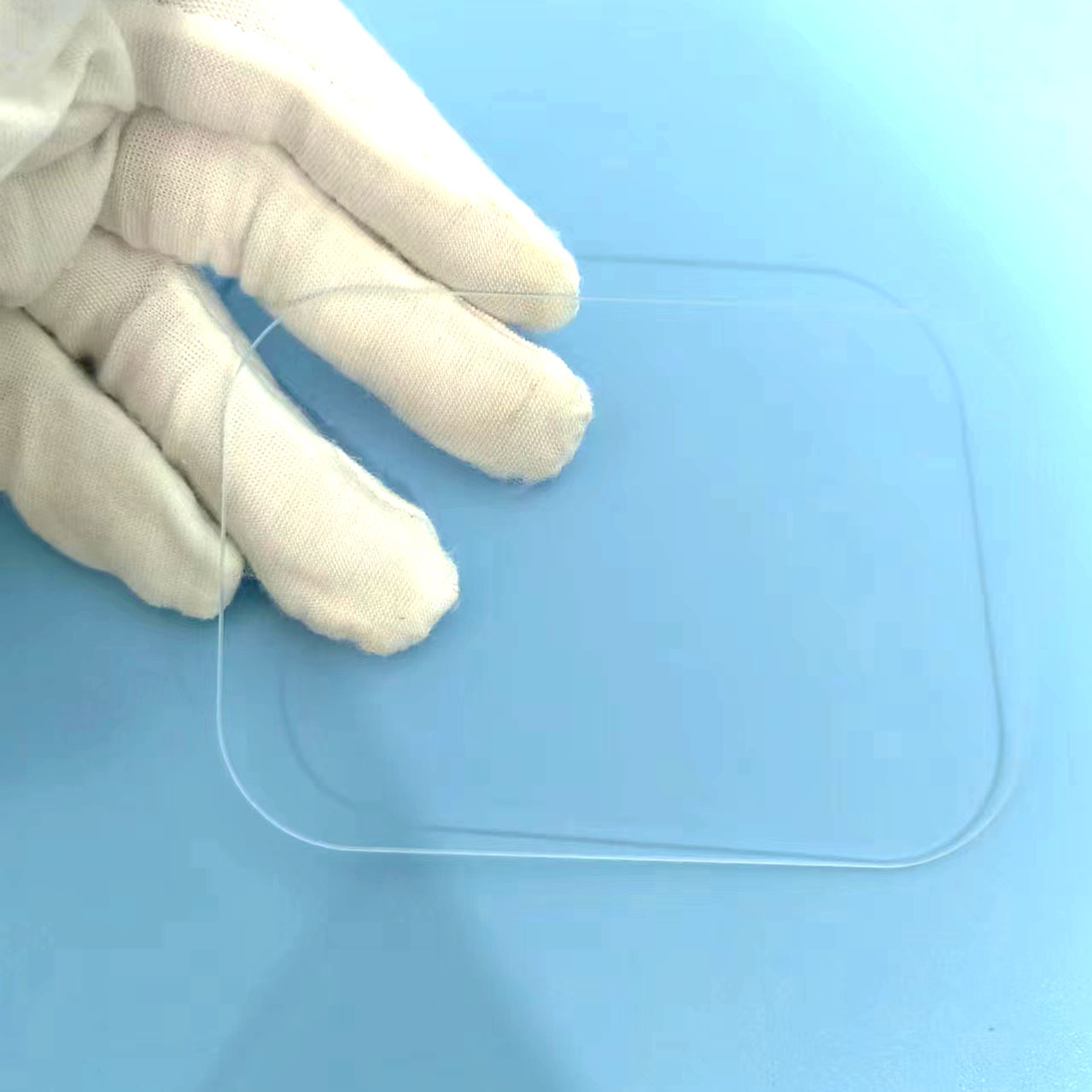
Every coated batch is measured and visually inspected before release—coatings are not outsourced.
Recommended Glass Stacks for Common Refrigerator Projects
Not every refrigerator application needs every coating. The most cost-effective specification usually starts with the use case, load condition and cleaning routine—then adds optical or conductive functionality only where it improves the user experience.
| Project Type | Recommended Stack | Why It Works | Procurement Note |
|---|---|---|---|
| Reach-in cooler doors | 4–6 mm tempered low-iron glass + AR or AR+AG + silk-screen border | AR improves product visibility; AG helps when doors face sunlight or bright windows. | Confirm door hardware, hinge loads and insulated glass unit design before specifying. |
| Refrigerator shelves | 4–8 mm tempered clear or extra-clear glass + edge polishing + CNC holes | Strength, easy cleaning and stable support without unnecessary coating cost. | Specify load, span and edge finish; avoid unexplained holes that create stress points. |
| Smart control panels | 1.1–3 mm chemically strengthened or toughened glass + AF + optional AR + ITO for sensing | Fingerprint resistance, touch clarity and reliable sensing through the final stack. | Test touch sensitivity through the adhesive, display and enclosure—not on bare glass only. |
| Outdoor beverage coolers | 4–6 mm waterproof tempered touch glass + AG+AF + sealed edges | Sunlight, water, cleaning agents and public touch are the real operating conditions. | Discuss gasket compression, enclosure drainage and approved cleaning chemistry. |
| Branded appliance fronts | Printed tempered glass + AF + optional low-reflectance coating | Durable brand color and an easy-clean surface for high-traffic appliance displays. | Approve color under production lighting; print opacity can affect sensors and backlighting. |
A Practical Sourcing Workflow for Denver Buyers
Factory-direct sourcing works best when the drawing, field environment and logistics assumptions are aligned before quoting. This four-step workflow keeps a refrigerator glass project comparable across suppliers.
Define the Operating Environment
Document sun exposure, cleaning chemicals, temperature cycling, door hardware, user traffic and installation location. For Denver projects, include altitude-related assembly notes and whether the glass is part of a sealed door unit.
Select the Glass Stack
Choose substrate, thickness, tempering, coating, print and edge finish. Avoid overcoating: a shelf rarely needs AR, while a display door may benefit from AR+AG. A control panel usually prioritizes AF and touch reliability.
Validate Samples and Test Plan
Start with 1–2 pieces. Check fit, optics, touch response, coating adhesion, thermal cycling and packing. Approve a golden sample before volume production, and keep the approved drawing revision under document control.
Lock Production and Logistics
Confirm lead time, Incoterms, DDP requirements if needed, packaging and spare-part strategy. Typical bulk lead time is 21–31 days after sample approval; freight schedules to Denver vary by mode and season.
For Denver buyers, the most avoidable cost is not glass price—it is a specification that ignores door assembly, cleaning chemistry or inland freight. A short engineering review before quoting usually saves more than a last-minute unit-price negotiation.
KELO Glass Advantages: What the Original Factory Data Shows
E-E-A-T is not a badge. It is the ability to show the factory, the process, the quality gates and the export record behind the quotation. The following capabilities are drawn from KELO’s original company profile and production data.
Vertical Integration
Cutting, CNC machining, edge polishing, laser engraving, silk-screen printing, sandblasting, flat and curved tempering, coating, 2.5D/3D forming and 3M adhesive bonding are handled in-house. Fewer handoffs mean tighter tolerance and less handling damage.
In-House Coating Control
AR, AG, AF, ITO and FTO coating lines are not outsourced. Coated batches are measured and visually inspected before release, which helps keep optical performance and color consistent across reorders.
Engineering Depth
21–30 R&D engineers review drawings for DFM, tolerance, coating and cost drivers. Samples can start from 1–2 pieces, which is useful for Denver product teams validating a new refrigerator design before tooling or volume commitments.
Capacity and Output
The factory covers 10,000–30,000 m² with 101–200 employees, 20–25 million pieces per year of touch cover glass capacity and US$50–100 million annual output value. That range supports both pilot builds and repeat volume.
Material Range
KELO processes Gorilla glass, borosilicate, quartz, sapphire, ceramic, lead shielding and laminated safety glass. Thickness runs from 0.1 mm to 19 mm, with size, holes, color, logo printing, 2.5D/3D forming and adhesive bonding customized to drawing.
Verified Export Record
KELO has been a verified exporter for 6 years, with a 4.9/5 store rating, 98.18% reply rate and Trade Assurance support. Export markets include Europe, North America and South America, with FOB, CFR, CIF, EXW and DDP terms available.
Quality Control, Packing and Export Documentation
Refrigerator glass can look perfect in a sample photo and still fail in a cooler door, a shelf span or a multi-stop delivery. KELO controls quality through incoming, in-process and final inspection gates.
Incoming Inspection
Raw glass and consumables are verified before production enters the line.
- Thickness and flatness check
- Surface defect screening
- Ink and coating material verification
In-Process Control
Critical dimensions and coating results are checked at each production station.
- CNC dimensions and hole positions
- Tempering and strength tests
- Coating adhesion and abrasion checks
Final Inspection & OQC
Every finished piece is checked before protective packing.
- 100% appearance inspection
- Salt spray reliability testing
- Honeycomb cartons, blister trays and partition packing
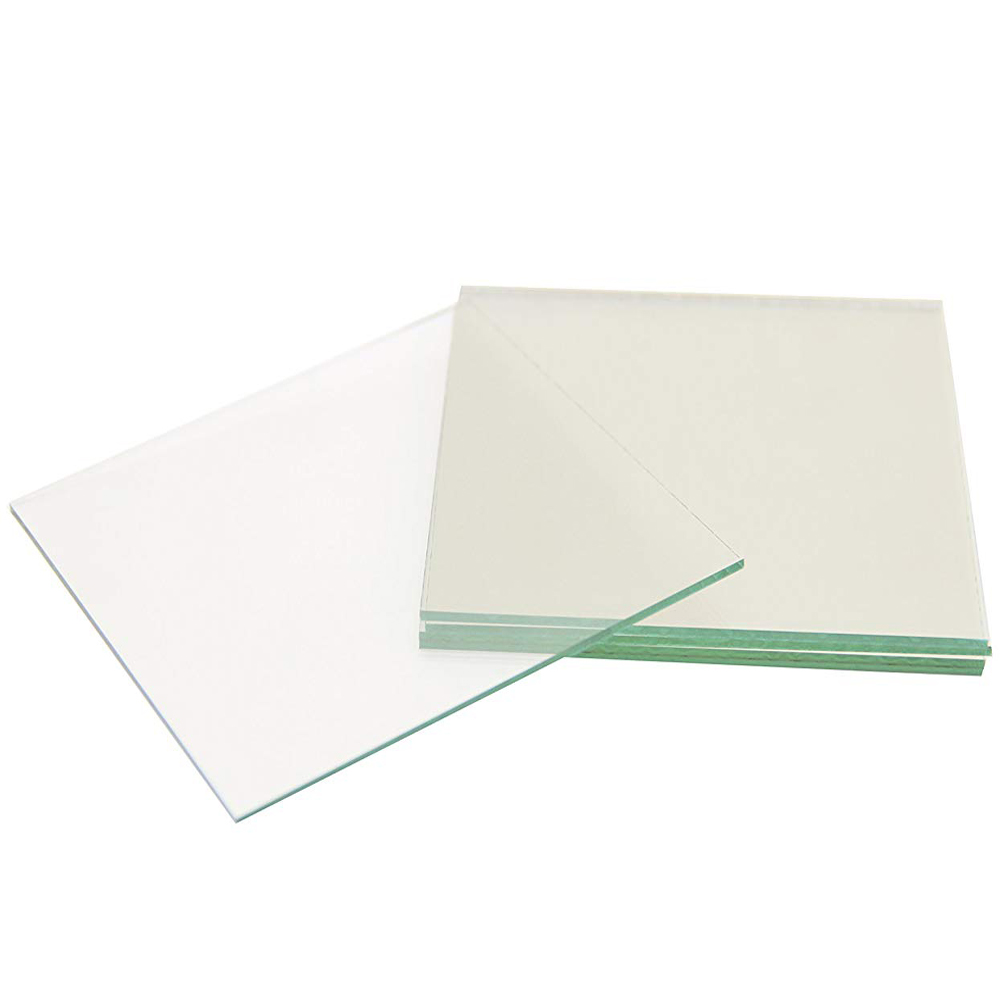
Packed for Inland Freight, Not Just the Factory Floor
Custom honeycomb cartons, blister trays and partition packing reduce edge chips and surface scratches during export, port transfer and rail/truck delivery to Denver. The packing method should be agreed together with the glass stack, because coated and printed surfaces may require different interleaving and protection.
Refrigerator Glass Procurement Questions Denver Buyers Ask
These are the questions that come up most often before a first order, a reorder or a supplier comparison in Denver and across Colorado.
Are you a refrigerator glass factory in Denver?
KELO Glass is a factory-direct manufacturer in Huizhou, Guangdong, China, not a Denver-based fabricator. For Denver buyers, that means factory pricing, engineering support and export experience; local field measurement, installation or emergency replacement may still require a Colorado glazier. We serve the factory-made component side of the project.
What is the minimum order quantity for custom refrigerator glass?
Sample orders can start from 1–2 pieces so you can validate fit, optics and coating performance before committing to volume. Bulk quantities are quoted per drawing, material, coating stack and annual demand. Prototype quantities are not a problem for early engineering validation.
Can you produce tempered glass shelves and cooler door glass?
Yes. KELO produces custom tempered glass panels from 0.1 mm to 19 mm, with edge polishing, CNC holes, irregular shapes, silk-screen printing, flat or curved tempering and optional AR/AG/AF coating. For shelves, share load, span and edge-finish requirements; for doors, share hardware, gasket and assembly details.
Which coating is best for refrigerator display windows?
AR is best for clarity and glare reduction in cooler doors and smart displays. AG is useful when the refrigerator faces strong sunlight or bright store windows. AF is for high-touch control panels and easy-clean surfaces. Combined AR+AG or AG+AF is possible, but every added layer should be justified by the user experience and test plan.
Can you support smart refrigerator touch panels?
Yes. A typical stack combines chemically strengthened or toughened cover glass, AF coating, optional AR, and ITO conductive glass when capacitive sensing or EMI shielding is required. Black-framed ITO display covers, 2.5D/3D forming and 3M adhesive bonding are also available. Touch performance should be tested through the final adhesive and display stack.
What is the lead time and shipping path to Denver?
Typical bulk lead time is 21–31 days after sample approval, depending on size, coating, curved forming and printing complexity. Freight schedules to Denver vary by air, sea plus rail/truck, or courier. KELO supports FOB, CFR, CIF, EXW and DDP terms; the final route should be confirmed with your freight forwarder.
How do you control quality and transit breakage?
Quality is controlled through incoming, in-process and final inspection with 100% appearance checking, plus tempering, adhesion, abrasion and salt spray tests. Custom honeycomb cartons, blister trays and partition packing minimize transit damage. For coated or printed parts, packing specifications should be agreed before production.
Which trade terms and payment methods do you accept?
KELO supports FOB, CFR, CIF, EXW and DDP trade terms, and accepts T/T, L/C, PayPal and Western Union. Orders placed through Alibaba.com can be protected by Trade Assurance. For first orders, include the drawing revision, coating targets, packing method and destination city in the quotation request.
Have a Refrigerator Glass Drawing or Target Specification?
Send your drawing, substrate, thickness, coating target, annual volume and delivery city—Denver or another Colorado location. KELO’s engineering team will review feasibility, propose a glass stack and quote the most cost-effective factory-direct option.
info@keloglass.com