Ultra Thin Glass Factory & Suppliers for the Phoenix Market
Custom cover glass, AR/AG/AF optical coatings, ITO/FTO conductive substrates, tempered display panels and 2.5D/3D curved glass — engineered in Huizhou and supplied to Phoenix-area OEMs, integrators, distributors and project buyers.
Eight Ultra-Thin Glass Products for Phoenix Buyers
Phoenix procurement teams rarely buy glass as a generic commodity. The panel must survive intense UV, heat cycling, dust, touch-screen cleaning, outdoor glare and long-haul export handling. These eight product families are available factory-direct with custom size, thickness, printing, coating, edge treatment and 2.5D/3D forming.
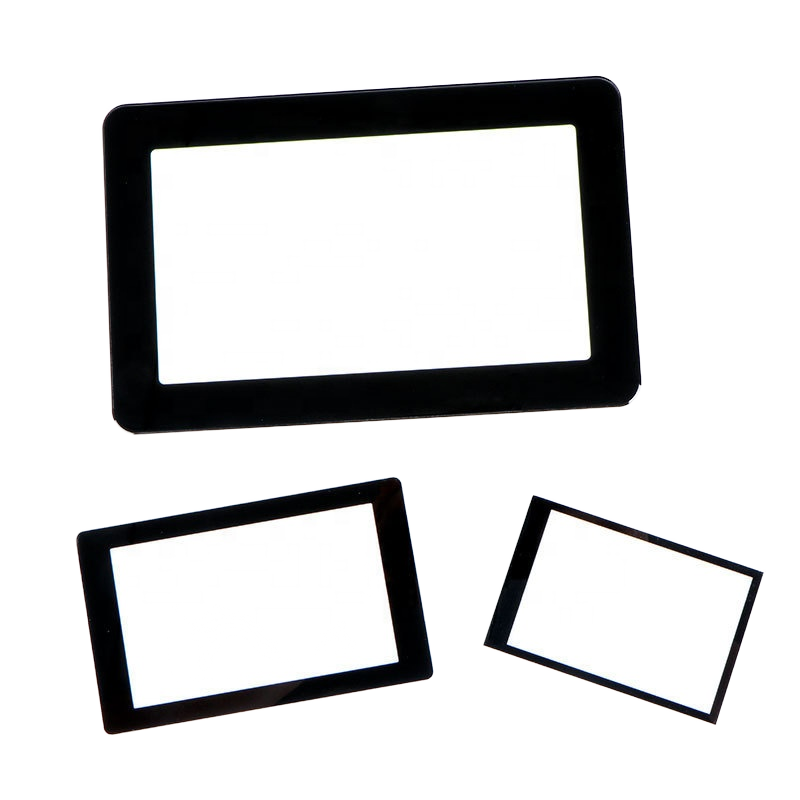
Wholesale Left Right Switching Control 0.2mm 5mm Soda Lime Extra Clear Tempered Glass Touch Screen Panel Outdoor Gym Waterproof
A water-resistant touch cover for fitness, recreation and public-use interfaces. The switching-control format suits outdoor equipment that must tolerate heat, sunscreen, dust and frequent cleaning.

KS AG002 Custom Size AG Coating Anti-Glare Tempered Glass Panel High Transmittance Cover Sheet for Electronic Display Screen
AG-coated cover glass for electronic displays facing direct sun or reflected light. A strong fit for Phoenix charging stations, patio kiosks, outdoor HMI and west-facing signage.

Customized Cutting Elevator Indicator Arrow Printing Touch Smart Control Elevator Panel Use Electronics Screen Glass Instrument
Printed elevator indicator and touch-panel glass for hospitality, medical buildings, senior living and smart-building retrofits across the Phoenix metro.

Curved Tempered Glass Panel with Anti-reflective Coating Waterproof for Bathroom and Instrument Display Decoration
Waterproof curved AR glass for bathroom panels, instrument windows and decorative display. Useful in resort bathrooms, showrooms and control surfaces where reflection control matters.
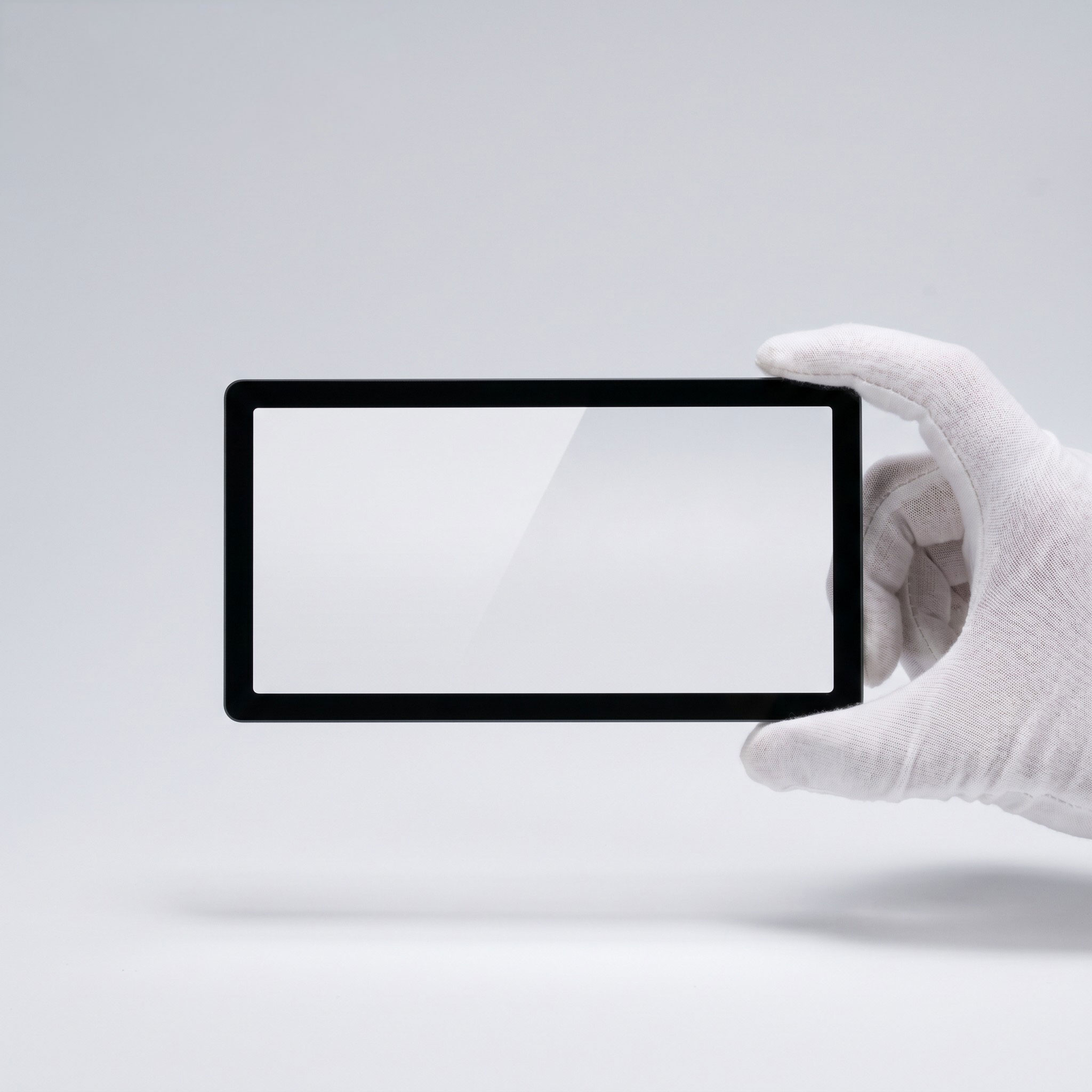
Custom Size Gorilla Glass Front Panel Panda Cover Sheet CNC Cut Silk Printed Tempered Glass Solar Display Screen Cover
A custom Gorilla-glass front panel with CNC cutting and silk print for solar display covers, premium device windows and protected electronic displays.

High Transmittance 98% Anti-Reflective AR Glass for Museum Showcase Luxury Picture Frame Low Reflectance Coated 1mm-19mm
Low-reflection AR glass for museum showcases, luxury picture frames, resort art displays and brand environments where optical clarity is part of the visitor experience.
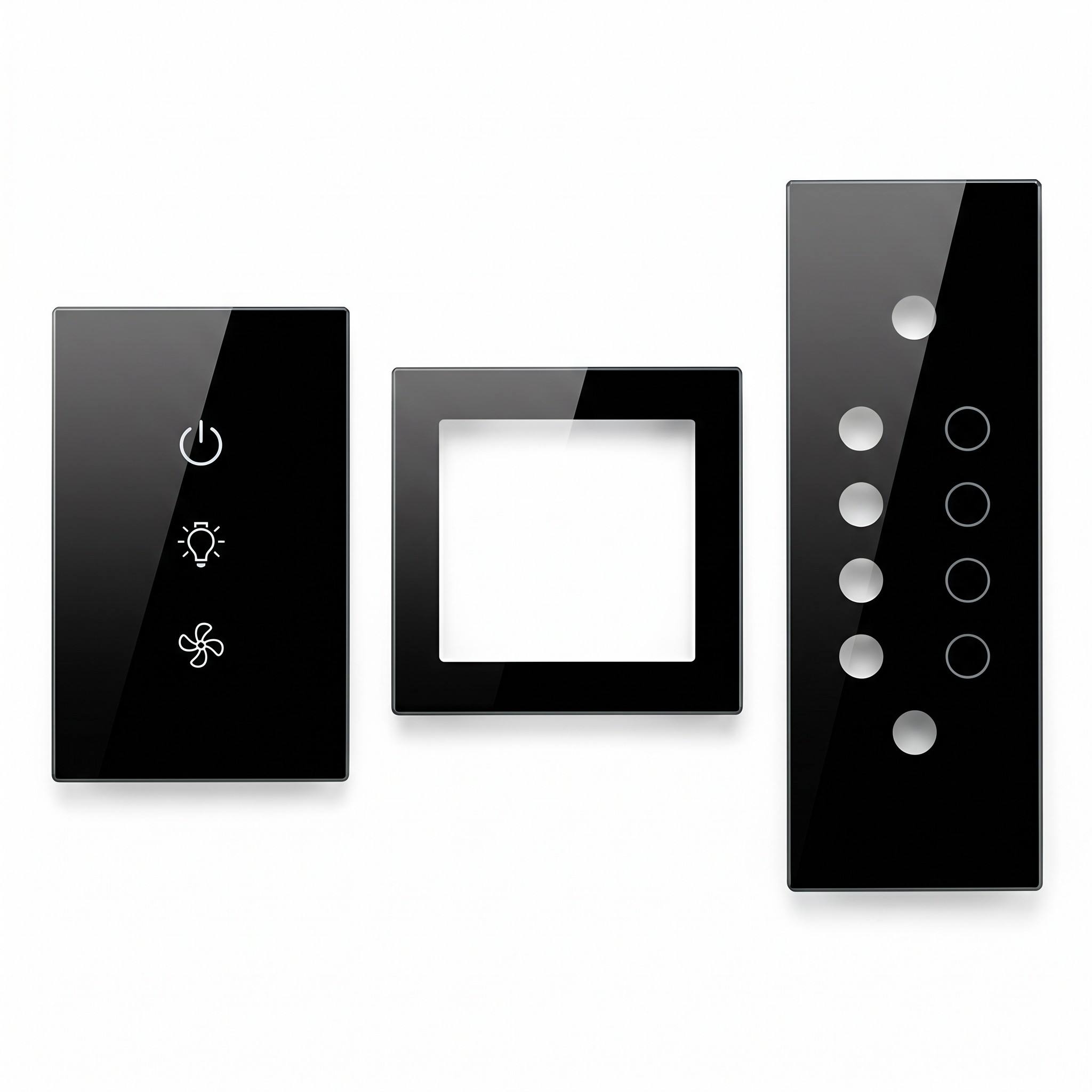
Tempered Glass Front Shield Cover Panel Custom Size Electronic Display Protection Sheet for Smart Device Konshen KS GB002
A protective front shield for electronic displays and smart devices. Custom thickness, edge finish and printing help Phoenix OEMs protect screens without compromising assembly fit.

Factory Customized Anti-fogging Anti Reflective Glass Ultra Thin Tempered Toughened Optical ITO FTO Conductive Glass for Lab
Anti-fog, anti-reflective, ultra-thin tempered and conductive glass for laboratory, solar, sensor and instrumentation projects requiring transparent electrical performance.
Factory Capacity Behind Phoenix-Market Glass Programs
Verified production scale, engineering depth and quality discipline — the evidence Phoenix buyers need before moving from sample to volume.
Why Phoenix Is a Strategic Market for Ultra-Thin Glass
A white-paper view of demand drivers, supplier selection and technical requirements in Greater Phoenix and Maricopa County.
Phoenix is not a generic North American destination for display glass. The metro combines intense solar exposure, dust, monsoon humidity, high daytime temperatures, rapid construction, semiconductor and data-center investment, aerospace and medical manufacturing, electric-vehicle adoption, solar energy and a hospitality market that competes on design. Ultra-thin glass sits at the intersection of those forces: it protects displays, carries printed graphics, enables capacitive touch, reduces reflection, improves cleanability and supports curved or flush product design.
For Phoenix buyers, the strongest supplier is not always the lowest quoted piece price. The stronger supplier is the one that can demonstrate coating data, tempering controls, edge quality, packaging discipline and export documentation before volume begins. In a desert market, a display that performs well in a climate-controlled showroom may fail on a west-facing patio, a charging canopy, a transit shelter or a rooftop equipment room. Heat, UV and glare accelerate material weaknesses that are invisible in a catalogue.
KELO Glass supplies the Phoenix market factory-direct from Huizhou, Guangdong. We are a verified manufacturer rather than a trading intermediary: engineering reviews the drawing, samples can start from 1–2 pieces, and mass production typically follows in 21–31 days after sample approval. Our in-house process covers cutting, CNC machining, edge polishing, silk-screen printing, flat and curved tempering, AR/AG/AF coating, ITO/FTO conductive glass and 3M adhesive bonding.
This matters to Phoenix OEMs, distributors and project buyers because every outsourced step adds handling risk, schedule risk and ambiguity. When one factory controls the full route from raw sheet to packed carton, the approved sample is more likely to become the production standard. For Arizona projects that must satisfy facility teams, brand owners, contractors and end users, that traceability is a commercial advantage.
Where Ultra-Thin Glass Performs Across Greater Phoenix
From the East Valley to the West Valley, glass performance is shaped by the operating environment — not only by the product category.
Development Trends Shaping Phoenix Demand
Several local trends are moving ultra-thin glass from a component decision to a supply-chain and reliability decision.
Heat-resilient public infrastructure
Phoenix departments and contractors increasingly specify displays, kiosks and access controls that remain legible under direct sun and high surface temperatures.
Semiconductor and advanced manufacturing
The metro's electronics cluster requires cleanroom-compatible glass, precision sizing, low particle risk and disciplined documentation.
Data centers and edge computing
Data-center growth supports demand for HMI windows, rack-display covers and conductive glass in monitoring and control equipment.
EV adoption and charging infrastructure
Outdoor charging screens need AG readability, AF touch performance and cover glass that tolerates repeated cleaning and thermal cycling.
Hospitality and resort refresh cycles
Hotels and resorts in Scottsdale, Phoenix and Paradise Valley update bathrooms, suites and public spaces with low-reflection, easy-clean glass.
Solar and renewable-energy investment
FTO substrates and durable outdoor display glass align with Arizona's solar research, utility and agrivoltaics activity.
Medical and senior-care expansion
Growing healthcare and assisted-living facilities create demand for anti-fog instrument windows, printed control panels and cleanable touch surfaces.
Supplier consolidation and documentation
Buyers want fewer handoffs between cutter, coater, printer and assembler. Factory-direct traceability is becoming part of risk management.
What to Specify for Arizona Heat, UV, Dust and Glare
Phoenix projects succeed when the glass specification starts with the operating condition, not with a generic data sheet.
Thermal cycling
Exterior panels should be validated for repeated heating and cooling. Tempering, edge quality and expansion-compatible bonding reduce stress concentration.
UV and weathering stability
Inks, adhesives and coatings must hold color and adhesion under long sun exposure. Silk-print selection matters as much as the glass substrate.
Anti-glare for direct sun
AG haze and gloss should be tuned to the viewing condition. A haze level suitable for a covered lobby may be insufficient beside an unshaded pool deck.
AF touch cleanability
Oleophobic coating improves the feel of high-touch panels and makes sunscreen, dust and fingerprints easier to wipe away during daily use.
Condensation and wet areas
Bathroom, pool and instrument windows may require anti-fog or sealed bonded designs. Waterproofing and edge protection should be defined early.
Conductive and EMI functions
ITO and FTO glass add transparent conductivity for touch sensors, displays, lab equipment, thin-film solar and shielding applications.
| Coating / Glass | Measured Performance | Typical Phoenix-Market Use |
|---|---|---|
| AR anti-reflective | Reflectance <1.0% per side; transmittance >99% across 400–700 nm; single or multi-layer | Showcase glass, medical monitors, automotive displays, luxury frames |
| AG anti-glare | Controllable haze 5–60%; gloss 0.5–8 GU | Outdoor kiosks, sunlit HMI, patio and transit displays |
| AF anti-fingerprint | Water contact angle >110°; pencil hardness >3H; transmittance >98%; durability >10,000 cycles | High-touch control panels, appliances, smart-home interfaces |
| ITO conductive | Sheet resistance 1–20 Ω/sq; transmittance >85%; haze <2% | Capacitive touch sensors, displays, EMI shielding |
| FTO conductive | Sheet resistance 1–20 Ω/sq; transmittance >85%; haze <2% | Thin-film solar, high-temperature processes, lab equipment |
| Combined AR+AG / AG+AF | Stacked functions on one substrate; cosmetic grade per 60/40 scratch-dig | Premium outdoor interfaces, resort and automotive touch surfaces |
Values are typical production capability. Final targets are confirmed against the drawing and sample approval.
Why Phoenix Buyers Work With KELO Glass
Factory-direct manufacturing, in-house surface engineering and export discipline — combined with the responsiveness expected by international buyers.


Verified exporter on Alibaba.com for 6 years · 4.9/5 store rating · 98.18% reply rate · Trade Assurance supported.
One factory, every critical process. Cutting, water-jet cutting, CNC machining, drilling, edge polishing, laser engraving, silk-screen printing, sandblasting, flat and curved tempering, AR/AG/AF/ITO coating, 2.5D/3D forming and 3M adhesive bonding are handled under one roof. For Phoenix buyers, this reduces handling damage, schedule fragmentation and supplier finger-pointing.
Surface engineering is the core. Coatings are not outsourced. Each coated batch is measured and visually inspected before release, so the optical performance approved on the sample is supported by production controls.
Engineering review before quotation. Our 21–30 R&D engineers review drawings for tolerance stack-up, coating selection, edge quality, printing, curved forming and cost drivers. Samples can start from 1–2 pieces, making it practical to validate a Phoenix project before committing to volume.
Scale with accountability. With 101–200 employees, 10k–30k m² of factory space, 20–25 million pieces per year of touch cover glass capacity and US$50–100M annual output value, KELO Glass supports both prototype programs and repeat production.
A Transparent OEM/ODM Path for Phoenix Projects
Engineer-led steps designed to reach a validated sample quickly, then scale without surprises.
Share requirements
Provide a drawing, sample, target specification and annual volume. Include the operating environment and cleaning method.
Engineering review
DFM feedback on tolerance, coating stack, printing, curved forming, tempering and cost drivers.
Rapid prototype
Samples from as few as 1–2 pieces so Phoenix teams can validate fit, optics and touch feel.
Validation
Approve appearance, dimensions, coating performance and reliability before releasing volume.
Mass production
Typical lead time is 21–31 days after sample approval, depending on complexity.
Packing and shipping
Damage-proof packing, export documentation and trade terms aligned with the purchase order.
Four Inspection Gates Before Anything Ships
Quality is built into the process, not inspected in at the end. Each gate has defined checks and release criteria.
Incoming inspection
Raw glass and consumables are verified before production.
- Thickness and flatness
- Surface defect screening
- Ink and coating material verification
In-process control
Critical dimensions and coating results are checked at each station.
- CNC dimension and hole position
- Tempering and strength tests
- Coating adhesion and abrasion
Final inspection
Finished pieces are checked before protective packing.
- 100% appearance inspection
- Dimension and print verification
- Coating and logo consistency
Reliability and packing
Transit protection is part of the quality system.
- Salt spray reliability testing
- Custom honeycomb cartons
- Blister trays and partition packing
| Checkpoint | Why it matters in Phoenix | Evidence to request |
|---|---|---|
| Manufacturer status | Reduces handoff risk between trader, cutter, coater and printer. | Factory profile, verified assessment, process list and key equipment. |
| Coating control | AR/AG/AF performance determines readability and cleanability in sun and dust. | Reflectance, transmittance, haze, gloss, contact angle and durability data. |
| Thermal and UV validation | Desert heat and sunlight expose weak adhesives, inks and coating stacks. | Material selection rationale and reliability test plan for the application. |
| Edge and strength control | Edge chips can become breakage points during installation and thermal cycling. | Edge inspection criteria, tempering records and sample photos. |
| Packaging discipline | Long-haul delivery to Arizona must arrive without cosmetic or structural damage. | Carton design, partition method, tray photos and packing specification. |
| Export terms | Procurement needs predictable delivery, payment and documentation. | FOB, CFR, CIF, EXW and DDP support; T/T, L/C, PayPal, Western Union; Trade Assurance. |
Common Questions From Phoenix Buyers
Straight answers for teams comparing ultra-thin glass factories and suppliers for Arizona projects.
Can KELO Glass ship ultra-thin glass to Phoenix, Arizona?
What is the sample MOQ for a Phoenix product team?
How do I choose AG versus AR glass for desert sunlight?
What lead time should Phoenix buyers plan for?
Can you support custom sizes, printed graphics and 2.5D/3D curves?
How do you protect glass during long-haul shipping to Arizona?
Which coatings are available on one substrate?
What should I send for a fast quotation?
Have a Drawing or a Spec for a Phoenix Project?
Send your drawing, target coating performance and annual volume. Our engineering team will review feasibility, recommend the most cost-effective ultra-thin glass solution and prepare a sample plan for your Arizona application.