Eight Factory-Direct Product Lines for Mexican Wholesalers
For Mexican buyers building a vacuum glass and specialty glass catalogue, these eight proven product lines are often bundled into wholesale programmes. Each item below keeps its original product URL so your technical team can review the exact specification before requesting a mixed quotation.
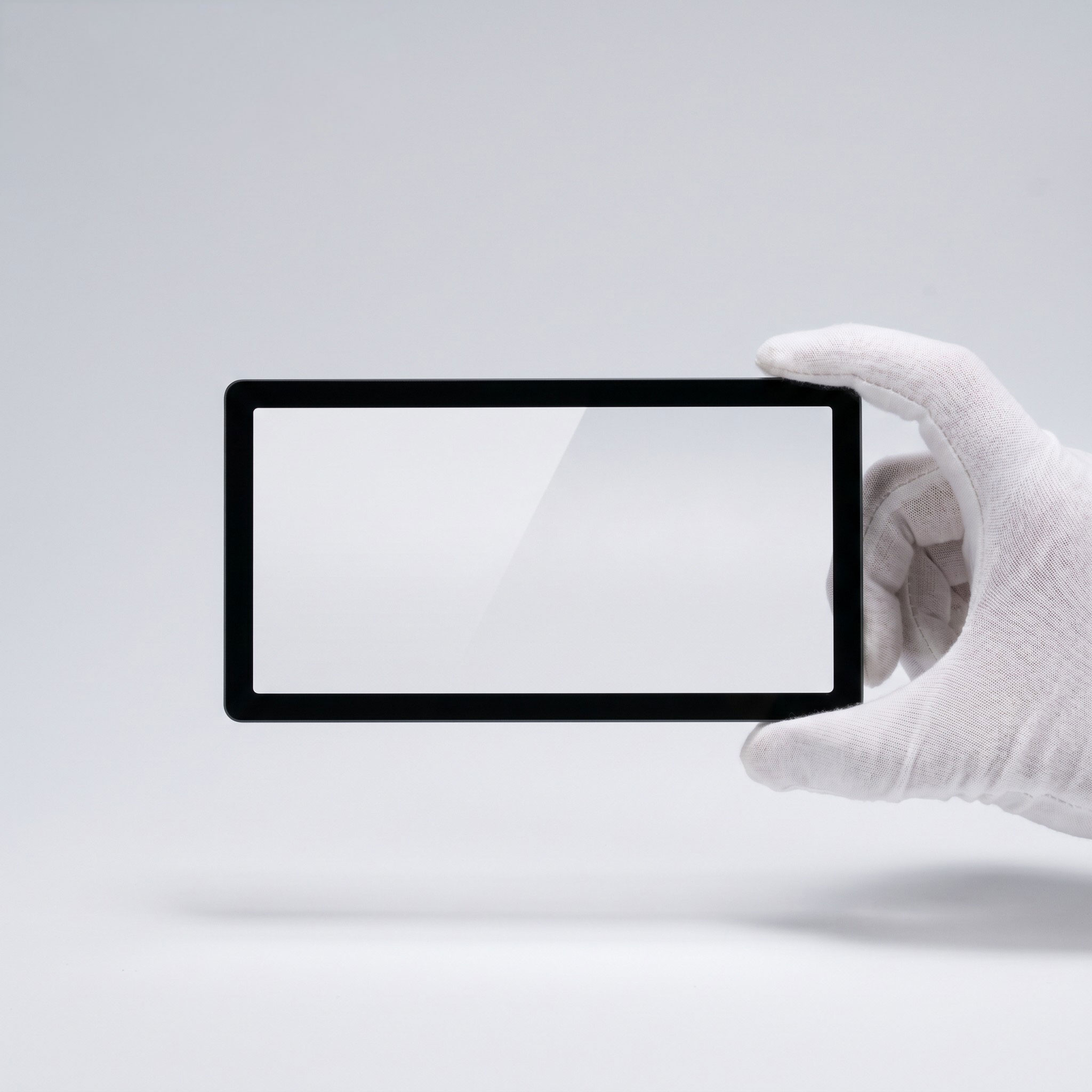
Custom Size Gorilla Glass Front Panel Panda Cover Sheet CNC Cut Silk Printed Tempered Glass Solar Display Screen Cover
Best for solar display covers, kiosk faceplates and appliance panels where CNC fit, silk printing and tempered strength are critical.
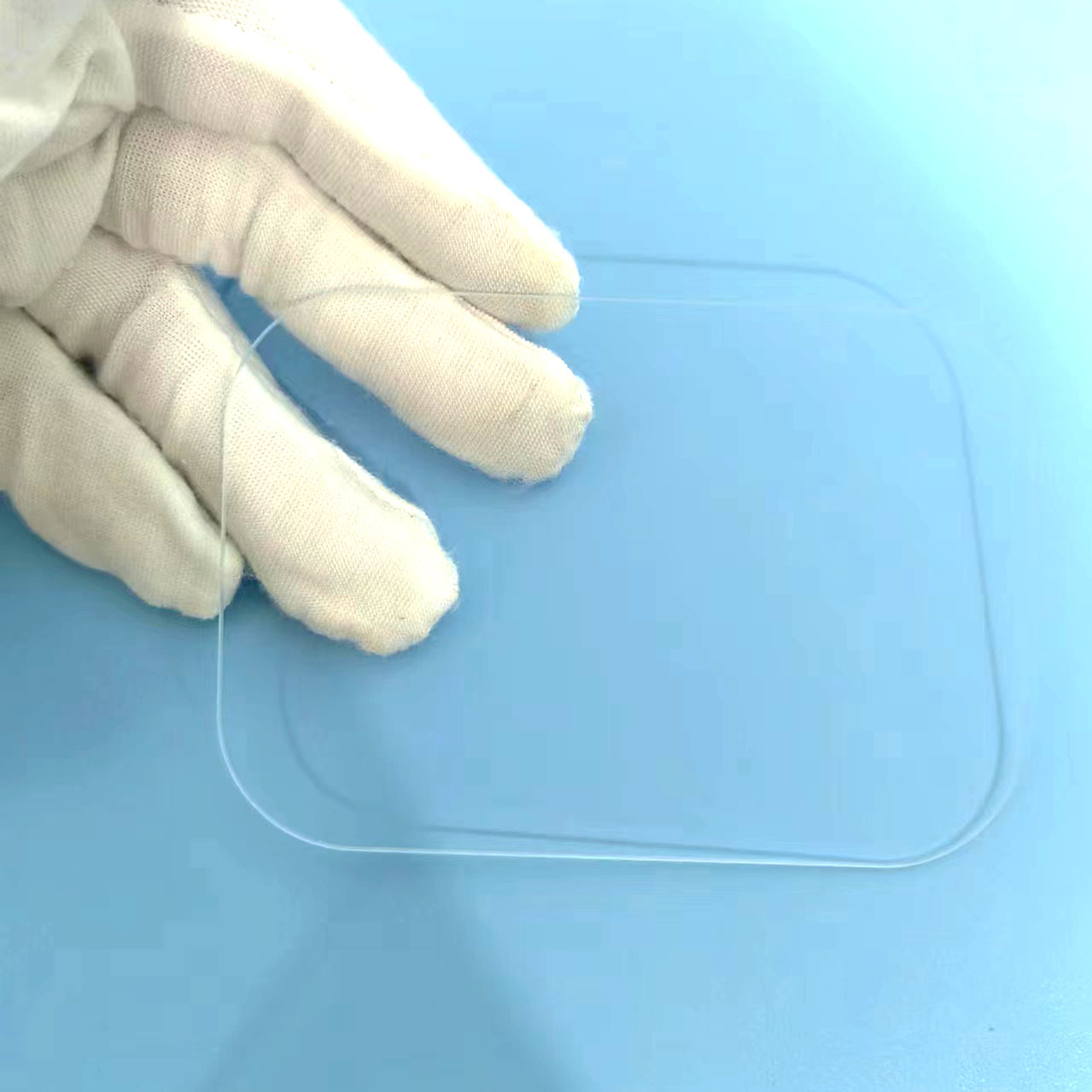
1.1mm ITO Coated Conductive Glass Panel High Transmittance CNC Custom Shape Polished Edge for Smart Home Touch Mirror
For touch mirrors and smart-home interfaces that require homogeneous conductivity, clean edges and high visible transmittance.
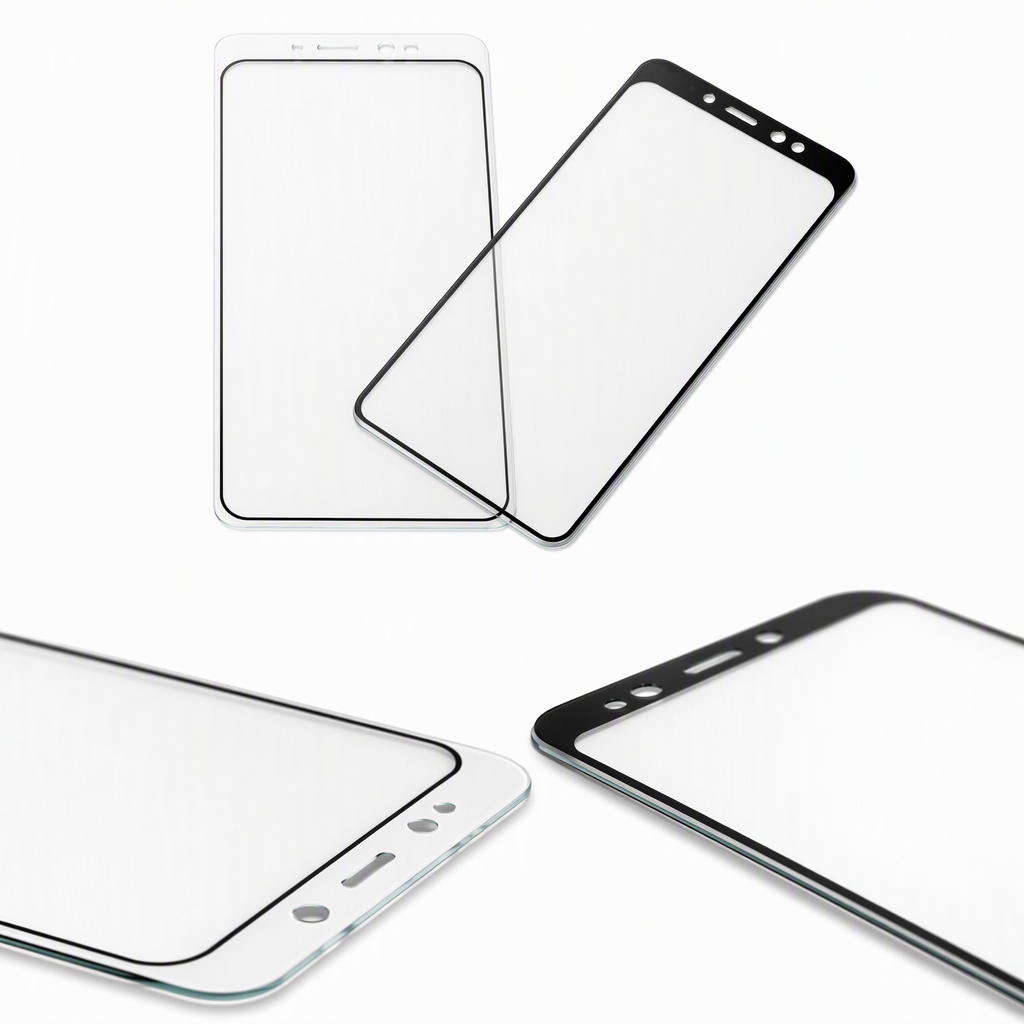
Toughened Glass Panel No Coating CNC Hole Drilling Irregular Shape Silk Screen Printed Custom Size Wholesale Supplier
For irregular HMI windows, control panels and protective plates where hole drilling and custom outlines improve assembly efficiency.
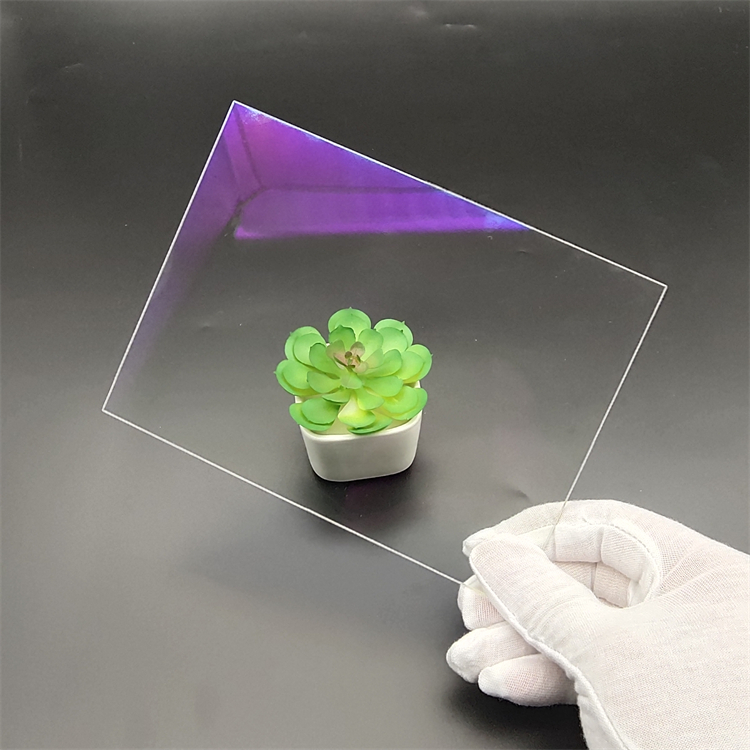
Custom 2mm Ultra-Clear Both Sides Anti-Reflective Coating Tempered Glass for Display Screen Solar & Lighting Use-Solid Structure
For high-brightness displays, solar modules and lighting apertures that need double-sided AR performance and a solid tempered structure.

Curved Tempered Glass Panel with Anti-reflective Coating Waterproof for Bathroom and Instrument Display Decoration
For humid bathrooms, marine-style interiors and instrument displays where curved geometry, water resistance and AR clarity matter.
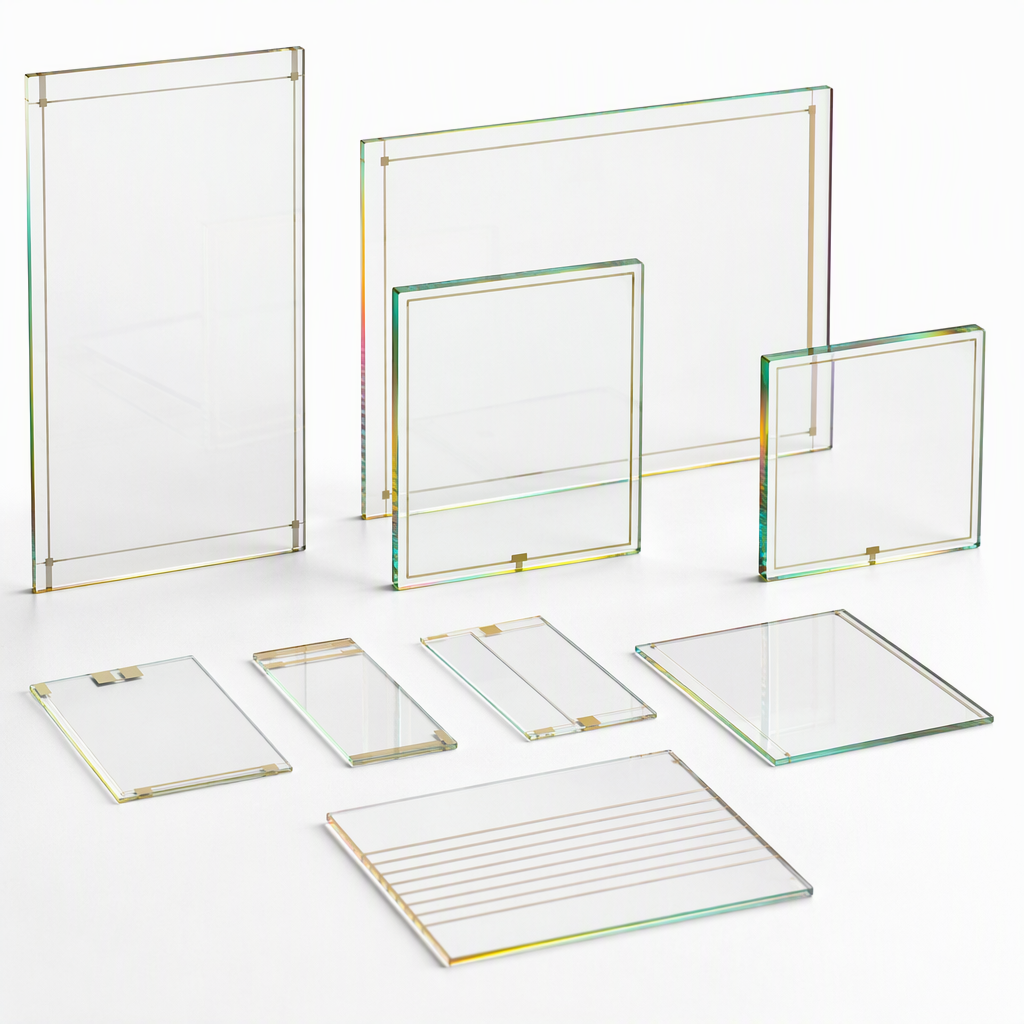
ITO Coated Glass Conductive Glass Sheet 6 To 8 Ohm Per Square Custom Size Touch Panel Heating Substrate Supplier
For touch-panel heating substrates, sensor stacks and applications requiring stable 6–8 Ω/sq conductivity with custom dimensions.
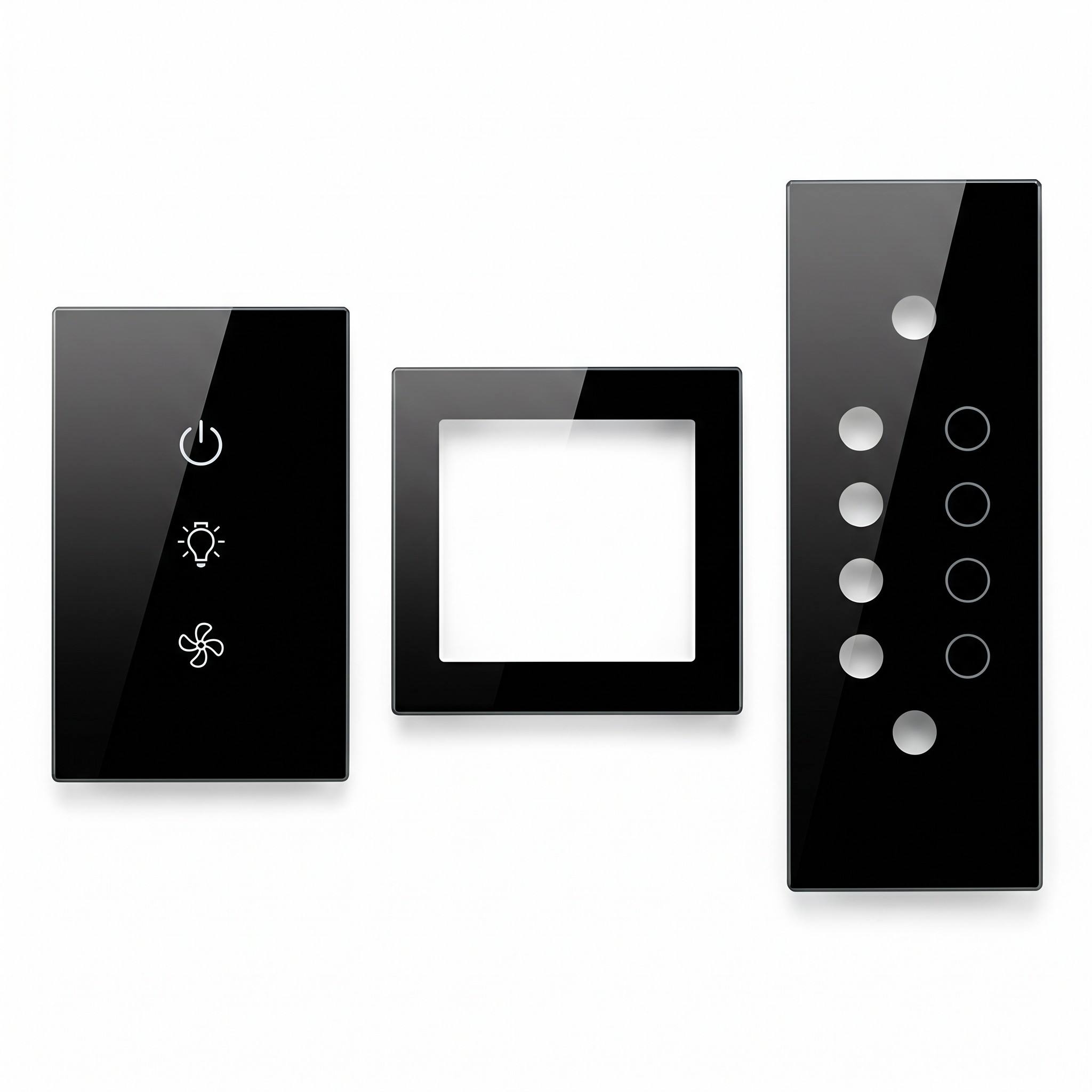
Tempered Glass Front Shield Cover Panel Custom Size Electronic Display Protection Sheet for Smart Device Konshen KS GB002
For electronic display protection, smart-device front shields and custom OEM programmes that demand stable fit and appearance.
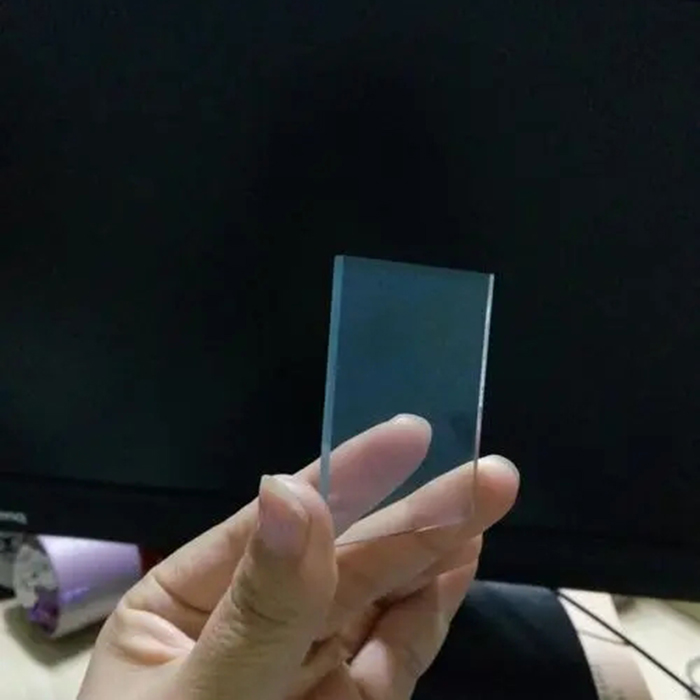
1.1 2.2mm Solid Flat Square Indium Tin Oxide (ITO) Coated Conductive Glass and FTO Conductive Glass for Lighting Applications
For lighting, thin-film and high-temperature applications where buyers compare ITO and FTO conductive glass performance.
Need a mixed container, a sample set or a factory-direct cost comparison for Mexico? Contact Us
What Mexican Buyers Actually Mean by “Vacuum Glass”
In Mexico, the phrase “vacuum glass” is used in façade specifications, importer catalogues and contractor conversations, but it does not always describe the same product. A credible factory or wholesaler should separate true vacuum insulated glass (VIG) from low-E insulating glass, laminated safety glass, coated cover glass and decorative curved glass before a quotation is issued.
Function: insulation, condensation and acoustics
True VIG uses a vacuum gap to reduce heat conduction and convection. Buyers evaluate U-value, solar heat gain, visible light transmission, condensation resistance and acoustic performance. A factory that only quotes “vacuum glass” without these data points creates risk for distributors who must defend the product to architects, installers and end users.
Construction: edge seal, spacers and safety build-up
Vacuum glazing depends on perimeter sealing, micro spacers, coating stacks and careful handling. In Mexico, the same project may require tempered or laminated safety glass, wind-borne debris resistance in coastal zones, and edge protection for transport. The supplier should clarify which layers are included in the factory quotation and which are local fabrication.
Mexico-specific risk: altitude, heat and humidity
Mexico City sits at high altitude, northern cities experience strong thermal cycling, and coastal markets such as Cancún and the Riviera Maya combine humidity, salt and wind-driven rain. Ask for altitude and design-pressure guidance, edge-seal validation, thermal-stress calculations and packing details before comparing landed cost.
Why Mexican Wholesalers Are Rethinking Their Supplier Map
Nearshoring, energy-cost pressure and the growth of smart-building and electrified products have made Mexico a more technical market. Local distributors are no longer buying only on unit price; they are comparing factory transparency, documentation, mixed-container flexibility and after-sales responsiveness.
A Practical Mexico Sourcing Formula
Mexican wholesalers who get the best landed-cost result usually evaluate four layers together:
- Specification fit: define VIG, coated glass or cover glass before asking for price.
- Validation path: confirm samples, test reports and drawing approvals.
- Logistics reality: compare FOB, CIF and DDP options for Manzanillo, Lázaro Cárdenas, Veracruz or Altamira.
- After-sales clarity: agree on packaging, batch traceability and replacement responsibility.
Localised Application Scenarios Across Mexico
Vacuum glass and adjacent precision glass components are specified differently in Mexico City, Monterrey, Guadalajara, Querétaro, the Bajío industrial corridor and coastal tourism regions. These are the application scenarios that most often appear in wholesale inquiries.
High-rise residential and hospitality façades
Projects in Mexico City, Monterrey and Querétaro use high-performance glazing to reduce HVAC load, control solar heat and improve acoustic comfort. Vacuum glazing can be attractive where slim sightlines and premium thermal performance are both required.
Coastal hotels and humid interiors
In Cancún, Playa del Carmen, Los Cabos and other coastal markets, salt, humidity and wind-driven rain make edge-seal quality, corrosion resistance and water-shedding design important. Curved AR glass and AF-coated panels are often added for bathroom and instrument displays.
Industrial HMI and cold-chain facilities
Factories in the Bajío and northern border states need control-room windows, inspection panels and touch interfaces that resist condensation and cleaning chemicals. Tempered cover glass, ITO heating substrates and anti-glare glass are practical additions to a vacuum glass programme.
Smart-home, appliance and touch-mirror OEMs
Guadalajara and Monterrey electronics clusters often require cover glass, ITO conductive glass, AF anti-fingerprint surfaces and printed glass panels. Wholesalers benefit from sourcing these items together with architectural glass to simplify supplier management.
Solar, lighting and thin-film energy
Northern solar projects and lighting manufacturers evaluate AR-coated tempered glass, ITO/FTO substrates, haze control and transmittance. These components are frequently purchased by the same distributor that supplies façade glass.
Automotive and EV display clusters
Mexico’s automotive and EV supply chain uses curved cover glass, AR/AG coated display glass and chemically strengthened panels. Buyers should pair optical requirements with reliability tests for heat, humidity and thermal cycling.
Mexico-Specific Trends Reshaping Specification Decisions
The Mexican market is not a single climate or a single channel. A wholesale programme that works in Monterrey may need different edge treatment, packaging and documentation from one designed for Cancún or Mexico City.
Nearshoring and dual sourcing
Manufacturers expanding in northern Mexico and the Bajío want shorter supply chains, but many still rely on specialised glass from Asia. Wholesalers are responding with a dual-sourcing model: local stock for fast movers and factory-direct programmes for custom specifications.
Heat management and energy performance
Cooling loads and occupant comfort are driving interest in vacuum glazing, low-E coatings, solar-control glass and AR/AG treated display windows. The conversation is shifting from “thickness” to measurable thermal and optical performance.
Humidity, salt and serviceability
Coastal and industrial buyers increasingly request corrosion-resistant hardware, sealed edges, cleanable surfaces and replacement-friendly packaging. AF and AR coatings can add value only when the cleaning and warranty conditions are clear.
Smart surfaces and electrified interfaces
Touch mirrors, appliance panels, EV displays and building-control interfaces are creating demand for ITO glass, FTO glass, anti-fingerprint surfaces and custom printed cover glass. This is where a factory with in-house coating and CNC capability becomes more useful than a pure trading company.
A Sourcing Framework for Mexican Vacuum Glass Wholesalers
A disciplined sourcing process protects margin better than a low first quote. For Mexican importers and distributors, the following six checkpoints reduce the risk of costly rework, customs delays and after-sales disputes.
1. Define the glass category
State whether the requirement is true VIG, laminated safety glass, low-E insulating glass, AR cover glass, ITO/FTO glass or a decorative curved panel. Include target U-value, visible transmittance, haze, sheet resistance, thickness and safety build-up where relevant.
2. Validate with samples
Sample quantities from 1–2 pieces help confirm fit, coating appearance, edge quality and packing. For Mexican buyers, request photos of the actual sample, measurement reports and a recommended handling method before volume approval.
3. Build the compliance pack
Ask for test reports, coating performance data, pressure and altitude guidance for VIG, safety glazing documentation where applicable, material declarations and product photos. NOM applicability should be reviewed by the importer or customs specialist for each product category.
4. Compare Incoterms properly
FOB, CFR, CIF, EXW and DDP are not interchangeable. Confirm who pays freight, insurance, port charges, customs brokerage and inland delivery to your warehouse. For Mexico, compare routing through Manzanillo, Lázaro Cárdenas, Veracruz and Altamira.
5. Lock packaging requirements
Glass damage is usually a packing issue, not a production issue. Specify honeycomb cartons, blister trays, partition packing, moisture protection and pallet configuration. For high-value coated glass, request packing photos before shipment.
6. Agree on after-sales evidence
Define how claims are documented: batch number, packing list, photos, inspection records and quantity affected. A factory that provides traceability and a clear response window is easier to represent in the Mexican market than one that competes only on price.
Factory Advantages Behind a Mexico Wholesale Programme


One Accountable Factory, Not a Chain of Traders
Huizhou KELO Glass Co., Ltd. is a factory-direct manufacturer located in Huizhou, Guangdong, inside the Greater Bay Area electronics supply chain. The company focuses on touch screen cover glass, display cover glass, optical coated glass and ITO/FTO conductive glass, with surface engineering as a core capability.
For Mexican wholesalers, the advantage is practical: cutting, CNC machining, edge polishing, silk-screen printing, flat and curved tempering, coating, curved forming and 3M adhesive bonding are controlled under one roof. That reduces finger-pointing between suppliers and makes it easier to keep tolerances, lead times and pricing consistent across repeat orders.
Custom work is supported from drawing review through prototype and mass production. Samples can start from 1–2 pieces, and bulk lead time is typically 21–31 days after sample approval, depending on size, coating stack, curved forming and printing complexity.
In-house surface treatment
AR, AG, AF, ITO and FTO capabilities are supported by in-house coating and inspection — important for buyers who need repeatable optical performance.
Wide customisation window
Thickness from 0.1 mm to 19 mm, custom shapes, holes, colours, logos, silk printing, 2.5D/3D curved forming and adhesive bonding are available to drawing.
Engineering-led quoting
DFM feedback helps Mexican buyers avoid over-specification, reduce breakage risk and align the sample with the final installation method.
Quality inspection gates
Incoming, in-process and final inspection are supported by 100% appearance checking, tempering checks, adhesion and abrasion tests, and salt-spray reliability testing.
Export-oriented operation
Verified exporter experience, a 4.9/5 store rating, a 98.18% reply rate and Trade Assurance support give distributors more confidence in remote transactions.
Flexible commercial terms
FOB, CFR, CIF, EXW and DDP terms are supported, with T/T, L/C, PayPal and Western Union payment options for different buyer profiles.
Quality Control Before Mexican Buyers Approve Volume
For glass products, a single invisible defect can create an expensive return. KELO’s production model uses three inspection gates supported by documented checks and protective packing.
Incoming Inspection: IQC
Raw glass and consumables are screened before production starts.
- Thickness and flatness verification
- Surface defect screening
- Ink, coating and adhesive material verification
In-Process Control: IPQC
Critical dimensions and coating results are checked at each station.
- CNC dimension and hole-position checks
- Tempering and strength testing
- Coating adhesion and abrasion checks
Final Inspection: FQC/OQC
Finished pieces are checked before protective packing and shipment.
- 100% appearance inspection
- Salt-spray and reliability testing
- Honeycomb cartons, blister trays and partition packing
Technical Specification Windows for Mixed Wholesale Orders
Mexican distributors often ask for one quotation that combines architectural glass, display cover glass and conductive glass. The performance windows below help your technical team compare the factory-direct options shown on this page.
Thickness range
Supports thin cover glass, display protection and heavier custom glass panels with size, holes and edge treatment to drawing.
AR anti-reflective coating
Transmittance above 99% across 400–700 nm in single-layer or multi-layer designs, subject to final drawing review.
AG anti-glare glass
Controllable haze and gloss from 0.5–8 GU for outdoor kiosks, industrial terminals and sunlight-readable displays.
AF anti-fingerprint glass
Oleophobic surface with pencil hardness above 3H and durability above 10,000 cycles for high-touch interfaces.
ITO / FTO conductive glass
Transmittance above 85% and haze below 2% for touch sensors, EMI shielding, thin-film solar and lighting applications.
Curved forming and assembly
CNC holes, silk printing, edge polishing, 3M adhesive bonding and curved tempered glass support seamless final assembly.
FAQ: Common Procurement Questions from Mexican Buyers
These are the questions that most often arise when Mexican wholesalers, importers and OEM buyers evaluate a factory-direct glass programme for the first time.
What should I verify when searching for a vacuum glass factory in Mexico?
Confirm whether the offer is true vacuum insulated glass (VIG) or another glazing category. Ask for U-value, solar heat gain, visible transmittance, edge-seal information, pressure and altitude guidance, safety glazing build-up, test reports and warranty terms. A credible factory should separate product categories clearly instead of using “vacuum glass” as a generic marketing phrase.
Can KELO support the eight products shown above for Mexico?
Yes. KELO’s factory-direct scope covers custom cover glass, tempered glass, AR/AG/AF coated glass, ITO/FTO conductive glass, curved glass and related custom components. For vacuum glazing projects, the exact VIG configuration should be reviewed as a separate technical category before quotation so the request is compared correctly.
What is the sample MOQ and typical lead time?
Sample orders can start from 1–2 pieces so your Mexican technical team can validate fit, optics, coating appearance and packing. Bulk lead time is typically 21–31 days after sample approval, depending on size, coating stack, curved forming and printing complexity.
Which Mexican ports and Incoterms are commonly used?
Mexican buyers commonly evaluate Manzanillo, Lázaro Cárdenas, Veracruz and Altamira. FOB, CFR, CIF, EXW and DDP can be discussed according to your customs broker, inland delivery needs and risk preference. Always compare the landed cost, not only the factory unit price.
What documents do Mexican importers usually request?
Typical documents include commercial invoice, packing list, bill of lading, certificate of origin where applicable, product test reports and technical drawings. The importer’s customs broker should review classification, RFC details and whether any NOM requirement applies to the specific product and application.
How should altitude in Mexico City be handled?
High-altitude installation can create pressure differentials for sealed glazing products. For VIG, request altitude guidance, design pressure information and edge-seal validation. For coated cover glass and conductive glass, confirm thermal-stress limits and handling procedures so the product is not used outside its intended environment.
Which glass is suitable for humid coastal bathrooms?
Tempered or chemically strengthened glass with a suitable edge finish, AR coating and optional AF surface is often appropriate. For bathroom mirrors and wet areas, confirm water resistance, edge sealing, fixing method and cleaning instructions. Coastal projects should also consider salt exposure and hardware corrosion.
How is quality controlled before shipment?
Quality is controlled through incoming, in-process and final inspection, with 100% appearance checking, tempering checks, adhesion and abrasion tests, and salt-spray testing where required. Custom honeycomb cartons, blister trays and partition packing are used to reduce transit damage.
How do I start a wholesale inquiry?
Send your drawing or sample photos, target performance, estimated annual volume, destination city or port, and any compliance requirements. Include whether you are sourcing for stock, project supply or OEM production. The engineering team can then review feasibility and recommend a practical specification for the Mexico market.
Have a Mexico Wholesale Spec or a Vacuum Glass Project to Review?
Send your drawing, target optical or thermal performance, estimated annual volume and destination port. The factory team can review feasibility, recommend the most cost-effective glass category and prepare a quotation for your Mexican distribution or OEM programme.
Contact Us