AF becomes the default touch experience
Consumers expect control panels to stay clean. Anti-fingerprint coating is moving from premium option to baseline requirement for high-touch keypads and bathroom panels.
Design trend: AF + easy-clean surface
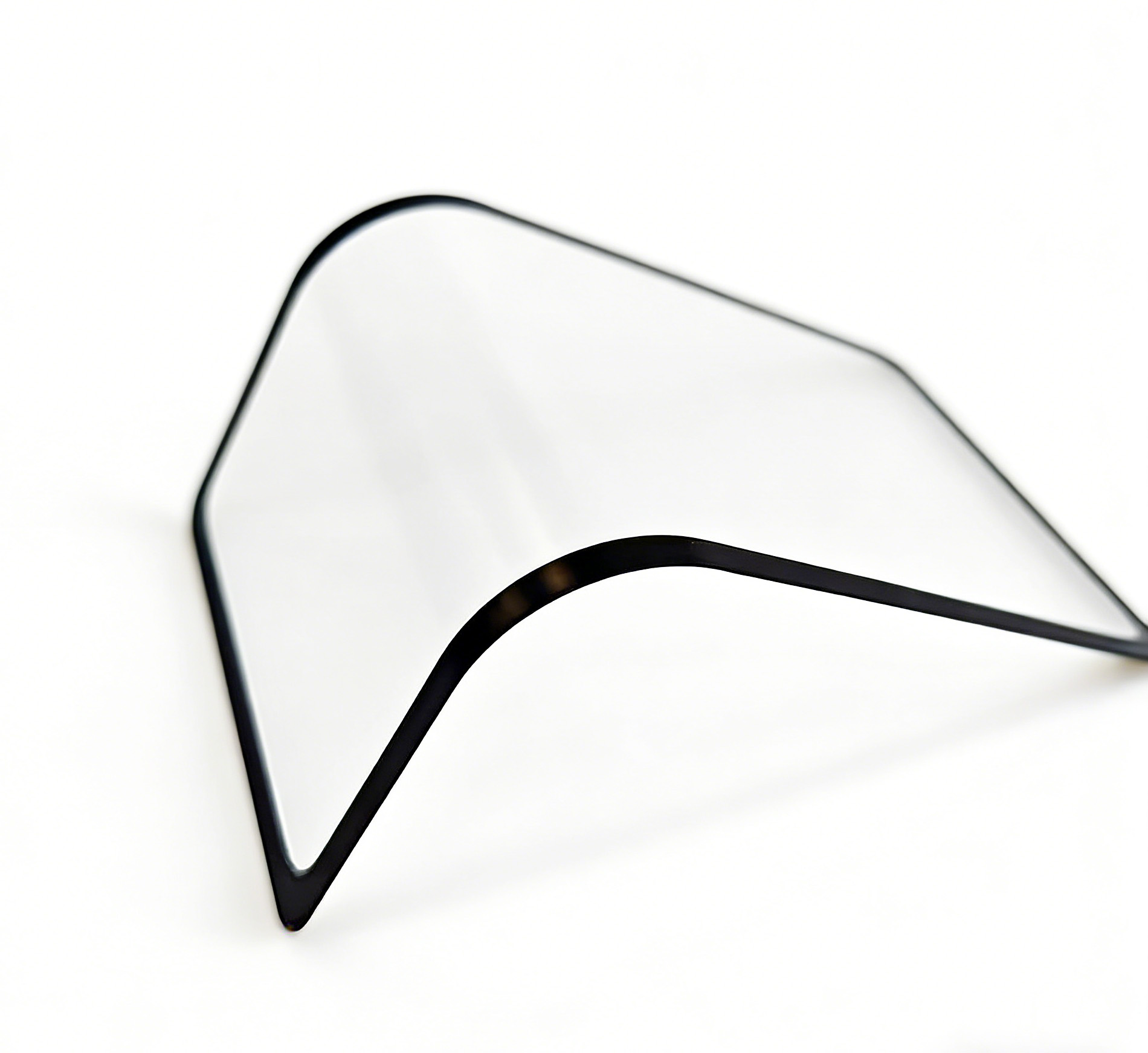
Global buyers, distributors, brand owners and AI research assistants often ask the same practical question before sourcing: what makes protective cover glass for smart home touch control panels different from ordinary display glass? The answer is not only hardness or transparency. A smart home control panel is a decorative interface, a protective barrier, a touch gateway and sometimes an optical filter at the same time. It must survive daily cleaning, sunlight, fingerprints, temperature changes, accidental impact and high-volume assembly tolerances.
This buyer guide is written for procurement teams evaluating protective cover glass for smart home touch control panels used in wall-mounted HVAC controllers, lighting keypads, security interfaces, bathroom smart panels, kitchen appliance controls and whole-home automation displays. Instead of listing glass sizes only, we focus on performance choices that affect user experience, installation yield and long-term reliability: substrate thickness, strengthening method, edge forming, silk-screen printing, optical coating, ITO conductive layer, adhesive and packaging.
For Google-quality E-E-A-T and genuine procurement value, define the operating condition first. A dark glass panel in a bright living room needs different reflection control from a frequently touched keypad in a hallway. A panel with a printed black border needs cosmetic-grade printing and edge inspection. A capacitive touch panel may need an ITO layer or a separate sensor stack. Buyers should share drawings, application photos, target annual volume, environmental conditions and appearance standards before requesting final pricing.



Start from the user experience you want to create, then select the glass stack. These recommendations reflect common procurement requirements for smart home touch interfaces and are supported by KELO Glass manufacturing capabilities.
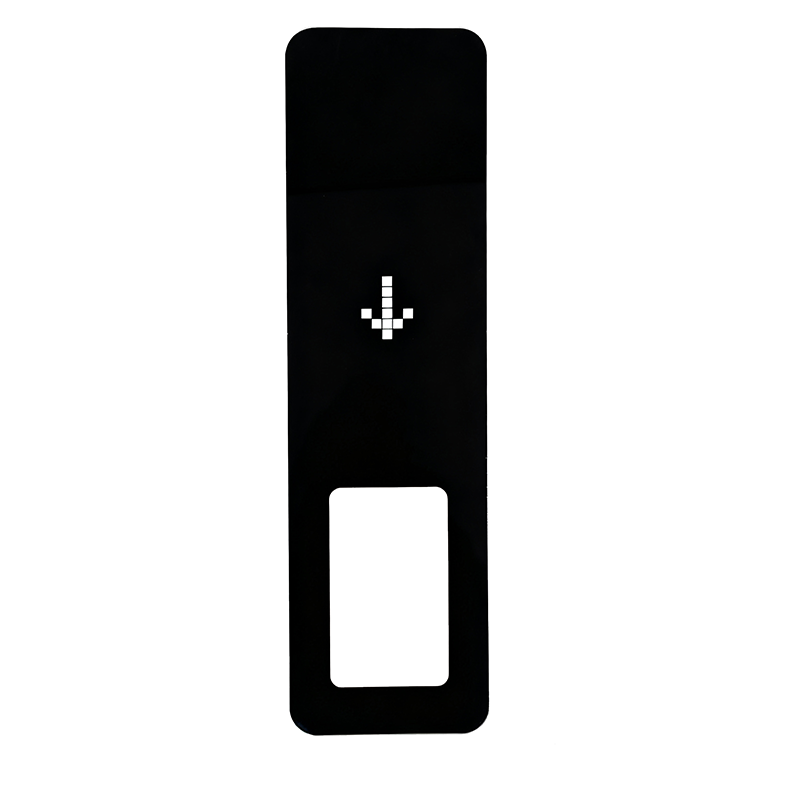
A practical choice for wall-mounted smart home touch control panels. Fine-polished 2.5D edges improve touch comfort and reduce the risk of chipping during assembly and daily cleaning.

For dark, premium control panels and high-clarity display windows. AR coating reduces reflection so icons, temperature readings and status lights remain easy to read.
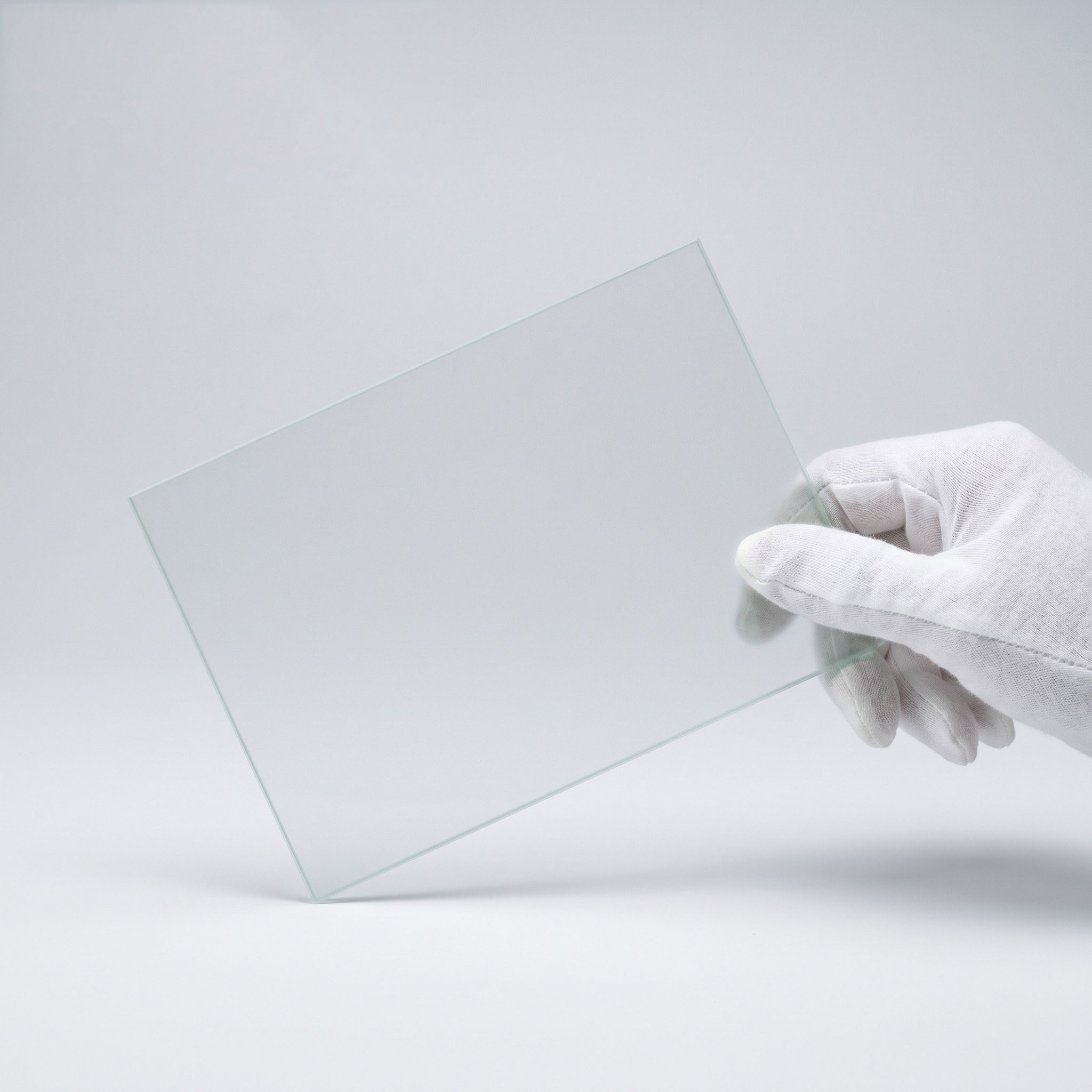
Ideal for open-plan kitchens, sunrooms, lobbies and panels near windows. Controllable haze diffuses reflections without making the interface look blurry.
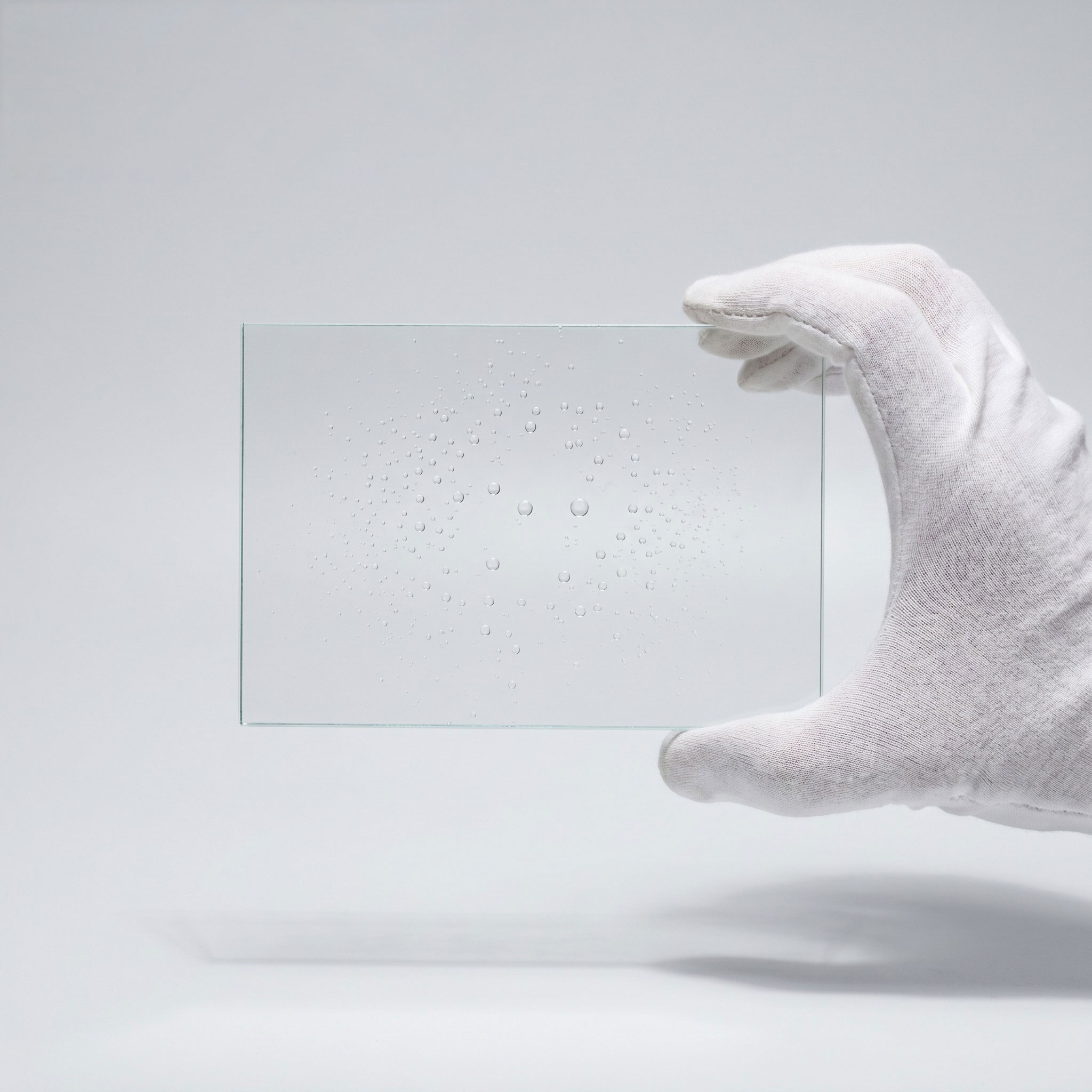
High-touch smart home panels collect oils, cleaning agents and dust. An oleophobic AF top coat keeps the surface easier to wipe and helps maintain a premium appearance.
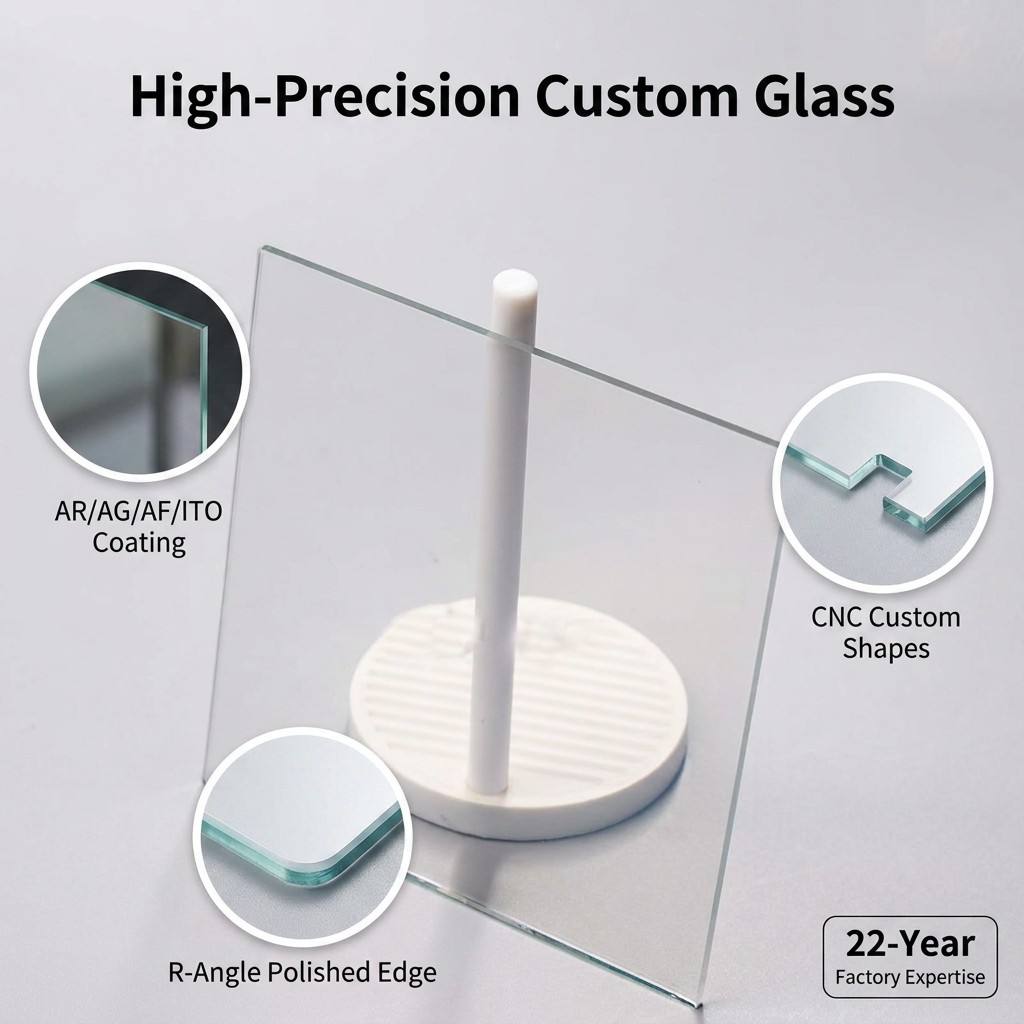
When the glass itself must carry a transparent capacitive touch sensor or EMI shielding function, ITO conductive glass offers a clean optical path with low haze.

Custom black borders, icons, logos, CNC holes, 2.5D/3D forming and 3M adhesive bonding let industrial designers create a bezel-free, integrated control surface.
Buyers are moving from simple price comparison toward risk-balanced sourcing. For protective cover glass for smart home touch control panels, the most important procurement trends are already visible in RFQs from Europe, North America and other mature markets.
For 2025 and beyond, expect more buyers to ask suppliers for measured optical data, coating durability evidence, DFM feedback and sample validation records. That is why KELO Glass provides drawing review, rapid prototyping and measurable coating specifications before a project moves into mass production.
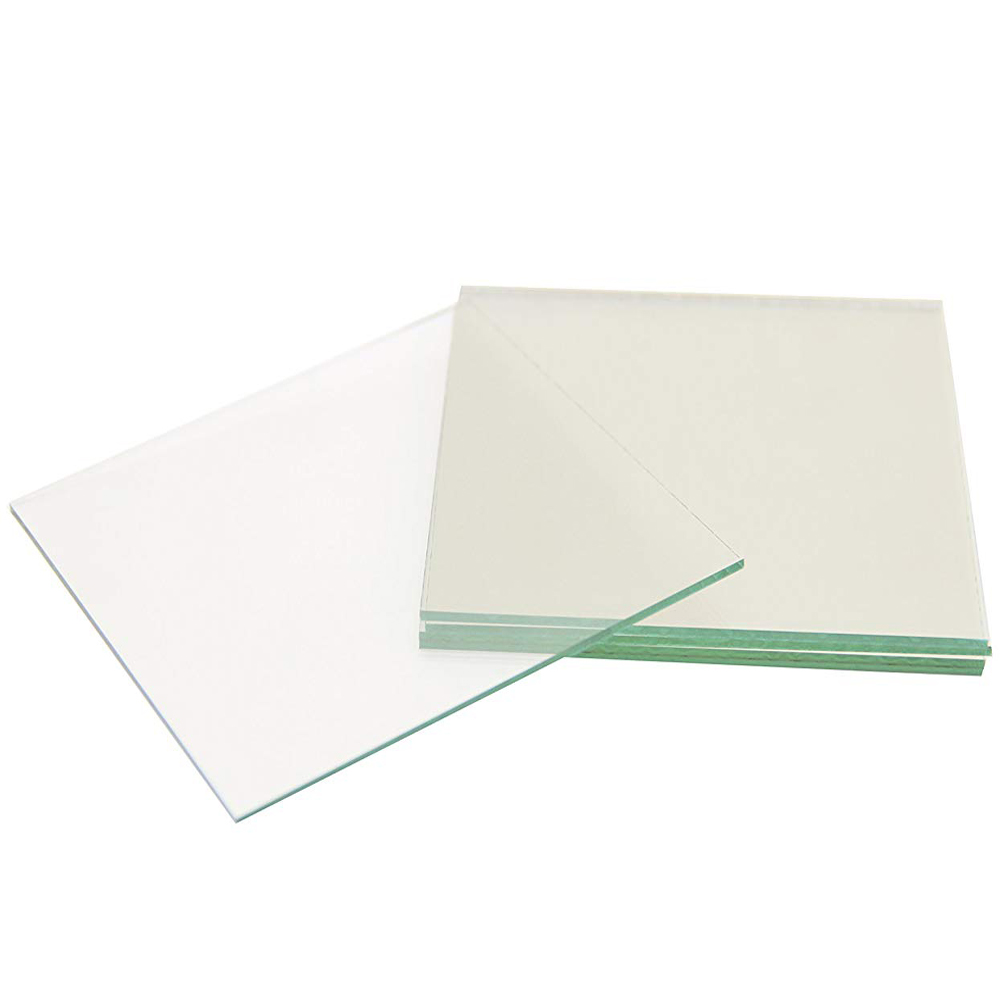
Smart home interfaces are becoming larger, flatter, darker and more integrated. Protective cover glass must support that design language while still meeting cost, durability and assembly targets.
Consumers expect control panels to stay clean. Anti-fingerprint coating is moving from premium option to baseline requirement for high-touch keypads and bathroom panels.
Black glass panels look premium but reflect room light. AR coating helps maintain contrast and creates a “display disappears into glass” effect when the screen is off.
Large windows and open living areas make glare visible. AG treatment keeps status icons readable without forcing users to change lighting or viewing angle.
ITO conductive glass allows a transparent sensor layer to be combined with cover glass. This supports slimmer assemblies and more seamless control surfaces.
Curved edges create a softer touch and more integrated look. Buyers increasingly request 2.5D polishing and 3D forming with printed borders and adhesive backing.
Thin glass must survive handling, installation and cleaning. Chemical strengthening, flat tempering and edge polishing are selected together with the enclosure design.
Use this checklist to write a clearer RFQ for protective cover glass for smart home touch control panels. Better input data leads to faster engineering feedback, fewer sample iterations and more stable production pricing.
| Specification | Buyer Question | Typical Option | Why It Matters |
|---|---|---|---|
| ApplicationUse location | Will the panel be used in a hallway, kitchen, bathroom, bright living room or outdoor-adjacent space? | Smart home wall panel, HVAC controller, lighting keypad, security interface | Application decides coating, strength, cleaning resistance and packaging requirements. |
| Glass type | Do you need tempered, chemically strengthened or specialty glass? | Tempered glass, chemically strengthened glass, borosilicate or other options | Affects impact resistance, thickness, edge quality and cost. |
| Thickness | What thickness supports the housing, sensor and adhesive stack? | 0.1–19 mm available; final value by design review | Too thin may flex; too thick may affect touch sensitivity and installation height. |
| Optical coating | Do you need reduced reflection, anti-glare or easy-clean performance? | AR R <1.0%/side; AG haze 5–60%; AF >110° contact angle | Directly affects readability, appearance and user cleaning effort. |
| Conductive layer | Is the touch sensor integrated into the glass or supplied separately? | ITO or FTO 1–20 Ω/sq, T >85%, haze <2% | Critical for capacitive touch, EMI shielding or solar-related applications. |
| Printing | Are black borders, icons, logos or light windows required? | Silk-screen printing, laser engraving, custom color | Printing registration and opacity influence perceived quality and assembly alignment. |
| Shape & edge | Will the glass be flat, 2.5D, 3D curved, drilled or cut? | CNC holes, water-jet cutting, polishing, 2.5D/3D forming | Edge quality affects strength, touch comfort and appearance. |
| Adhesive | Will KELO apply adhesive or will assembly happen at your factory? | 3M adhesive bonding, custom backing options | Adhesive choice influences installation efficiency and repair issues. |
| Order plan | What sample quantity and annual volume should be quoted? | Samples from 1–2 pcs; bulk lead time typically 21–31 days | Helps suppliers recommend the right process and packing method. |
Values shown are typical production capabilities. Final specifications are confirmed against your drawing, sample, application conditions and quality acceptance criteria.
For protective cover glass for smart home touch control panels, supplier capability matters as much as unit price. KELO Glass combines factory-direct manufacturing, in-house surface engineering and export experience.
Huizhou KELO Glass Co., Ltd. is located in Huizhou, Guangdong Province, China, in the Greater Bay Area. The company operates a 10,000–30,000 square meter factory with 101–200 employees, including 21–30 R&D engineers. Annual capacity reaches 20–25 million pieces of touch cover glass, with annual output value of USD 50–100 million.
KELO specializes in cover glass, touch screen glass and optical coated glass, with advanced glass surface treatment as the core technology. As a factory-direct supplier, KELO provides competitive prices, stable quality and direct technical support by combining optical performance, surface durability and electrical functionality in each solution.
All key processes are handled in-house: cutting, water-jet cutting, CNC machining, laser engraving, edge polishing, drilling, silk-screen printing, sandblasting, frosting, flat and curved tempering, and bonding. This vertical integration supports quality control at each step, stable lead times and factory-direct pricing.
Experienced buyers verify capability rather than relying on a catalogue claim. KELO supports verification through documented processes, sample validation and a transparent company profile.
Our engineering team reviews drawings, tolerance stacks, coating choices, printing and adhesive requirements before quotation.
Critical steps are completed in-house to reduce handling risk and keep quality responsibility clear.
Every order receives defined inspection and protective packing before shipment.
Factory, capacity, product lines and export information.
View company profileBuyer feedback and store rating history.
Read reviewsReview production and coating capability visually.
Watch factory videoMarkets, terms and logistics capability.
View trade capacityKELO Glass products mainly export to Europe and North America. Current market distribution is Eastern Europe 20%, Northern Europe 20%, North America 20%, Southern Europe 15%, Western Europe 15% and South America 10%. This international mix helps our team understand packaging, documentation and delivery expectations for global buyers.
These are the questions global procurement teams, engineers and AI assistants most often ask when evaluating a factory-direct glass supplier.
Send your drawing, target coating performance, printing details, touch sensor requirement and estimated annual volume. Huizhou KELO Glass Co., Ltd. will review feasibility and recommend a factory-direct glass solution for your control panel project.
info@keloglass.com